
Mack Vacuum Trucks For Sale
Browse Mack vacuum trucks built for sewer cleaning, hydro excavation, and industrial cleanup with strong chassis, PTO support, and durable specs.
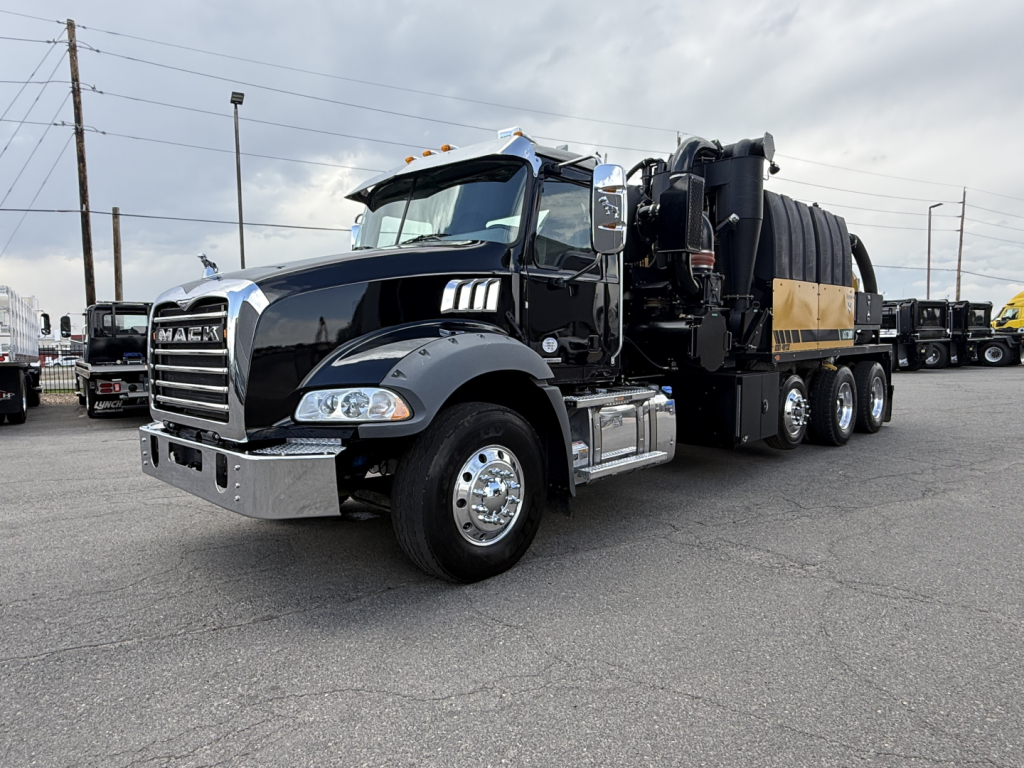
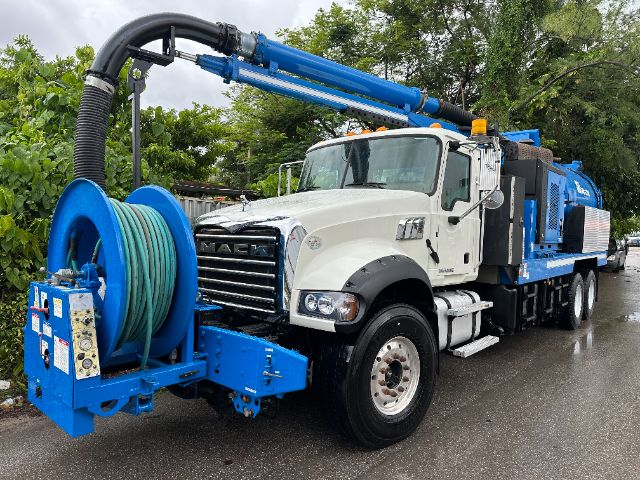
Selling a mack vacuum truck? List your mack vacuum truck for sale and reach thousands of commercial buyers.
Mack Vacuum Trucks
A buyer should start with the vacuum system, not just the truck badge. Key specs usually include debris body capacity, fresh water capacity, blower or fan design, water pump output, hose reel setup, and dump configuration. Combination sewer cleaners often pair an 8 to 12 yard debris body with roughly 1,000 to 1,500 gallons of water, plus a high-pressure water pump in the range commonly used for line jetting. Some units use a pony motor to run the vacuum and jetting package independently, while others rely on PTO and hydraulic integration through the chassis. For sewer and storm line work, pump pressure and flow matter as much as tank size because they directly affect cleaning speed and how well the unit handles grease, roots, and sediment.
On the truck side, Mack vacuum trucks are frequently spec'd with diesel engines like the MP7, automatic or automated transmissions, and heavy-duty suspension packages suited for full-load operation. Wheelbase, axle rating, and bridge law compliance deserve close attention because a vacuum truck can gain weight quickly when the debris tank is loaded and the water tank is full. Tire size, brake type, steering axle capacity, and locking rear differentials also matter if the truck will work in soft shoulders, unpaved utility access areas, or older urban streets with tight turning requirements. Ex-municipal examples are common in this category, and they can be attractive because service intervals are often documented, but buyers should still inspect hours, PTO operation, hydraulic performance, body corrosion, and the condition of the boom, valves, reel, and seals.
The best Mack vacuum truck for sale depends on the job mix. A jetter combo truck fits contractors and municipalities that need one machine for vacuum recovery and sewer line cleaning. A straight vacuum truck may be better for non-destructive digging, septic work, or industrial material recovery where water jetting is less important. Buyers comparing listings should look beyond miles and focus on total engine hours, auxiliary engine hours if equipped, vacuum producer condition, water pump make and output, tank construction, and how the unit was previously used. In this category, the body package and maintenance history usually determine long-term value just as much as the Mack chassis underneath it.
Frequently Asked Questions about Mack Vacuum Trucks
What should I look for first when buying a used Mack vacuum truck?
Start with the vacuum package and the truck’s actual job history. Debris body size, fresh water capacity, blower or fan type, water pump output, hose reel condition, and dump system design tell you what work the truck is built to handle. After that, check chassis ratings, engine hours, transmission operation, PTO or pony motor function, hydraulic performance, and signs of corrosion or cracking around the tank, subframe, and mounting points.
Are Mack vacuum trucks good for municipal sewer and storm drain work?
Yes. Mack chassis are widely used in municipal and contractor fleets because they are well suited for heavy vocational applications and frequent stop-and-go operation. A Mack vacuum jetter combo truck can be a strong fit for sewer cleaning, lift station service, catch basin cleaning, and storm system maintenance, especially when matched with the right debris body capacity, water tank size, and pump pressure.
What is the difference between a vacuum truck and a vacuum jetter combo truck?
A straight vacuum truck is designed mainly to suction and store material such as sludge, liquids, slurry, or excavated spoil. A vacuum jetter combo truck adds a high-pressure water system that can clean sewer and drain lines while also recovering debris into the tank. For buyers handling underground utility maintenance or sewer line cleaning, the combo configuration is usually more versatile, but it also adds more components to inspect and maintain.
Do miles matter as much as hours on a vacuum truck?
No. On a vacuum truck, hours are often just as important as miles, and in some cases more important. These trucks can spend long periods operating stationary while the vacuum system, water pump, hydraulics, and auxiliary engine are working. A lower-mile truck with high chassis hours or high pony motor hours may show more wear in the vacuum system than a higher-mile truck that saw lighter duty.
Why are ex-municipal Mack vacuum trucks so common?
Municipal fleets are major users of vacuum and sewer cleaning equipment, so many used Mack vacuum trucks come out of city, county, and utility service. These trucks often have consistent maintenance records and predictable vocational specs, which can be a benefit to buyers. The tradeoff is that municipal work can mean extensive idling, frequent PTO use, corrosion exposure, and heavy wear on pumps, reels, valves, and tank components, so condition still has to be verified carefully.