
Used Vacuum Tank Trucks For Sale
Shop used vacuum tank trucks for septic, sewer, industrial, and municipal work. Compare tank size, pump type, chassis specs, and body condition.
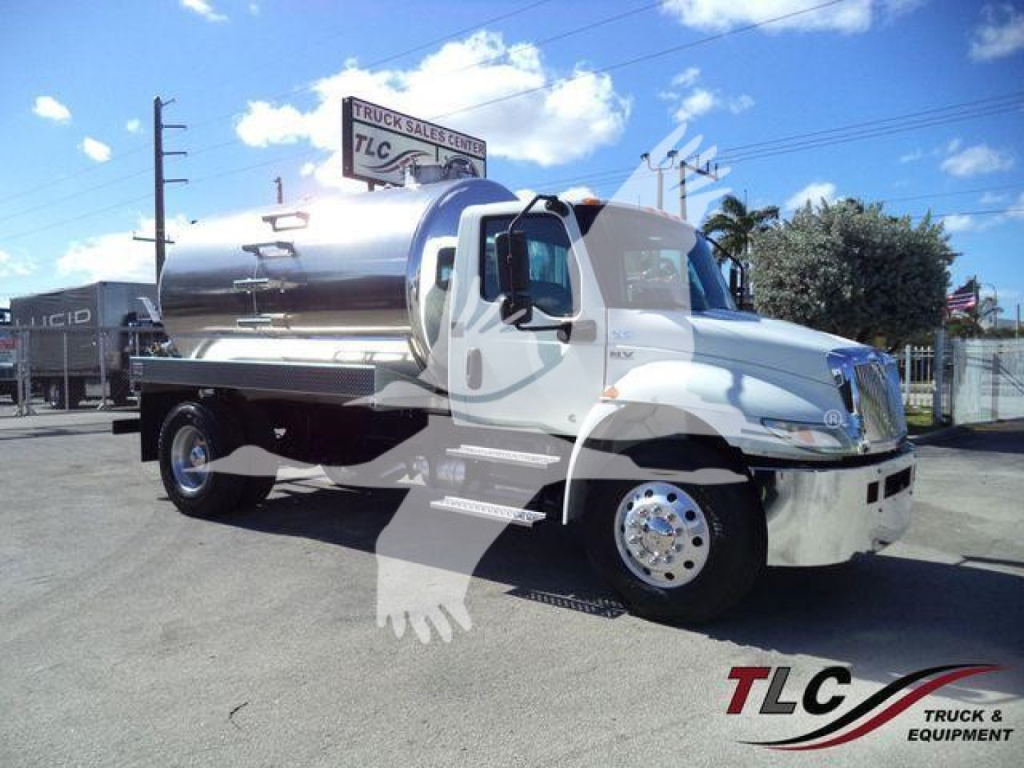
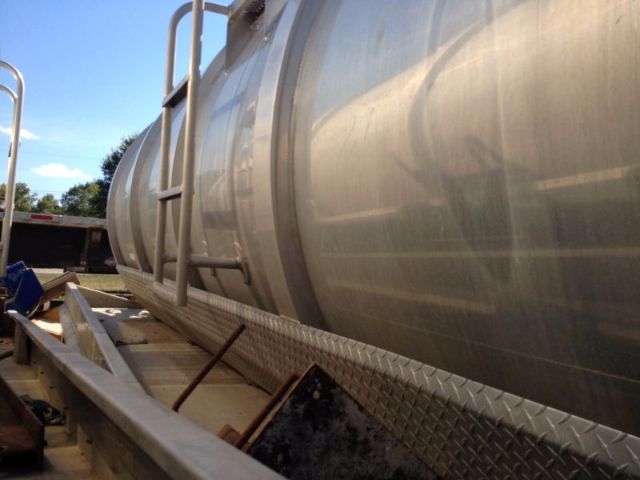
Have used vacuum tank truck to sell? List it here to reach thousands of buyers.
Used Vacuum Tank Trucks
Tank capacity, tank material, and vacuum system design drive most buying decisions. Used vacuum tank trucks often range from about 1,500 to 4,000 gallons on single-axle chassis, with larger tandem-axle units available for higher-volume work. Aluminum tanks save weight and can improve payload, while steel tanks are often preferred for durability in harsher service. Look closely at whether the tank is baffled, the number of compartments, hatch style, rear door or discharge configuration, hose tray layout, and sight glasses or level indicators. On the vacuum side, pump brand, CFM rating, maximum vacuum, hours, and service history matter more than paint. A worn pump, rusted separator, leaking seals, or damaged plumbing can turn a low purchase price into a costly rebuild quickly.
Chassis specs should be evaluated as a work package, not just a cab and engine. Common used setups include Freightliner M2, Peterbilt 330, and similar medium-duty platforms with diesel engines and Allison automatic transmissions. Check GVWR, axle ratings, wheelbase, suspension type, PTO operation, and brake configuration against the loaded weight of the truck. A short wheelbase helps in residential and urban work, but tank size and hose storage can push buyers toward longer frames. If the truck will spend time off pavement or in soft ground, pay attention to rear ratio, traction aids, tire condition, and frame corrosion. Vacuum trucks that look acceptable in photos can still have expensive issues in the subframe, crossmembers, tank saddles, or PTO driveline.
Condition on a used vacuum tank truck should be judged by the body and system first, then the chassis. Inspect the tank interior for pitting, corrosion, patches, cracked welds, and hatch sealing surfaces. Verify pump engagement, vacuum build time, discharge performance, valve operation, and the condition of hoses, gaskets, and seals. On sanitary and septic units, check for signs of long-term chemical exposure and confirm the discharge plumbing matches your dumping process. If the truck came from municipal or government service, maintenance records can be a real advantage, but idle time and deferred repairs still need to be priced in. A well-matched used vacuum tank truck can be a strong value when the tank, pump, PTO, and chassis all line up with the exact duty cycle you expect.
Frequently Asked Questions about Used Vacuum Tank Trucks
What size vacuum tank truck is best for septic or sanitary service?
For many septic and sanitary applications, used vacuum tank trucks in the 2,000 to 4,000 gallon range are the most practical balance of payload, maneuverability, and chassis cost. Smaller single-axle units work well for residential routes with tight driveways and lower bridge or weight restrictions. Larger tanks improve efficiency on rural routes or commercial pumping jobs, but they also increase gross weight, turning radius, and axle loading. The right size depends on route density, disposal site distance, and the legal loaded weight of the chassis.
What should I inspect first on a used vacuum tank truck?
Start with the vacuum system and tank condition, because those are often the most expensive repairs. Check the pump model, hours if available, vacuum performance, oil condition, separator, relief valves, plumbing, and PTO engagement. Then inspect the tank for internal corrosion, pitting, worn hatch gaskets, damaged rear door sealing surfaces, and any repaired cracks or patches. After that, move to the chassis, including engine, transmission, brakes, suspension, frame, and electrical system.
Are aluminum or steel vacuum tanks better?
Aluminum vacuum tanks are popular because they reduce empty weight and can allow more legal payload on a given chassis. They are common in septic and sanitary service where corrosion resistance is important. Steel tanks are typically favored where the application is tougher and impact resistance matters more, but they can add weight and may require closer inspection for rust and scale. The better choice depends on the material being hauled, local corrosion exposure, and how important payload is to your operation.
Do vacuum tank trucks usually have automatic transmissions?
Many used vacuum tank trucks on medium-duty chassis are equipped with Allison automatic transmissions because they are well-suited for stop-and-go service, PTO work, and drivers who operate in tight locations. Automatic transmissions can reduce driver fatigue and simplify operation during repeated loading and discharge cycles. Manual transmissions are still found in some heavier or older units, but automatics are very common in septic, municipal, and utility applications.
Can a used vacuum tank truck be used for industrial waste, septic, and municipal work interchangeably?
Not always. A vacuum tank truck may look similar across applications, but tank material, pump capacity, plumbing layout, internal coatings, baffling, filtration, and discharge configuration can make one unit better suited to a specific job. Septic service trucks are often optimized for sanitary waste and route efficiency, while industrial or municipal units may require different hose setups, heavier-duty components, or compatibility with different waste streams. Buyers should confirm that the body design, tank condition, and legal compliance match the exact material and operating environment.