
Vacuum Tank Trucks For Sale in New York
Browse vacuum tank trucks for sanitary, septic, industrial, and municipal hauling. Compare tank size, material, pump setup, and discharge options.
Selling a vacuum tank truck? List your vacuum tank truck for sale and reach thousands of commercial buyers.
Vacuum Tank Trucks in New York
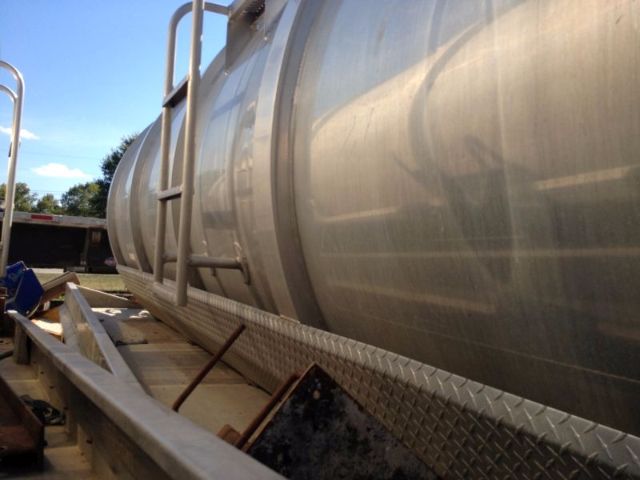
Tank construction matters more than many buyers expect. Aluminum tanks help reduce empty weight and can improve legal payload, while steel tanks are often chosen for durability and repairability in rough service. Capacity varies widely, but many straight-truck vacuum tank builds fall in the roughly 2,000 to 5,000 gallon range depending on wheelbase, axle ratings, and intended product. A baffled single-compartment tank is common for septic and sanitary work because it improves load control in transit. Buyers should also review access details like side ladders, top hatch placement, sight glasses or level indicators, cleanout access, and hose tray layout. Rear discharge plumbing and full-opening rear doors can make unloading and tank cleaning much faster, especially when the truck will handle thicker material.
The vacuum package deserves close attention. Pump brand, free air CFM, achievable vacuum level, hydraulic or PTO drive, and the condition of valves and seals all affect loading speed and operating cost. For used vacuum tank trucks, inspect hatch gaskets, rear door sealing surfaces, pump hours if available, plumbing wear, and any signs of pitting or internal corrosion around openings where sealing is critical. In New York, many buyers also consider seasonal use and washout practices because freeze-thaw conditions can be hard on valves, hoses, and drains. If the truck will work in tighter urban routes, overall length, turning radius, and hose access from either side can matter just as much as raw tank volume.
A good vacuum tank truck is matched to the material being hauled and the route it runs every day. Heavier sludge service may call for a shorter tank with stronger payload support and efficient cleanout access, while septic and sanitary pumping often favors balanced gallon capacity, practical hose storage, and dependable rear discharge. Before buying, confirm whether the tank is code or non-code, review DOT and state compliance needs for the material being transported, and compare axle ratings to realistic loaded weights. The best choice is rarely just the biggest tank. It is the unit with the right vacuum performance, sealing condition, tank construction, and service layout for the work.
Frequently Asked Questions about Vacuum Tank Trucks in New York
What should I look at first when comparing vacuum tank trucks?
Start with tank capacity, tank material, and the vacuum system. Capacity affects route efficiency and legal payload, material affects weight and corrosion resistance, and the pump package determines how quickly the truck loads and unloads. After that, review axle ratings, baffling, discharge configuration, hose storage, and tank access points because those details directly affect daily productivity and maintenance.
What is the difference between an aluminum and a steel vacuum tank?
Aluminum vacuum tanks are usually lighter, which can help maximize payload on weight-sensitive routes. Steel tanks are generally favored when buyers want ruggedness and straightforward repair options. The right choice depends on what the truck will haul, how corrosive the material is, and whether low empty weight or long-term structural durability is the bigger priority in the operation.
How important is a baffled tank on a vacuum truck?
A baffled tank is important because it helps control liquid surge during acceleration, braking, and cornering. That improves vehicle stability and driver confidence, especially on regional roads and stop-and-go routes. For sanitary and septic applications, a single-compartment baffled tank is a common and practical setup because it balances load control with simpler tank cleaning and discharge.
What should I inspect on a used vacuum tank truck before buying?
Inspect the pump condition, plumbing, valves, seals, hatch gaskets, rear discharge door or hatch surfaces, and any evidence of internal or external corrosion. Pay close attention to pitting around discharge openings and sealing edges because those areas can create recurring leakage and maintenance problems. It is also smart to verify tank capacity, compartment design, drive system, and whether the tank is code or non-code for the intended service.
Are vacuum tank trucks and septic trucks the same thing?
A septic truck is a common type of vacuum tank truck, but the category is broader than septic service alone. Vacuum tank trucks can also be used for sanitary hauling, grease trap work, portable toilet service, industrial liquids, and municipal sewer maintenance. The tank layout, pump specification, and discharge setup usually reflect the material being handled and the type of route the truck is expected to run.