
Used Commercial Trucks For Sale in Tennessee
Shop used trucks for sale in Tennessee. Compare sleeper, day cab, box and vocational specs with engines, ratios and regional tips to fit your routes.
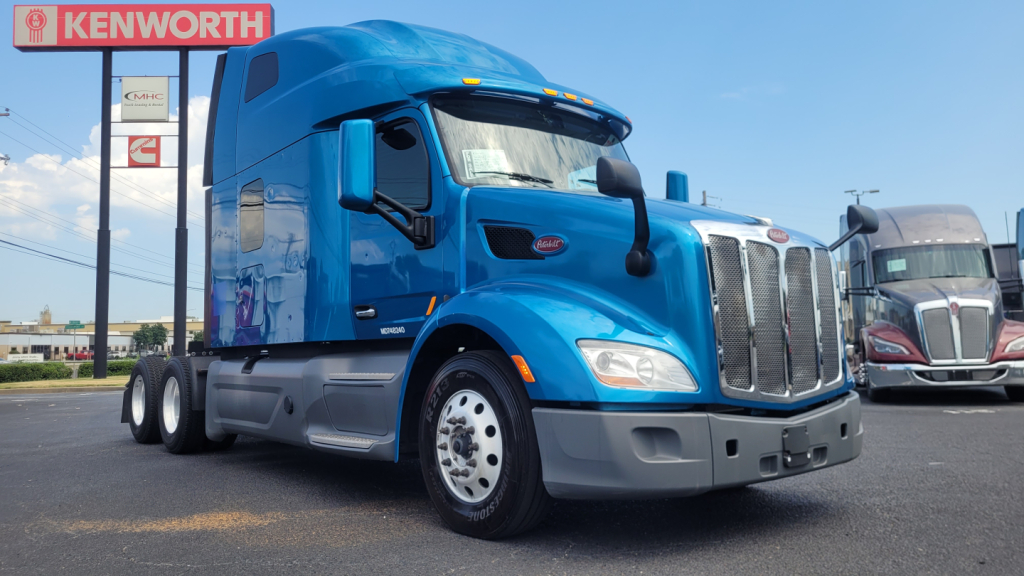
2021 Peterbilt 579
491,902 mi
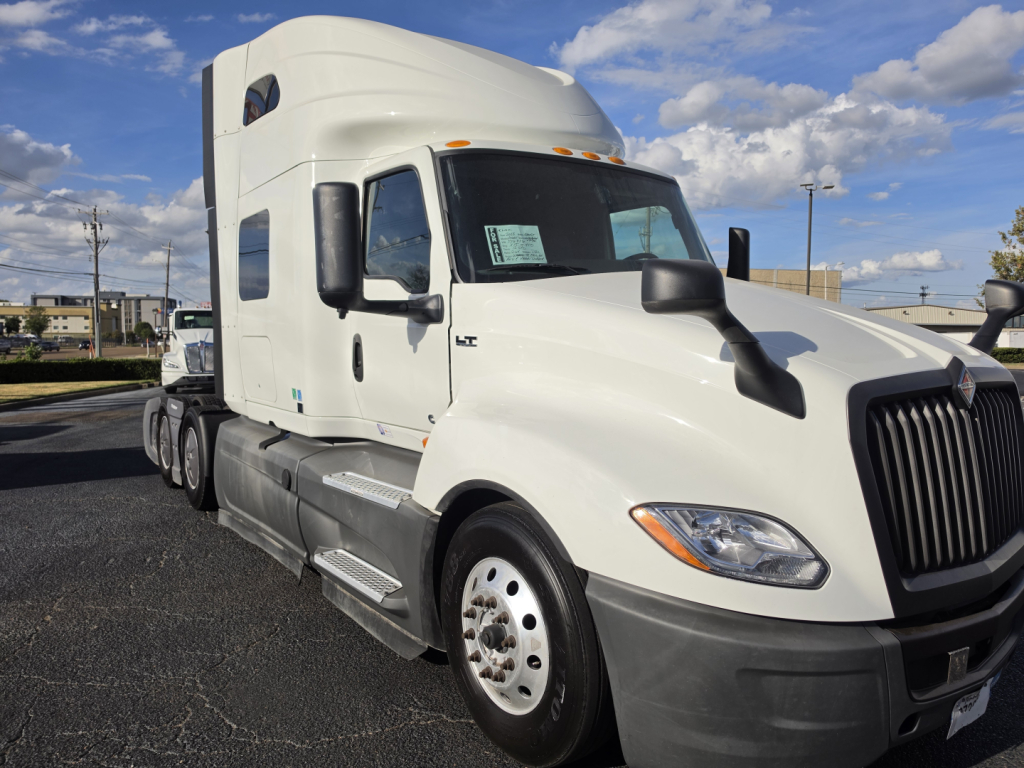
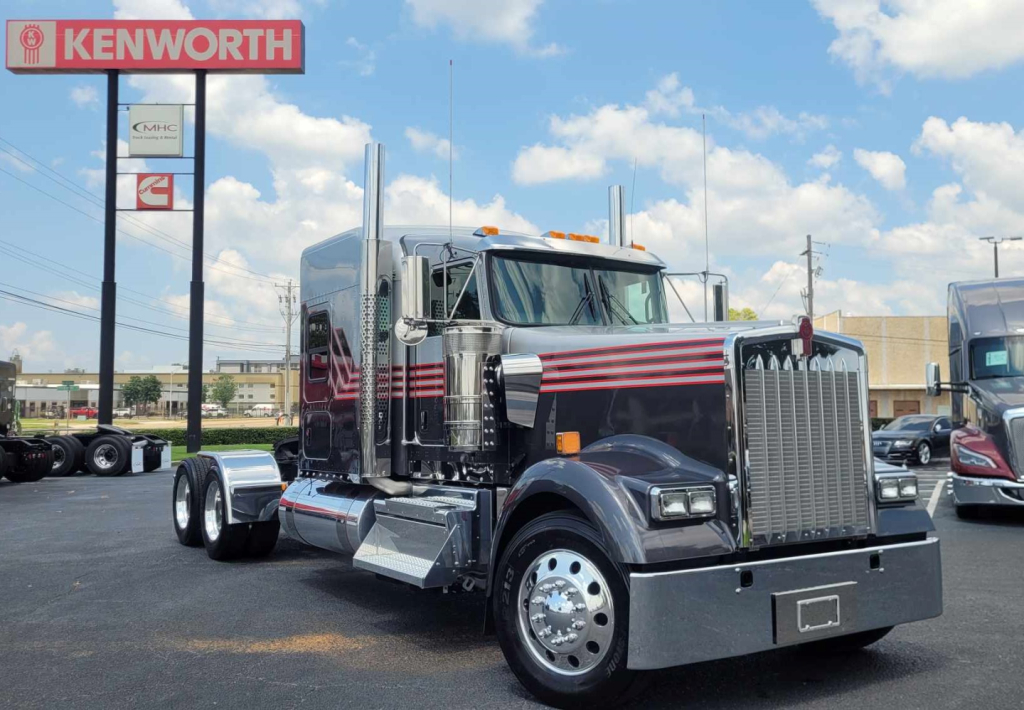
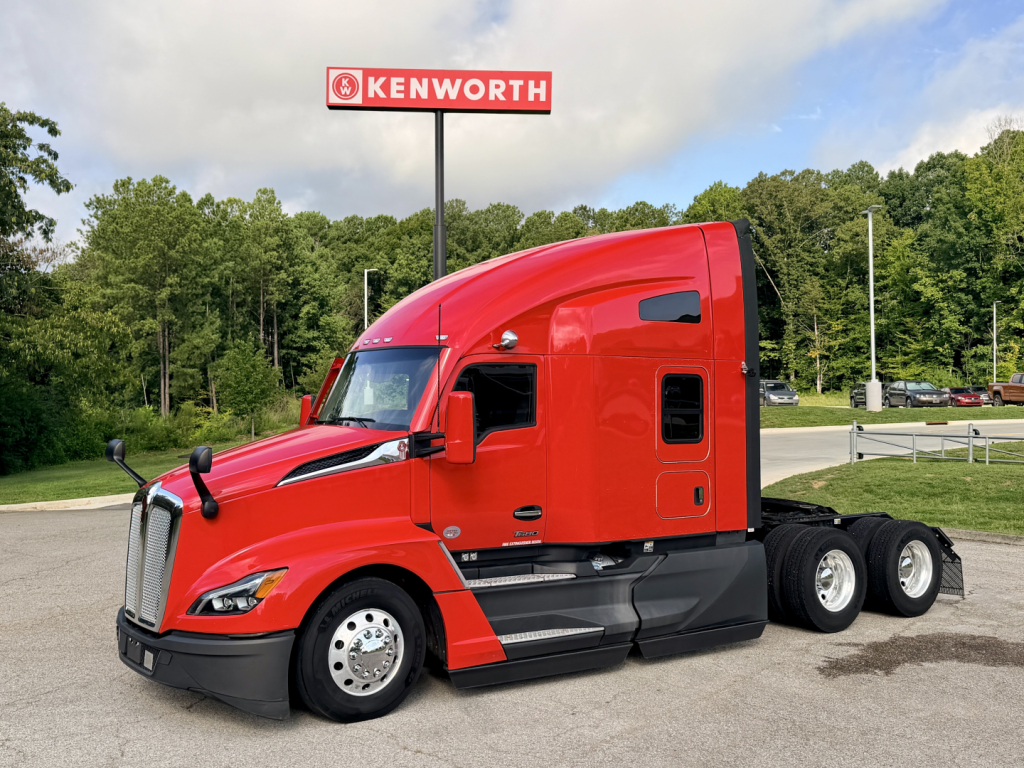
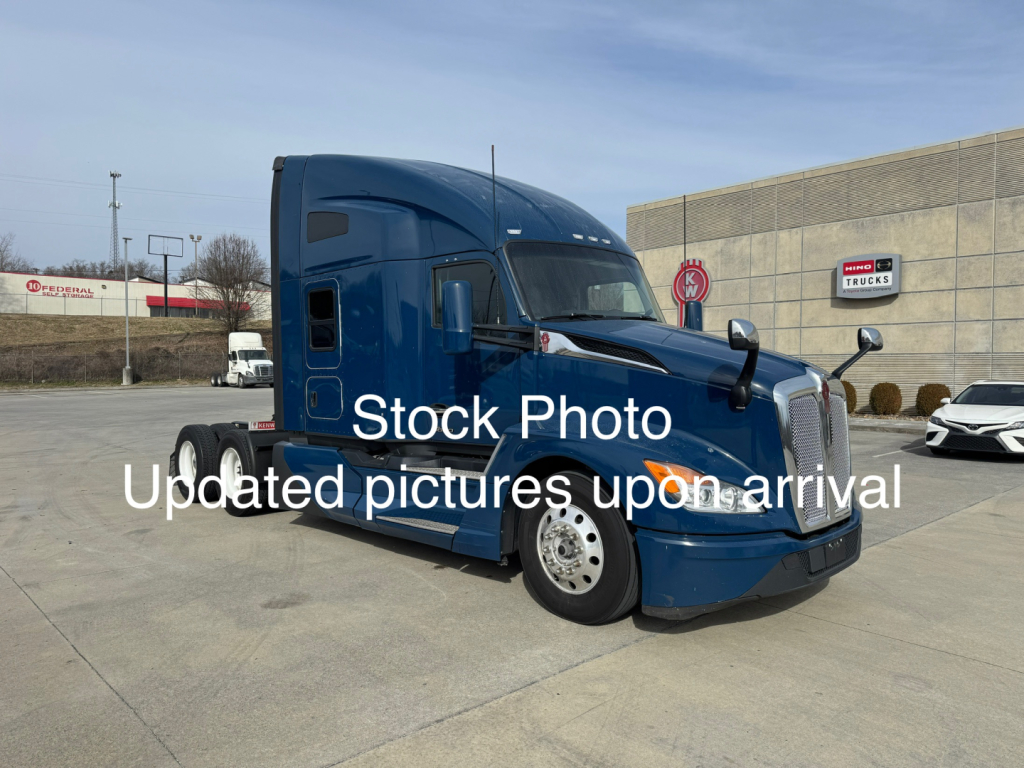
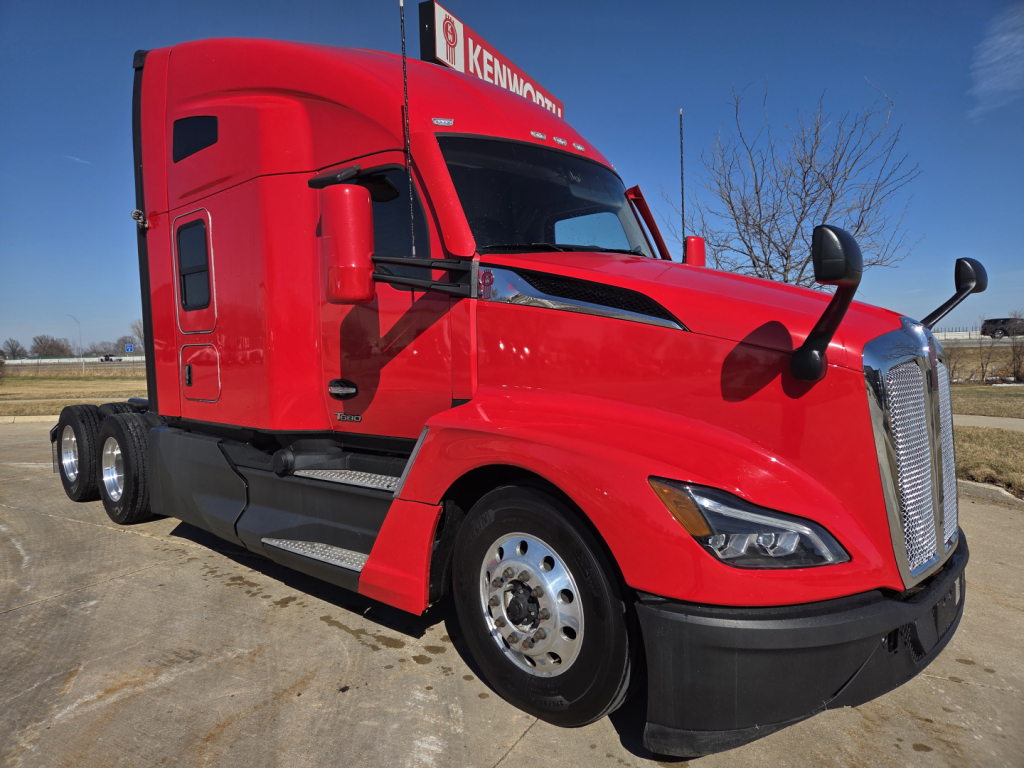
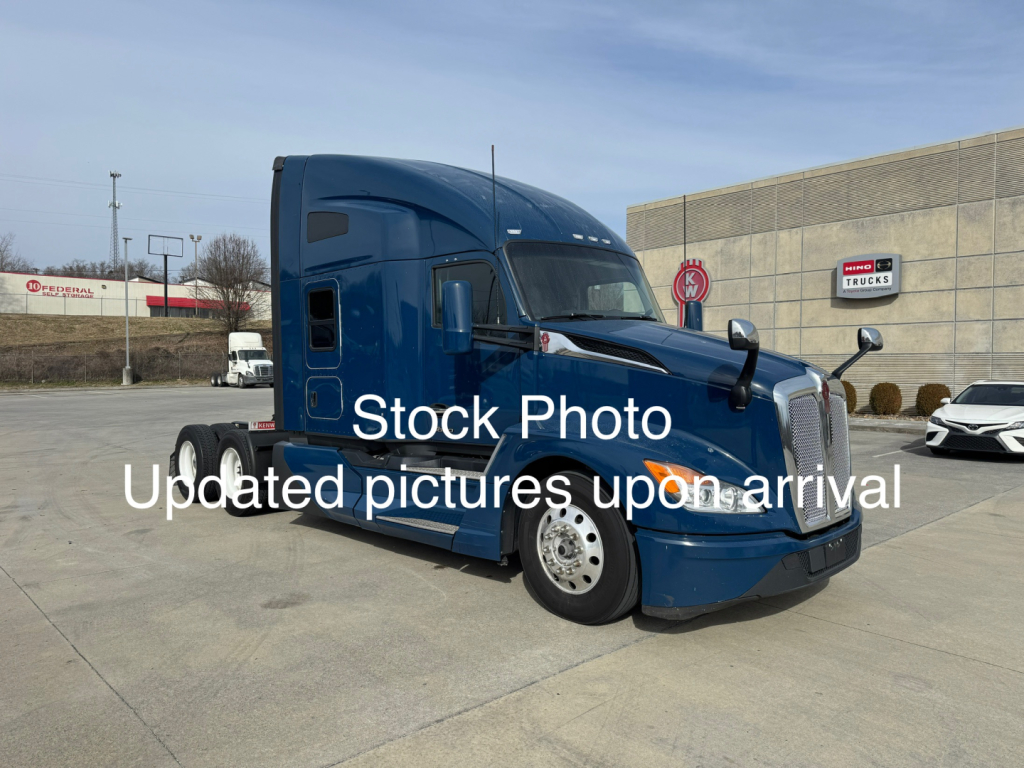
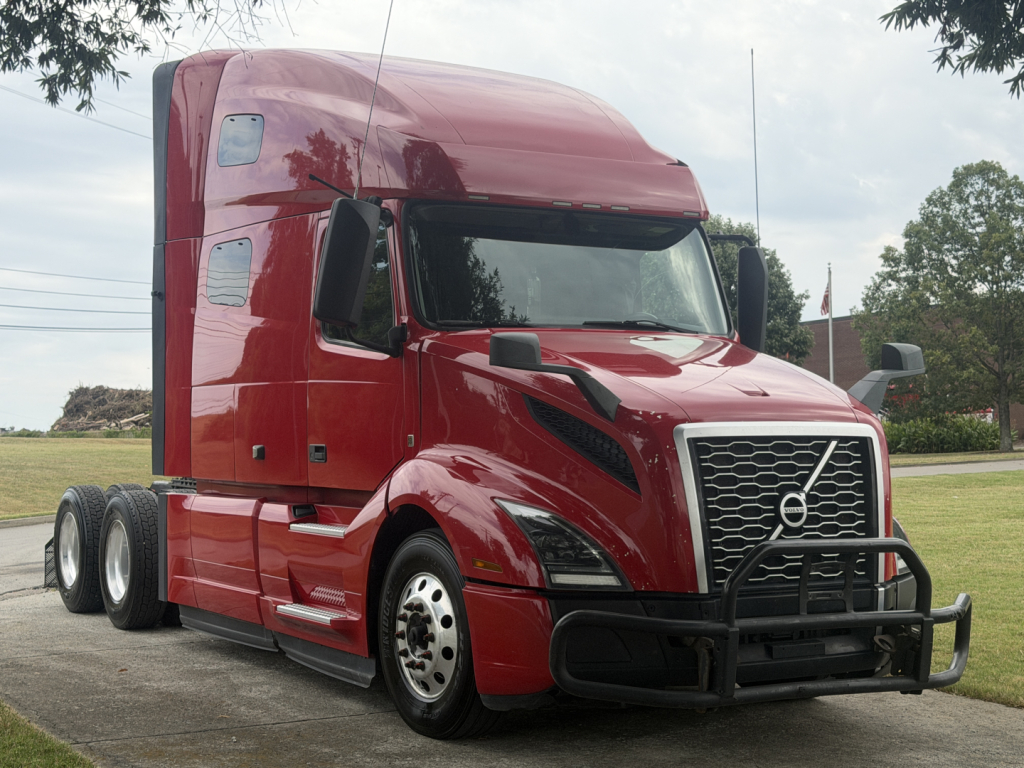
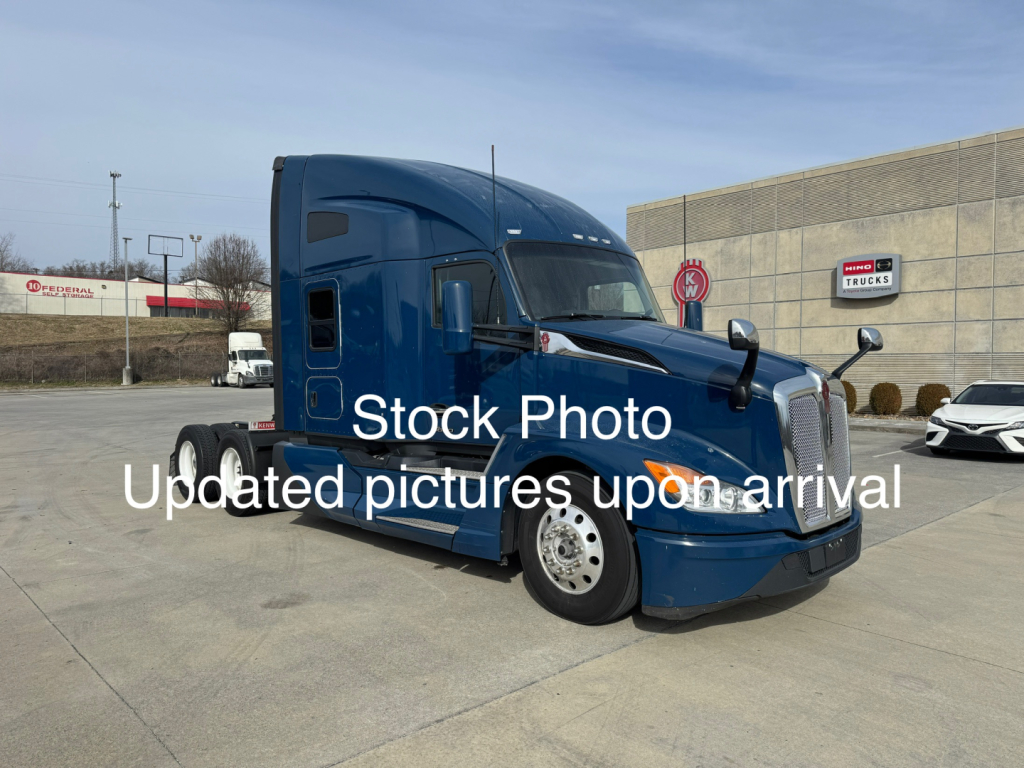
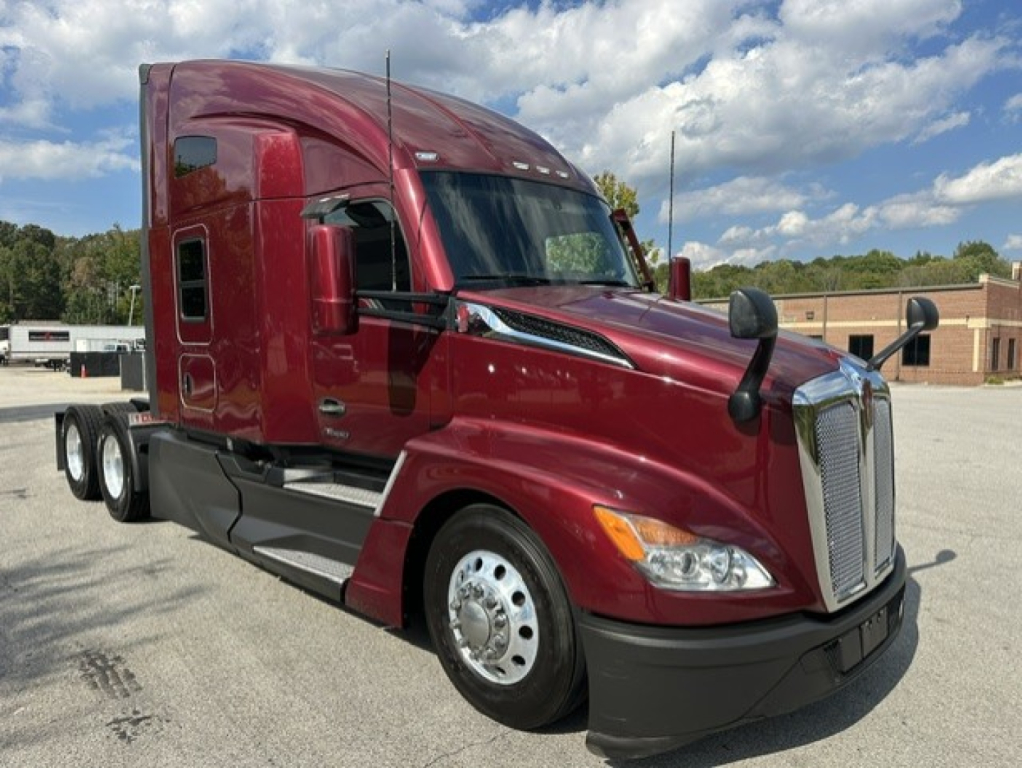
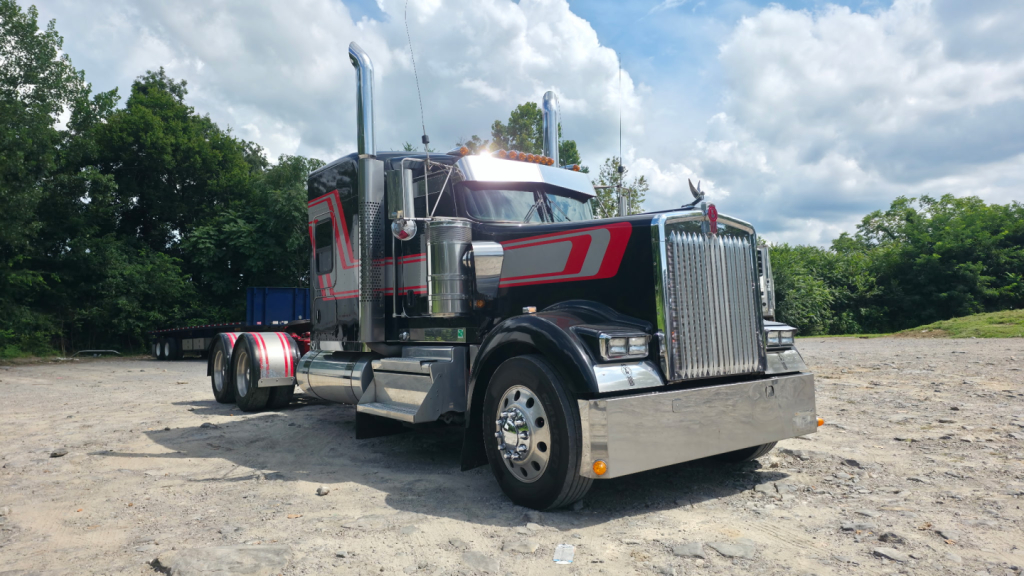
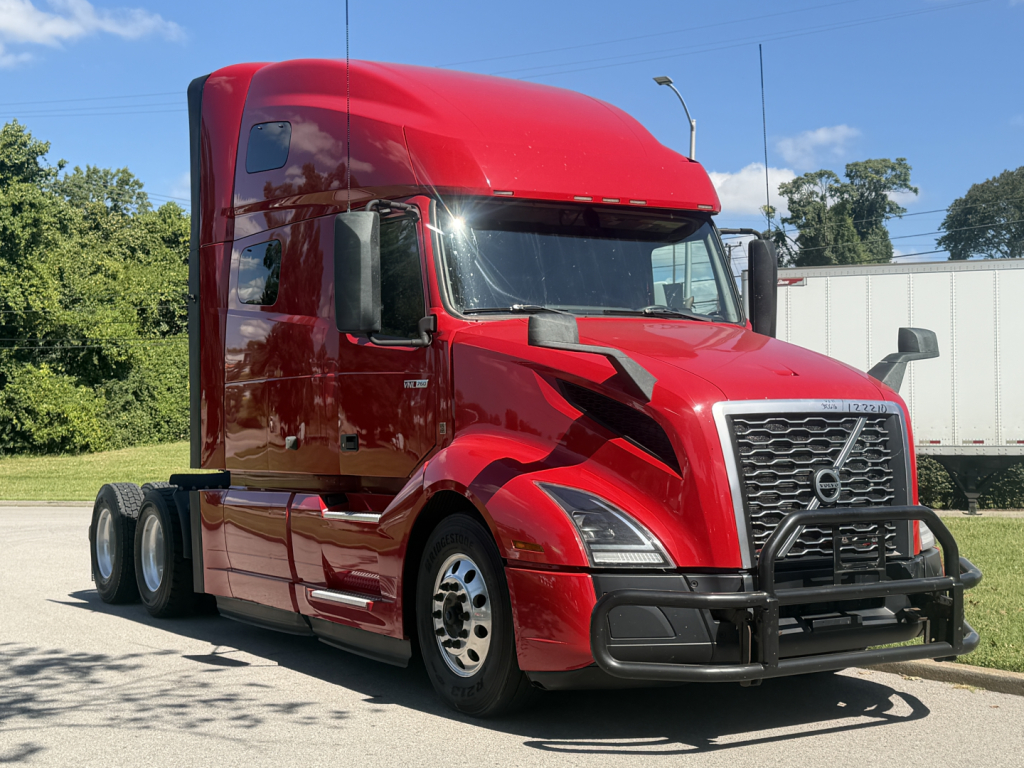
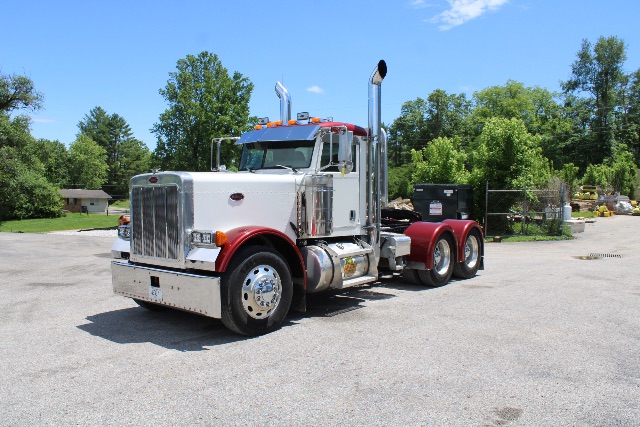
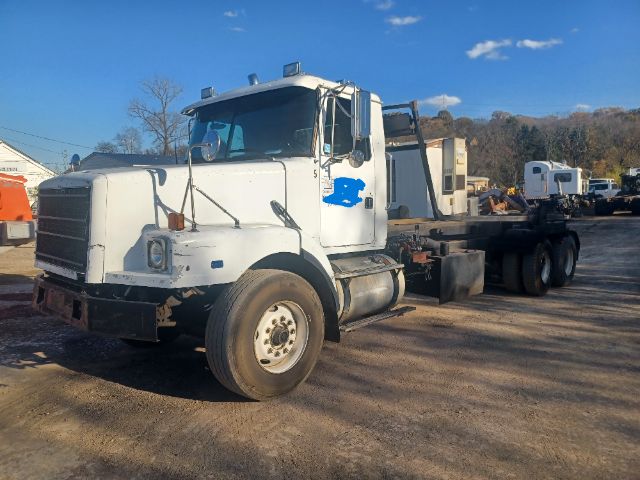
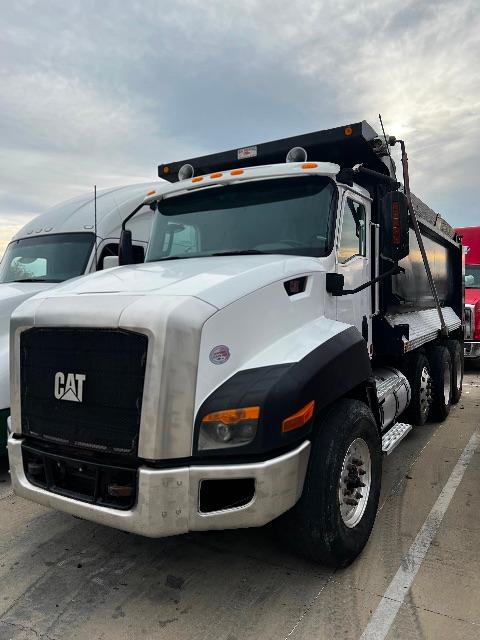

Showing 29 to 52 of 52 results
Looking for the easiest place to sell your used commercial truck? List it here to reach thousands of buyers.
Used Commercial Trucks in Tennessee
Used trucks in Tennessee span highway sleepers, regional day cabs, medium-duty box trucks, and vocational units for aggregates, refuse, and timber. For over-the-road tractors, look at aero fairings, roof height, 72 to 80 inch bunks, and APUs or inverters that cut idle time at shipper yards. Regional day cabs around Chattanooga and Nashville benefit from tighter wheelbases for docks, 50 to 120 gallon tanks for weight-sensitive routes, and power divider locks for wet yards. Vocational choices often include double frame or high RBM rails, full locking diffs, 18 speed manuals or heavy AMTs, and wet kits for dump or lowboy work. Medium-duty delivery trucks typically run 24 to 26 foot boxes, 102 inch width, and tuck-under or rail liftgates sized to dock height.
Common powertrains include Cummins X15, Detroit DD15 or DD13, PACCAR MX-13, Volvo D13, and International A26, matched to Eaton UltraShift, Detroit DT12, Volvo I-Shift, or classic Eaton Fuller 10, 13, and 18 speeds. Look for Meritor or Dana tandems with the ratio that fits your lane, auto-lube systems, air ride suspensions with good bushings, and tire inflation systems that protect casings in hot weather. Aero packages, low-rolling-resistance tires, and optimized cruise control can make a measurable difference on I-24 and I-65. Aftertreatment condition is pivotal on late-model units: healthy DPF and SCR components, recent doser or NOx sensor history, and proof of proper parked and passive regens reduce downtime.
Evaluation on a used Tennessee truck is straightforward. Verify ECM mileage, idle percent, average load, and fault history. Pull an oil sample, inspect charge air cooler and radiator fins, check for frame corrosion or prior reinforcements, and measure brake lining or rotor thickness. On sleepers, confirm HVAC performance and APU hours. On day cabs and dumps, confirm PTO spec and wet kit pressure and flow. For box and reefer trucks, match box height to your docks, check door tracks and roof seams, and review reefer hours for Thermo King or Carrier units. Tennessee roads are generally easy on corrosion, but many units migrate from salt states, so scrutinize crossmembers and suspension brackets. Confirm overall height at or below 13 ft 6 in, wheelbase and kingpin settings for tight-city deliveries, and typical 80,000 lb interstate weight compliance before you commit.
Frequently Asked Questions about Used Commercial Trucks in Tennessee
How should I choose axle ratio for Tennessee routes?
Match gearing to terrain and cruise speed. For hillier lanes near Knoxville and the Plateau, 3.08 to 3.36 with a multi-speed manual or a strong AMT keeps the engine in the torque band on grades. For flatter Memphis to Nashville lanes at 65 to 70 mph, 2.47 to 2.79 with an AMT or direct drive setup can lower rpm and fuel burn. Consider tire size and top-gear ratio together, and confirm your typical gross weight and speed profile before deciding.
What should I inspect on a used truck’s aftertreatment system?
Scan the ECM for active and inactive fault codes, regens performed, ash load, and SCR efficiency. Inspect the DPF for cracks or heavy soot load, look for DEF crystal buildup at lines and the doser, and verify NOx and differential pressure sensor operation. A proper warm-up drive should produce steady inlet and outlet temps. Ask for service records that show DPF cleaning intervals, EGR cooler work, and any SCR catalyst replacements.
Are automated manual transmissions a good fit for Tennessee freight?
AMTs perform well across the state. On I-40 and I-24 they manage shift strategy for fuel economy, and in the Appalachians they hold gears intelligently on climbs when paired with a suitable ratio. Choose hill-start aid and a performance mode if you run heavy or stop-and-go. For severe vocational work, ensure the AMT is the heavy-duty variant and confirm PTO compatibility and creep modes. Traditional 13 or 18 speeds remain popular for off-road and heavy haul control.
What sleeper features matter for running across Tennessee?
Focus on thermal comfort and power management. APU or battery HVAC cuts idle in summer humidity and at urban shipper yards. Look for double bunks only if you truly need them, since weight and storage trade-offs matter. A 72 to 80 inch mid or high roof with cabinets, inverter, and good insulation eases long I-40 stretches. Aero skirts, roof fairings, and cab extenders reduce crosswind drag between Nashville and Memphis.
What measurements and paperwork should I confirm before purchase?
Verify ECM miles against odometer, title status, and lien releases. Match wheelbase and kingpin settings to your trailer fleet and delivery locations, and confirm fifth wheel height for compatibility with your trailers. Check axle ratings, GCWR, and suspension capacity for your typical gross weight. For straight trucks, confirm inside box height, door opening, and liftgate capacity meets your docks. Review recent DOT inspection reports and maintenance records to reduce surprises.