
Used Commercial Trucks For Sale in Ontario
Browse used trucks for sale in Ontario, including day cabs and sleeper tractors with common specs, engine options, and highway applications.
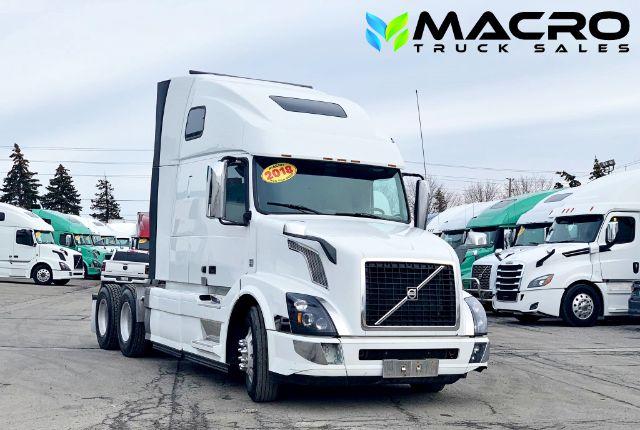

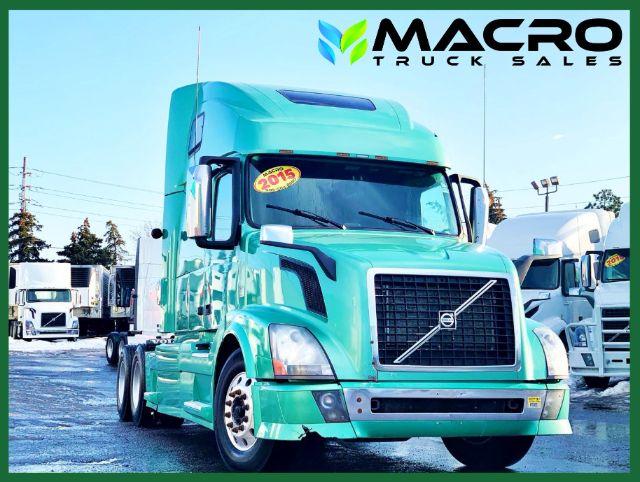

Have used commercial truck to sell? List it here to reach thousands of buyers.
Used Commercial Trucks in Ontario
Powertrain spec matters more than brand loyalty on a used highway truck. Popular engine platforms in this class include the Volvo D13, Cummins ISX and X15, and PACCAR MX-13, usually in the 405 to 500 horsepower range. Automated manuals such as the Volvo I-Shift and Eaton Endurant are common on newer units, while older trucks may still carry 10-speed or 13-speed manual transmissions. Rear axle ratios like 2.31, 2.64, 2.78, and 2.79 are typical on fuel-efficient linehaul specs, but the right ratio depends on average gross weight, terrain, and cruising speed. A buyer running Highway 401 corridors or cross-border freight may prefer a taller gear for fuel economy, while heavier regional work can justify a more versatile driveline setup.
Cab and chassis configuration should match the freight lane, not just the purchase price. Day cabs are usually easier to maneuver in city freight, dedicated lanes, and terminal-to-terminal operations, and they often come with wheelbases around the mid-170-inch to low-180-inch range. Sleeper trucks, including 70-inch to 80-inch raised-roof and high-roof configurations, are better suited for over-the-road work and team operations where bunk space, fuel capacity, storage, and driver comfort affect retention and utilization. Features that add real value on a used tractor include engine brakes, bunk heaters, APUs, disc brakes, fairings, cab extenders, aluminum fuel tanks, and complete maintenance records. If a truck has specialty items like super singles, lift axles, or an unusually light rear axle spec, make sure they fit your lanes and your shop's maintenance preferences.
A strong used truck purchase in Ontario is usually the result of balancing total operating cost with intended service. Look beyond odometer reading and check ECM data, idle hours, aftertreatment service history, clutch or transmission calibration records, tire wear pattern, suspension condition, and signs of previous collision repair. For cross-border or fleet service, buyers should also confirm compliance items, axle spread, wheelbase, and fifth wheel travel to make sure the tractor will work with existing trailers and loading practices. The best trucks in this category are not simply the newest or cheapest. They are the ones with a proven spec, clean service background, and drivetrain matched to the freight they are expected to pull.
Frequently Asked Questions about Used Commercial Trucks in Ontario
What types of used trucks are most common for sale in Ontario?
The most common used trucks in Ontario are conventional highway tractors, including day cabs and sleeper tractors. Day cabs are typically used for local pickup and delivery, regional freight, container work, and dedicated terminal runs. Sleeper tractors are more common in long-haul and cross-border applications where driver accommodations, larger fuel capacity, and added storage are necessary. Most listings in this category are tandem axle aerodynamic trucks from major brands such as Volvo, Peterbilt, Kenworth, and International.
What engine and transmission specs should I look for in a used highway truck?
Most buyers in this category focus on engines in the 400 to 500 horsepower range paired with either an automated manual or a traditional manual transmission. Common engines include the Volvo D13, Cummins ISX or X15, and PACCAR MX-13. Automated manuals like the Volvo I-Shift and Eaton Endurant are popular for fuel economy and driver acceptance, while manual transmissions still appeal to some operators for simplicity and service familiarity. The right combination depends on gross weight, route profile, driver pool, and maintenance support.
Is a day cab or sleeper truck better for my operation?
A day cab is usually the better fit for local and regional freight where the truck returns to base regularly and maneuverability matters. It generally offers a shorter wheelbase, lower tare weight, and easier access in tight yards and urban delivery points. A sleeper truck makes more sense for long-distance runs, overnight work, and operations where driver comfort directly affects productivity. Buyers should choose based on trip length, trailer type, and how the truck will actually be dispatched, not just on initial purchase price.
What should I inspect first on a used truck before buying?
The first priorities are service history, engine and aftertreatment condition, transmission performance, frame and cab integrity, and brake and suspension wear. Buyers should review ECM data when available, compare engine hours to mileage, and check for fault codes, excessive idle time, uneven tire wear, fluid leaks, and signs of prior structural repair. In Ontario, rust and corrosion deserve close attention, especially on frame rails, crossmembers, cab mounts, and brake components. A lower-priced truck can become expensive quickly if the emissions system, clutch, or suspension needs major work.
How important are axle ratings, wheelbase, and rear axle ratio on a used tractor?
These specs are critical because they determine how well the truck matches the work. Rear axle ratings such as 40,000 lbs are standard for tandem highway service, while lighter single axle setups may suit specialized regional applications. Wheelbase affects maneuverability, bridge compliance, and trailer compatibility. Rear axle ratio influences cruise RPM, fuel economy, startability, and grade performance. A truck with the wrong ratio or wheelbase may still run well, but it can be inefficient or impractical in the lanes you need it to cover.