
Used Commercial Trucks For Sale in Nebraska
Used trucks for sale in Nebraska, from sleeper and day cabs to dump and box trucks. Compare engines, axles, gearing, and winter-ready specs for I-80 work.
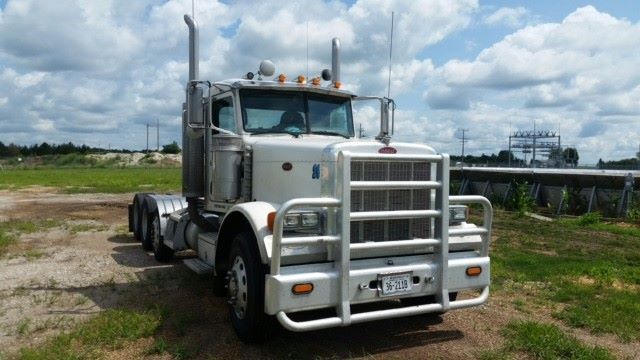
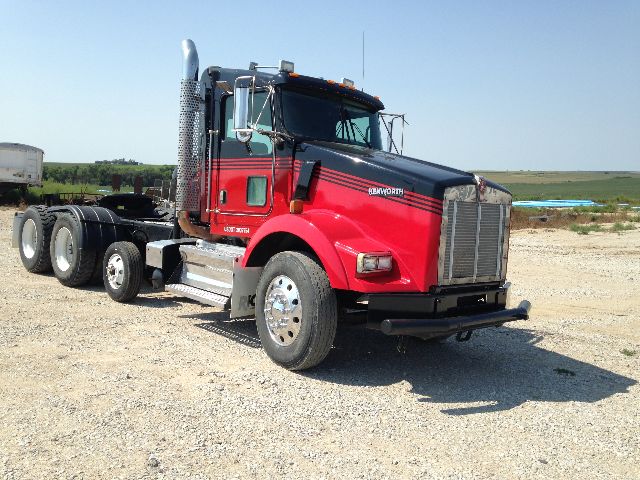
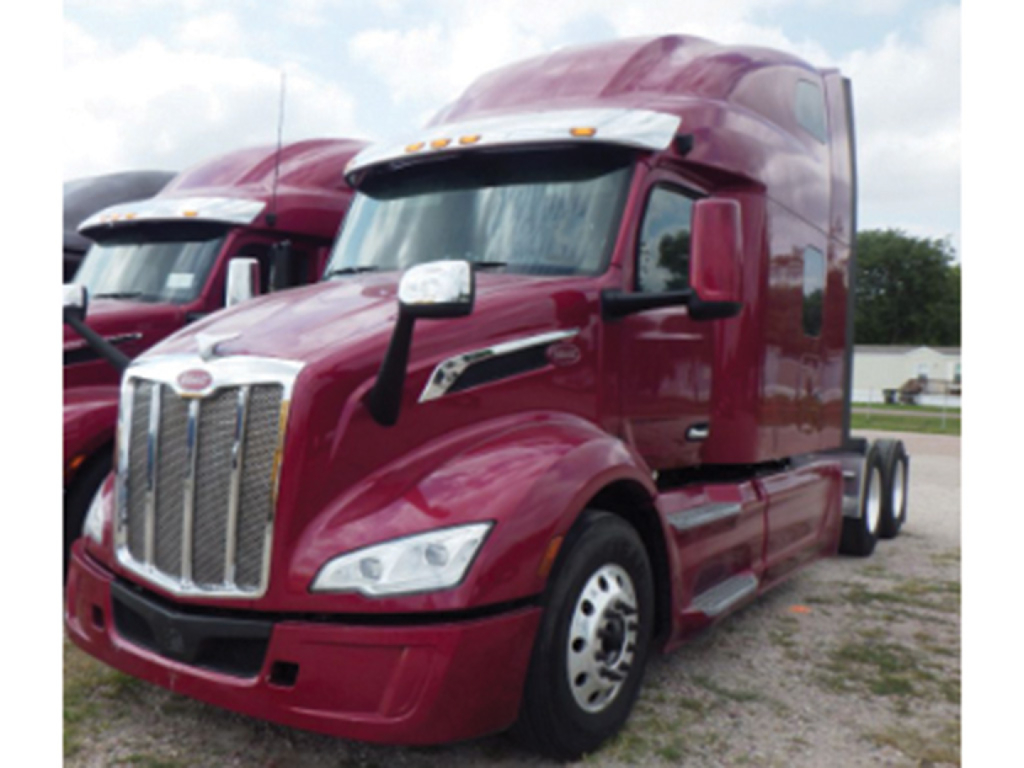
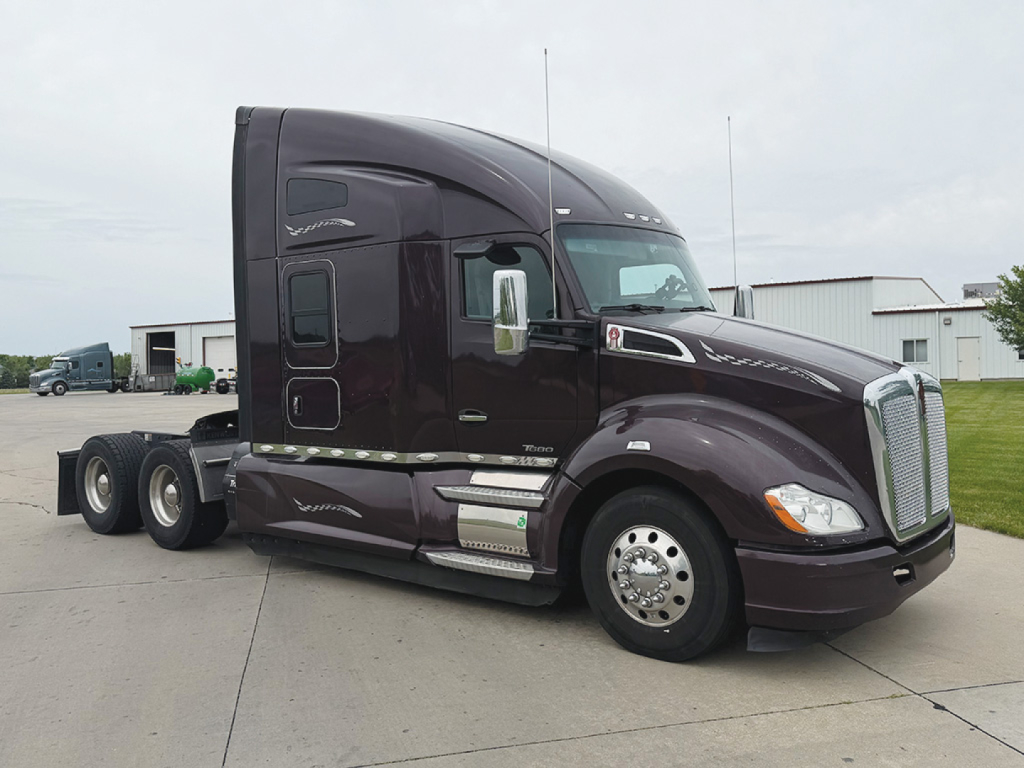
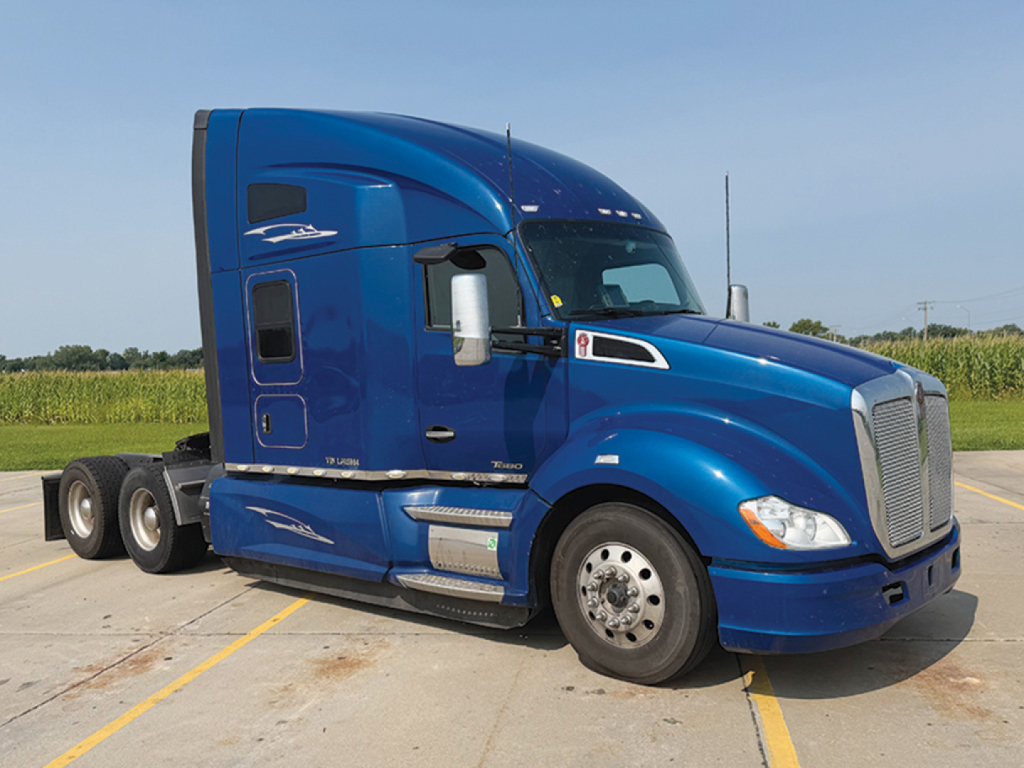
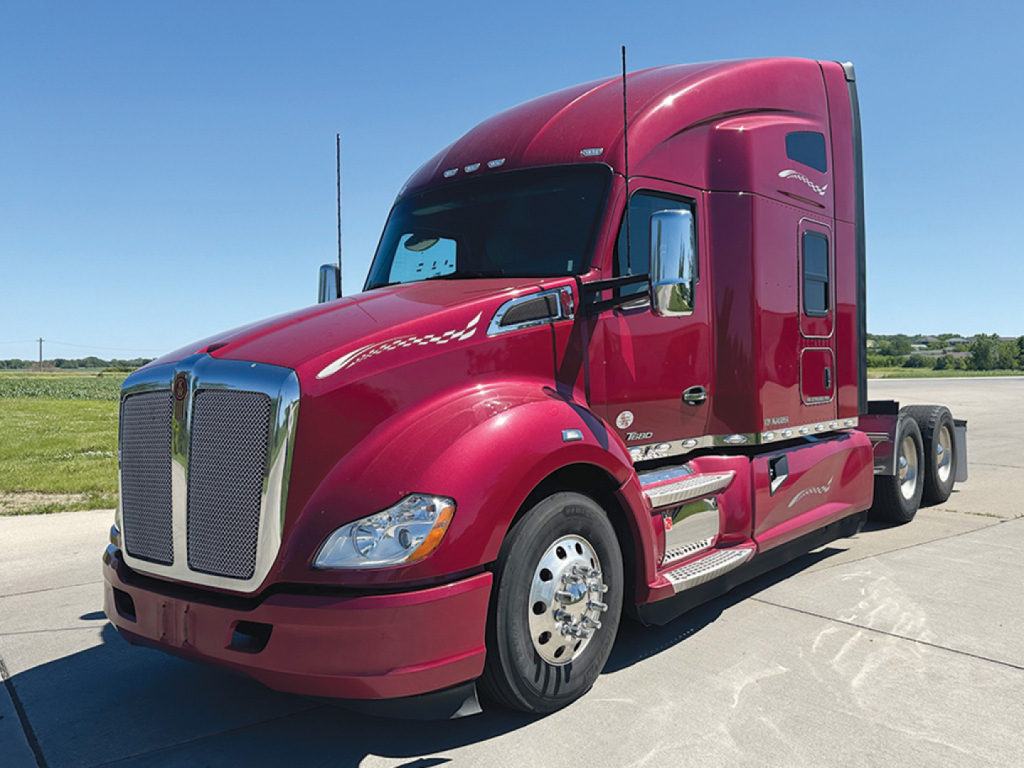
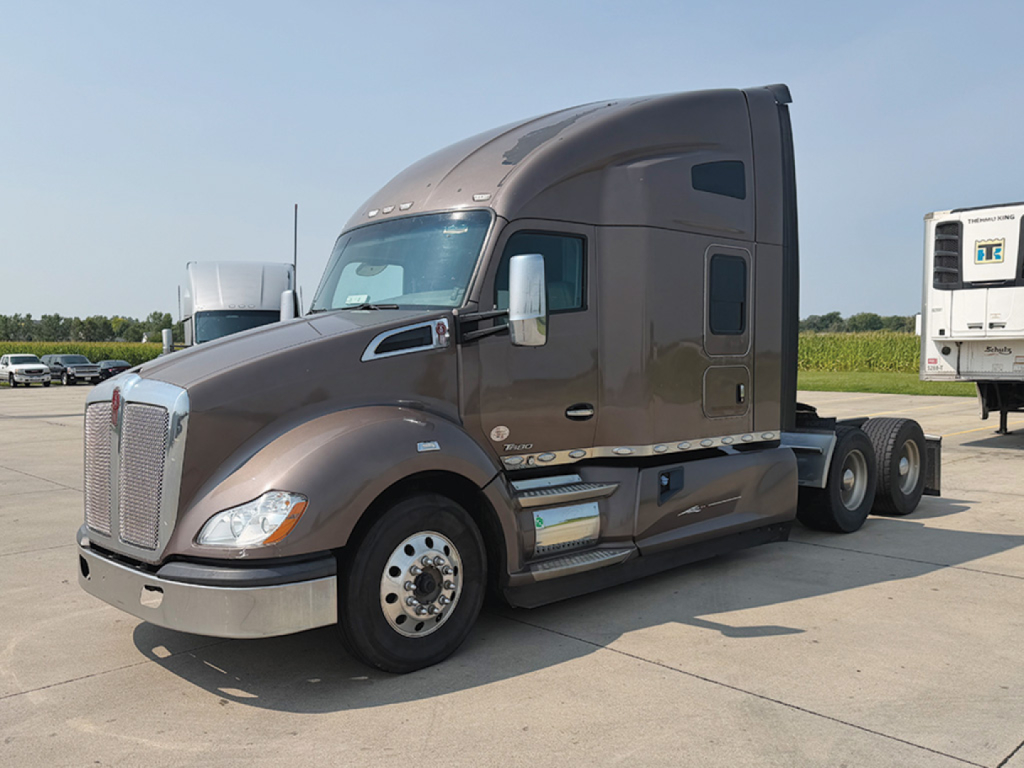
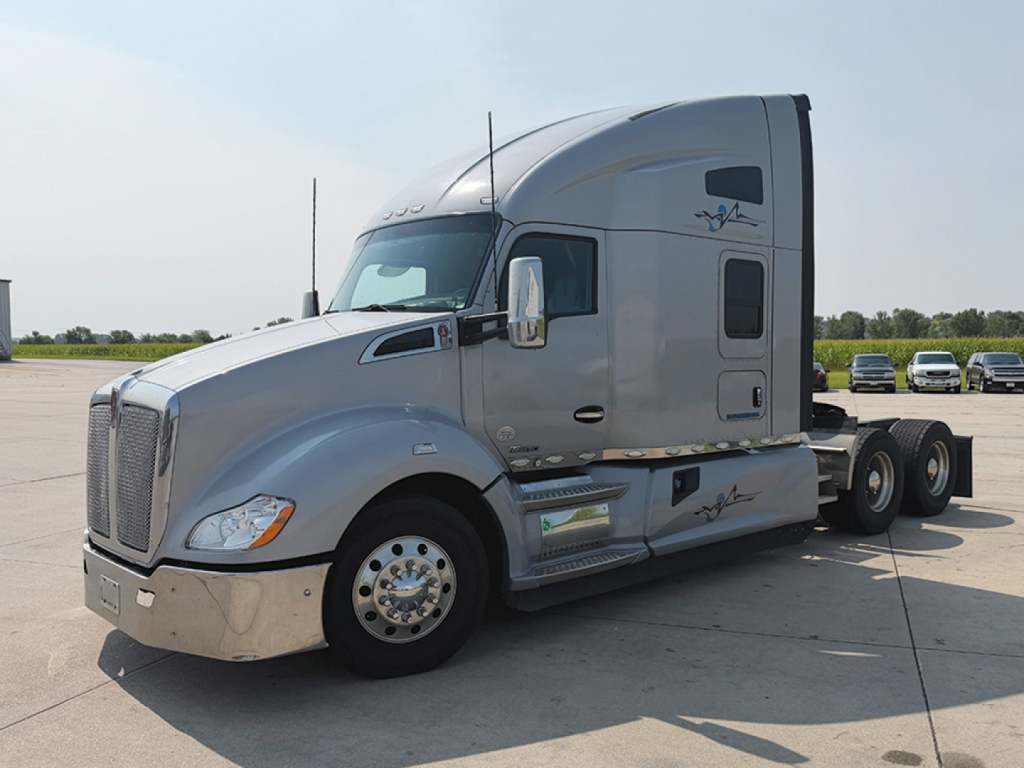
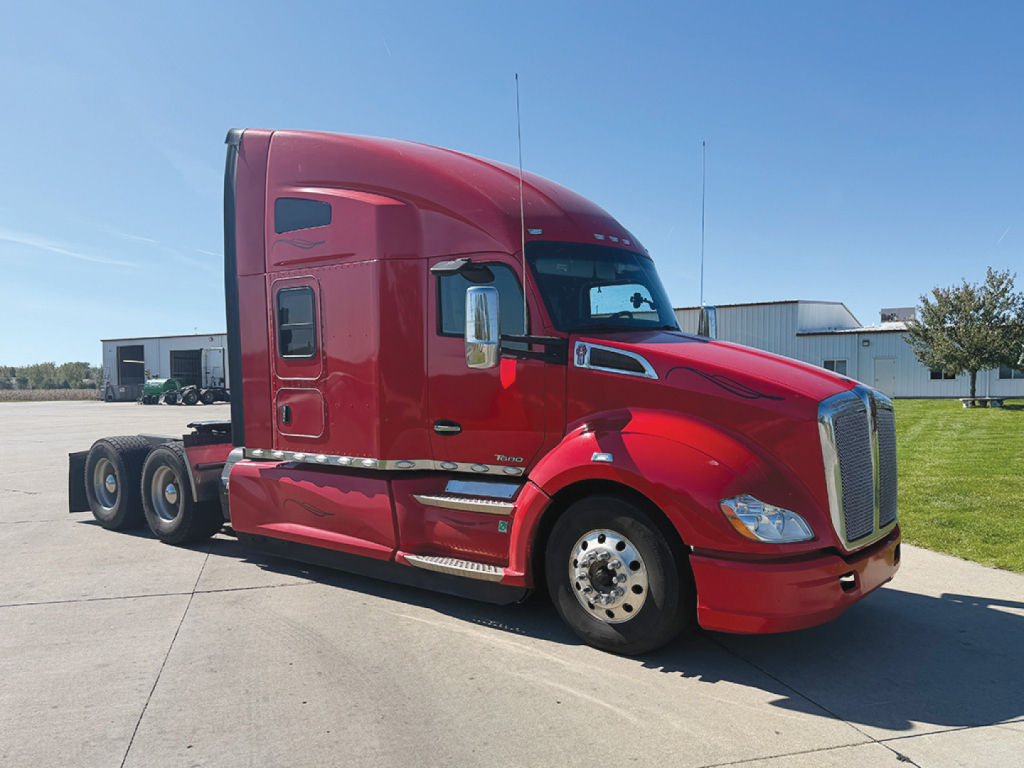
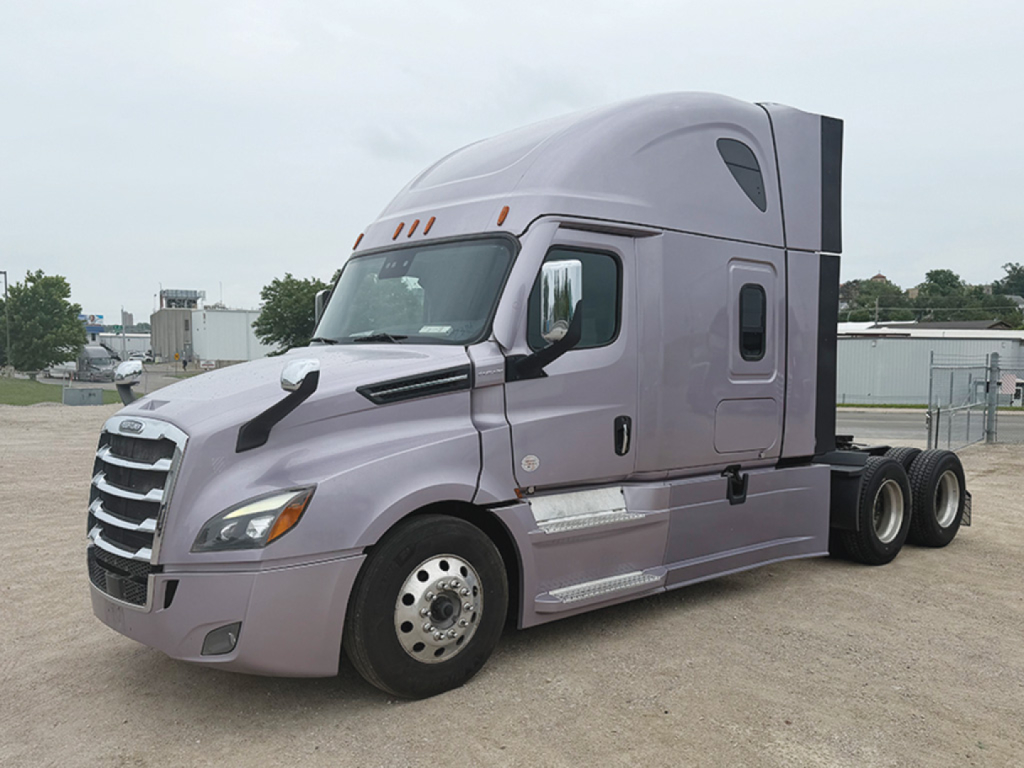
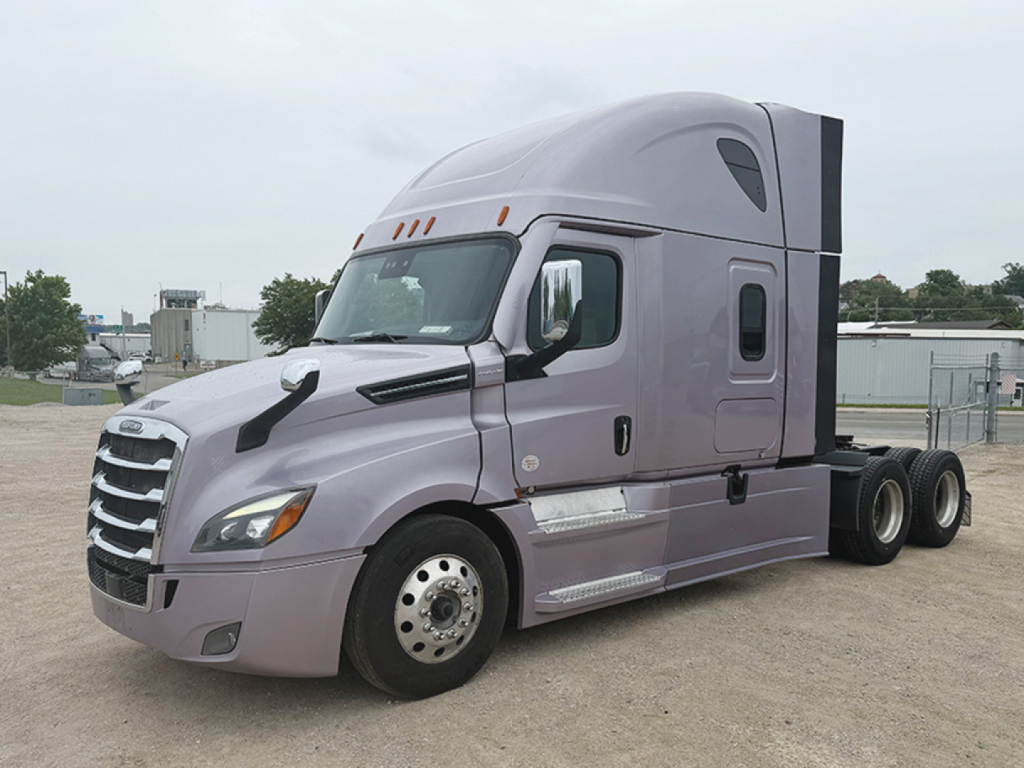
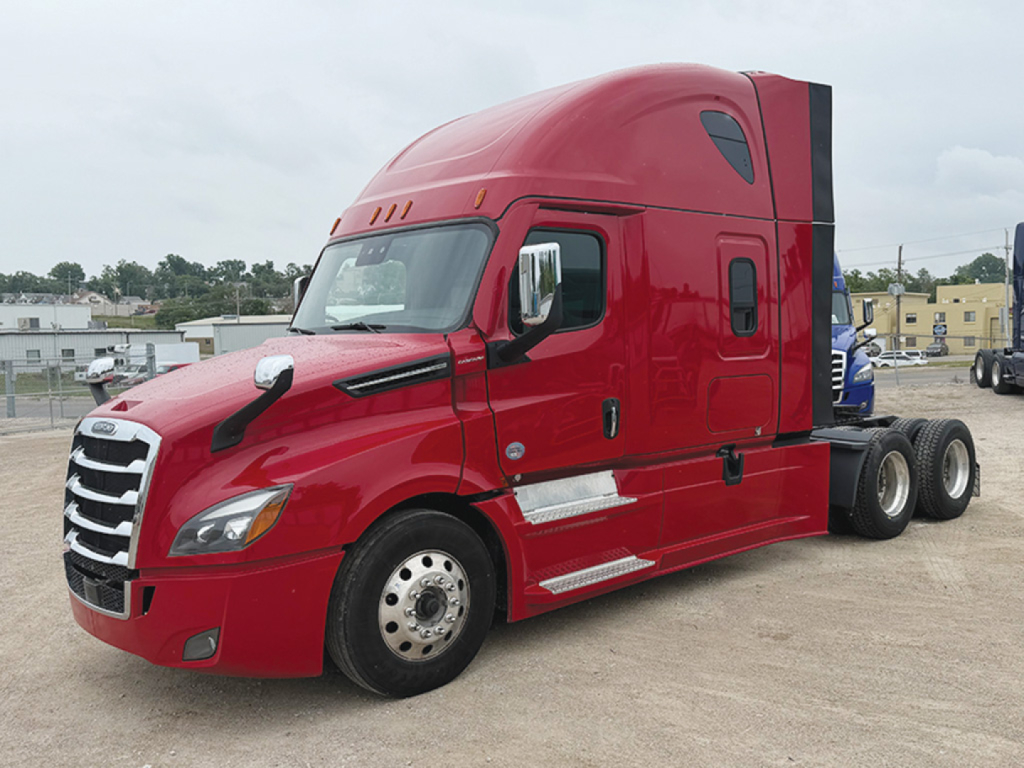
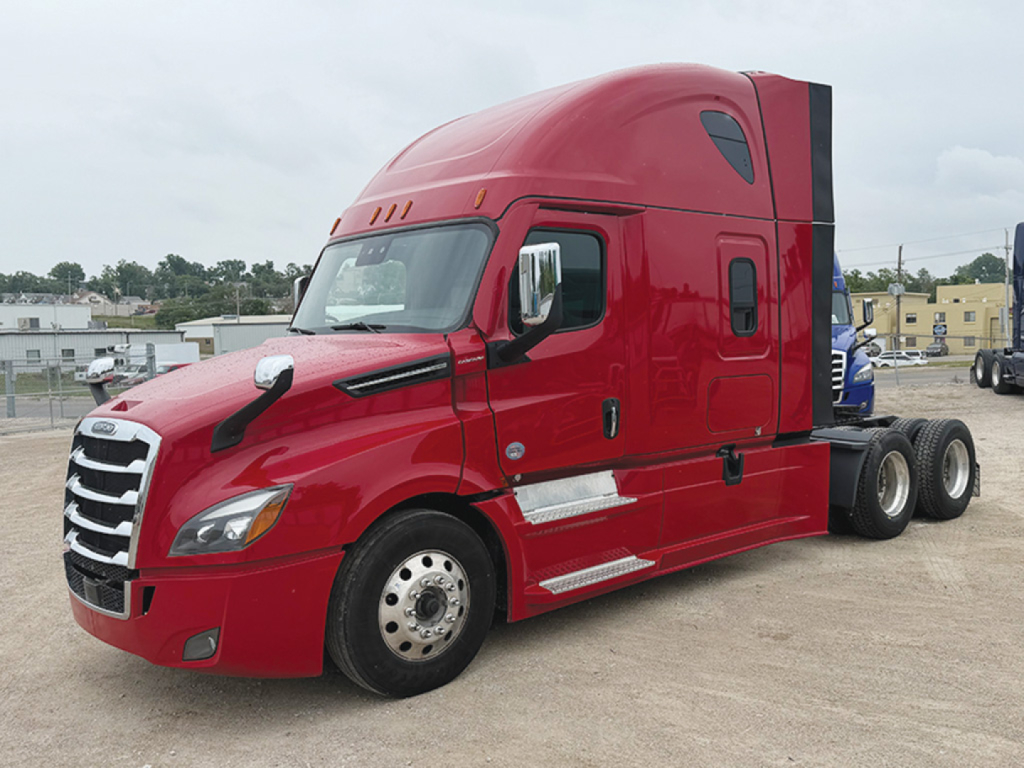
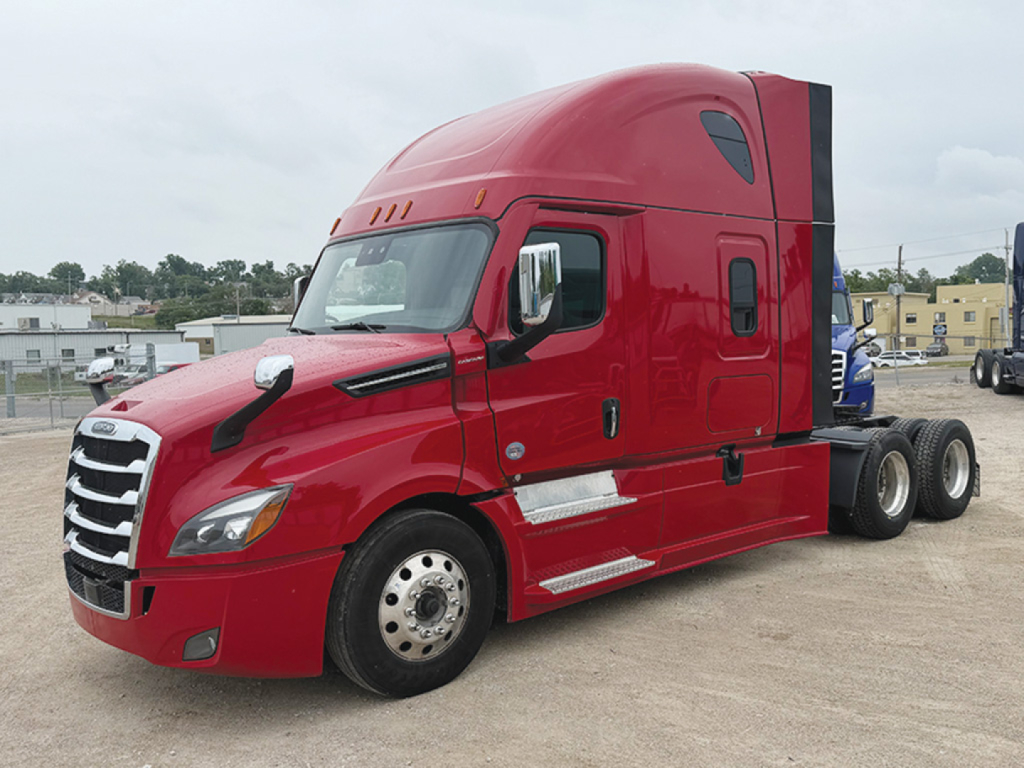
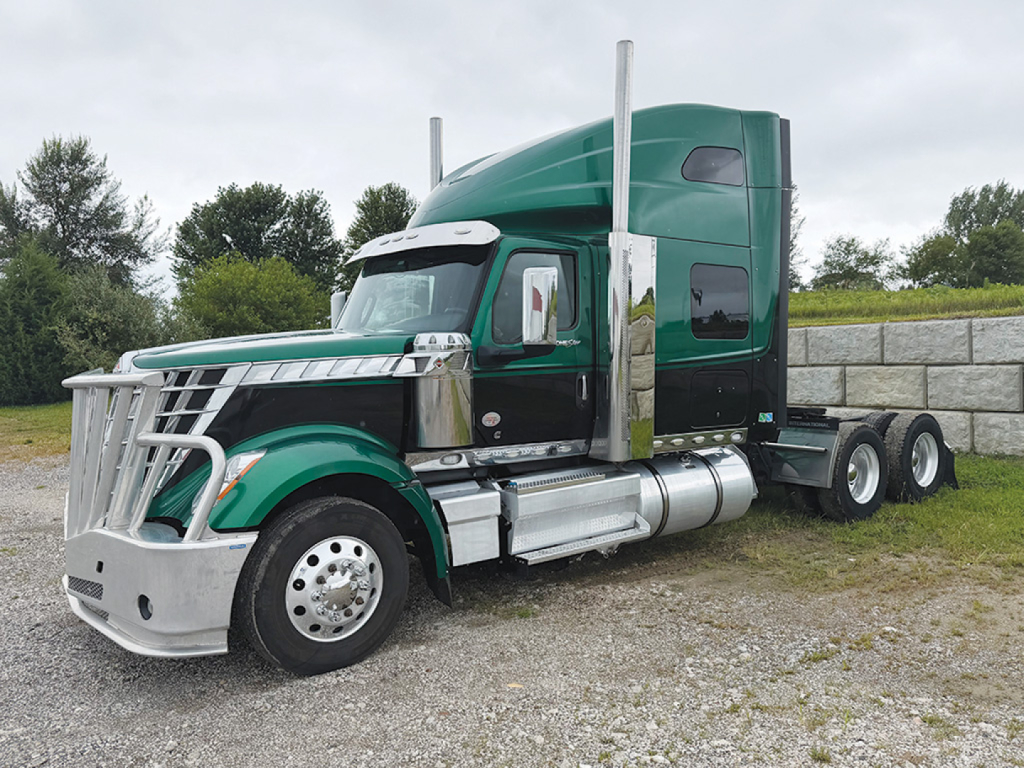
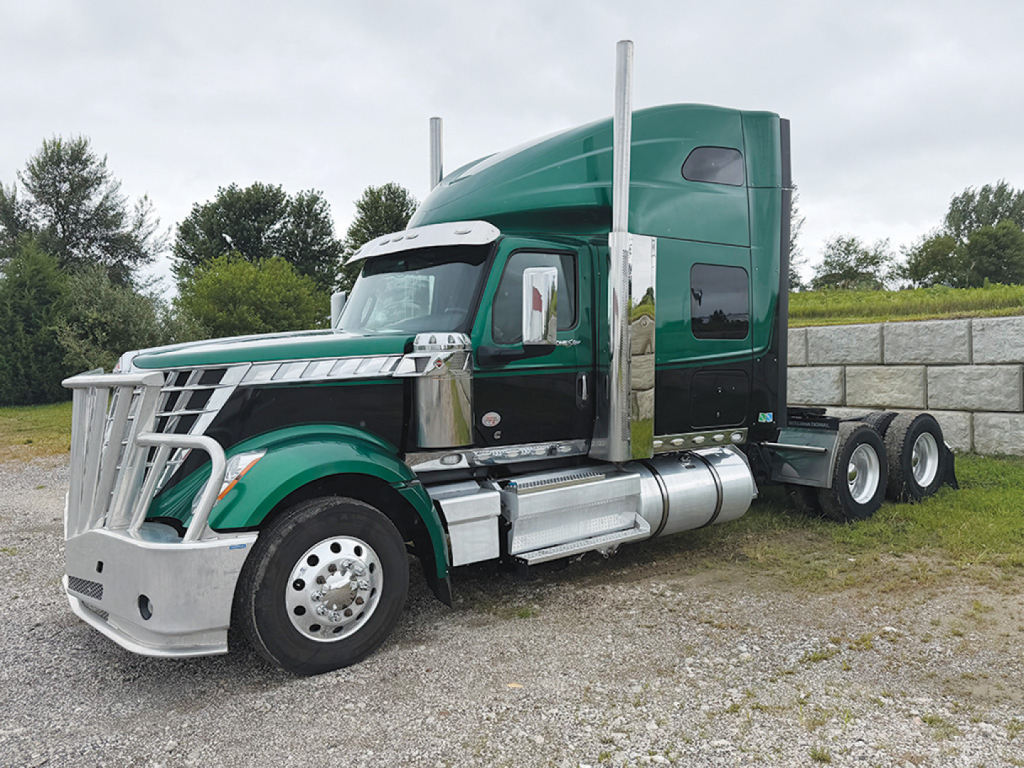
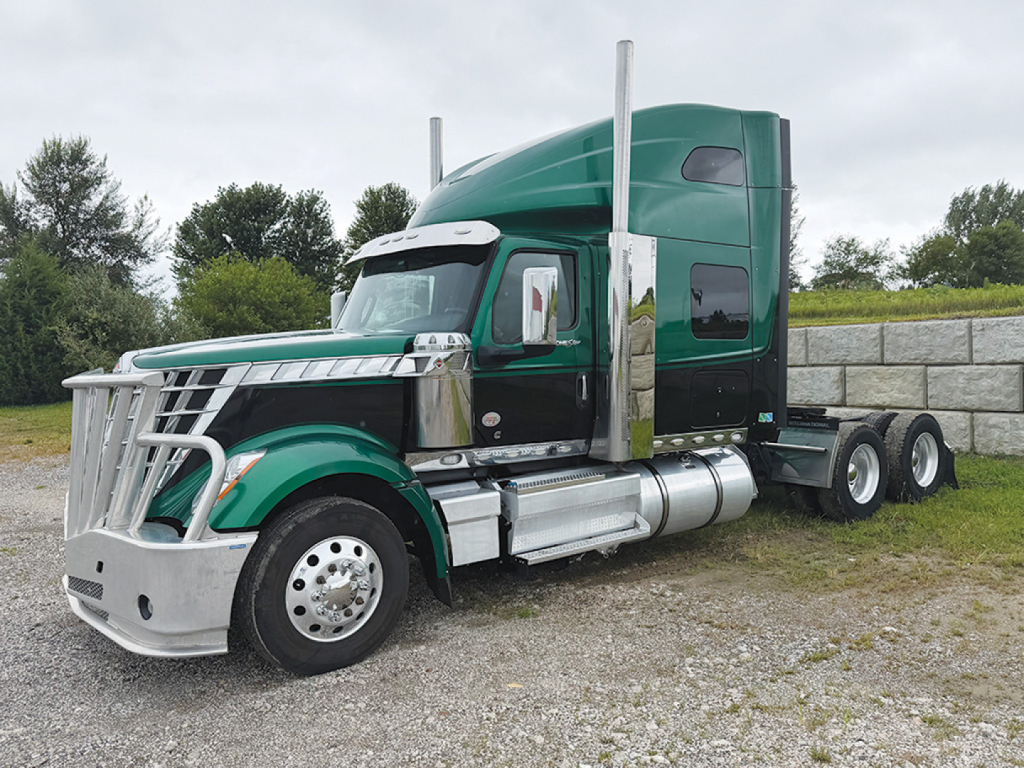
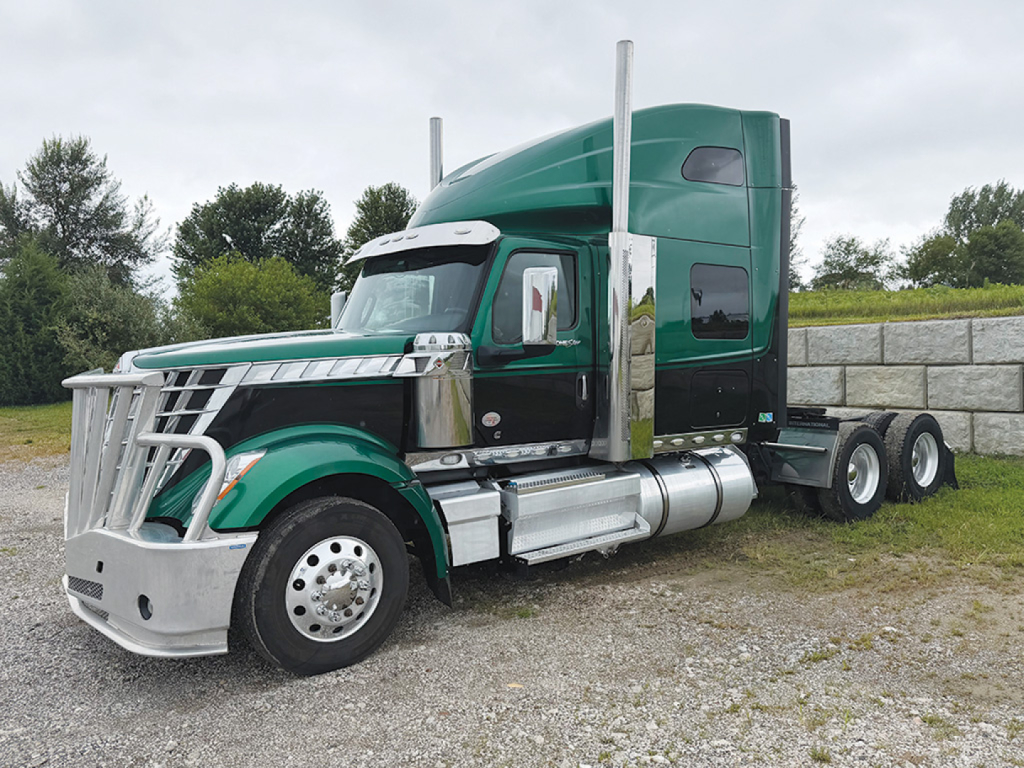
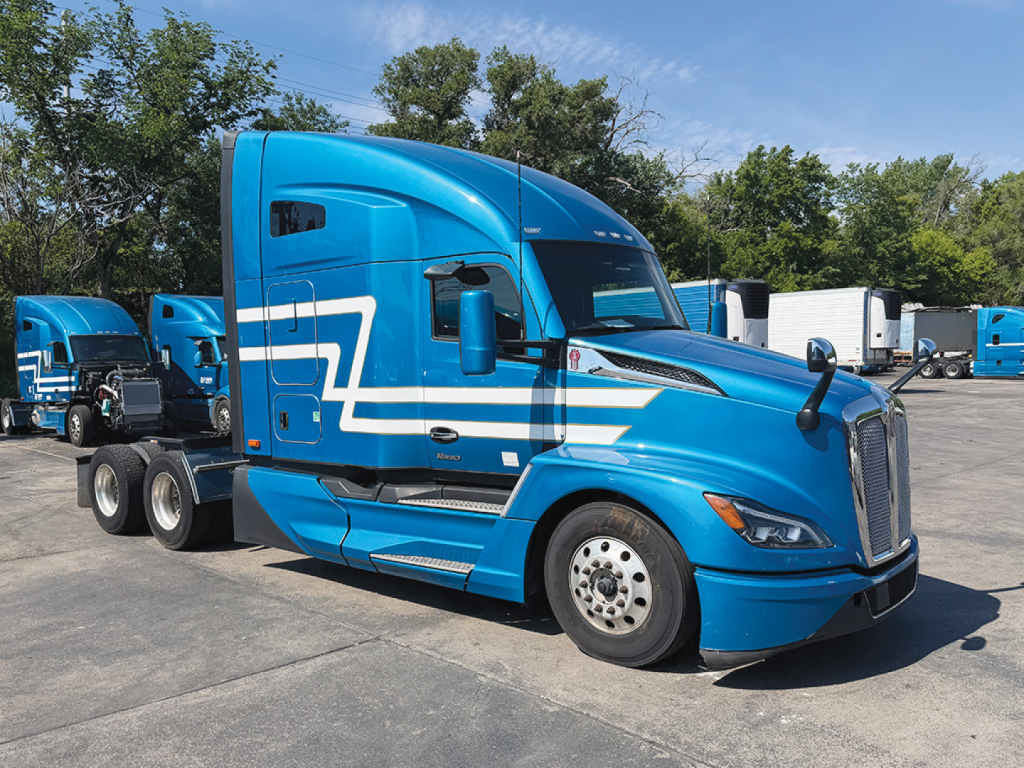
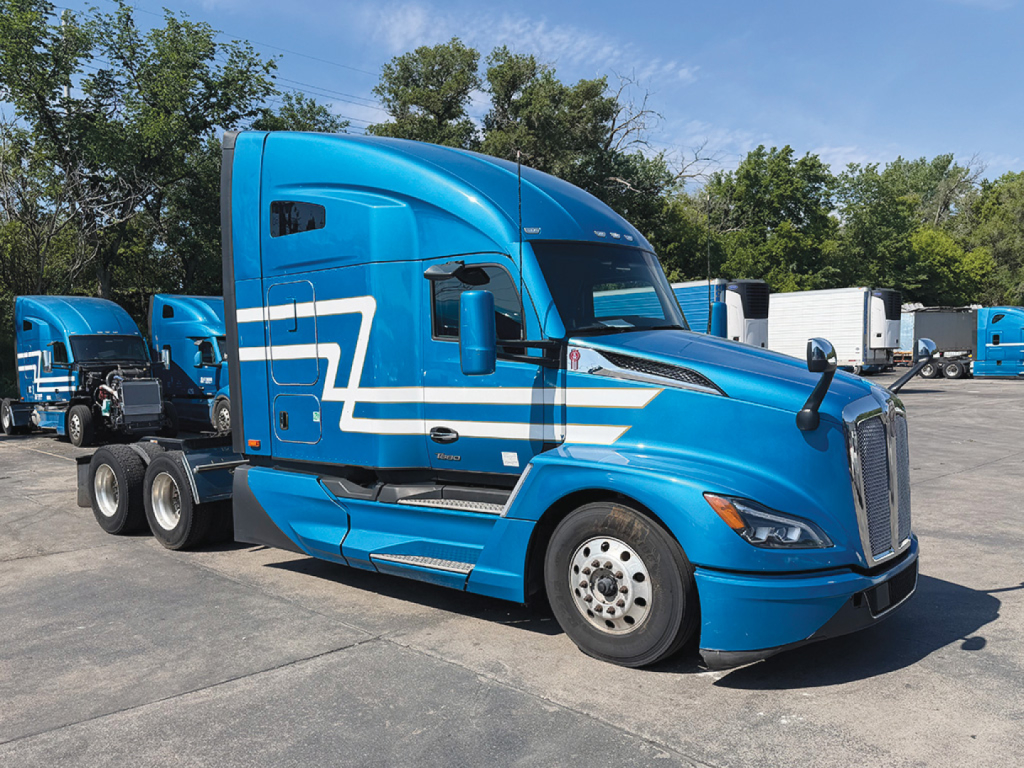
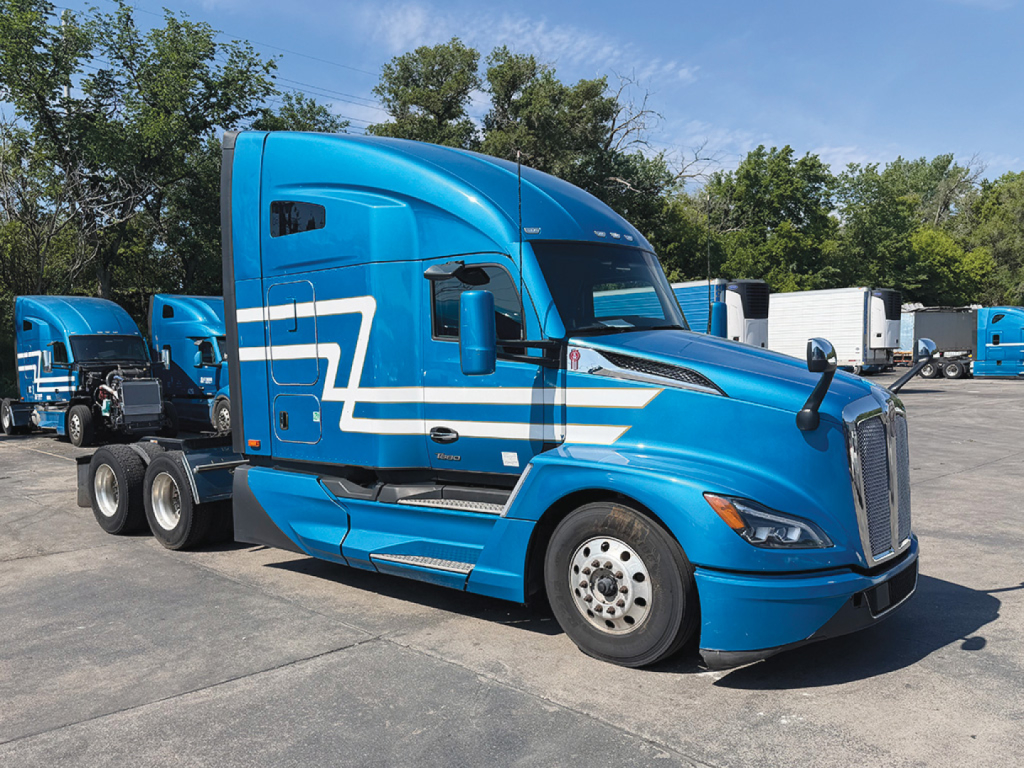
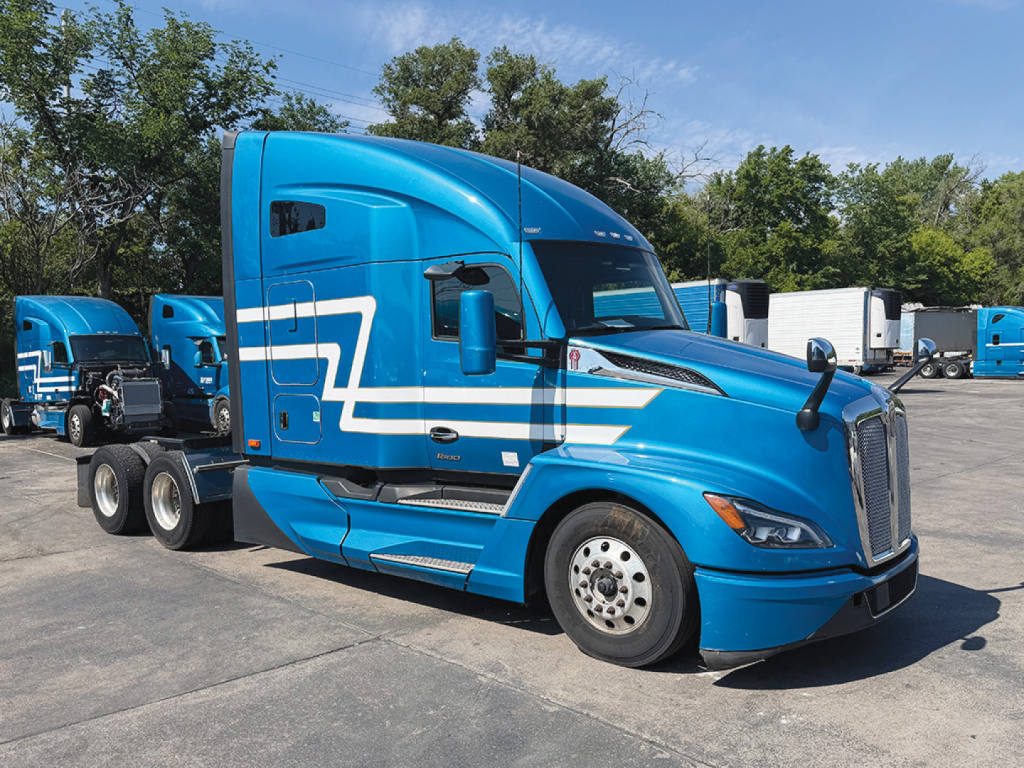
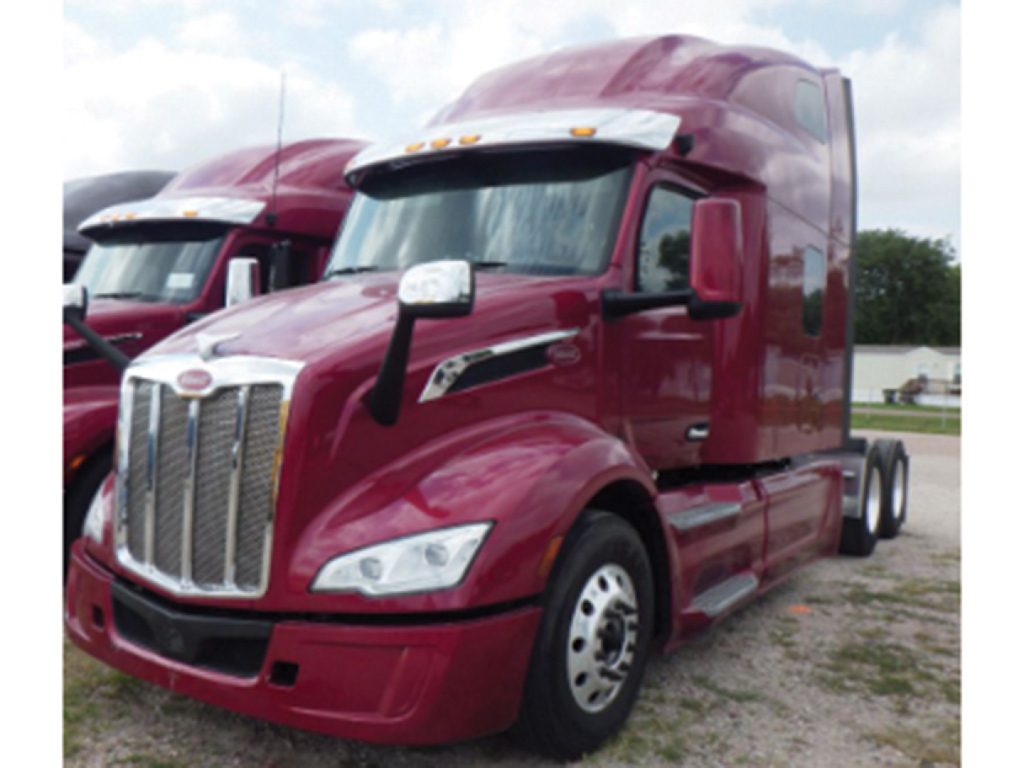
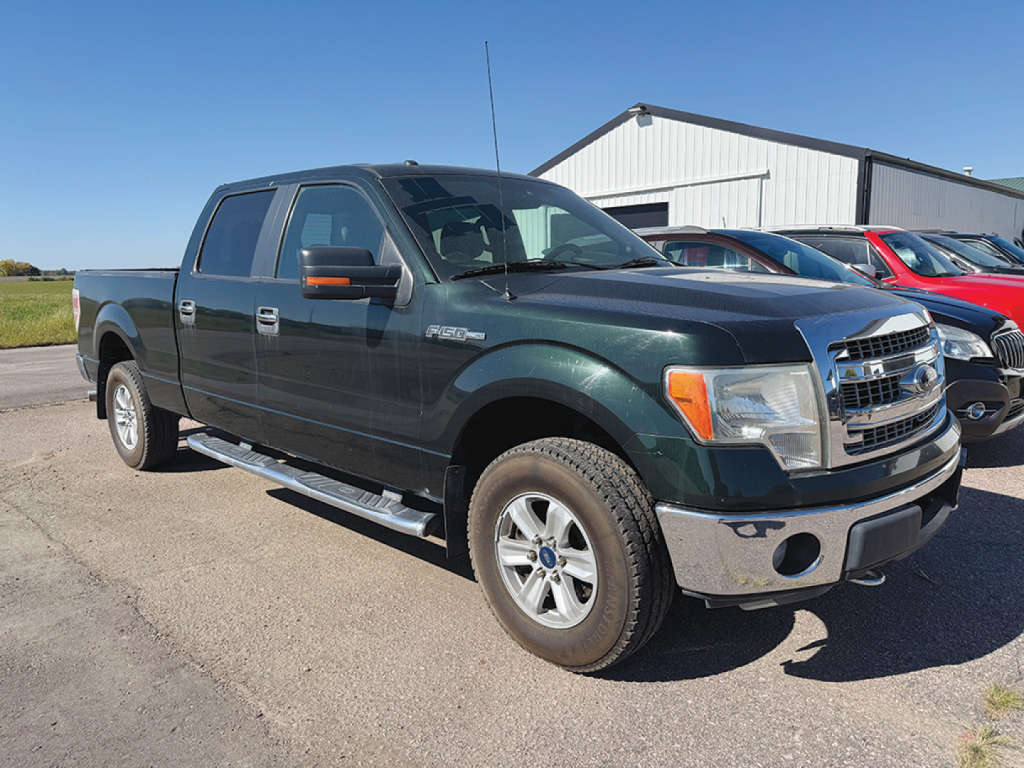
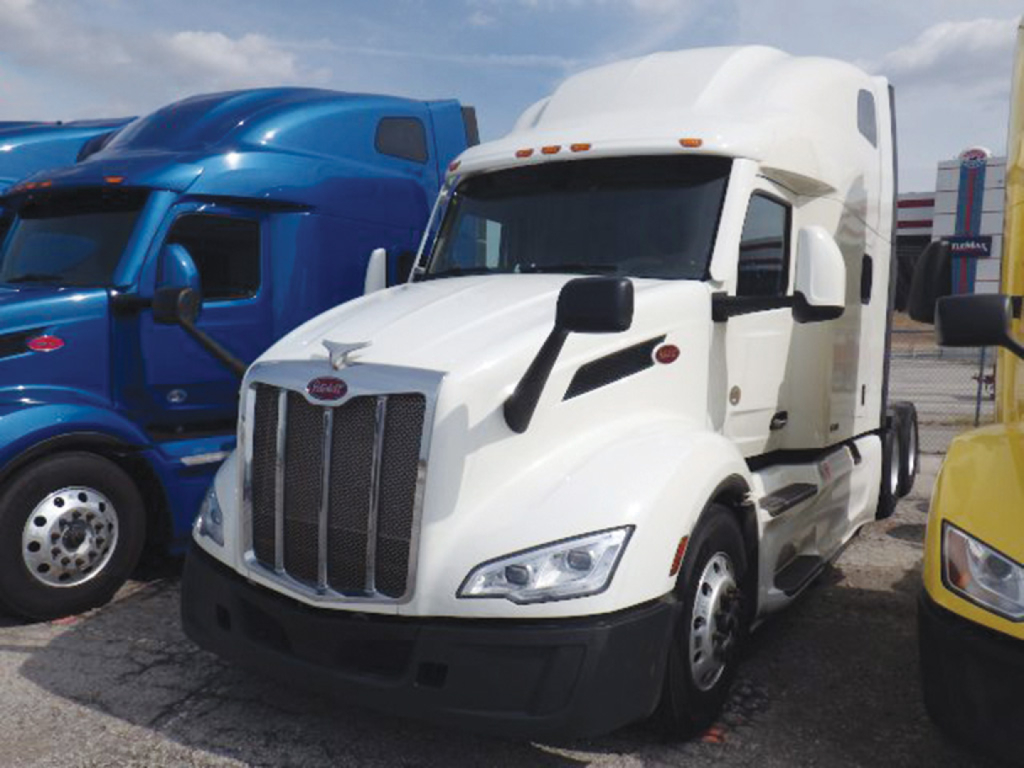
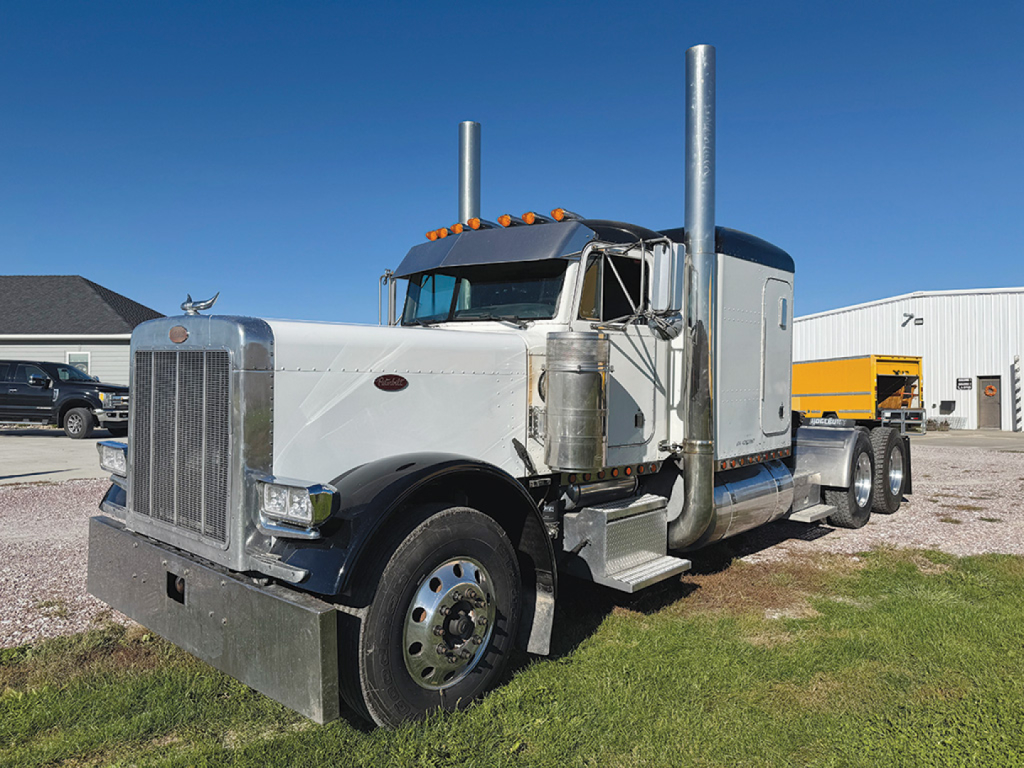
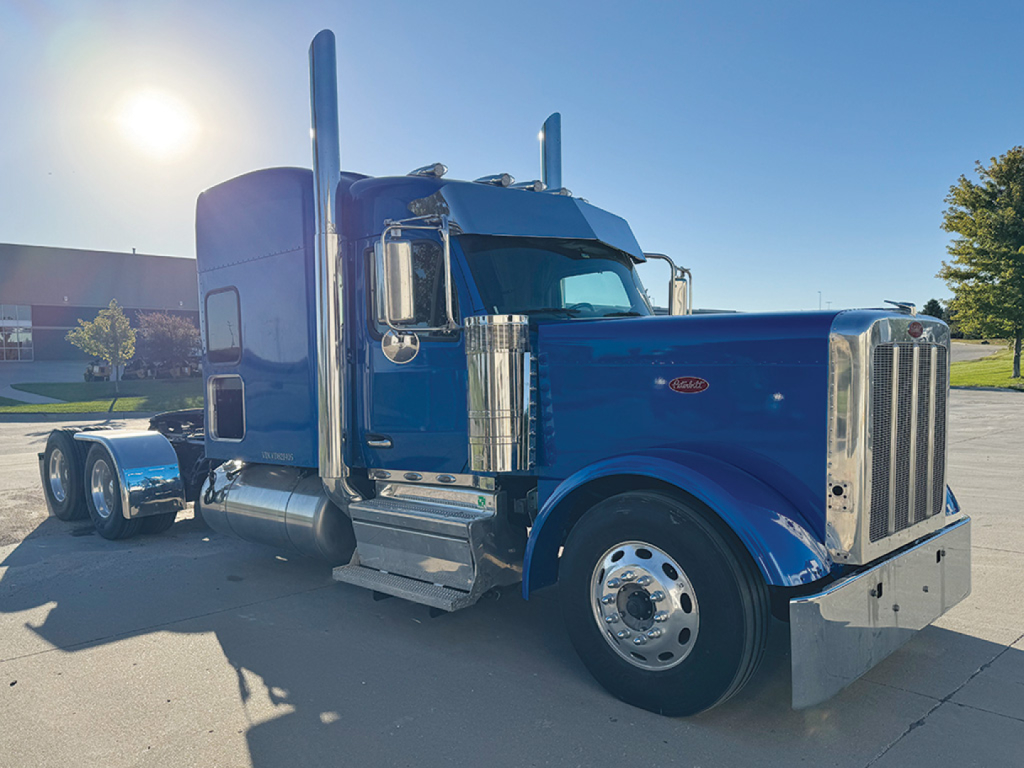
Showing 1 to 28 of 131 results
Selling a used commercial truck? List your used commercial truck for sale and reach thousands of commercial buyers.
Used Commercial Trucks in Nebraska
Engines like the Cummins X15, Detroit DD13-DD15, PACCAR MX-13, and Volvo D13 dominate late-model used inventory, typically at 1,650-1,850 lb-ft. Pair that torque with the right transmission strategy: direct-drive AMTs with 2.47-2.64 rears for high-speed I-80 lanes, or overdrive boxes with 2.79-3.08 rears for mixed terrain and frequent stops. Automated manuals such as I-Shift, DT12, and UltraShift reduce driver fatigue and optimize fuel burn, while 13- or 18-speed manuals still shine in vocational or heavy gross applications. A 6x4 tandem gives all-weather traction and durability; 6x2 saves weight and rolling resistance but needs careful traction management in snow and slick fields. Add driver-controlled diff locks, on-spot chains where allowed, and consider duals over wide-base singles if winter traction is a priority.
Used trucks in Nebraska span sleeper tractors for interstate freight, day cabs for regional grain, box trucks for metro delivery in Omaha and Lincoln, and heavy vocational units for aggregates and roadwork. For dump and side-dump applications, prioritize double-frame or reinforced rails, 18k-20k steer axles, 40k-46k rears, full locks, and factory or dealer-installed wet kits. Tractors that pull hoppers, end dumps, live floors, or belt trailers benefit from PTO prep, sliding fifth wheels for axle balancing at the co-op scale, and air ride with good dump valves for smooth unloading. Straight trucks used for food and floral distribution need reliable reefer units, clean electrical harnesses, and sealed floors; dry box units should have solid rub rails, scuff liners, e-track, and liftgates sized to your dock profile.
Buying used means looking hard at life-to-date care. Ask for oil analysis, aftertreatment records for the DPF, DOC, SCR, NOx sensors, and DEF dosing components, and any inframe or head work. Inspect brake life and heat checking, suspension bushings, hub end play, and tire wear that might indicate alignment or bushing issues. Nebraska roads use de-icers, so check crossmembers, aluminum pitting, and ground points for corrosion. Confirm lights, ABS and stability control, collision mitigation, and telematics are functional. Validate axle spacing and fifth-wheel travel to stay within bridge and axle limits at 80,000 lb interstate gross, and set your tire size and ratio to hit target cruise rpm. The best value is a truck that fits your lane, your seasons, and your trailer mix with minimal rework.
Frequently Asked Questions about Used Commercial Trucks in Nebraska
What axle and weight specs make sense for Nebraska operations?
Most buyers target the federal 80,000 lb interstate limit and use the bridge formula to spread weight. Tandem tractors with sliding fifth wheels help balance steer and drives. Vocational trucks often add lift axles to meet bridge requirements while keeping tare down. Verify your axle ratings, suspension capacity, and wheelbase support your typical payload and trailer type before committing.
How should I gear a used semi for I-80 across Nebraska?
For steady highway speeds, a direct-drive transmission with 2.47-2.64 rears and low-rolling-resistance tires keeps cruise rpm low and fuel burn down. Mixed stop‑and‑go or heavier terrain benefits from an overdrive transmission with 2.79-3.08 rears for better launch and gradeability. Match ratio to tire size, desired cruise speed, and engine’s peak torque band to avoid constant downshifts in crosswinds.
Are automated manuals a good fit for agriculture and construction hauls?
Yes, modern AMTs offer creep mode, hill-hold, and precise clutch control that work well in yards and on soft ground. Verify PTO compatibility if you run dumps, hoppers, or live floors. For severe off-road or frequent heavy start-stop, some operators still prefer 13- or 18-speed manuals for fine control. Test low-speed maneuvering and confirm the transmission’s calibration matches your duty cycle.
What winter-ready features add value in Nebraska?
Look for block heaters, heated fuel filters, high cold-cranking-amp batteries, auxiliary cab and coolant heaters, and winter fronts. Traction aids like interaxle and cross-locks, aggressive drive tires, and automatic chains where allowed help in storms. Inspect coolant concentration, air dryer performance, and battery/alternator output before the first hard freeze.
What should I check on emissions systems when buying used?
Request DPF service dates, ash load data, and any forced regen history. Inspect DEF lines, the doser, NOx and differential pressure sensors, and look for active or inactive fault codes. A truck with documented cleanings, updated calibrations, and leak-free SCR hardware will save you downtime. If the truck idled a lot, budget for earlier DPF maintenance and confirm the APU or idle-reduction setup works.