
Used Peterbilt Trucks For Sale in Nebraska
Browse used Peterbilt trucks in Nebraska, including 579 and 389 models with sleeper, day cab, Cummins or PACCAR power, and fleet-ready specs.

Selling a used peterbilt truck? List your used peterbilt truck for sale and reach thousands of commercial buyers.
Used Peterbilt Trucks in Nebraska
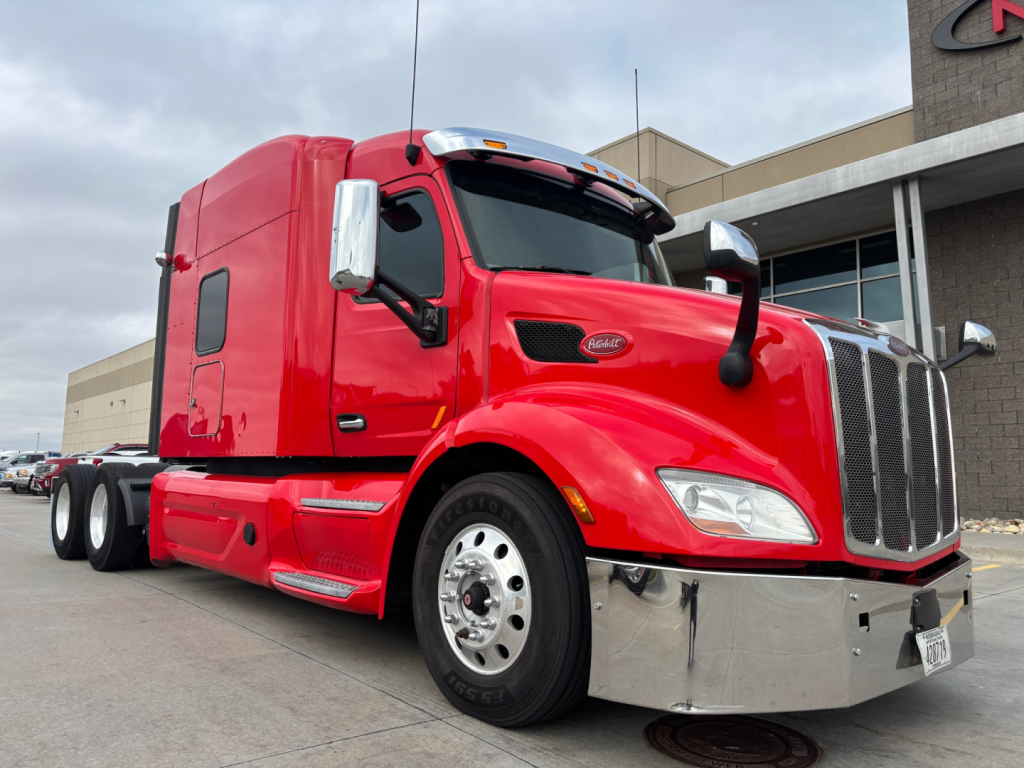
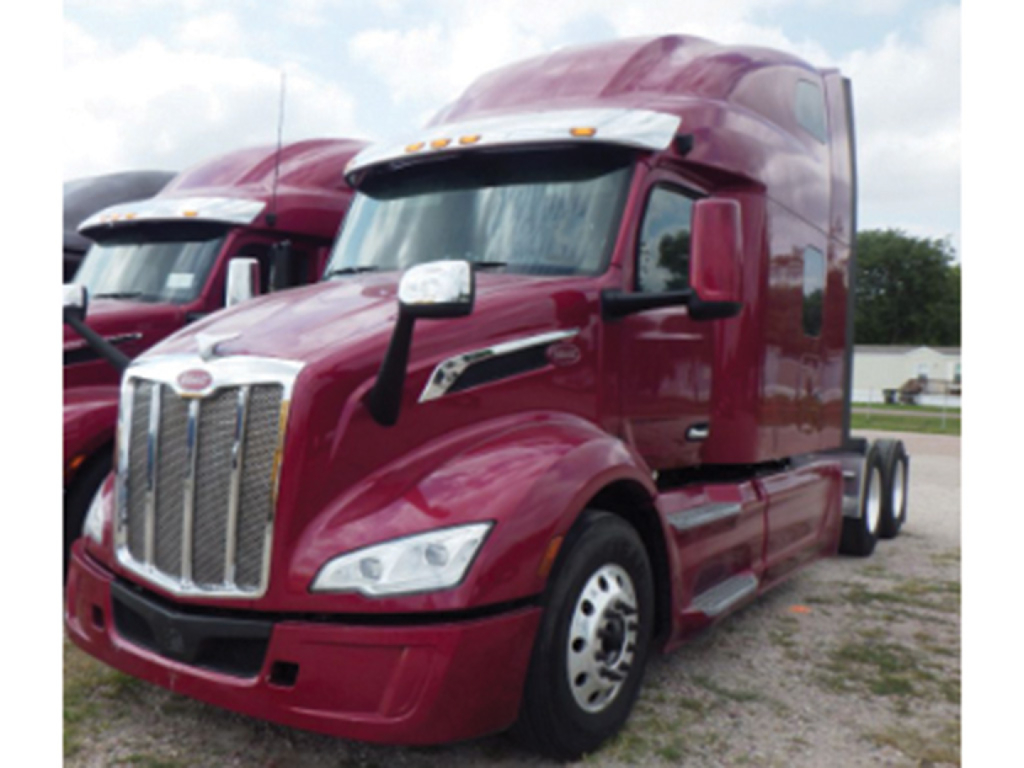
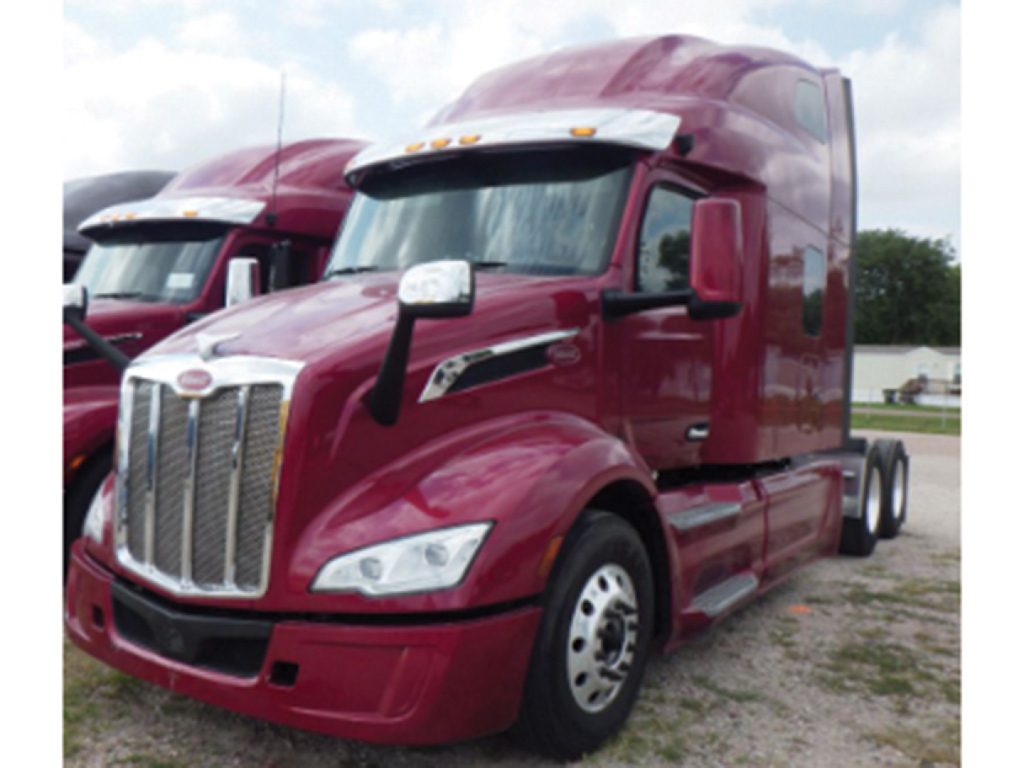
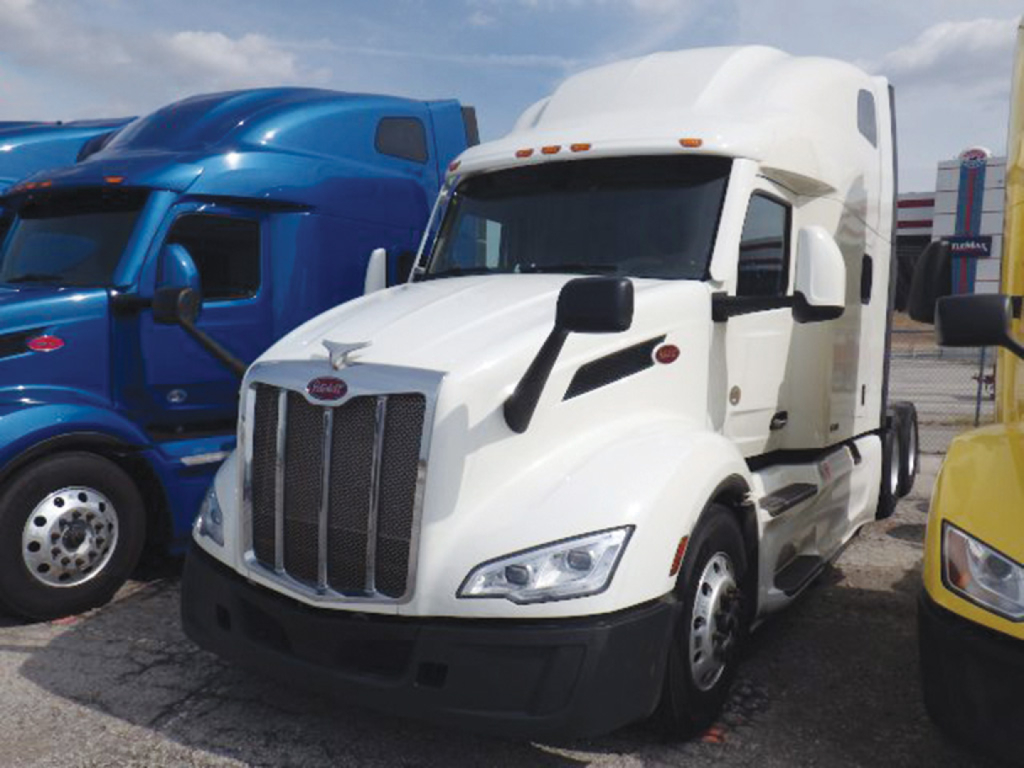
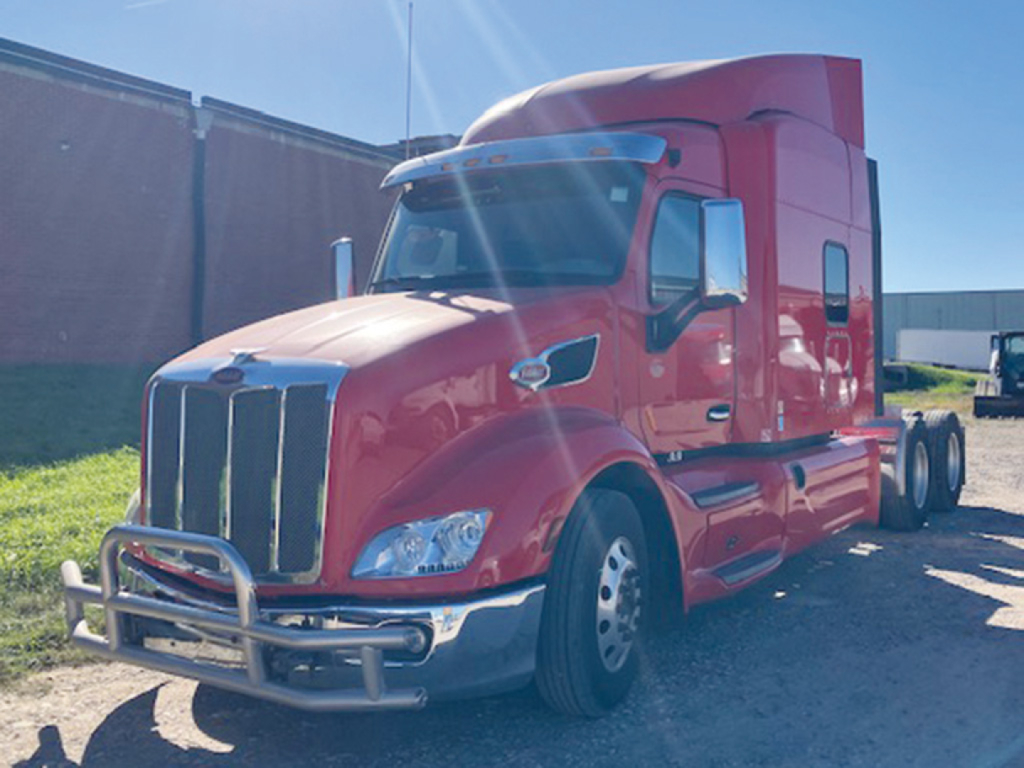
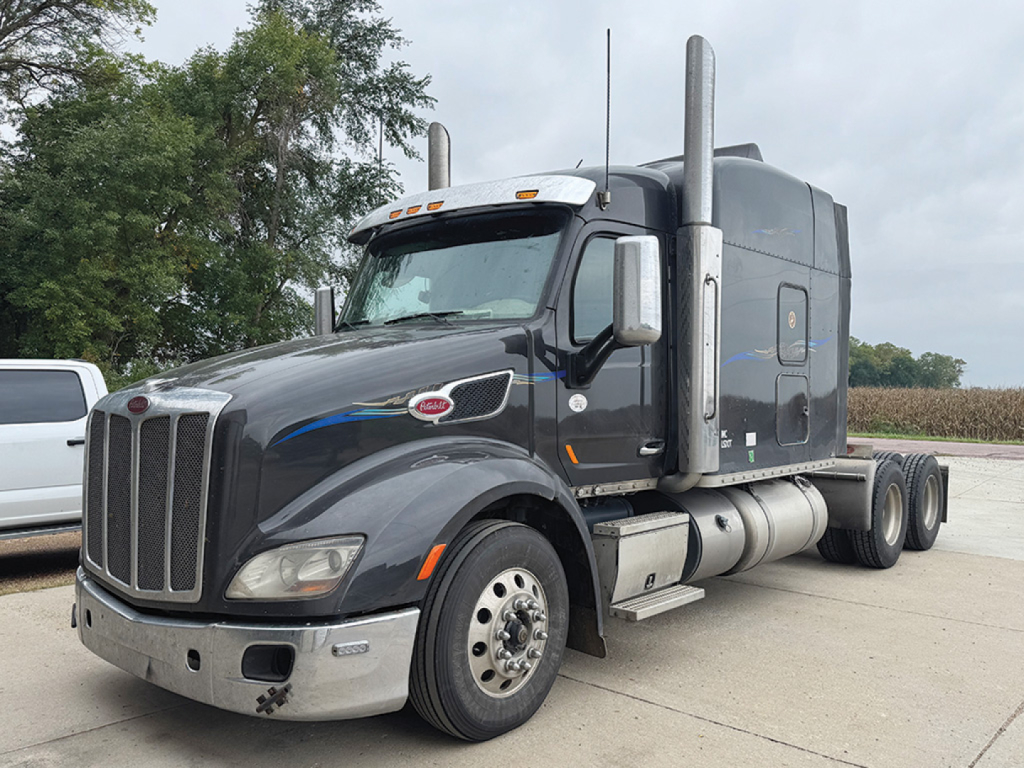
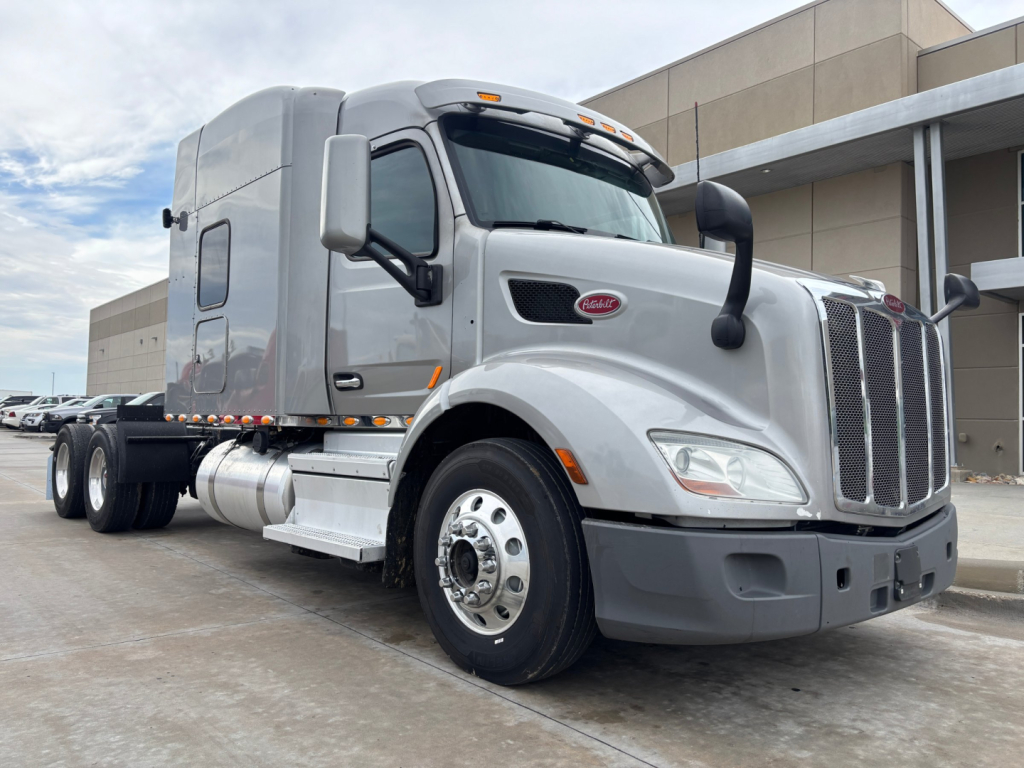
For fuel economy and fleet efficiency, a used Peterbilt 579 is usually the first place to look. Common specs include PACCAR MX-13 or Cummins X15 engines in the 450 to 455 horsepower range, automated manual transmissions, 40,000 lb rears, and highway gearing such as 2.42, 2.64, or 2.79 ratios. Sleeper configurations often include 72-inch and 80-inch Unibilt, UltraLoft, or high-roof designs with upper bunks, bunk heaters, aerodynamic fairings, and air slide fifth wheels. Those details matter because they directly affect lane suitability, fuel burn, driver comfort, and turning radius. A lower numerical axle ratio generally favors over-the-road fuel economy, while a slightly deeper ratio can help in mixed-terrain or heavier gross applications.
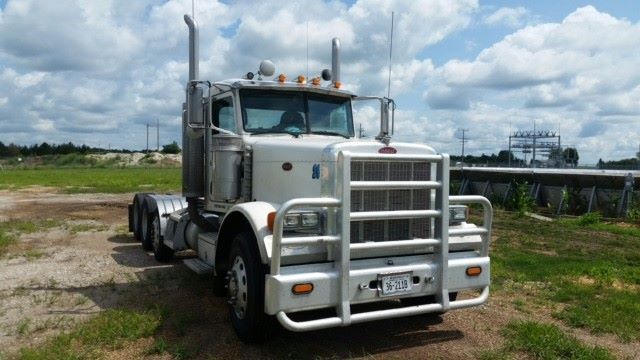
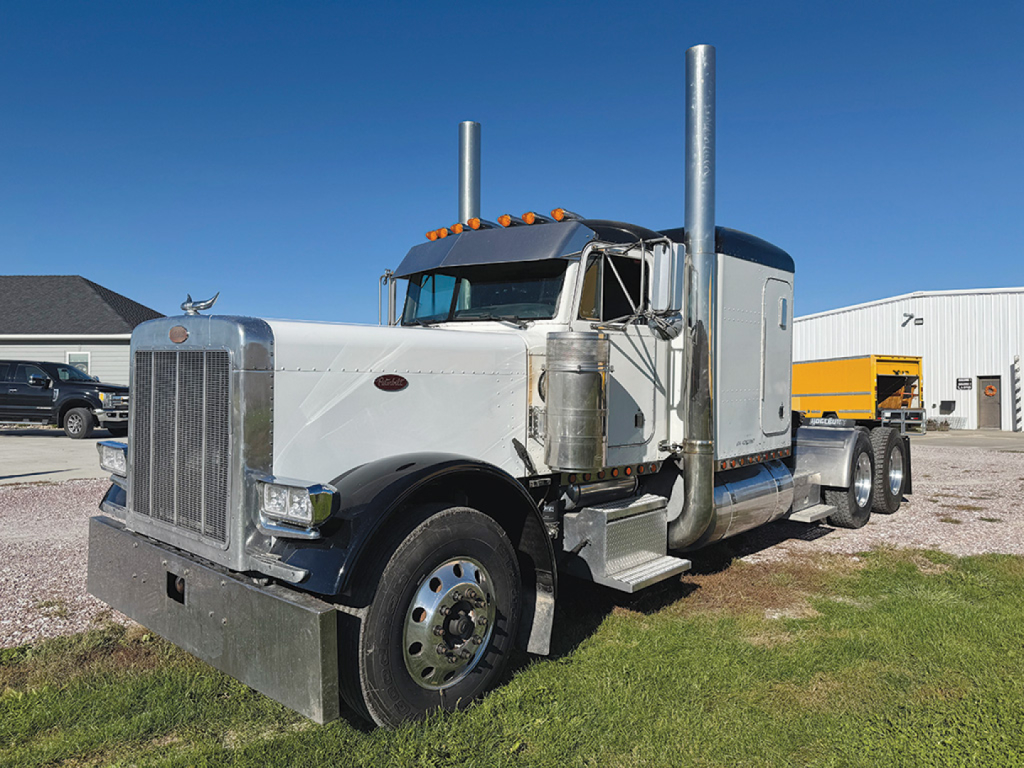
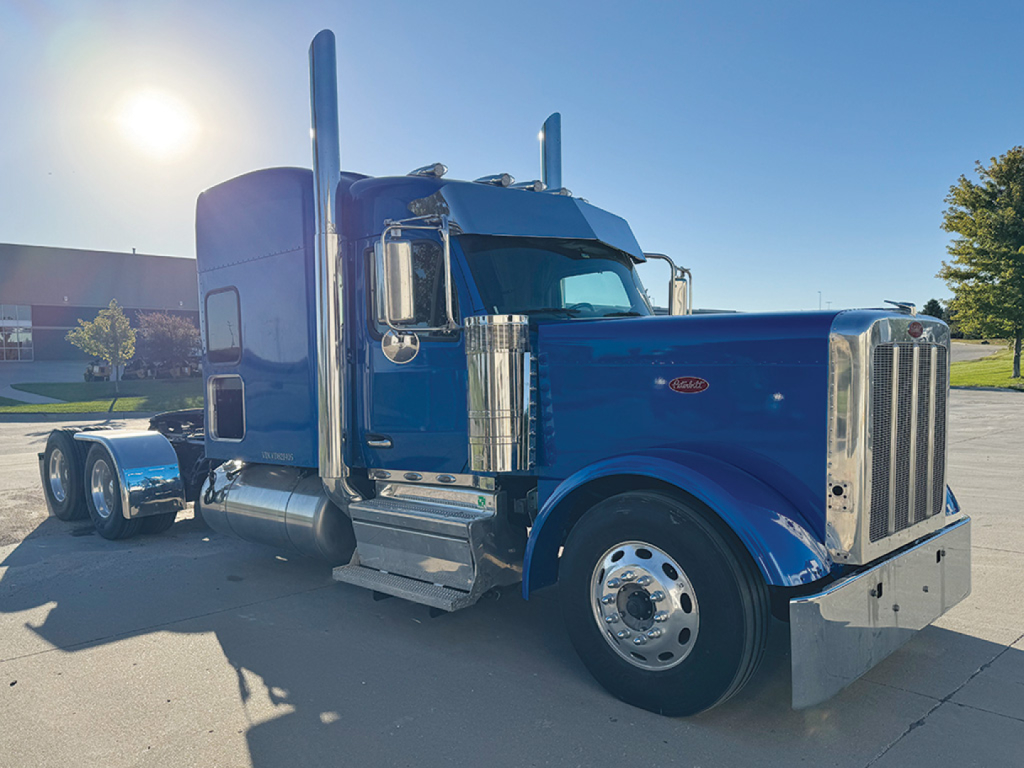
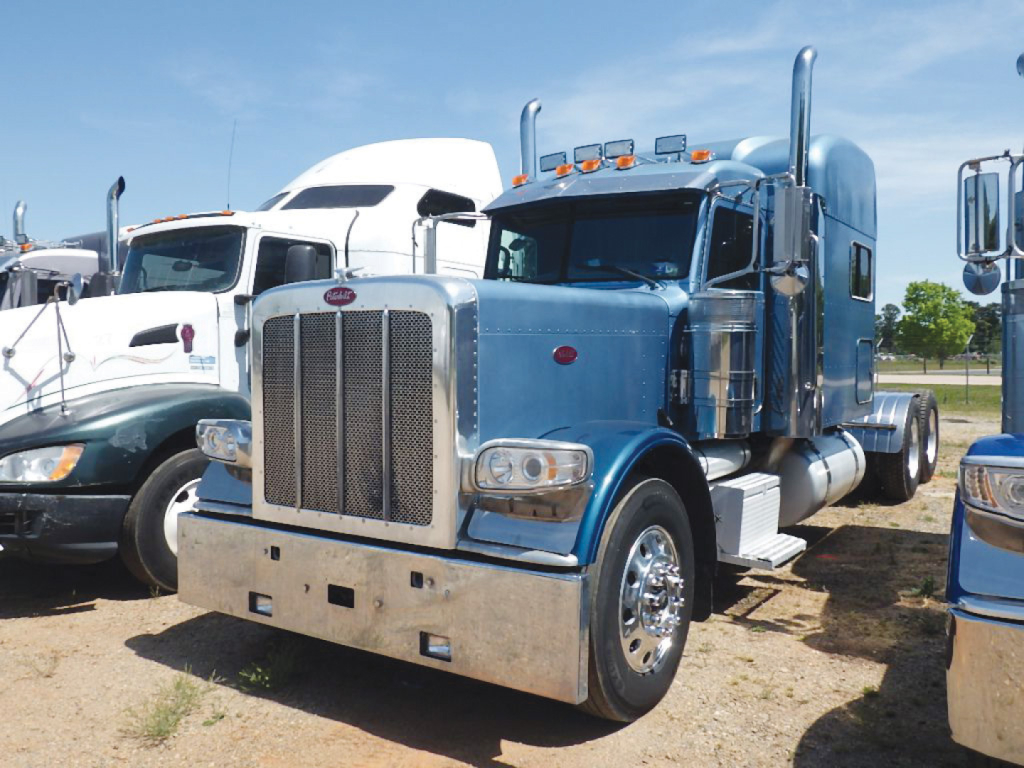
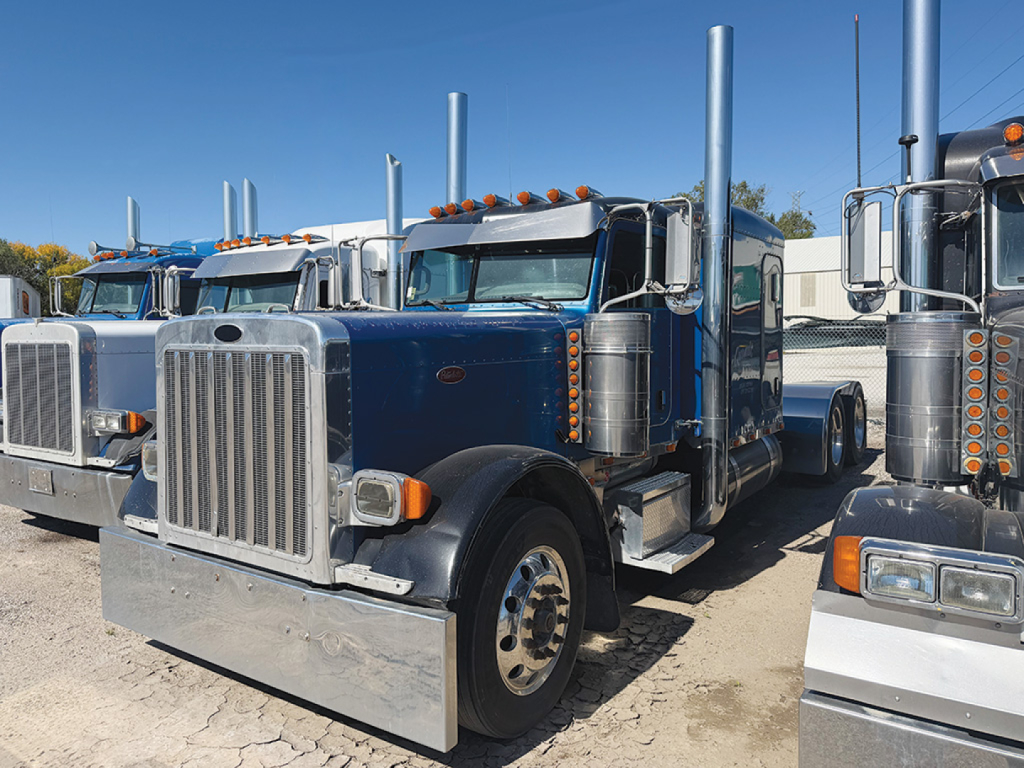
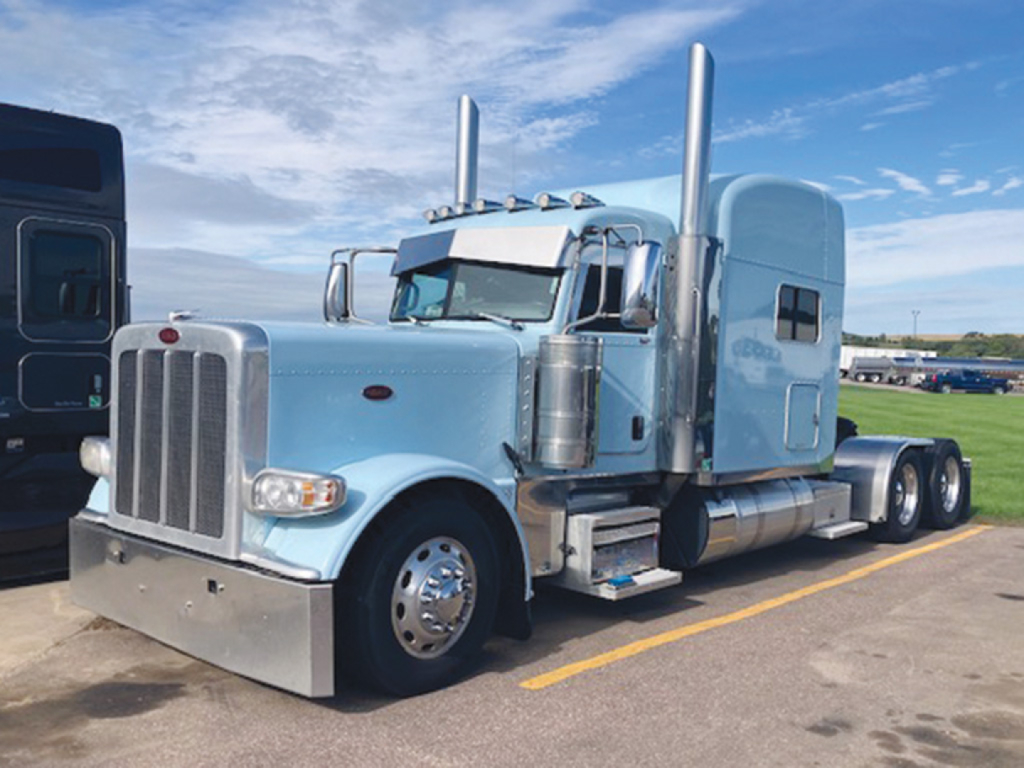
A used Peterbilt 389 appeals to a different buyer. It is still a highway tractor, but it is commonly chosen for a stronger owner-operator image, polished exterior spec, and manual transmission preference. Extended hood 389 sleepers often show up with 78-inch sleepers, 500-plus horsepower ratings, 18-speed manuals, dual stacks, dual air cleaners, and longer wheelbases. That setup fits heavy haul crossover work, specialized freight, and buyers who want a classic conventional with modern power and cab features. The tradeoff is usually a less aerodynamic profile than a 579, so the decision often comes down to application, operating cost targets, and driver preference.
When comparing used Peterbilt trucks, pay close attention to engine history, emissions system service, transmission type, brake spec, suspension, tire condition, and cab configuration. Disc brakes, digital dashes, engine brakes, and aluminum wheels are common value points, but the bigger question is whether the truck was spec'd for the work you need it to do. A high-roof sleeper with a 232-inch to 240-inch wheelbase fits many long-haul operations, while a day cab or shorter wheelbase truck can be better for regional freight and tighter loading areas. On Nebraska routes, buyers should also consider cold-weather starting, bunk heat, fairing condition, and overall corrosion exposure. A well-matched used Peterbilt can deliver strong driver acceptance, proven highway performance, and solid resale if the spec aligns with the job.
Frequently Asked Questions about Used Peterbilt Trucks in Nebraska
What are the most common used Peterbilt truck models buyers look for in Nebraska?
The most common used Peterbilt trucks in Nebraska are typically the 579 and the 389. The Peterbilt 579 is an aerodynamic conventional tractor built for fleet and over-the-road efficiency, often equipped with automated transmissions and fuel-saving axle ratios. The Peterbilt 389 is a long-hood conventional that appeals to owner-operators and specialized buyers who want a traditional look, strong power ratings, and custom-style spec choices.
Is a Peterbilt 579 or Peterbilt 389 better for long-haul freight?
Both can be strong long-haul trucks, but they serve different priorities. A Peterbilt 579 is usually better for buyers focused on fuel economy, aerodynamics, and fleet-standard serviceability. A Peterbilt 389 is often preferred when appearance, higher horsepower options, manual transmission availability, or a classic owner-operator configuration matter more. The better choice depends on your freight lanes, fuel cost targets, and driver expectations.
What engine and transmission options are common in used Peterbilt trucks?
Used Peterbilt highway tractors commonly come with PACCAR MX-13 or Cummins X15 engines. Horsepower often falls in the 450 to 510 range depending on model and application. Transmission choices frequently include automated manuals for fleet use and 18-speed manuals in performance or owner-operator specs. The transmission should be matched to rear axle ratio, gross weight, and route profile, especially if the truck will run hills, heavier loads, or mixed regional work.
What should I check first on a used Peterbilt sleeper tractor?
Start with the engine service history, emissions system records, transmission operation, and rear axle ratio. Then review sleeper size, bunk layout, HVAC performance, bunk heater operation, fifth wheel condition, suspension type, and brake spec. On a highway sleeper tractor, those items affect uptime, driver comfort, and cost per mile more than cosmetic details. A truck with the right sleeper and gearing for your lanes will usually perform better than a nicer-looking truck with the wrong spec.
Why do axle ratio and wheelbase matter on a used Peterbilt truck?
Axle ratio and wheelbase have a direct impact on fuel economy, maneuverability, ride quality, and application fit. Ratios like 2.42 or 2.64 are common on highway trucks built to keep engine rpm lower at cruise speed, while deeper ratios can help with heavier or more variable loads. Wheelbase affects turning radius and trailer gap, and it also influences how the truck handles with different sleeper sizes and fifth wheel positions. These are core spec decisions, not minor details.