
Used 2017 Commercial Trucks For Sale in Nebraska
Browse used 2017 trucks for sale in Nebraska, including day cabs and sleepers for regional haul, local delivery, and over-the-road work.
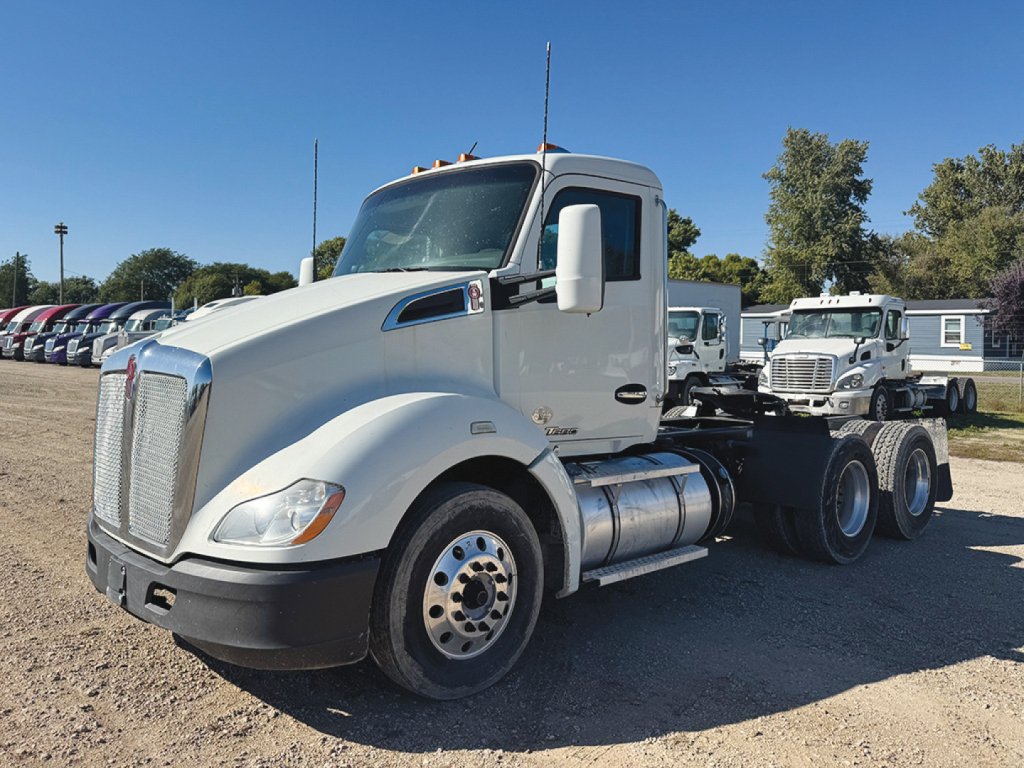
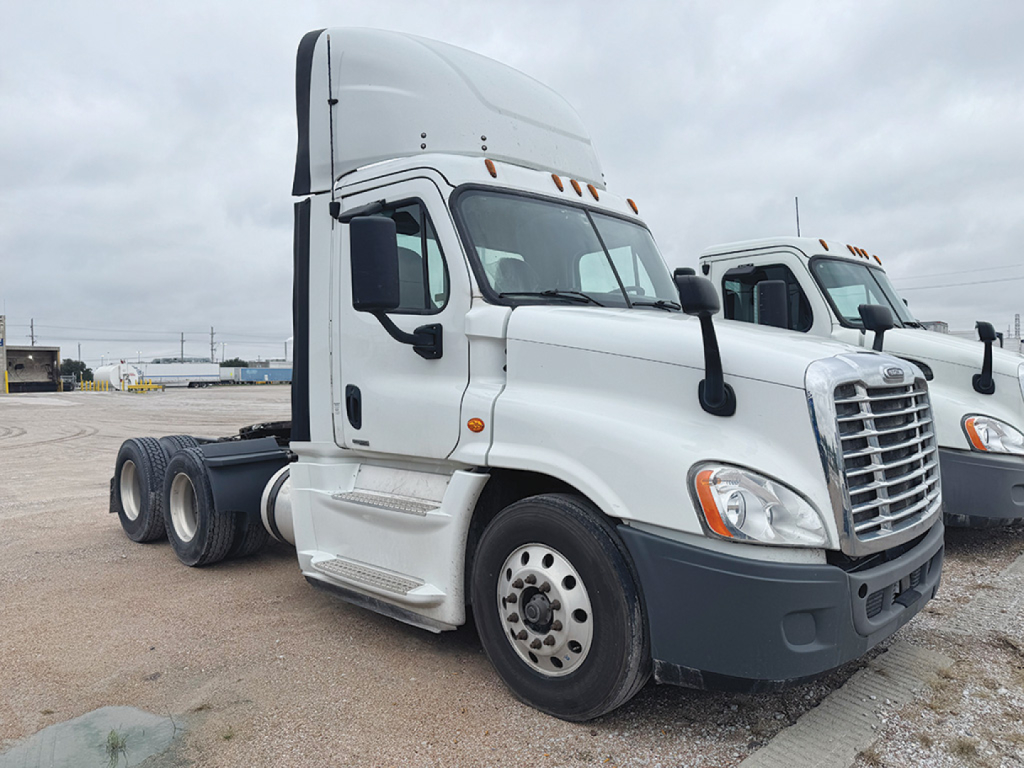
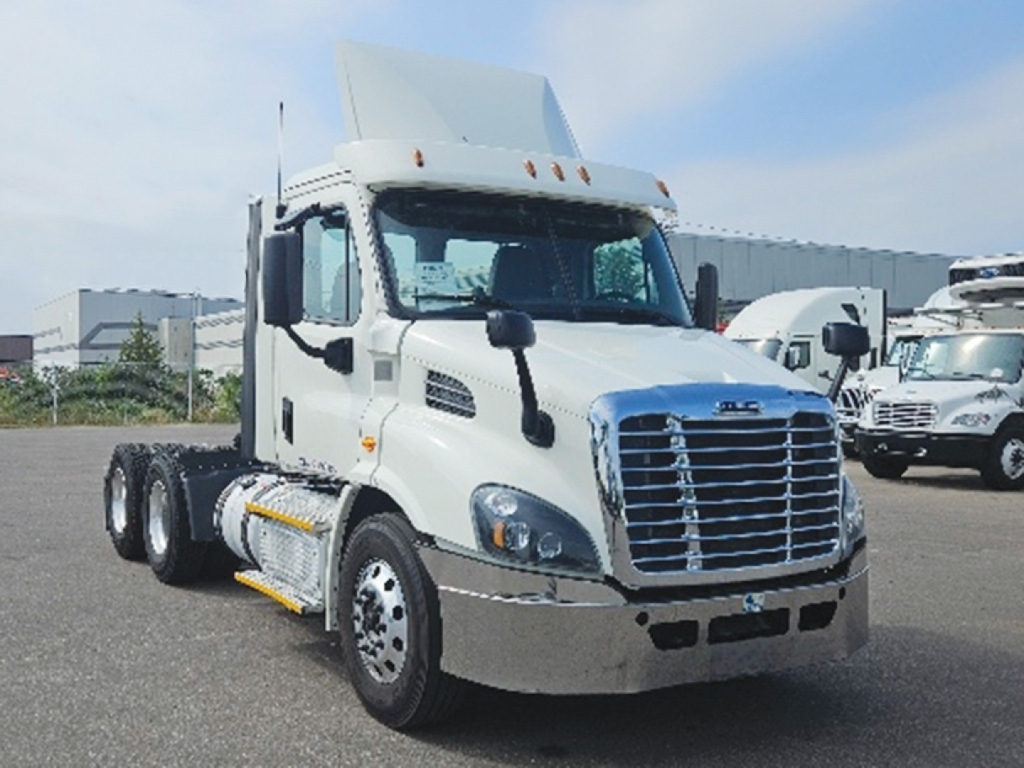

Selling a used 2017 commercial truck? List your used 2017 commercial truck for sale and reach thousands of commercial buyers.
Used 2017 Commercial Trucks in Nebraska
Nebraska buyers often need trucks that can handle interstate freight, agricultural support, construction-related hauling, and regional distribution. That makes conventional trucks, also known as road tractors or semi tractors, especially common in both day cab and sleeper configurations. A day cab usually fits local and regional runs where maneuverability, lower tare weight, and easier yard access matter. A sleeper truck makes more sense for longer routes, multi-state operations, and teams that need bunk space, added fuel capacity, and better driver retention.
On used 2017 trucks, key specs to review include engine make and horsepower, automated or manual transmission, suspension type, and rear axle ratio. Many trucks from this era were ordered with 400 to 500 horsepower diesel engines, tandem rear axles rated around 40,000 pounds, and air ride suspension for ride quality and load stability. Automated manual transmissions were already common by 2017, though manuals still appear in some fleet and owner-operator spec trucks. Buyers should also verify emissions system history, brake type, tire condition, wheelbase, and fifth wheel setup, especially if the truck will pull different trailer lengths or operate at varied kingpin settings.
A strong 2017 truck can still be a cost-effective asset if the spec matches the work. Look closely at maintenance records, engine hours, idle hours, DPF and SCR service history, and signs of frame or suspension wear from severe-duty use. In Nebraska, climate exposure also makes undercarriage condition, corrosion, heater and A/C performance, and cold-weather starting important inspection points. The best buying decision usually comes down to total operating cost rather than purchase price alone, so fuel economy, parts support, known drivetrain reliability, and intended route profile should drive the final comparison.
Frequently Asked Questions about Used 2017 Commercial Trucks in Nebraska
What should I look for when buying a used 2017 truck in Nebraska?
Start with the truck’s intended application, then verify the drivetrain and chassis specs match that work. Review engine make, horsepower, transmission type, axle ratio, wheelbase, rear axle rating, and cab configuration. After that, focus on maintenance records, fault codes, emissions service history, tire wear, brake condition, suspension wear, and signs of rust or corrosion from seasonal road treatment. A used 2017 truck is often a value buy, but only if its operating history and current condition support reliable service.
Is a 2017 truck a good choice for regional or over-the-road hauling?
A 2017 truck can be a very good fit for regional or over-the-road hauling if it was spec'd correctly and maintained well. Many trucks from this model year offer modern aerodynamics, automated transmissions, higher-efficiency engines, and improved driver comfort compared with older equipment. A day cab usually works best for local and short regional lanes, while a sleeper is better for longer mileage, overnight trips, and routes where fuel range and driver comfort matter more.
What engine and transmission options are common in used 2017 trucks?
Used 2017 trucks commonly include diesel engines in the roughly 400 to 500 horsepower range, paired with either automated manual or traditional manual transmissions. Automated manuals were becoming the standard in many fleet highway tractors by that time because they improve shift consistency and can help with fuel economy. Manual transmissions still appeal to some buyers in specialized hauling or owner-operator applications. The right choice depends on route profile, driver preference, terrain, and maintenance strategy.
Are day cabs or sleeper trucks more common in this category?
Both are common, but they serve different needs. Day cabs are typically chosen for local delivery, port work, ag support, and short regional runs where low weight, easy access, and tighter turning are priorities. Sleeper trucks are more common in long-haul freight because they provide bunk space, more storage, and often larger fuel capacity. The better option depends less on availability and more on how the truck will be dispatched every day.
Why does axle ratio matter on a used 2017 semi truck?
Axle ratio affects fuel economy, startability, cruising RPM, and how well the truck handles its load and route. A faster ratio can support lower RPM and better highway fuel economy, while a deeper ratio can improve pulling power and performance in heavy haul, stop-and-go, or hilly applications. When comparing used 2017 trucks, axle ratio should be considered together with engine torque, transmission gearing, tire size, and expected gross combination weight.