
Used Commercial Trucks For Sale in Alaska
Browse used trucks for sale in Alaska, including vocational and on-road models suited for cold weather, remote routes, and demanding duty cycles.
No exact matches found for your search
Showing Used Commercial Trucks instead.
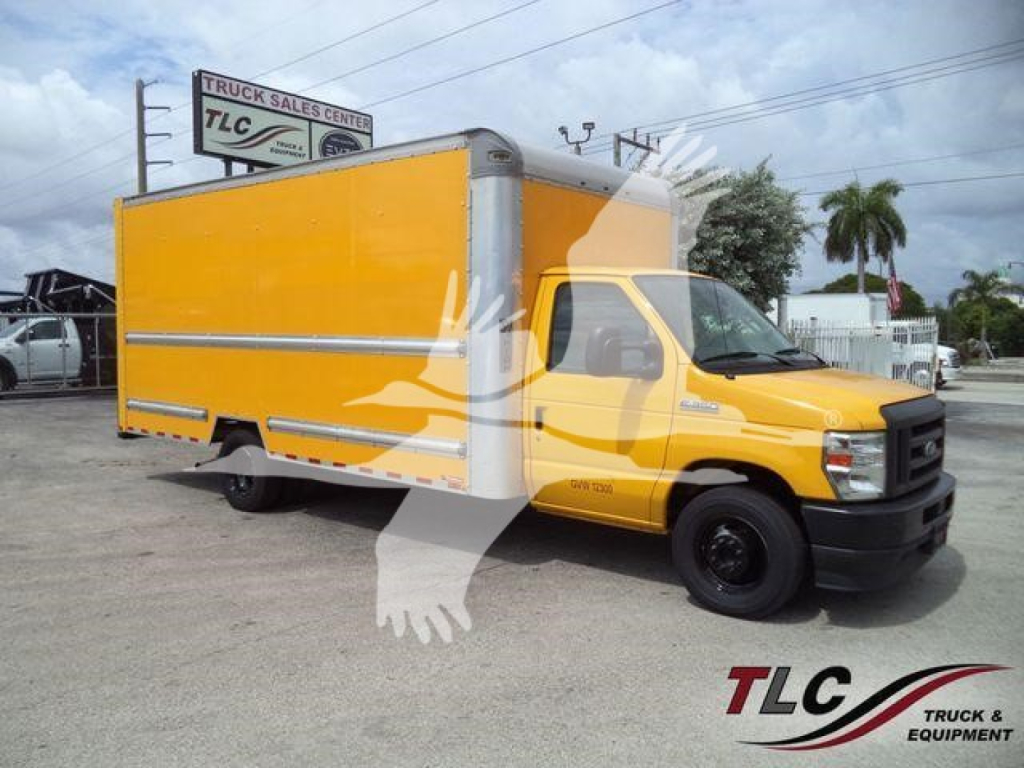
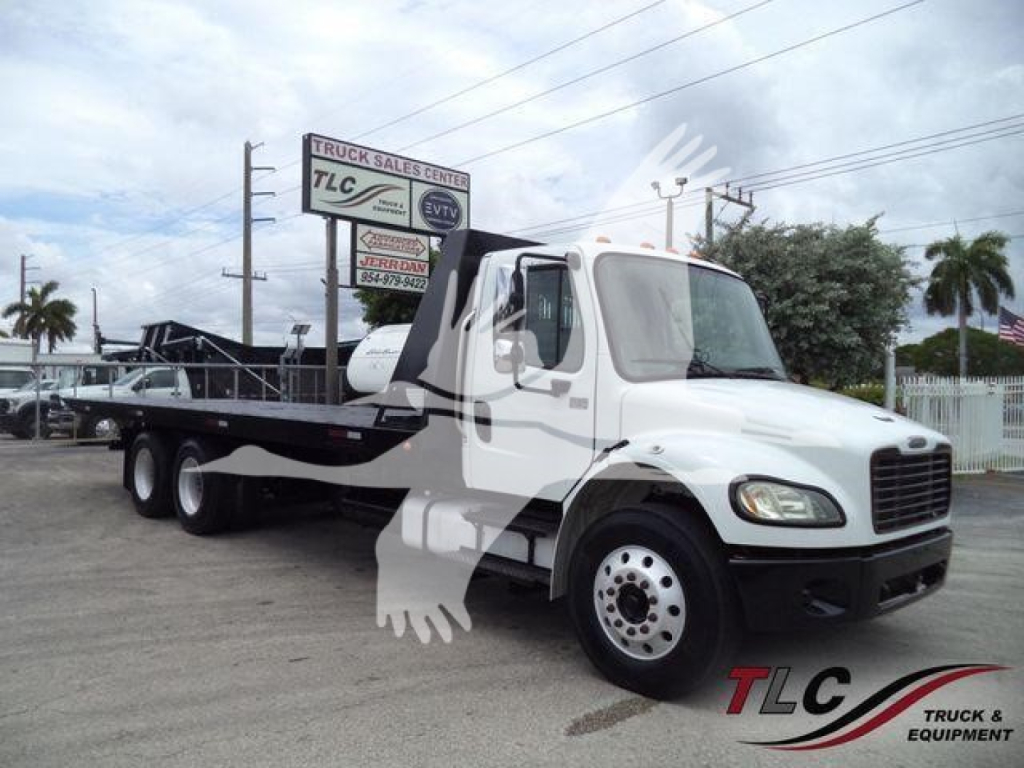
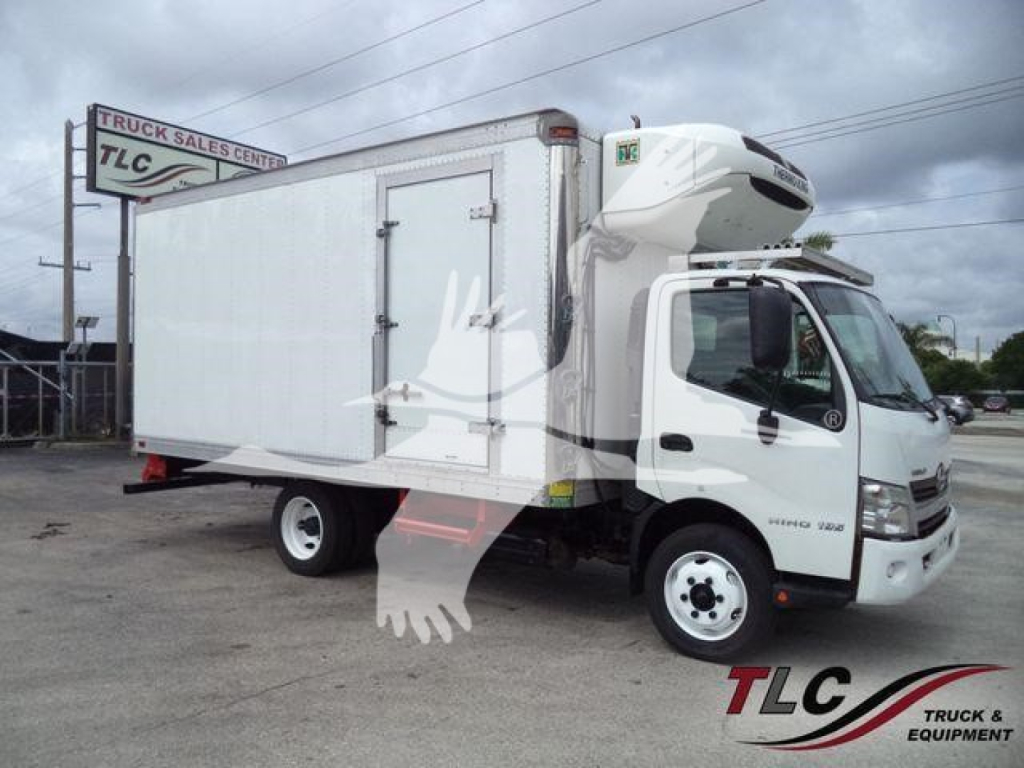
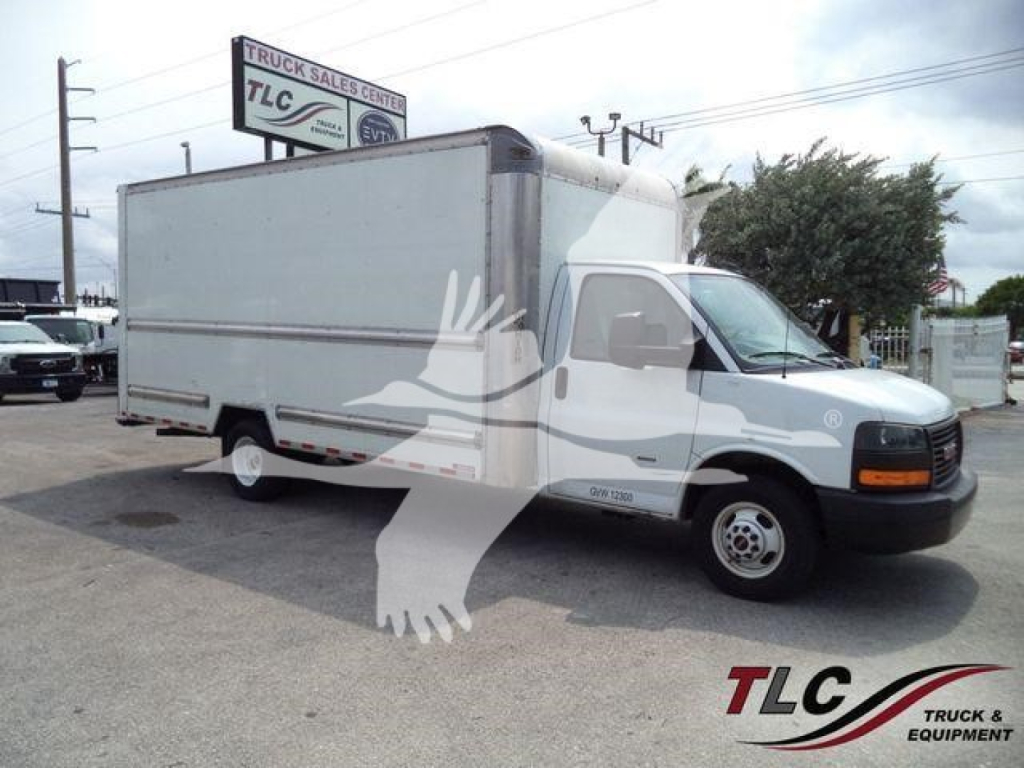
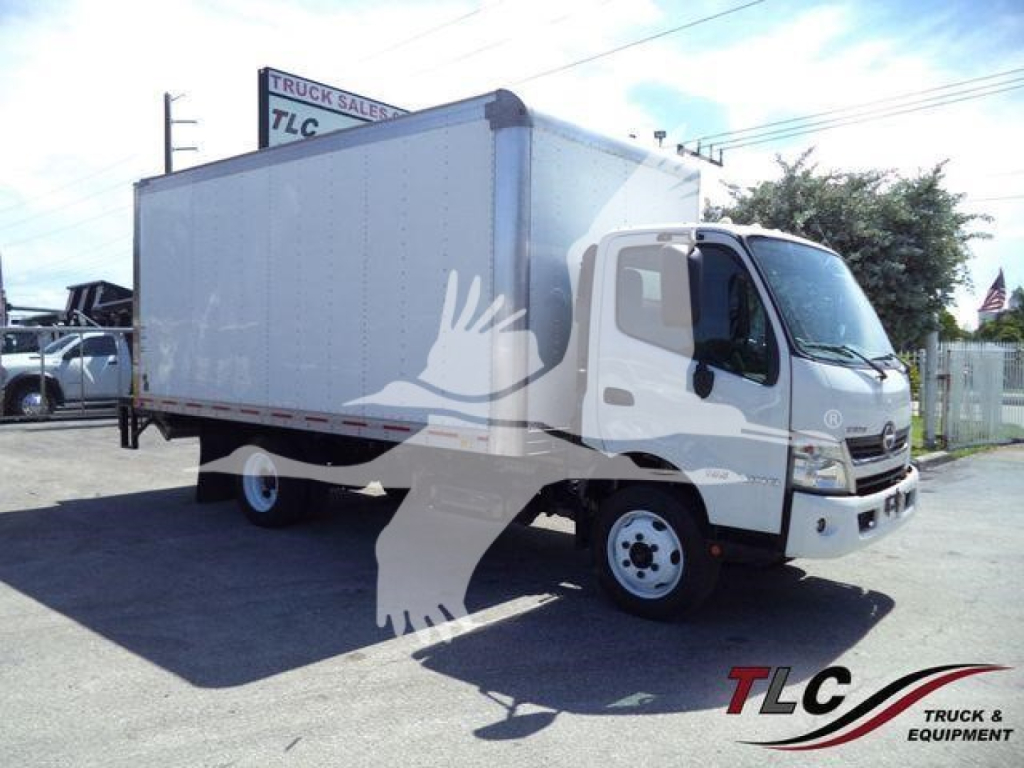
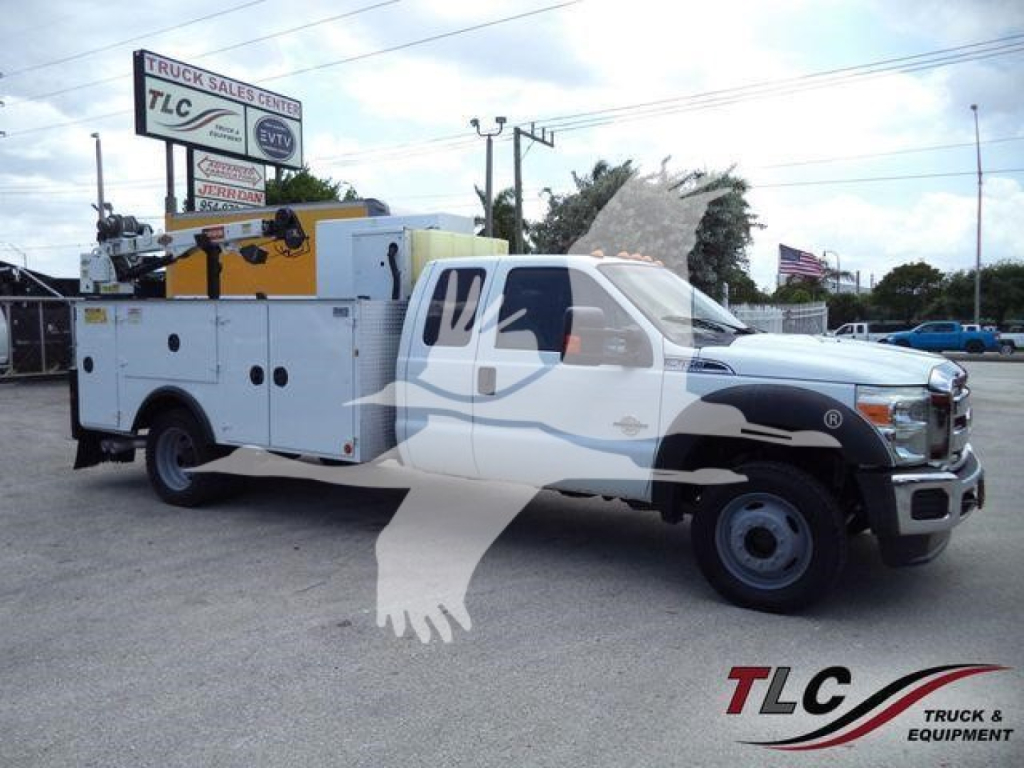
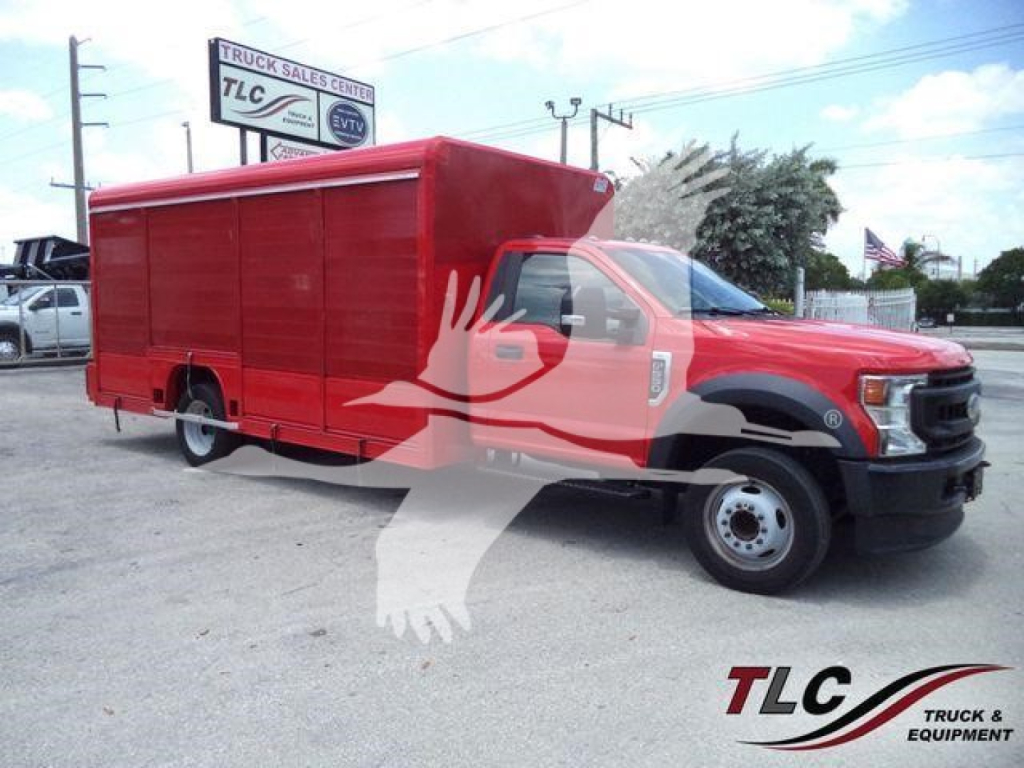
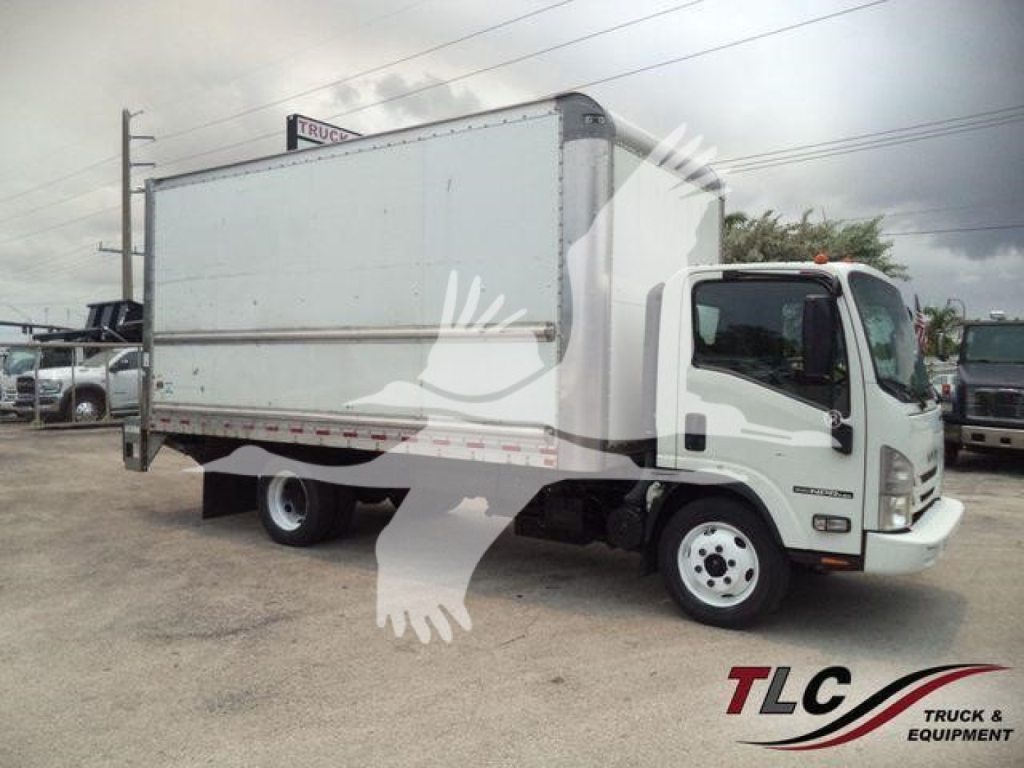
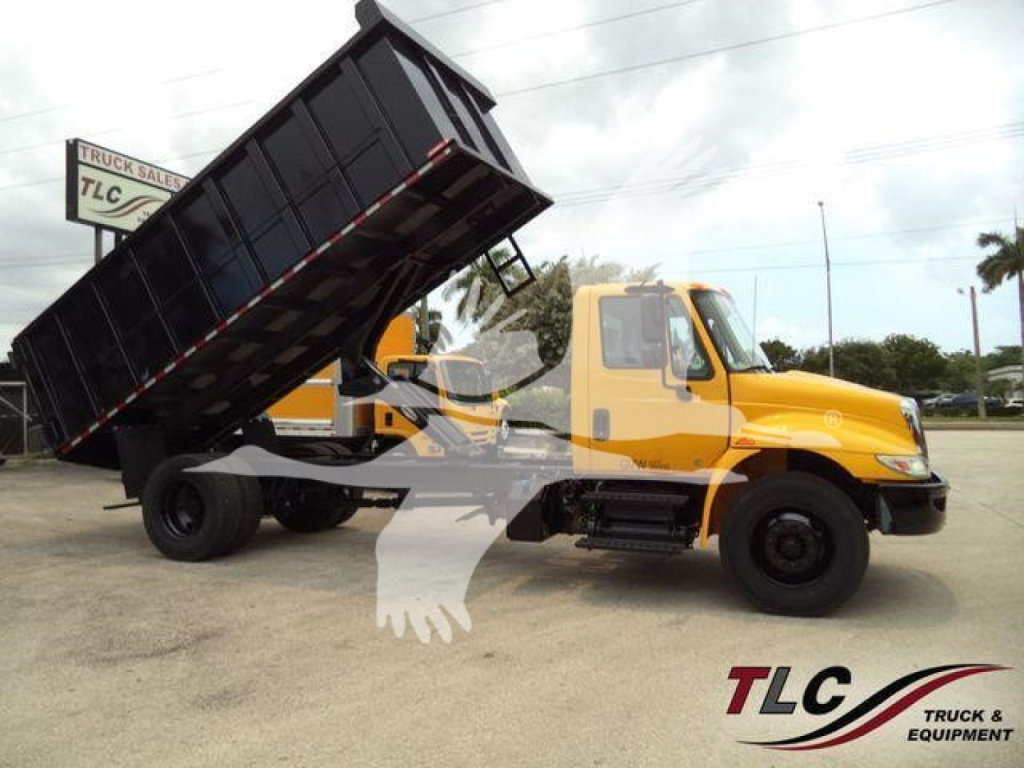
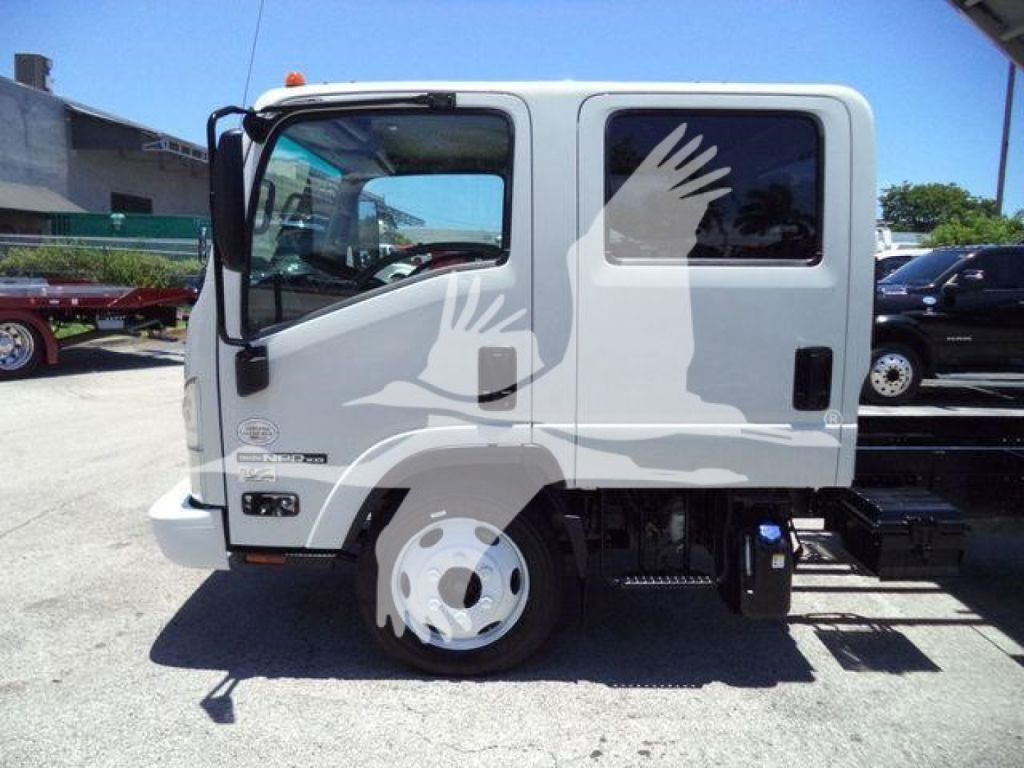
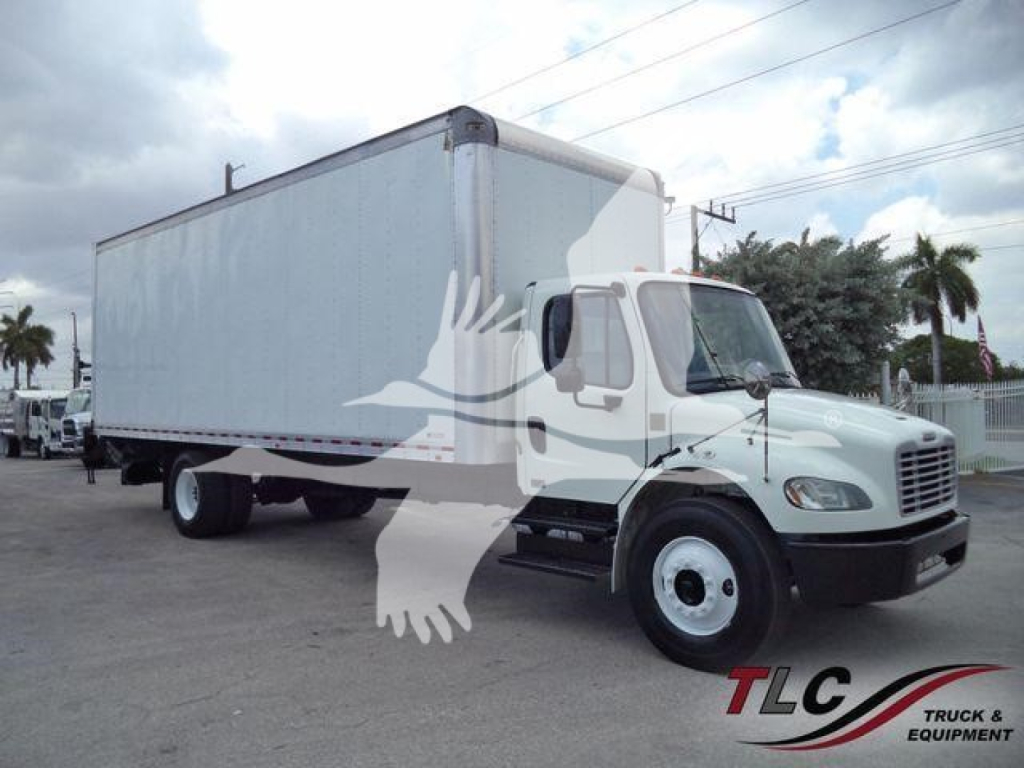
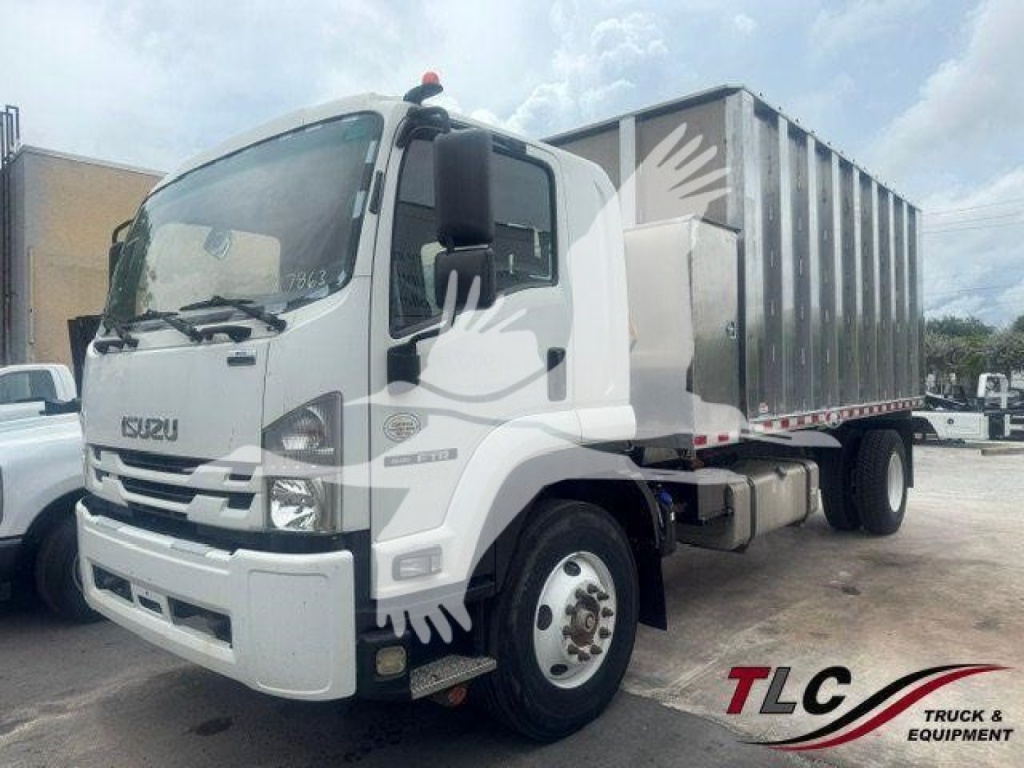
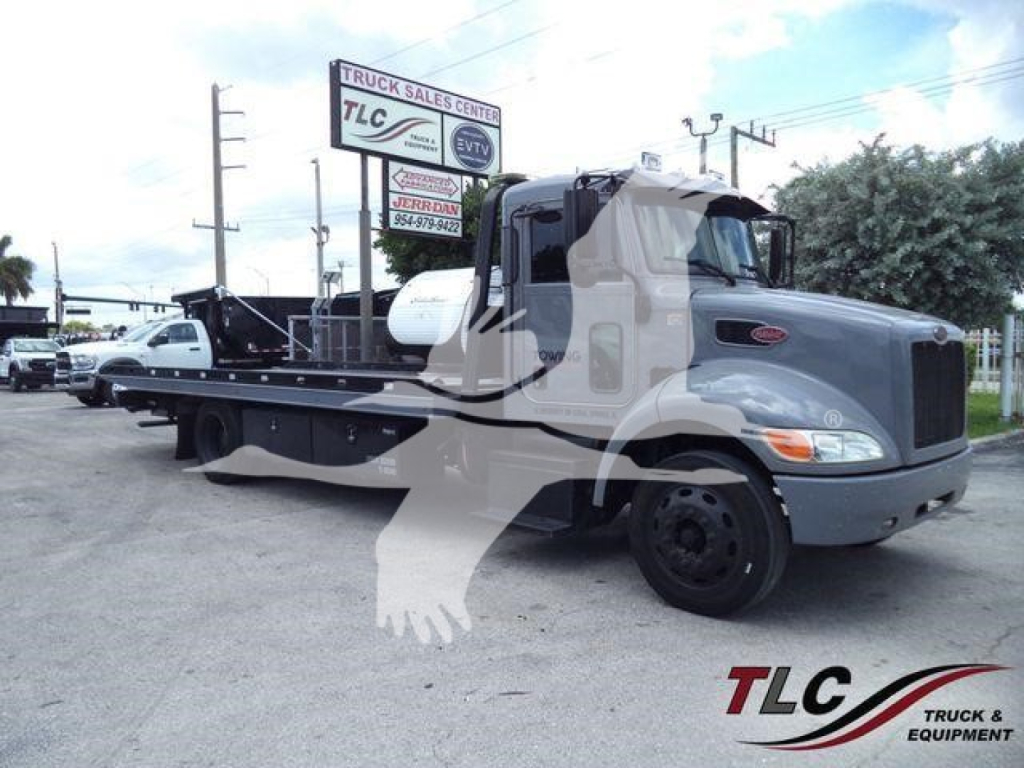
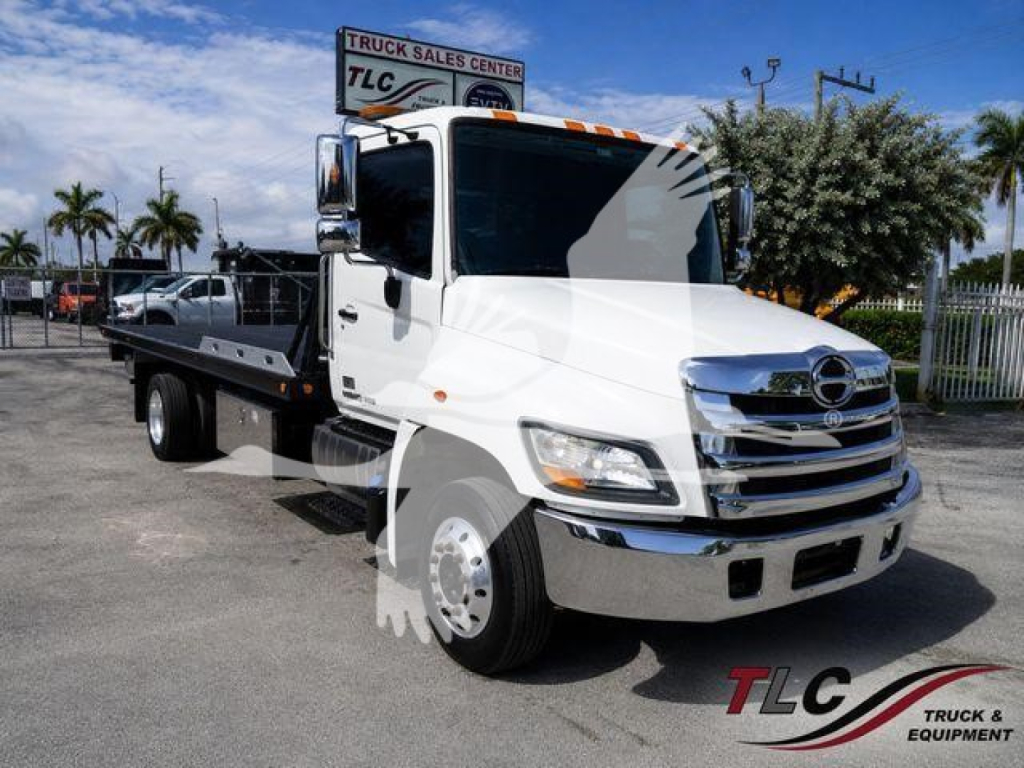
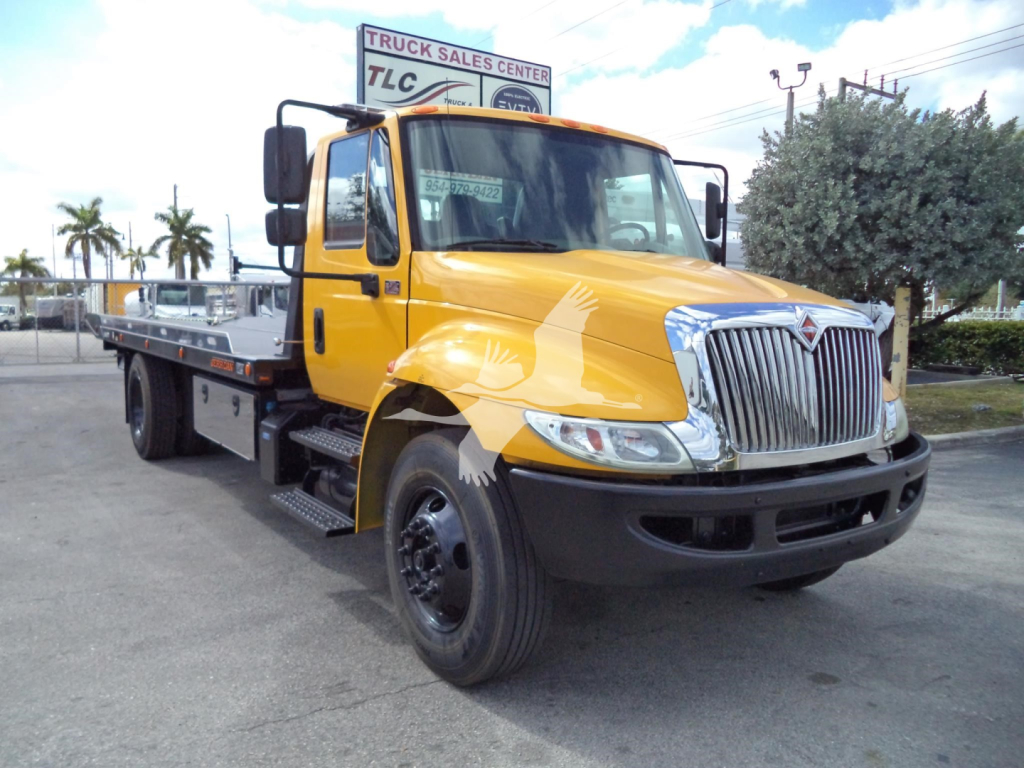
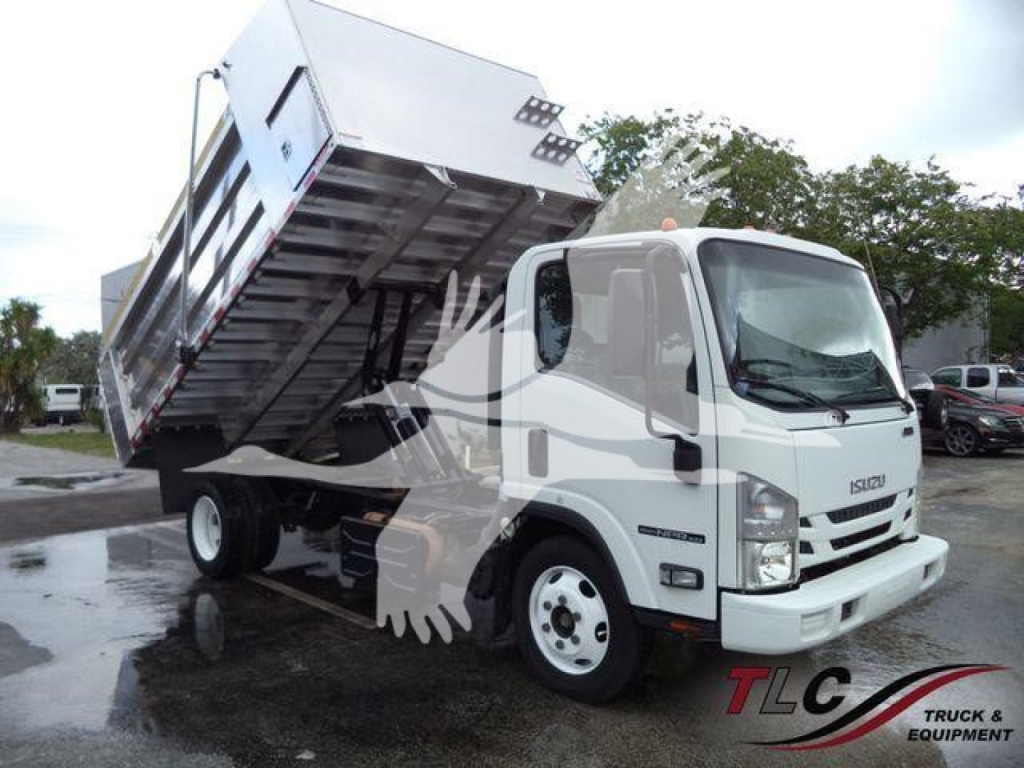
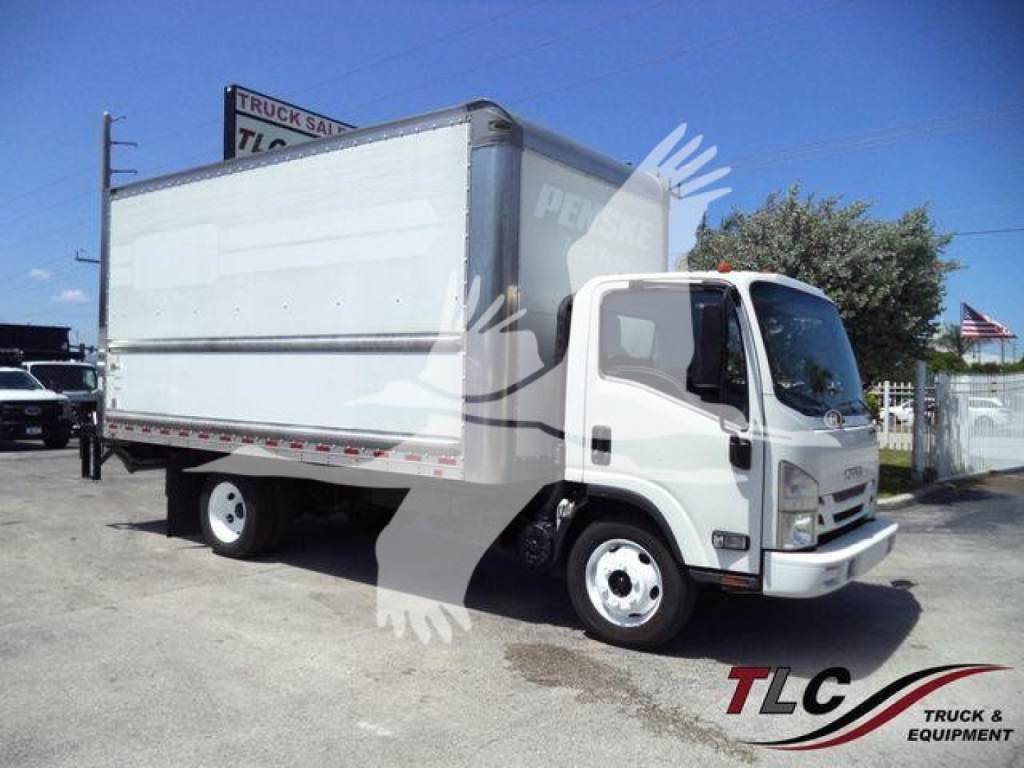
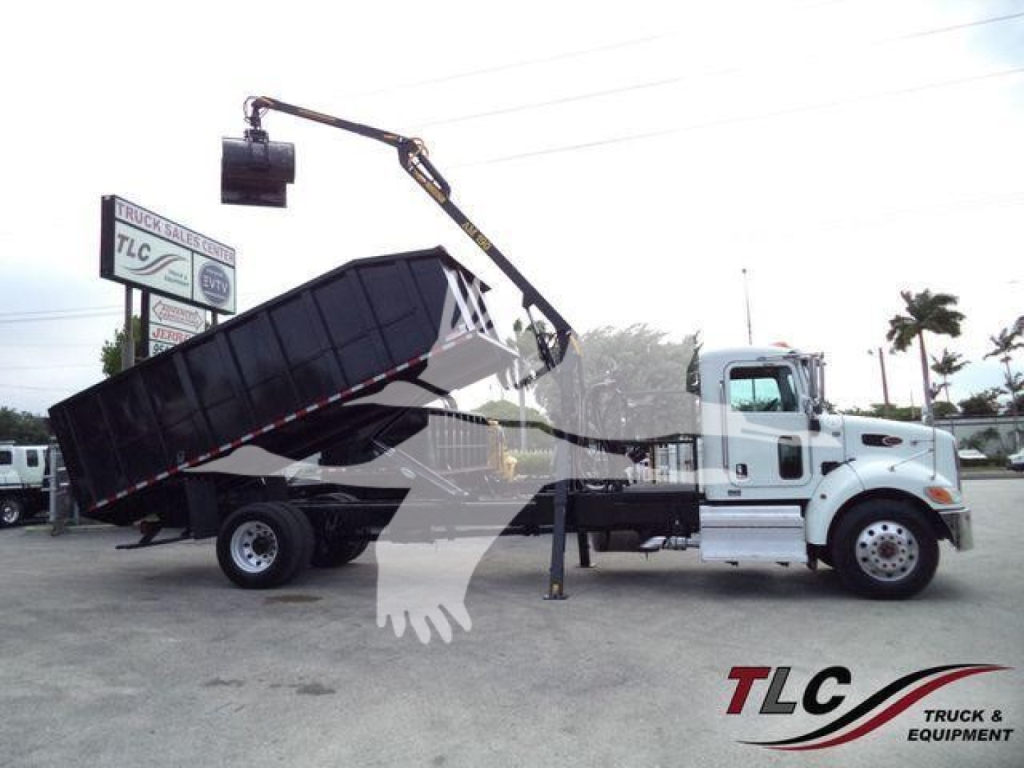
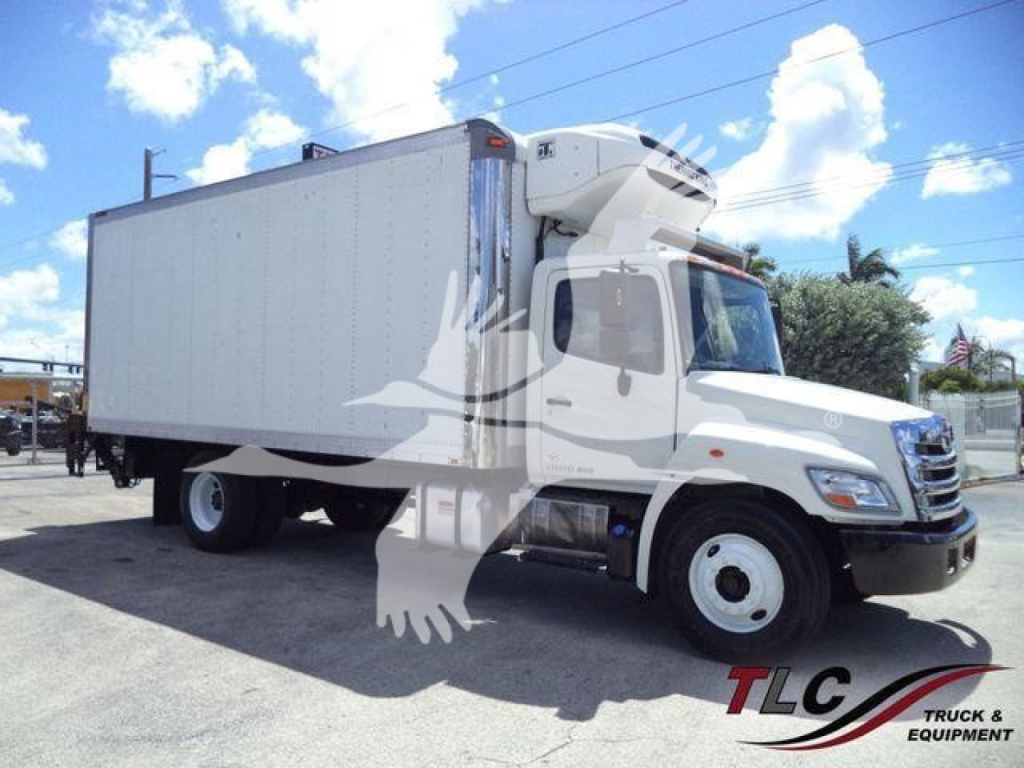
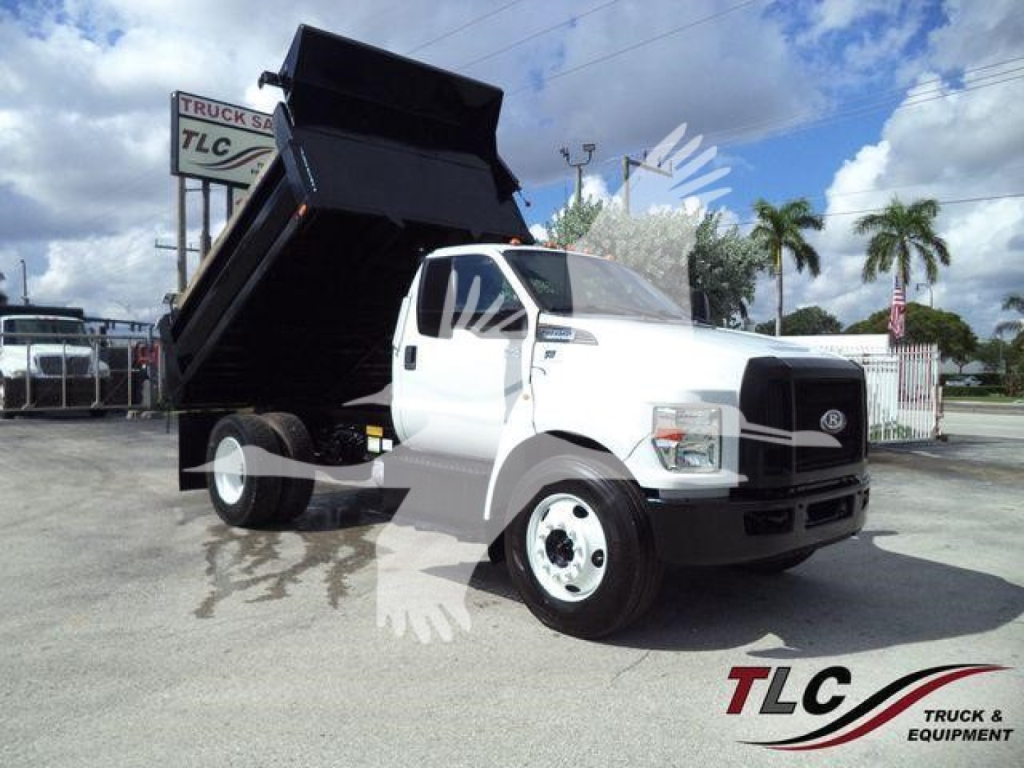
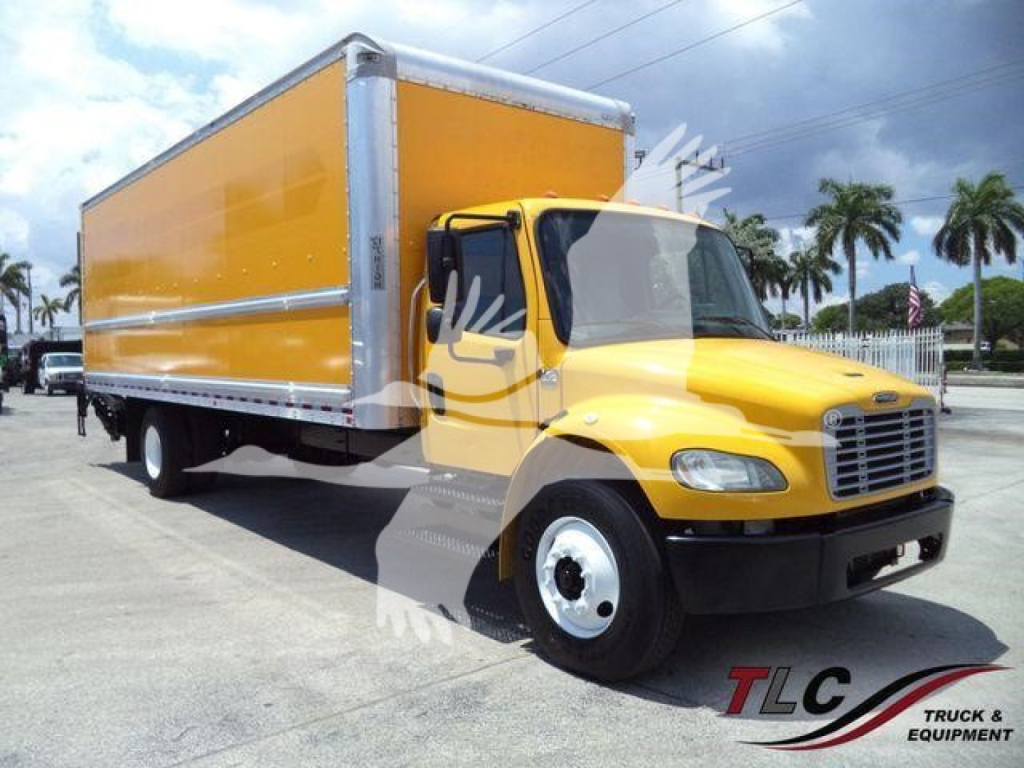
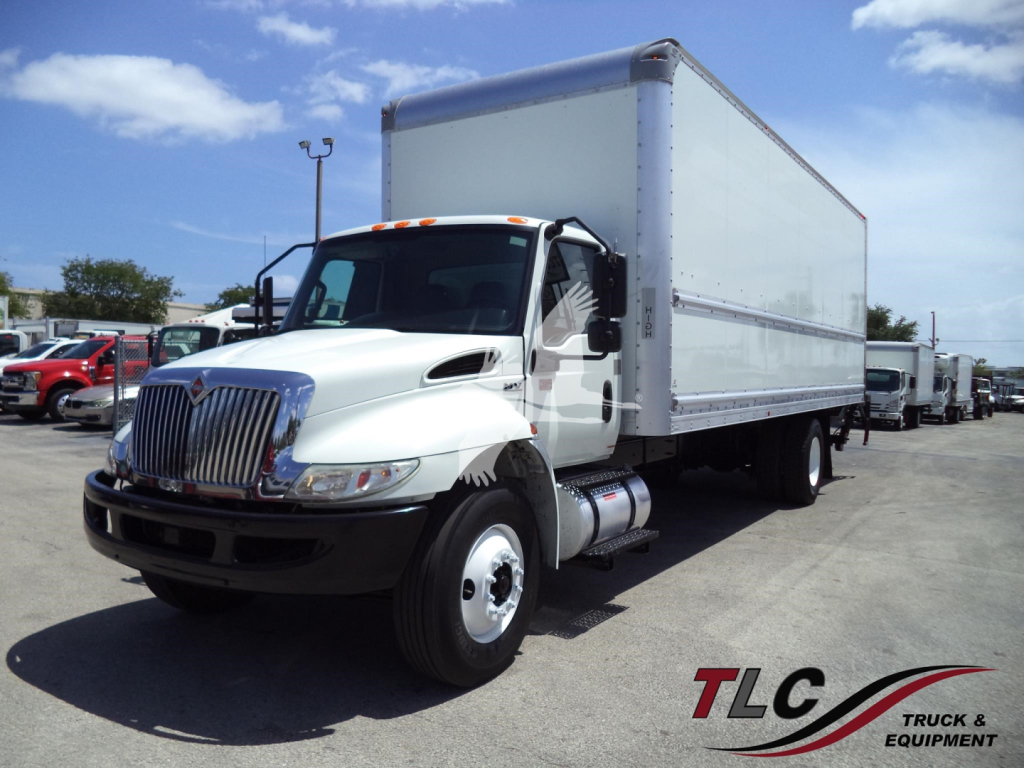
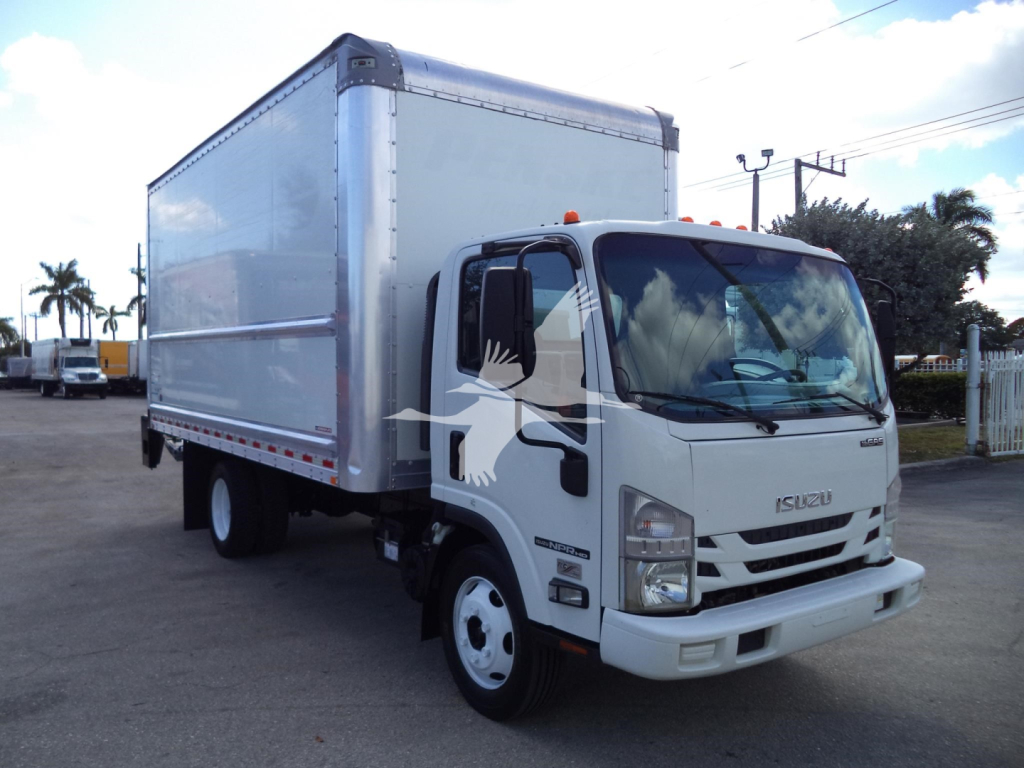
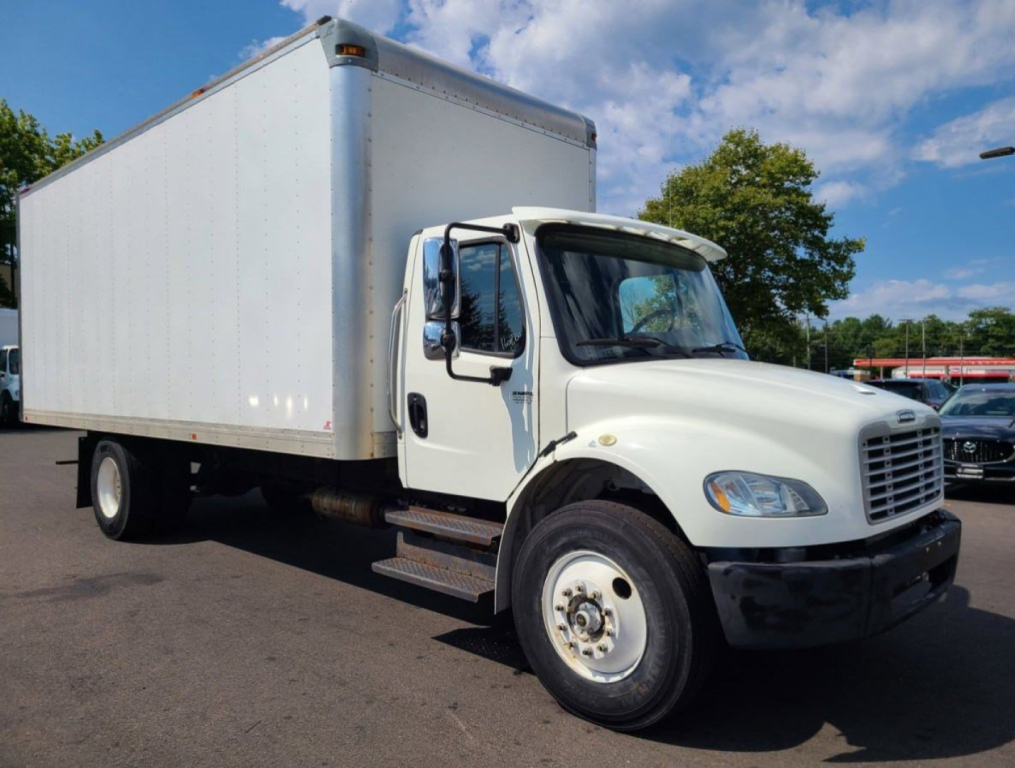
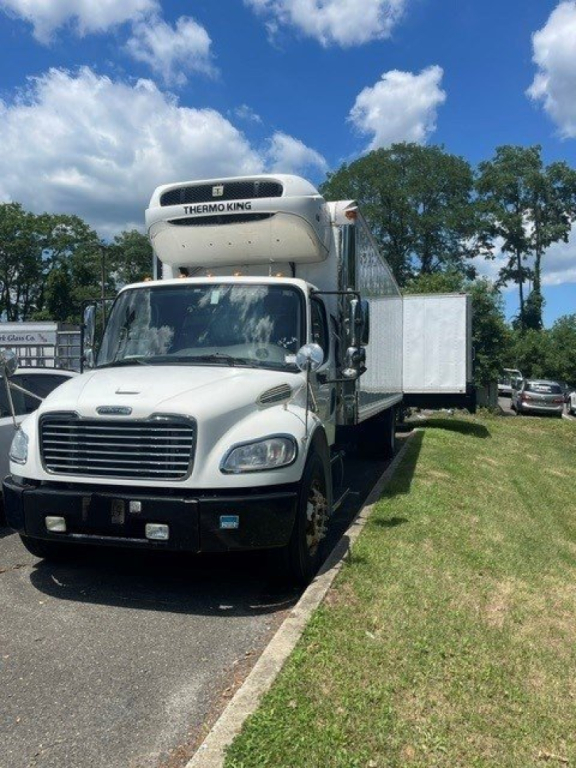
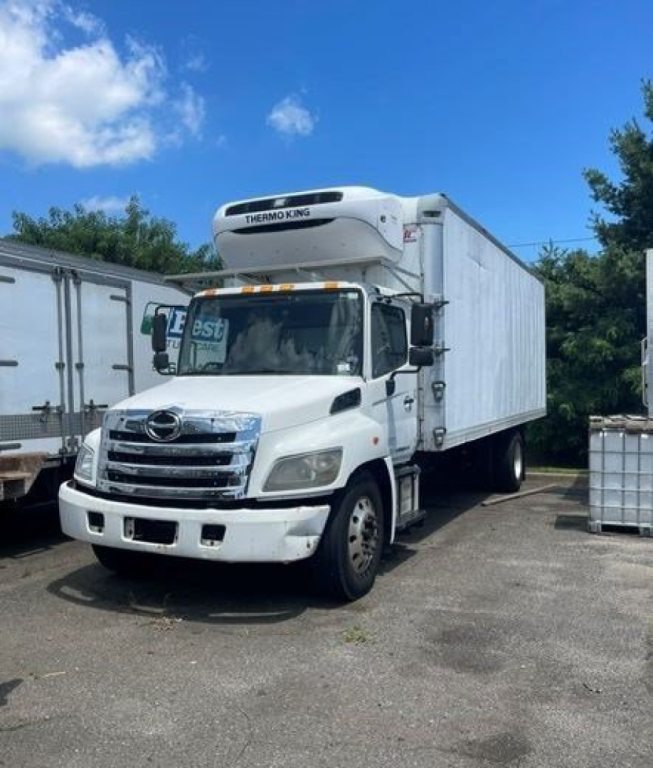
Showing 1,149 to 1,176 of 2,099 results
Selling a used commercial truck? List your used commercial truck for sale and reach thousands of commercial buyers.
Used Commercial Trucks in Alaska
A good Alaska truck starts with the right spec for the route and payload. On-highway and regional units are often evaluated around engine family, horsepower, transmission type, axle ratings, wheelbase, and suspension setup. Vocational buyers usually pay closer attention to PTO compatibility, frame condition, hydraulic provisions, rear axle ratio, and GVWR. In colder regions, buyers should inspect block heater function, battery box condition, charging system health, air system moisture control, and cab heat performance. Rust and corrosion may show up differently in Alaska than in salt-heavy coastal or municipal markets, so frame rails, crossmembers, spring hangers, brake components, and wiring connections deserve a close look.
Used trucks in Alaska are commonly chosen for municipal service, fuel delivery, construction support, freight movement, and mixed on-road and off-road duty. Cab and chassis units are especially flexible because they can be upfitted for dumps, tanks, service bodies, flatbeds, or winter maintenance applications. Medium-duty trucks like a Peterbilt 337 or similar Freightliner, International, Kenworth, and Ford chassis are often selected for local delivery and utility work, while heavier tandem-axle trucks are better suited for higher GVWR applications, trailer pulling, and rougher terrain. Automatic transmissions are common in stop-and-go or vocational service, while manual and automated manual transmissions still appeal to buyers focused on driver control, gradeability, or maintenance preference.
The strongest used-truck value usually comes from matching the truck’s existing spec to the job instead of planning around major changes later. A buyer comparing listings should verify engine make and model, emissions system type, axle configuration, wheelbase, brake setup, suspension, tire condition, and any body or equipment mounts already installed. In Alaska, location also matters because moving a truck from a remote area can add meaningful transport cost and downtime. A well-matched used truck can deliver strong service life, but the best purchase is the one with a clear maintenance history, the right cold-weather readiness, and a chassis spec that fits the work without compromise.
Frequently Asked Questions about Used Commercial Trucks in Alaska
What should I look for when buying a used truck in Alaska?
Focus first on cold-weather readiness and chassis condition. Key inspection points include block heaters, batteries, starter and charging system performance, air dryer operation, heater output, tire condition, frame corrosion, brake condition, and wiring integrity. In Alaska, it is also important to confirm parts availability and service access for the engine, transmission, and aftertreatment system, especially if the truck will operate far from major repair centers.
Are used cab and chassis trucks a good choice for Alaska fleets?
Yes, cab and chassis trucks are a strong fit for Alaska because they can be configured for multiple jobs. They are commonly used for dump bodies, fuel and lube service, utility bodies, flatbeds, and municipal applications. Buyers should pay attention to wheelbase, frame length, PTO capability, front and rear axle ratings, and whether the suspension and rear ratio are appropriate for the intended body and terrain.
Is an automatic transmission better for a used vocational truck?
An automatic transmission is often preferred in vocational and stop-and-go service because it reduces driver fatigue and works well in applications such as fuel delivery, municipal work, and local hauling. Allison automatics are common in medium-duty and vocational trucks for that reason. A manual or automated manual can still be a good choice for buyers who prioritize drivetrain simplicity, driver familiarity, or certain heavy-haul and grade-oriented applications.
How important is truck location when buying used trucks in Alaska?
Location is a major buying factor in Alaska because transport logistics can materially affect total cost. A truck in a remote market may require barge service, specialized hauling, or added lead time just to move it to the buyer’s operating area. Buyers should factor in recovery, shipping, inspection access, and the availability of local repair support before comparing one listing to another based only on purchase price.
What specs matter most when comparing used trucks for sale?
The most important specs depend on the application, but buyers usually start with GVWR, axle configuration, engine make and horsepower, transmission type, wheelbase, suspension, rear axle ratio, and brake system. For vocational units, PTO provisions, frame condition, body compatibility, and hydraulic setup are also critical. Matching these specifications to the actual load, route, and terrain is what determines long-term usability and operating cost.