
Used 2023 Commercial Trucks For Sale in Missouri
Browse used 2023 trucks for sale in Missouri, including day cabs, sleepers, medium-duty and specialty trucks with current specs buyers compare.
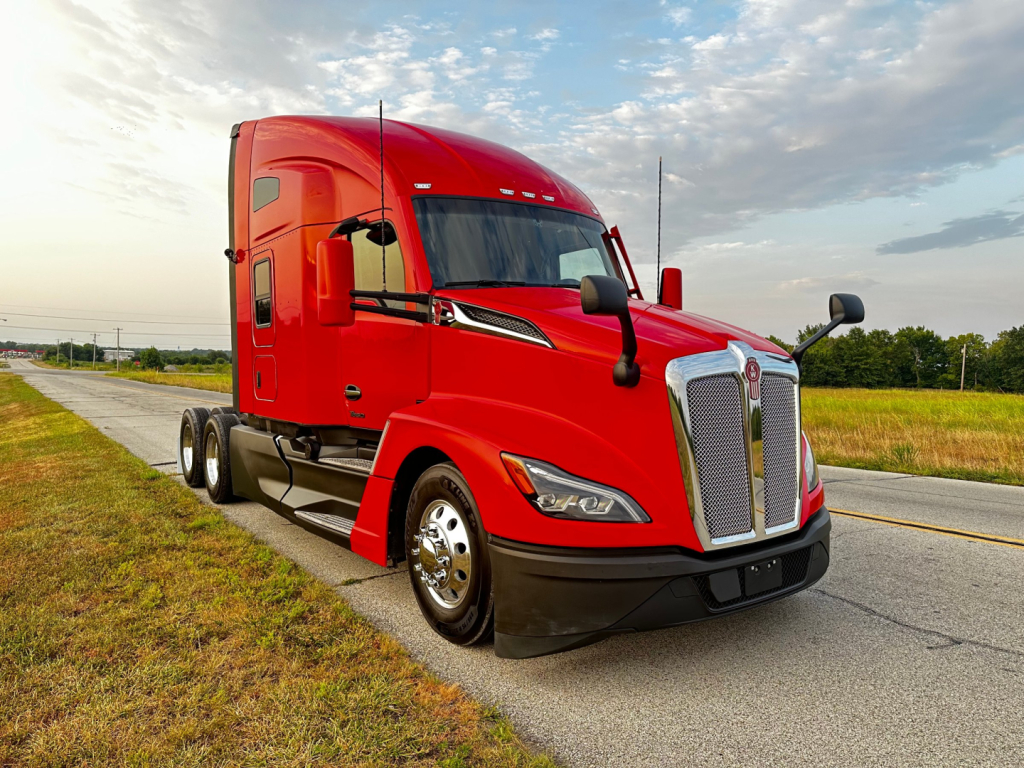

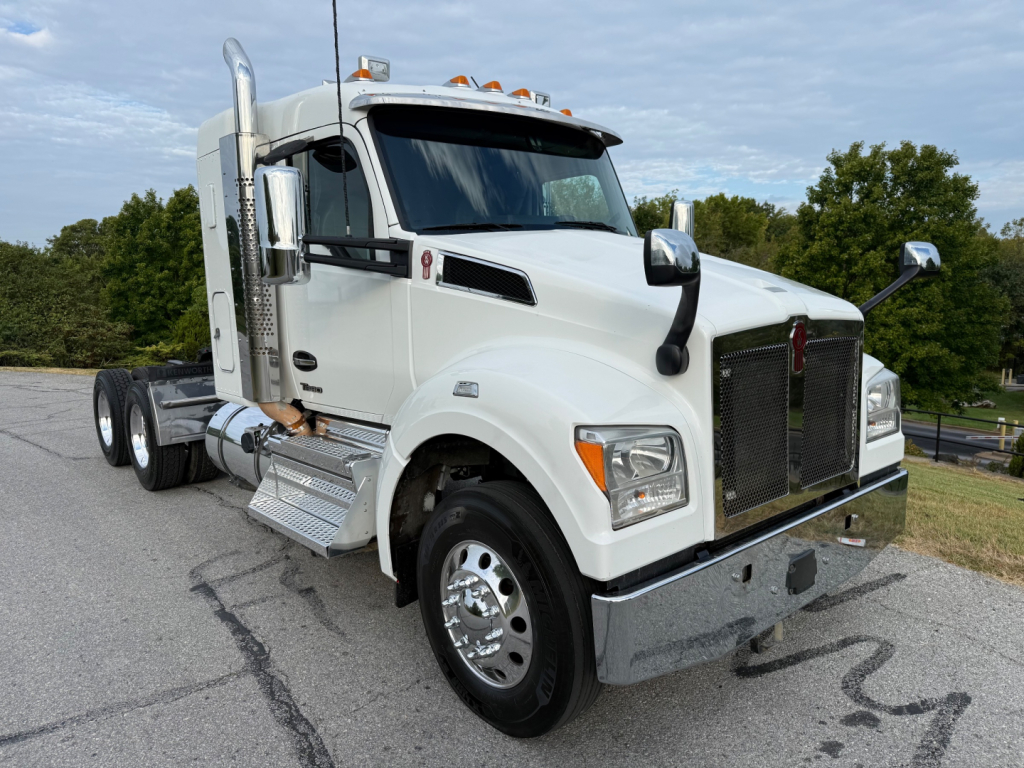
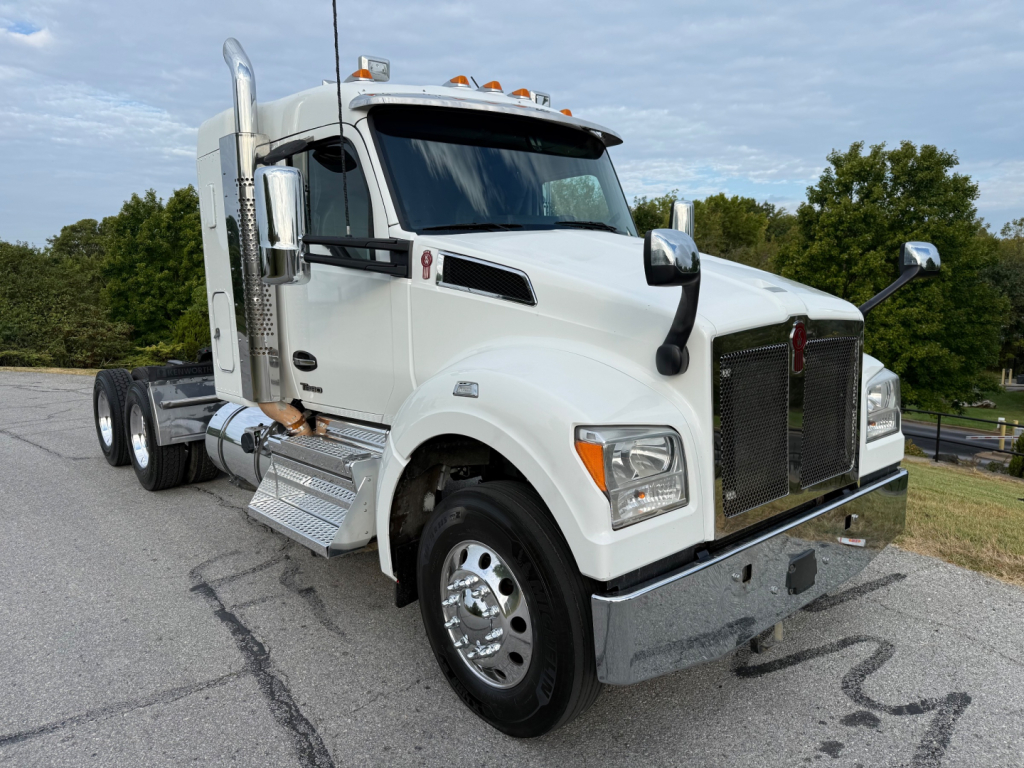
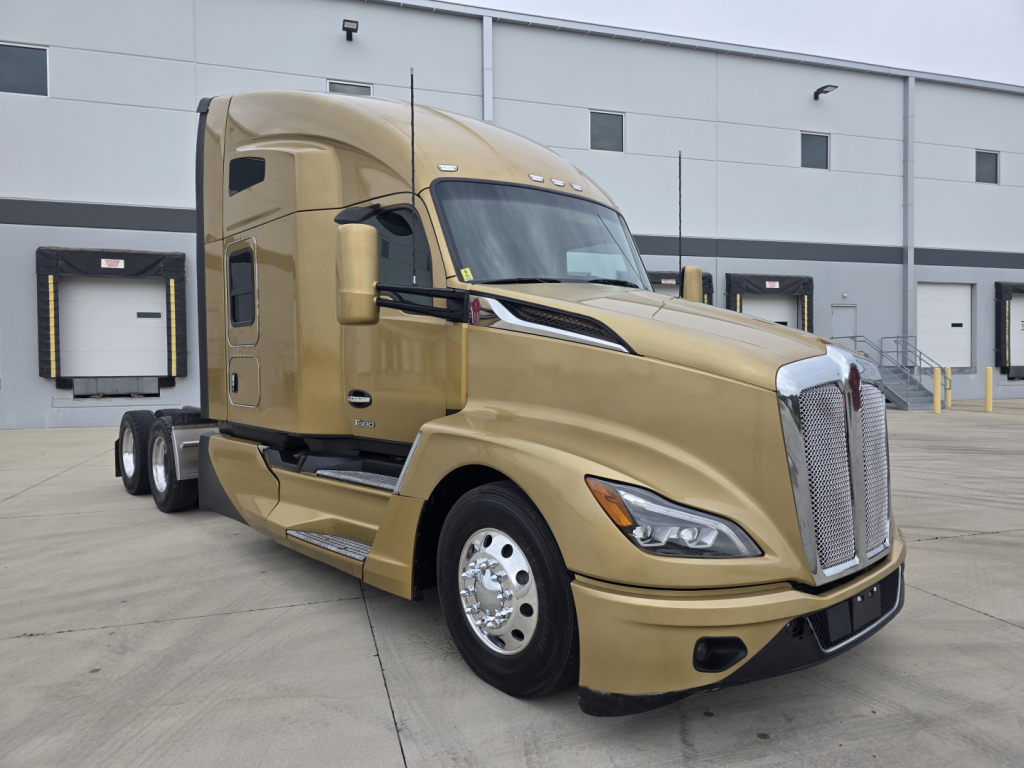
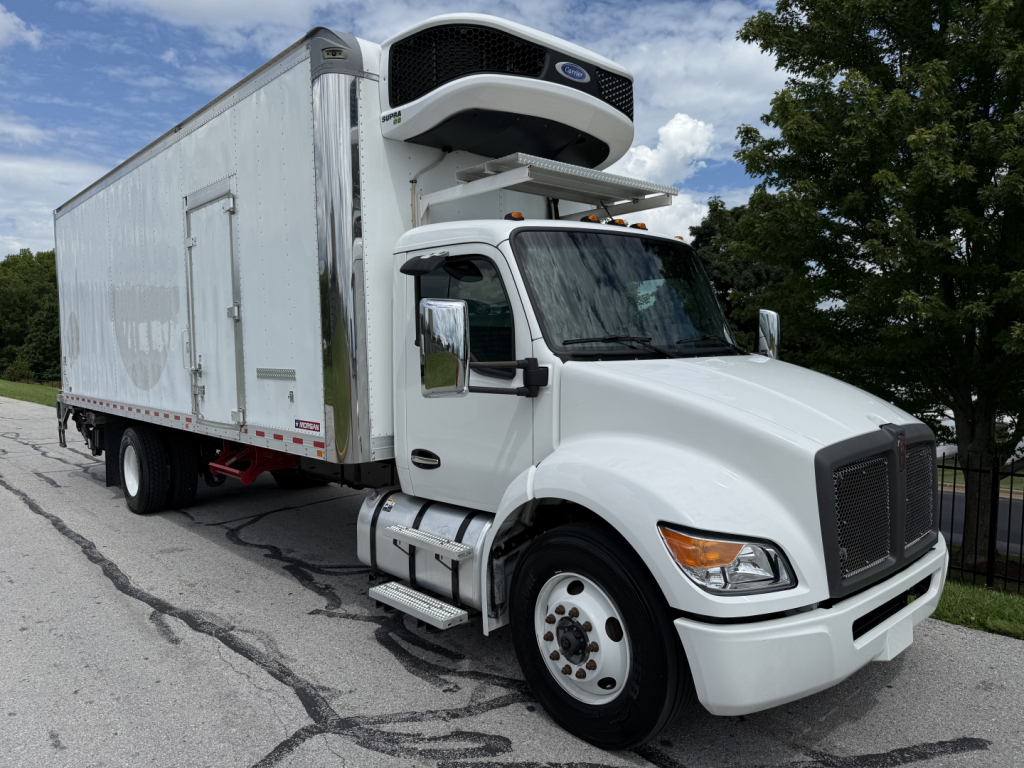
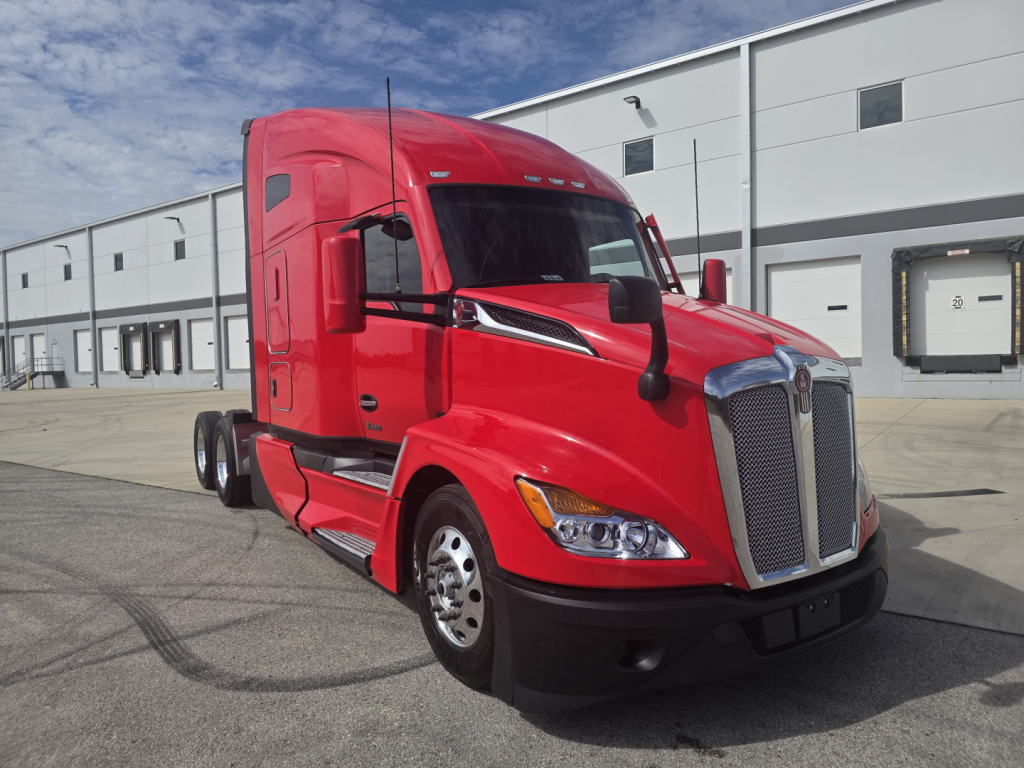
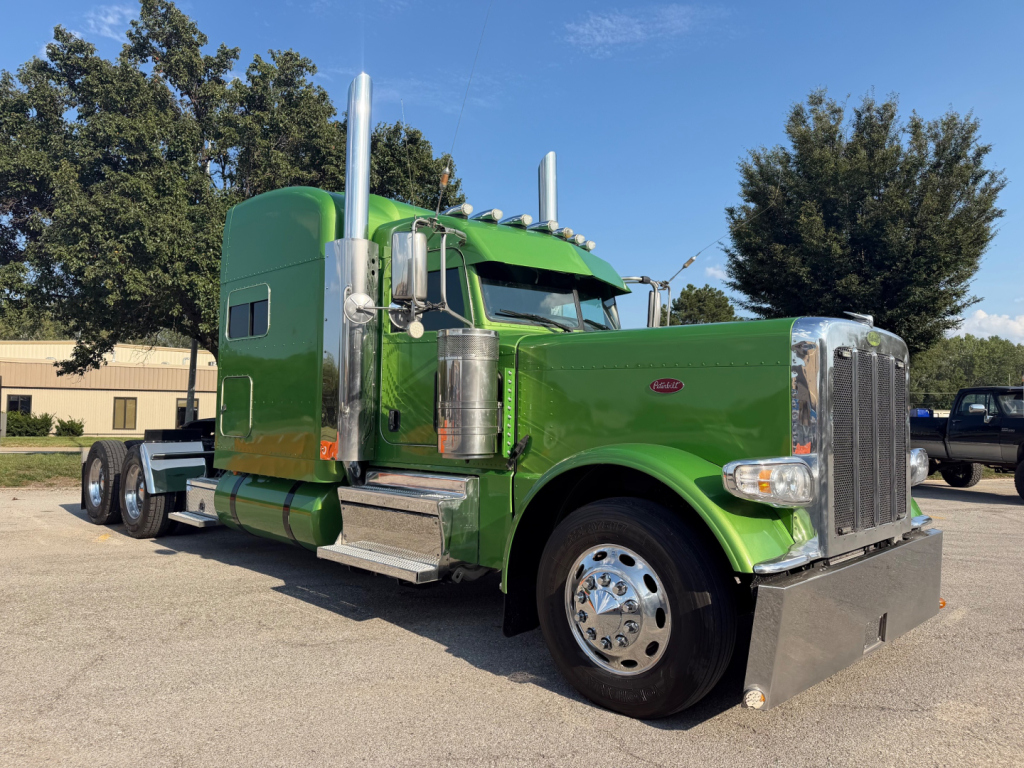
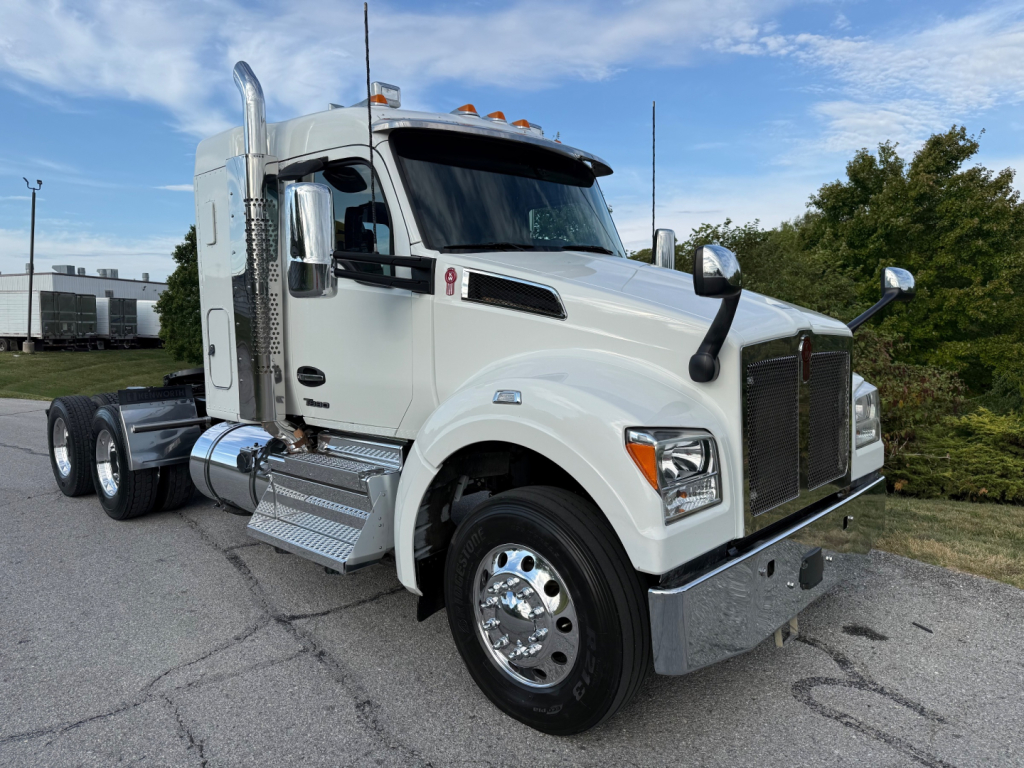
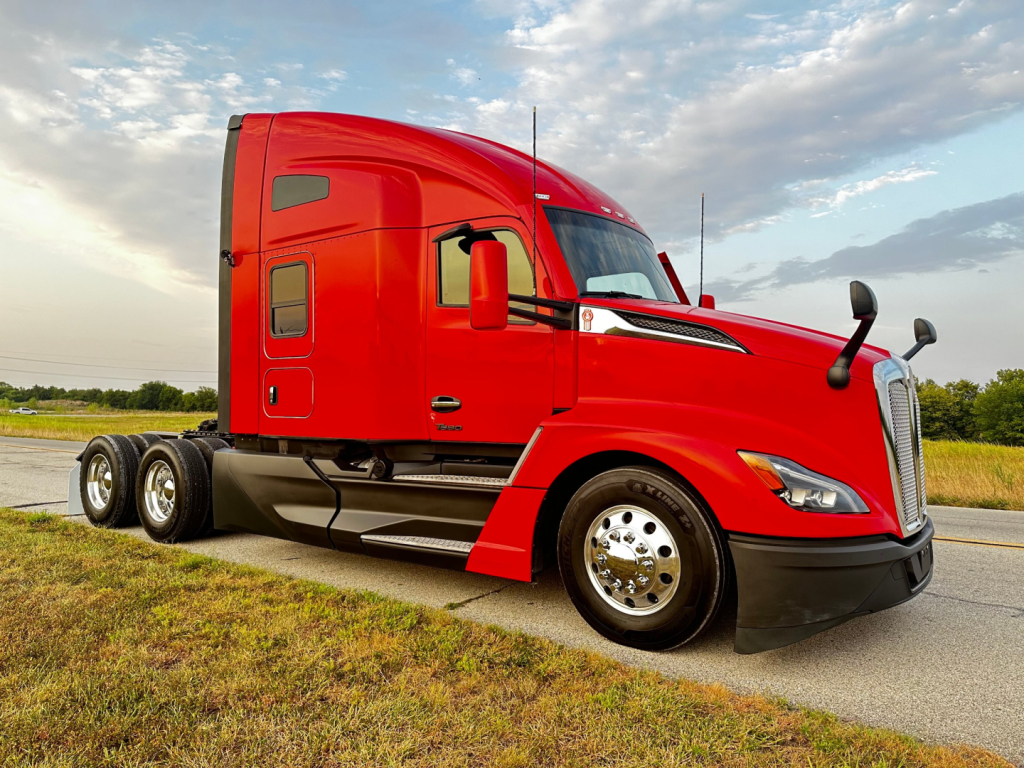
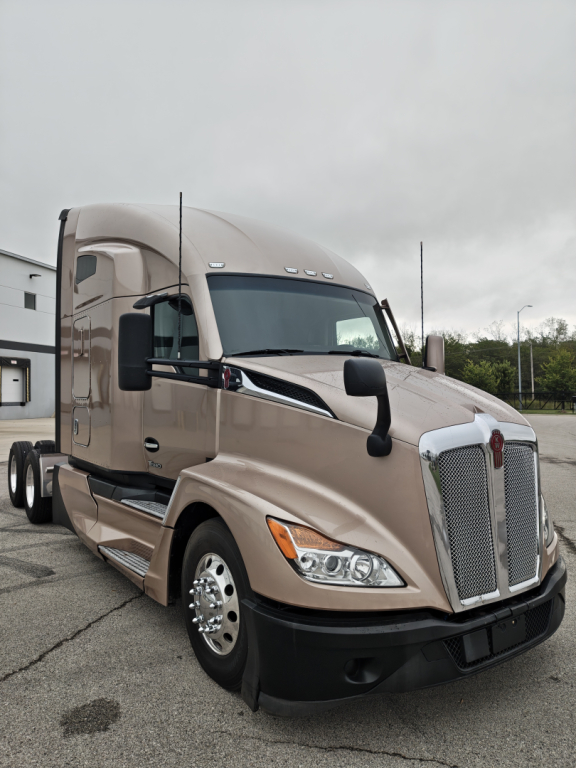
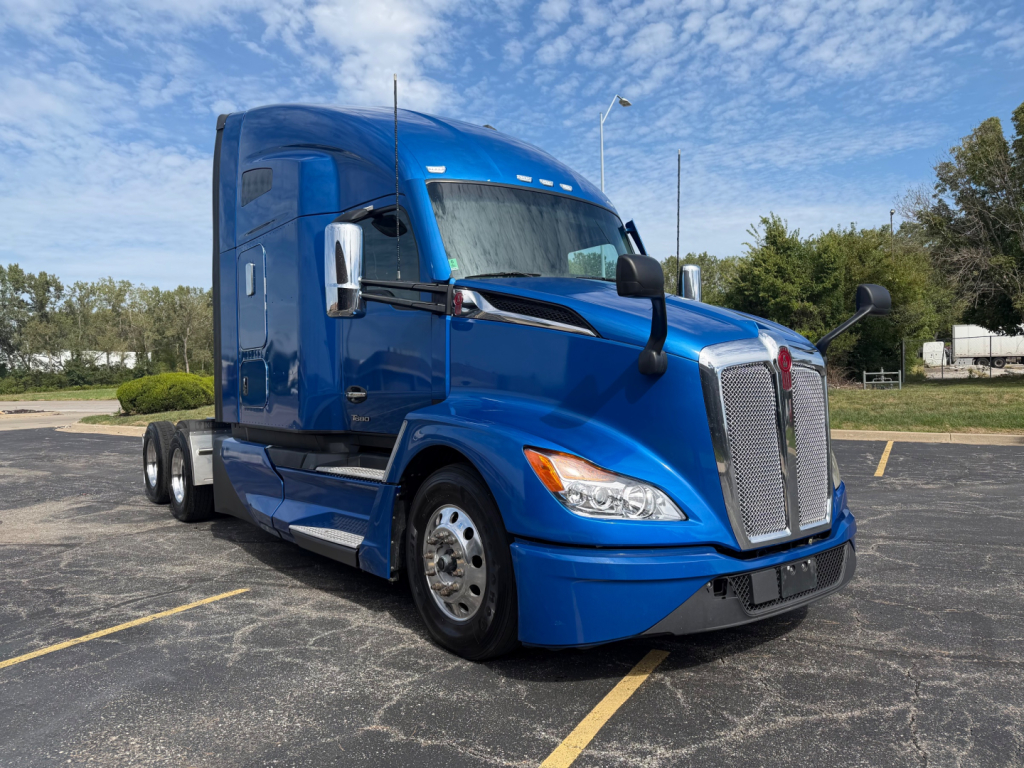
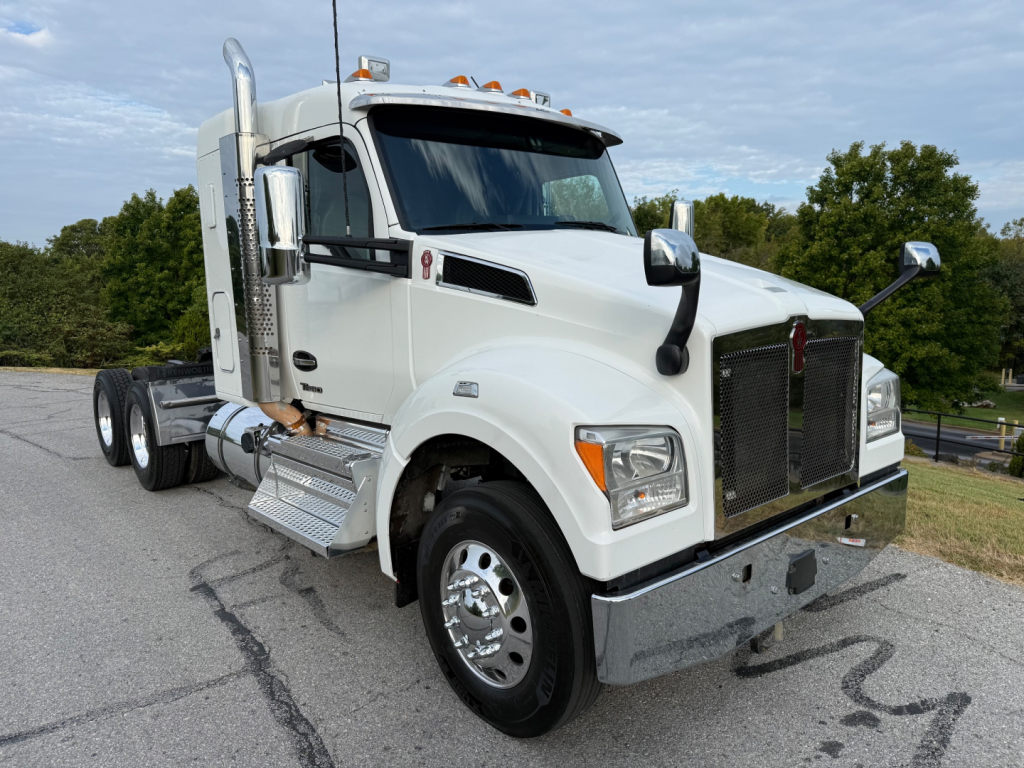
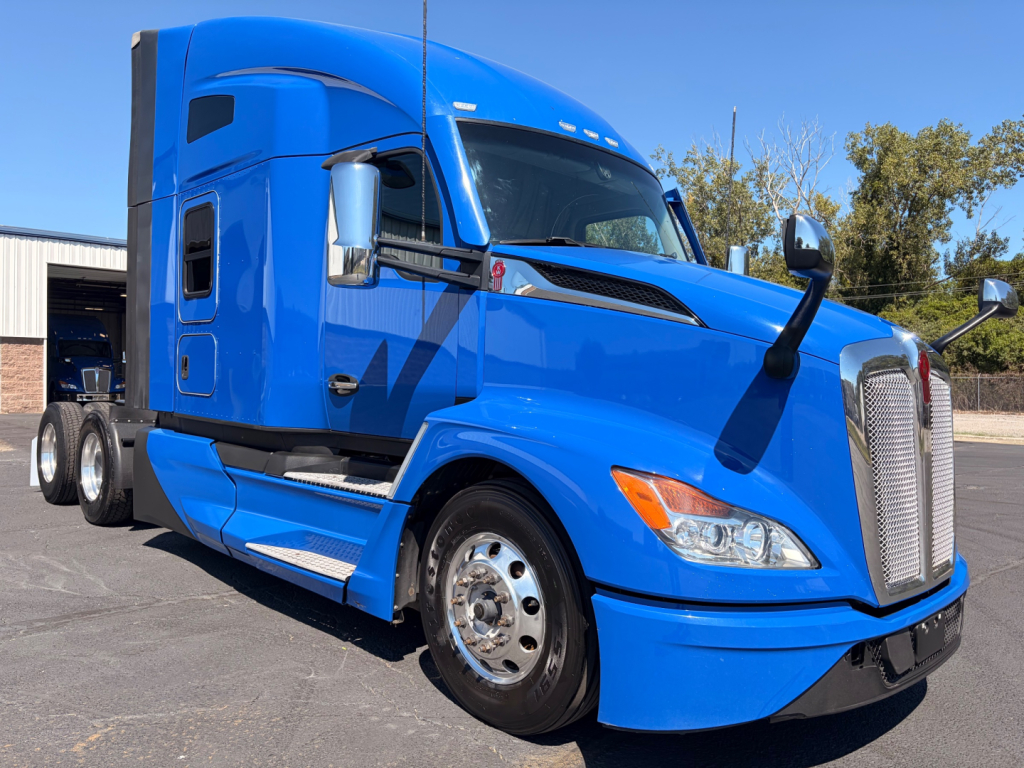
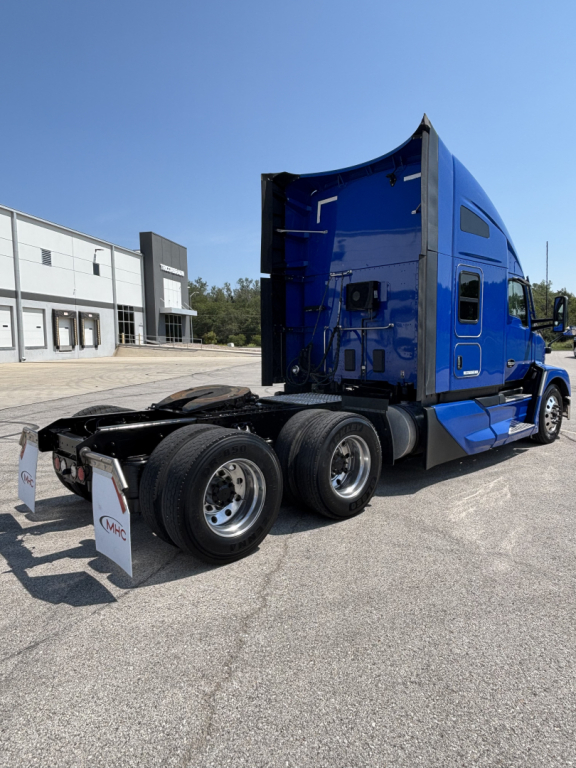
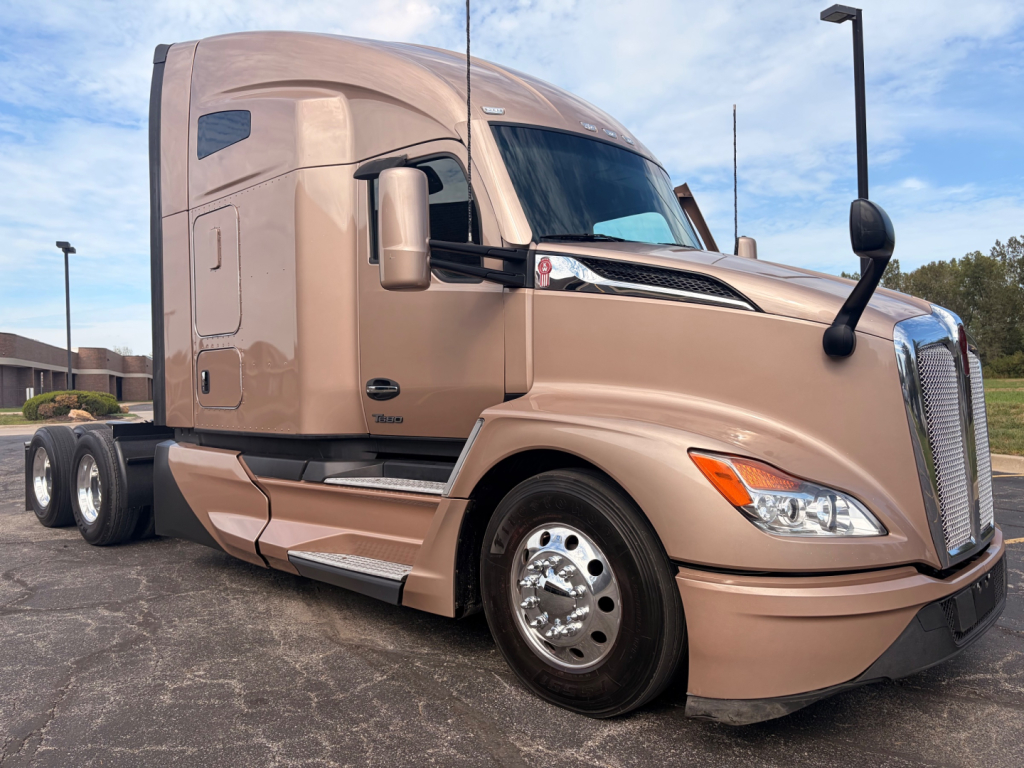
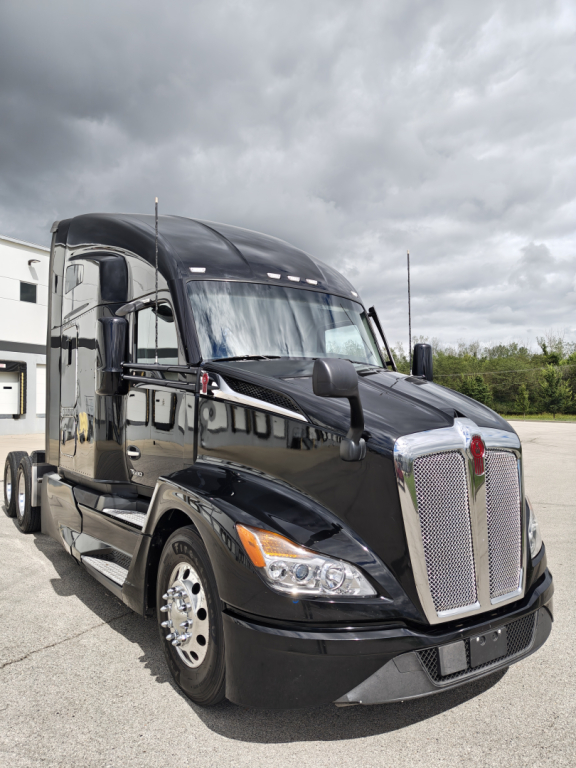
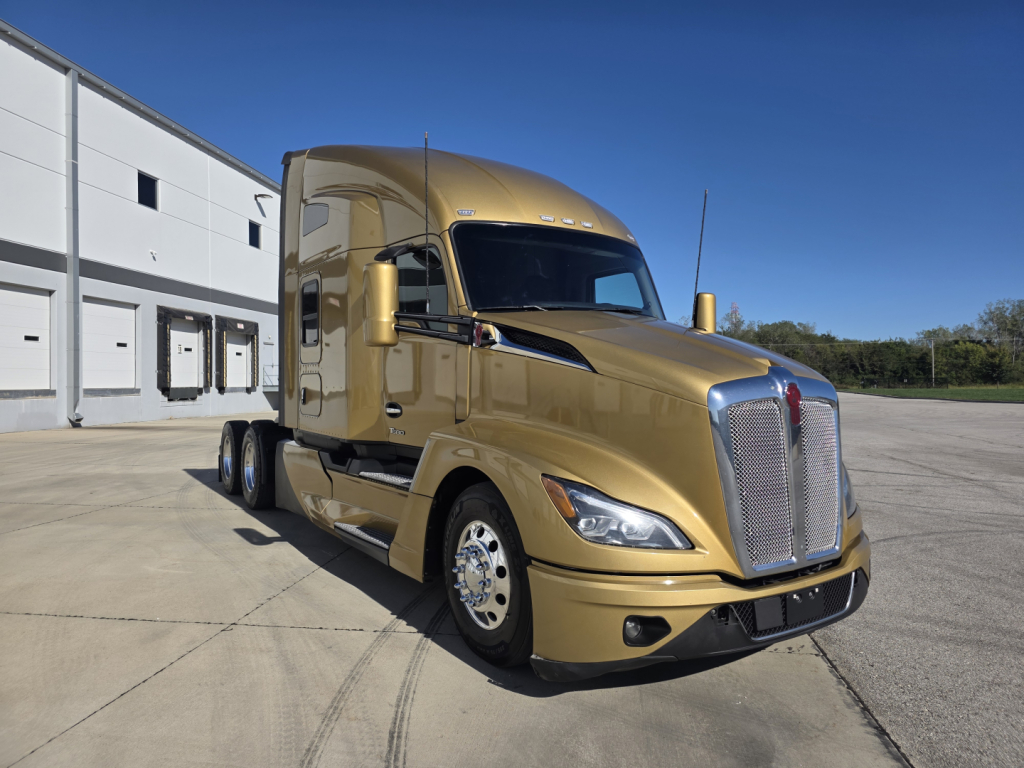
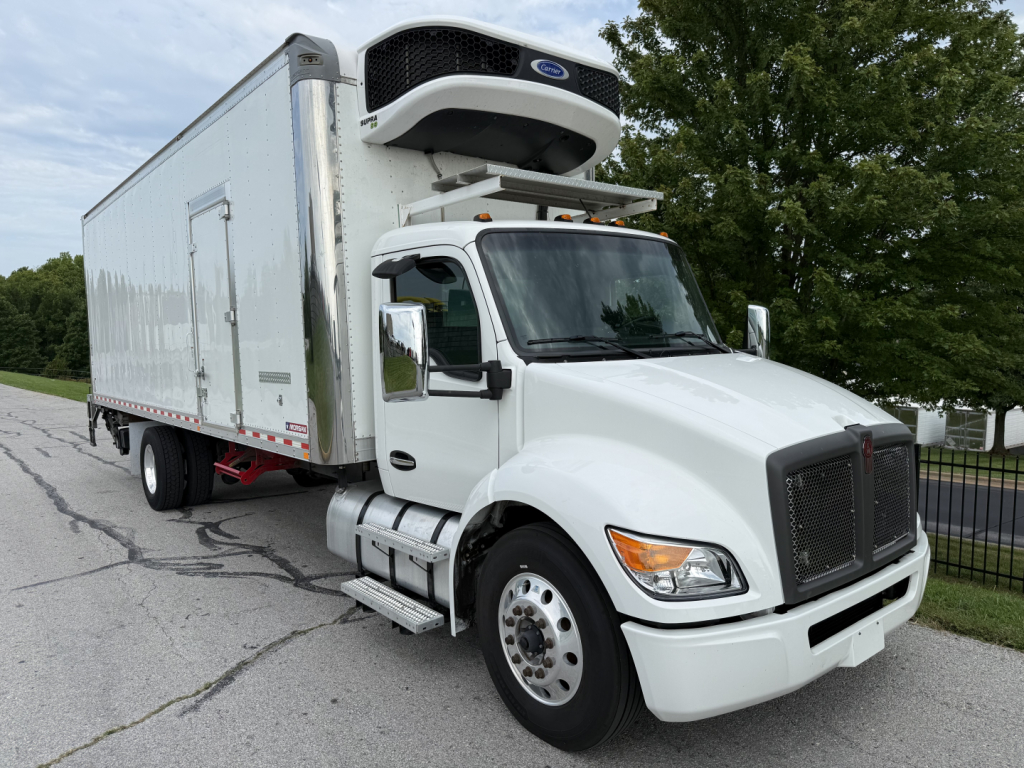
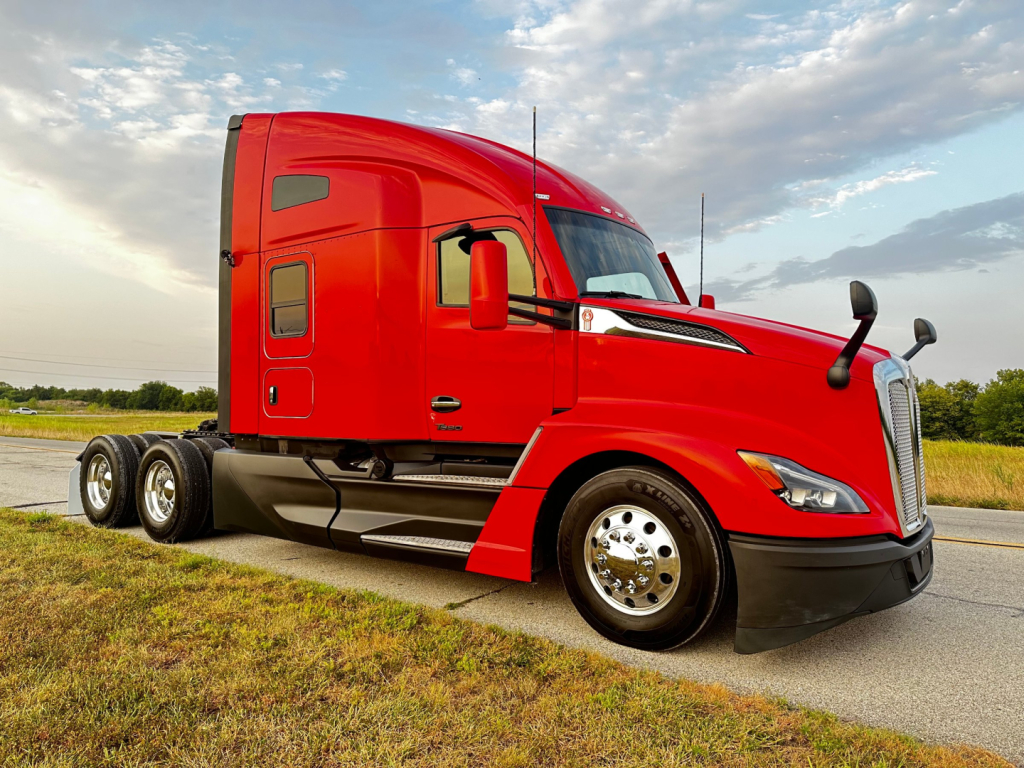

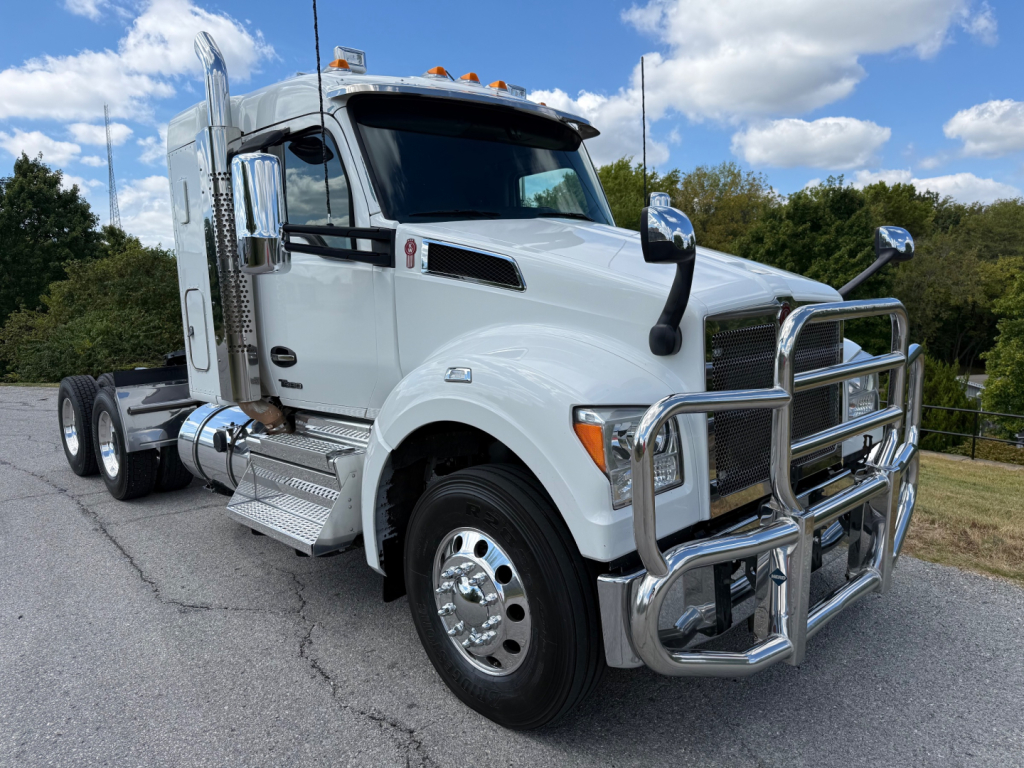
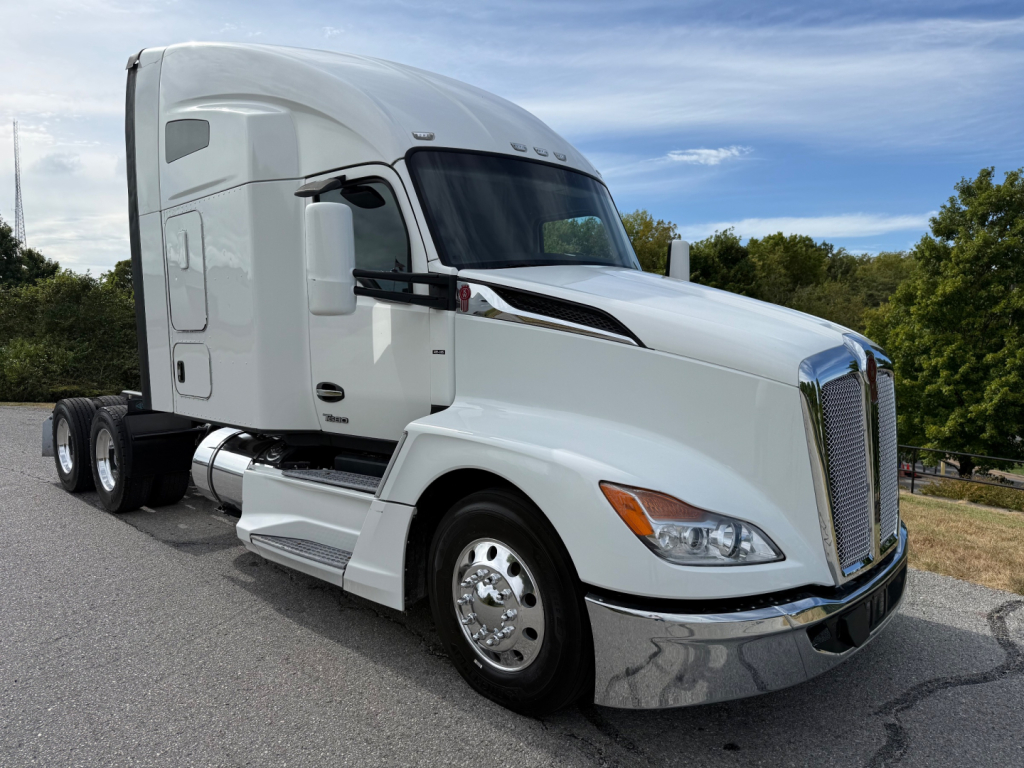
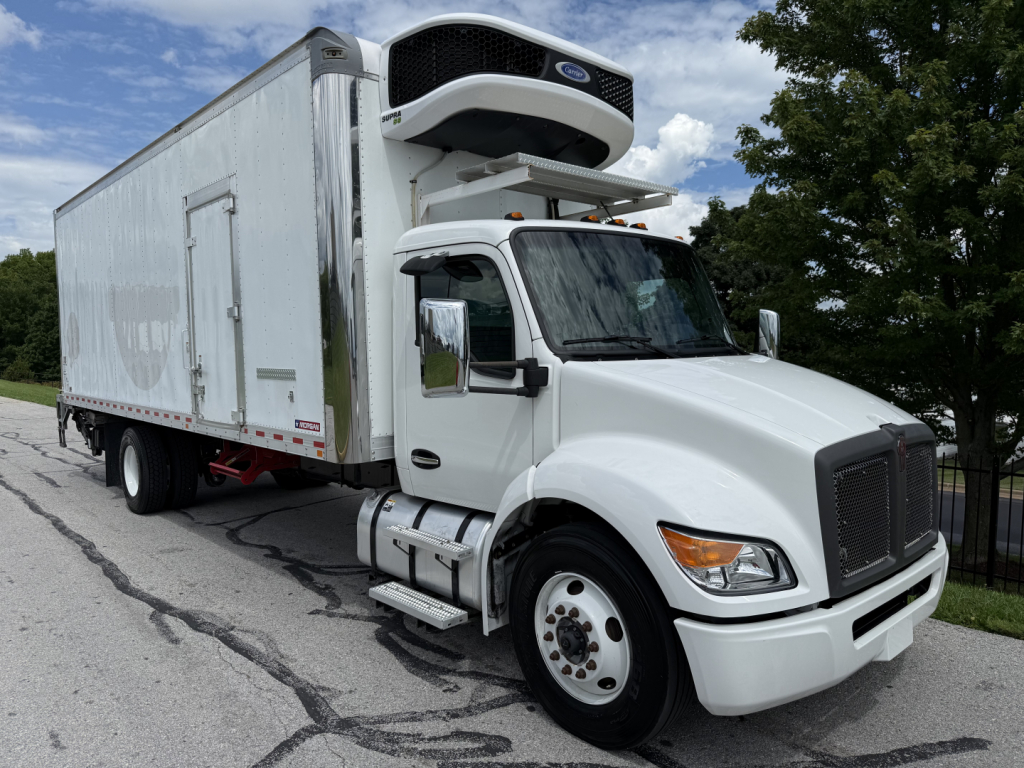
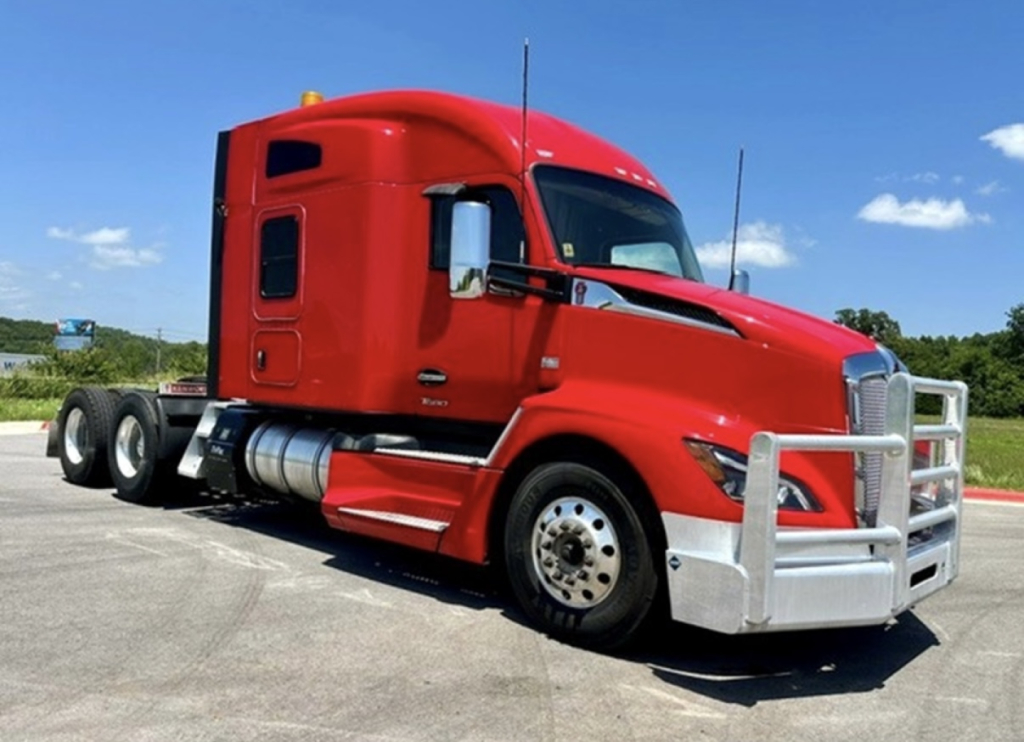

Looking for the easiest place to sell your used 2023 commercial truck? List it here to reach thousands of buyers.
Used 2023 Commercial Trucks in Missouri
For on-highway 2023 trucks, the big decisions usually come down to engine platform, transmission, rear ratio, and remaining useful life in tires, brakes, and aftertreatment components. Late-model conventional day cabs and sleepers commonly show automated manual transmissions, aerodynamic packages, collision mitigation systems, and more integrated telematics than older units. Buyers hauling regional freight often focus on horsepower bands, GCWR, fuel tank capacity, wheelbase, and fifth wheel setup, including slider position and frame condition. For local and vocational work, attention shifts to front axle capacity, pusher or tag axle configuration, PTO controls, hydraulic readiness, and how the chassis was originally ordered. A clean 2023 truck can still be the wrong truck if the wheelbase, frame rail spacing, or suspension spec does not match the body or trailer work it needs to perform.
Missouri operating conditions make rust, corrosion, and maintenance history worth a close look even on newer used trucks. Road treatment, seasonal temperature swings, and mixed highway and stop-and-go service can affect undercarriage condition, suspension wear, brake life, and electrical connections. On diesel units, buyers should review fault history, regen performance, DEF system repairs, and any warranty carryover that may still apply by engine or component supplier. On medium-duty and specialty trucks, engine hours can be just as important as miles, especially for sweepers, utility units, and delivery equipment that spend long periods idling or powering auxiliary systems. Service records, ECM downloads, and a current DOT inspection often tell more about value than odometer reading alone.
A used 2023 truck is usually attractive because it offers a newer cab environment, cleaner packaging, and better driver-assist features while still giving buyers flexibility across many applications. The smartest comparison is not just price and miles. It is payload fit, drivetrain match, body or trailer compatibility, emissions history, and expected maintenance over the next few years. Buyers looking at this model year should verify VIN-based specs, confirm axle and suspension ratings, inspect for prior body upfit changes, and make sure the truck's intended duty cycle matches how it was built. That approach helps narrow a broad market of 2023 trucks into units that can actually go to work in Missouri.
Frequently Asked Questions about Used 2023 Commercial Trucks in Missouri
What should I look for first when buying a used 2023 truck in Missouri?
Start with the truck's intended job, then confirm the hard specs that support that application. For a highway tractor, that usually means engine rating, transmission type, rear axle ratio, wheelbase, fuel capacity, and fifth wheel configuration. For medium-duty or vocational trucks, look closely at GVWR, front and rear axle ratings, PTO capability, suspension, frame dimensions, and body compatibility. In Missouri, underbody condition, corrosion, brake wear, and electrical integrity also deserve attention because seasonal road treatment and mixed operating conditions can affect even newer used trucks.
Are miles the most important factor on a used 2023 truck?
No. Miles matter, but they do not tell the full story. A 2023 truck with moderate miles and weak maintenance history can be a poorer buy than a higher-mile truck with complete service records and clean diagnostics. For delivery, sweeper, municipal, and other specialty applications, engine hours and idle time may matter as much as odometer reading. ECM reports, fault codes, regen history, brake and tire condition, and evidence of consistent preventive maintenance usually give a clearer picture of remaining value.
What emissions and aftertreatment items should buyers check on a 2023 diesel truck?
Buyers should review the truck's diesel particulate filter, SCR and DEF system history, active and inactive fault codes, regen frequency, and any records of sensor, injector, or aftertreatment repairs. A 2023 model year truck should still feel relatively current in emissions performance, so repeated derates, warning lights, or unresolved fault history deserve extra scrutiny. It is also smart to ask about warranty carryover on the engine and emissions-related components, since some late-model trucks may still retain limited coverage depending on time in service and mileage.
Is a used 2023 truck a good choice compared with an older used truck?
For many buyers, yes. A used 2023 truck often delivers newer safety technology, more efficient drivetrains, improved driver comfort, and better integration of telematics and diagnostics than an older unit. That can make it attractive for fleets focused on uptime, driver retention, and fuel economy. The tradeoff is that purchase price is higher, and buyers still need to inspect electronics, emissions systems, and any prior upfit work carefully. The value is strongest when the truck's spec matches the intended duty cycle and the maintenance record is well documented.
Why is body or application fit so important on late-model used trucks?
Because a newer truck can still become expensive if it needs major changes before it can work. Wheelbase, cab-to-axle dimension, frame rail spacing, axle ratings, suspension type, and PTO readiness directly affect whether a truck can accept a body, operate a hydraulic system, or pull the trailers it is meant to handle. That matters on everything from day cabs and sleepers to step vans, sweepers, and municipal chassis. Matching the truck to the job from the start usually saves more money than buying a lower-priced unit that needs extensive modification.