
Used 2023 Conventional Sleeper Trucks For Sale in Missouri
Compare used 2023 conventional sleeper trucks for sale in Missouri by gearing, emissions history and sleeper systems before choosing a highway tractor.




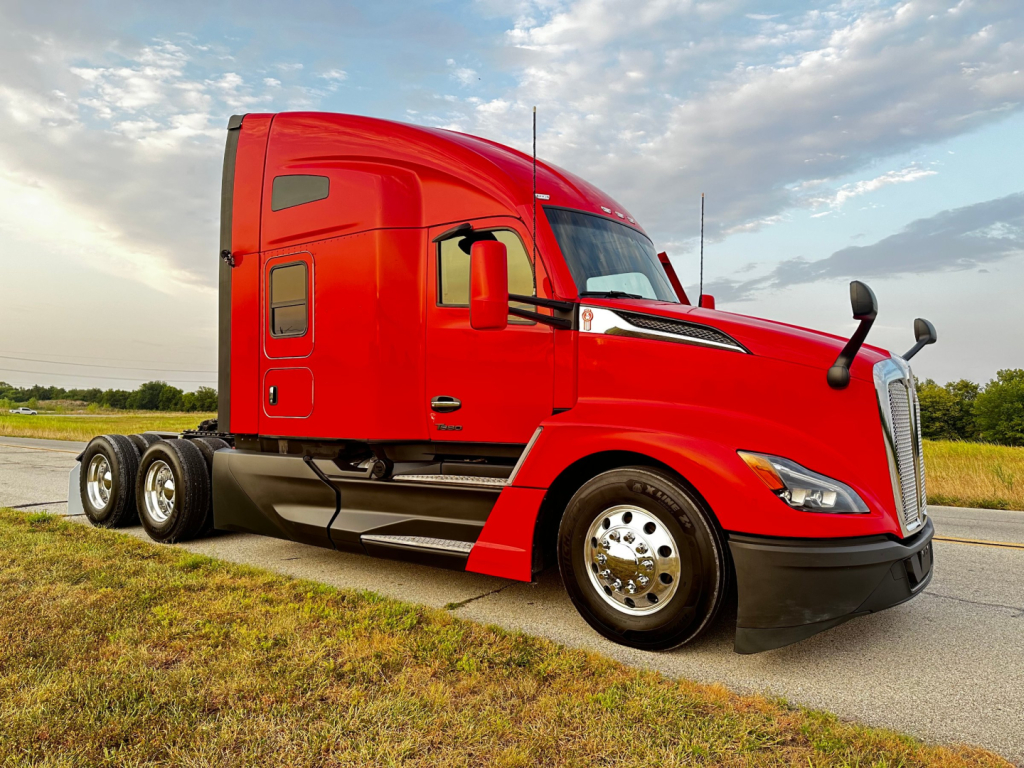
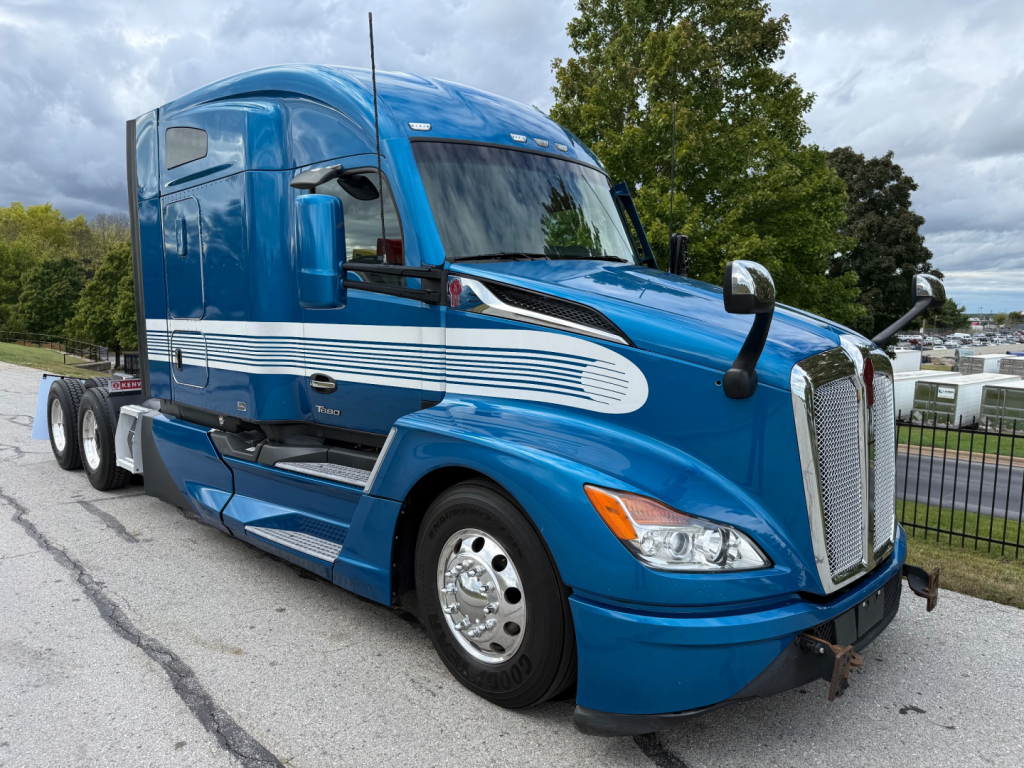
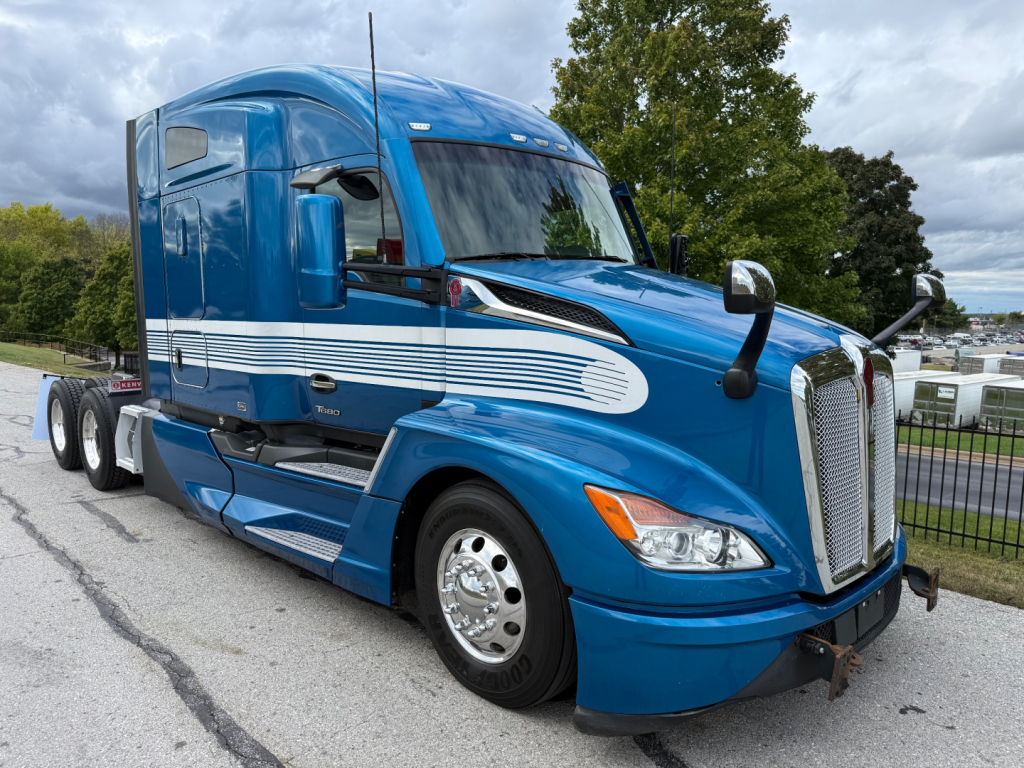
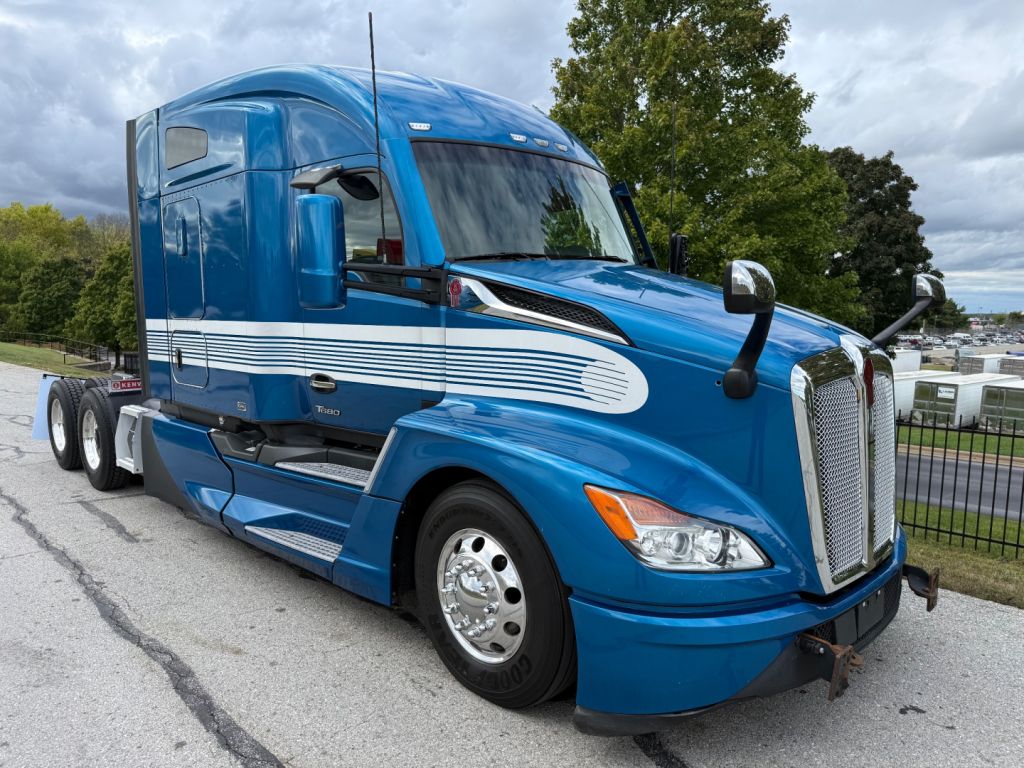
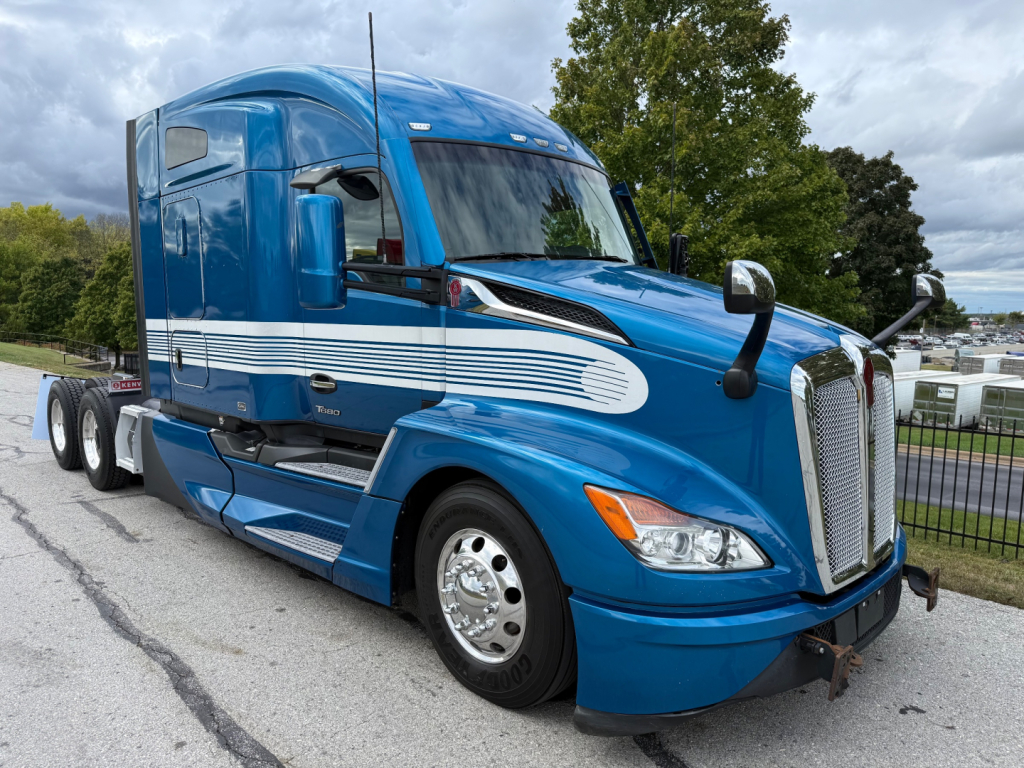
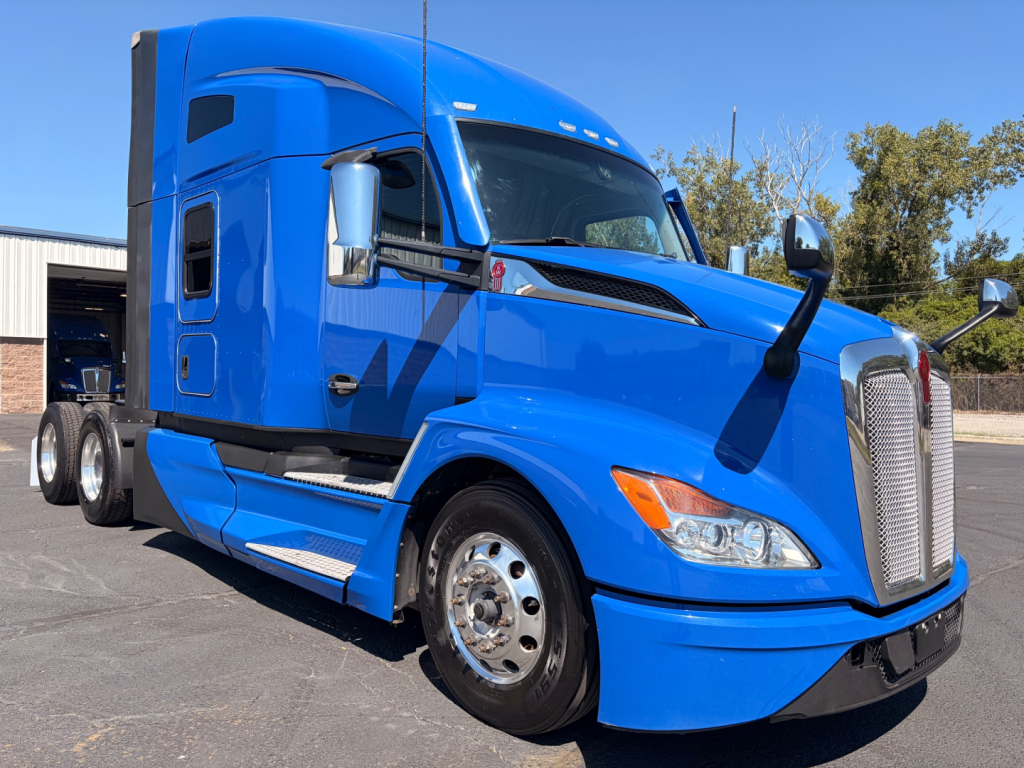
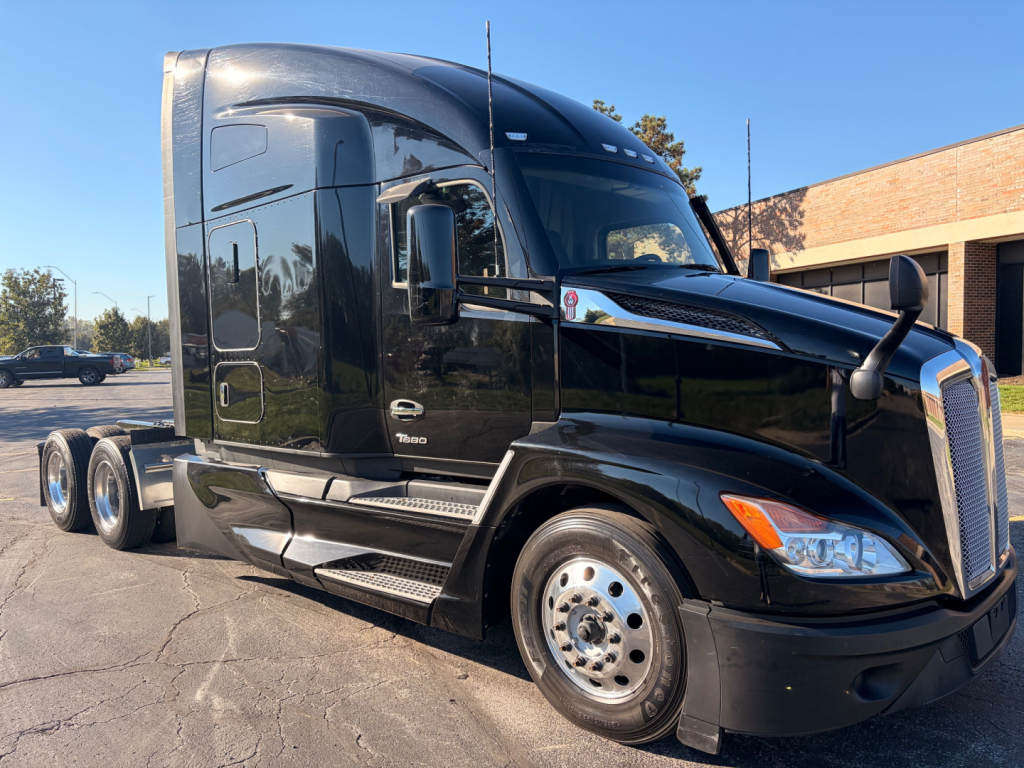
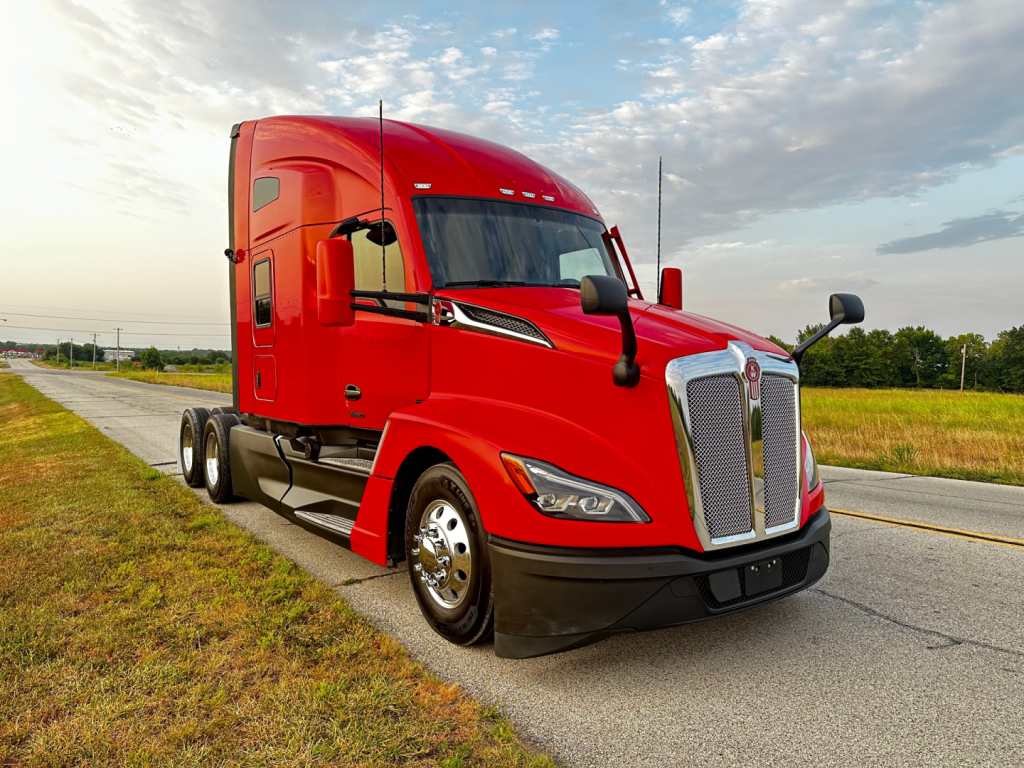
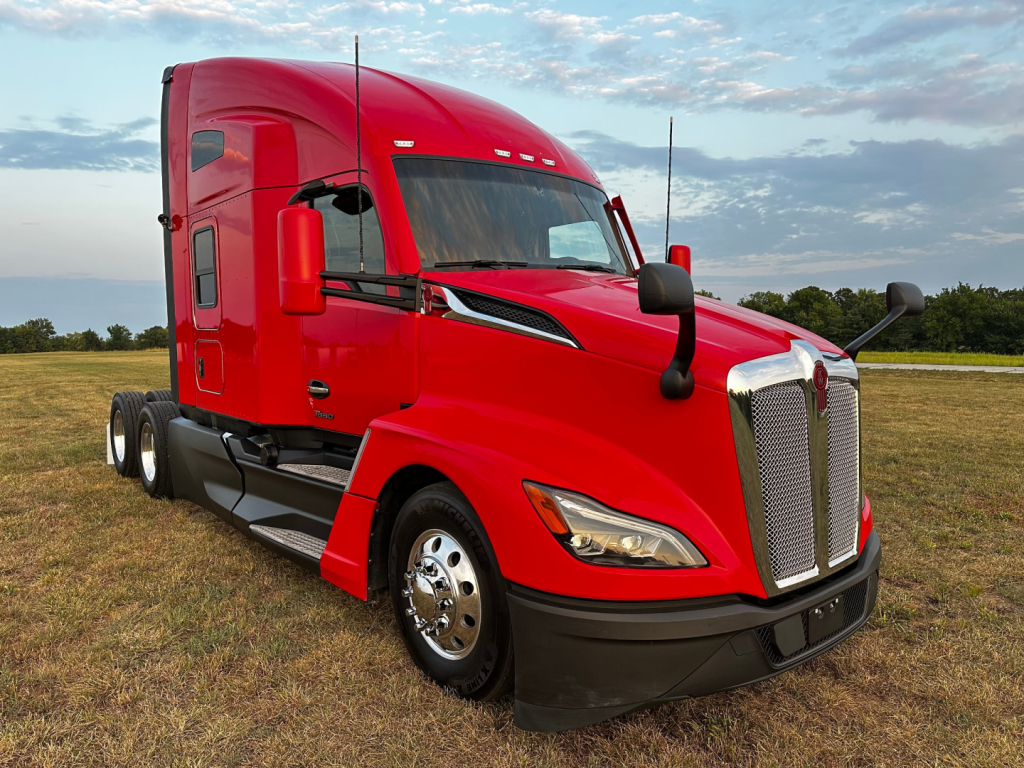
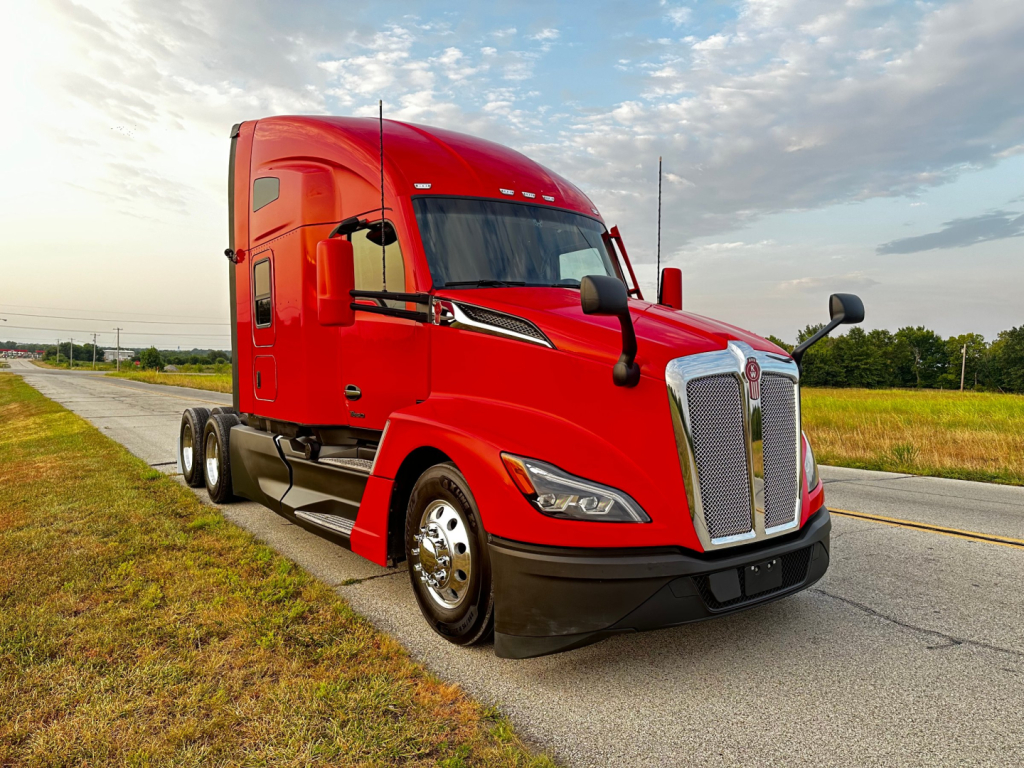
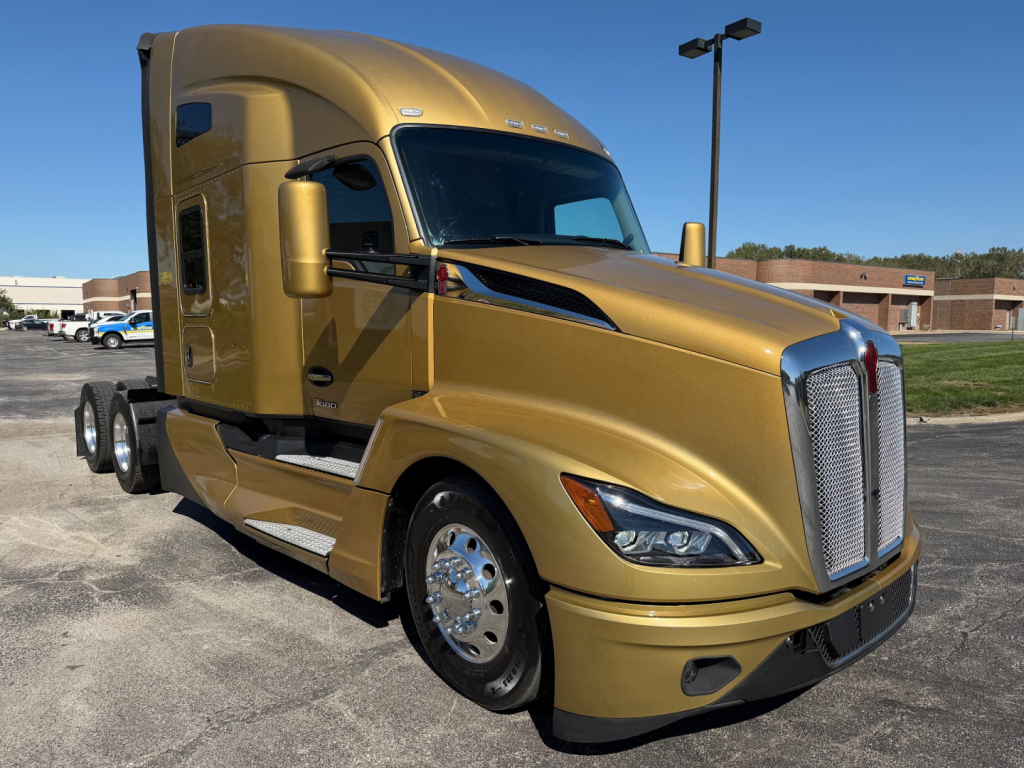
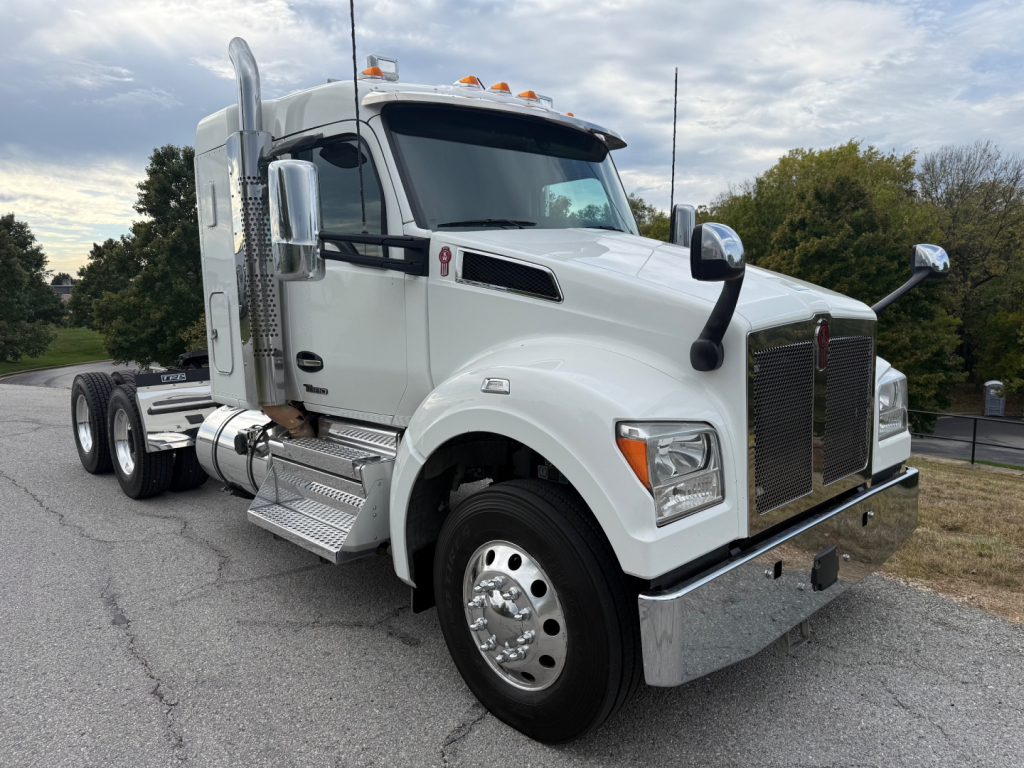
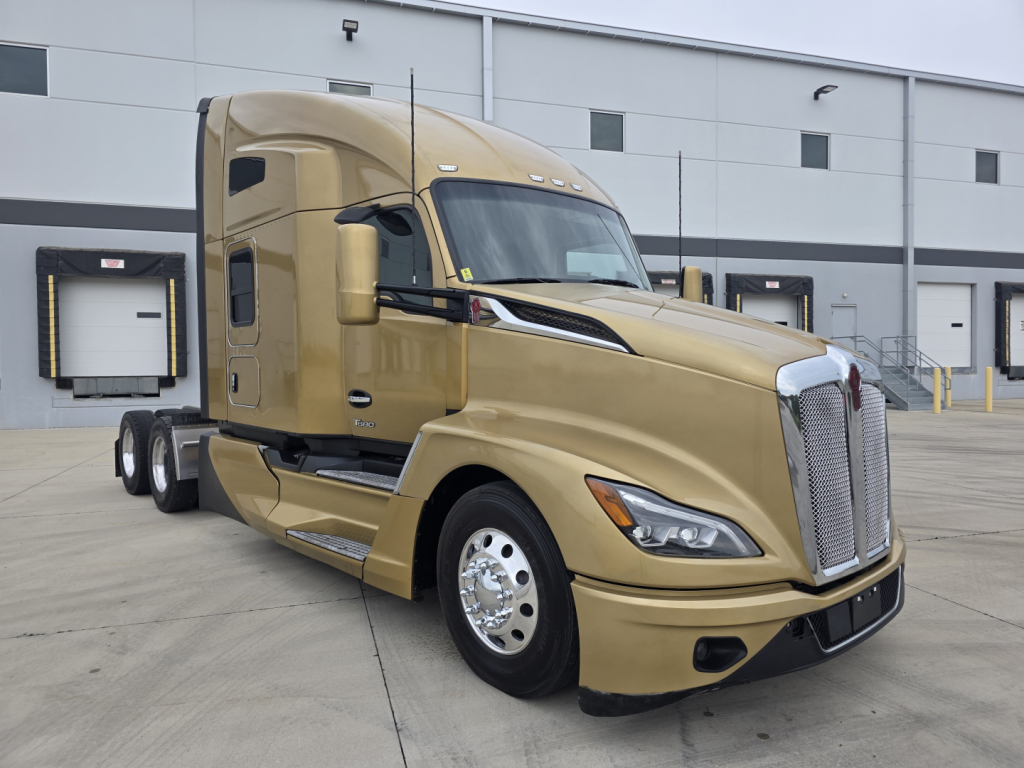
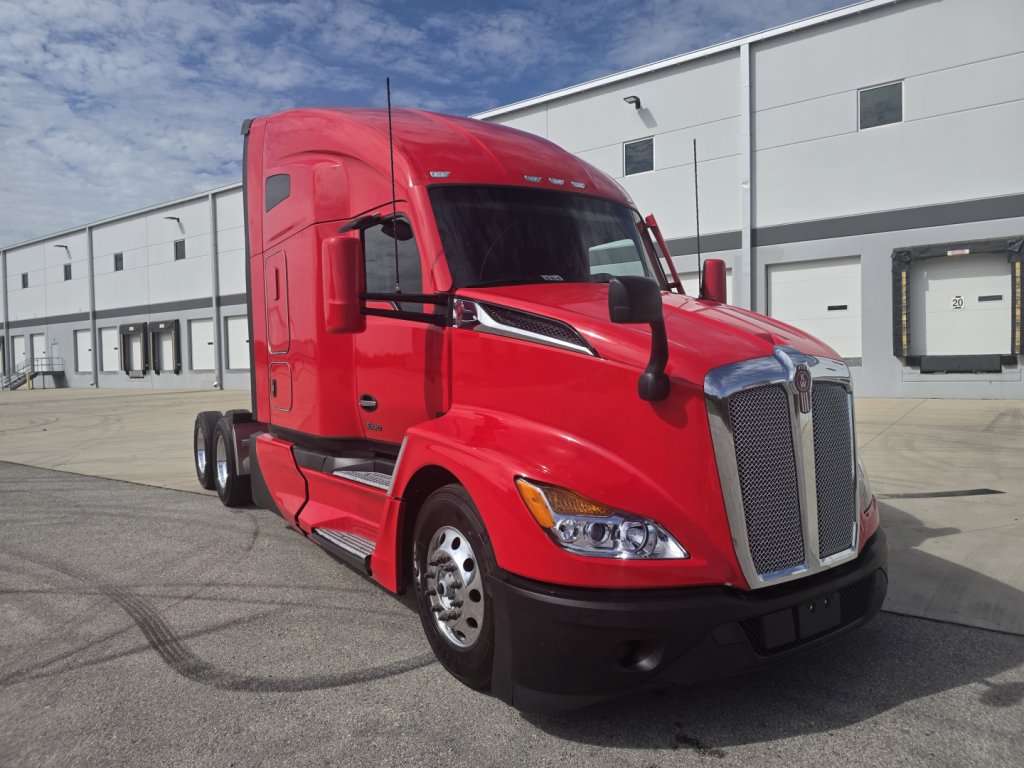
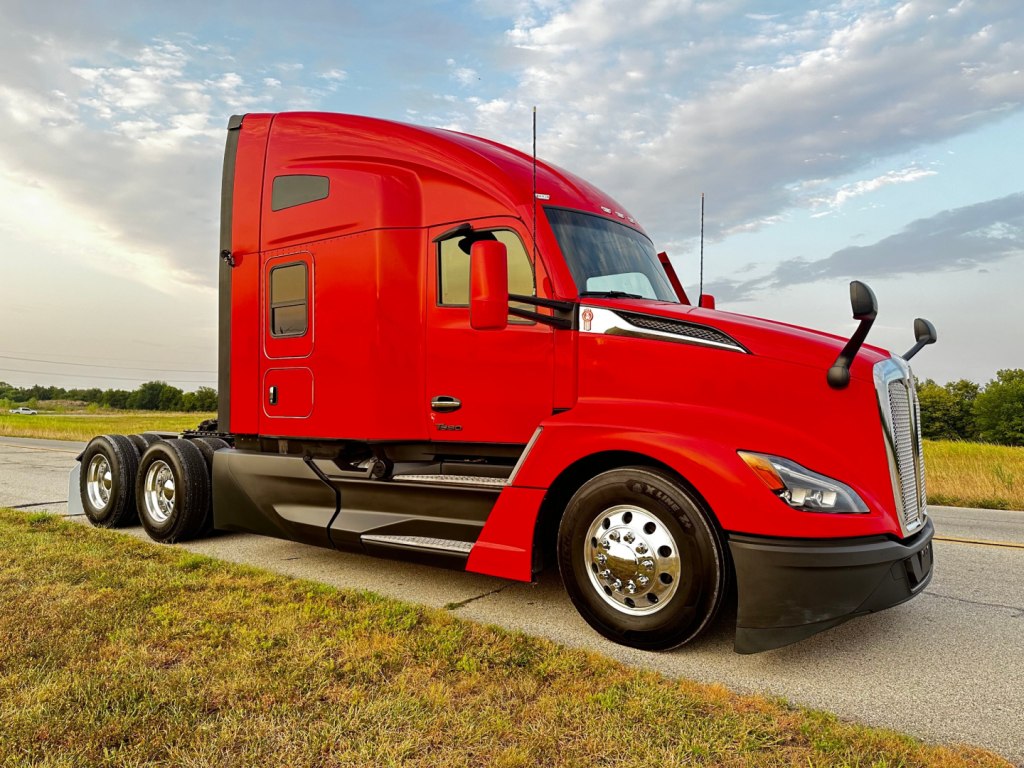
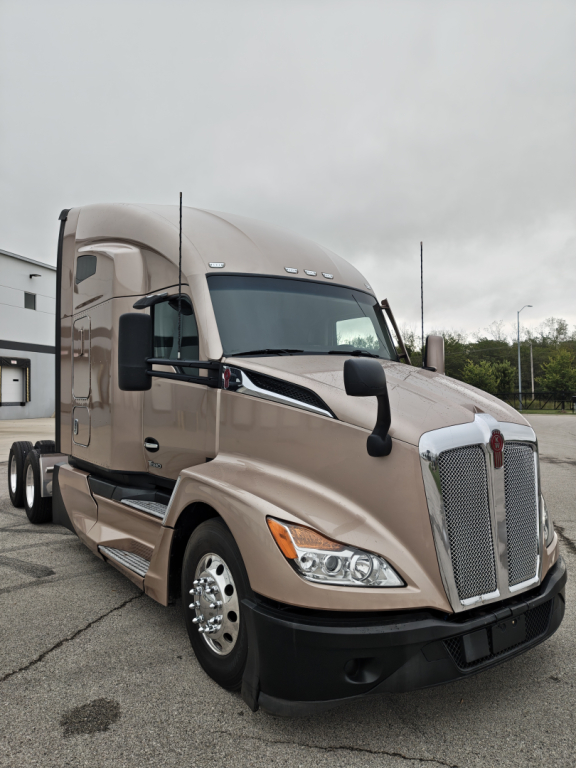
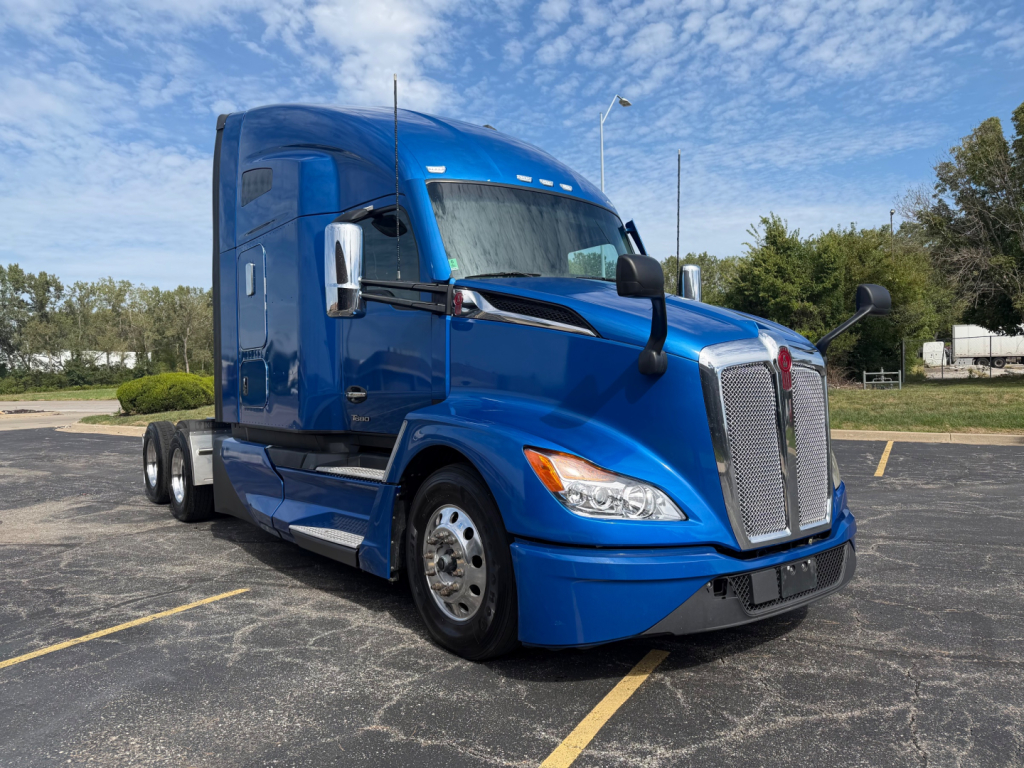
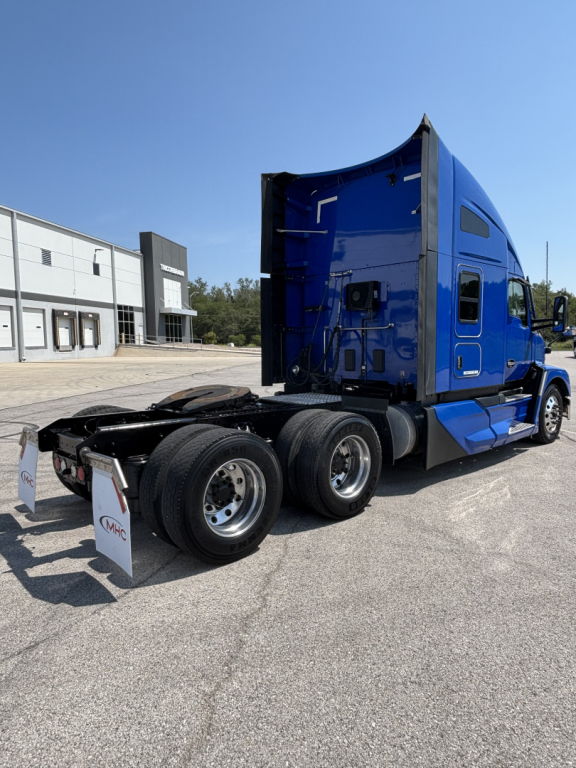
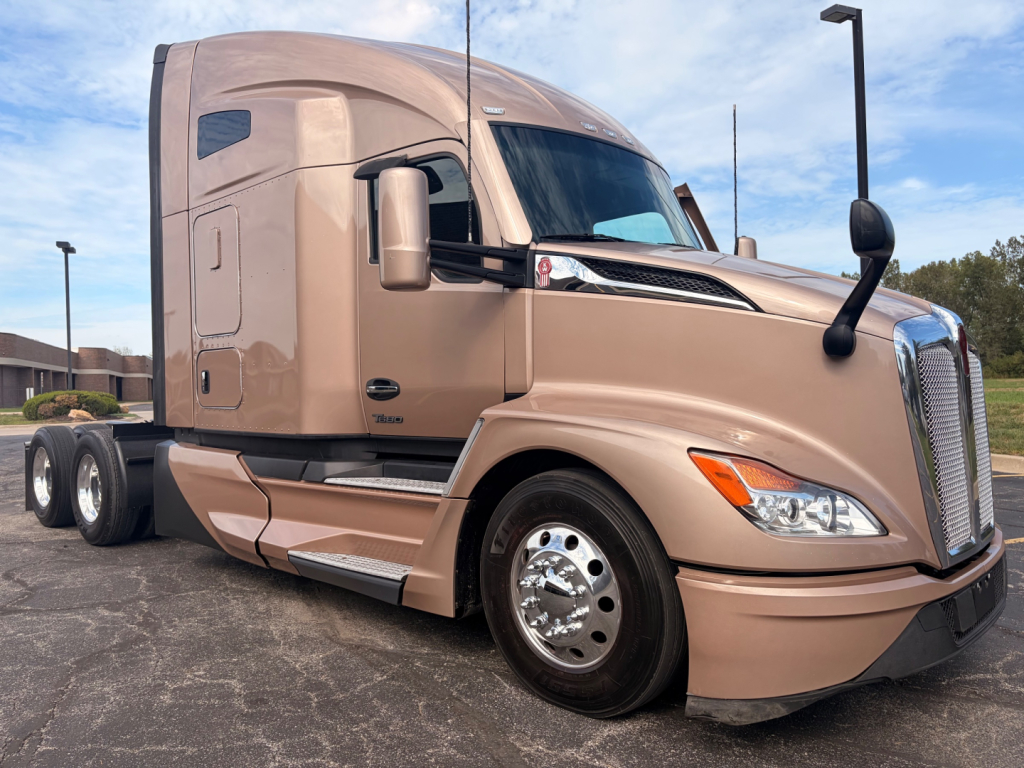
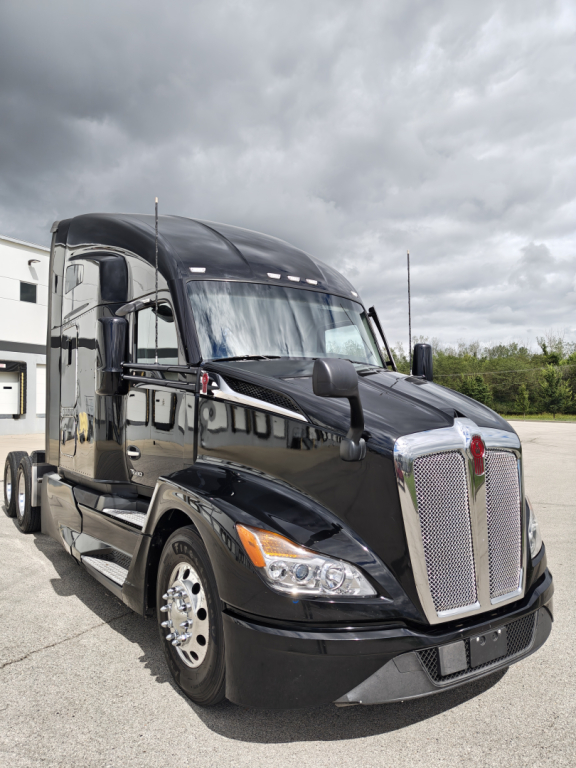
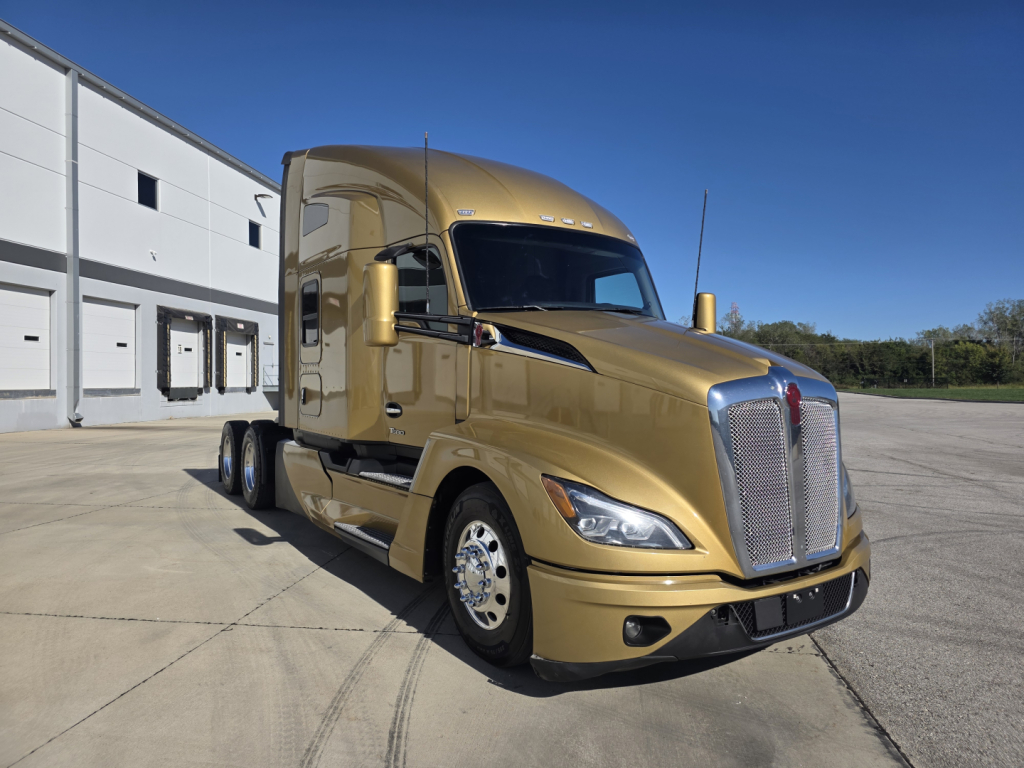
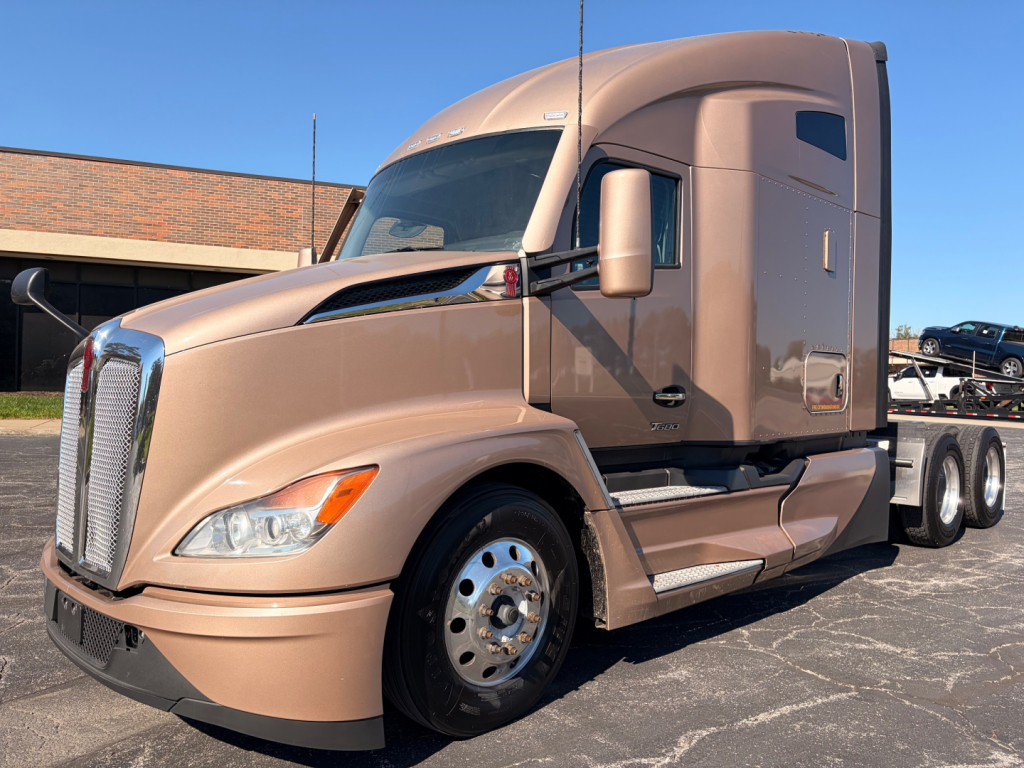
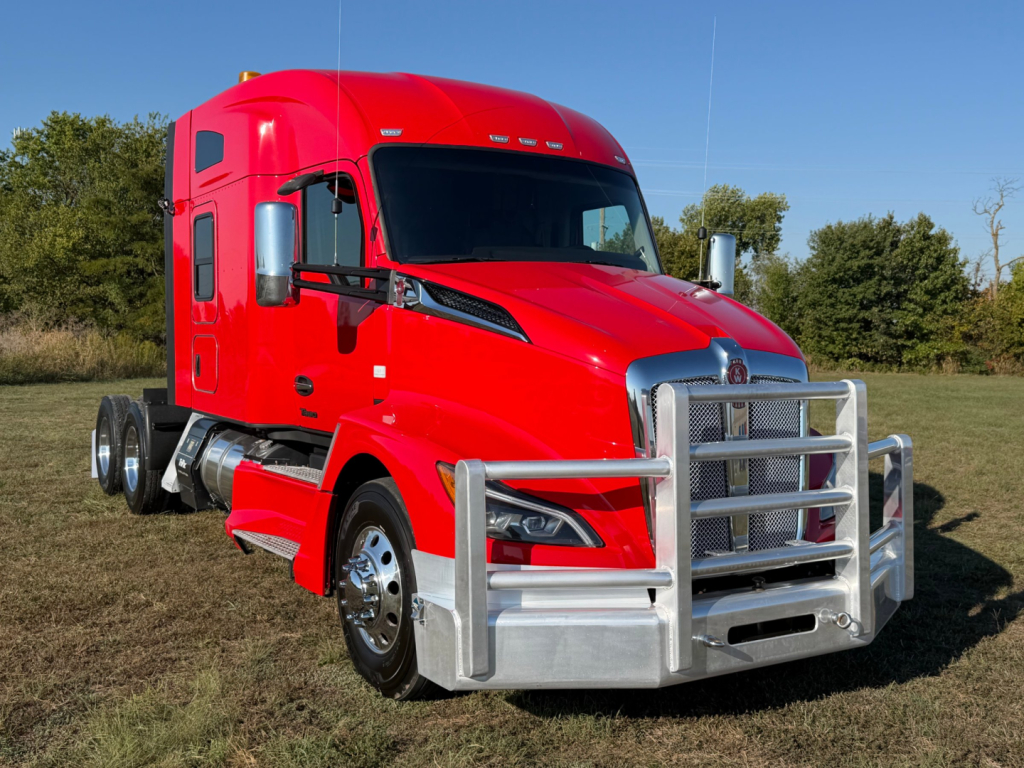

Selling a used 2023 conventional sleeper truck? List your used 2023 conventional sleeper truck for sale and reach thousands of commercial buyers.
Used 2023 Conventional Sleeper Trucks in Missouri
Across makes, 2023 choices include the Kenworth T680 Next Generation with PACCAR MX-13 or Cummins X15 power, Freightliner Cascadia with Detroit DD15 and DT12, and Volvo VNL with D13 and I-Shift. Verify the actual build sheet because engine, transmission and axle combinations vary. These are DPF, SCR and DEF-equipped emissions-era trucks, so obtain ECM mileage, engine hours, idle hours, fault history and regeneration records. Compare those records with oil changes and documented DPF cleaning, and have a shop check SCR efficiency, DEF dosing and evidence of emissions tampering.
Missouri registration does not establish a used tractor's operating history; inspect frame rails, crossmembers, brake hardware and electrical connectors for salt corrosion from local winters or earlier northern service. Road-test under load for shift quality, driveline vibration and cooling performance, then inspect fifth-wheel jaws, suspension bushings and steer-tire wear. Test bunk HVAC, inverter, refrigerator and any APU or battery-powered sleeper system. A 2023 truck can accumulate substantial mileage quickly, so documented component condition matters more than calendar age or a clean cab.
Frequently Asked Questions about Used 2023 Conventional Sleeper Trucks in Missouri
Should I choose a high-roof or mid-roof 2023 sleeper tractor for Missouri freight?
A high-roof sleeper usually matches full-height dry vans and reefers, while a mid-roof can better suit lower-profile tanker or flatbed combinations. For a used 2023 conventional sleeper tractor, compare the cab roof and adjustable fairing height with the actual trailer. Extra bunk headroom benefits drivers spending consecutive nights away, but roof height alone does not establish usable bed dimensions or storage space.
How much weight can a sleeper tractor and trailer legally haul on Missouri Interstates?
Standard Interstate limits are 80,000 pounds gross, 20,000 pounds on a single axle and 34,000 pounds on a tandem, subject to bridge-formula requirements. A 2023 sleeper tractor's axle ratings do not authorize those weights by themselves. Tire capacity, axle spacing, registered weight and posted restrictions also apply, and trailer tare weight, fuel and sleeper equipment reduce the payload remaining within the legal gross limit.
How do I verify remaining warranty on a used 2023 sleeper truck?
Verify remaining coverage by VIN with the truck, engine and transmission manufacturers before buying a used 2023 sleeper tractor. Request the original in-service date, mileage and hour limits, covered components, deductibles and transfer requirements. Engine, aftertreatment and transmission protection can expire separately. A model-year designation or a seller's warranty notation does not establish that a particular failure will be covered.
Is a diesel APU or battery-powered sleeper system better for Missouri overnight stops?
A diesel APU generally supports longer engine-off hotel loads, while a battery-powered sleeper system has runtime limited by battery capacity, condition and electrical demand. On a used 2023 sleeper tractor, test cooling performance under realistic summer loads rather than judging the system by its presence alone. Inspect diesel APU service hours and exhaust routing, or obtain battery age, replacement history and charging-system test results.
Can I legally operate a deleted 2023 sleeper tractor in Missouri?
No, a highway-operated 2023 diesel sleeper tractor cannot legally have its required emissions controls removed or disabled. Federal anti-tampering rules apply in Missouri regardless of whether a local inspection includes an emissions test. Have a qualified shop verify the DPF, SCR hardware, sensors and engine calibration before purchase; missing hardware or altered software can create compliance problems and complicate repairs.