
Used 2021 Commercial Trucks For Sale in Texas
Browse used 2021 trucks for sale in Texas, including day cabs, sleepers, box trucks, dumps, and vocational units for regional or heavy-duty work.
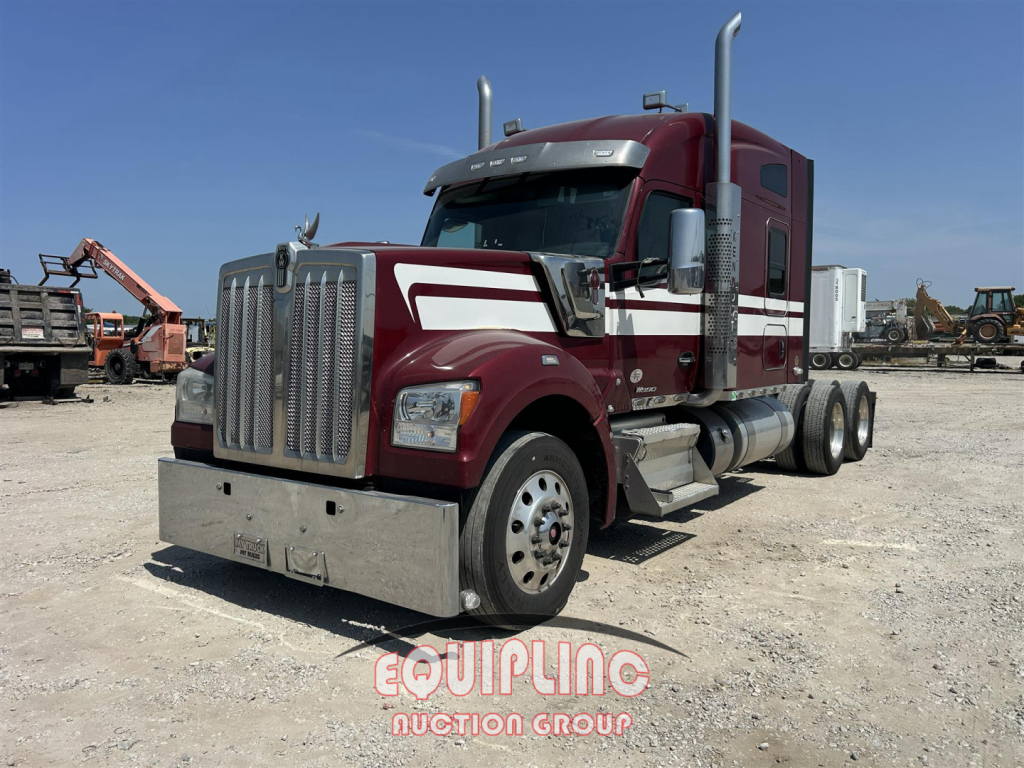
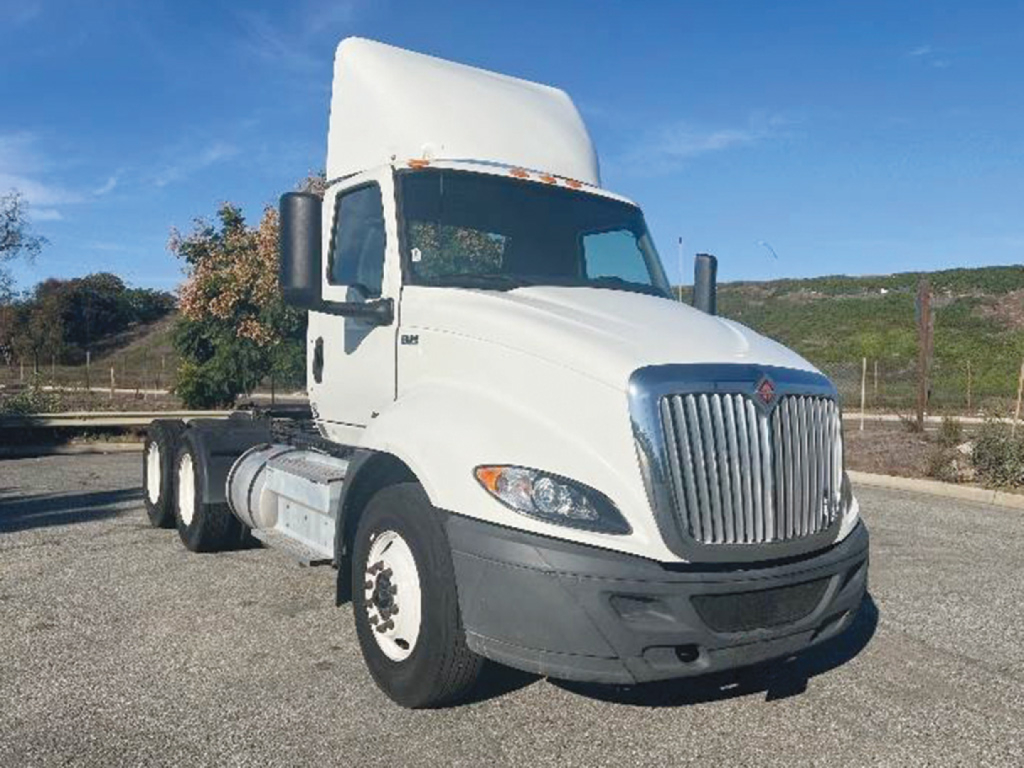
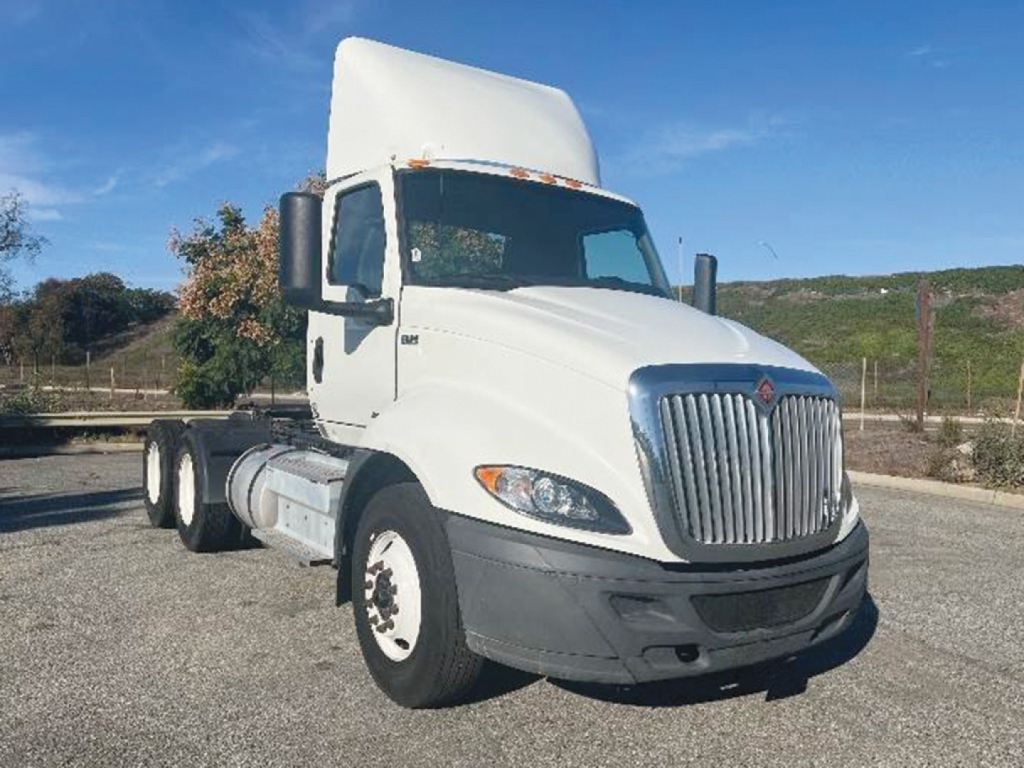
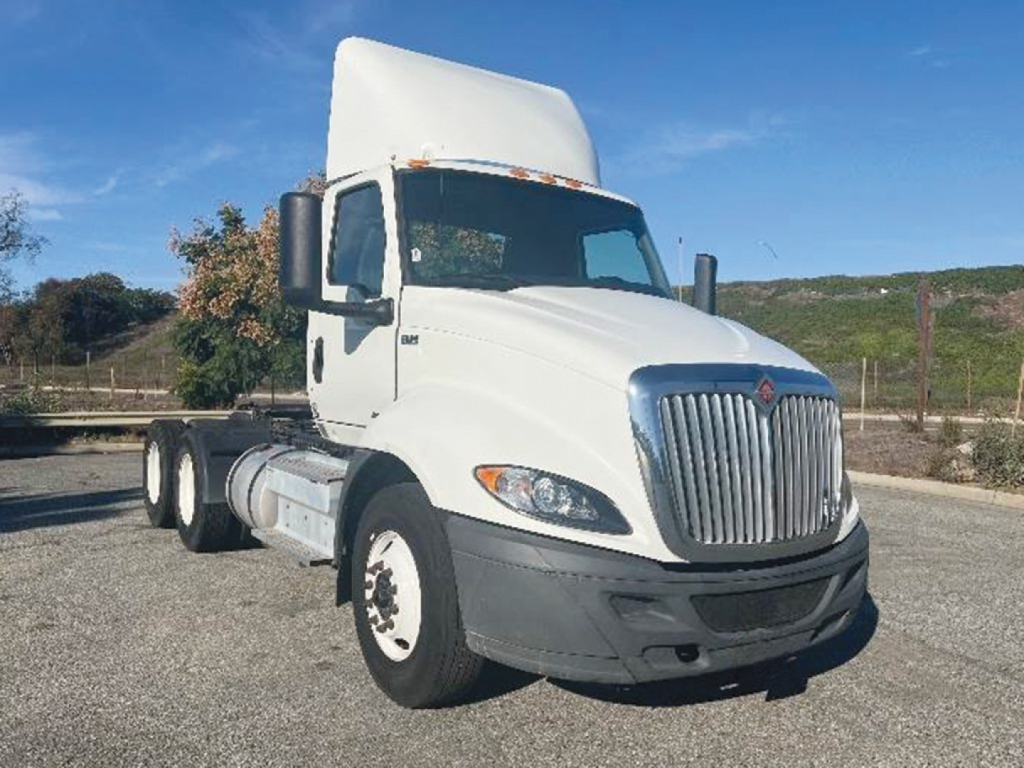
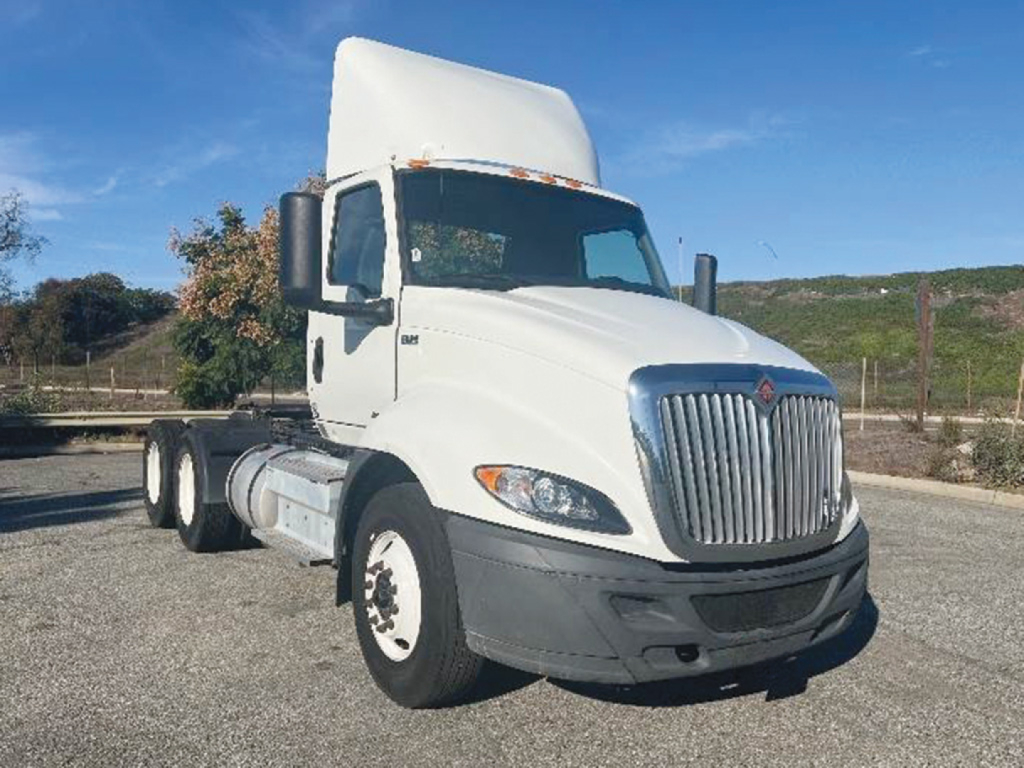
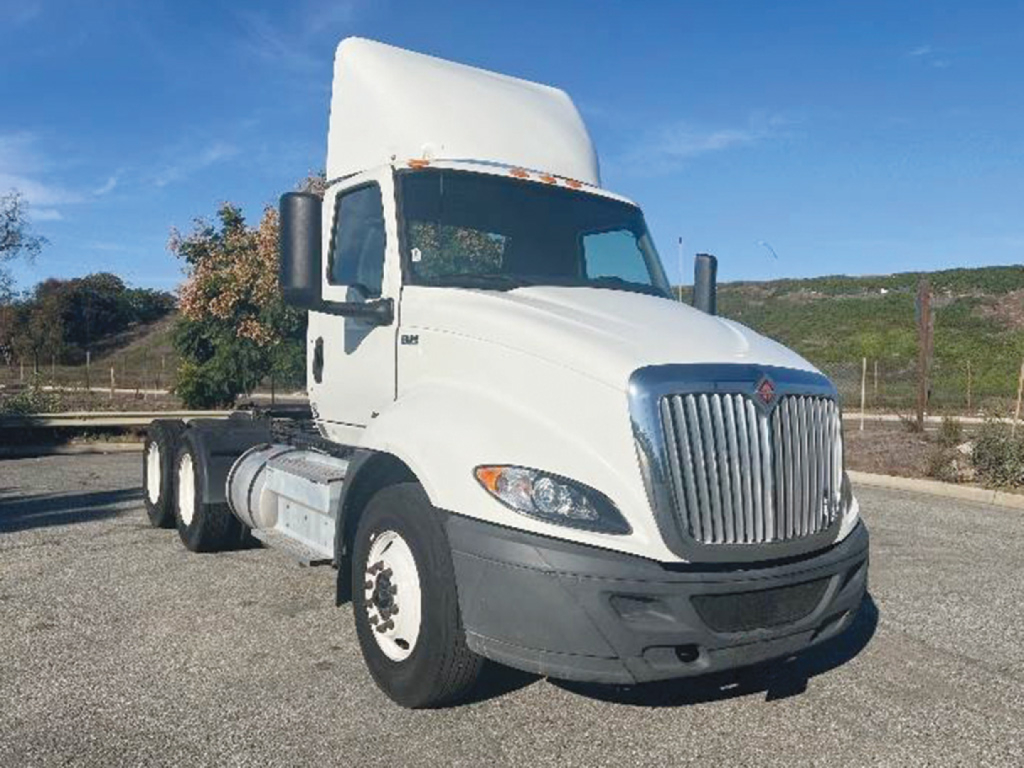
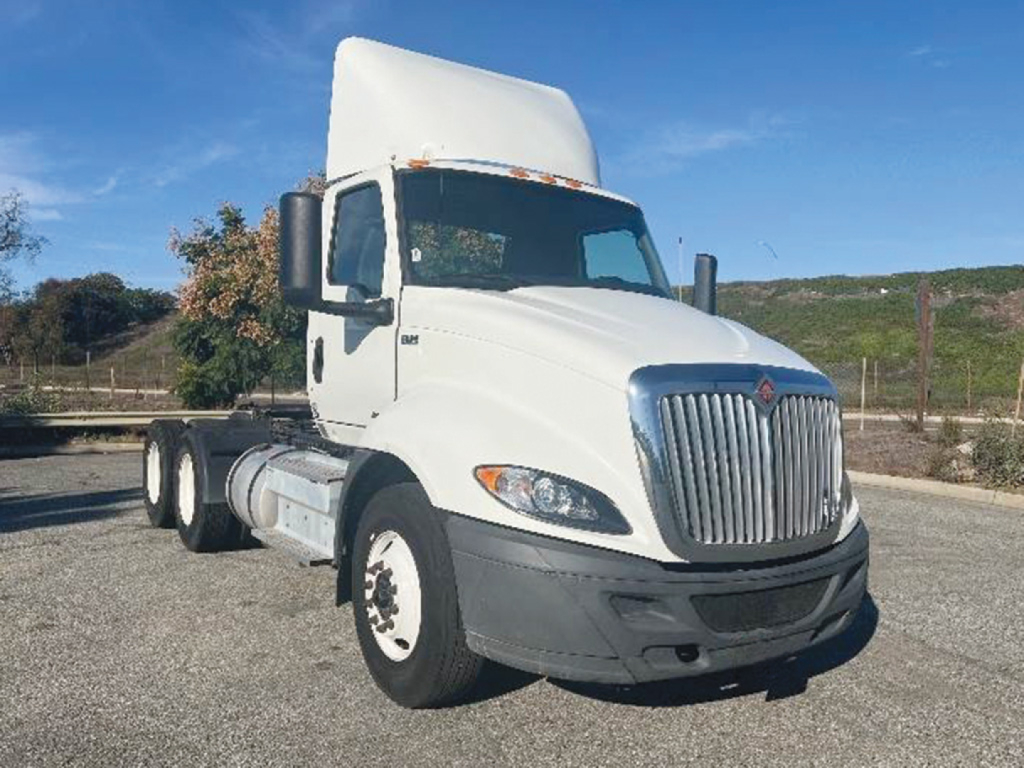
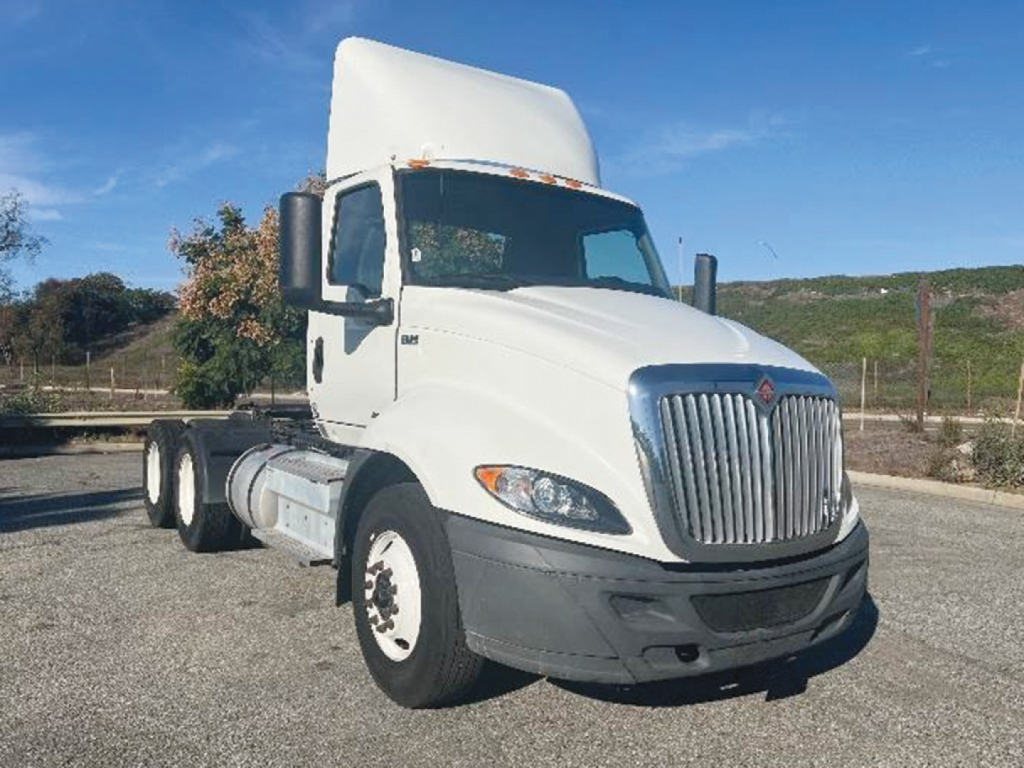
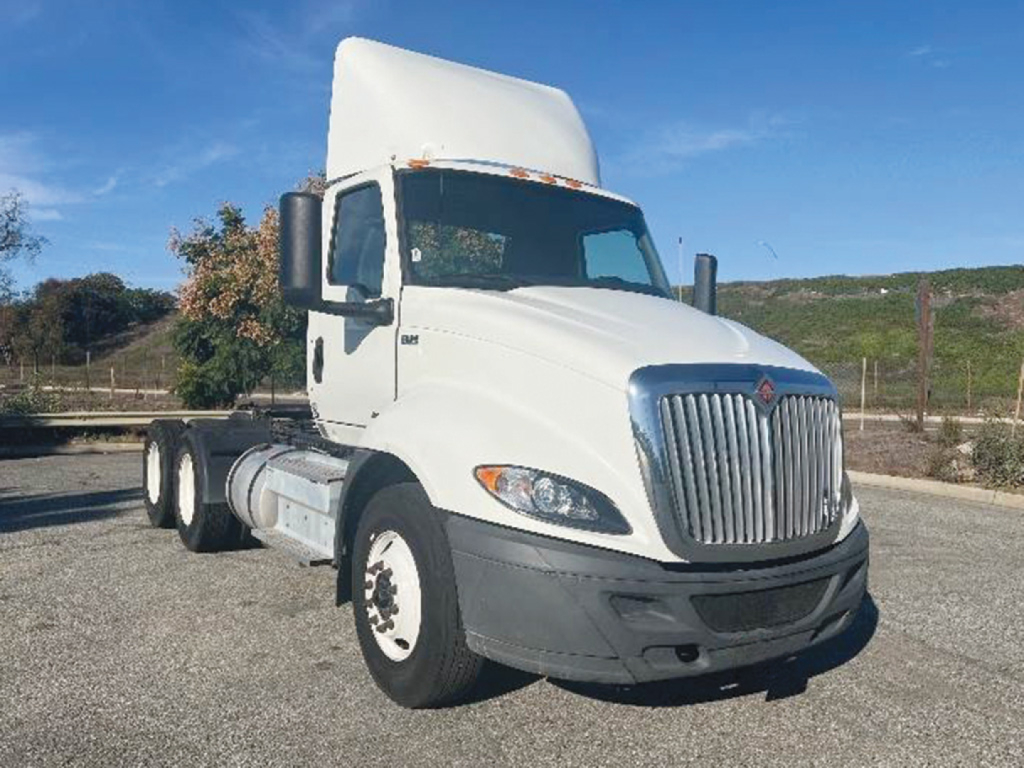
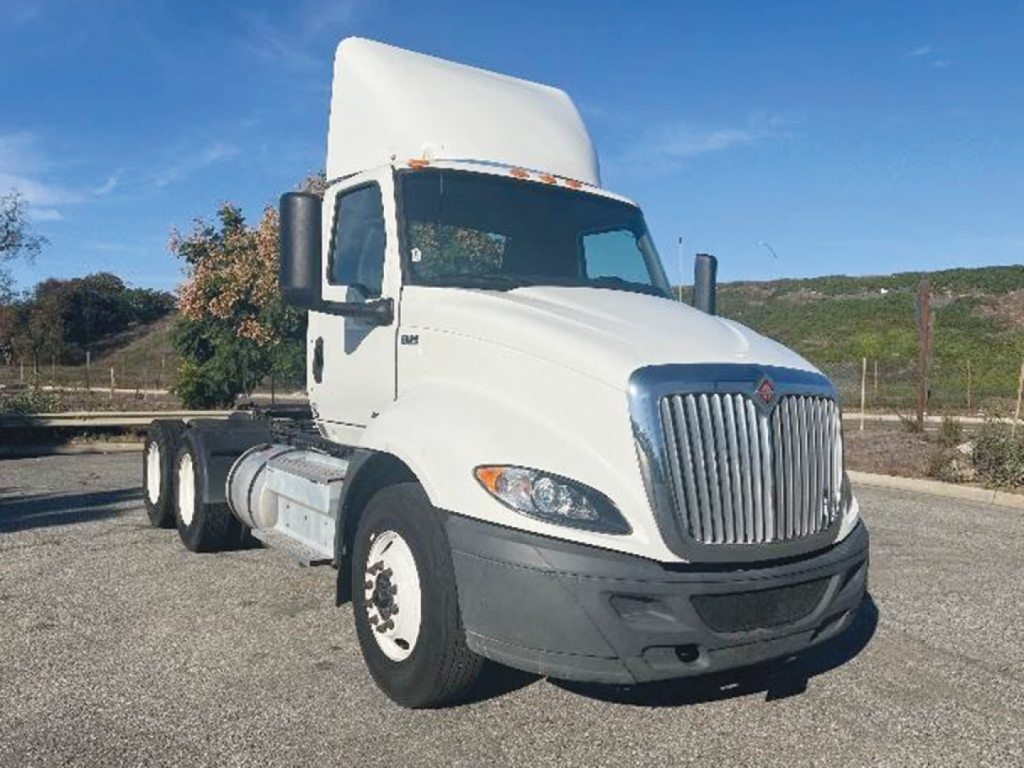
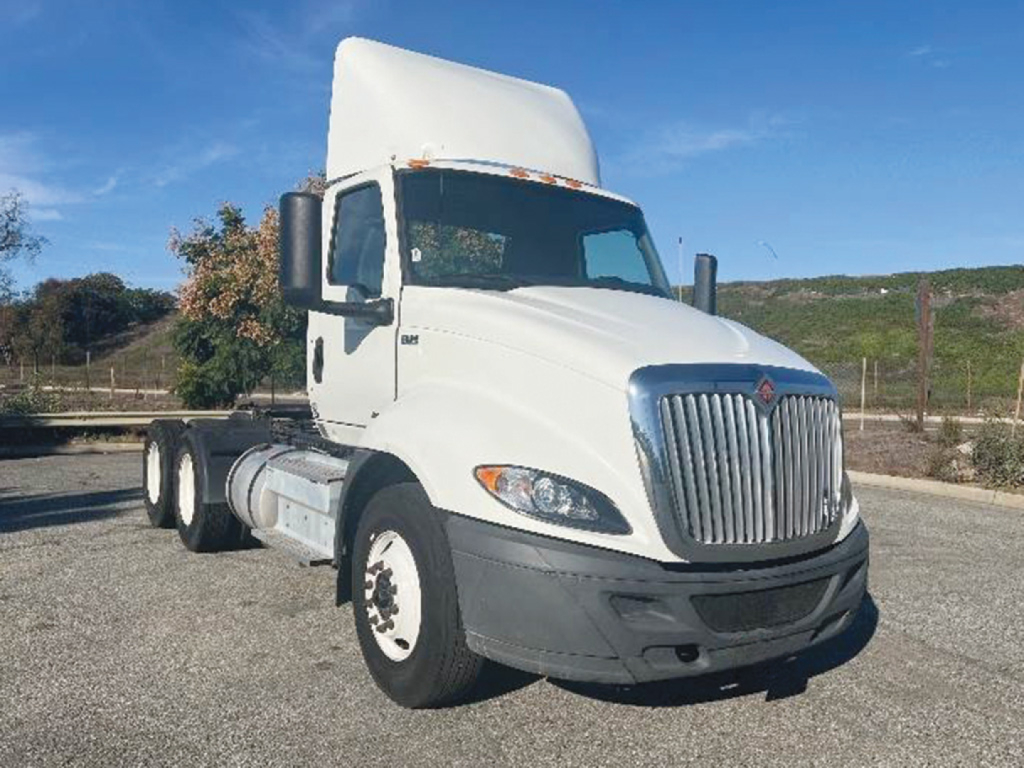
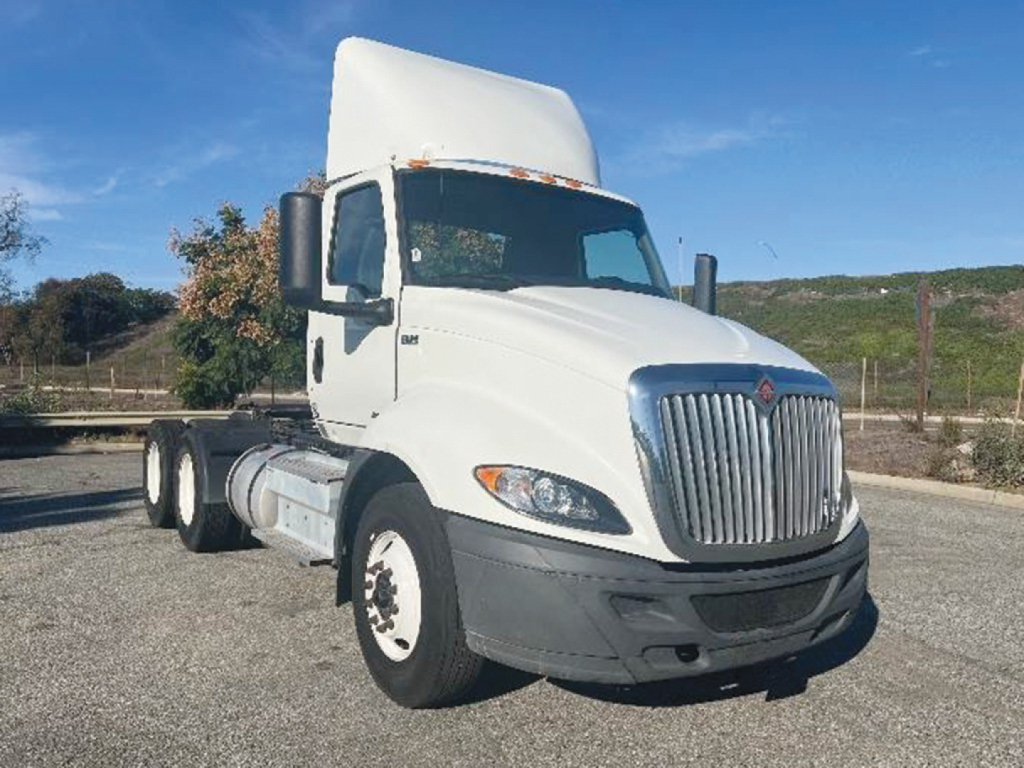
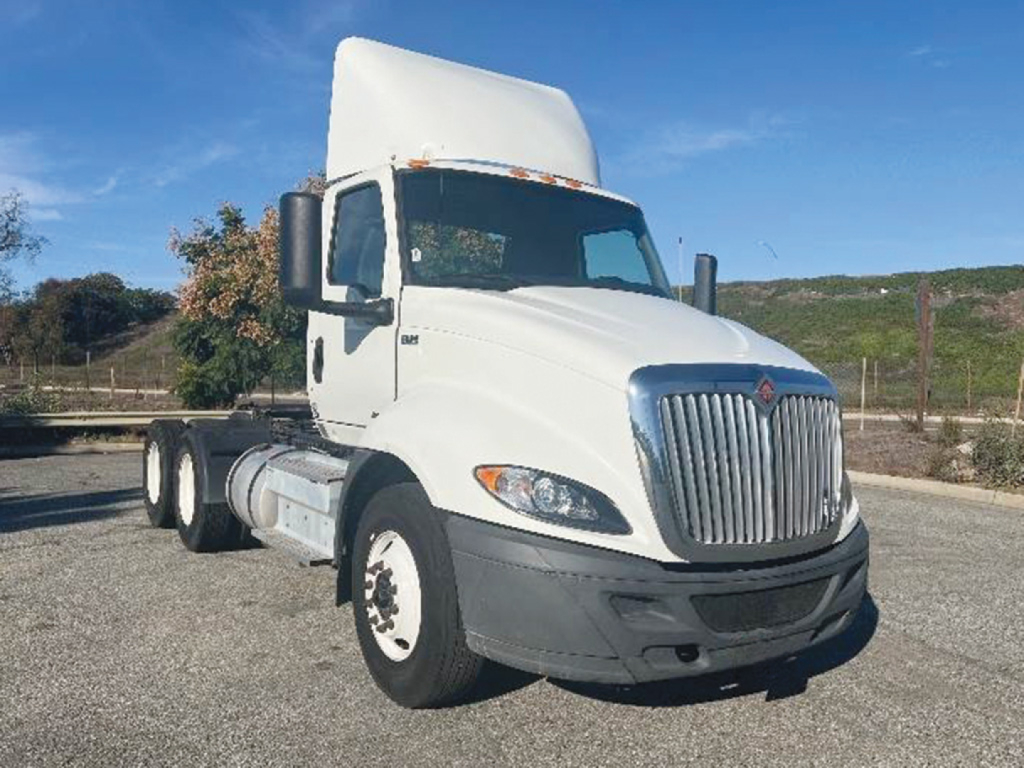
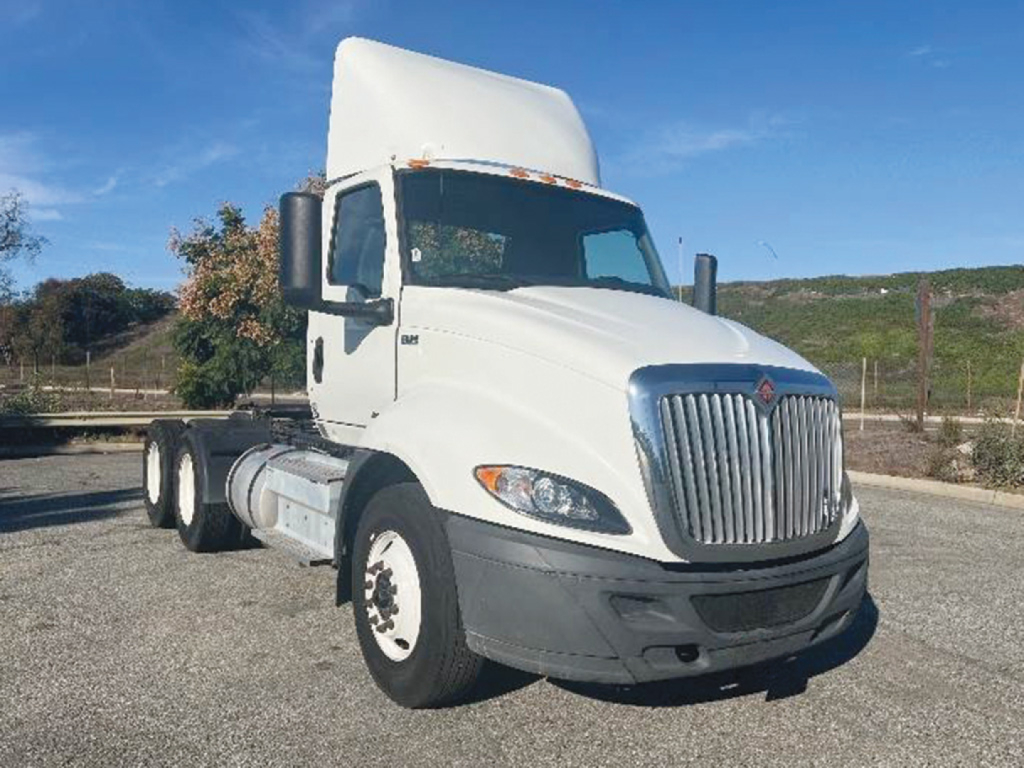
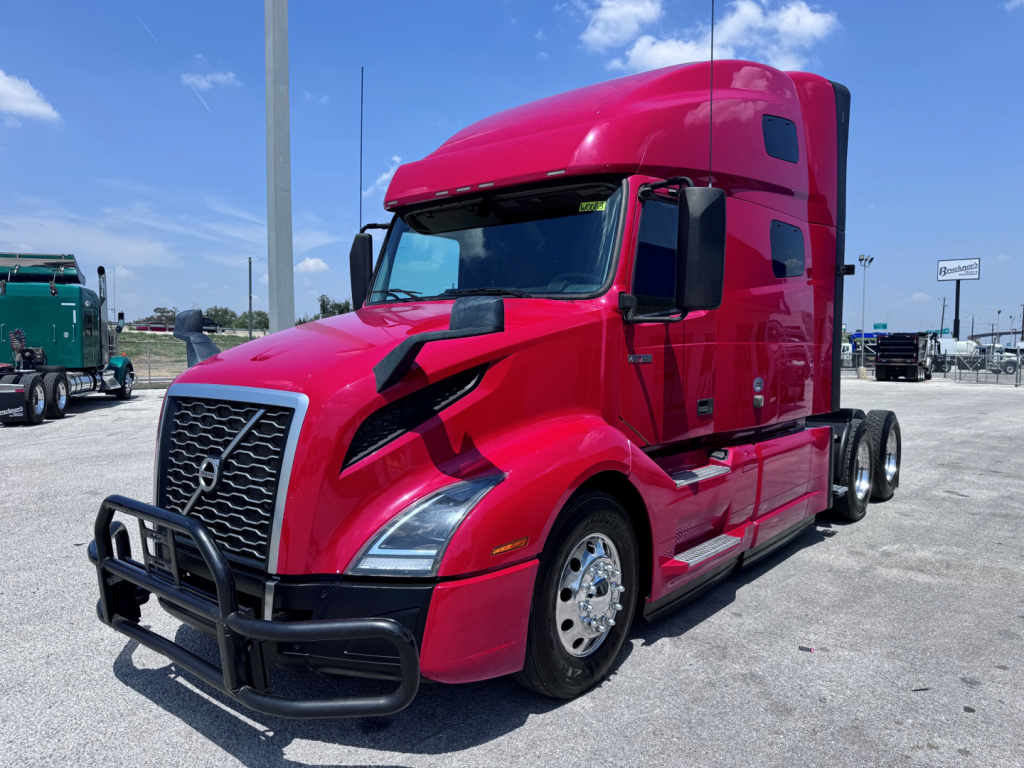
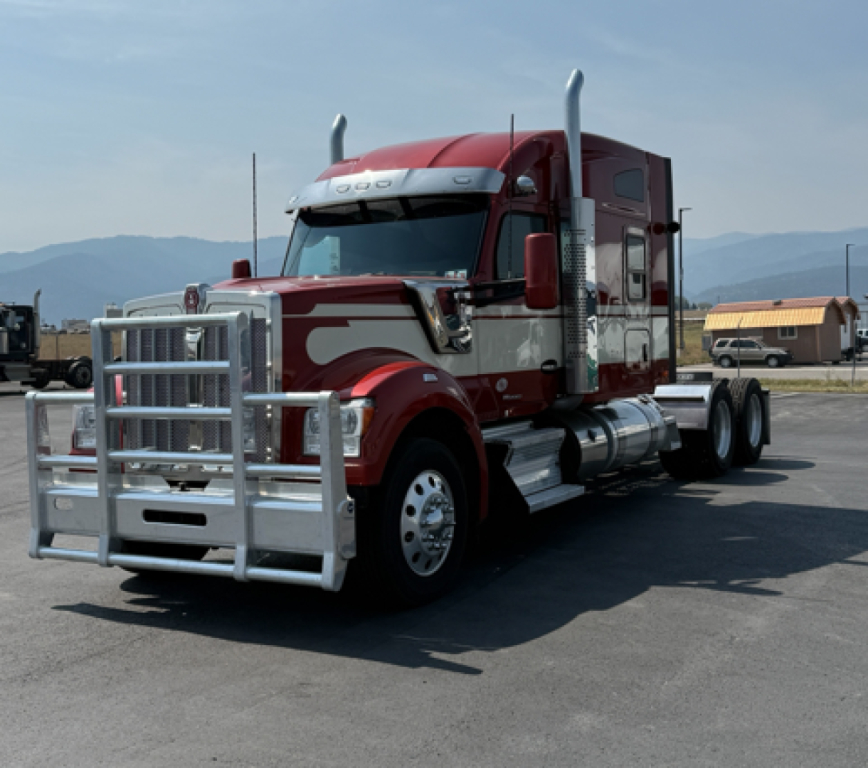
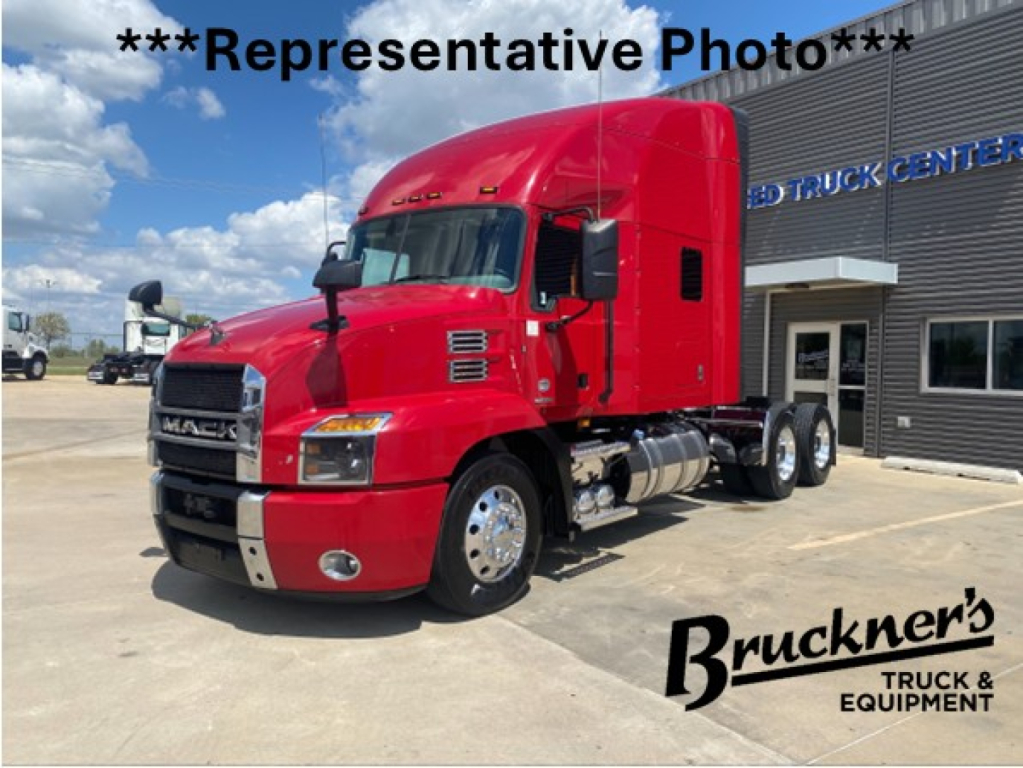
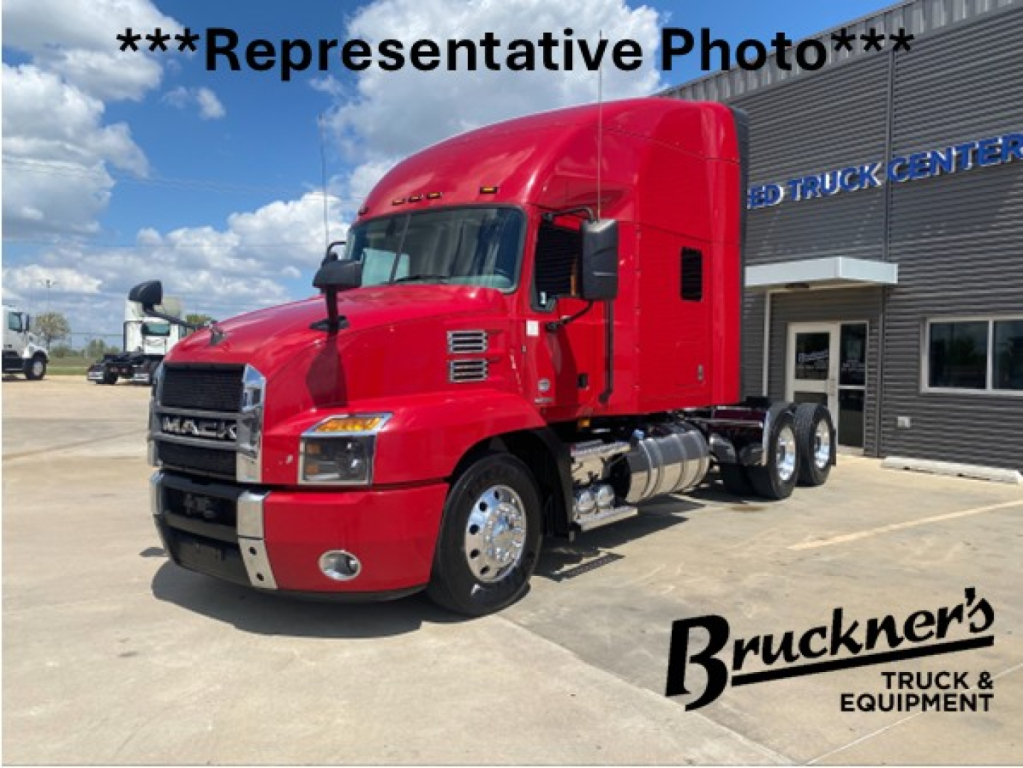
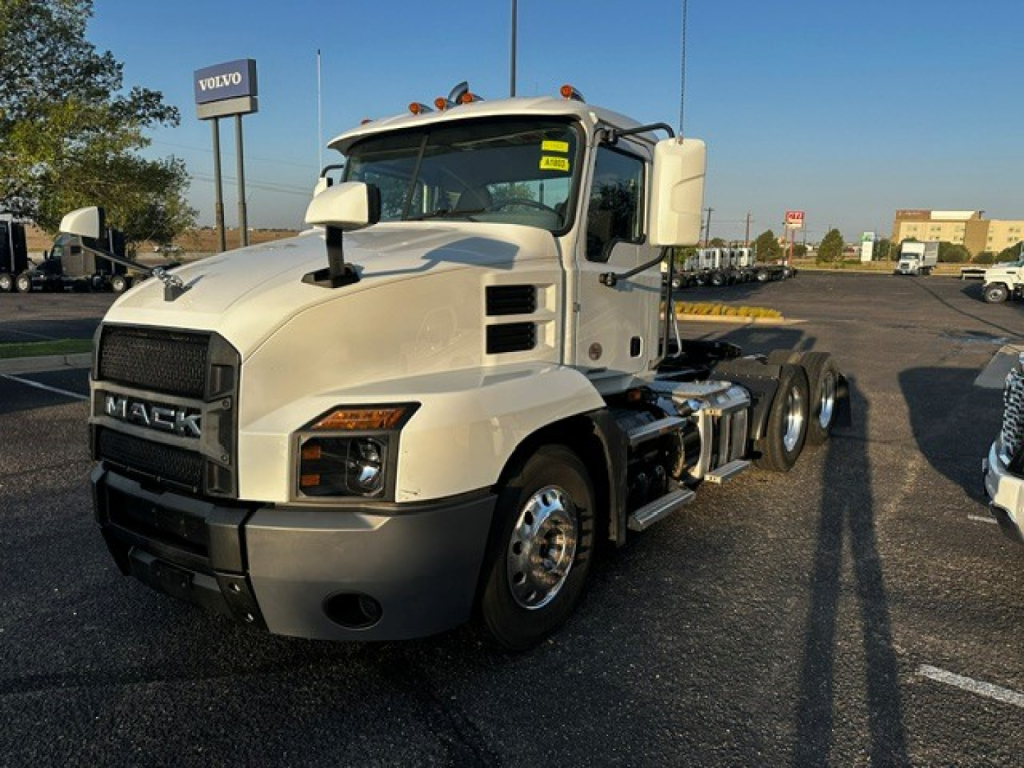
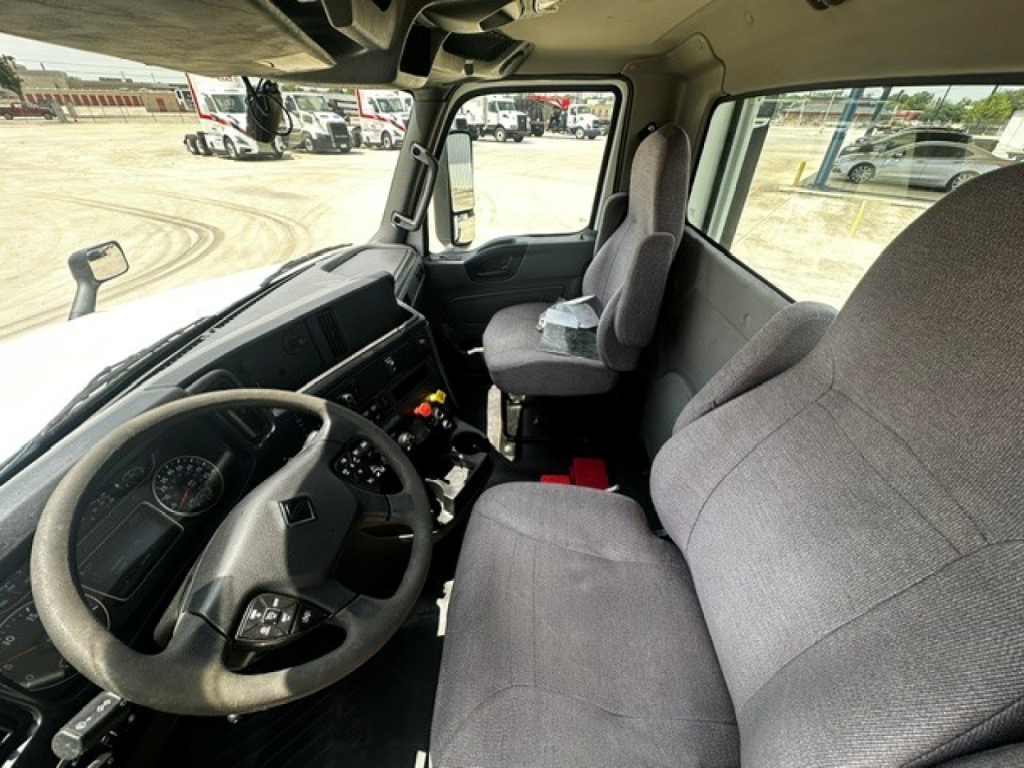
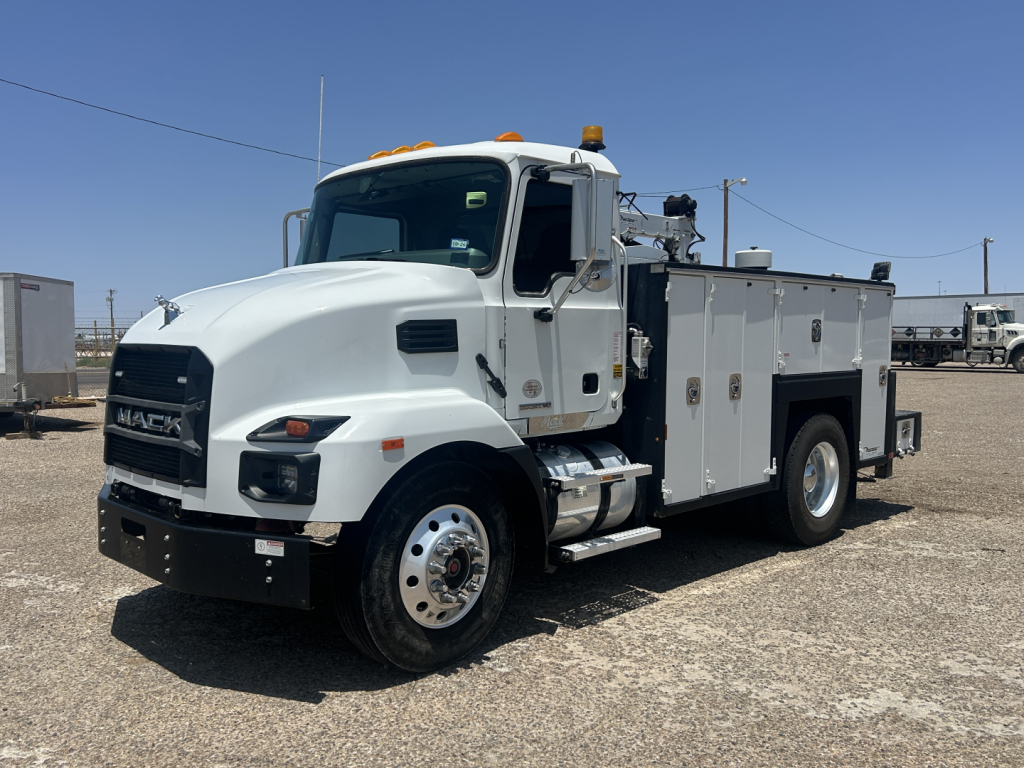
Showing 1 to 24 of 38 results
Have used 2021 commercial truck to sell? List it here to reach thousands of buyers.
Used 2021 Commercial Trucks in Texas
For highway tractors, buyers usually compare sleeper versus day cab, engine ratings, transmission type, wheelbase, and rear axle ratio. A Texas buyer running long regional freight may focus on high-roof sleepers, fuel capacity, and driver comfort, while local or port work often points toward a day cab with a shorter wheelbase and easier maneuverability. Common specs in 2021 trucks include automated manual transmissions, air ride suspension, disc or drum brake configurations, and engine platforms from Cummins, Paccar, Detroit, Mack, or Volvo depending on make. On vocational trucks, key details shift toward PTO readiness, front axle capacity, suspension type, body manufacturer, hoist setup, and how the truck was used previously.
Texas operating conditions matter. Heat loads put extra importance on A/C performance, cooling system condition, and tire health, while long distances between stops can make fuel range and DEF system service history more relevant than they might be in shorter-haul markets. Buyers should pay close attention to mileage or engine hours, maintenance records, aftertreatment history, brake wear, frame condition, and signs of hard vocational use. On box trucks, liftgate operation, cargo box dimensions, door seals, and floor condition can tell you a lot. On dump and severe-duty models, look closely at suspension wear, hydraulic components, liner condition, and any cracking or corrosion around body mounts.
A good 2021 used truck should be matched to revenue, not just appearance. Check GVWR or GCWR, fifth wheel setup, kingpin settings, tire size, and any emissions or idle-management equipment that affects your route or customer requirements. If the truck will work oilfield, construction, final-mile, regional LTL, or general freight, the right spec can change operating cost more than the purchase price does. The strongest candidates in this category are the ones with clear service history, a spec that fits the job, and enough remaining life in the drivetrain, brakes, tires, and body to avoid immediate capital expense after delivery.
Frequently Asked Questions about Used 2021 Commercial Trucks in Texas
What should I look for first when buying a used 2021 truck in Texas?
Start with the truck’s intended job, then verify the core spec matches that application. For a tractor, that means axle configuration, wheelbase, horsepower, transmission, rear ratio, and sleeper or day cab layout. For a vocational or straight truck, focus on GVWR, body type, PTO setup, suspension, and front axle capacity. In Texas, cooling system condition, A/C performance, tire condition, and complete maintenance history are especially important because heat and long operating distances can expose weak points quickly.
Is a 2021 model year a good value in the used truck market?
Yes, 2021 trucks often hit a strong value point because they are still considered late-model equipment but typically cost less than newer replacements. Many 2021 units include modern driver-assist features, efficient powertrains, and updated interiors, while still having broad parts and service support. Value depends on spec, miles, engine hours, maintenance quality, and prior application, so a properly maintained 2021 truck can be a better buy than a newer unit with the wrong configuration or poor history.
How many miles is too many on a used 2021 truck?
There is no single mileage cutoff that applies to every truck. Highway tractors can accumulate miles quickly but still remain sound if they were serviced on schedule and operated in consistent over-the-road duty. Vocational trucks may show fewer miles but more wear because of idling, PTO use, jobsite conditions, and stop-and-go work. Always compare mileage with engine hours, maintenance records, aftertreatment repairs, brake and tire condition, and any signs of frame, suspension, or driveline fatigue.
Are 2021 used trucks likely to have emissions or aftertreatment issues?
Any modern diesel truck can develop aftertreatment issues if it has a weak maintenance history, excessive idle time, or repeated short-trip use that prevents proper regeneration. On a 2021 truck, buyers should review DPF cleaning records, DEF system repairs, sensor replacements, and fault history if available. A pre-purchase inspection should include a scan for active or inactive codes, because emissions-related downtime can be expensive even when the truck looks clean cosmetically.
Which types of used 2021 trucks are most common in Texas?
Texas typically sees a broad mix of used 2021 trucks, including conventional sleepers for long-haul freight, day cabs for regional and local hauling, box trucks for delivery work, and dump or other vocational trucks for construction and infrastructure jobs. The state’s freight volume and industrial diversity create demand across many configurations. That makes it especially important to separate a truck’s cosmetic condition from its actual spec, because two similar-looking units may be built for very different duty cycles.