
Used 2021 Freightliner Trucks For Sale in Texas
Browse used 2021 Freightliner trucks in Texas, including Cascadia day cab and sleeper models with Detroit power and DT12 transmissions.
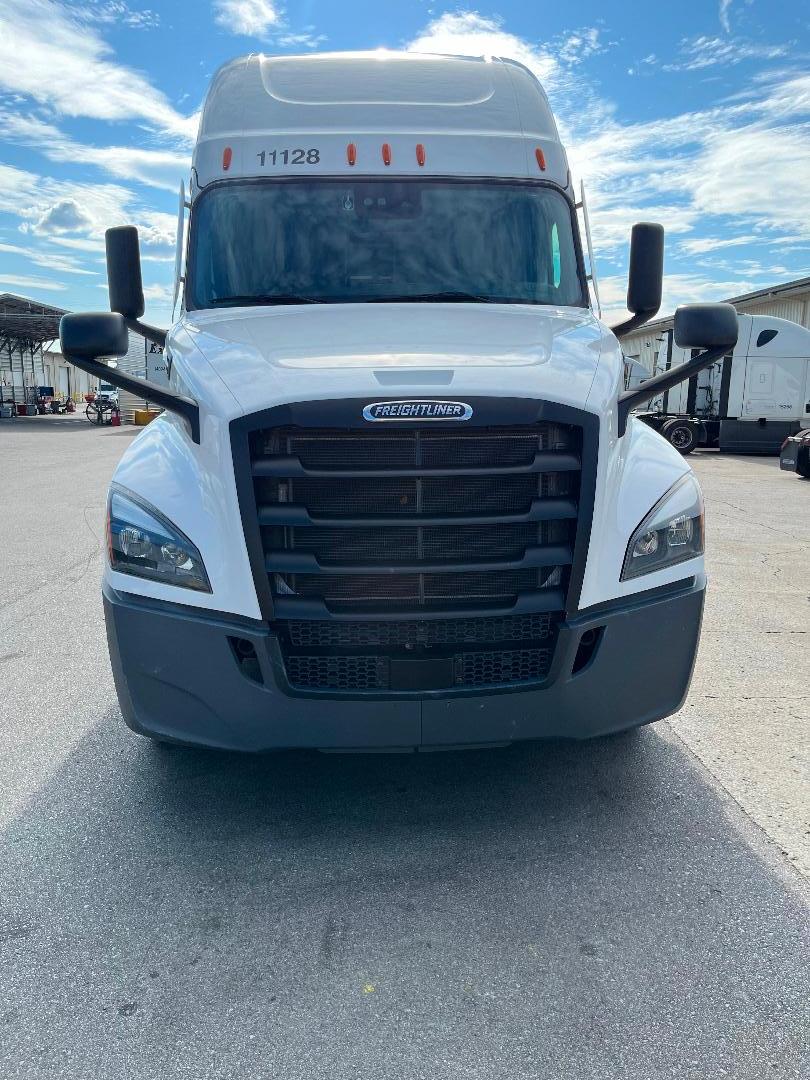
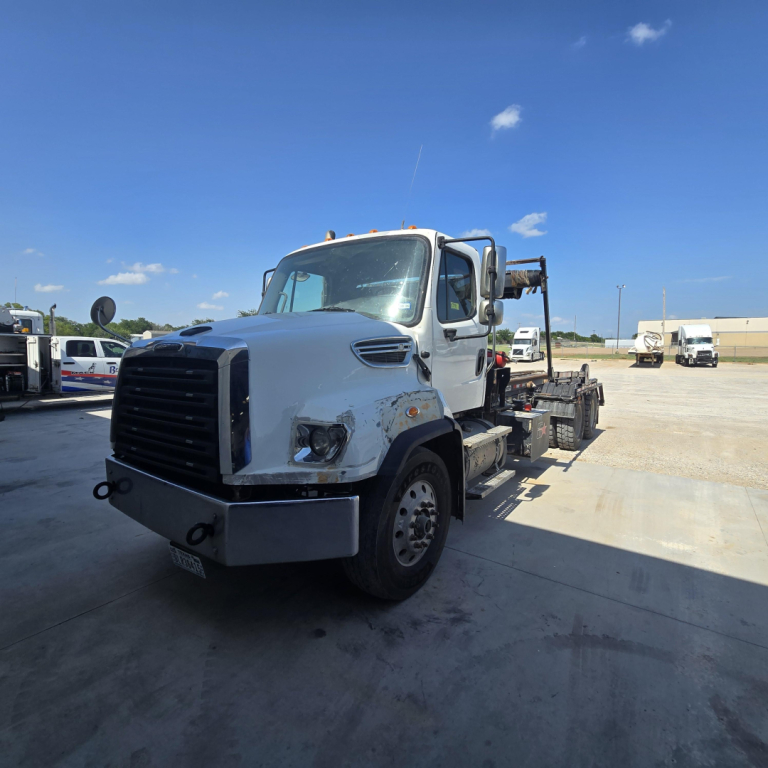
Selling a used 2021 freightliner truck? List your used 2021 freightliner truck for sale and reach thousands of commercial buyers.
Used 2021 Freightliner Trucks in Texas
For Texas buyers, the first decision is usually day cab versus sleeper. A 2021 Freightliner Cascadia day cab is a practical choice for local and regional freight, port work, drop-and-hook lanes, and dedicated routes where sleeper space is not needed. A 2021 Cascadia sleeper is better suited to longer runs across Texas and neighboring states, especially when driver retention and onboard comfort matter. Wheelbase, fifth wheel style, rear axle ratio, and fuel capacity all affect how the truck will perform in its intended lane. A shorter wheelbase day cab with an air slide fifth wheel is easier to maneuver in tight yards, while a sleeper with larger tanks and a taller ratio spread may be better for highway miles and fuel range.
Spec details matter on used 2021 Freightliner trucks because two Cascadias of the same year can be built for very different jobs. Common buyer checkpoints include horsepower rating, rear axle ratio, brake type, collision mitigation system, and tire size. Many 2021 units are equipped with disc brakes, cruise control, power windows, aerodynamic fairings, and steering wheel controls, and some include active safety systems that can add value for fleets with stricter insurance or compliance requirements. On the used market, it is smart to verify emissions system history, idle hours, maintenance records, software campaign status, and any repairs to the aftertreatment, transmission actuator, or radar-based safety equipment. If the truck has a DT12, buyers should also pay attention to clutch learn history and driveline behavior under load.
Freightliner remains one of the most common Class 8 truck brands on the road, which helps resale, technician familiarity, and downtime planning. That matters in a large market like Texas, where trucks often see a mix of interstate miles, hot weather, and heavy daily utilization. A clean used 2021 Freightliner with the right axle ratio, suspension, and cab configuration can be a cost-effective replacement cycle truck or a scalable fleet addition. The best match comes down to route length, trailer type, gross combination weight, and how the original spec aligns with your operation rather than the badge and model year alone.
Frequently Asked Questions about Used 2021 Freightliner Trucks in Texas
What are the most common 2021 Freightliner truck models buyers will find in Texas?
The most common 2021 Freightliner trucks on the used market in Texas are usually Cascadia models, especially Cascadia 116 and Cascadia 126 configurations. These are typically found as conventional day cabs and conventional sleepers for Class 8 over-the-road, regional, and dedicated freight work. Depending on the original fleet spec, buyers may see Detroit DD13 or DD15 engines, DT12 automated manual transmissions, and tandem drive axles with different ratios for city, regional, or highway applications.
Is a 2021 Freightliner Cascadia day cab or sleeper better for my operation?
A day cab is generally the better fit for local delivery, drayage, short regional runs, and drop-and-hook freight where overnight accommodations are unnecessary. A sleeper is the better choice for longer runs, multi-day dispatches, and operations where driver comfort, storage, and fuel range are important. The right decision depends on route length, customer dwell time, trailer type, and whether maneuverability or highway comfort is the higher priority.
What should I inspect on a used 2021 Freightliner truck before buying?
Focus on maintenance history, engine and aftertreatment performance, transmission operation, and the condition of safety and electrical systems. On a 2021 Freightliner, buyers should verify fault codes, emissions-related repairs, coolant and oil service records, tire wear patterns, brake condition, suspension wear, and any signs of collision damage or poor body repair. If the truck has collision mitigation or radar-based driver assistance, confirm the system is functioning properly and has not been disabled or damaged.
Are 2021 Freightliner trucks expensive to maintain?
Maintenance cost depends more on miles, duty cycle, and prior care than on model year alone, but Freightliner trucks are generally considered practical to maintain because parts availability is strong and most fleets and independent shops are familiar with the platform. A well-maintained 2021 unit can offer predictable service costs, especially if preventive maintenance was done on schedule. Higher costs usually come from deferred repairs, emissions system issues, damaged aerodynamic components, or neglected transmission and driveline service.
Why are used 2021 Freightliner trucks popular in Texas?
They are popular because they combine late-model technology with broad service support and specs that suit a wide range of freight lanes common in Texas. Buyers value the Cascadia platform for fuel-efficient aerodynamics, common Detroit powertrain options, and easy access to parts and technicians across major freight corridors. In a state where trucks often run long distances in high heat, that combination of support, familiarity, and operational flexibility is a major advantage.