
Used 2021 Conventional Sleeper Trucks For Sale in Texas
Shop used 2021 conventional sleeper trucks in Texas. Compare popular highway specs, sleeper sizes, powertrains, wheelbases, and emissions setups.
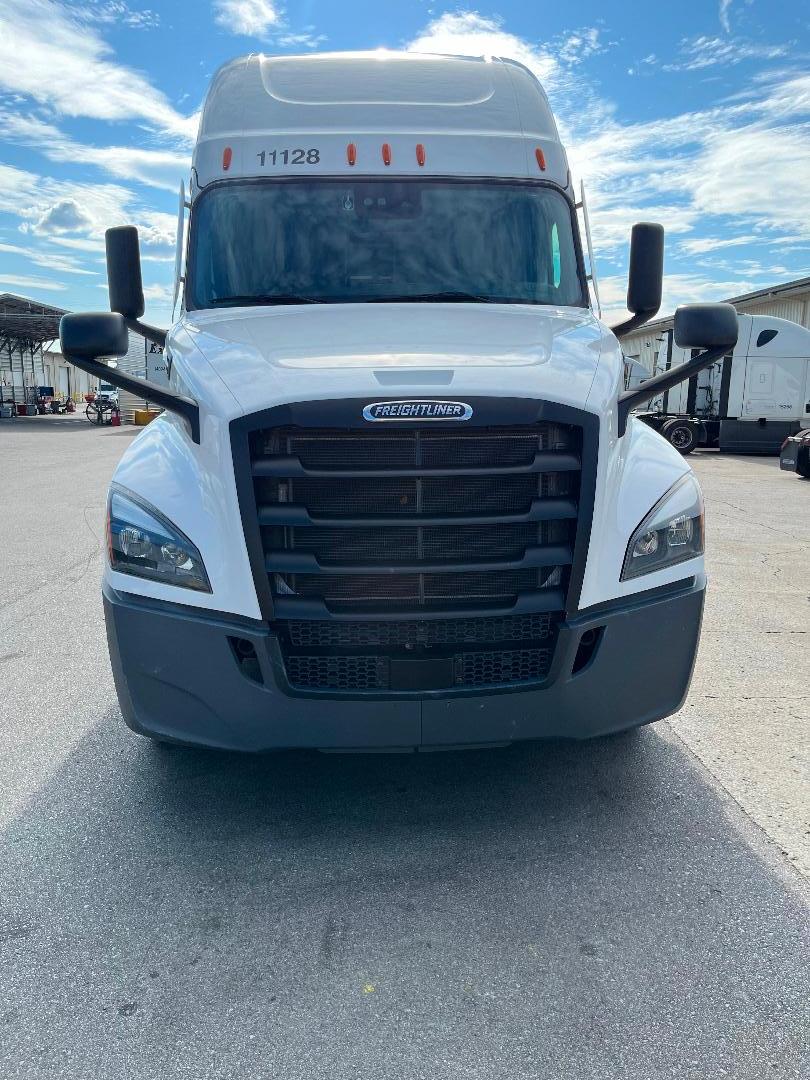
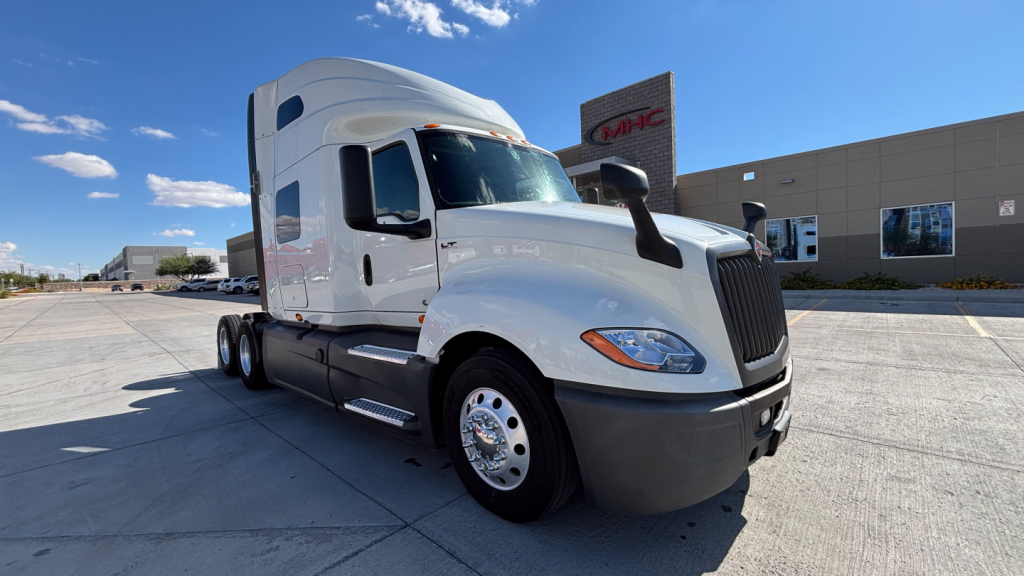
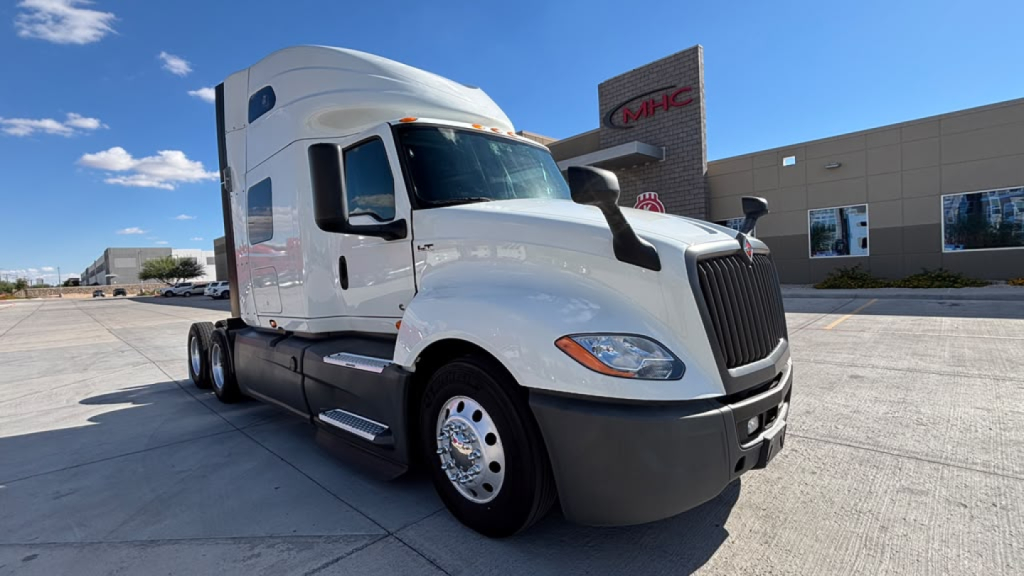
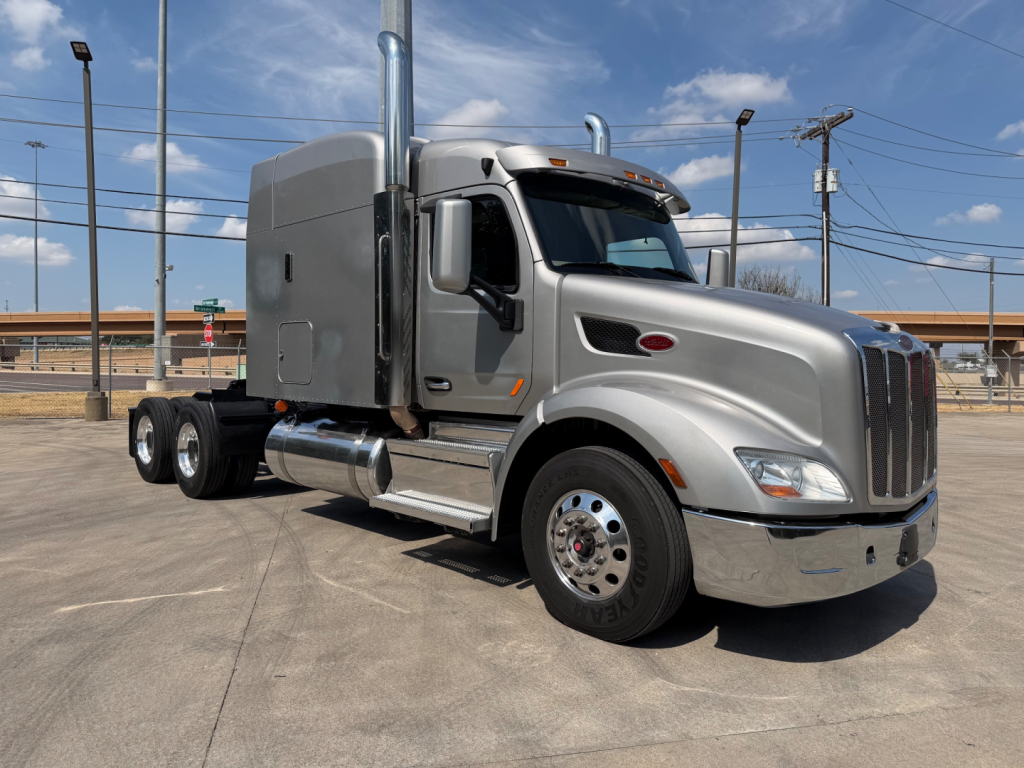
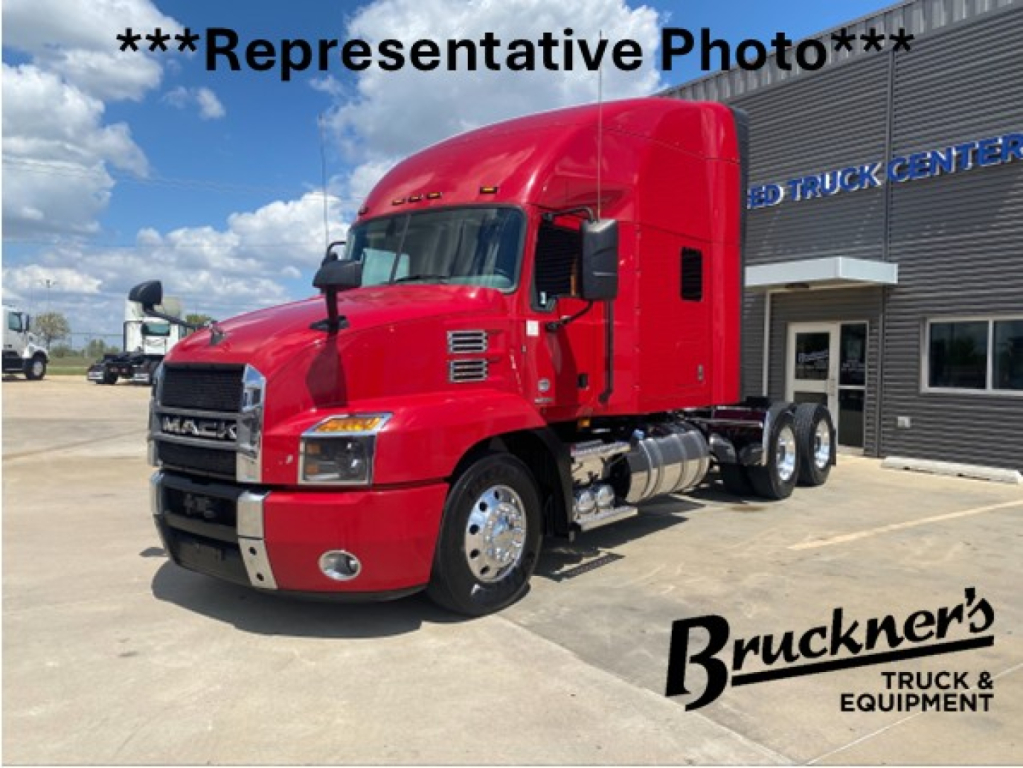
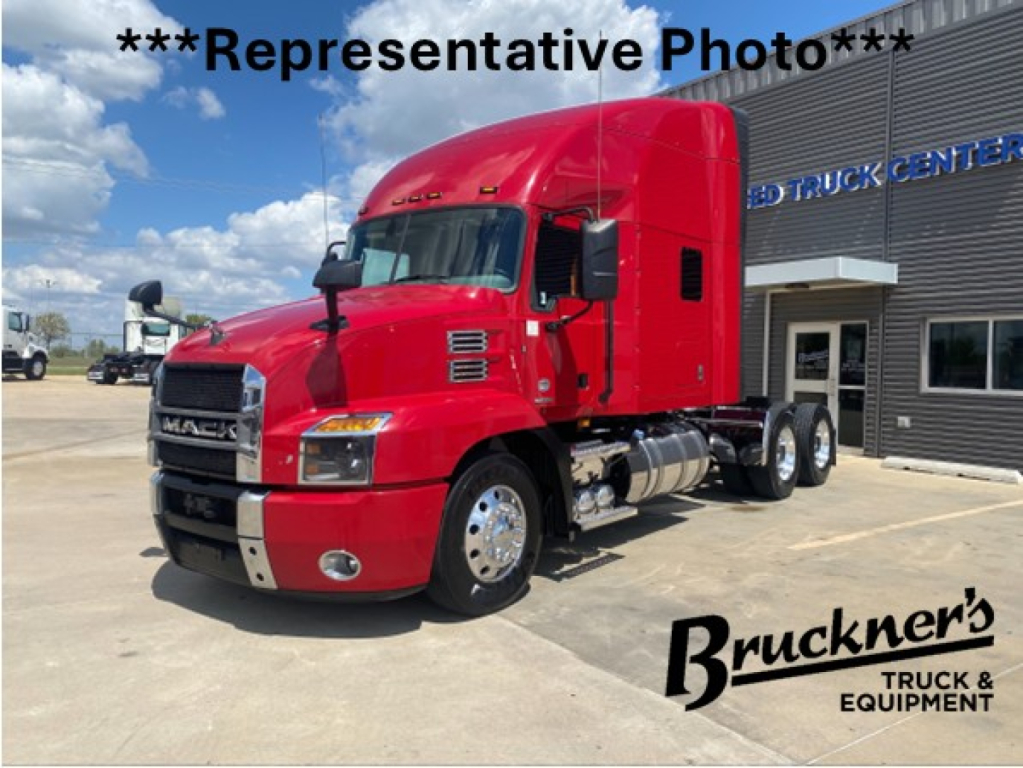
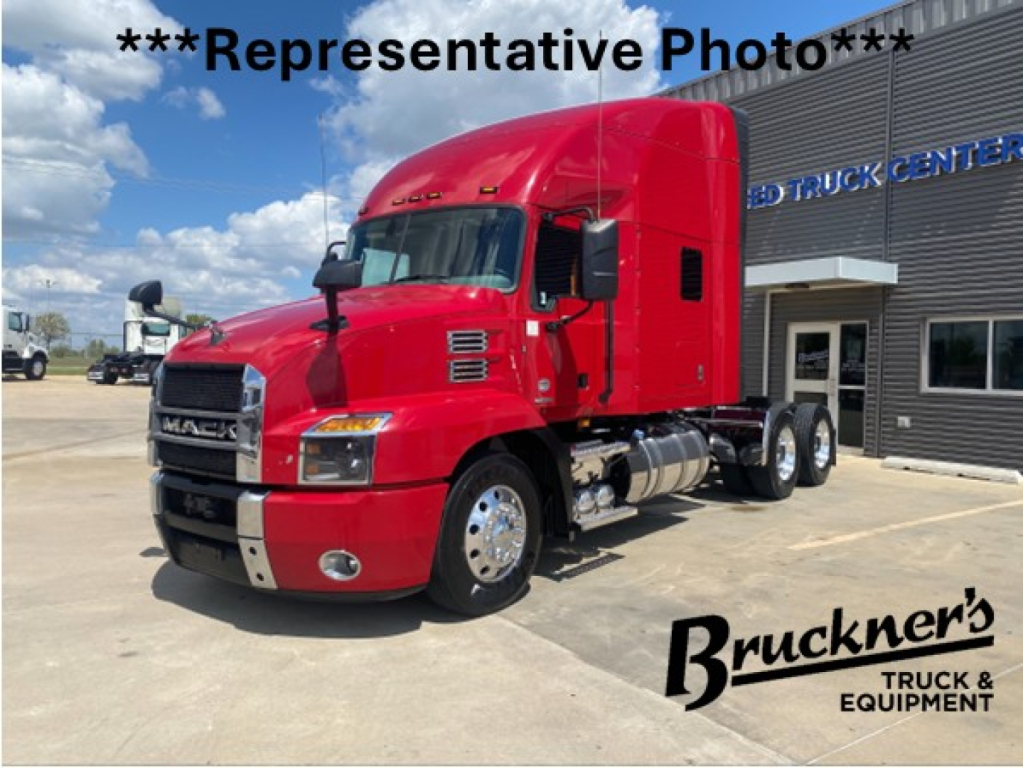
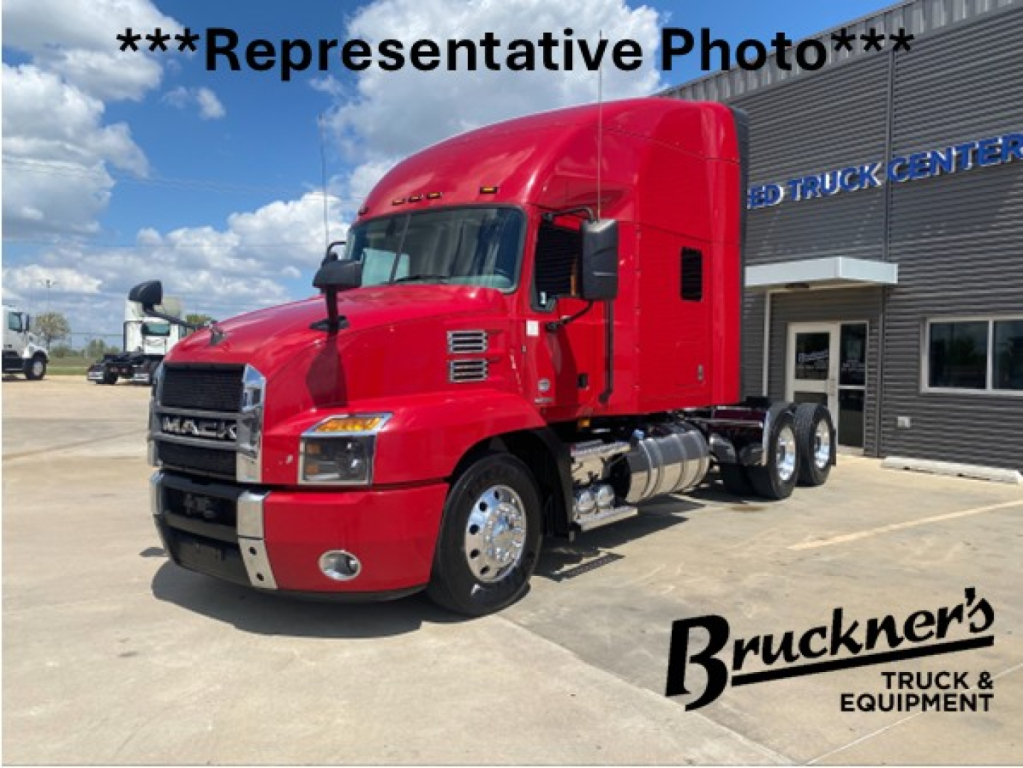

Selling a used 2021 conventional sleeper truck? List your used 2021 conventional sleeper truck for sale and reach thousands of commercial buyers.
Used 2021 Conventional Sleeper Trucks in Texas
The biggest buying decisions usually start with powertrain and axle spec. Most 2021 conventional sleepers in this class were built with 12.8L to 15L diesel engines from Cummins, Detroit, Paccar, or Volvo, commonly rated from about 400 to 500 horsepower, with torque packages matched to fuel mileage or heavier gross combination weight. Automated manual transmissions are common in 2021 trucks, though some buyers still target manual 10-, 13-, or 18-speed setups for vocational crossover use or driver preference. Pay close attention to rear axle ratio, suspension type, wheelbase, and fifth wheel position because those choices affect trailer gap, bridge compliance, maneuverability, and how well the truck fits dry van, reefer, flatbed, or tanker service.
Sleeper configuration matters more than many buyers expect. A 2021 conventional sleeper may have a mid-roof or high-roof cab with a single or double bunk, cabinet storage, fridge prep, inverter capacity, and factory idle management. For teams or extended over-the-road service, bunk length, standing room, and HVAC performance directly affect driver retention. For regional operations, a smaller sleeper with a shorter wheelbase may improve payload distribution and turning radius. Buyers in Texas should also look closely at cooling system condition, APU or battery HVAC setup, tire wear from long interstate miles, and service records showing emissions maintenance on the DPF, SCR, and EGR systems. On a used 2021 truck, documented aftertreatment history is just as important as engine mileage.
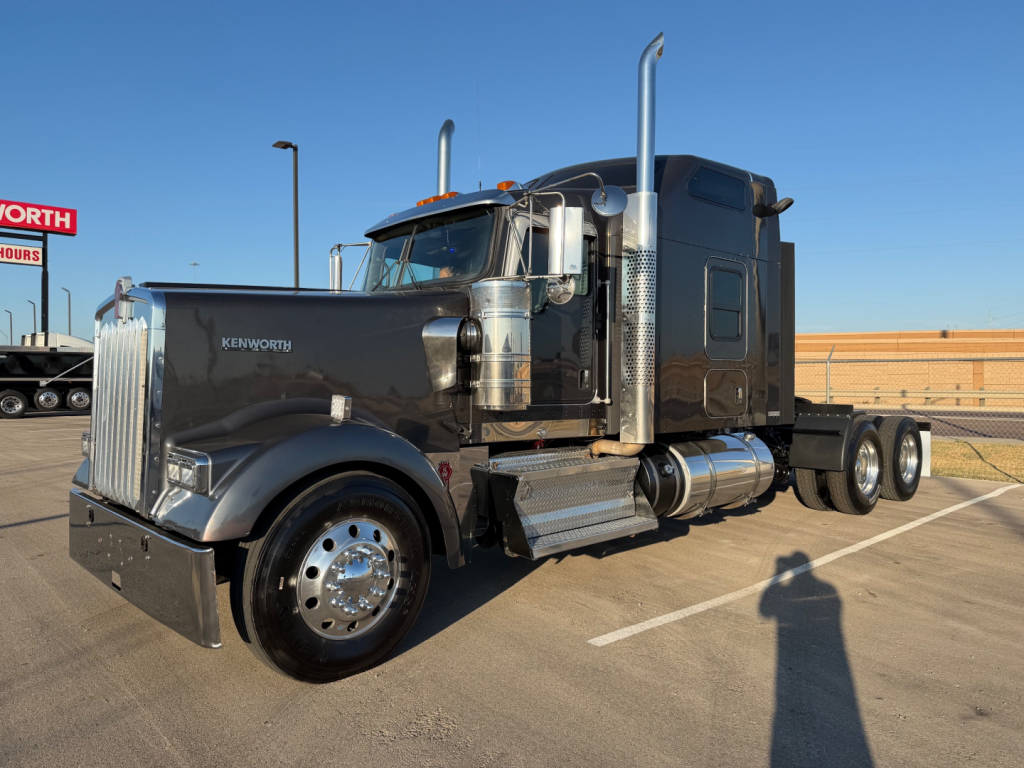
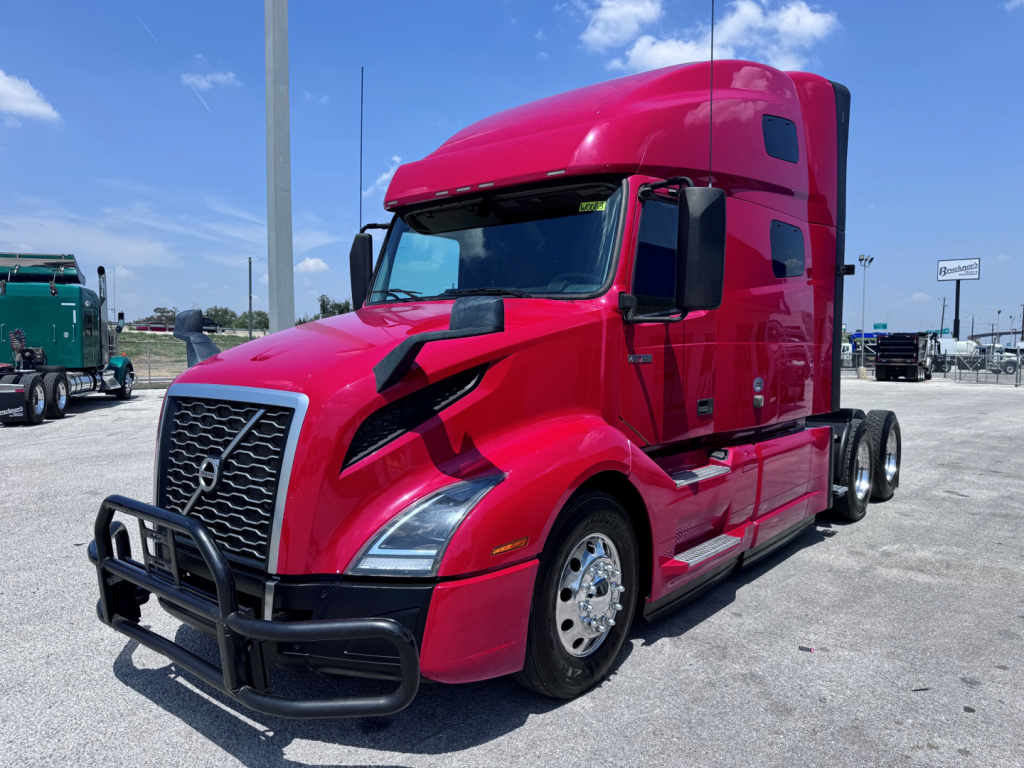
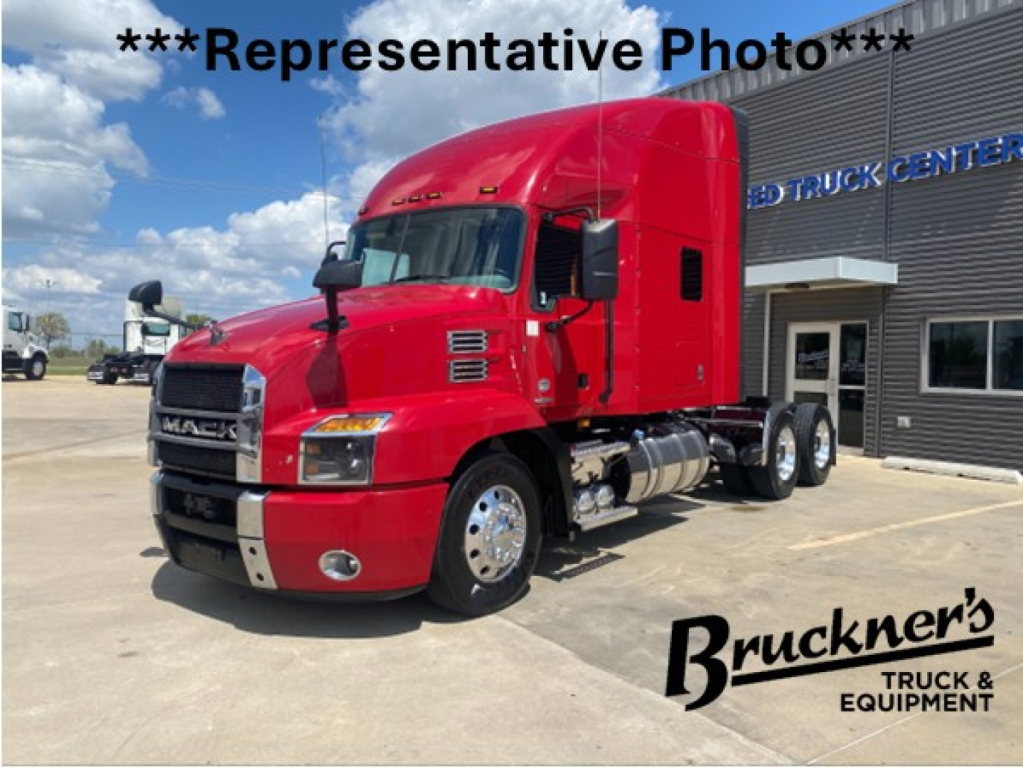
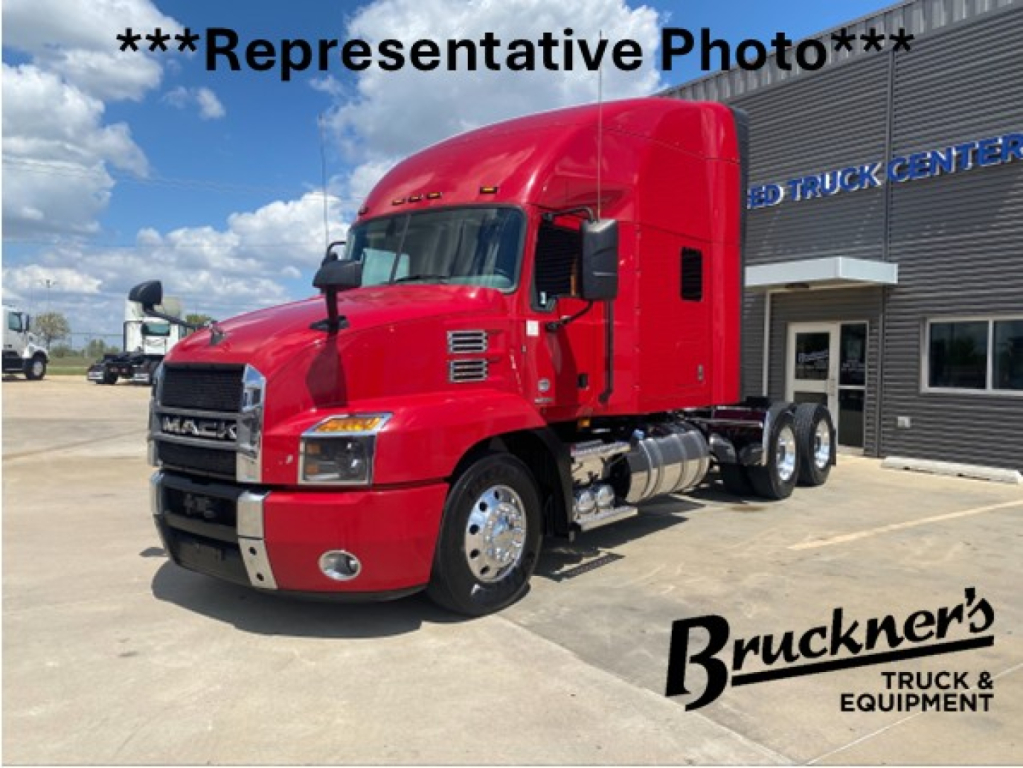
Common models in this category include aerodynamic fleet staples and owner-operator favorites such as the Peterbilt 579, Kenworth T680 and W900, Freightliner Cascadia, Volvo VNL, International LT, and Mack Anthem. The right truck depends on lane profile and cost structure. A fuel-focused fleet truck may prioritize downsped gearing, collision mitigation, and predictive cruise, while a heavier-spec unit may carry a larger engine, dual exhaust, full locking differentials, or a longer wheelbase for specialty freight. Buyers comparing listings should look beyond year and mileage and verify engine brake spec, brake type, tire size, bunk amenities, fairing condition, frame layout, and ECM history. In this category, a well-documented 2021 sleeper with the correct drivetrain and sleeper package will usually outperform a cheaper truck that is mismatched to the job.
Frequently Asked Questions about Used 2021 Conventional Sleeper Trucks in Texas
What should I check first on a used 2021 conventional sleeper truck?
Start with the powertrain records and emissions history. On a 2021 truck, the engine, transmission, and aftertreatment system should all be reviewed together because DPF, SCR, EGR, sensors, and dosing components can drive repair cost if maintenance was deferred. Pull ECM data when possible, verify idle hours versus road miles, and compare service invoices to the truck's current condition. Tire wear, brake life, kingpin and suspension play, and sleeper HVAC performance also tell you a lot about how the truck was operated and maintained.
Are 2021 conventional sleeper trucks in Texas mostly automated or manual?
Most 2021 conventional sleepers on the highway side were spec'd with automated manual transmissions, especially in fleet-oriented aerodynamic models. These transmissions help with fuel economy, driver onboarding, and clutch life, and they are now standard practice in many long-haul applications. Manual transmissions still appear in some owner-operator and heavier-duty specs, particularly where drivers want more control or where the truck may see specialized freight. The right choice depends on route profile, driver pool, and maintenance philosophy.
What sleeper size is best for long-haul versus regional work?
For long-haul and team service, a larger high-roof sleeper with double bunk capability, more cabinet space, and integrated idle management usually makes the most sense. It improves driver comfort on multi-day runs and gives more flexibility for onboard storage and rest. For regional freight, a smaller sleeper can be a better fit because it shortens wheelbase, can improve maneuverability, and may reduce weight. The best sleeper is the one that matches time away from home, not just the biggest one available.
How important is axle ratio and wheelbase on a 2021 sleeper?
Axle ratio and wheelbase are critical because they shape fuel economy, launch feel, bridge law flexibility, and trailer compatibility. A downsped highway truck with taller gearing may run very efficiently on interstate lanes but feel less suited to heavy starts or mixed terrain. Wheelbase affects turning radius, ride quality, and the gap between tractor and trailer. Buyers should match these specs to the freight they pull most often, especially in Texas where routes can range from dense metro deliveries to long open interstate runs.
Which models are common in the 2021 conventional sleeper category?
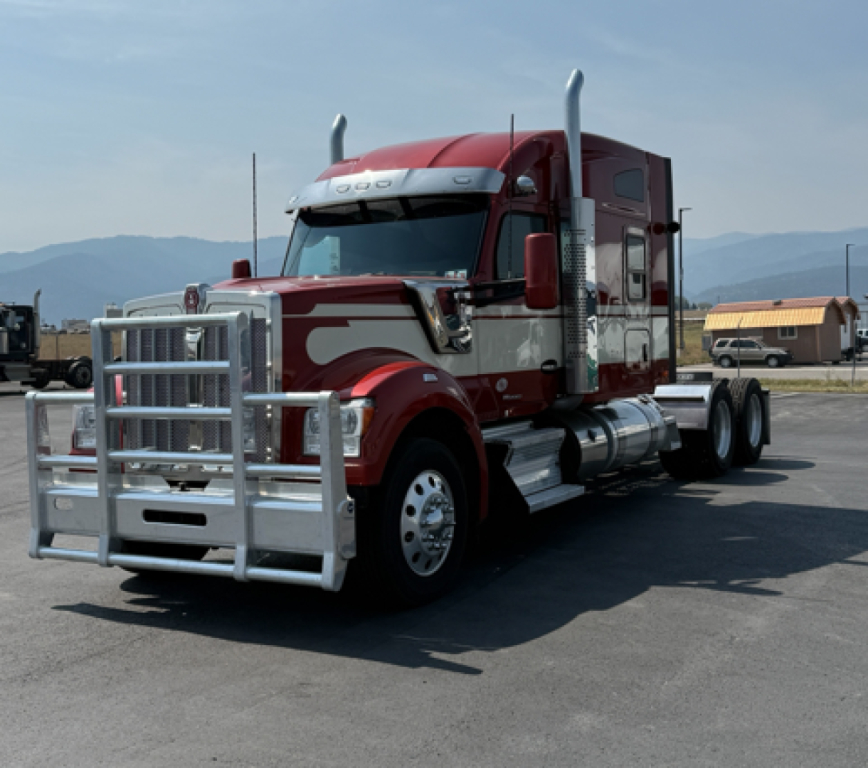
Common 2021 conventional sleeper models include the Freightliner Cascadia, Peterbilt 579, Kenworth T680, Volvo VNL, International LT, and Mack Anthem, with some classic-style long-hood models also appearing in certain operations. Each platform has a different feel in terms of cab layout, dealer network, powertrain choices, and repair familiarity. Buyers often compare them based on engine brand, sleeper design, visibility, resale strength, and how easy the truck is to keep moving in their operating region.