
Used 2020 Trucks For Sale in Texas
Shop used 2020 trucks for sale in Texas, including day cabs, sleepers, straight trucks, and service trucks with diesel powertrain options.
Learn more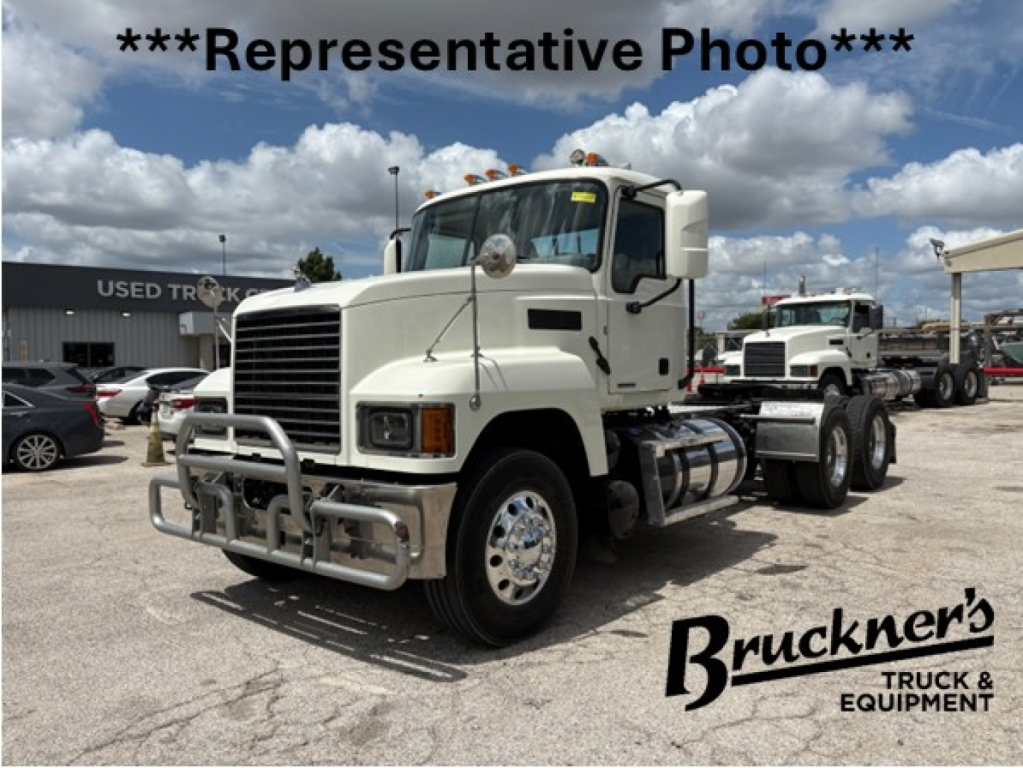
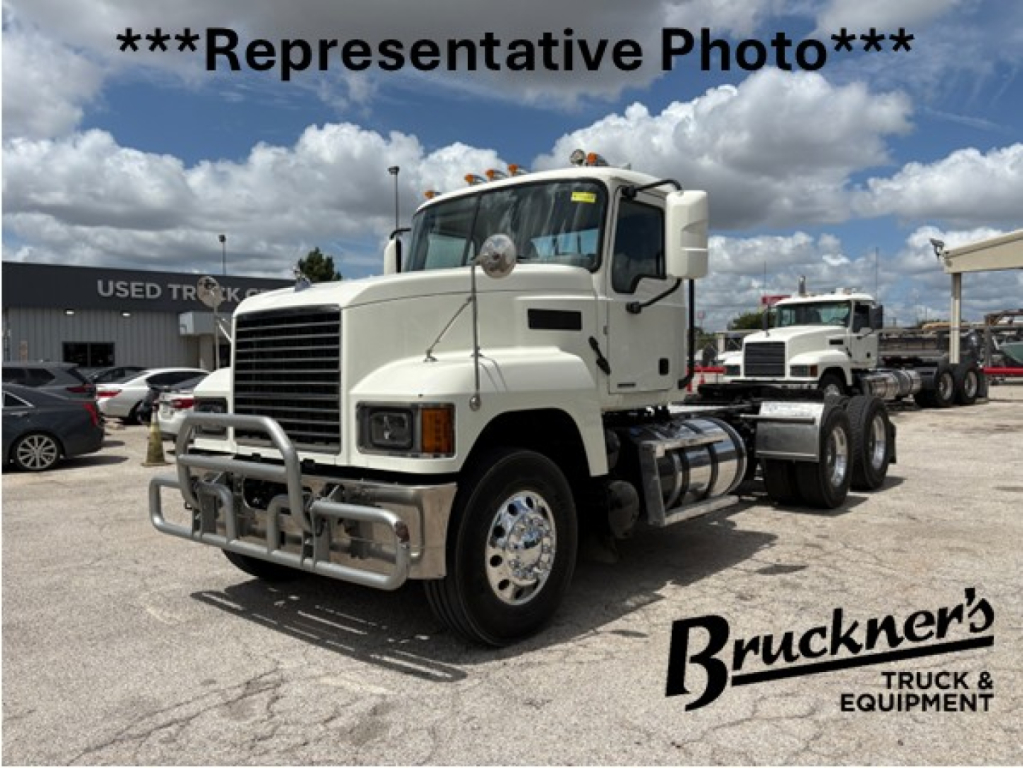
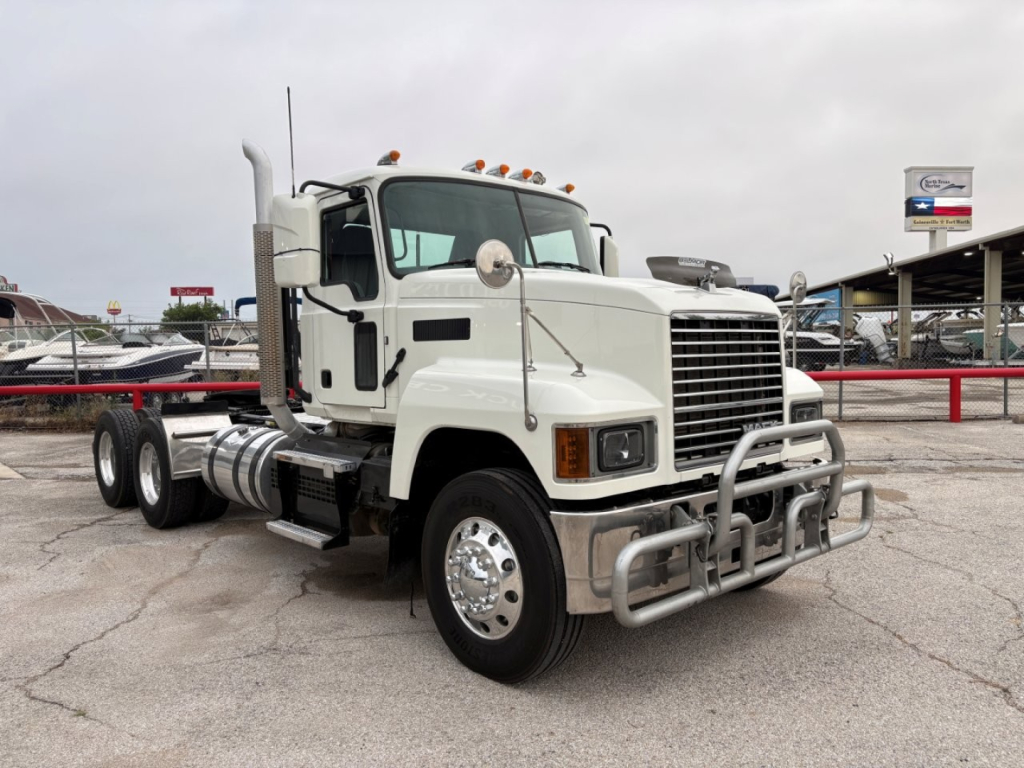

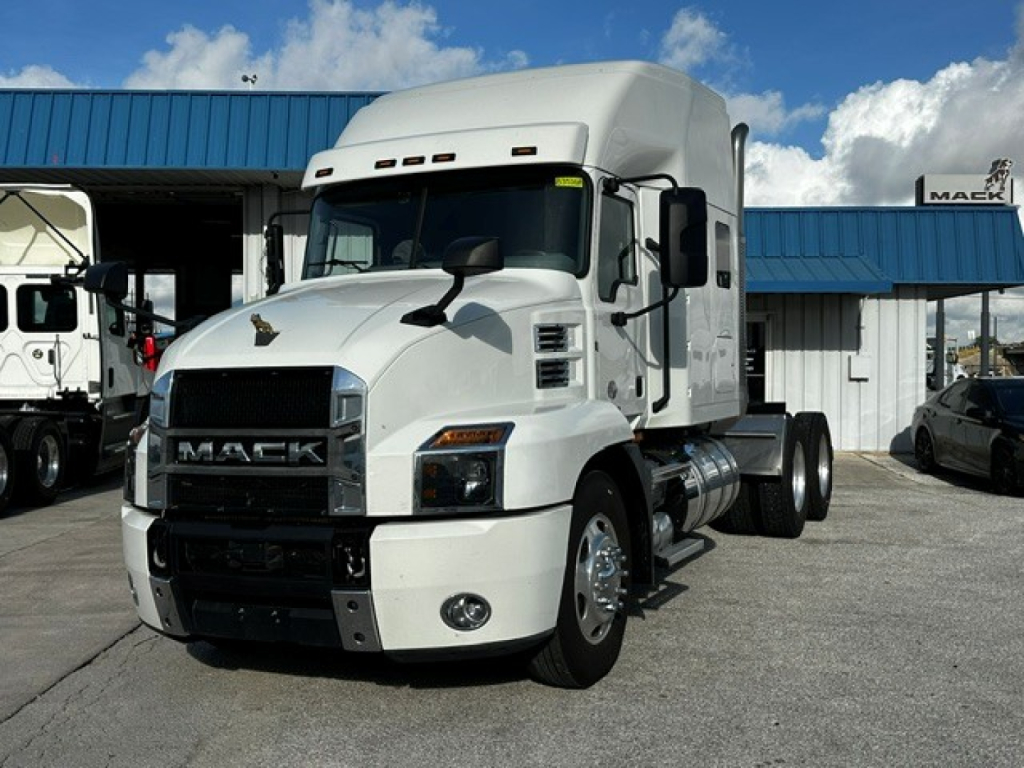
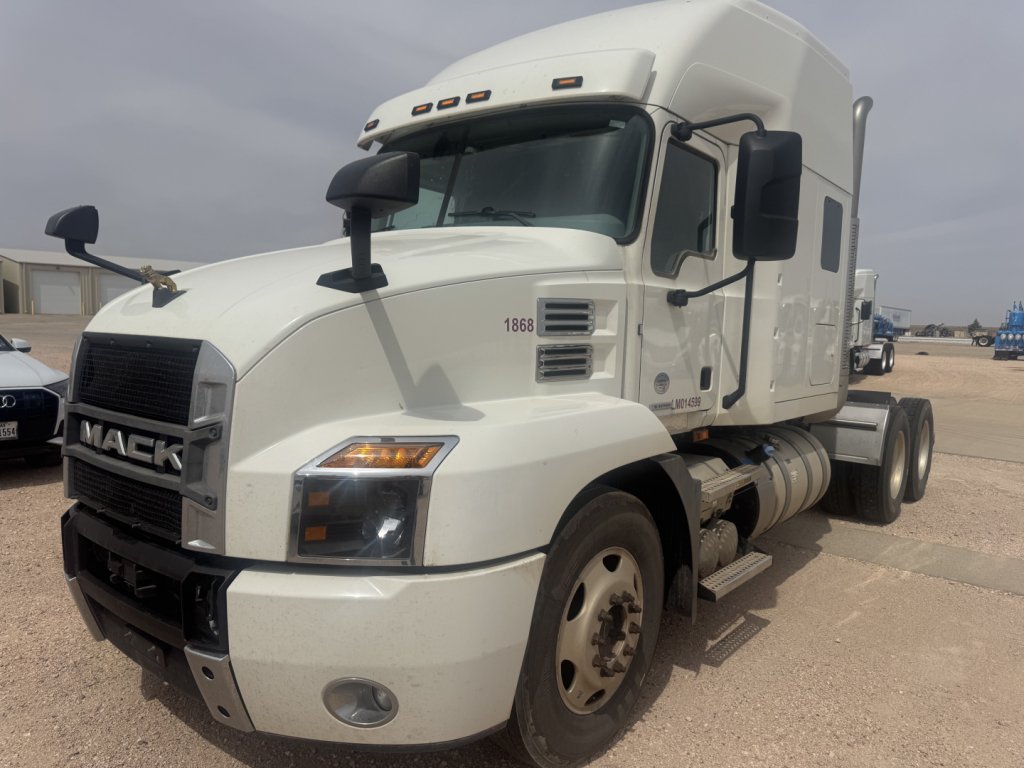
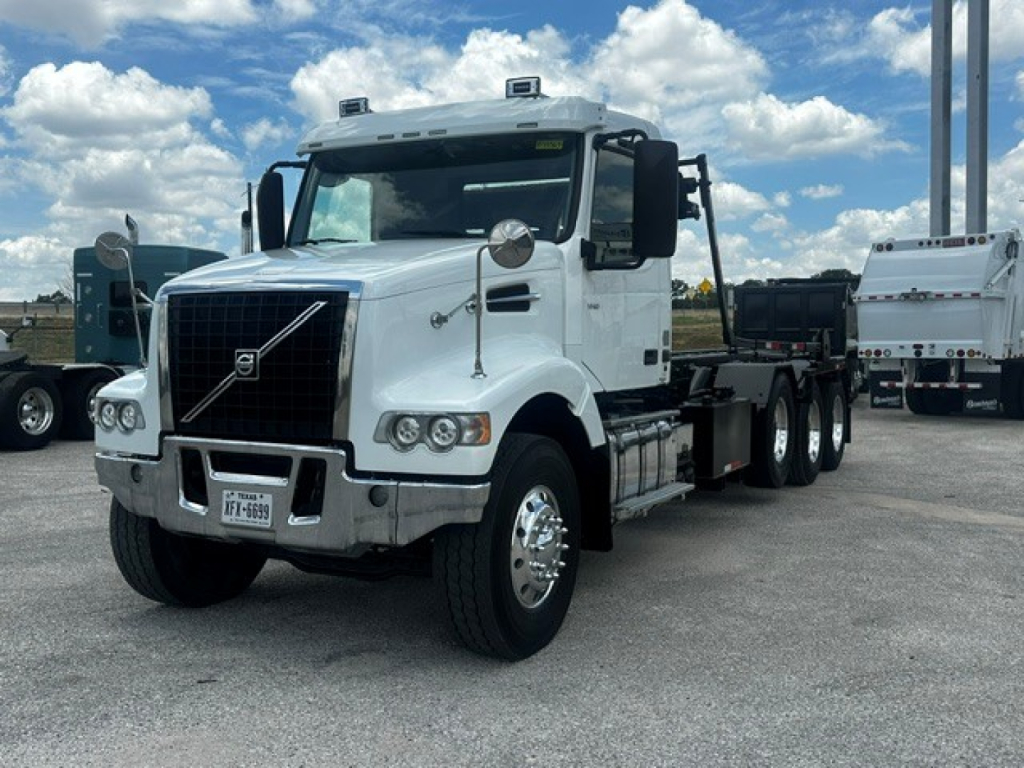
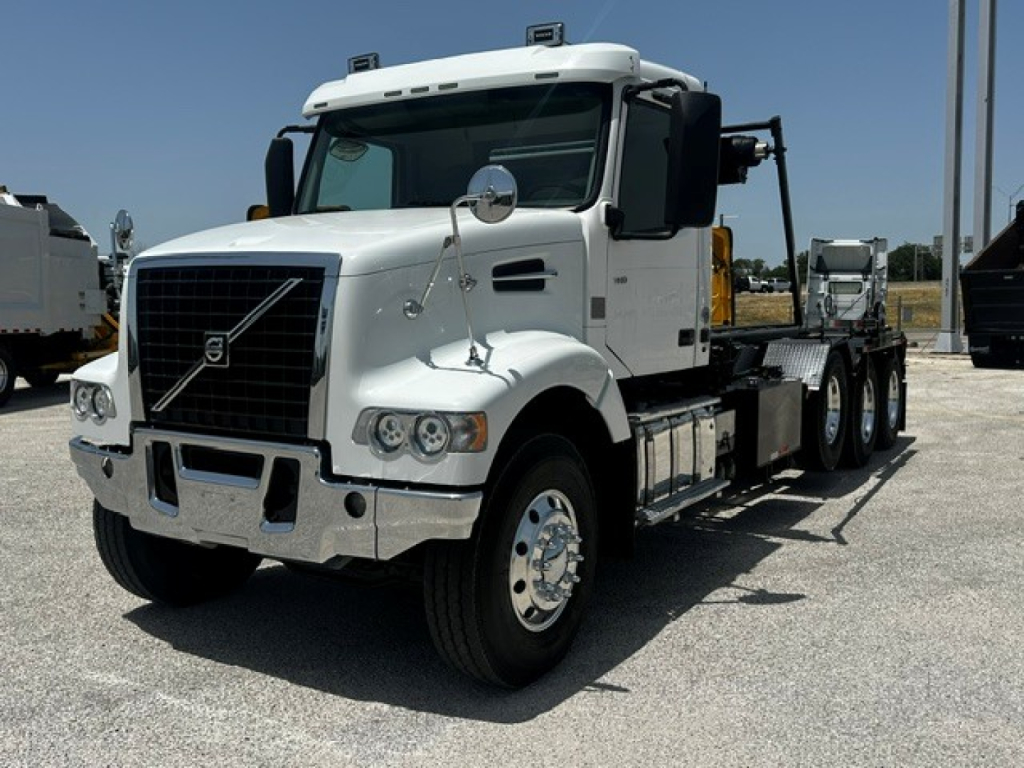
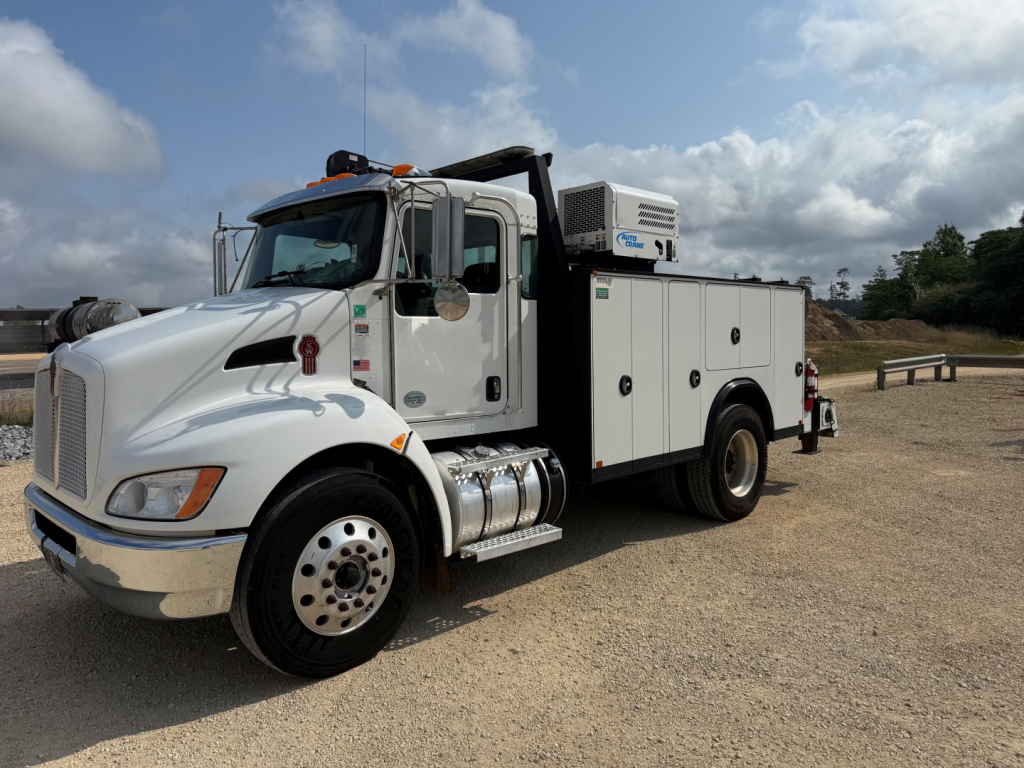
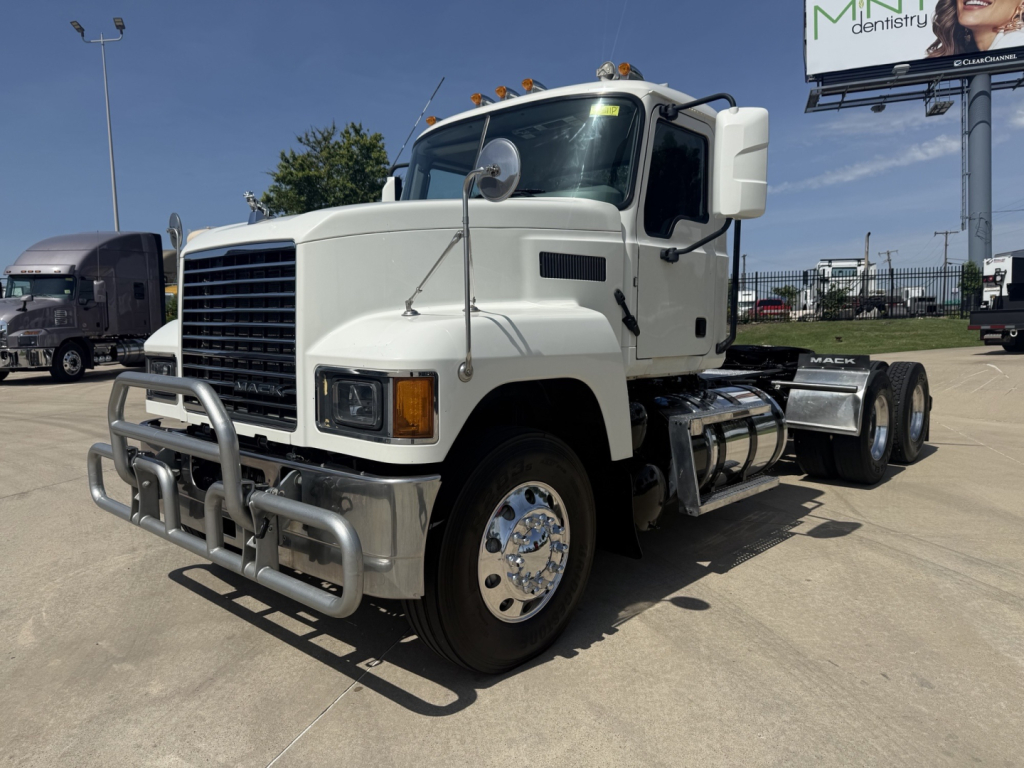
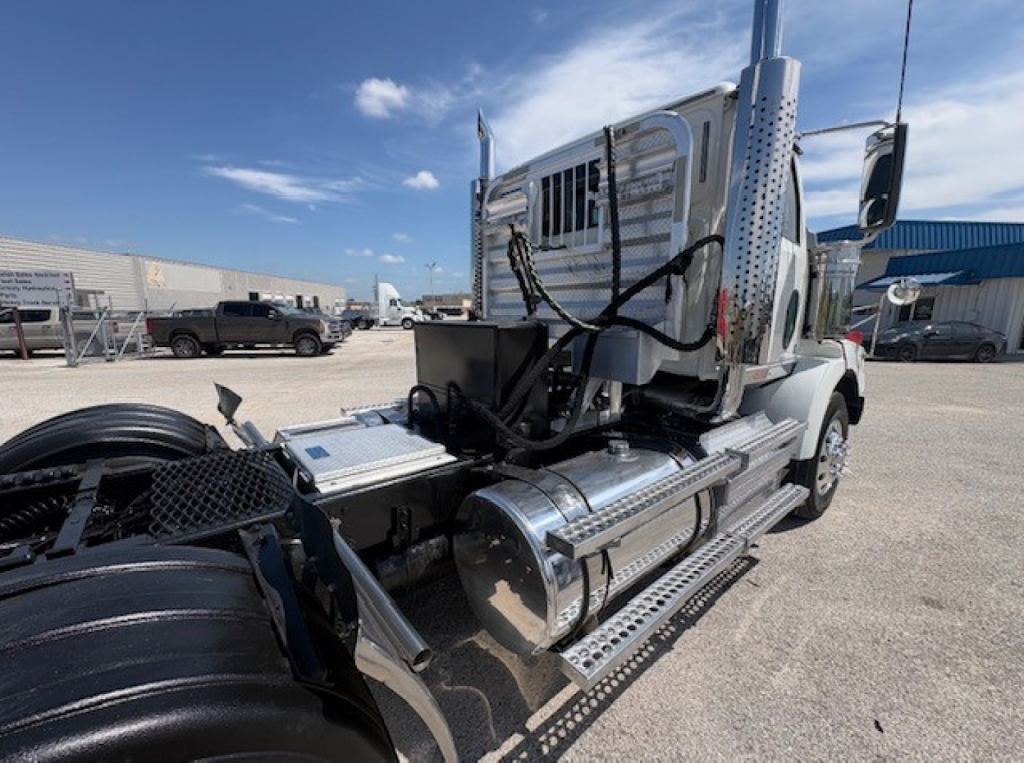
Showing 37 to 48 of 53 results
Have used 2020 truck to sell? List it here to reach thousands of buyers.
About Used 2020 Trucks in Texas
In Texas, application matters as much as the badge on the hood. A 2020 sleeper tractor set up for I-35, I-10, and long regional freight will often be spec'd with a fuel-efficient rear ratio, aerodynamic package, and a 12-speed automated transmission. A 2020 day cab for port, local, or dedicated route work may favor a shorter wheelbase, easier in-and-out cab access, and gearing suited to stop-and-go duty. Medium-duty and straight truck buyers should focus on GVWR class, front axle capacity, body length, liftgate or service body configuration, and whether the truck stays under CDL thresholds. Texas fleets also tend to pay close attention to cooling performance, idle management, air conditioning operation, and overall driveline condition because heat and long highway miles expose weak maintenance histories quickly.
Specs worth comparing closely include horsepower, torque, rear axle ratio, suspension type, brake configuration, and emissions system service records. On highway tractors, common decision points include sleeper size, fifth wheel type, fuel capacity, and driver-assist features such as collision mitigation, lane departure warning, and adaptive cruise. On vocational and medium-duty trucks, buyers should verify PTO compatibility, body upfit integration, frame condition, and any signs of hard jobsite use. Tire wear patterns, DPF and SCR maintenance, aftertreatment fault history, and transmission calibration matter on any used 2020 truck because these items directly affect uptime and operating cost.
A strong 2020 truck should match the lane, payload, and duty cycle it is expected to handle. For Texas buyers, that often means thinking beyond purchase price and looking at engine platform support, dealer network access, emissions compliance, axle ratings, and how the truck is spec'd for regional freight, oilfield support, construction, delivery, or municipal work. The right unit is less about model year alone and more about how well the original spec aligns with the job today.
Frequently Asked Questions
What types of used 2020 trucks are common in Texas?
Used 2020 trucks in Texas commonly include sleeper tractors, day cab tractors, medium-duty box trucks, flatbed and stake-bed chassis, dump trucks, and service or utility trucks. Texas demand is broad because the state supports long-haul freight, regional distribution, construction, energy, agriculture, and municipal work. That means buyers will see everything from aerodynamic highway tractors with automated manual transmissions to under-CDL straight trucks and vocational chassis with PTO-driven equipment.
What should I check first on a used 2020 truck?
Start with the truck's intended application, then verify the core mechanical and operational items that support that job. Engine hours, mileage, maintenance records, fault code history, emissions system service, transmission performance, axle ratings, and suspension condition should all be reviewed early. On body-equipped trucks, inspect the upfit, PTO operation, hydraulic components, frame rails, and any signs of overload or poor installation. A truck can be clean cosmetically and still be mismatched for payload, route, or body requirements.
Are 2020 trucks a good balance between cost and modern specs?
For many buyers, yes. A 2020 truck is often new enough to include updated aerodynamics, automated transmissions, safety technology, and more refined powertrains, but old enough to be priced below the newest model years. That can make 2020 units attractive for fleets trying to control capital cost without stepping too far back in driver comfort or fuel efficiency. The real value depends on maintenance history, emissions system health, and whether the original specification fits the current operation.
Which specs matter most on a used 2020 highway tractor?
The most important specs are engine rating, torque curve, transmission type, rear axle ratio, wheelbase, suspension, and axle capacity. Those choices determine fuel economy, grade performance, maneuverability, and trailer compatibility. Buyers should also compare sleeper size, fuel tank capacity, fifth wheel setup, and driver-assist systems. For Texas operations with long lanes and high ambient temperatures, cooling system condition and A/C performance deserve close attention.
How important is emissions system history on a used 2020 truck?
It is very important. A 2020 truck relies on modern aftertreatment components such as the DPF, SCR system, DEF dosing equipment, sensors, and related software calibrations. If these systems have a history of repeated faults, derates, or neglected cleaning intervals, downtime can erase any purchase-price savings. Service records showing proper regeneration management, DPF cleaning, sensor replacement, and dealer-level diagnostics are a strong advantage when evaluating a used diesel truck.