
Used 2020 Freightliner Trucks For Sale in Texas
Shop used 2020 Freightliner trucks in Texas. Compare Cascadia specs, Detroit engines, sleeper options, wheelbases, and fleet-ready features.
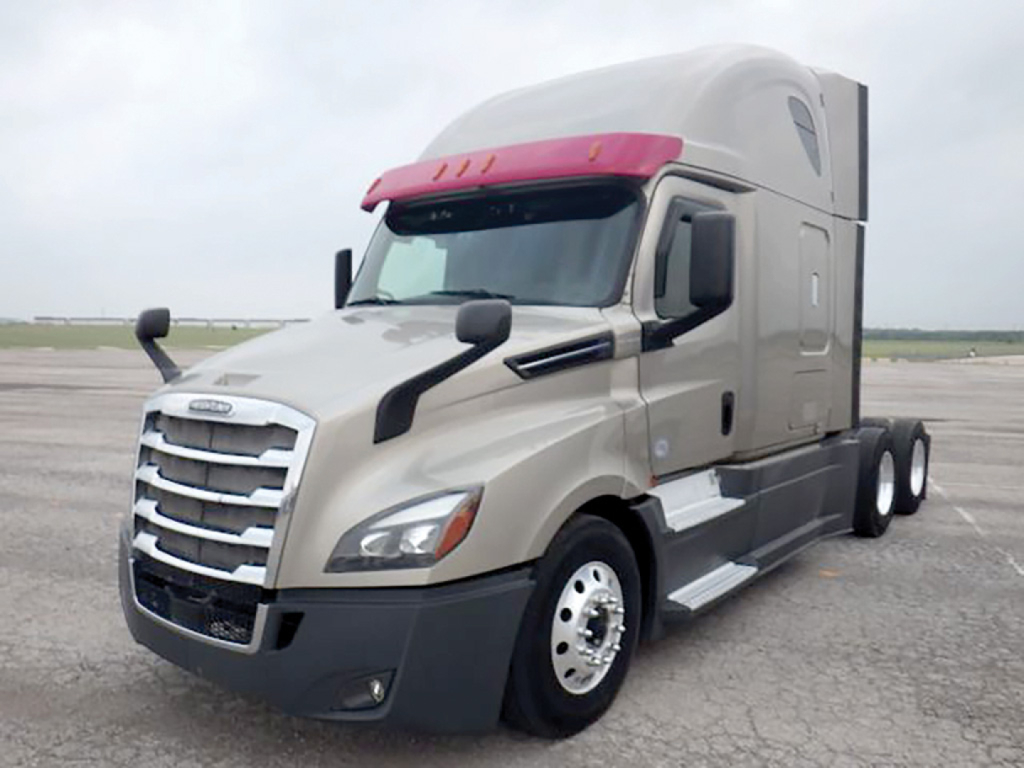
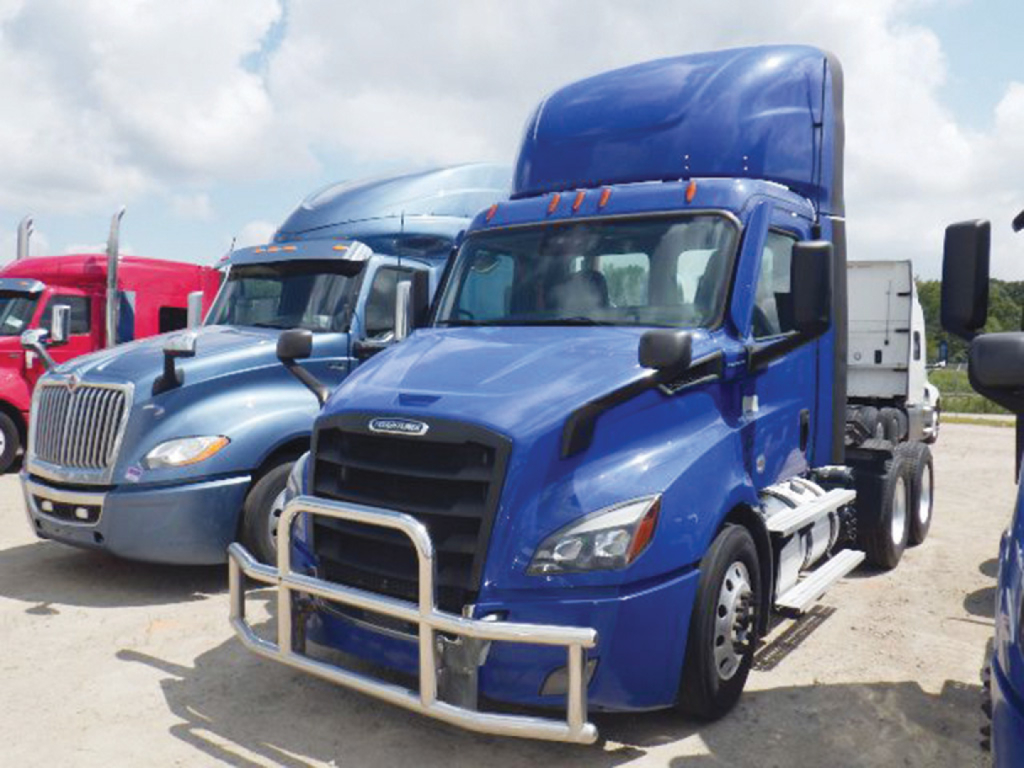
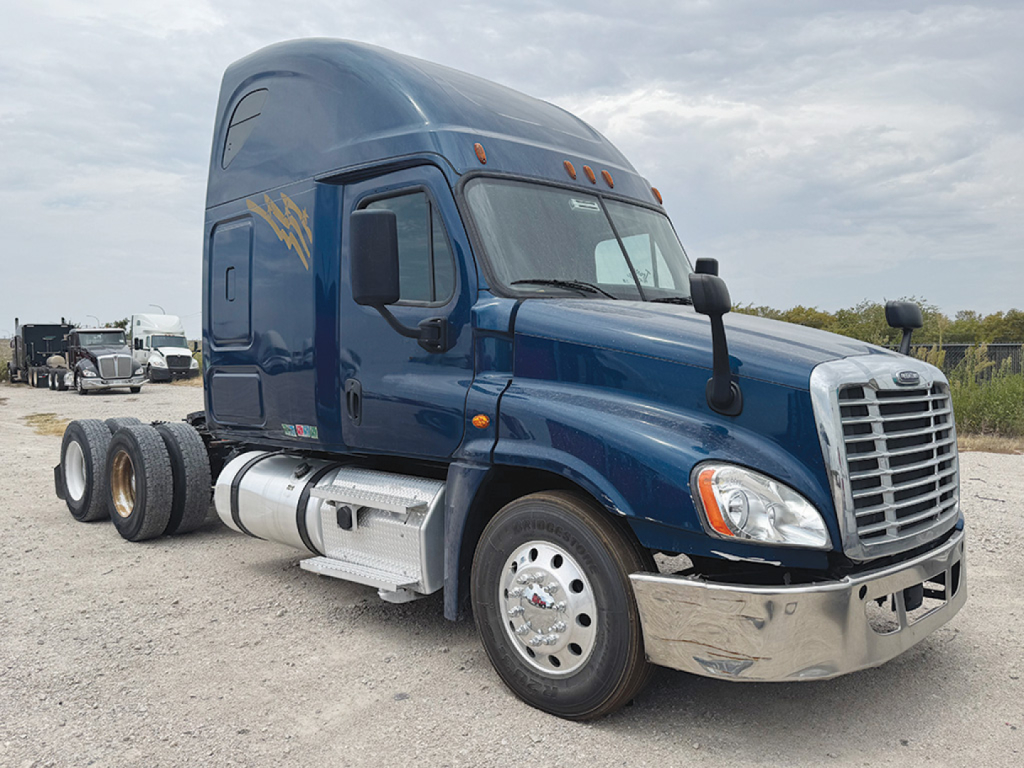
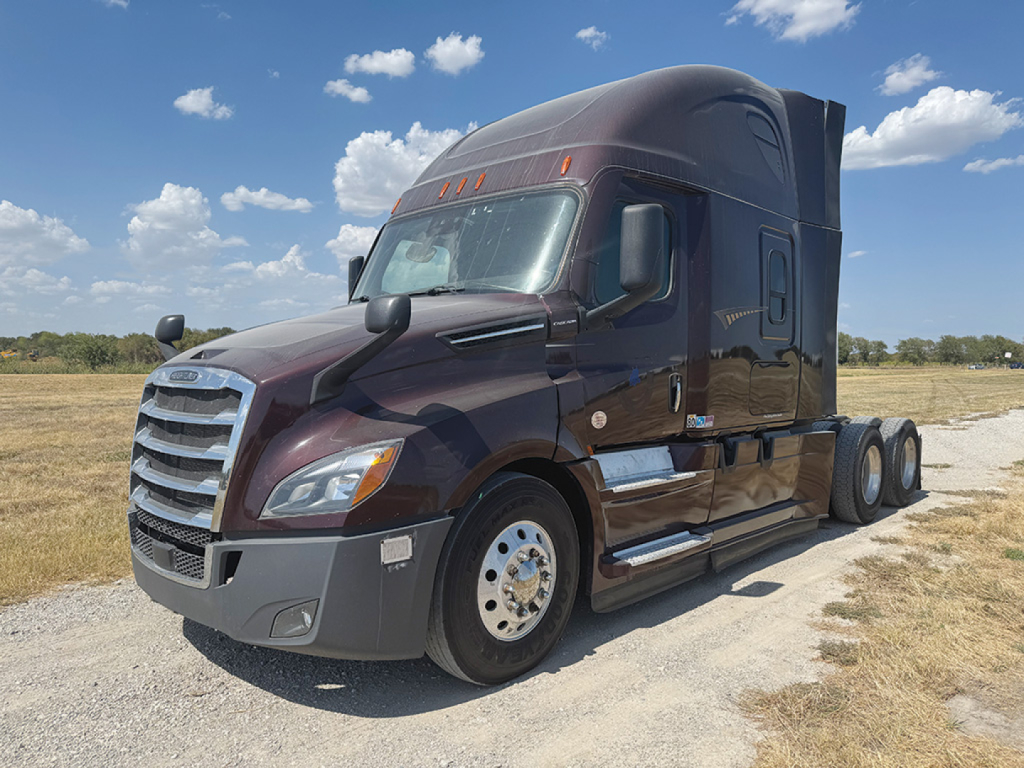
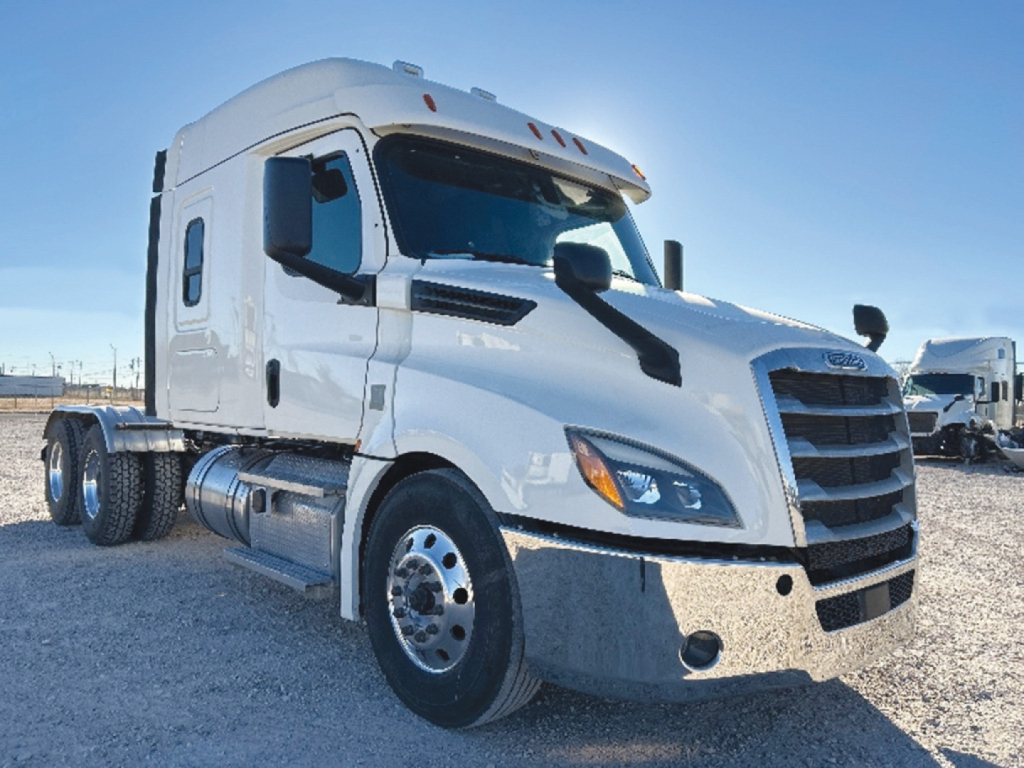
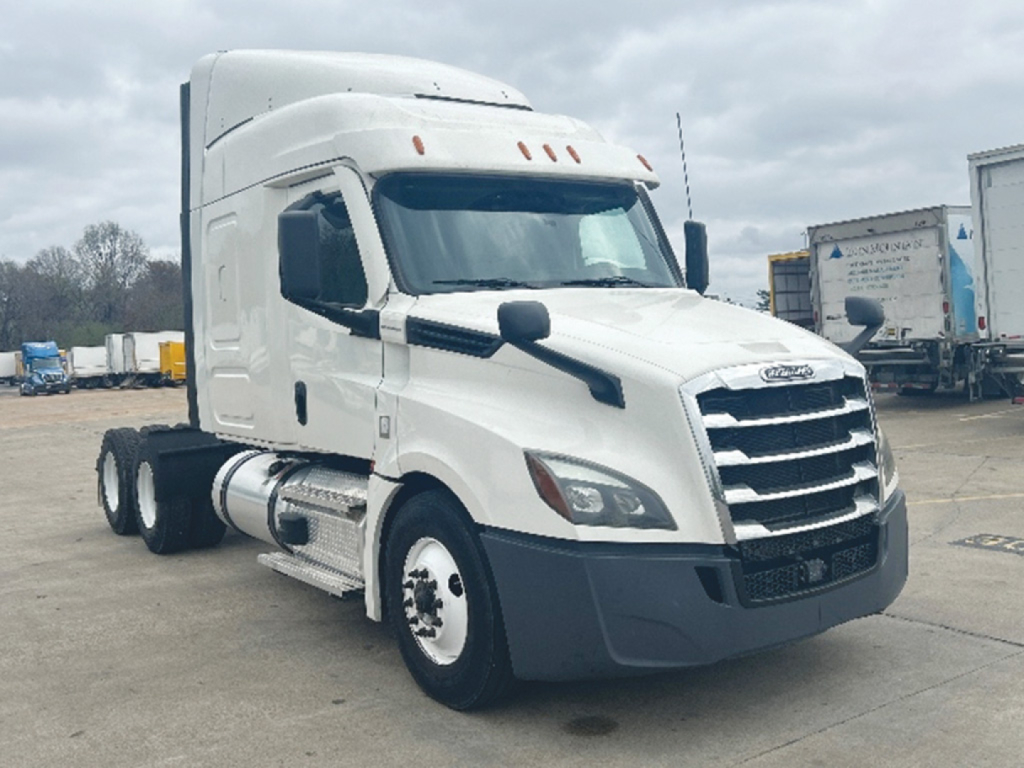
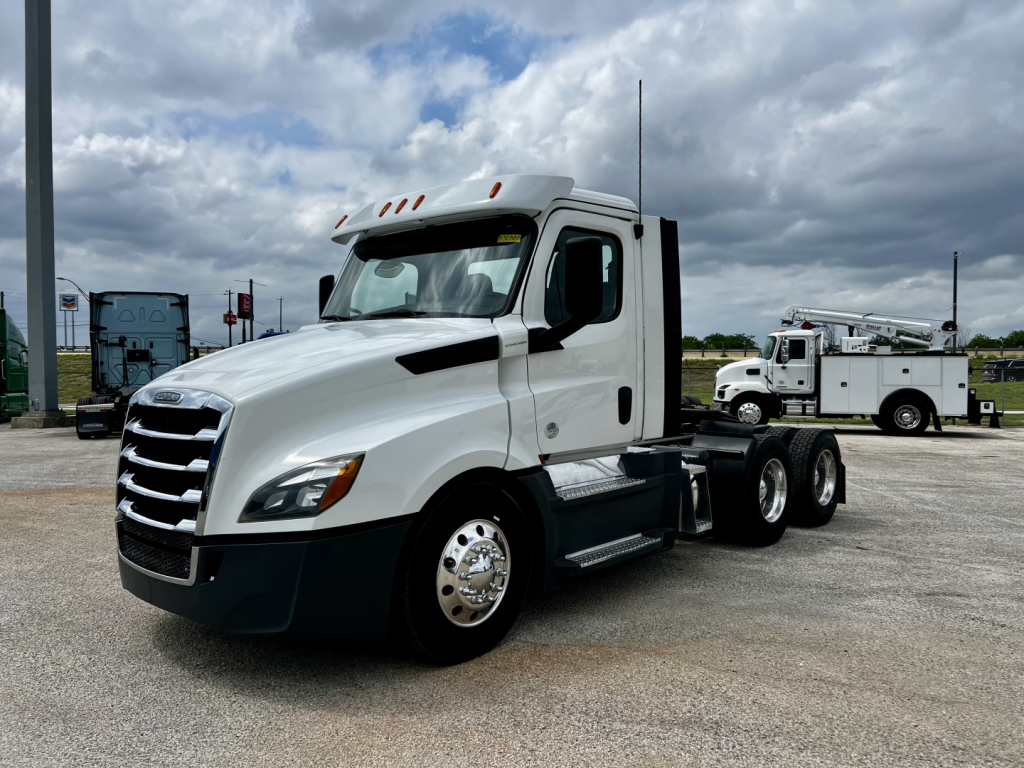

Have used 2020 freightliner truck to sell? List it here to reach thousands of buyers.
Used 2020 Freightliner Trucks in Texas
A typical 2020 Freightliner Cascadia in the used market is equipped with a Detroit DD13 or DD15 engine paired to a DT12 automated manual transmission. Ratings around 450 to 455 horsepower are common, with engine brakes, 40,000 lb rears, and air ride suspension showing up frequently in fleet specs. Wheelbases in the upper-220-inch range are typical on sleeper tractors, especially with 72-inch mid-roof or raised-roof sleepers. Buyers comparing units should look closely at rear axle ratio, because that decision affects cruise RPM, fuel economy, startability, and intended duty cycle. A 2.41 ratio generally favors fuel-efficient linehaul operation, while a 3.23 ratio may be better suited to heavier pulls, mixed terrain, or more stop-and-go work.
Cab and chassis details make a real difference on a used 2020 Freightliner truck. Collision mitigation systems, air slide fifth wheels, disc brakes, aluminum wheels, dual fuel tanks, quarter fenders, and full aerodynamic fairings are all valuable features in this class. Inside the cab, practical items such as bunk layout, APU presence, steering wheel adjustment, storage, and climate control can affect driver retention and downtime just as much as drivetrain spec. On Texas routes, where trucks may run long interstate miles in sustained heat, buyers should pay attention to cooling system service history, tire condition, emissions system maintenance, and any signs of excessive idle time.
The best way to evaluate a used 2020 Freightliner truck is to match the spec to the freight. A DD15 sleeper with a DT12, tall gearing, and aero package fits long-haul van or reefer work well. A mid-roof sleeper may be a better fit for regional lanes where weight, maneuverability, and lower overall height matter. Check service records, fault code history, aftertreatment condition, brake and suspension wear, and kingpin-to-rear-axle setup if trailer compatibility is important. Freightliner remains one of the easiest truck brands to support across Texas, which is a major advantage for buyers trying to control operating cost and uptime.
Frequently Asked Questions about Used 2020 Freightliner Trucks in Texas
What is the most common used 2020 Freightliner truck configuration in Texas?
The most common used 2020 Freightliner truck in Texas is the Cascadia highway tractor, usually in a conventional sleeper configuration. Many are spec'd with 72-inch mid-roof or raised-roof sleepers, Detroit DD13 or DD15 engines, and DT12 automated transmissions. This setup is popular because it works well for long-haul freight, regional lanes, and fleet service where fuel economy, driver comfort, and service support all matter.
Is a Detroit DD13 or DD15 better in a 2020 Freightliner?
It depends on the application. The DD13 is often a good fit for lighter regional work, lower tare weight goals, and fuel-conscious operations. The DD15 is more common in over-the-road and heavier-duty linehaul service because it offers stronger torque and broader suitability for varied freight and terrain. On a used truck, condition, maintenance history, and software or emissions updates are often more important than choosing one engine family over the other.
What should I inspect first on a used 2020 Freightliner Cascadia?
Start with maintenance records, engine hours, fault code history, and aftertreatment condition. Then inspect the transmission operation, suspension wear, brake life, tire wear patterns, and any signs of deferred cooling system or emissions maintenance. On sleeper units, confirm bunk condition, HVAC performance, APU operation if equipped, and fifth wheel function. A clean spec sheet matters, but documented service history usually tells you more about future uptime.
Are 2020 Freightliner trucks good for long-haul work in Texas?
Yes. The 2020 Freightliner Cascadia is well suited to long-haul work in Texas because it typically combines aerodynamic bodywork, efficient Detroit powertrains, and widely available dealer and parts support. Many trucks from this model year also include collision mitigation, automated transmissions, and sleeper layouts that fit extended interstate use. The key is choosing the right axle ratio, sleeper configuration, and maintenance profile for the lanes you plan to run.
Why does rear axle ratio matter on a used 2020 Freightliner truck?
Rear axle ratio directly affects how the truck performs at highway speed and under load. A taller ratio such as 2.41 usually reduces engine RPM and supports fuel economy on linehaul runs. A deeper ratio such as 3.23 can improve launch performance and pulling power in heavier or more variable duty cycles. Buyers should match the ratio to trailer weight, terrain, cruising speed, and transmission spec instead of treating all Cascadias as interchangeable.