
Kenworth Tow Trucks For Sale in New Jersey
Shop Kenworth tow trucks for sale, including rollback and wrecker configurations with strong chassis options, diesel power, and operator-friendly cabs.
No exact matches found for your search
Showing Tow Trucks in New Jersey instead.
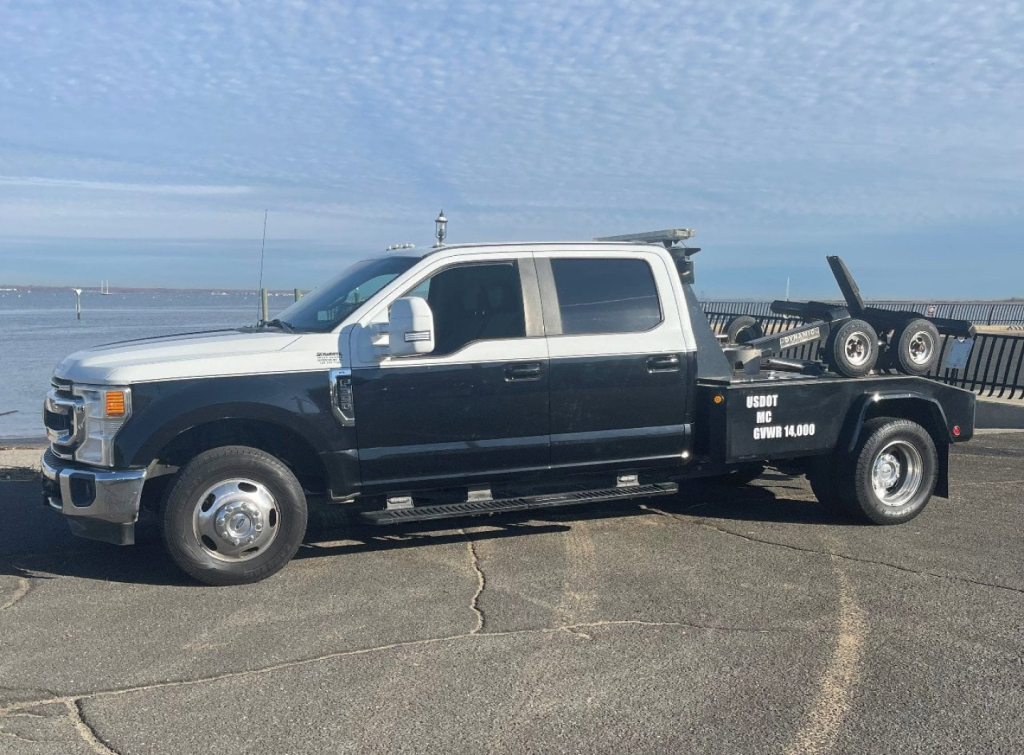
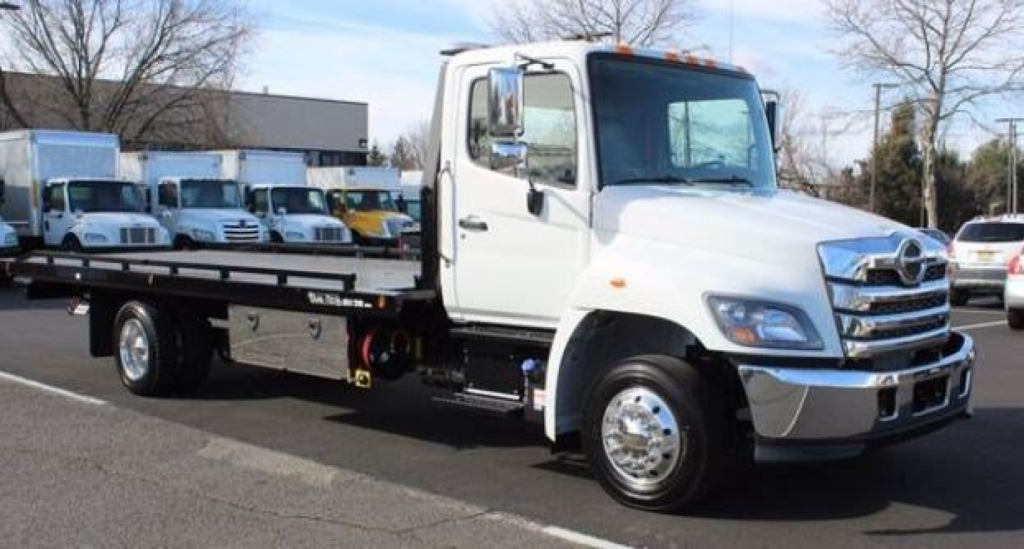
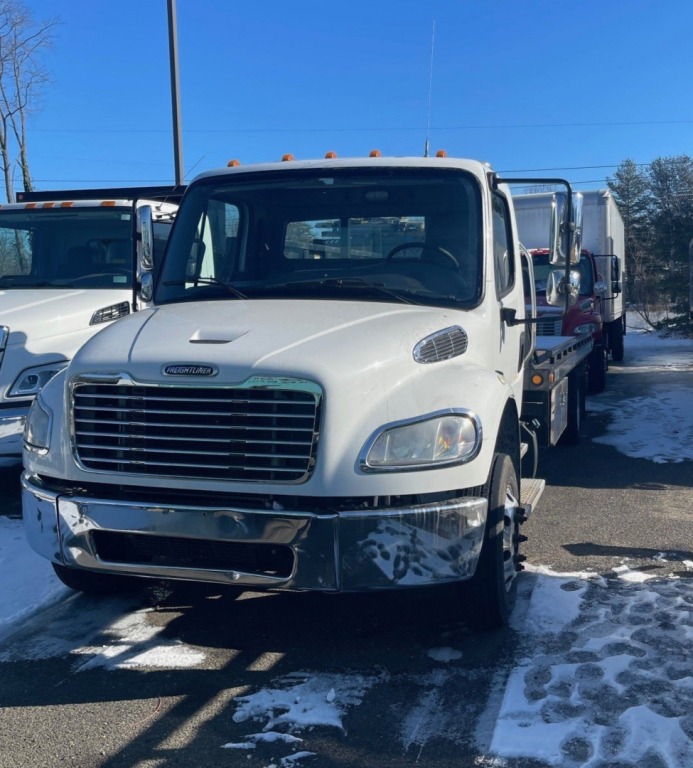
Selling a kenworth tow truck? List your kenworth tow truck for sale and reach thousands of commercial buyers.
Kenworth Tow Trucks in New Jersey
For New Jersey towing work, maneuverability, visibility, and axle ratings matter as much as advertised towing capacity. A rollback built on a Kenworth chassis is often spec'd with a diesel engine in the 6.7L class, an automatic transmission, and wheelbases tailored to a 21-foot or 22-foot carrier body. Buyers should look closely at bed length and width, wheel-lift rating, winch capacity, front GAWR, rear GAWR, and the actual curb weight of the finished truck. On a light-duty carrier, payload margin disappears quickly once you add toolboxes, dollies, fuel, extra lighting, and recovery gear.
Cab and chassis details can have a direct effect on uptime and driver acceptance. Kenworth medium-duty trucks are known for a clean dash layout, good outward visibility, and a tighter turning radius than many larger recovery units. That matters on apartment complexes, urban streets, impound lots, and highway shoulders. If the truck is being used for repossession, dealer transport, accident recovery, or municipal towing, buyers should also evaluate PTO setup, bed control placement, tie-down storage, suspension type, frame reinforcement, and lighting package. A rollback with a 4,000-lb class wheel lift can handle a wide range of passenger vehicles and light trucks, but the real-world match depends on wheelbase, body geometry, and local operating demands.
The best Kenworth tow truck spec is the one that matches the job mix. A straight carrier may be ideal for general vehicle transport and low-clearance cars, while a carrier with wheel lift adds flexibility for tighter scenes and dual-vehicle movement in the right application. If uptime and service access are priorities, pay attention to engine rating, transmission calibration, brake setup, and the reputation of the body manufacturer as much as the truck badge. Tow trucks work hard in short cycles, idle often, and carry concentrated loads, so the right combination of chassis strength, body equipment, and legal payload capacity is more important than headline horsepower alone.
Frequently Asked Questions about Kenworth Tow Trucks in New Jersey
What should I look for first when buying a Kenworth tow truck?
Start with the truck’s actual job type, then match the chassis and body to it. For most buyers, the key points are GVWR, rollback bed length, wheel-lift capacity, winch rating, axle ratings, and finished curb weight. A truck with a 26,000-lb GVWR can be attractive because it may fit non-CDL operations in many situations, but the useful payload depends on the completed body, fuel, tools, and recovery equipment. The right purchase decision usually comes down to legal capacity, maneuverability, and how the truck will perform in daily urban or highway recovery work.
Are Kenworth rollback tow trucks good for light-duty towing?
Yes. Kenworth medium-duty chassis are a strong fit for light-duty towing when equipped with a properly matched carrier body. They are commonly used for passenger vehicles, crossovers, pickups, and dealer transport. A 21-foot or 22-foot rollback with a wheel lift is a popular setup because it gives operators flexibility for standard recoveries, impounds, disabled vehicle transport, and limited tandem moves where legal and properly rated. The best results come from matching the body maker’s ratings to the chassis axle capacities and wheelbase.
Why does GVWR matter so much on a tow truck?
GVWR affects licensing, payload, body selection, and legal operation. On a tow truck, the chassis, carrier bed, wheel lift, winches, dollies, fuel, and tools all count against the gross vehicle weight rating. That means a truck can look capable on paper but have limited remaining capacity once fully equipped. Buyers should compare GVWR against the actual empty weight of the completed truck, then leave room for the vehicles and equipment they expect to carry. This is one of the most important numbers to verify before buying any rollback or wrecker.
What is the advantage of a rollback with a wheel lift?
A rollback with a wheel lift combines the bed-loading advantages of a carrier with the added versatility of lifting a second axle set or handling certain tight recovery situations. It can improve efficiency for repossessions, dealer moves, and urban towing where space is limited. It also gives the operator more flexibility when loading disabled vehicles that may not roll freely. The wheel lift still has its own rating and operating limits, so buyers should confirm how it is integrated with the carrier body and what capacities apply in real service conditions.
Is a medium-duty Kenworth tow truck better than a heavier wrecker for most fleets?
For many light-duty towing businesses, yes. A medium-duty Kenworth carrier or light wrecker can be easier to maneuver, less expensive to operate, and better suited to daily passenger vehicle work than a heavy recovery truck. It is often the practical choice for city towing, police rotation, private property impounds, and transport work. A heavier wrecker becomes necessary when the job mix includes buses, large trucks, severe recoveries, or higher wheel-lift and boom demands. The better option depends on the weight and type of vehicles your operation handles most often.