
Sweeper Trucks For Sale in New York

Have sweeper truck to sell? List it here to reach thousands of buyers.
Sweeper Trucks in New York
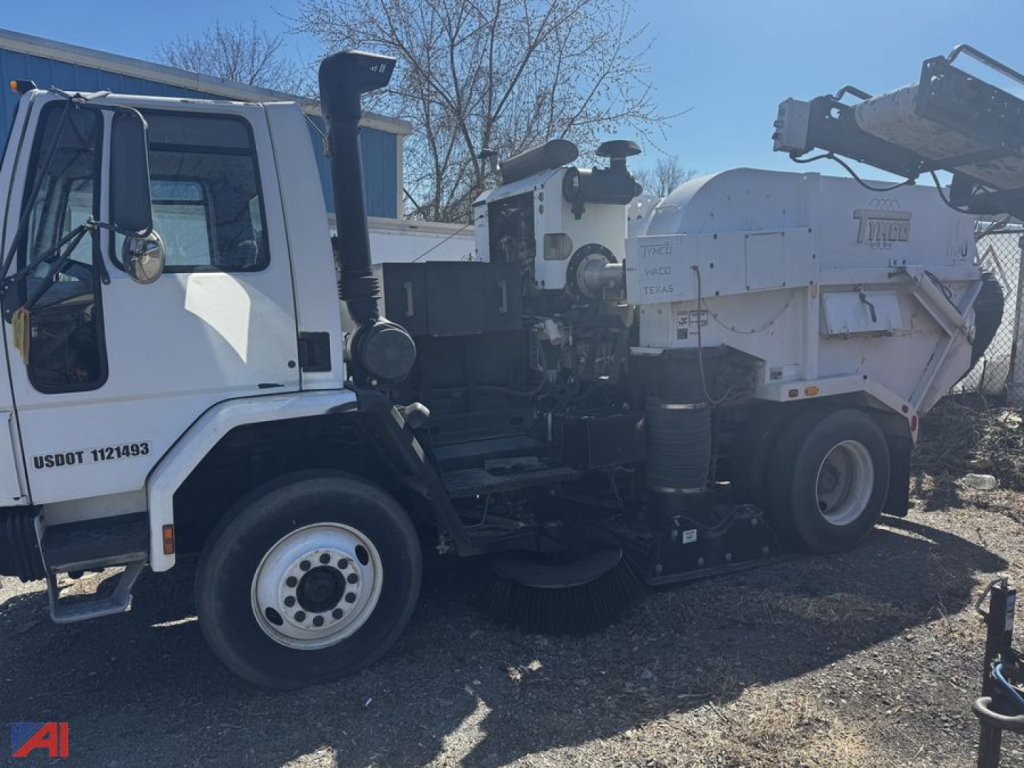
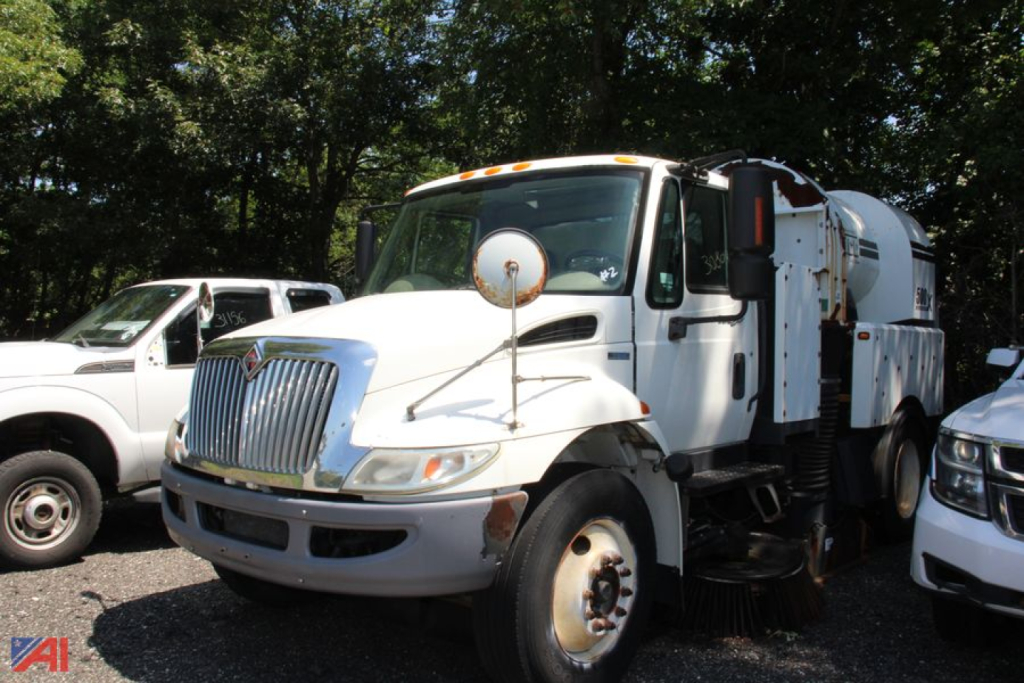
A mechanical sweeper is typically the go-to choice for heavier material like gravel, chips, and road millings. These units use side brooms and a main broom to move debris onto a conveyor or elevator and into the hopper. Regenerative air and vacuum-style sweepers are better suited for finer material and tighter environmental standards because they offer stronger dust pickup and cleaner gutter line results. Key specs to compare across listings include hopper volume, water tank capacity, broom width, auxiliary engine or single-engine design, suction and blast performance, and dump height. On used units, broom wear, pickup head condition, conveyor chain condition, hydraulic leaks, and water spray function deserve close attention.
In New York, seasonal use matters. Municipal and contractor fleets often need a sweeper truck that can handle spring cleanup sand, fall leaves, and dense urban curb debris after snow operations. Corrosion is a real buying factor in this market, so inspect the hopper, subframe, cab mounts, hydraulic lines, and water system for rust or freeze-related damage. Buyers should also verify emissions compliance, axle ratings, overall GVWR, turning radius, and parts support for both the chassis and the sweeper body. A well-matched sweeper truck should be judged as two machines in one: the truck itself and the sweeping system mounted to it.
Cab layout, visibility, and service access also affect long-term value. A sweeper that is easy to inspect, grease, broom-adjust, and clean out will reduce downtime over the season. Look for clear sightlines to the pickup head and gutter broom, straightforward hopper dumping controls, and accessible hydraulic and water components. For buyers comparing multiple listings, the most important question is not just age or mileage. It is how the sweeper was maintained, what debris stream it was built to handle, and whether its sweeping system matches the route conditions and cleanliness standards you need to meet.
Frequently Asked Questions about Sweeper Trucks in New York
What is the difference between a mechanical sweeper and a regenerative air sweeper?
A mechanical sweeper uses side brooms and a main broom to move debris into the hopper, making it well suited for heavier material like gravel, stone, and road millings. A regenerative air sweeper uses a closed-loop air system to loosen and recover finer particles, which generally improves dust control and cleanup quality on paved surfaces. Buyers usually choose mechanical units for heavier debris and more punishing road work, while regenerative air units are often preferred for municipal street maintenance and jobs where fine particulate pickup matters.
What should I inspect first on a used sweeper truck?
Start with the sweeping system before focusing only on chassis mileage. Check broom wear, pickup head condition, suction components, hopper integrity, conveyor or elevator operation, water spray nozzles, and hydraulic hoses and cylinders. Then inspect the truck side for engine condition, transmission operation, brake wear, tire condition, frame corrosion, and PTO performance. Service records are especially valuable because hour-based maintenance on the sweeper body can matter as much as miles on the chassis.
Are sweeper trucks good for winter and spring cleanup in New York?
Yes, but the best fit depends on the debris stream. In New York, sweepers are commonly used to recover sand, salt residue, litter, and winter road debris in the spring, along with leaves and curb line buildup through the rest of the year. Buyers should pay close attention to corrosion, water system freeze protection, and hopper condition because cold-weather operation can be hard on tanks, plumbing, and steel components. A unit with strong dust suppression and solid rust prevention is especially important in this market.
How important are hopper size and water tank capacity on a sweeper truck?
Both directly affect productivity. Hopper size determines how long the truck can stay on route before dumping, while water tank capacity affects dust suppression and sweeping effectiveness over a full shift. A larger hopper can reduce dump cycles on heavy cleanup routes, but it also needs to be balanced against chassis GVWR, axle ratings, and payload limits. Water capacity matters more on dusty pavement, milling cleanup, and dry summer work where consistent spray coverage is needed to keep fines under control.
Should I focus more on chassis mileage or sweeper hours?
Both matter, but sweeper hours often tell the more important part of the story. A sweeper truck can have modest road miles and still show significant wear in the hydraulic system, brooms, pickup head, and hopper from extensive route work. Chassis mileage helps evaluate engine, transmission, and driveline life, while sweeper hours help estimate wear on the cleaning system itself. The strongest used candidates usually show consistent maintenance on both sides of the machine.