
Stone Spreader Trucks For Sale in New York
Compare stone spreader trucks for sale in New York. Learn hopper types, chassis sizes, controls, payload, and winter road maintenance uses.
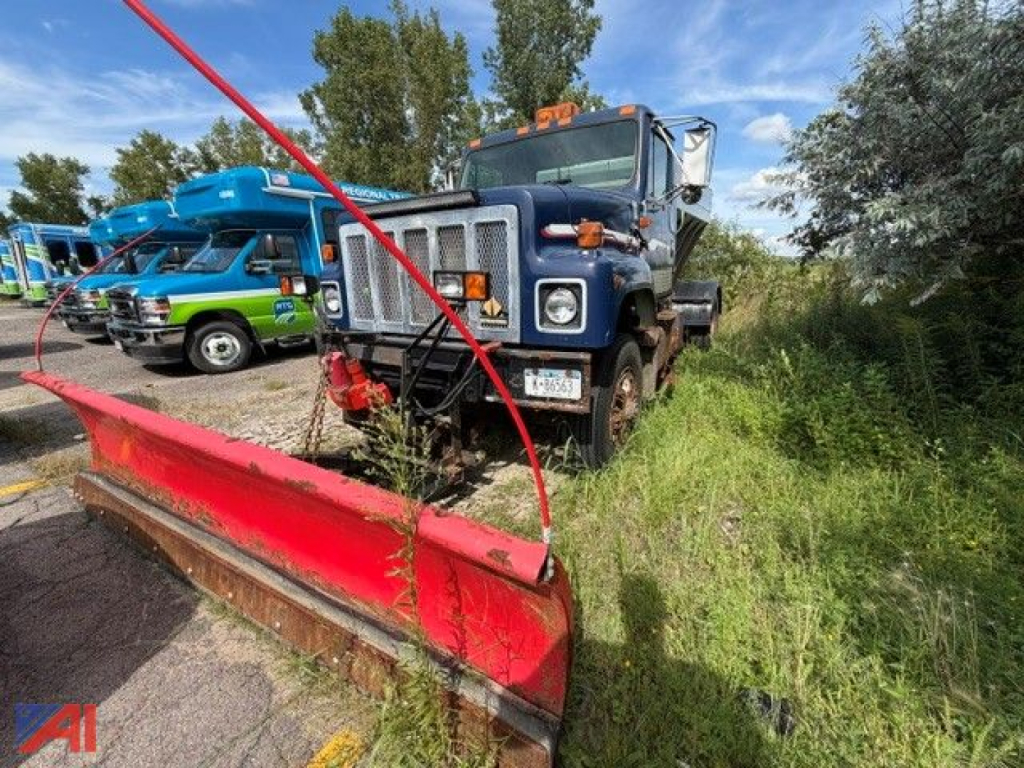
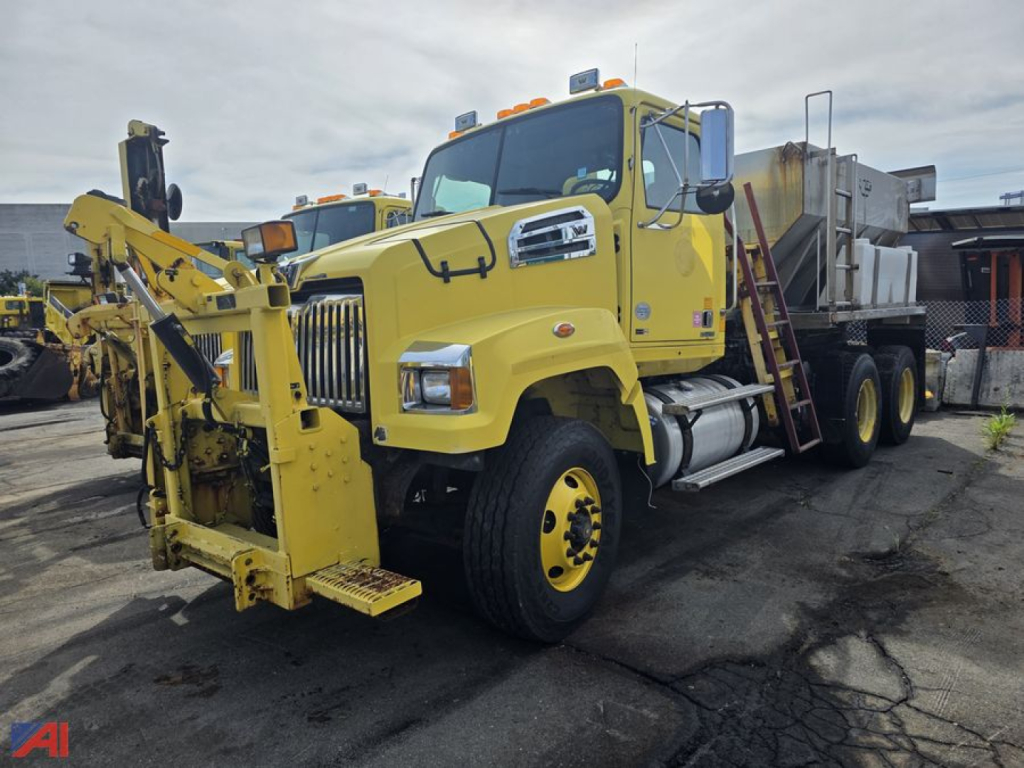
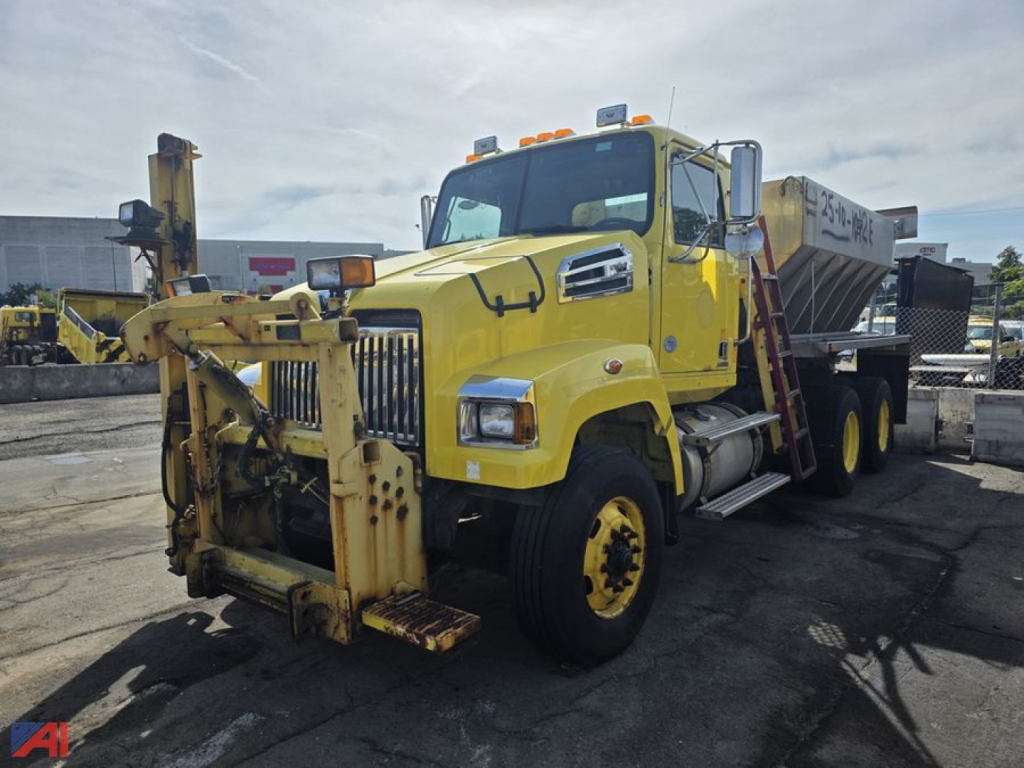
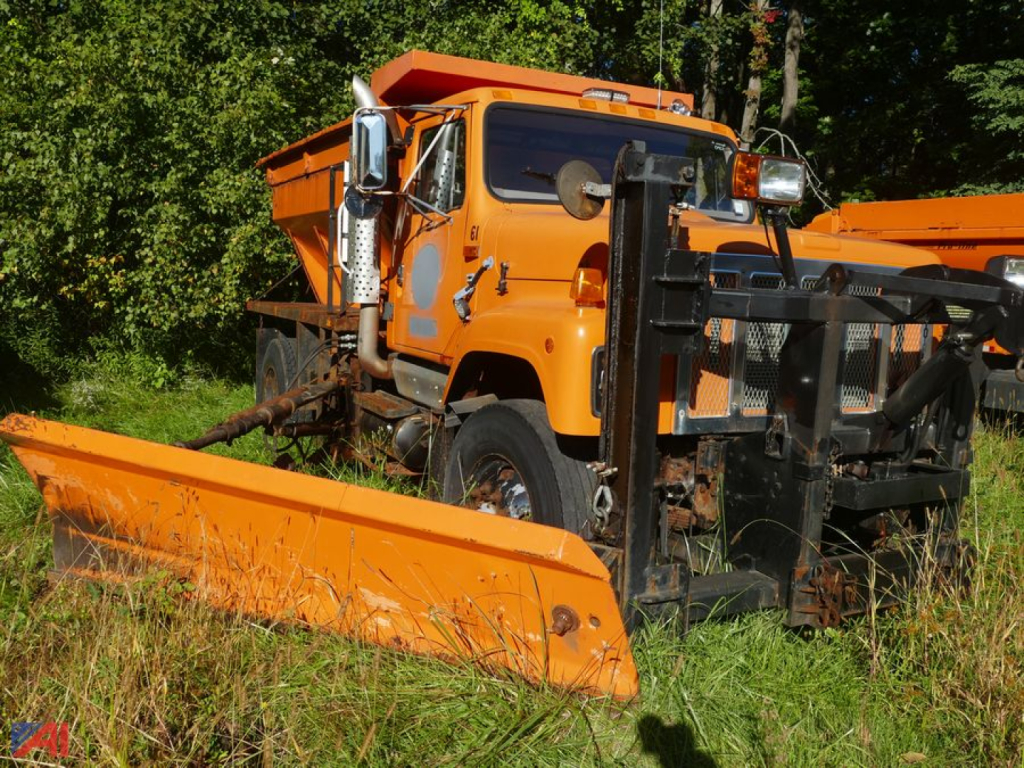
Looking for the easiest place to sell your stone spreader truck? List it here to reach thousands of buyers.
Stone Spreader Trucks in New York
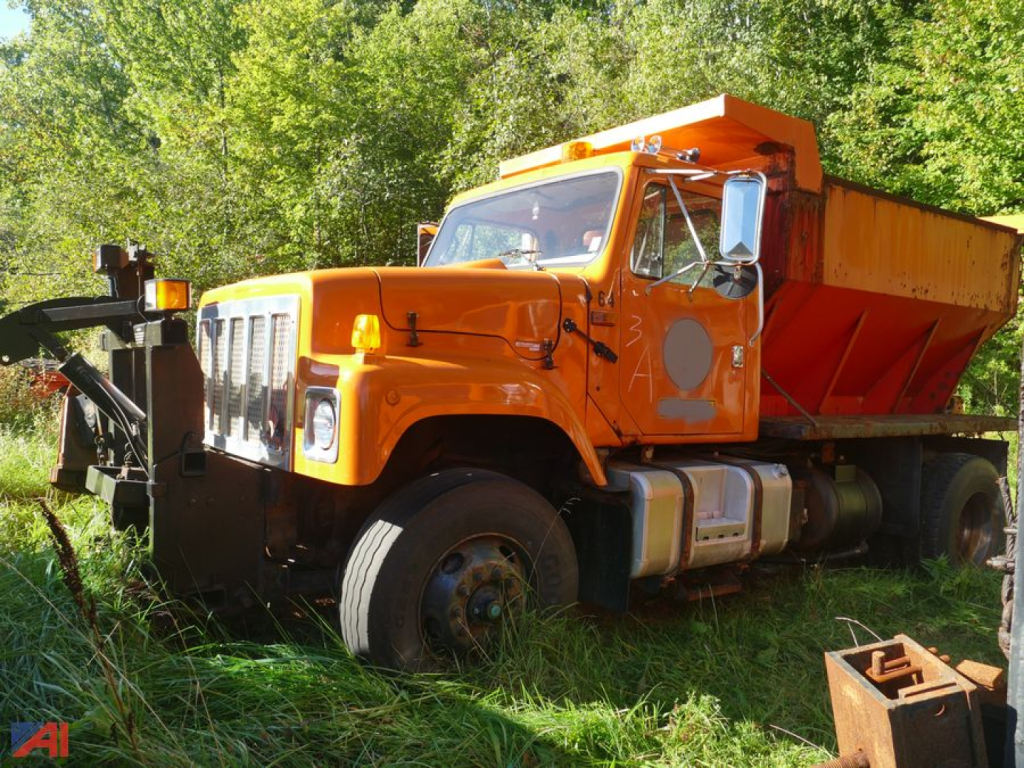
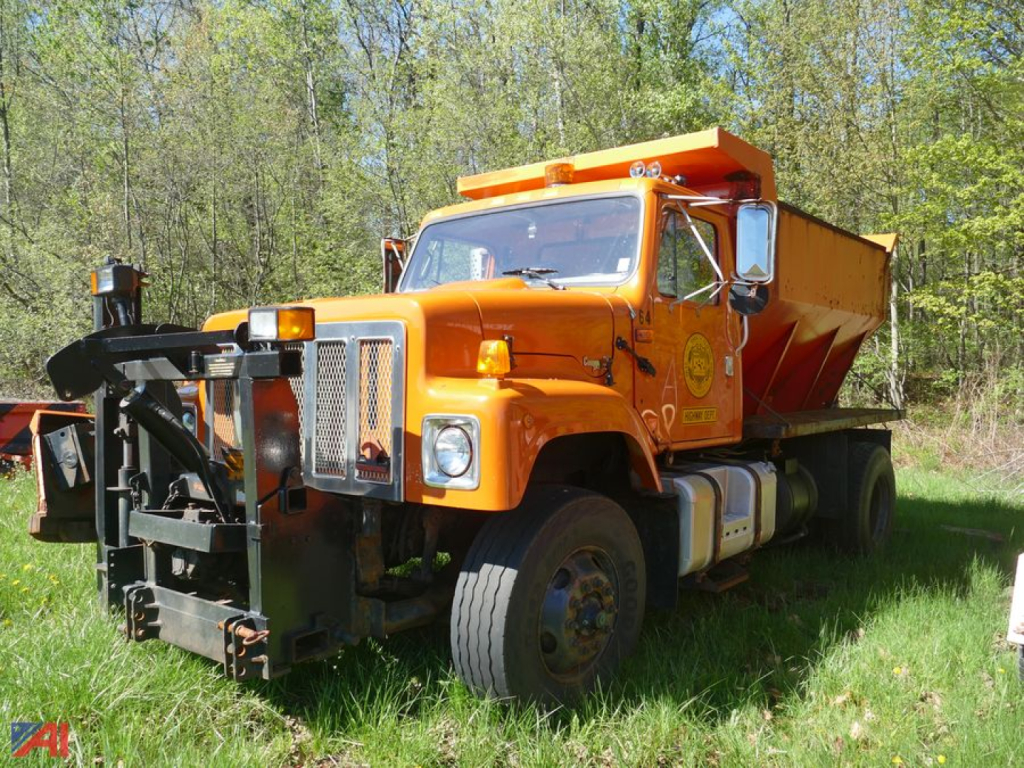
A stone spreader truck may be mounted on anything from a pickup chassis to a medium-duty or heavy-duty truck, depending on route size and payload targets. Smaller units are common for municipal lots, sidewalks, and light road service, while larger single-axle and tandem applications fit county highway departments and contractors covering longer runs. Key spec decisions include stainless versus painted steel hoppers, apron chain versus auger feed, hydraulic versus electric drive, and in-cab controller sophistication. Stainless construction usually matters in salt service because corrosion resistance directly affects body life, fasteners, wiring protection, and resale value. If the truck will spend winters handling deicing materials, inspect the underbody, crossmembers, hydraulic lines, and spreader frame as closely as the engine and transmission.
Material delivery matters as much as capacity. Some stone spreader trucks use rear spinner assemblies for broad spread patterns, while others use controlled chute systems for more exact shoulder placement or narrow application areas. Buyers comparing used units should look at gate adjustment, conveyor wear, chain tension, spinner motor condition, vibrator function, and how evenly the system feeds at low output settings. On municipal trucks, pre-wet systems, liquid tanks, and electronic rate controls can improve consistency and reduce waste. Ground speed integration, backup cameras, strobe packages, plow prep, and central hydraulic systems also add value when the truck is expected to work year-round instead of only in snow and ice season.
For New York operators, rust history, service records, and parts support are major buying factors. A lower-cost truck can become expensive quickly if the spreader body is thin, the controller is obsolete, or the hydraulic system has been exposed to years of salt without proper washdown and maintenance. Check axle ratings against legal payload, verify PTO and hydraulic output for the spreader setup, and confirm the truck matches the intended material and route length. A stone spreader truck that is correctly sized for hopper volume, material density, and road speed will spread more accurately, carry better through the season, and cost less to keep in service.
Frequently Asked Questions about Stone Spreader Trucks in New York
What is a stone spreader truck used for?
A stone spreader truck is used to apply aggregate or winter traction materials in a controlled pattern. Depending on the setup, it may spread crushed stone, screenings, sand, salt, or salt-sand mix for road maintenance, shoulder work, parking lots, municipal streets, and snow and ice control. The exact application depends on hopper size, feed system, and whether the truck uses a spinner, chute, or combination spread pattern.
What should I look for when buying a used stone spreader truck in New York?
Start with corrosion and spreader condition. In New York, salt exposure can damage hoppers, frames, chains, bearings, wiring, hydraulic plumbing, and mounting points long before the chassis reaches the end of its engine life. Inspect the hopper floor, sidewalls, conveyor or auger, spinner assembly, controls, PTO operation, and any liquid pre-wet components. It is also important to confirm axle ratings, brake condition, tire condition, and whether replacement parts for the spreader brand are still easy to source.
Which is better for a stone spreader truck: stainless steel or painted steel?
Stainless steel is usually the better choice for trucks that regularly handle bulk salt or salt-sand mix because it resists corrosion far better than painted steel. Painted steel bodies can still perform well, especially in lighter-duty or seasonal service, but they generally require more maintenance and more aggressive washdown practices. For fleets focused on long service life and lower structural deterioration, stainless bodies usually justify the higher initial cost.
How do I choose the right size stone spreader truck?
Choose the truck size by route length, material density, and where the truck will operate. A pickup-based spreader may be enough for lots, campuses, and shorter municipal routes, while single-axle and tandem chassis are better for county roads, contractor work, and higher-volume winter maintenance. The important step is matching hopper volume and payload to the truck's GVWR and axle ratings so the unit can legally carry material without overloading the rear axle.
Can a stone spreader truck be used year-round?
Yes, many stone spreader trucks are set up for year-round municipal or contractor use. In winter they may apply salt or sand, and in warmer months they can support shoulder stone placement, patching operations, or other surface maintenance tasks. Trucks with durable hydraulic systems, removable spreader bodies, and compatible dump or plow-prep configurations tend to offer the best flexibility across seasons.