
Stone Spreader Trucks For Sale
Compare stone spreader trucks by chassis, body capacity, conveyor type, and control systems for road work, shoulder repair, and aggregate placement.
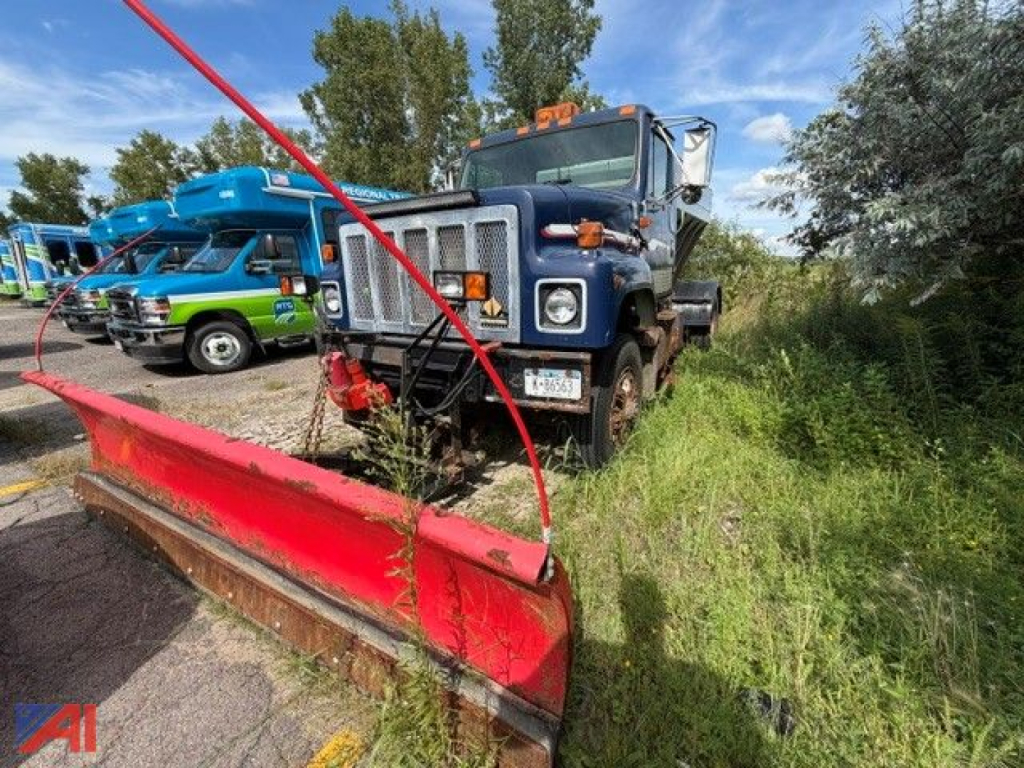
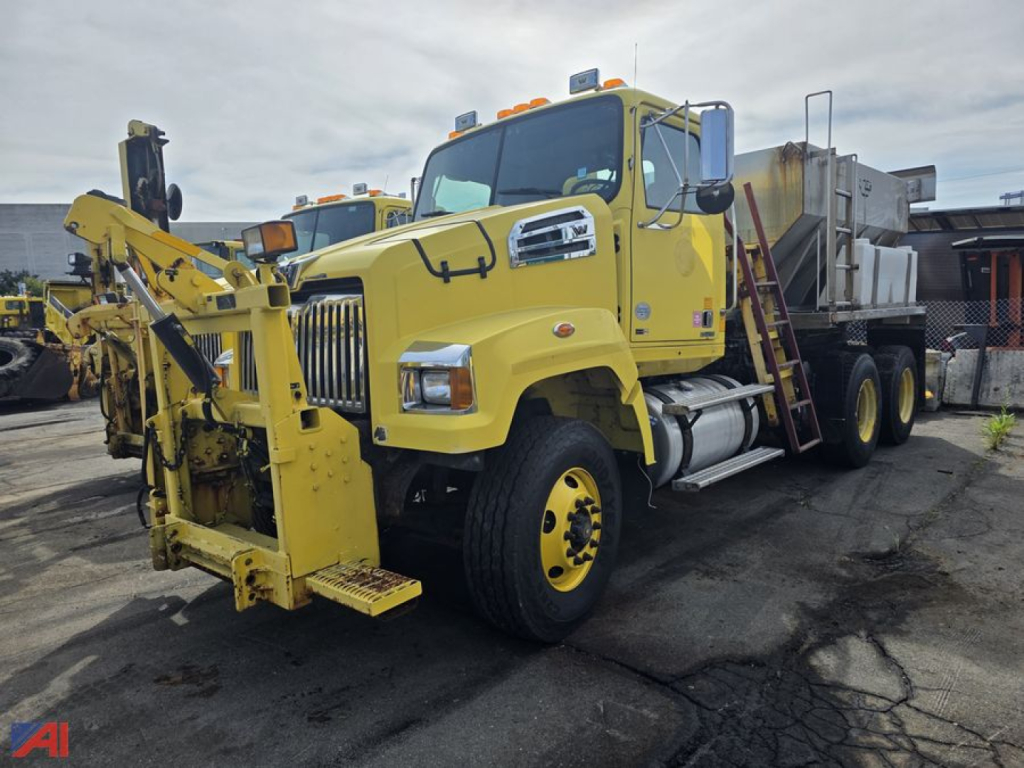
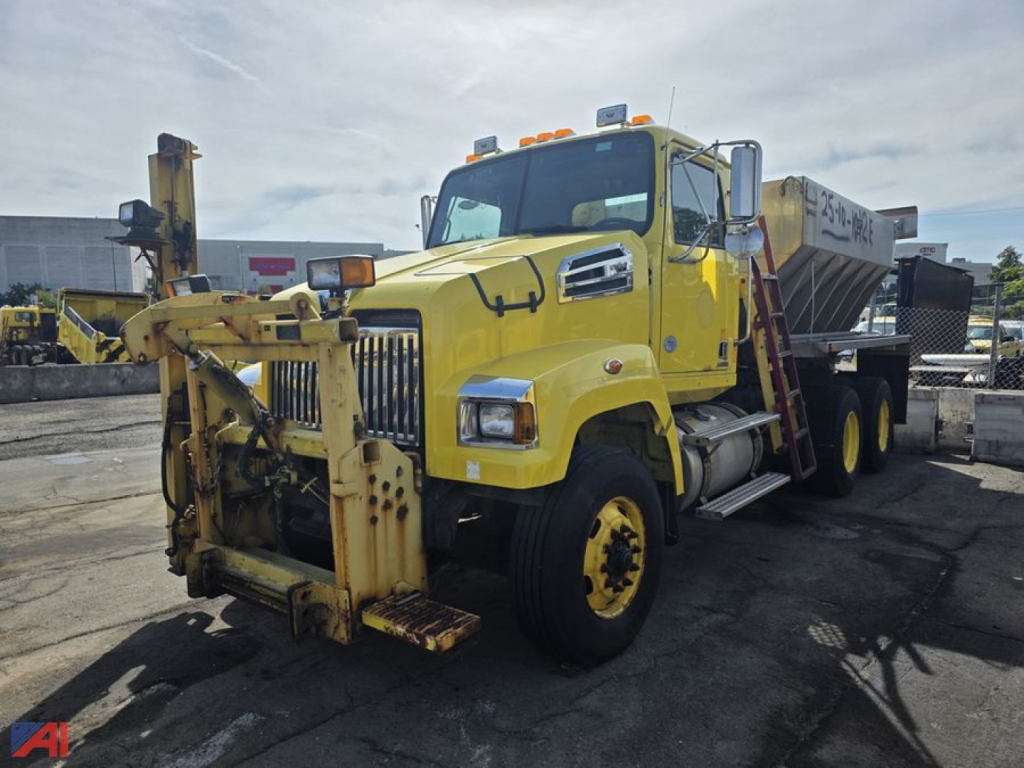
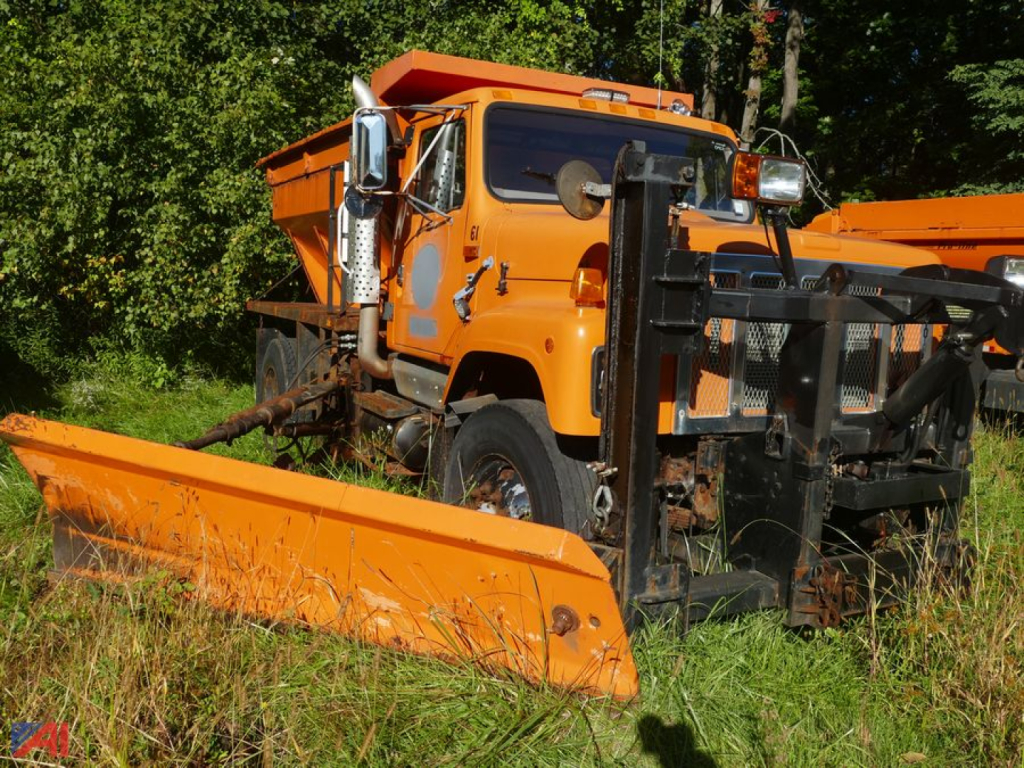
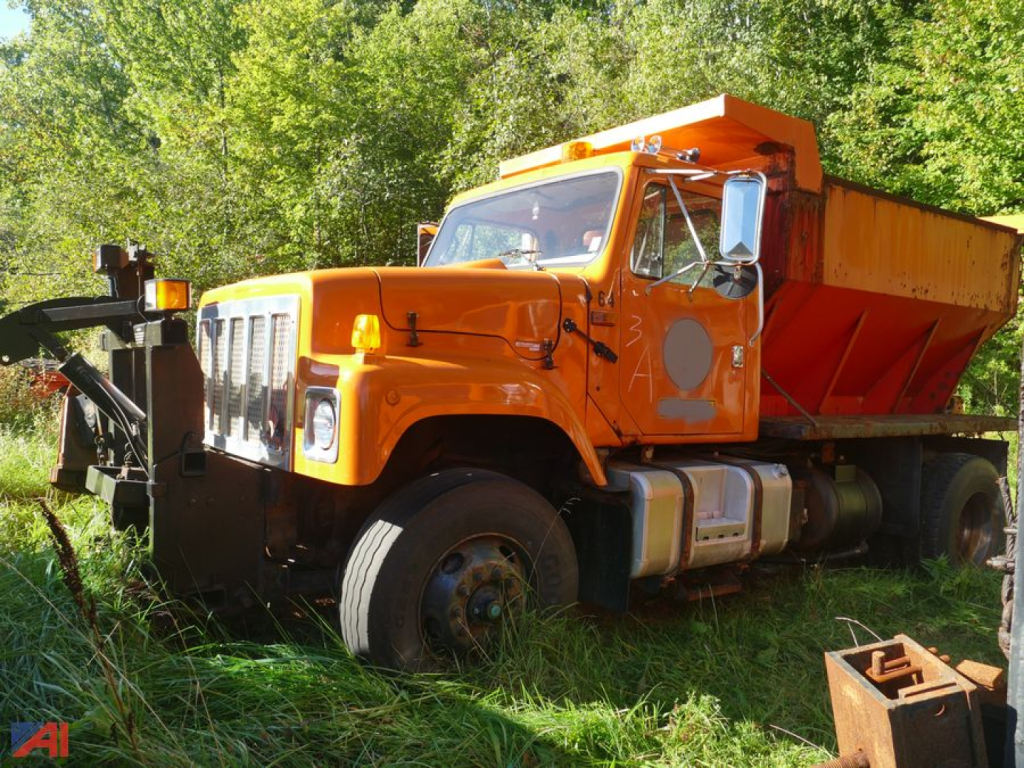
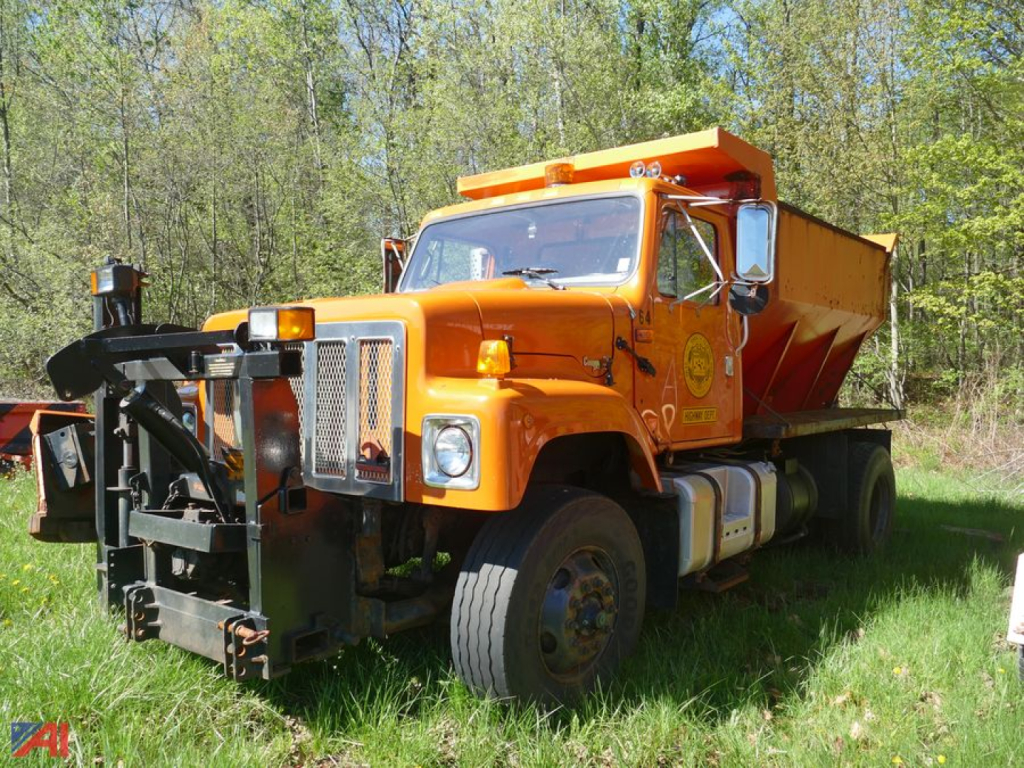
Looking for the easiest place to sell your stone spreader truck? List it here to reach thousands of buyers.
Stone Spreader Trucks
The body and feed system deserve close attention. Buyers typically compare hopper capacity, chain or belt conveyor design, gate control, spinner or chute arrangement, and how precisely the truck meters aggregate at low speed. A larger body can improve productivity on long runs, but it also adds weight and can affect maneuverability on narrow county roads or soft shoulders. Chassis specs matter just as much. Common setups include tandem axle vocational trucks with diesel engines, automatic or manual transmissions, locking rears, and severe-service suspensions. Wheelbase, axle ratings, PTO configuration, and hydraulic condition all affect how well the truck handles loaded material and sustained spreading work.
Control layout is another major buying point. Some stone spreader trucks use straightforward in-cab hydraulic levers, while others have more refined electronic controls for conveyor speed and discharge adjustment. The best setup depends on the operator and the type of work. Municipal fleets often prioritize durability and easy service access. Contractors may focus more on production rate, material control, and compatibility with paving or shoulder crews. Body condition is especially important on used units because aggregate abrasion, corrosion, and hard seasonal use can wear floors, chains, sprockets, bearings, and tailgate components. Hydraulic leaks, conveyor slop, uneven feed, and rust around crossmembers or mounting points are all worth checking closely.
A stone spreader truck is sometimes referred to simply as an aggregate spreader truck, and in some fleets it overlaps with specialized material placement trucks used in road construction. The right unit depends on the aggregate size, spread width, daily haul distance, and jobsite conditions. Buyers comparing listings should look beyond the cab and focus on the spreader body manufacturer, remaining life in the conveyor and hydraulics, brake and suspension condition, and how the truck was used previously. A former municipal unit may show seasonal wear but can still be a practical fit if the spreader system is tight, the frame is sound, and the chassis matches the demands of your route and payload.
Also known as: Rock Slinger Truck, Gravel Spreader Truck, Aggregate Spreader Truck
Frequently Asked Questions about Stone Spreader Trucks
What is a stone spreader truck used for?
A stone spreader truck is used to place gravel, crushed stone, and similar aggregate in a controlled pattern for road shoulders, lane edge repair, trench backfill, chip seal operations, and base preparation. Unlike a standard dump truck, it is designed to meter material consistently through a conveyor and discharge system, which improves placement accuracy and reduces manual cleanup.
What should I inspect first on a used stone spreader truck?
Start with the spreader body, conveyor, and hydraulic system because those components do the specialized work and often see the hardest wear. Check floor thickness, chain or belt condition, sprockets, bearings, discharge gates, hydraulic cylinders, hoses, and PTO operation. After that, inspect the frame, suspension, brakes, axle ratings, and signs of rust or cracking around body mounts and crossmembers.
Are stone spreader trucks different from regular dump trucks?
Yes. A regular dump truck is built to haul and dump bulk material, while a stone spreader truck is built to distribute aggregate in a controlled flow during movement or at a set application rate. The spreader body, conveyor feed system, and discharge controls are what separate it from a standard dump configuration.
What chassis specs matter most for a stone spreader truck?
Axle capacity, wheelbase, suspension type, transmission, PTO setup, and hydraulic performance are the main chassis considerations. A truck that spreads heavy aggregate needs enough rear axle capacity and frame strength to handle payload without sacrificing stability. Wheelbase and turning radius also matter if the truck will spend time on narrow roads, subdivisions, or shoulder work with limited space.
Is a former municipal stone spreader truck a good buy?
It can be, especially if the truck received regular fleet maintenance and the spreader system remains in solid operating condition. Municipal units often have predictable service histories, but they may also show corrosion, idle hours, and seasonal wear from repeated winter and road maintenance cycles. The best candidates are trucks with a sound frame, functional hydraulics, and a spreader body that still feeds material evenly without excessive structural rust.