
Sterling Trucks For Sale
Used Sterling trucks for sale: Acterra, A-Line and L-Line tractors and vocational dumps with Cummins, Cat or MBE power. Compare axles, suspensions, emissions.
Learn moreBrowse Sterling Trucks by Category
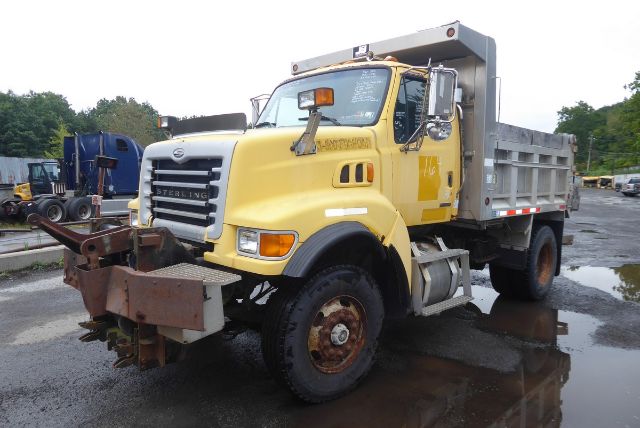
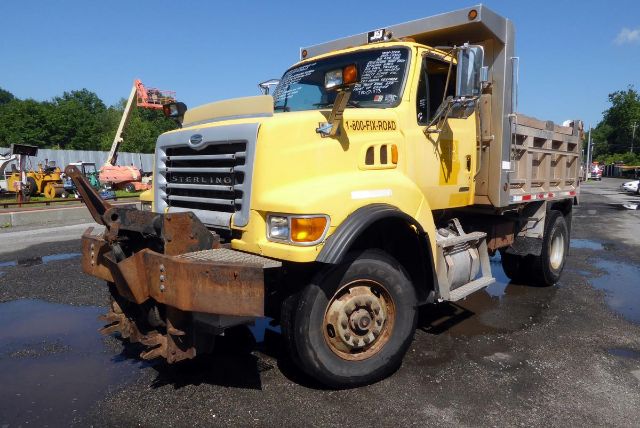

Showing 25 to 31 of 31 results
Have sterling truck to sell? List it here to reach thousands of buyers.
About Sterling Trucks
Engine choices are a key decision point. Many units feature Mercedes-Benz MBE900 or MBE4000, Caterpillar C7, C9 or C13, and Cummins ISC, ISL, ISM or ISX. Pre-2007 examples avoid DPFs and keep maintenance simple, which appeals to buyers seeking minimal emissions equipment. 2007-2009 trucks typically carry DPF systems that add regen routines and occasional cleanings. Transmission options range from Eaton Fuller 8, 10, 13 and 18 speed manuals to Allison automatics popular in refuse, utility and stop-and-go work. Rear ratios vary widely, so match gearing to duty cycle. Heavy vocational builds may carry 18k-20k steer axles, 40k-46k rears, double-frame rails, full or inter-axle lockers and vocational suspensions like Hendrickson walking beam, Neway air or Freightliner AirLiner.
Condition and spec alignment drive value more than the badge. Inspect frame rails and inner liners for rust jacking, crossmembers for cracks, cab mounts and spring hangers for corrosion, and wiring looms for chafe points. On dumps and roll-offs, verify hoist condition, tower integrity, subframe alignment and the function of PTO and wet kits. Mixer and plow units often have high PTO hours, so check hydraulic pumps, valves and lines closely. On DPF-equipped trucks, review ash load history and forced regen frequency. Municipal trucks can be well maintained but may show heavy salt exposure, so pay attention to brake hardware, hubs, s-cams and fasteners.
Spec selection should fit the lane or job. For regional tractors, a 10 or 13 speed with 3.36 to 3.90 rears pairs well with ISM or ISX power, depending on GCW. For dump and mixer work, look for 16 to 20 ft bodies, 46k rears with lockers, 18k-20k steer and bridge-legal axle spreads, with 8x4 or lift axle packages where required. Acterra medium duty trucks cover everything from 26k GVWR under-CDL delivery configs to CDL builds in the low 30k GVWR range, often with Allison automatics and MBE900 or Cummins ISC power. Verify cab-to-axle for body swaps, wheelbase for bridge laws, and suspension type for ride and durability. Visibility, simple interiors and broad parts availability make Sterling a practical, cost-effective choice for fleets and contractors.
Frequently Asked Questions
Are Sterling trucks still supported for parts and service?
Yes. Although Sterling was discontinued after 2009, Daimler Truck North America dealer networks, including many Freightliner locations, still supply a large share of service parts. Engines from Cummins and Caterpillar have broad aftermarket support, and MBE components remain available through OEM and independent channels. Wear items, trim pieces and body hardware are widely sourced in the aftermarket as well.
Which engines are common in Sterling trucks and what are the trade-offs?
Common engines include Mercedes-Benz MBE900 and MBE4000, Caterpillar C7, C9 and C13, and Cummins ISC, ISL, ISM and ISX. Pre-2007 engines avoid DPFs and are simpler to maintain. 2007-2009 models typically add DPFs, which require periodic service and attention to regen. Cat on-highway support ended in 2010 but parts and expertise are still available. Cummins enjoys the broadest diagnostics and dealer coverage. MBE engines are efficient and reliable when maintained but some shops are less familiar, so confirm local support.
What should I check when evaluating a used Sterling dump or mixer?
Focus on frame integrity and corrosion, evidence of double-frame separation, hoist cylinder leaks, doghouse and subframe alignment, and the condition of PTOs and wet kits. Inspect suspension bushings, torque rods, spring hangers and differential lockers. Look for slack adjuster travel, brake lining life and hub seal leaks. Verify axle ratings match your permit requirements and review maintenance records for hydraulic systems and, if applicable, DPF history.
How does an Acterra differ from A-Line and L-Line Sterlings?
Acterra models span Class 6-8 with lighter frames and shorter wheelbases suited to box, utility, beverage and local delivery work. A-Line and L-Line trucks are heavy duty Class 8 platforms built for vocational tasks and highway tractor service, often with higher axle ratings, double-frame options, vocational suspensions and more robust cooling. Many A-Line and L-Line units appear as 6x4 day cabs, sleepers, 8x4 dumps, mixers and roll-offs.
What emissions equipment might be on a late-model Sterling and what does it mean for upkeep?
Most 2007-2009 Sterlings use a diesel particulate filter that captures soot and periodically regenerates. Upkeep includes monitoring differential pressure sensors, ensuring proper regen events, and scheduling ash cleaning at recommended intervals. There is no SCR on these models, so no DEF system to maintain. A healthy DPF system depends on correct engine tune, minimal oil consumption and duty cycles that allow full regen.