
Sterling Cab and Chassis Trucks For Sale
Browse Sterling cab and chassis trucks built for dumps, utility bodies, service trucks, plows, and vocational upfits.
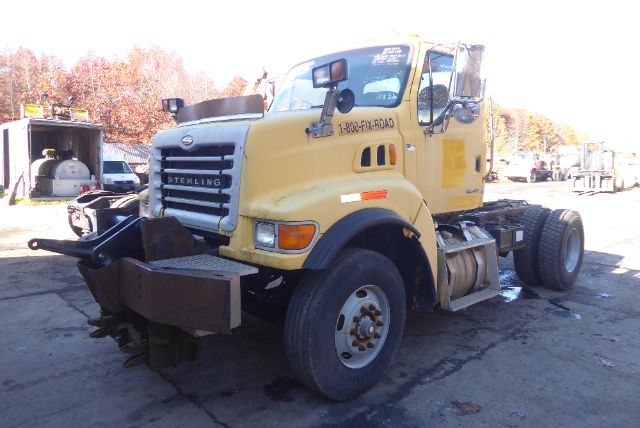
Selling a sterling cab and chassis truck? List your sterling cab and chassis truck for sale and reach thousands of commercial buyers.
Sterling Cab and Chassis Trucks
Frequently Asked Questions about Sterling Cab and Chassis Trucks
What should I check first when buying a Sterling cab and chassis truck?
Start with the dimensions and weight ratings that control body fitment. Cab-to-axle, wheelbase, frame type, front and rear axle ratings, and GVWR are the core measurements. Then verify drivetrain details such as engine, transmission, rear ratio, PTO provision, and whether the truck already has a wet kit or hydraulic setup. Those items determine if the chassis can take the body you need without expensive rework.
Are Sterling cab and chassis trucks good for dump bodies and snow equipment?
Yes. Many Sterling vocational chassis were ordered with spring suspension, heavy front axles, air brakes, automatic or manual vocational transmissions, and PTO or wetline capability. That makes them a practical fit for dump bodies, plows, spreaders, and combination municipal setups. Buyers should still confirm front axle capacity, frame condition, hydraulic components, and cooling system performance because snow and dump service put heavy loads on the chassis and accessory systems.
What engines and transmissions are common in Sterling cab and chassis trucks?
Sterling trucks were commonly spec'd with Caterpillar, Mercedes-Benz, and Detroit diesel engines, depending on model year and application. Transmission choices often include Allison automatics for stop-and-go vocational work and manual transmissions for simpler service and ratio control. The right combination depends on route speed, PTO use, terrain, and body weight. Automatic transmissions are especially common on plow, refuse, and municipal builds because they reduce driver fatigue and work well in repeated start-stop cycles.
How important is PTO and wetline equipment on a cab and chassis?
It is critical if the truck will power a dump hoist, hydraulics, live-floor system, plow package, or other auxiliary equipment. A chassis that already has a PTO, hydraulic pump, reservoir, and plumbing can save significant installation time and cost. Buyers should verify whether the PTO is transmission-mounted or engine-driven, whether it is constant-run or switch-activated, and whether the hydraulic setup matches the pressure and flow requirements of the intended body.
What condition issues matter most on older Sterling cab and chassis trucks?
Frame condition, corrosion, suspension wear, brake system health, and electrical integrity should be high on the list. Vocational trucks often have hard duty cycles, so inspect crossmembers, spring hangers, steering components, driveline joints, and signs of previous body removal or frame modification. Also check for idle hours, PTO wear, hydraulic leaks, and the availability of service records. On any older chassis, body-builder holes, municipal wiring add-ons, and incomplete equipment removal can create extra labor before a new body goes on.