
Service/Utility Trucks For Sale in Oklahoma
Browse service and utility trucks for sale in Oklahoma, including mechanic, crane, and lube truck configurations for field service work.
No exact matches found for your search
Showing Service/Utility Trucks instead.
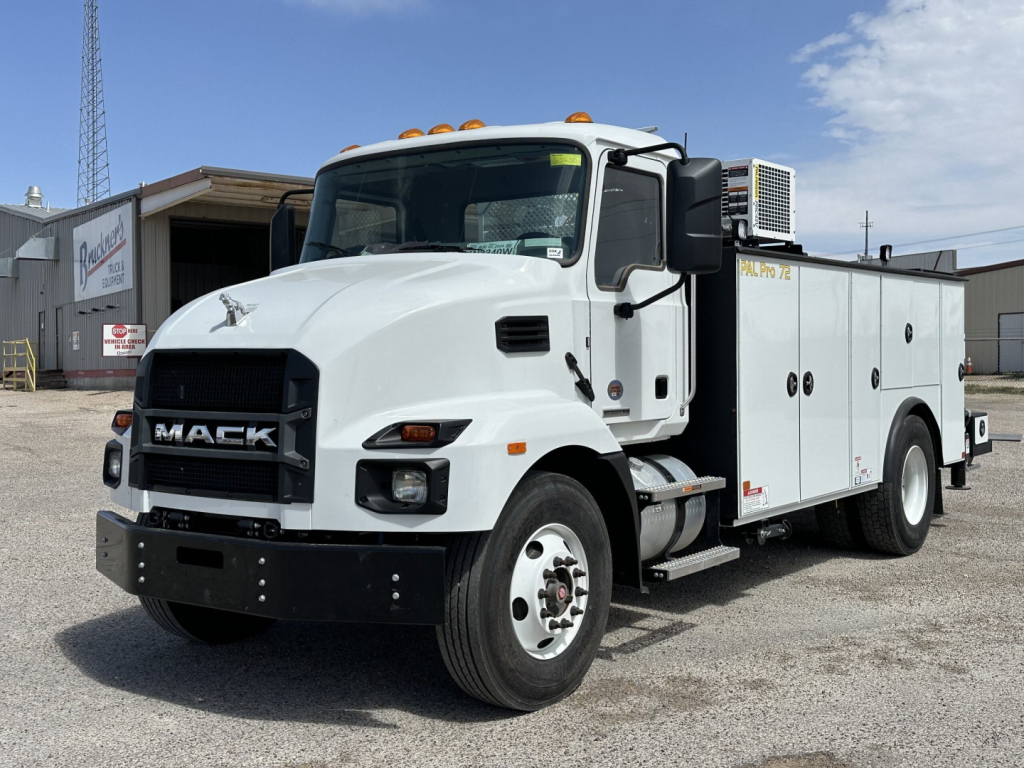
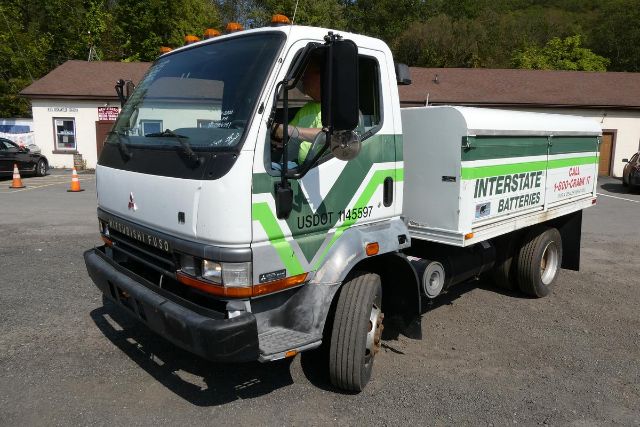
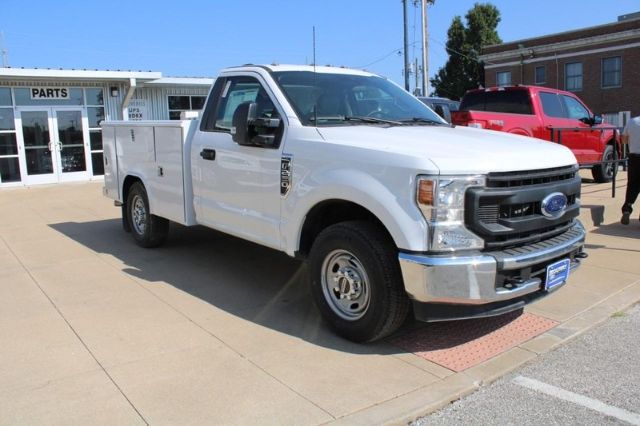
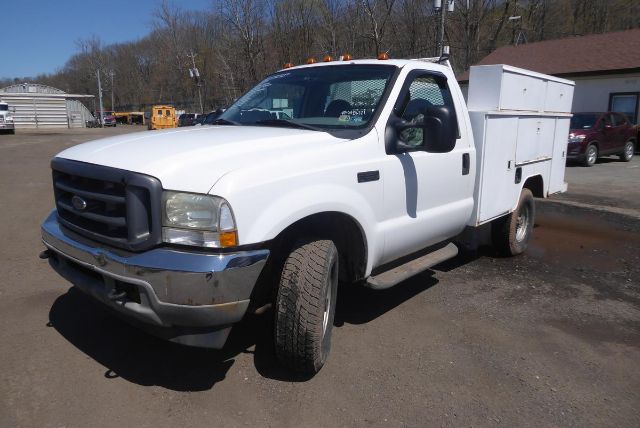

Showing 29 to 40 of 40 results
Selling a service/utility truck? List your service/utility truck for sale and reach thousands of commercial buyers.
Service/Utility Trucks in Oklahoma
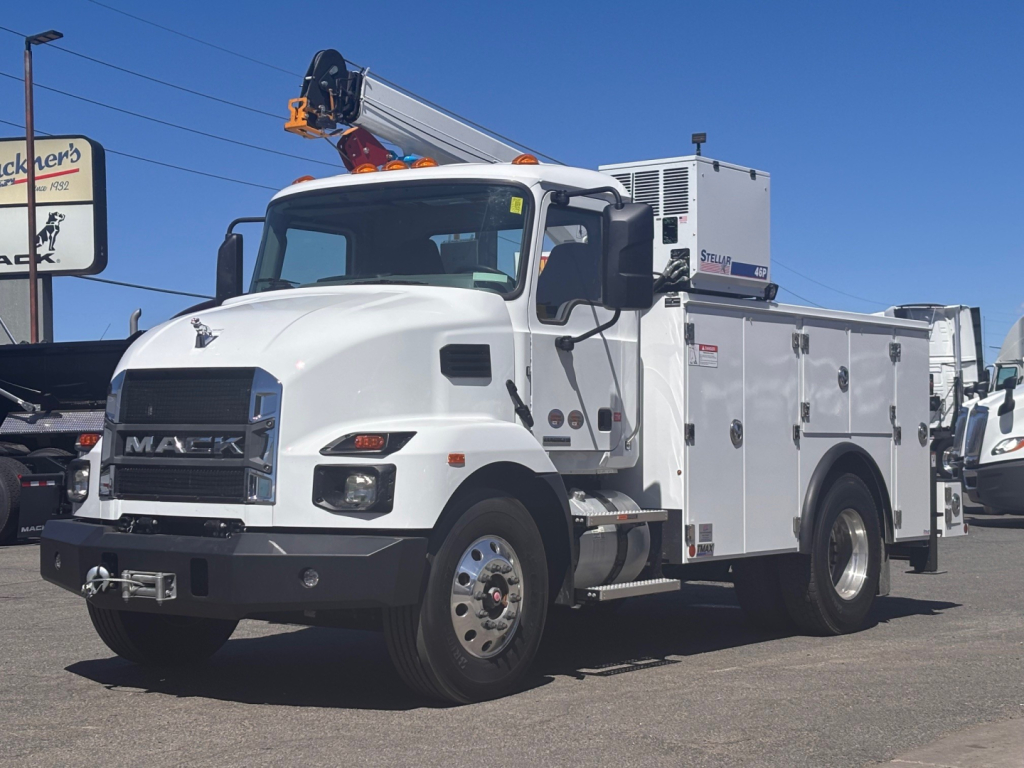
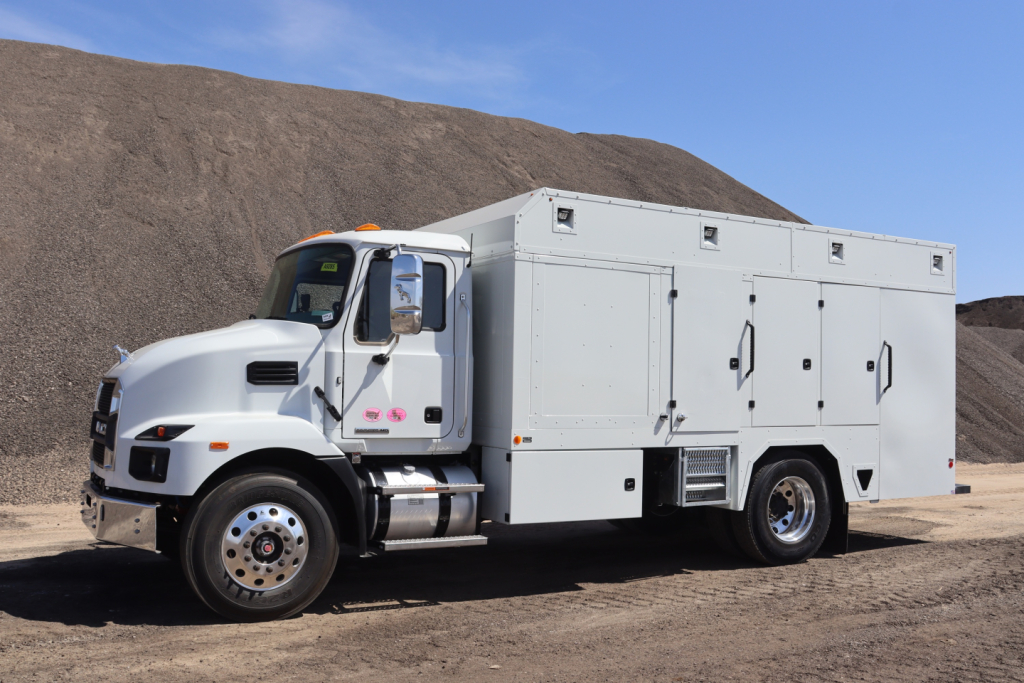
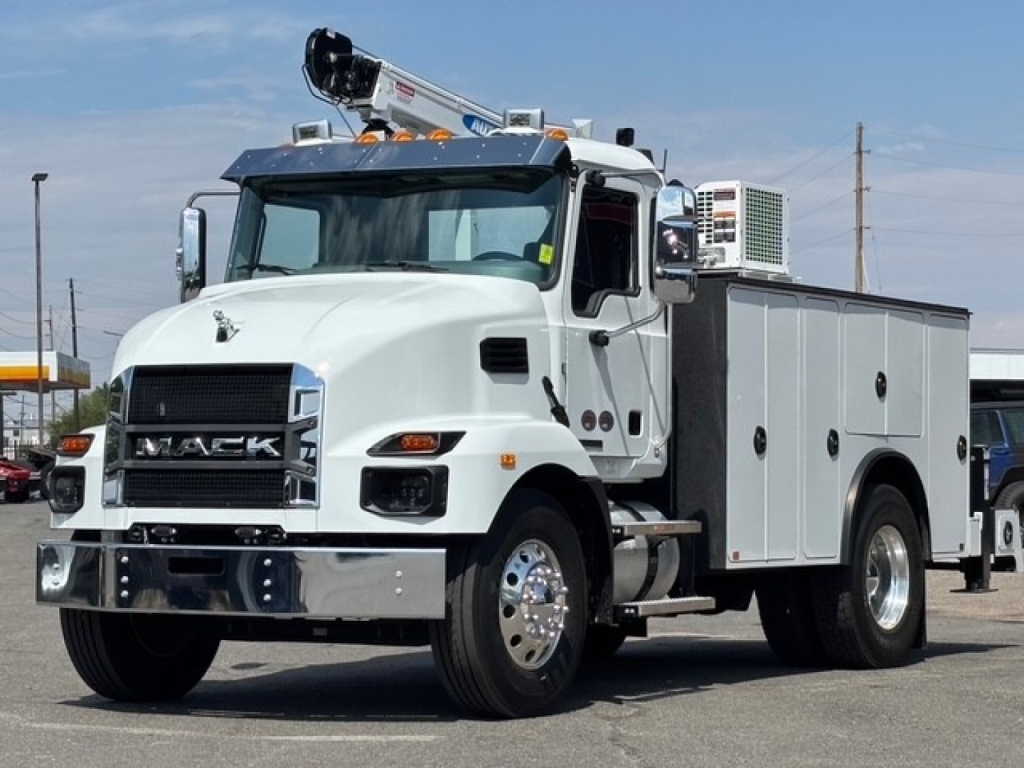
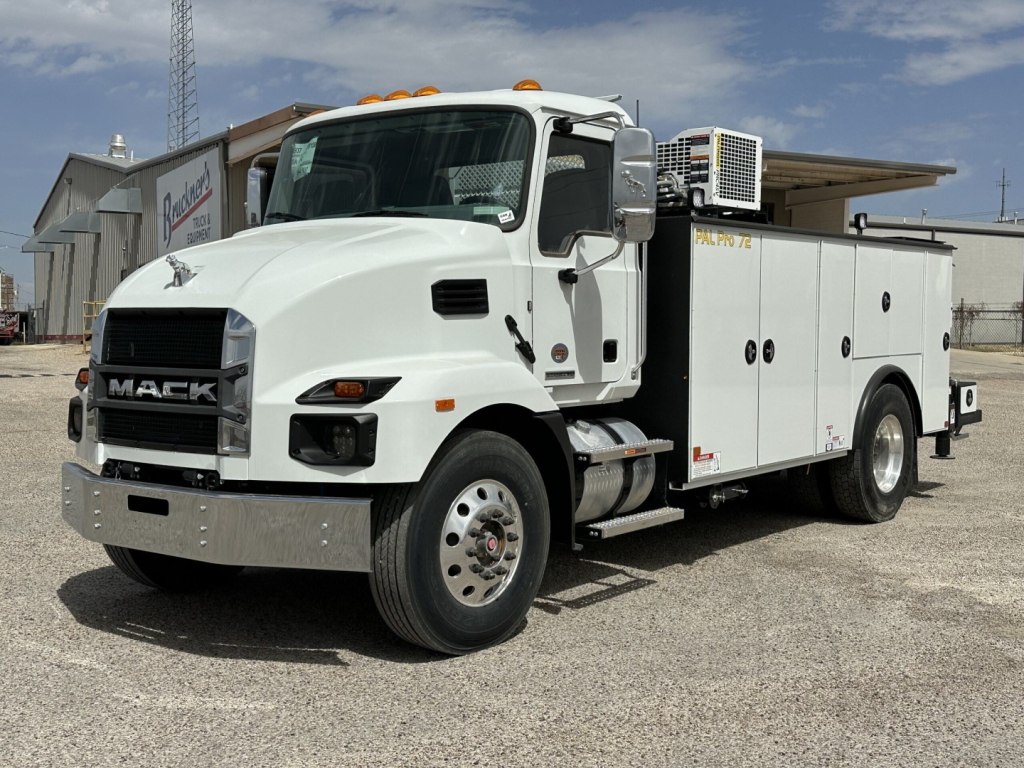
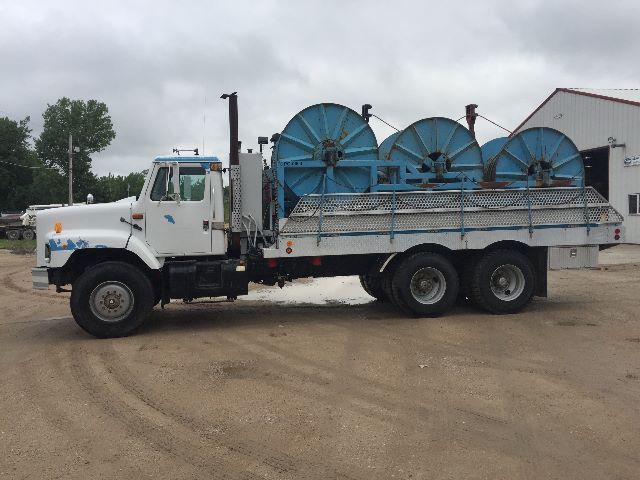
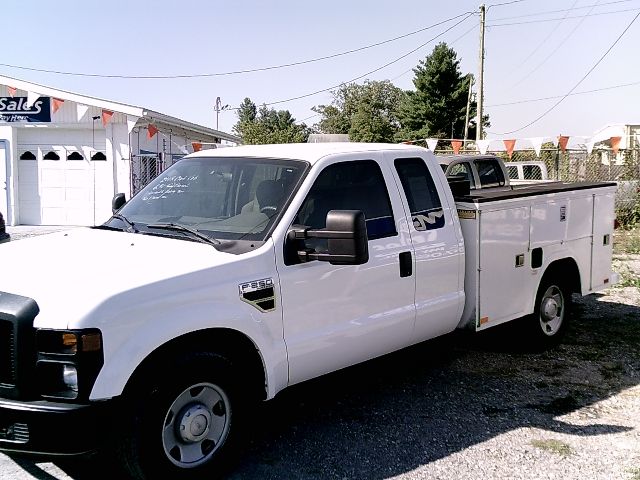
A buyer should start with the service body and upfit, not just the chassis. Common configurations include enclosed side-pack bodies, crane bodies, and lube bodies with integrated tanks, hose reels, compressors, and pump systems. Crane-equipped service trucks are often spec'd with hydraulic outriggers, wireless remote controls, and lifting capacities rated in foot-pounds as well as pounds at specific radii. Buyers comparing utility trucks should look closely at horizontal reach, vertical lift, line speed, reel capacity, compartment pressurization, lighting, and whether the truck has a PTO and hydraulic package sized for the crane, compressor, and any auxiliary tools that may run at the same time.
On the chassis side, many service trucks in this class are single-axle medium-duty models with diesel power from engines such as the Cummins ISB 6.7 and automatic transmissions like the Allison 2500 series. In Oklahoma, under-CDL builds around 26,000 pounds GVWR are attractive for mixed-driver fleets, while 29,000 to 31,000 pound GVWR units provide more payload and body capacity for heavier crane and compressor packages. Wheelbase, axle ratings, rear ratio, suspension type, and frame strength all affect how well the truck carries a loaded body and how stable it feels with tools, fluids, or a suspended load. Spring suspension is still common for durability, while air ride rear suspension can improve ride quality for operators covering longer distances between calls.
The best service truck spec depends on the work. A field mechanic supporting loaders, dozers, and ag equipment may prioritize crane capacity, welder or compressor integration, and secure compartment space for tooling. A lube and service application may center on tank layout, pump access, spill control, and hose reel placement. Utility buyers should also pay attention to practical details such as LED compartment lighting, backup cameras, hitch and trailer wiring, spray-on liners, and weather-resistant compartment design. A well-matched service truck saves labor in the field, reduces equipment downtime, and gives technicians a safer, more organized mobile workspace.
Frequently Asked Questions about Service/Utility Trucks in Oklahoma
What is the difference between a service truck and a utility truck?
The terms are often used interchangeably, but service truck usually refers to a field repair or mechanic truck equipped with compartments, a crane, a compressor, and PTO-driven tools. Utility truck can be broader and may include trucks used by municipalities, contractors, telecom crews, or maintenance departments. In most listings, the key difference is the upfit and intended job function rather than the chassis itself.
What GVWR is common for service and utility trucks?
Many service and utility trucks fall in the medium-duty range from about 26,000 to 31,000 pounds GVWR. Trucks at or below 26,000 pounds can be attractive for fleets trying to stay under CDL thresholds, while higher-GVWR models allow more payload for cranes, compressors, lube systems, tooling, and stocked parts. The right rating depends on body weight, axle capacity, and how much equipment the truck needs to carry every day.
What should I check on a crane-equipped mechanic truck?
Focus on the crane rating, horizontal reach, vertical lift, outrigger design, hydraulic system capacity, and PTO setup. A strong crane on an underspec'd body or chassis can limit safe real-world use, so verify the body reinforcement, stability system, and axle ratings. It is also important to review line speed, remote controls, service records, and any signs of structural stress around the crane base, body mounts, and outriggers.
Are automatic transmissions common in service trucks?
Yes. Automatic transmissions, especially Allison units in medium-duty applications, are very common because service trucks spend a lot of time in stop-and-go travel, jobsite maneuvering, and PTO-related operation. They reduce driver fatigue and are well suited to mixed fleets where multiple operators may use the same truck. Transmission selection should still match the truck's GVWR, rear ratio, and expected terrain.
What features matter most for an Oklahoma service truck?
For Oklahoma work, buyers often prioritize durable suspensions, strong cooling performance, clean PTO integration, and bodies that handle dust, heat, and rough jobsite conditions. Oilfield, construction, agricultural, and municipal use can all demand different setups, but weather-resistant compartments, LED lighting, backup cameras, air compressor capacity, and secure storage are consistently valuable. If the truck will travel rural routes or support equipment in remote areas, fuel range, tire choice, and field-service accessibility also become important.