
New Rolloff Trucks For Sale in Oklahoma
New rolloff trucks for sale in Oklahoma. Compare hoist capacity, axle ratings, wheelbase, and PTO setup for waste, scrap, and container work.
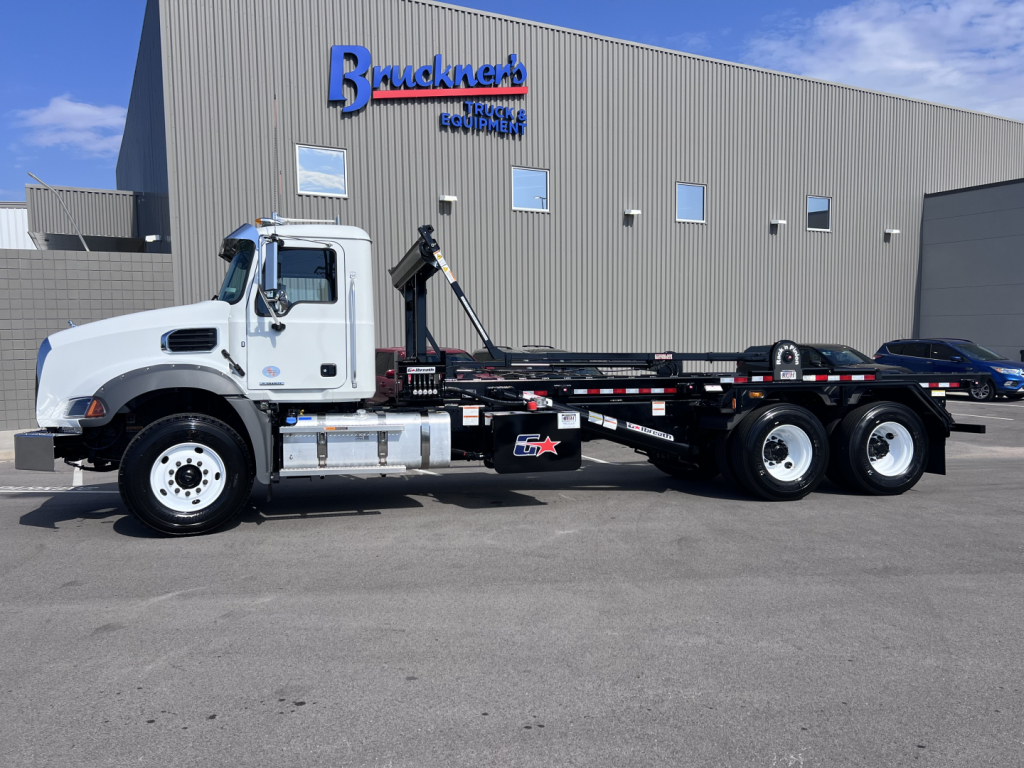
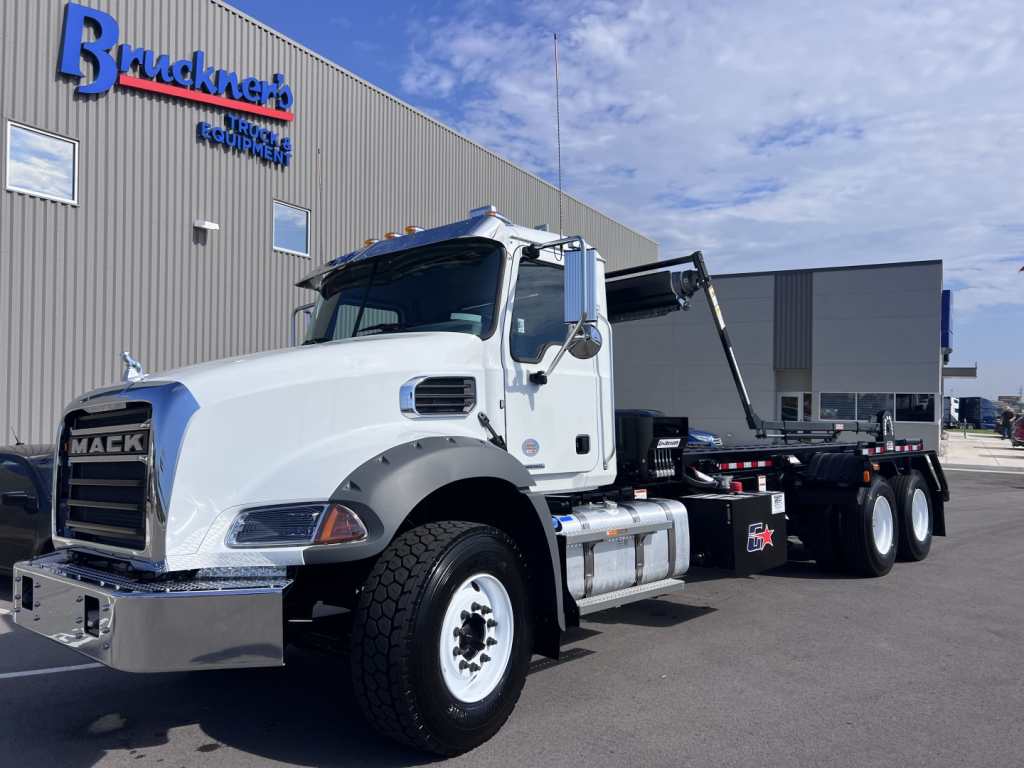
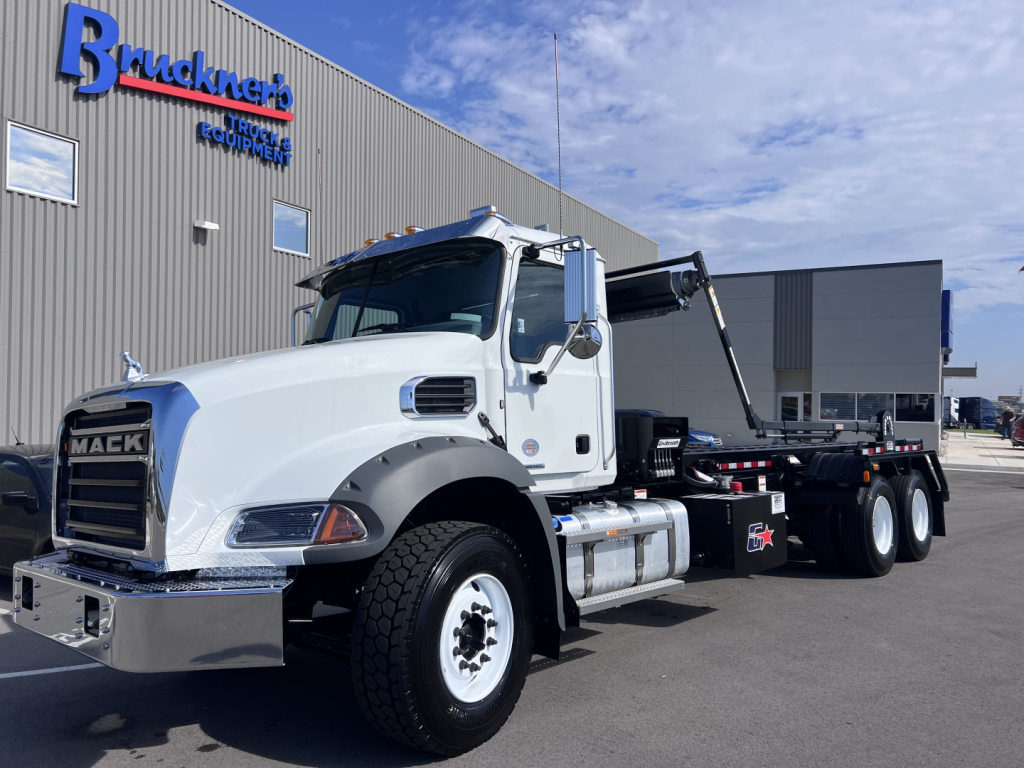

Selling a new rolloff truck? List your new rolloff truck for sale and reach thousands of commercial buyers.
New Rolloff Trucks in Oklahoma
The right rolloff truck setup depends on the containers you plan to handle and the jobsite conditions you see every week. A 20,000 lb front axle with 46,000 lb rears is a familiar vocational spec because it supports heavier loaded cans and helps with weight distribution when the box is coming up the rails. Wheelbase matters more than many first-time buyers expect. It affects bridge law, turning radius, container compatibility, and overall chassis balance. PTO and hydraulic performance also deserve attention, especially if the truck will spend long days cycling cans across transfer stations, landfills, scrap yards, or construction sites. Suspension choice, rear ratio, tire size, and frame reinforcement all play into durability and drivability.
For Oklahoma fleets, a new rolloff truck often needs to balance urban route work with rougher access roads, uneven yards, and off-pavement jobsite conditions. That makes axle articulation, suspension durability, and cab protection practical buying points, not just line-item specs. Buyers should look closely at hoist brand, rail design, hook height, tarp system compatibility, and in-cab controls. Outside rail systems are widely used because they are proven, serviceable, and familiar to many operators and technicians. If uptime is critical, it is smart to compare hydraulic component access, parts support, and how easily the body and chassis can be serviced at your preferred shop.
A new rolloff truck also gives fleets the advantage of current emissions hardware, warranty coverage, and the ability to spec the truck around a defined application instead of compromising on an older chassis. If the truck will handle construction debris, scrap metal, roofing tear-off, municipal solid waste, or industrial containers, the best value usually comes from matching the hoist and chassis to the heaviest real-world loads rather than the average load. Buyers comparing listings should pay attention to hoist capacity, cab-to-axle dimensions, transmission model, front and rear axle ratings, fuel capacity, and any vocational features that improve safety and cycle time. In this category, a well-matched spec matters more than extras.
Frequently Asked Questions about New Rolloff Trucks in Oklahoma
What hoist capacity is common on a new rolloff truck?
A common range for new rolloff trucks is about 60,000 to 75,000 lb hoist capacity, especially on severe-duty tandem axle chassis. The right rating depends on container size, material density, and how aggressively the truck will be loaded. Heavier applications such as scrap, demolition debris, and dense construction waste usually justify a higher-capacity hoist and a stronger axle package.
Why do front and rear axle ratings matter so much on a rolloff truck?
Axle ratings directly affect legal payload, stability during loading, and how the truck carries a loaded container on the road. A typical heavy vocational setup may use a 20,000 lb front axle and 46,000 lb rear axles. That combination is common because rolloff trucks can transfer significant weight forward during hoist operation, and the chassis needs enough front axle capacity to stay balanced and compliant.
Is an automatic transmission a good choice for rolloff work?
Yes. Automatic transmissions such as the Allison 4500 RDS are widely used in rolloff applications because they reduce driver fatigue, perform well in stop-and-go service, and help with consistent low-speed maneuvering around containers and tight sites. They are especially useful in urban waste routes, transfer station work, and jobs that require frequent starts, backing, and PTO-driven operation.
What should I compare besides the chassis make and engine horsepower?
Buyers should compare hoist type, rail design, wheelbase, cab-to-axle dimension, PTO and hydraulic setup, hook height, suspension, rear ratio, and tire size. Those specs determine container compatibility, turning ability, loading stability, and long-term durability. Serviceability also matters, including access to hydraulic components, body controls, and chassis-mounted equipment.
Are outside rail hoists the standard choice for new rolloff trucks?
Outside rail hoists are one of the most common choices in this category because they are proven in vocational service, widely supported, and familiar to operators and technicians. They offer a straightforward design for loading, hauling, and dumping rolloff containers across waste, scrap, and construction applications. Buyers should still confirm that the rail system, hook height, and body geometry match the containers already in their fleet.