
New Mack Rolloff Trucks For Sale in Louisiana
Shop new Mack rolloff trucks for sale in Louisiana. Compare Mack chassis, hoist setups, axle ratings, and specs for waste and container hauling.
No exact matches found for your search
Showing New Mack Rolloff Trucks instead.
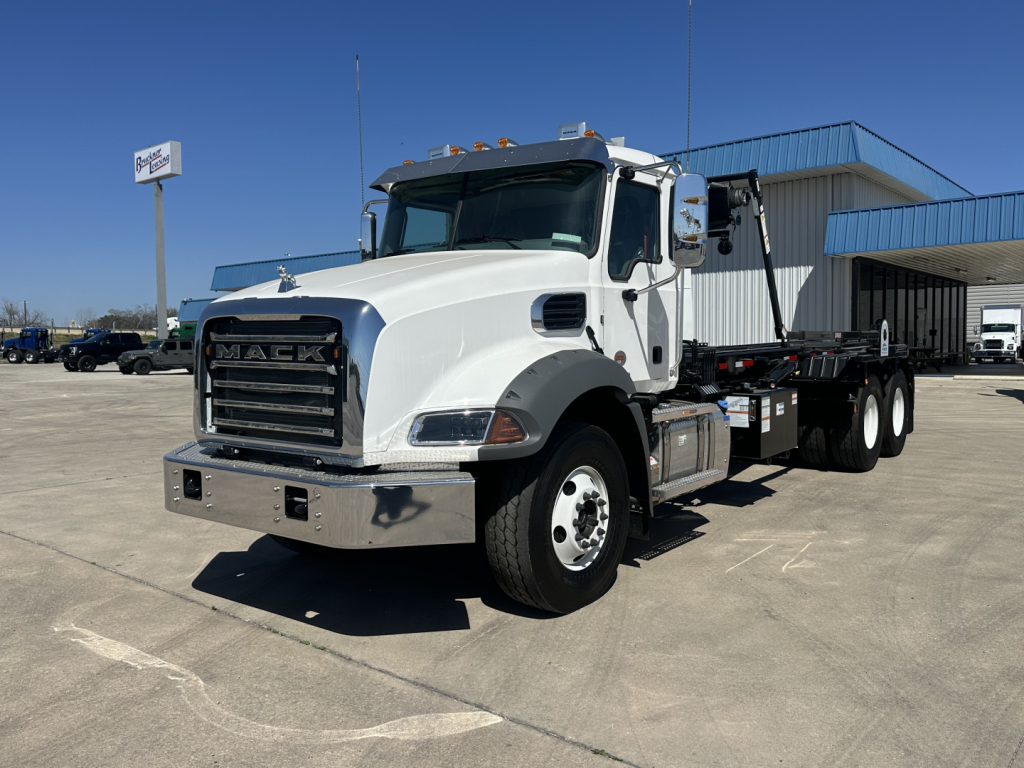
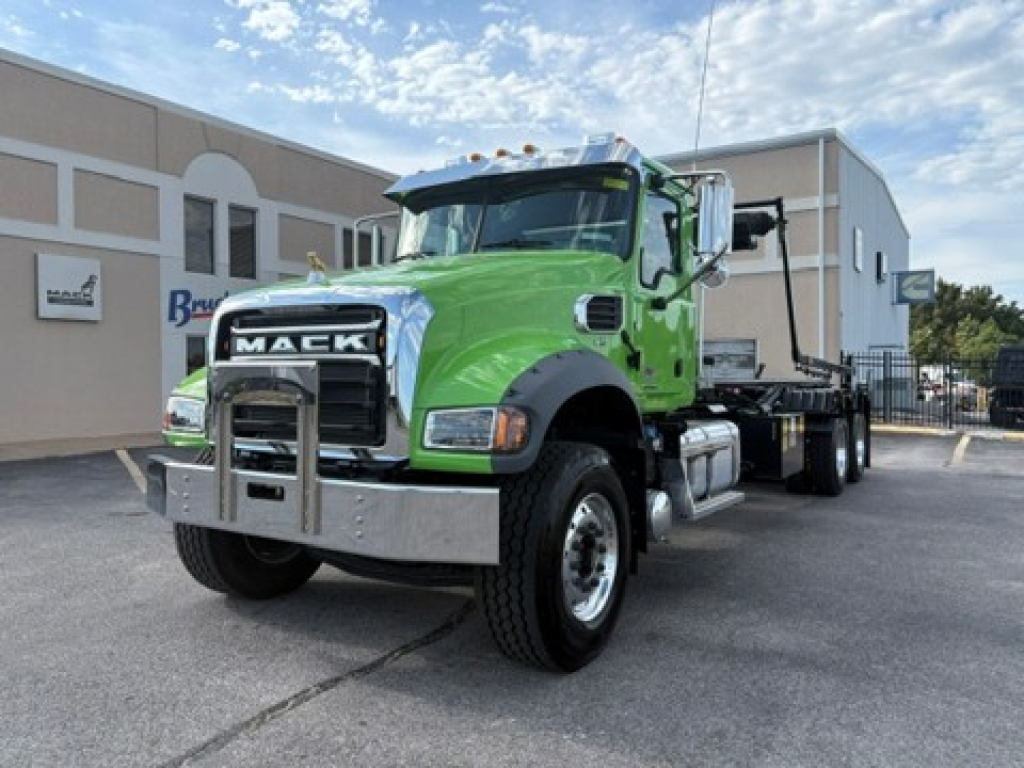
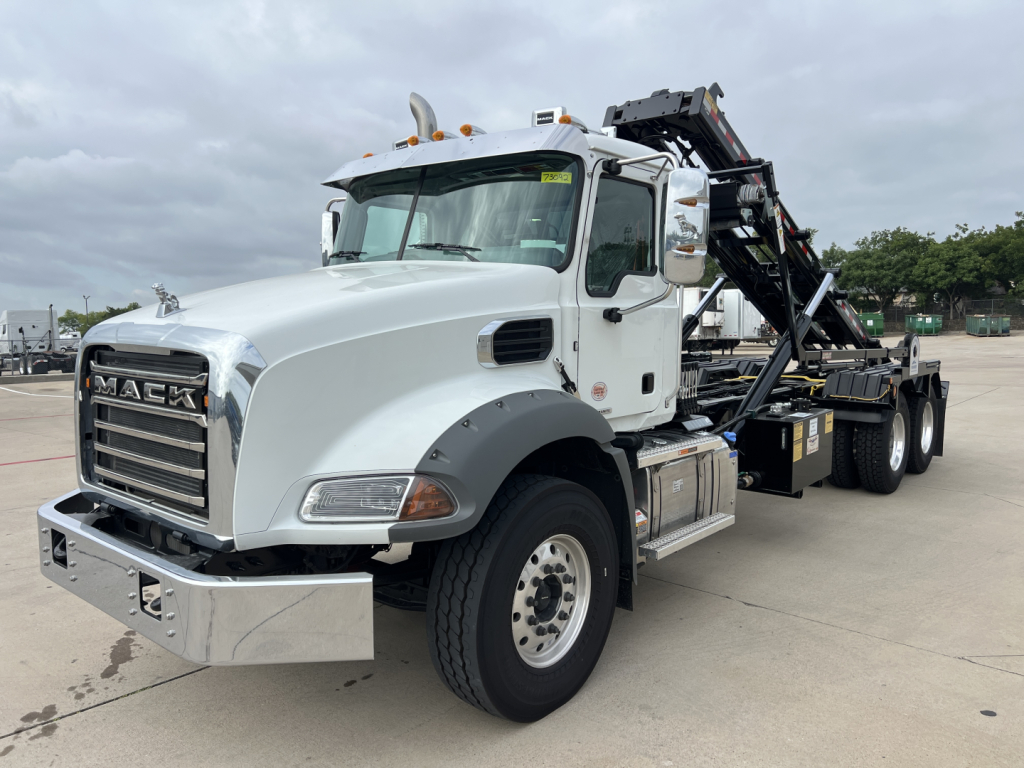
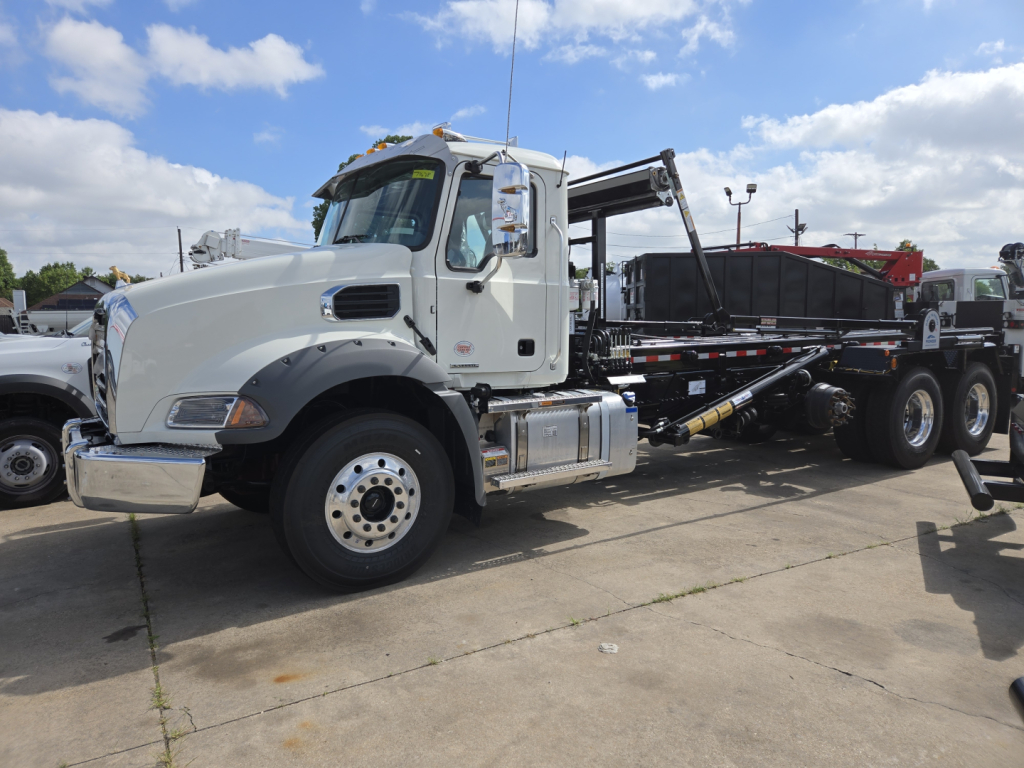
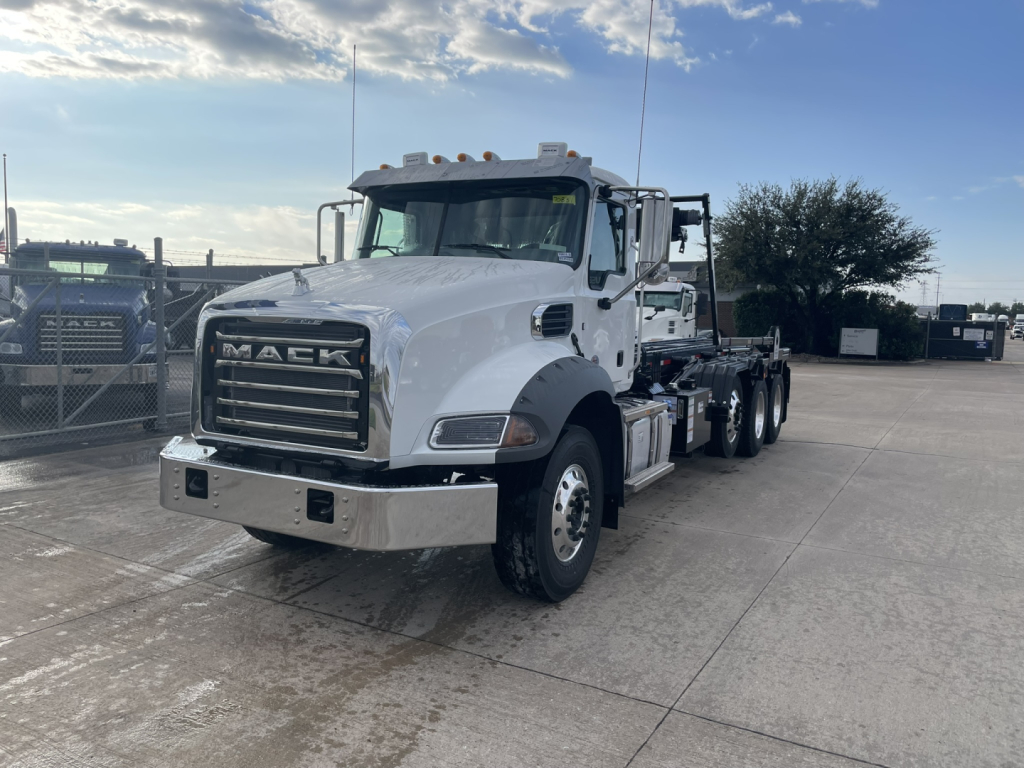
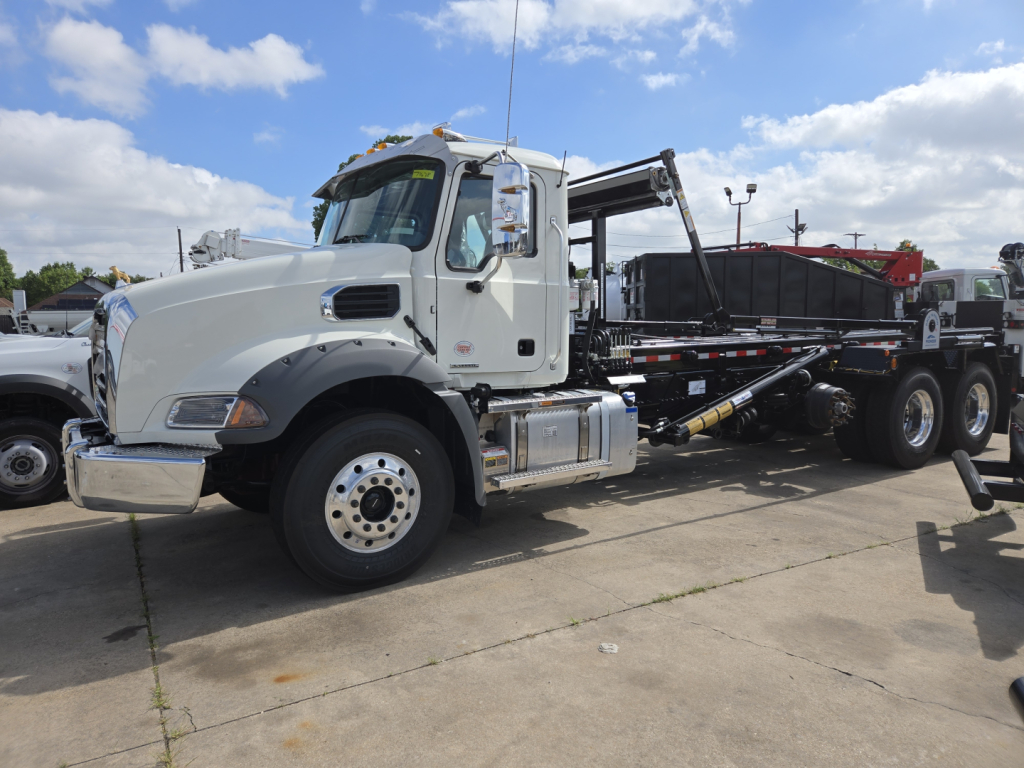
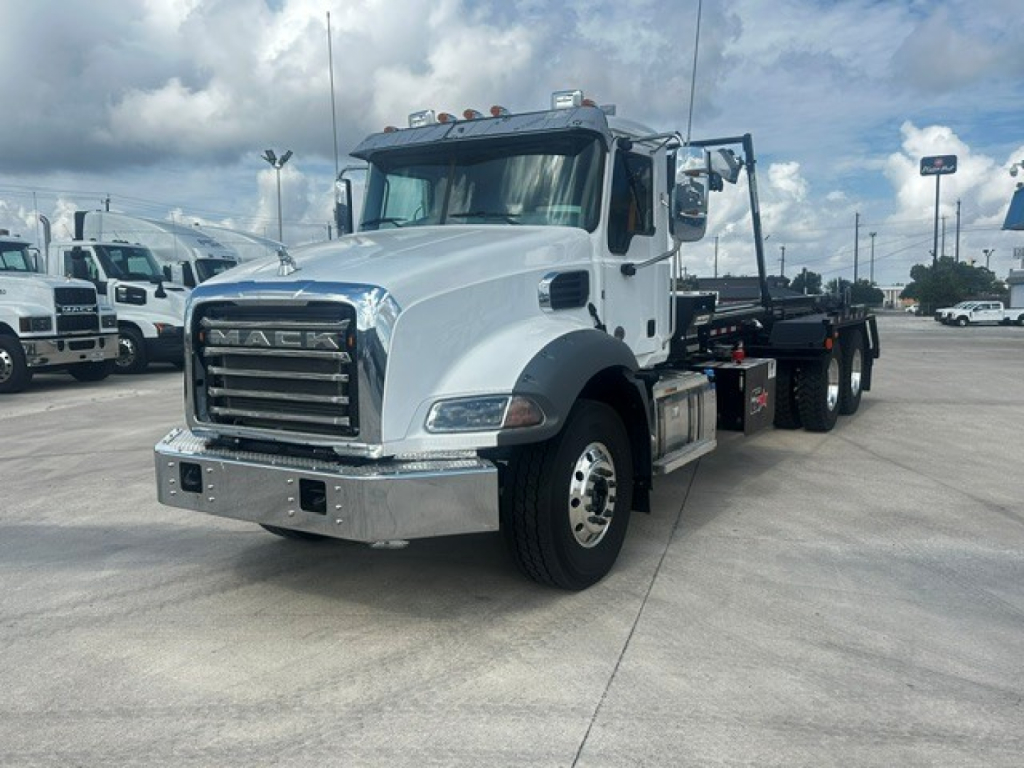
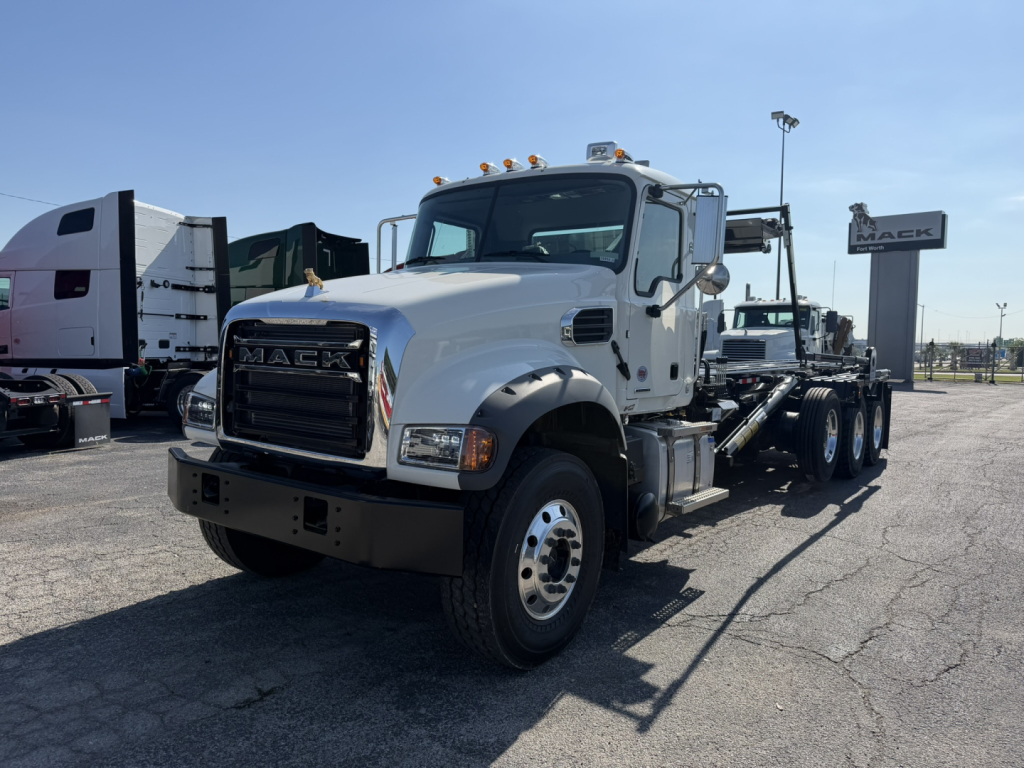
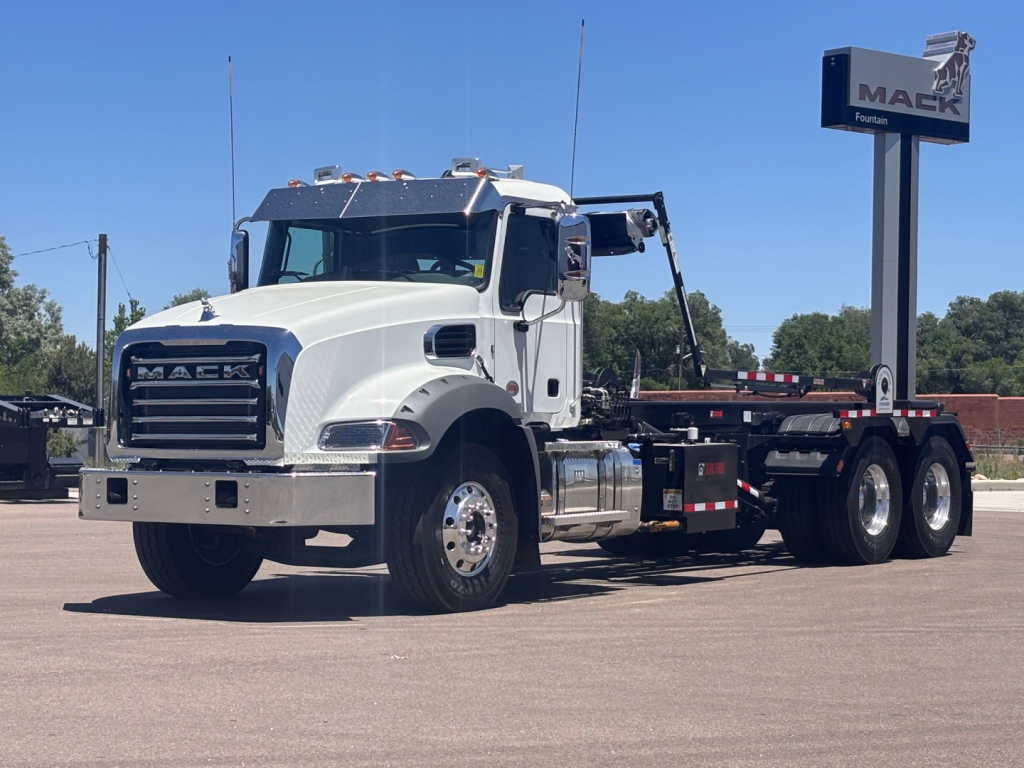
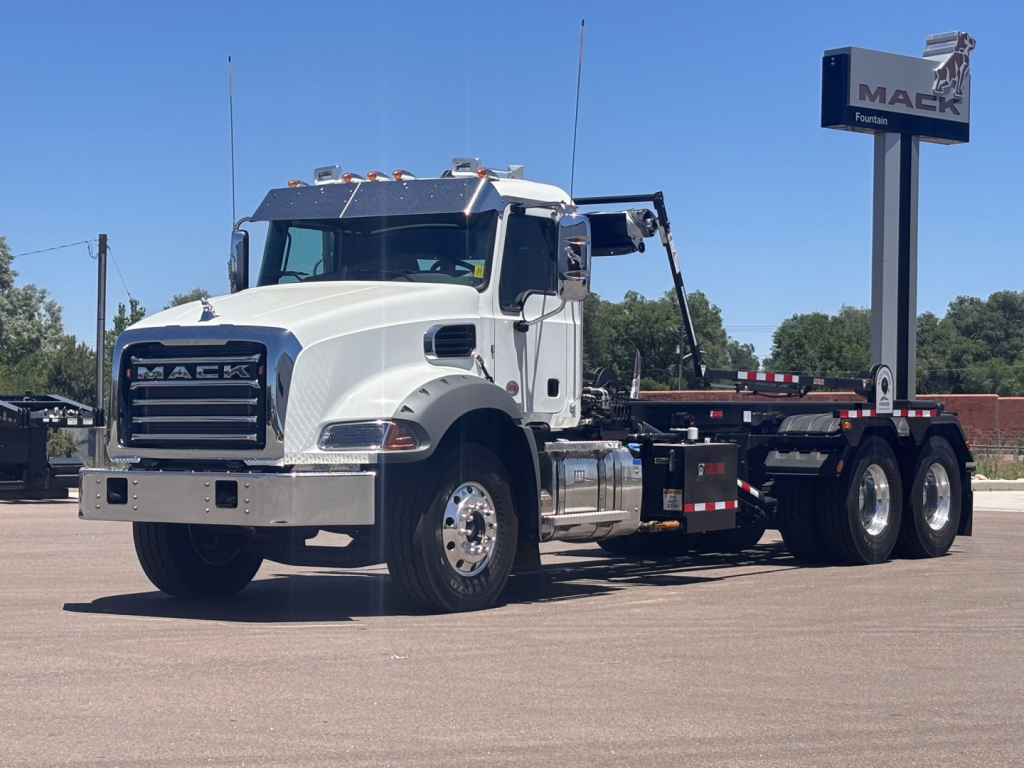
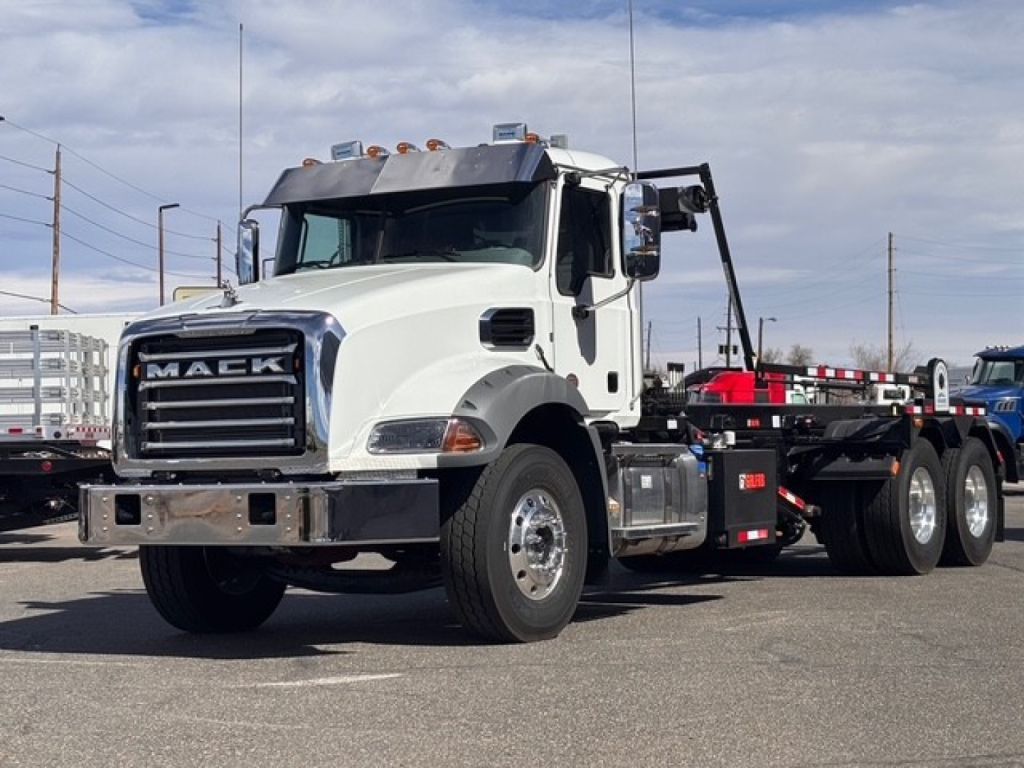
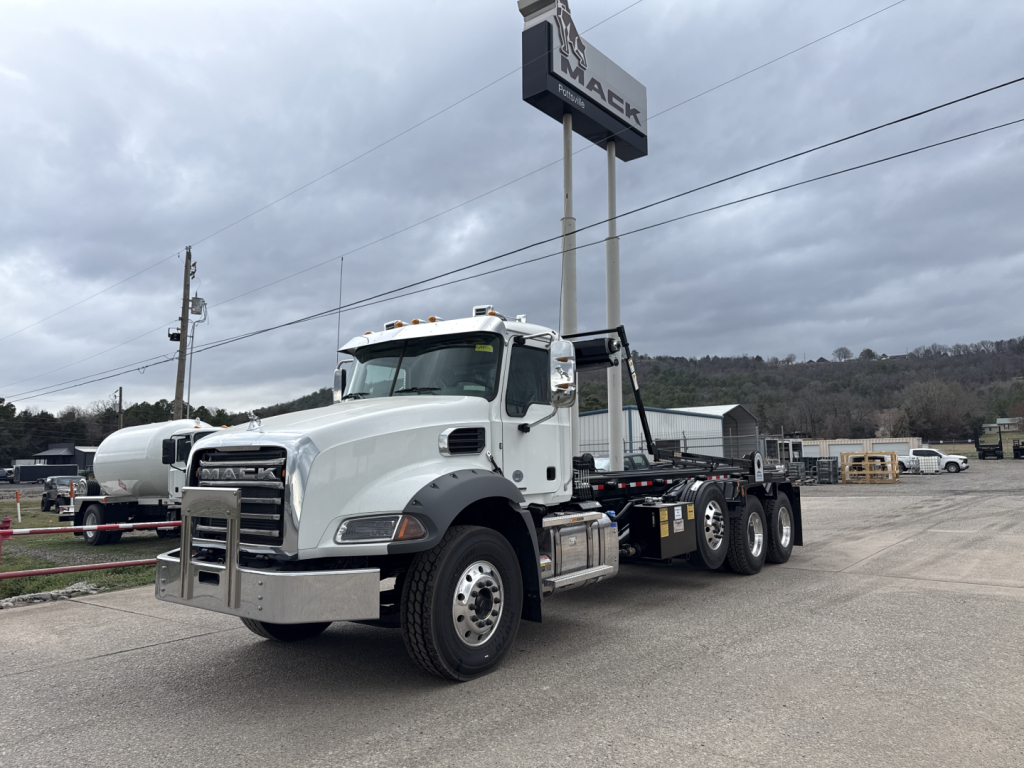
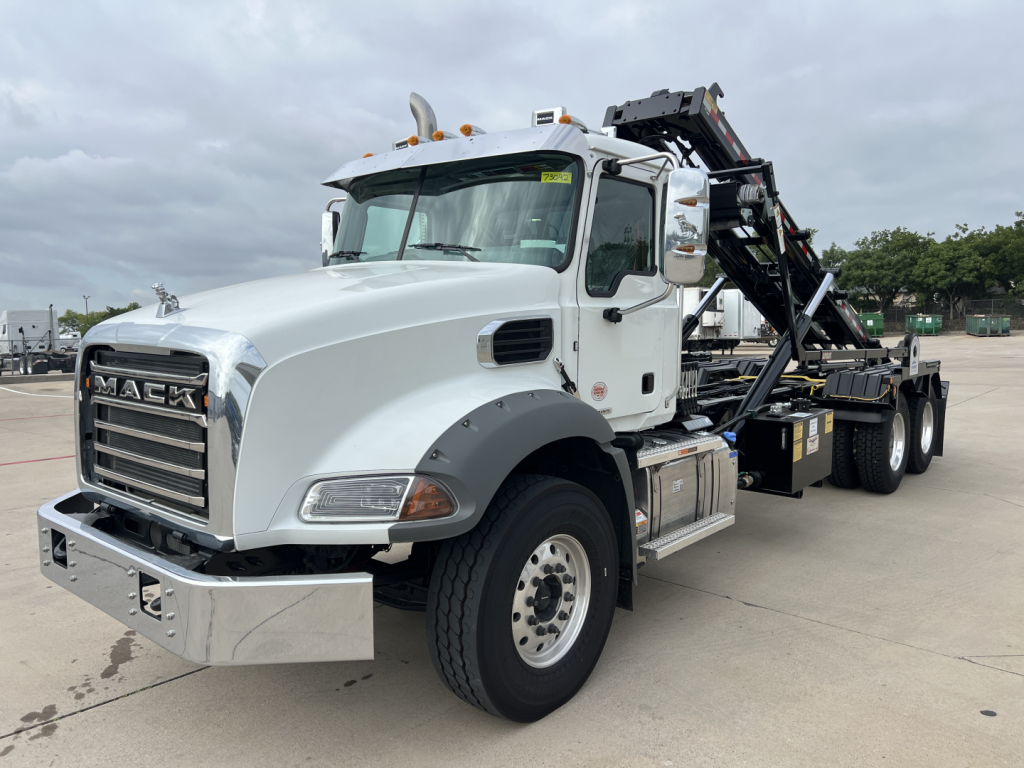
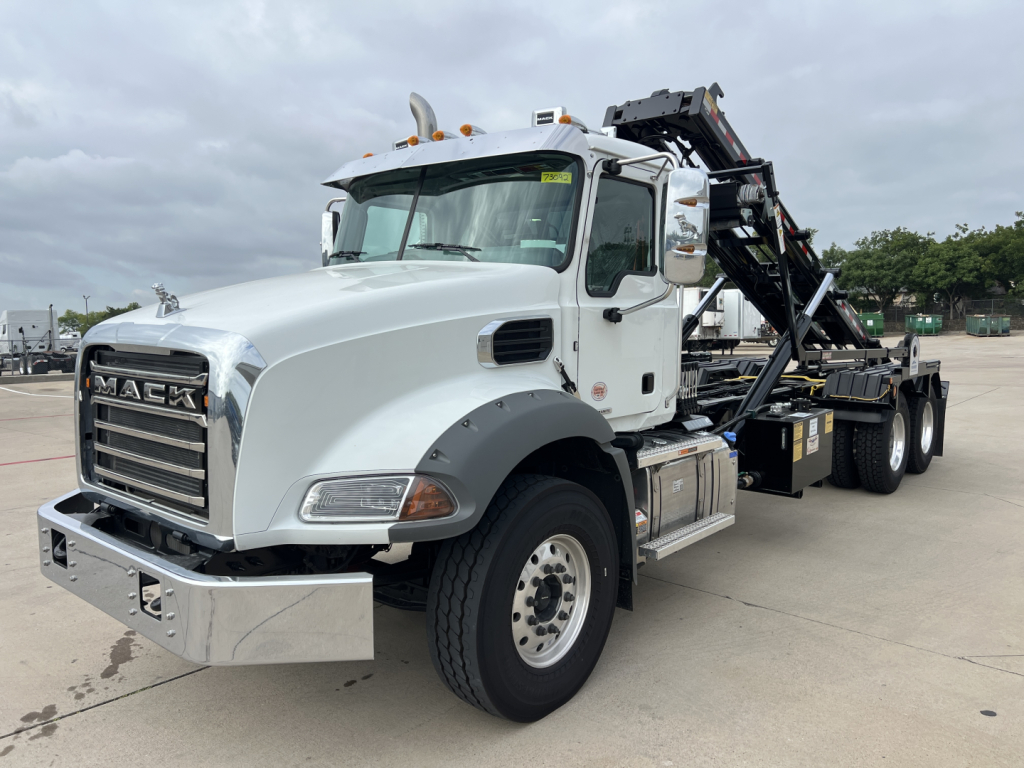
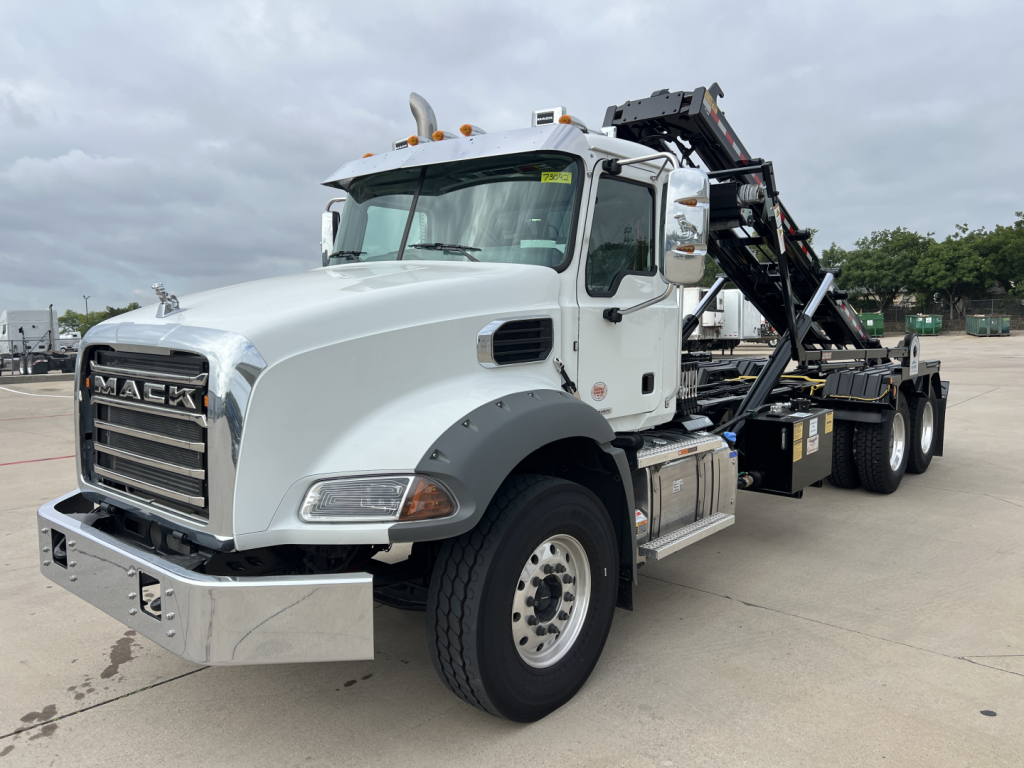
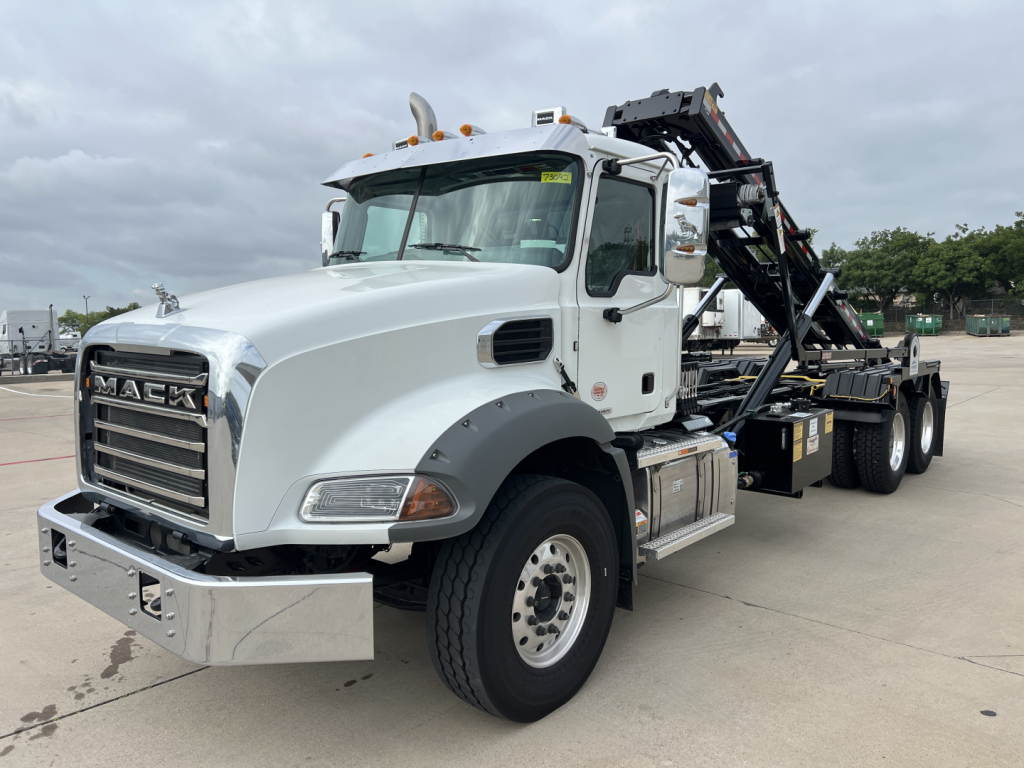
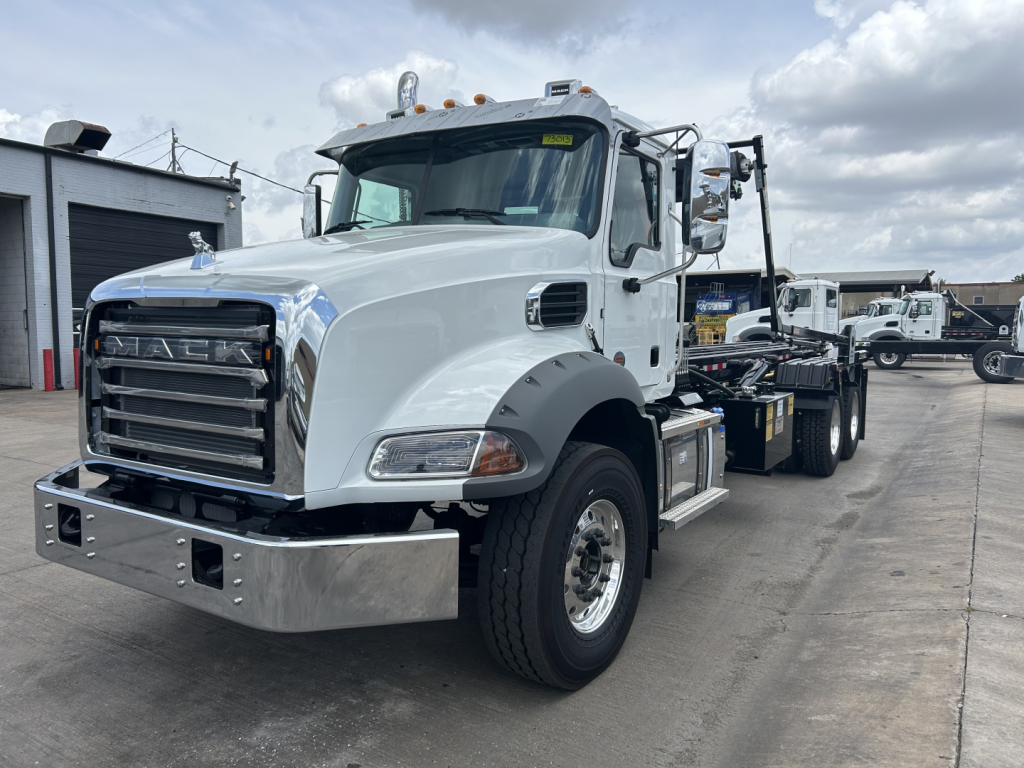
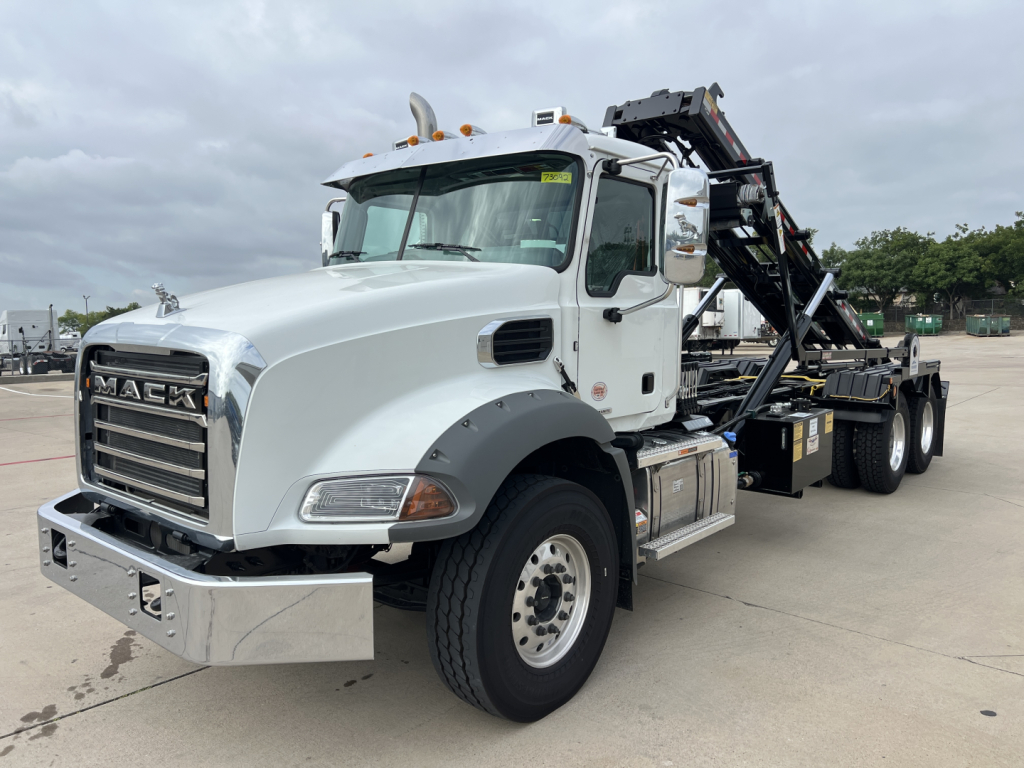
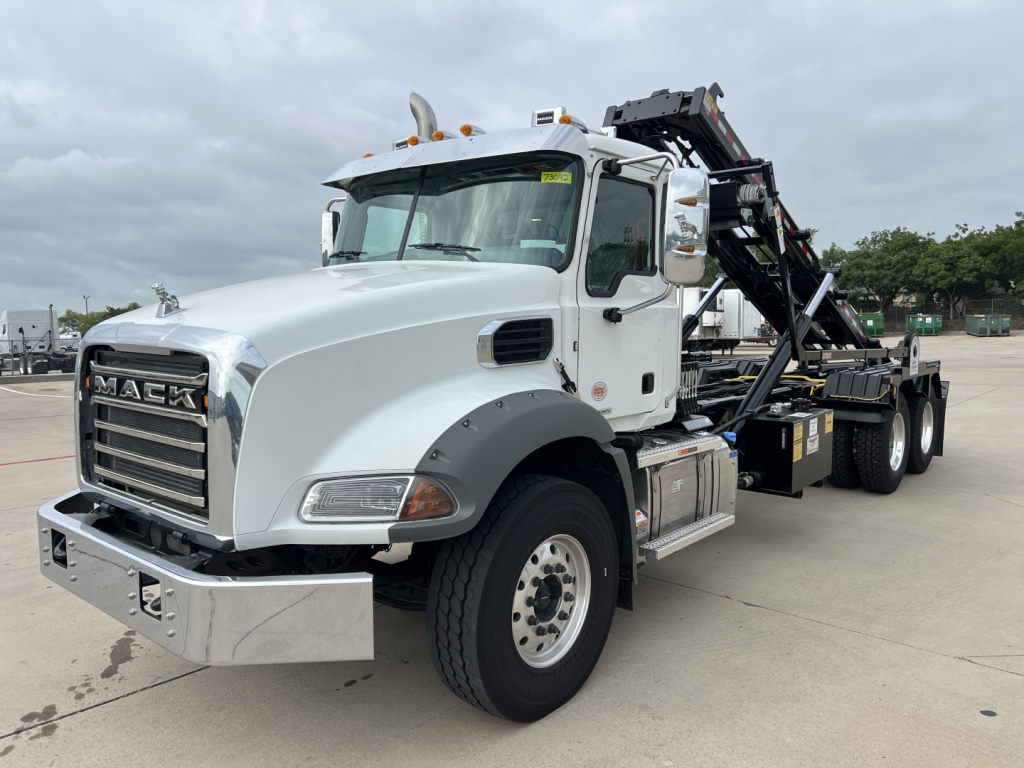
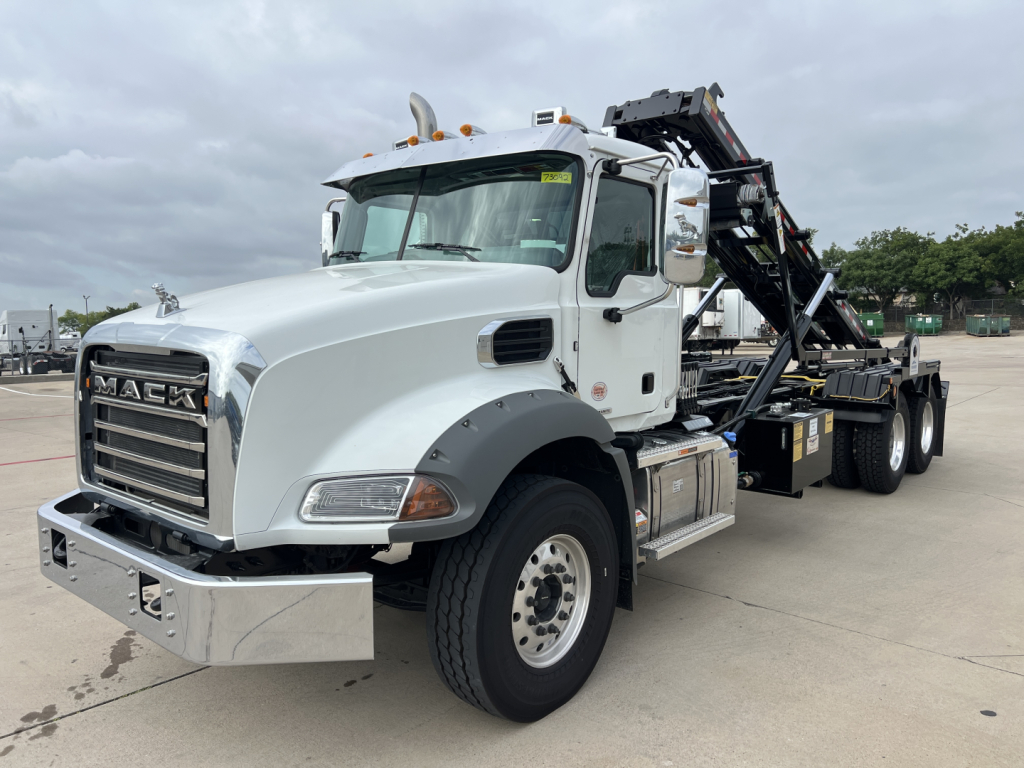
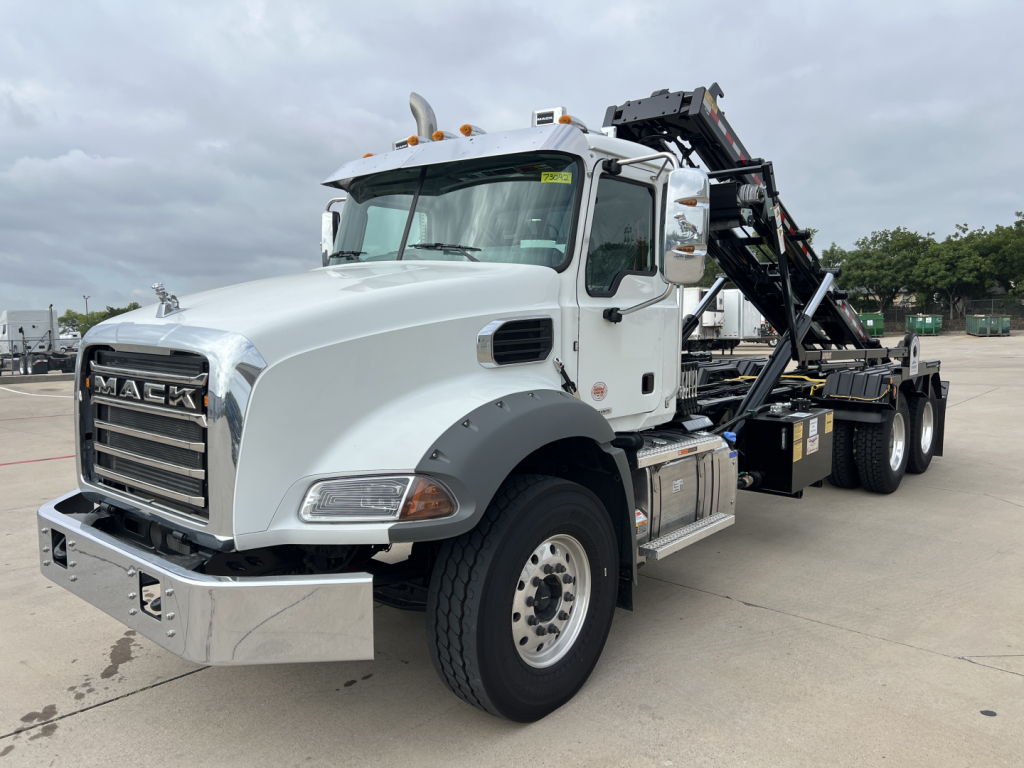
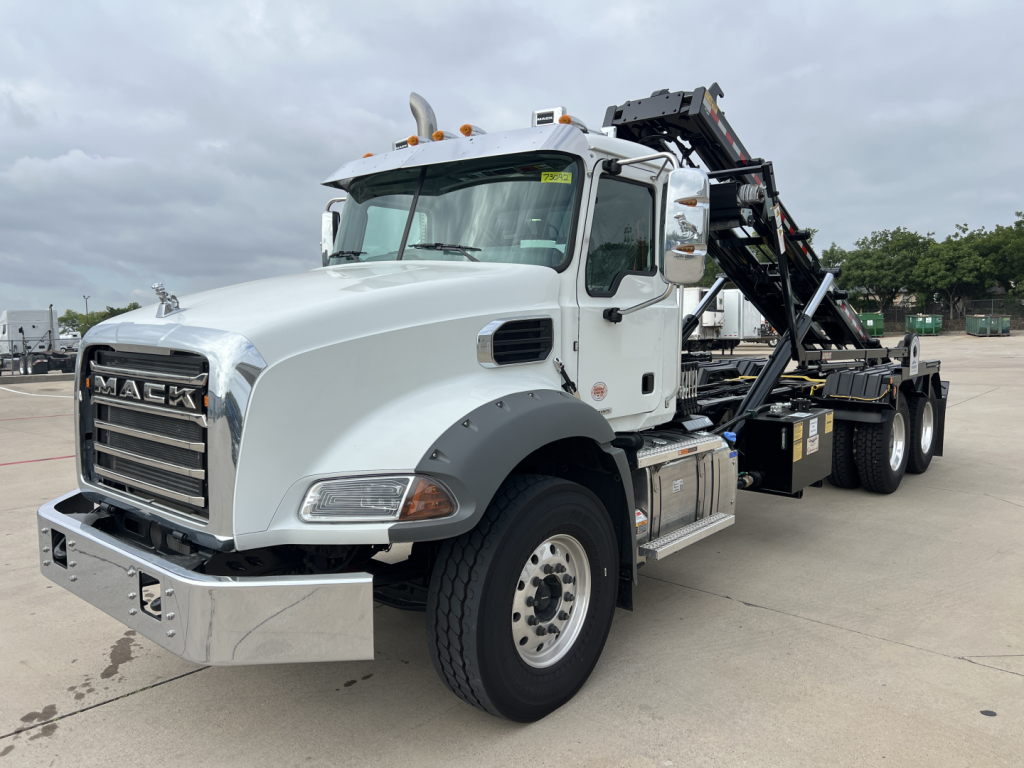
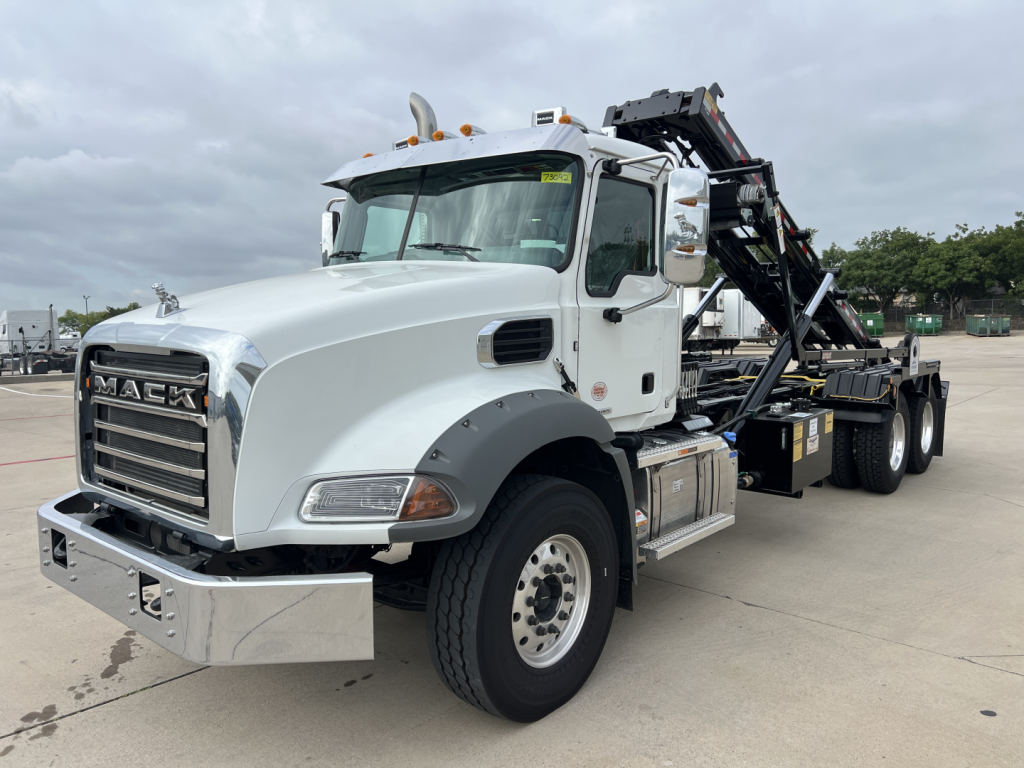
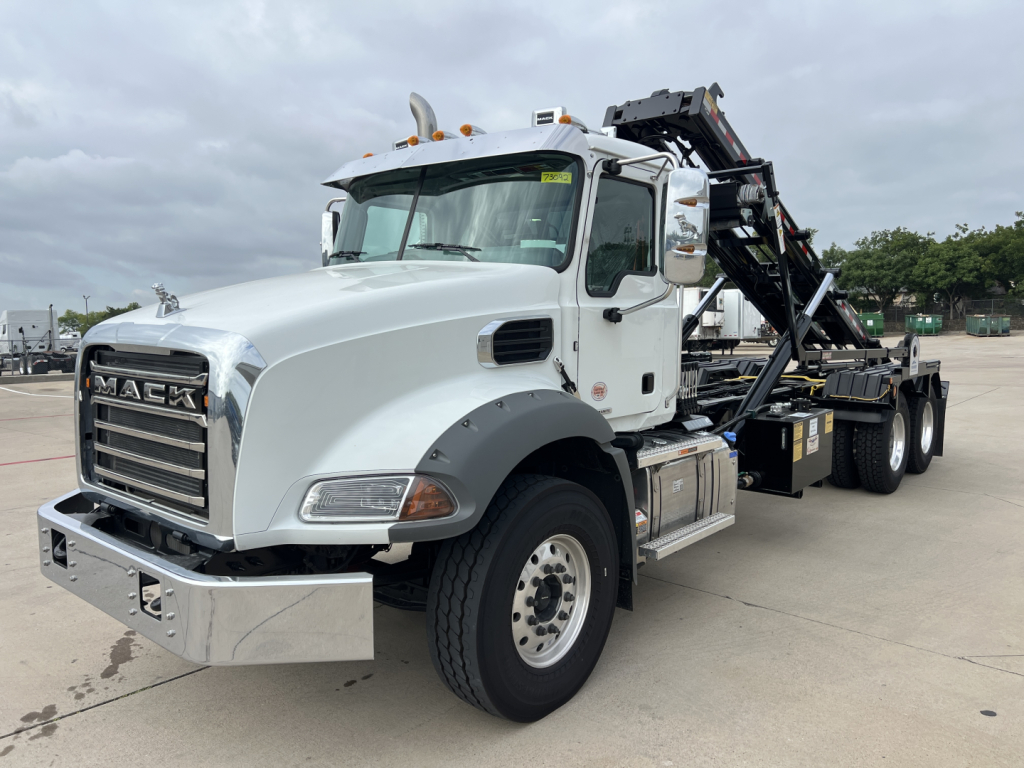
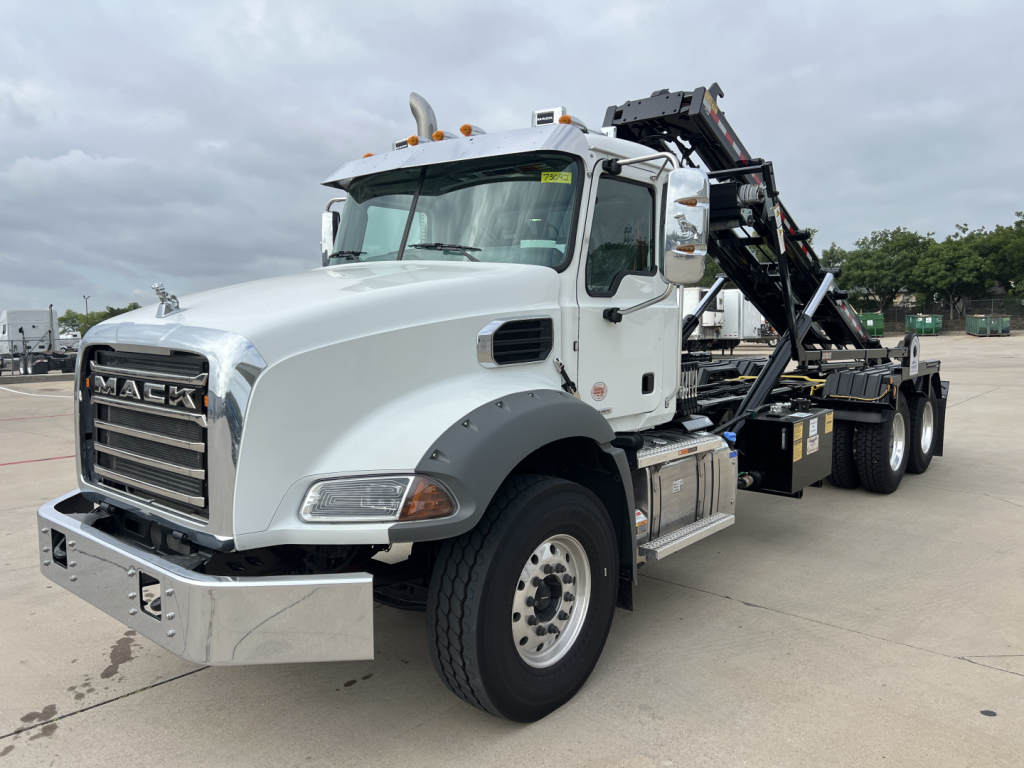
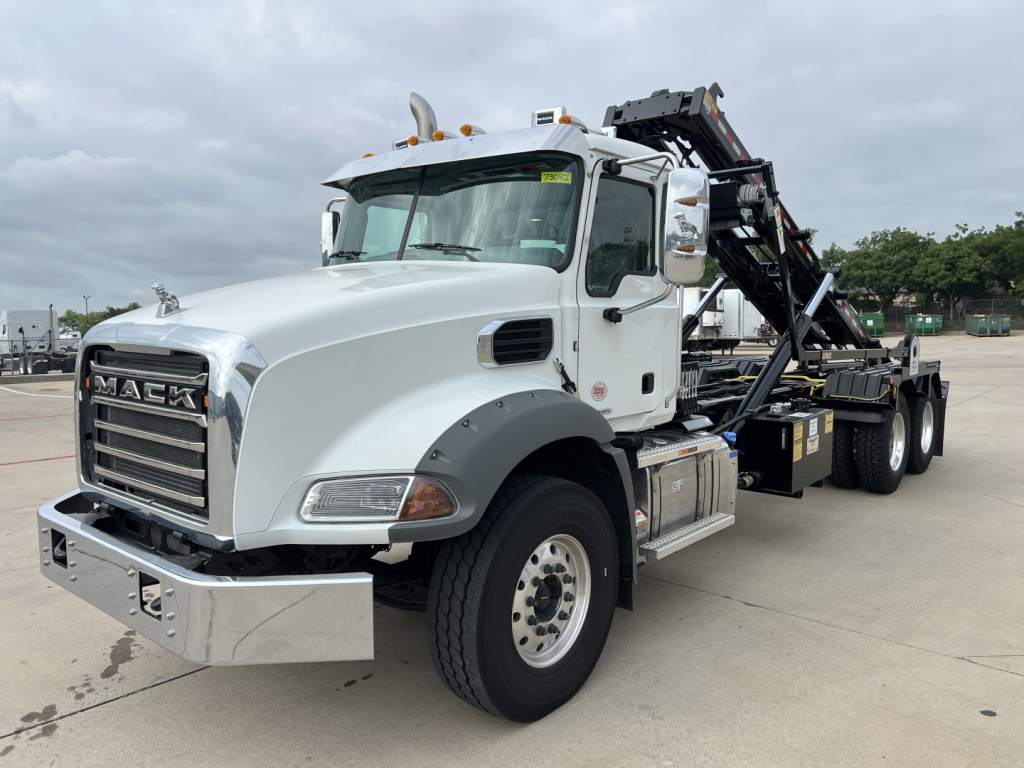
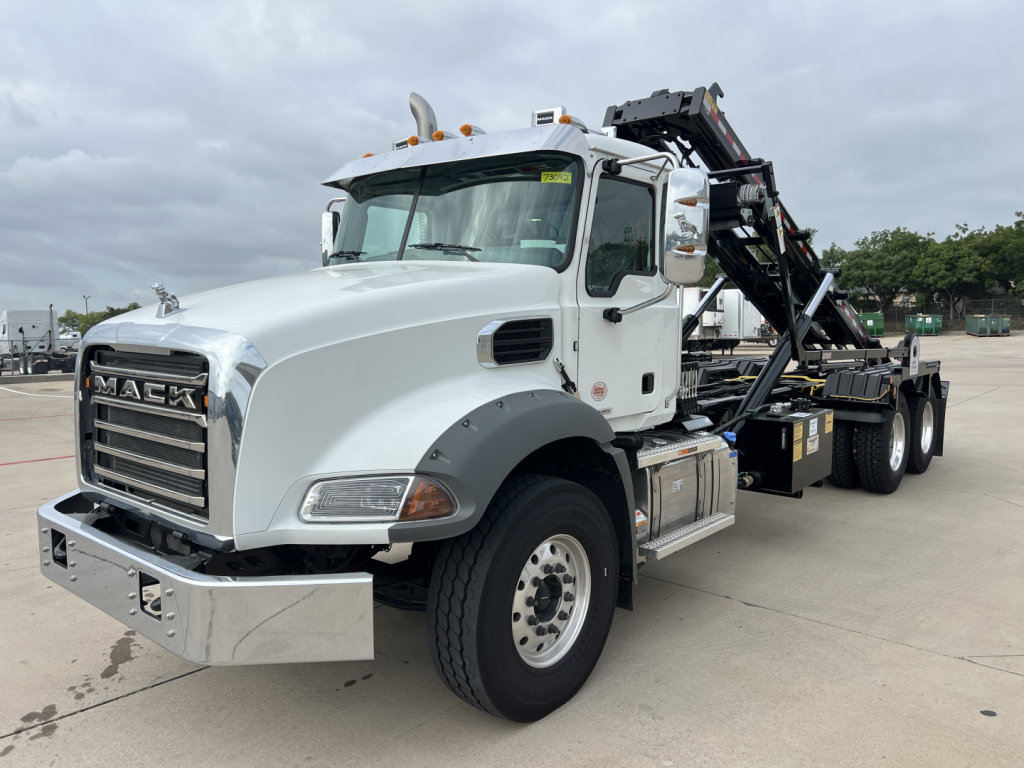
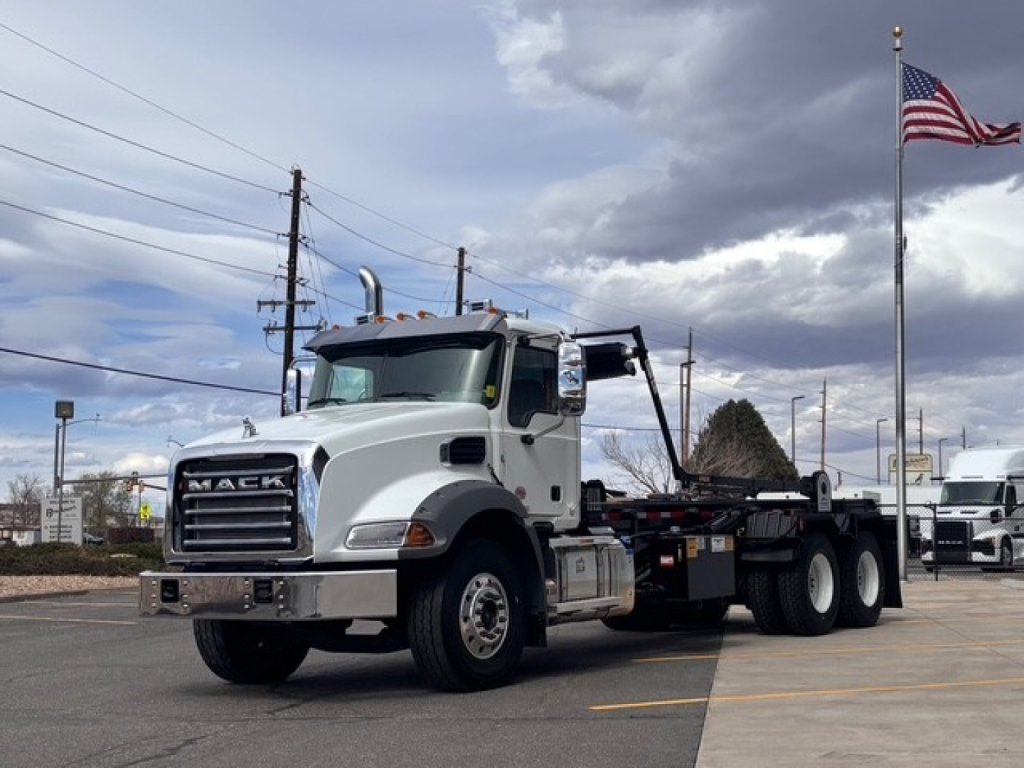
Showing 1 to 28 of 71 results
Selling a new mack rolloff truck? List your new mack rolloff truck for sale and reach thousands of commercial buyers.
New Mack Rolloff Trucks in Louisiana
On the spec side, buyers usually start with hoist capacity, container length range, and axle configuration. A tandem-axle 6x4 setup is common for rolloff applications because it balances legal payload, stability, and bridge-law flexibility, but the right build depends on the loaded can weights and the surfaces the truck will run on every day. Key chassis decisions include wheelbase, cab-to-axle measurement, frame reinforcement, rear suspension rating, PTO and hydraulic compatibility, and whether the truck is set up for inside-rail, outside-rail, or cable hoist equipment. Front axle capacity matters more than many buyers expect because a loaded container can transfer weight aggressively during loading and unloading cycles.
Mack vocational models used in rolloff service are typically spec'd with diesel engines in torque-focused ratings rather than purely highway horsepower numbers. An automated manual or automatic transmission can reduce driver fatigue on dense city routes, while a manual still appeals to fleets that want simplicity and direct control around tight containers and uneven sites. Buyers should also look closely at braking performance, driver visibility, lift axle needs, body and hoist controls, and the electrical architecture for backup cameras, work lights, and safety interlocks. If the truck will work in soft yards, transfer stations, or storm cleanup zones, tire selection, traction options, and suspension tuning deserve as much attention as engine output.
A well-matched Mack rolloff truck should fit the container sizes you handle most, carry the weight you bill for, and survive thousands of hydraulic cycles without becoming a maintenance distraction. For Louisiana operations, it also helps to think through rust prevention, easy washout access, and service support for both the chassis and hoist manufacturer. Buyers comparing new Mack rolloff trucks should focus less on badge alone and more on the complete vocational spec: frame, hydraulics, axle package, transmission, and the exact duty cycle the truck is expected to run.
Frequently Asked Questions about New Mack Rolloff Trucks in Louisiana
What axle configuration is most common on a Mack rolloff truck?
A tandem-axle 6x4 configuration is the most common Mack rolloff setup because it supports heavier container loads, provides better stability during hoist operation, and fits many waste, demolition, and scrap applications. The correct axle package still depends on gross vehicle weight, container size, local bridge and road limits, and whether the truck needs a lift axle to stay legal under varying load conditions.
What should I look at first when comparing new Mack rolloff trucks?
Start with hoist capacity, container length compatibility, wheelbase, cab-to-axle dimension, and axle ratings. Those specs determine whether the truck can safely load, carry, and dump the cans you handle every day. After that, compare engine torque, transmission type, suspension rating, PTO and hydraulic setup, and frame specification, because those factors directly affect uptime and performance in vocational service.
Are Mack rolloff trucks a good fit for Louisiana routes and job conditions?
They can be a strong fit for Louisiana fleets because Mack vocational chassis are commonly spec'd for severe-service work, frequent stops, tight urban access, and rougher site conditions. Buyers in Louisiana should pay extra attention to corrosion resistance, cooling performance, traction, and washout-friendly layouts due to humidity, rain exposure, storm debris work, and mixed paved and unpaved operating environments.
What transmission is best in a new rolloff truck?
That depends on route density and driver preference. Automated manual and automatic transmissions are popular in rolloff service because they reduce driver fatigue, improve consistency in stop-and-go operation, and can help newer drivers manage the truck more smoothly. Manual transmissions still have value in fleets that want lower complexity or prefer direct gear control in off-road or uneven loading situations.
Why is front axle capacity important on a rolloff truck?
Front axle capacity matters because weight shifts forward and rearward during loading, unloading, and container transport. A truck that looks adequate on paper can still be poorly matched if the front axle is undersized for the hoist geometry and the loaded can position. Proper front axle rating helps with legal compliance, steering control, tire life, and overall stability during rolloff operations.