
Mack Refuse Side Loader Trucks For Sale in Arkansas
Shop Mack refuse side loader trucks with ASL bodies, dual-drive cab options, heavy-duty axles, and specs built for residential waste routes.
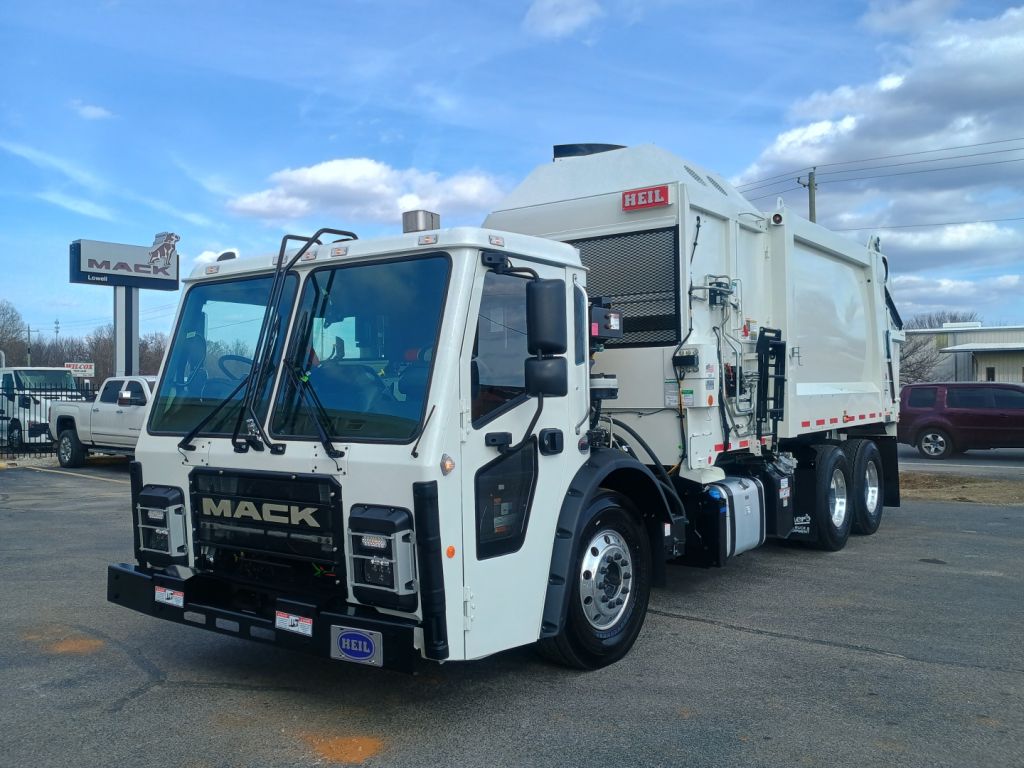
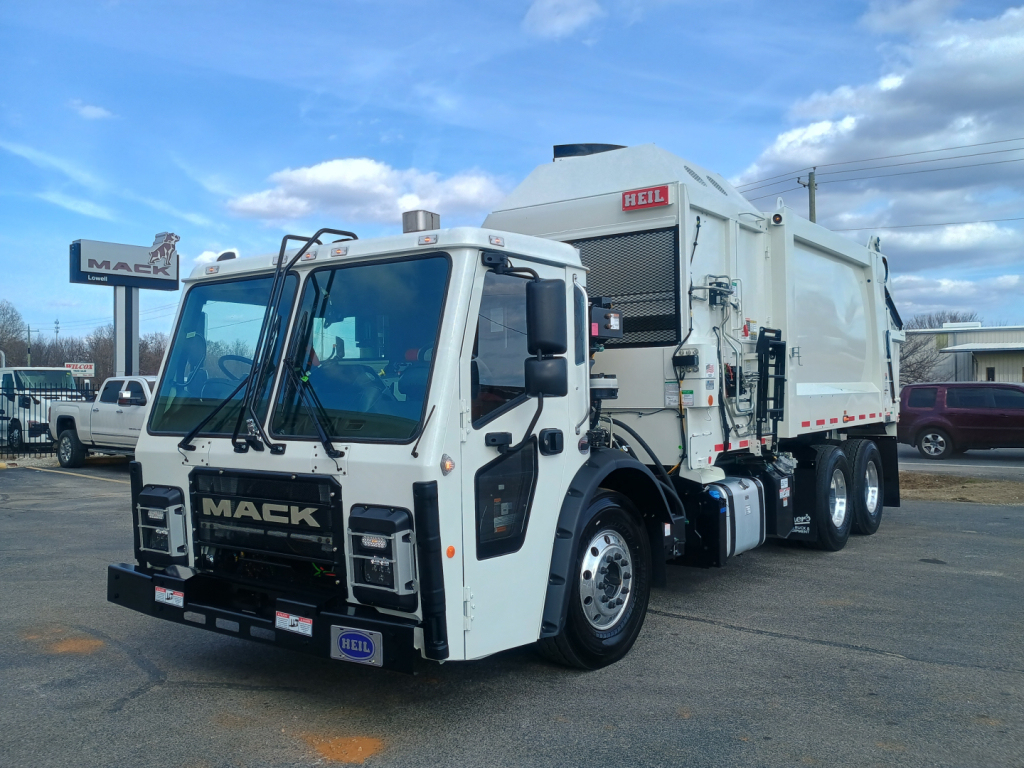

Selling a mack refuse side loader truck? List your mack refuse side loader truck for sale and reach thousands of commercial buyers.
Mack Refuse Side Loader Trucks in Arkansas
A typical Mack refuse side loader in this class carries a front axle around 20,000 pounds, tandem rears around 46,000 pounds, and a GVWR near 66,000 pounds. Common power comes from the Mack MP7 in the mid-300 horsepower range, paired with an Allison 4500 RDS automatic transmission. That combination is popular because it handles constant starts, PTO-driven body operation, and heavy urban cycles without the learning curve of a manual or automated manual setup. Rear ratios in the 5.00-plus range are common, giving these trucks the low-speed pulling power needed for loaded starts, alley service, and dense neighborhood work.
The chassis matters as much as the body on a side loader. Mack's refuse-oriented LR configuration is known for a low-entry cab, excellent sightlines, and tight maneuverability on city streets and subdivision routes. Suspension choices such as Mack Camelback are favored in severe-service applications because they stand up well to heavy loads, repeated curbside impacts, and long municipal duty cycles. Buyers should pay close attention to wheelbase, lift arm reach, hopper capacity, camera systems, differential locks, and how the body and chassis are matched. A 28-yard automated side loader body is a common fit for high-volume residential work, but route density, transfer distance, and legal weight limits in Arkansas can all affect the right specification.
For Arkansas operators, a side loader truck often has to balance neighborhood maneuverability with enough capacity to cover spread-out service areas efficiently. Look closely at cab condition, hydraulic performance, packer cycle times, arm wear points, and electronic visibility systems such as side and rear cameras. On newer units, body controls, safety interlocks, and driver-assist visibility features can make a meaningful difference in uptime and training. A well-spec'd Mack refuse side loader is valued for route consistency, driver comfort, and the ability to handle daily residential cart pickup with fewer physical demands on the operator.
Frequently Asked Questions about Mack Refuse Side Loader Trucks in Arkansas
What is a Mack refuse side loader truck used for?
A Mack refuse side loader truck is primarily used for residential trash collection where carts are staged at the curb. The truck uses a hydraulic arm mounted on the side of the body to grab, lift, and empty containers into the hopper. This setup improves route speed, reduces manual handling, and supports one-person collection in many municipal and private waste operations.
What engine and transmission are common in Mack refuse side loader trucks?
Many Mack refuse side loader trucks are spec'd with a Mack MP7 diesel engine in the 355-horsepower range and an Allison 4500 RDS automatic transmission. That pairing is common in refuse work because it delivers solid low-speed performance, smooth operation in stop-and-go routes, and dependable integration with PTO and hydraulic body systems. The exact horsepower and gearing can vary based on body size, legal weight targets, and route terrain.
Why do many Mack side loader refuse trucks have dual-drive seating?
Dual-drive seating allows operation from either the left-hand or right-hand side of the cab, which can be useful for route visibility and service flexibility. In residential collection, right-hand operation gives the driver a clearer view of curbside carts and the lift arm. This can improve safety, reduce fatigue, and help speed up collection on dense neighborhood routes.
What should buyers inspect on a used refuse side loader truck?
Buyers should inspect the lift arm structure, pivot points, hydraulic cylinders, hopper floor, packer mechanism, body mounts, and camera systems. Chassis items such as suspension condition, frame integrity, axle ratings, differential locks, transmission operation, and engine idle hours are also important. Refuse trucks live in a severe-service environment, so signs of cracking, corrosion, sloppy arm operation, or weak hydraulic cycle performance deserve close attention.
What body size is common on a Mack automated side loader?
A 28-yard automated side loader body is a common configuration for residential collection, especially on Mack LR chassis. That size gives a good balance between payload volume, route efficiency, and maneuverability. The best body size still depends on route density, waste stream, transfer distance, and local weight restrictions, so buyers should match body capacity to the real operating cycle rather than choosing strictly by maximum volume.