
Refuse Side Loader Trucks For Sale in Arkansas
Browse refuse side loader trucks for municipal and private waste routes in Arkansas, including automated side loaders with high-capacity bodies.
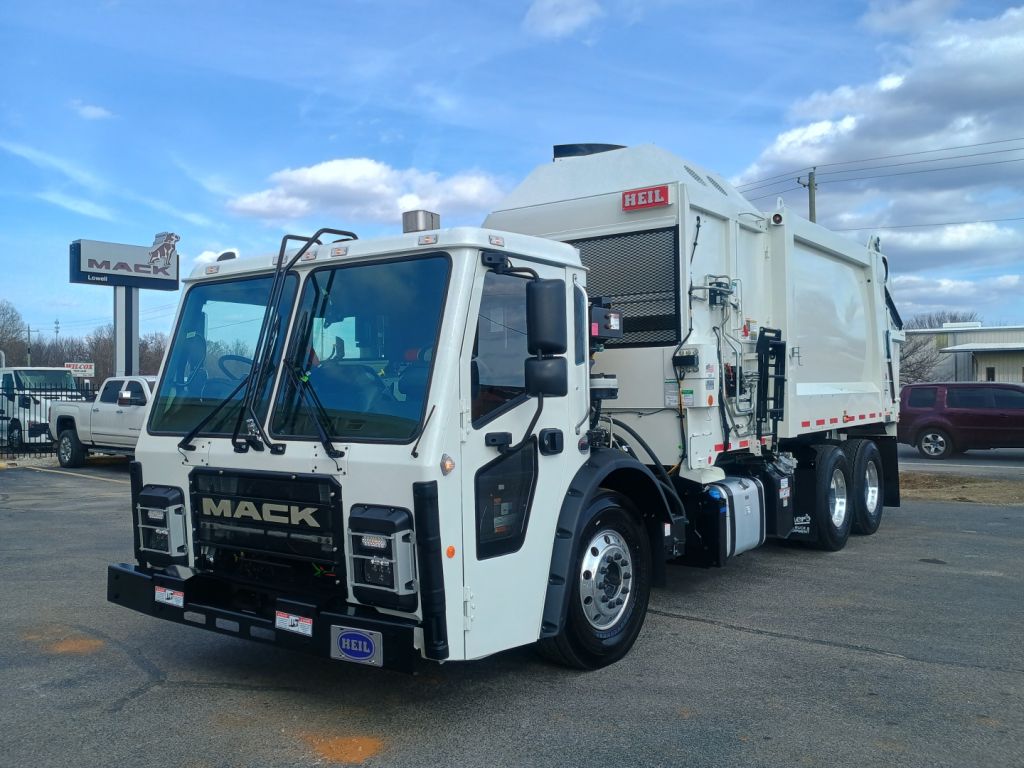
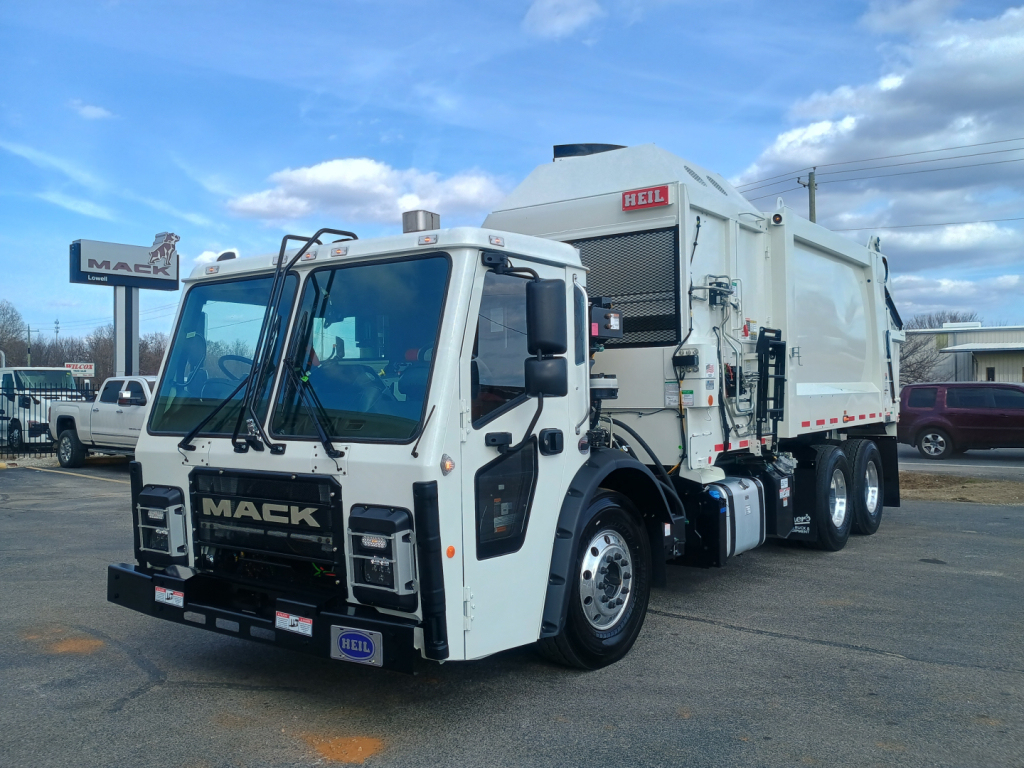

Selling a refuse side loader truck? List your refuse side loader truck for sale and reach thousands of commercial buyers.
Refuse Side Loader Trucks in Arkansas
The chassis and body combination is what separates a good side loader from one that becomes expensive in service. Common specs include tandem rear axles, GVWRs around 60,000 to 66,000 pounds, front axle ratings near 20,000 pounds, and heavy rear suspensions designed to carry a full body through repeated stop-and-go work. Engines in the mid-300 horsepower range are common, usually paired with fully automatic Allison transmissions such as the 4500 RDS. Buyers should pay close attention to rear axle ratio, wheelbase, and suspension type because those choices directly affect launch performance, turning behavior, body fit, and route durability.
Body configuration is just as important as the cab. Many refuse side loaders use 28-yard class bodies, but actual fit depends on route density, material type, and transfer distance. The automated arm design, hopper shape, packer performance, and hydraulic layout all influence pickup speed and maintenance access. Camera systems are now standard on many municipal specs, especially for right-side visibility, cart alignment, and backing safety. Dual sit or dual drive cab layouts can also be important on residential routes where operator sightlines and frequent curb approach angles affect daily productivity.
For Arkansas buyers, route conditions can vary from tight subdivisions to rural paved roads and mixed municipal service areas. A side loader truck that performs well in this market usually needs strong low-speed power, durable suspension components, corrosion-resistant body construction, and easy access to hydraulic and electrical service points. When comparing listings, focus on arm make and model, body capacity, packer design, axle ratings, transmission spec, camera coverage, and cab layout. Those details tell you more about long-term route performance than model year alone.
Frequently Asked Questions about Refuse Side Loader Trucks in Arkansas
What is a refuse side loader truck used for?
A refuse side loader truck is primarily used for residential solid waste and recycling collection. Most units in this category are automated side loaders that pick up standardized carts with a hydraulic arm mounted on the side of the body. This setup supports one-person operation, improves collection speed on repetitive routes, and reduces the physical strain associated with rear load or manual pickup work.
What specs matter most when buying a refuse side loader?
The most important specs are body capacity, arm design, GVWR, axle ratings, wheelbase, transmission model, suspension type, and cab configuration. Buyers should also evaluate the hydraulic system, hopper design, packer performance, and camera system coverage. On heavy residential routes, these details have a direct impact on payload, cycle time, maneuverability, and maintenance cost.
How large is a typical automated side loader body?
A common automated side loader body falls in the 28-yard range, although exact capacity varies by manufacturer and application. That size works well for many residential routes because it balances payload with chassis length and maneuverability. The right body size depends on stop count, route density, waste stream, and how far the truck must travel before dumping.
Are dual-drive or dual-sit cabs worth it on a side loader truck?
They can be, especially on residential routes with frequent stops, tight curb approaches, and heavy emphasis on visibility. A dual-sit or dual-drive layout can improve the operator’s view of the pickup side and reduce fatigue over a full route. The value depends on route design, local operating practices, and whether the truck will be used in dense neighborhoods or mixed municipal service areas.
Why are Allison automatic transmissions common in refuse side loader trucks?
Allison automatic transmissions are widely used in refuse applications because they handle constant stop-and-go driving well and deliver smooth low-speed control. Refuse routes involve repeated starts, short moves, and frequent hydraulic body operation, so a transmission built for vocational duty is important. Proper transmission spec also helps protect driveline components and supports productivity on dense collection routes.