
Used Refrigerated Trucks For Sale in Pennsylvania
Shop used refrigerated trucks in Pennsylvania. Compare reefer bodies, liftgates, under-CDL specs, insulation, and refrigeration units.
Learn more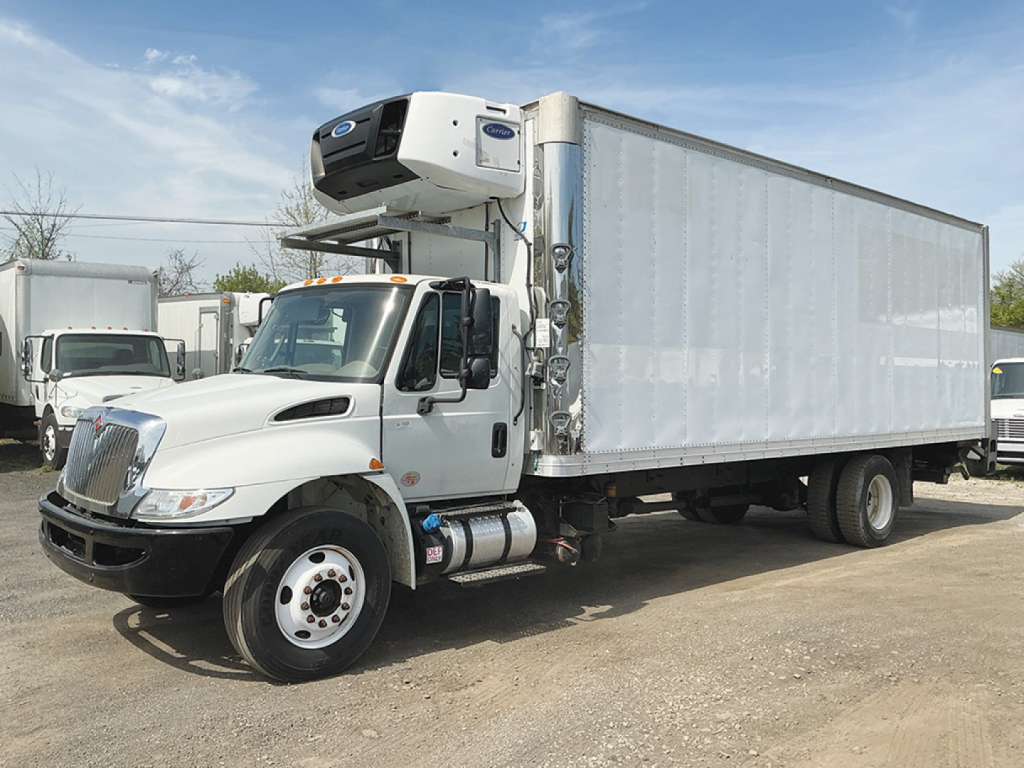

Have used refrigerated truck to sell? List it here to reach thousands of buyers.
About Used Refrigerated Trucks in Pennsylvania
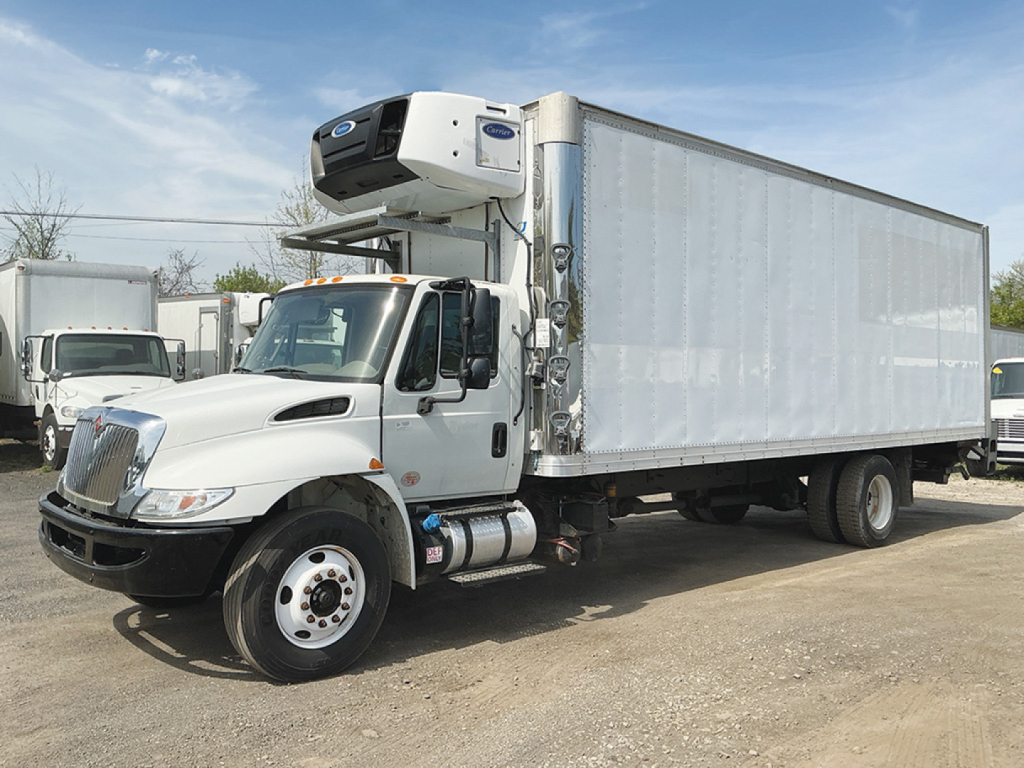
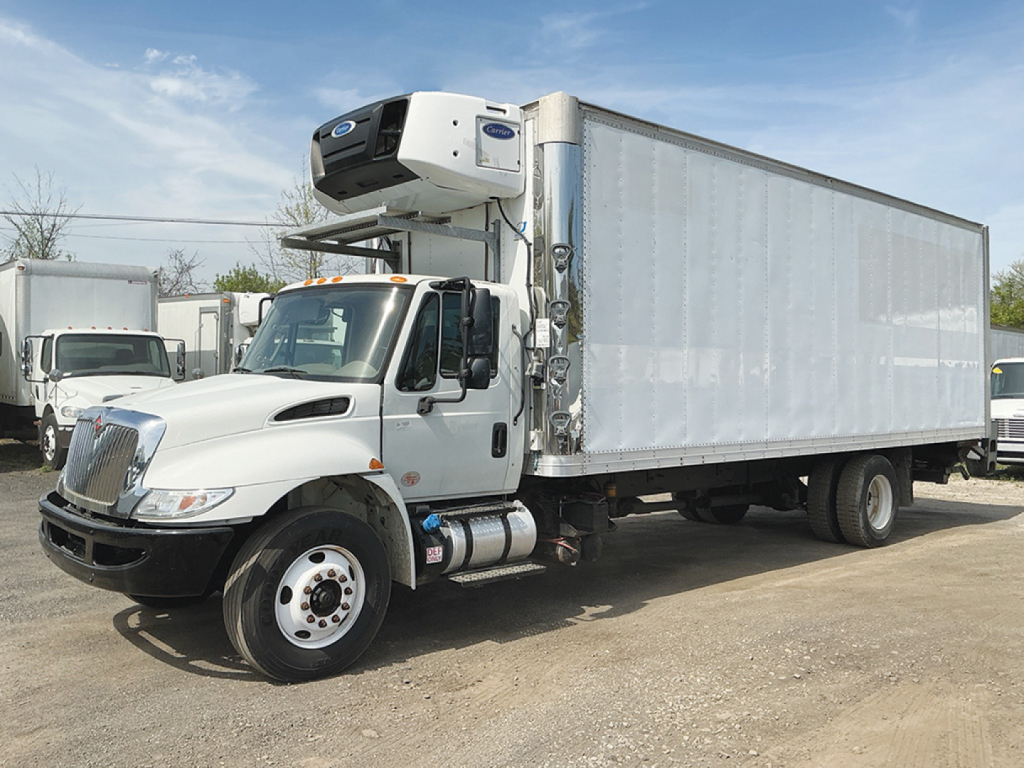
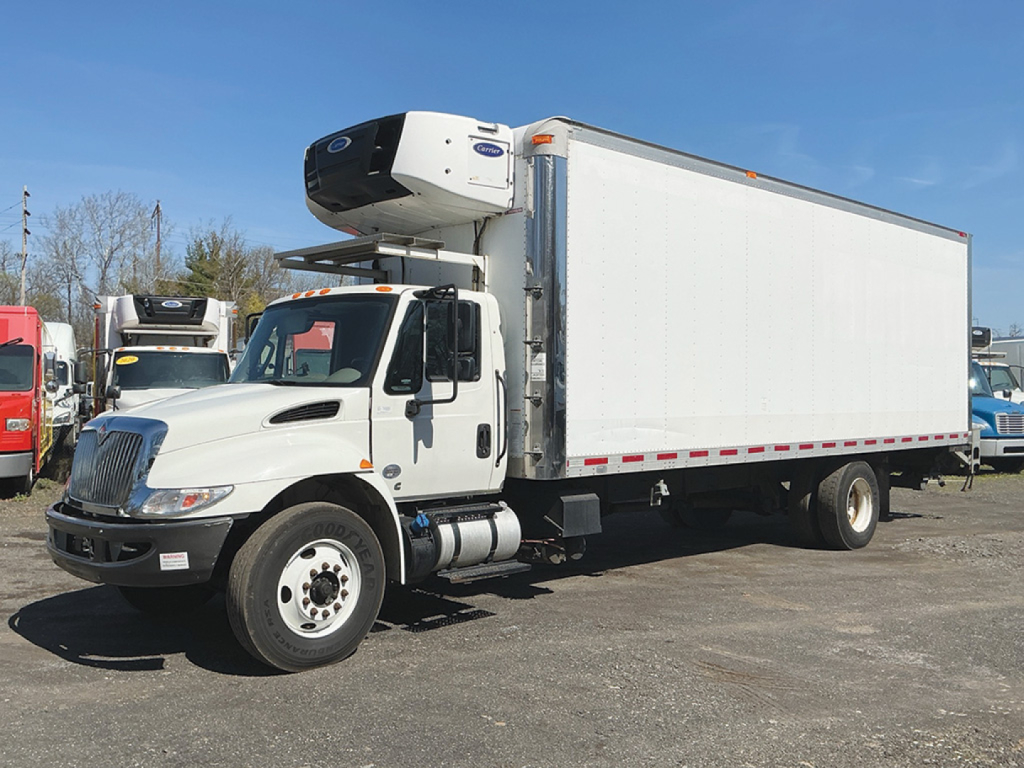
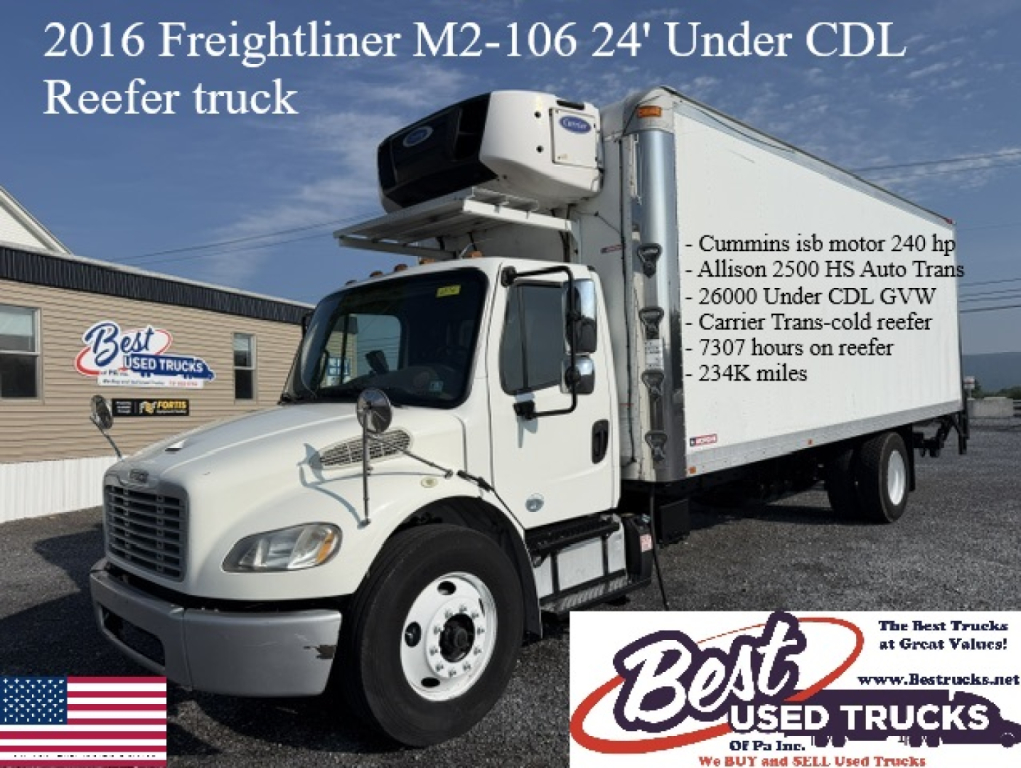
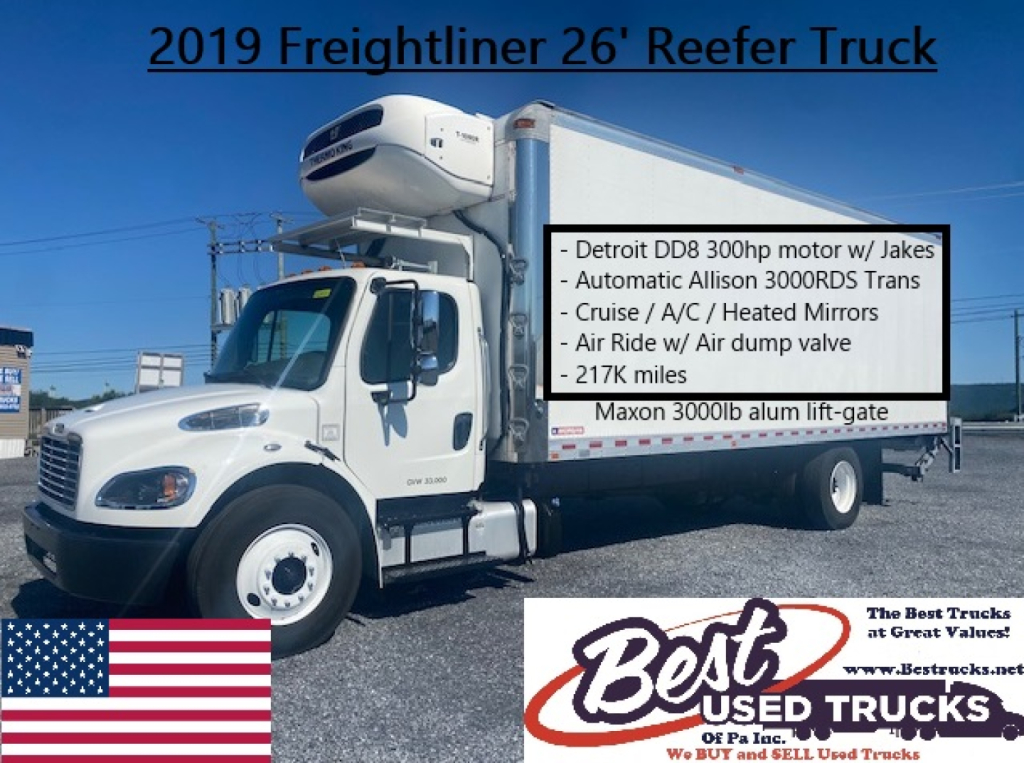
The refrigeration unit and body condition deserve more attention than the badge on the hood. Common units from Carrier and Thermo King should be evaluated by hours, service history, pull-down performance, and whether the unit can hold setpoint under load instead of only empty. Body construction details matter because they affect both sanitation and thermal efficiency. Many buyers look for Kemlite or similar lined interiors, stainless front radius panels, scuff liners or scuff plate, flat aluminum floors, E-track, roll-up rear doors, and curbside doors for multi-stop access. A liftgate is a major value point on local and regional delivery trucks, especially for palletized freight without dock access.
Powertrain specs on used reefer trucks tend to favor durability and stop-and-go drivability over highway speed. Cummins ISB engines in the 240 to 260 horsepower range and Allison automatic transmissions are common because they are well suited to city delivery work. Rear axle ratios in the mid-5s are typical on local-route trucks that need strong launch performance with a loaded body. Suspension choice also matters. Air ride can help protect sensitive cargo and improve ride quality, while spring suspension may be simpler and less expensive to maintain. Tire size, wheelbase, door opening height, and body width all affect real-world usability at docks, alleys, and urban delivery points across Pennsylvania.
A used refrigerated truck should be judged as a complete system: chassis, reefer unit, insulation package, door seals, and cargo area layout. Check for floor soft spots, damaged interior lining, moisture intrusion, corrosion around the evaporator area, and excessive daylight at door seals. Confirm reefer start method, fuel source, standby capability if needed, and maintenance records for both truck and unit. For operations hauling mixed fresh and frozen product, pay close attention to airflow management and body condition because poor insulation or damaged liners can cost more over time than a lower purchase price saves. The right used reefer truck is the one that matches route length, dock conditions, product temperature requirements, and licensing limits without adding unnecessary complexity.
Frequently Asked Questions
What size used refrigerated truck is most common for local delivery work?
For local and regional delivery, the most common used refrigerated straight trucks are 24 foot and 26 foot bodies on medium-duty single-axle chassis. These sizes balance pallet capacity, maneuverability, and dock compatibility. A 24 foot truck is often preferred when route density, tight streets, or under-CDL requirements matter, while a 26 foot body can add useful cube for grocery, beverage, and foodservice work.
What should I check first on a used reefer truck?
Start with the refrigeration unit hours, service records, and actual cooling performance, then inspect the body for insulation and seal integrity. A reefer truck can look clean and still have hidden issues such as damaged liners, wet insulation, poor door seals, or floor deterioration. Buyers should also verify reefer operation at set temperature, inspect the evaporator and condenser areas, and review maintenance on the chassis engine and transmission.
Is an under-CDL refrigerated truck a good choice?
An under-CDL reefer truck can be a strong fit for fleets that want to widen the driver pool and simplify route assignments. Trucks rated at 26,000 GVWR are common in this segment, especially with 24 foot bodies. The tradeoff is payload capacity. If the freight is dense, such as dairy, meat, or beverages, a higher-GVWR truck may be the better choice even if it requires a CDL driver.
Which features add the most value on a used refrigerated truck?
Liftgates, curbside doors, E-track, durable interior liners, and a well-maintained name-brand reefer unit usually add the most practical value. These features improve loading flexibility, cargo securement, and route efficiency. Air ride suspension can also be valuable for sensitive product, while a clean insulated body with solid door seals often matters more than cosmetic appearance in the cab.
How important is reefer unit brand on a used truck?
Brand matters, but condition and service support matter more. Carrier and Thermo King units are common because parts availability and technician familiarity are usually strong. A lesser concern is the brand name itself if the unit has documented maintenance, reasonable hours for its age, strong pull-down performance, and local service support. Buyers should focus on uptime, repair access, and total operating cost rather than brand alone.