
Ram Commercial Trucks For Sale
Ram trucks for sale including 1500, 2500, 3500 and chassis cabs. Compare Hemi vs Cummins, towing, payload, 4x4, cab and upfit specs for work.
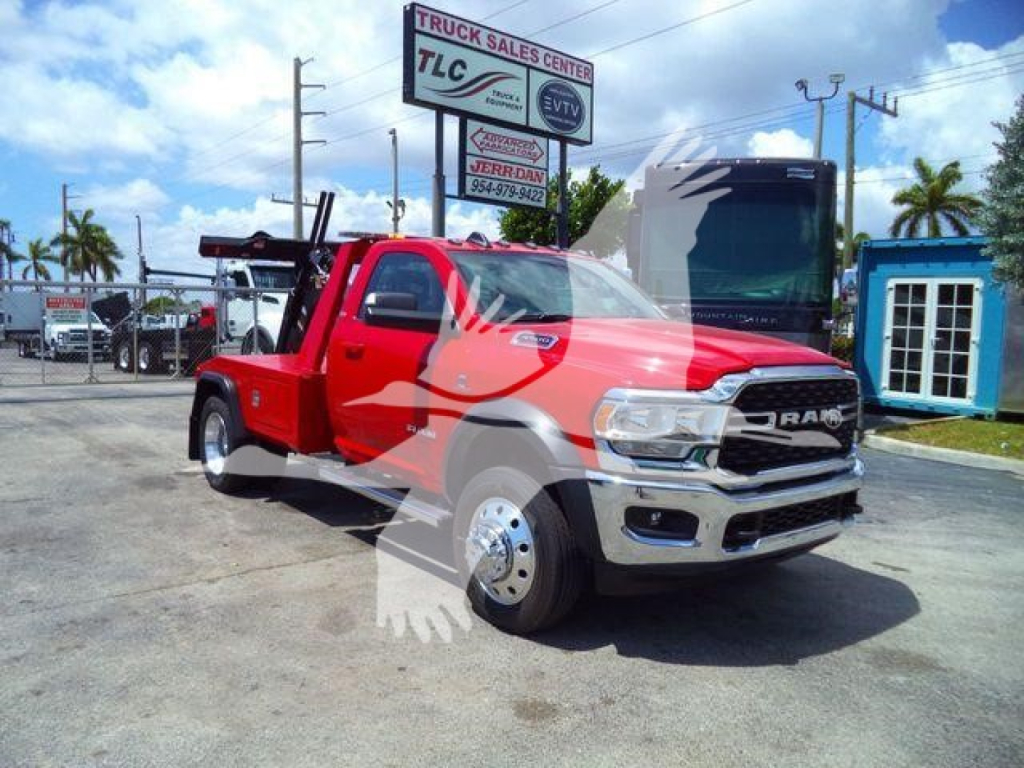
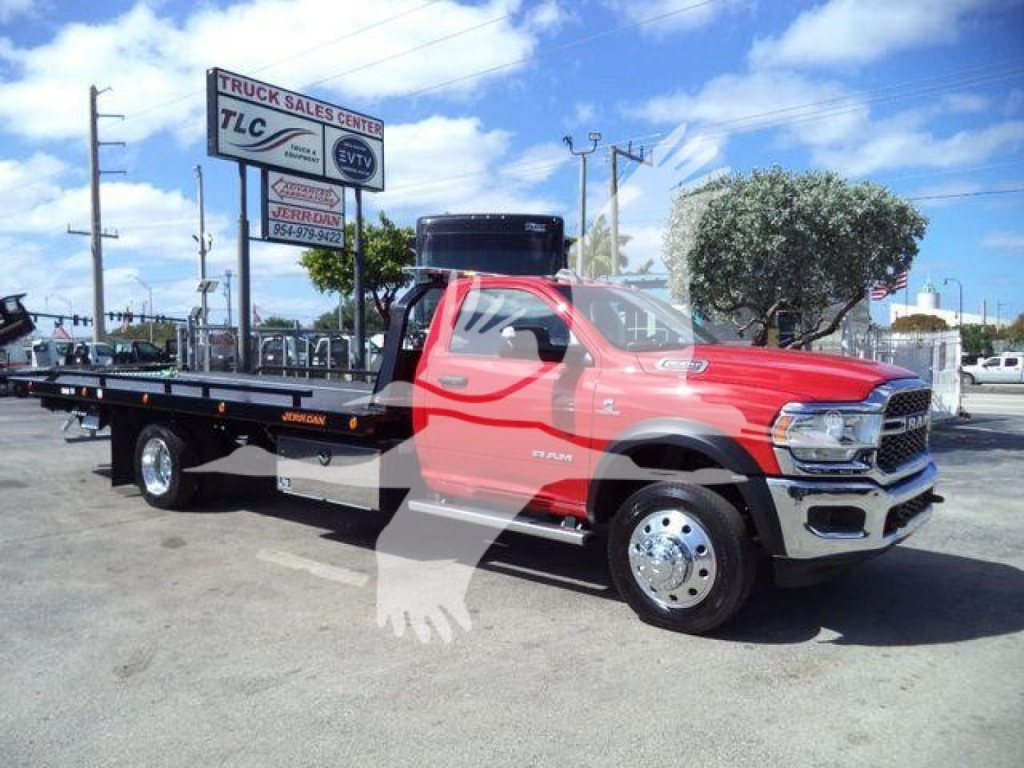
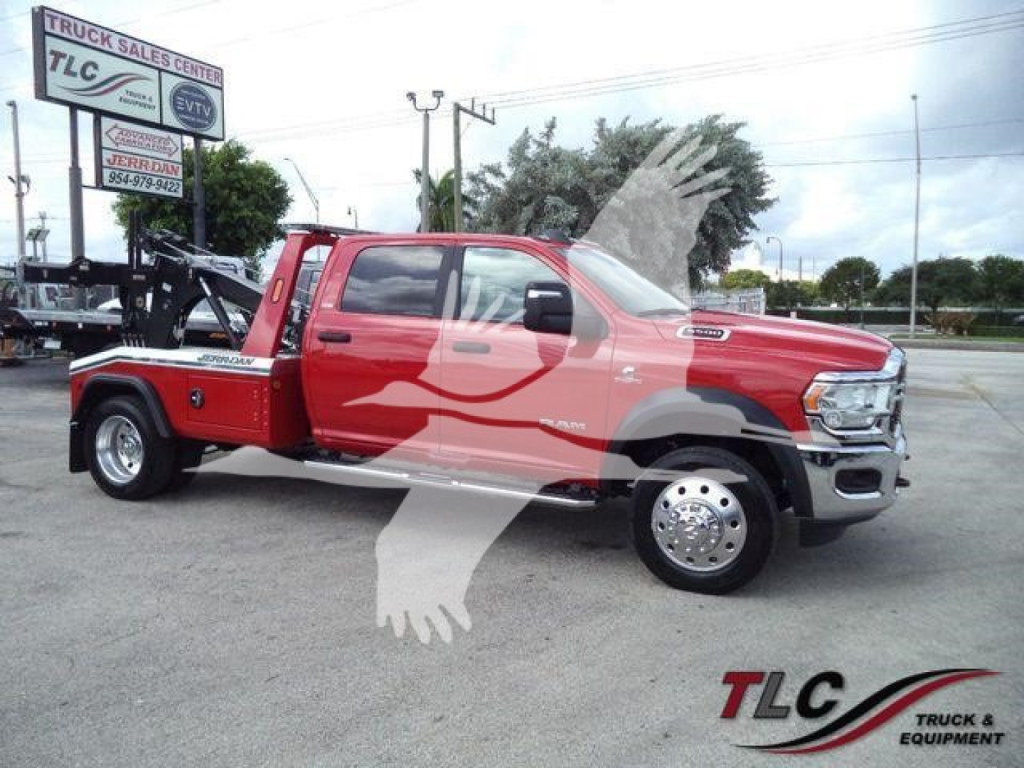
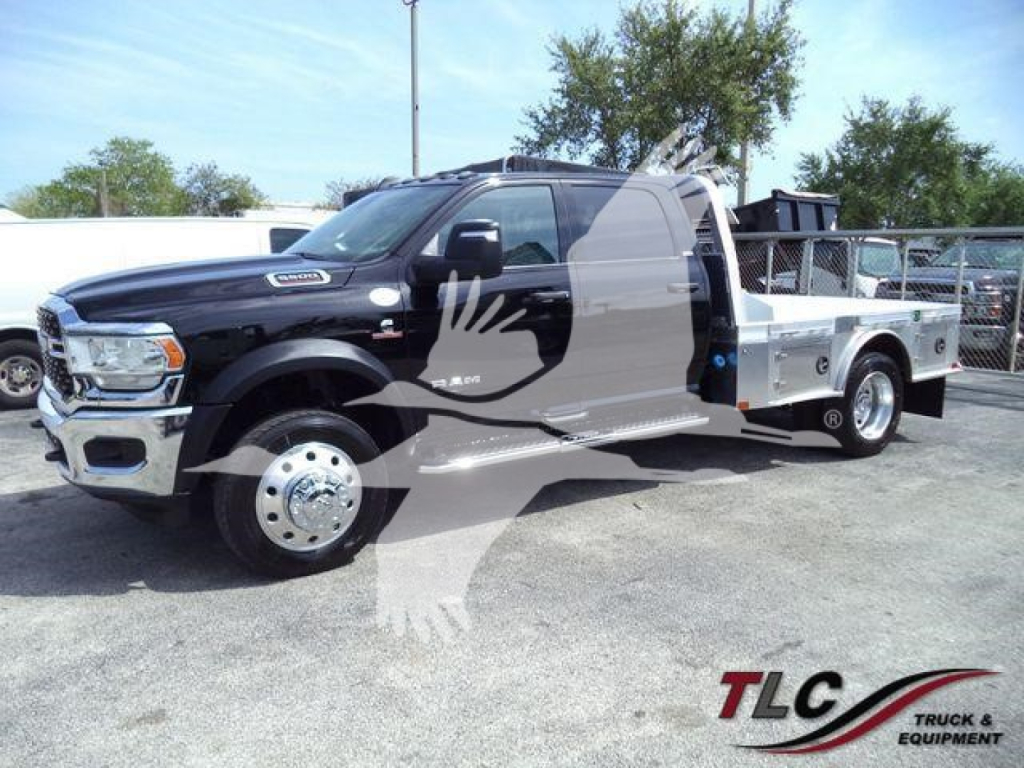
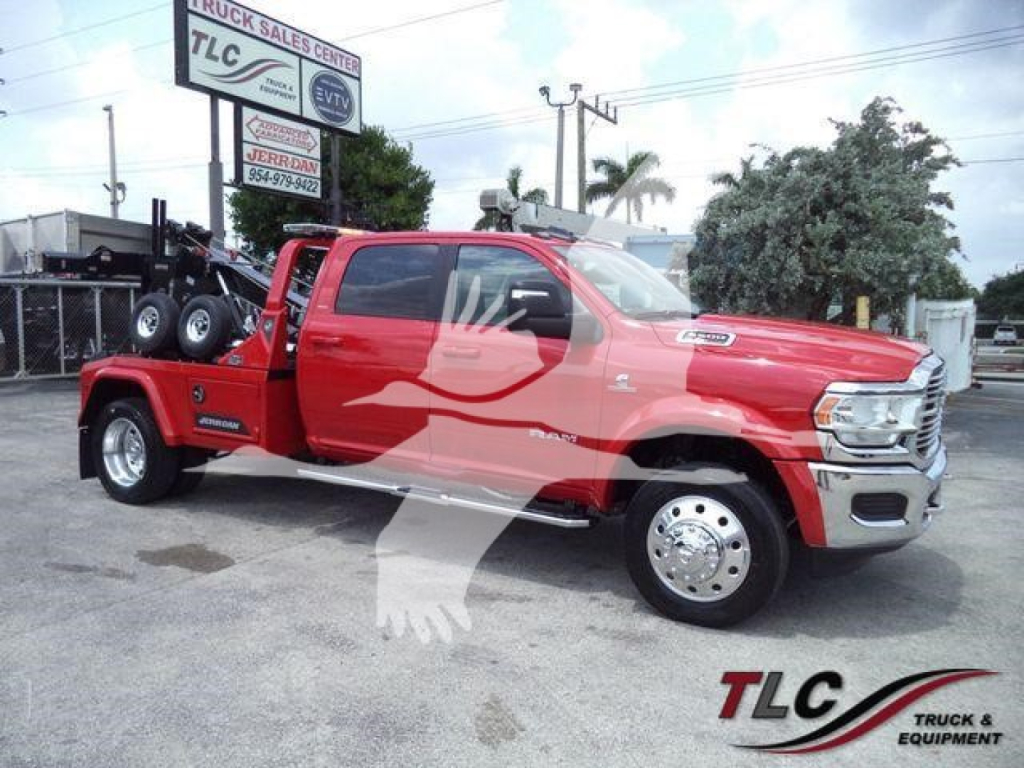
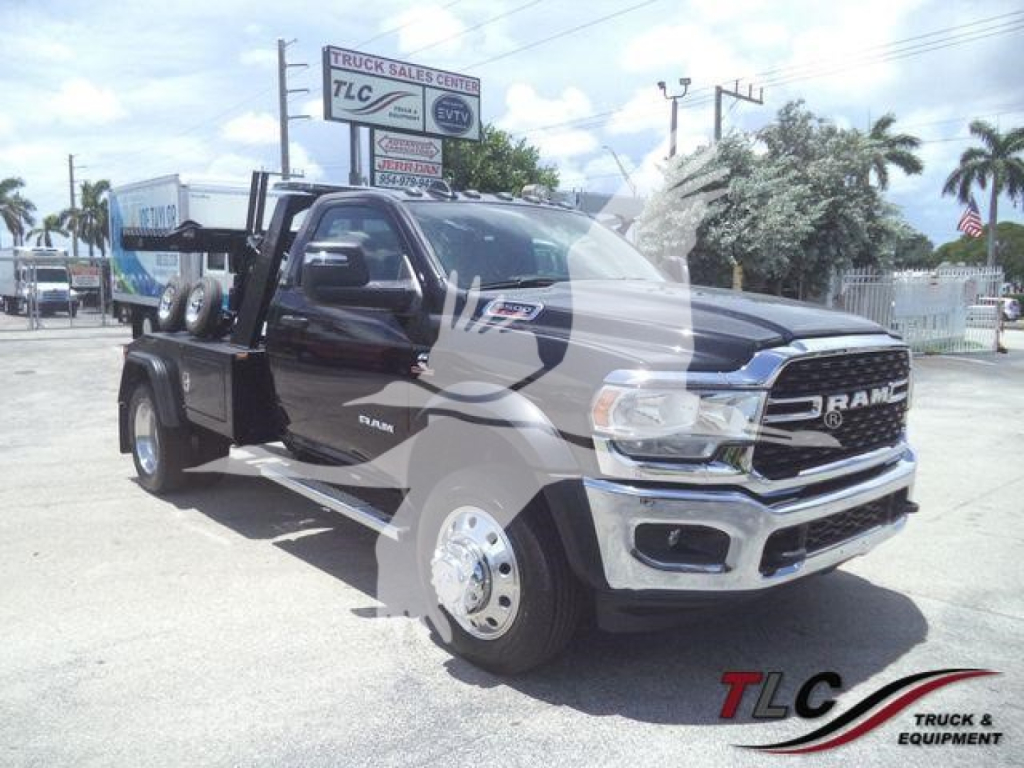
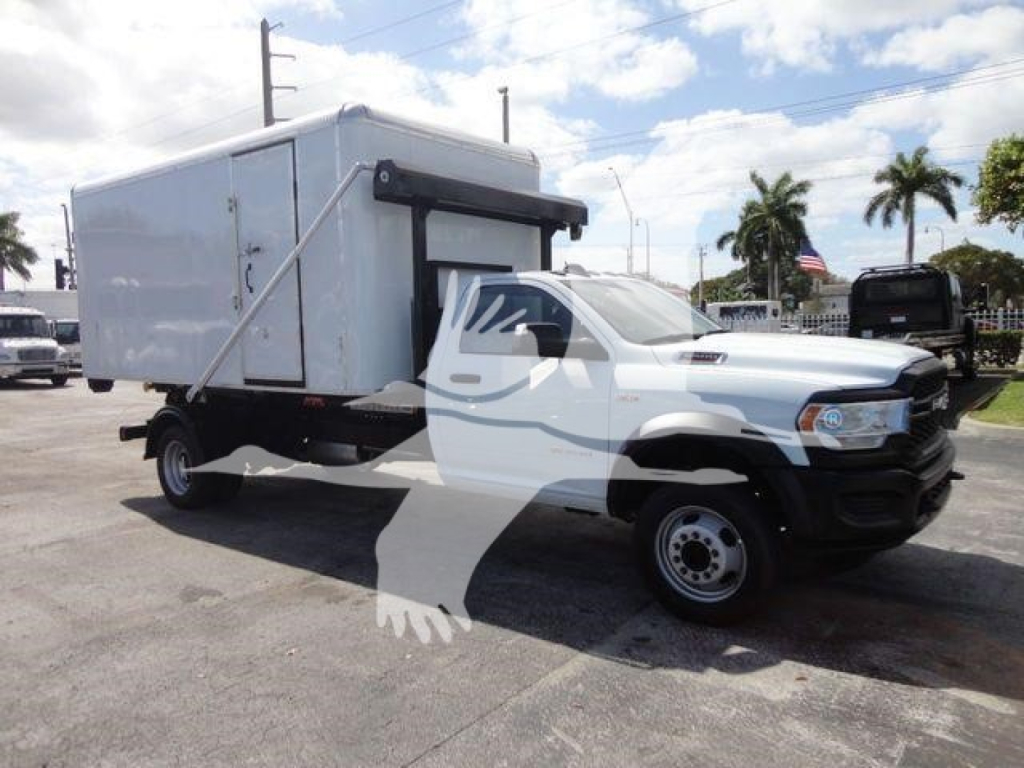
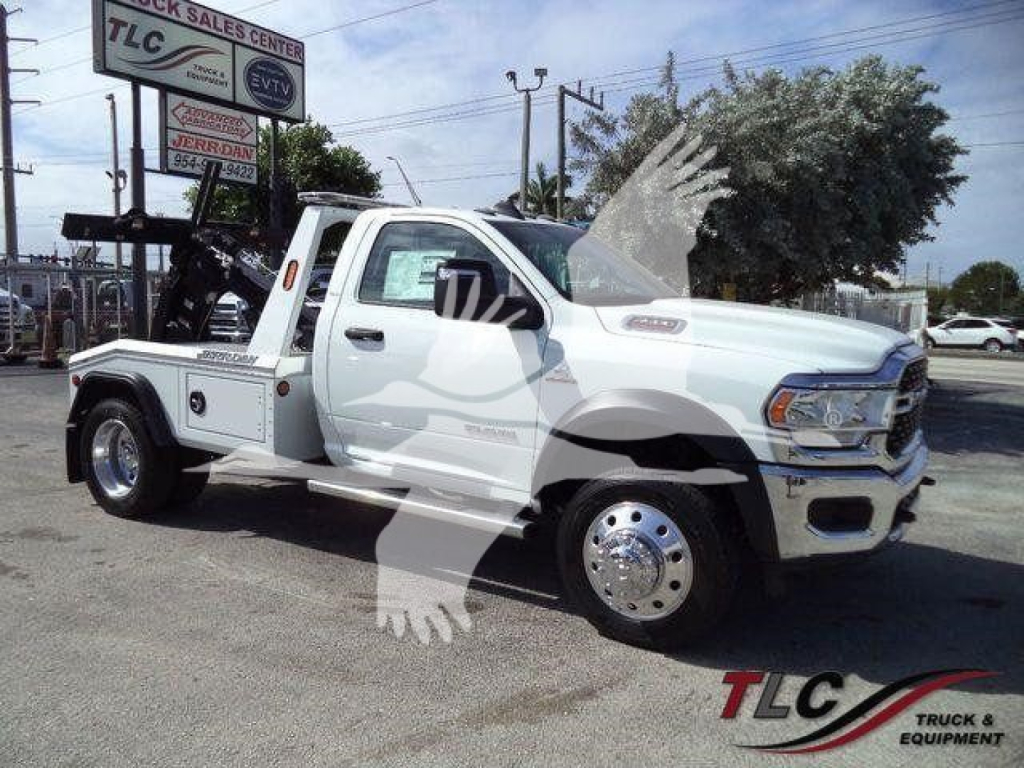
Showing 29 to 56 of 81 results
Have ram commercial truck to sell? List it here to reach thousands of buyers.
Ram Commercial Trucks
Spec details drive capability. A Ram 1500 is optimized for ride quality and efficiency, with coil-spring or optional air suspension and cab choices that include Regular, Quad or Crew with 5 ft 7 in, 6 ft 4 in, or 8 ft beds depending on year. Ram 2500 prioritizes towing stability with rear coils or optional rear air, while 3500 uses leaf springs with available rear air-assist for payload support. Single rear wheel suits general contracting and RV towing; dual rear wheel 3500 trims handle larger goosenecks. Properly configured late-model 3500s can tow well into the 30k range on a gooseneck, while payloads vary significantly by cab, drivetrain and tires. Look for factory gooseneck prep, integrated trailer brake controller, 360 camera with trailer views and blind spot monitoring with trailer coverage if you pull frequently.
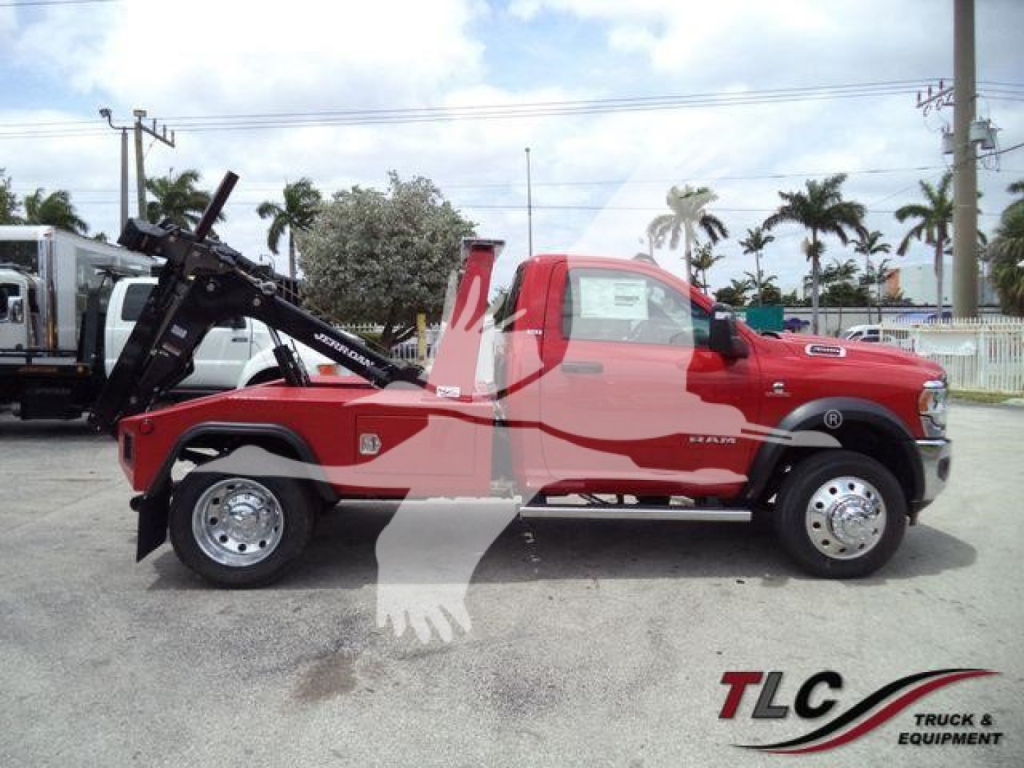
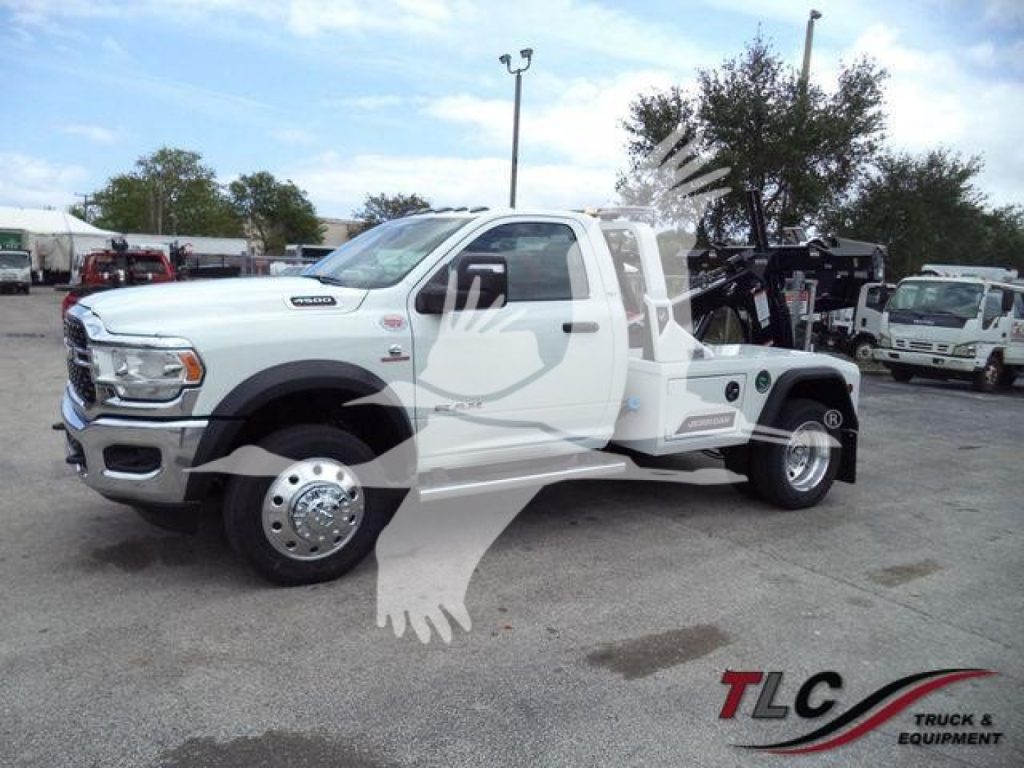
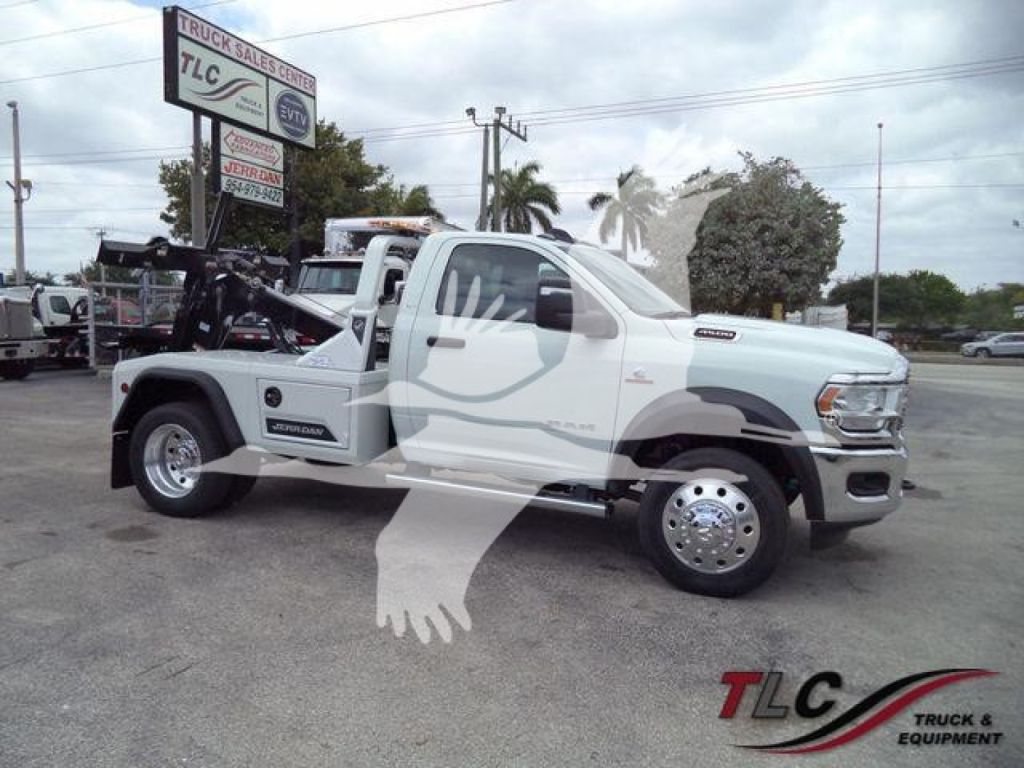
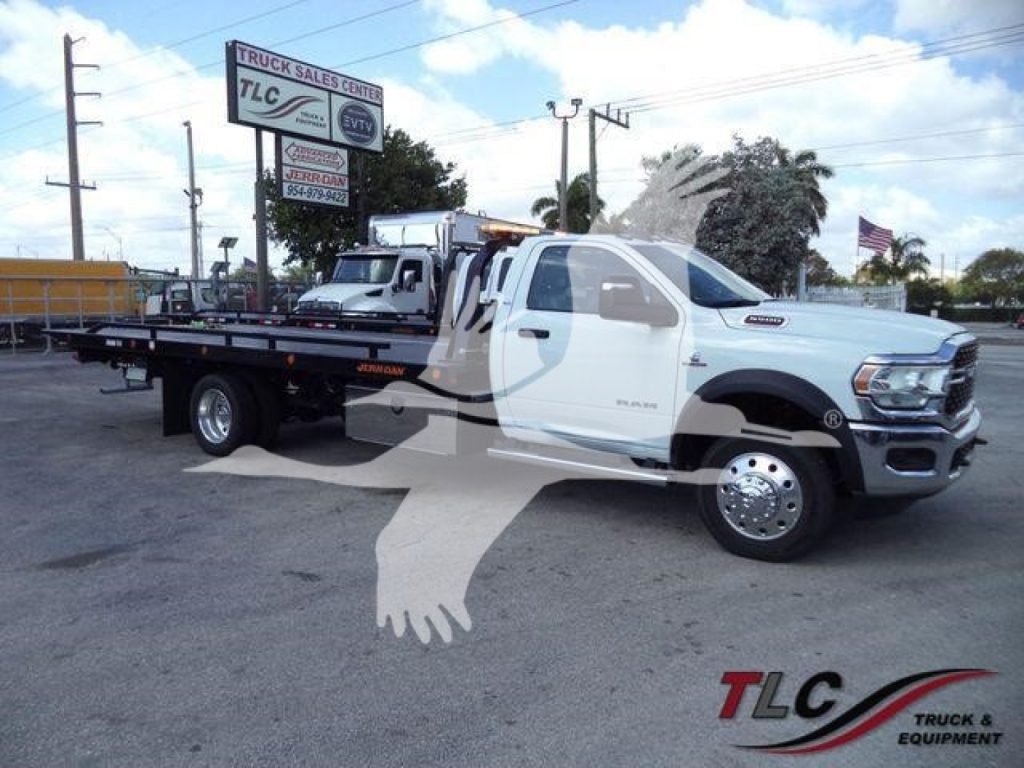
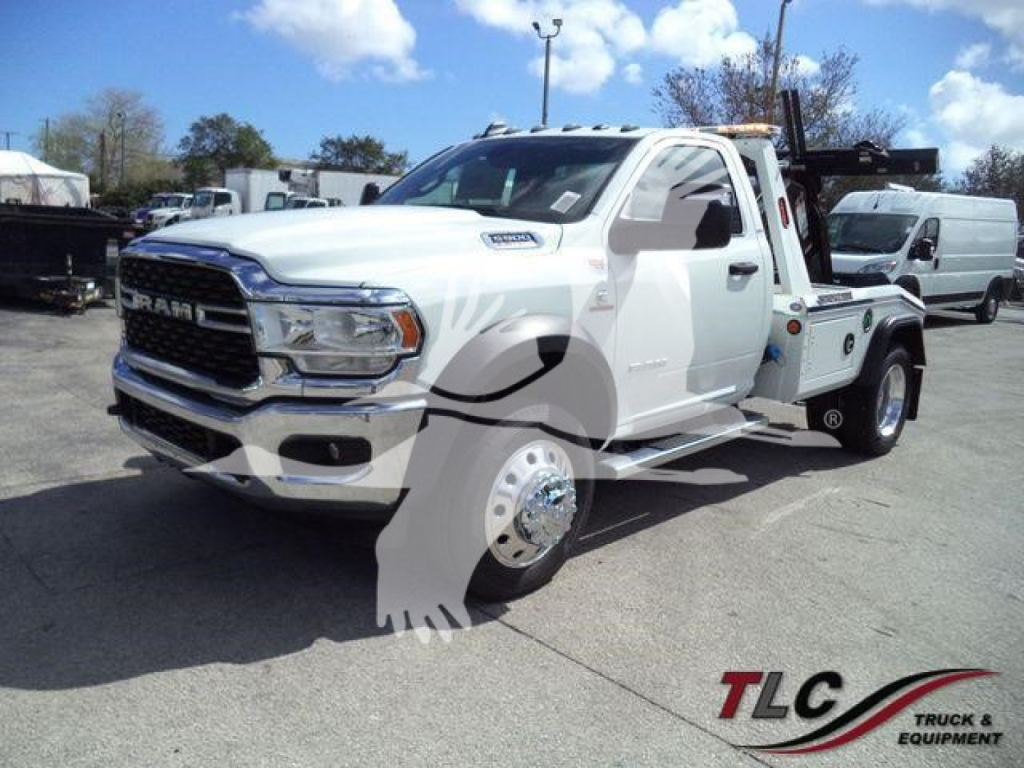
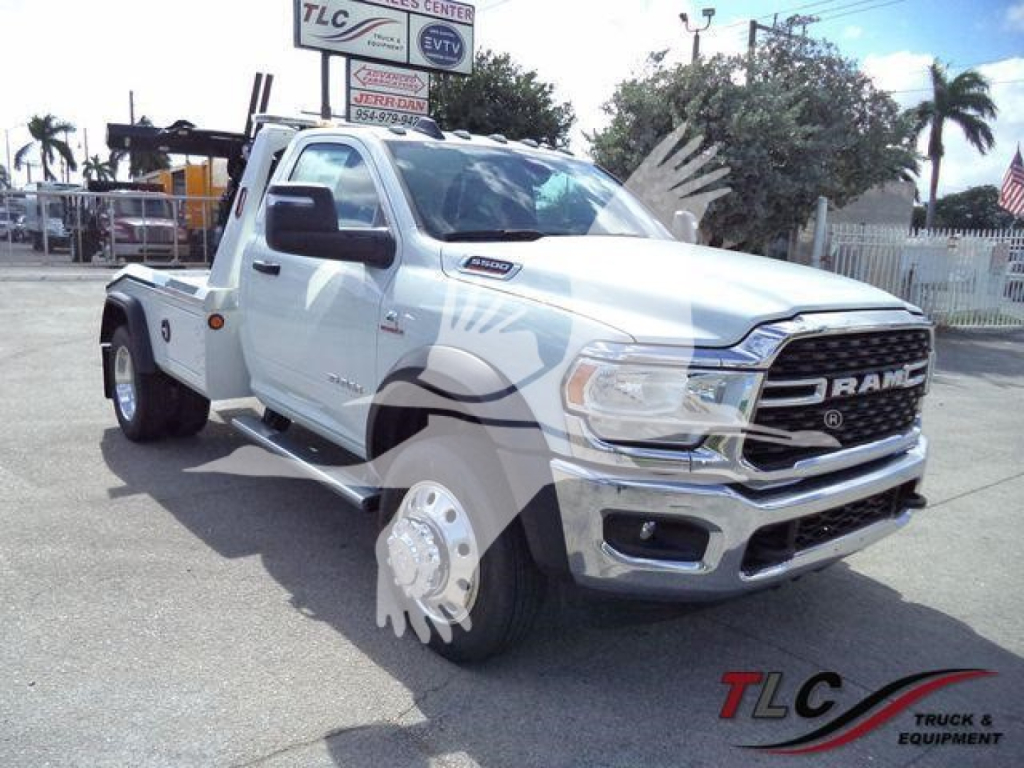
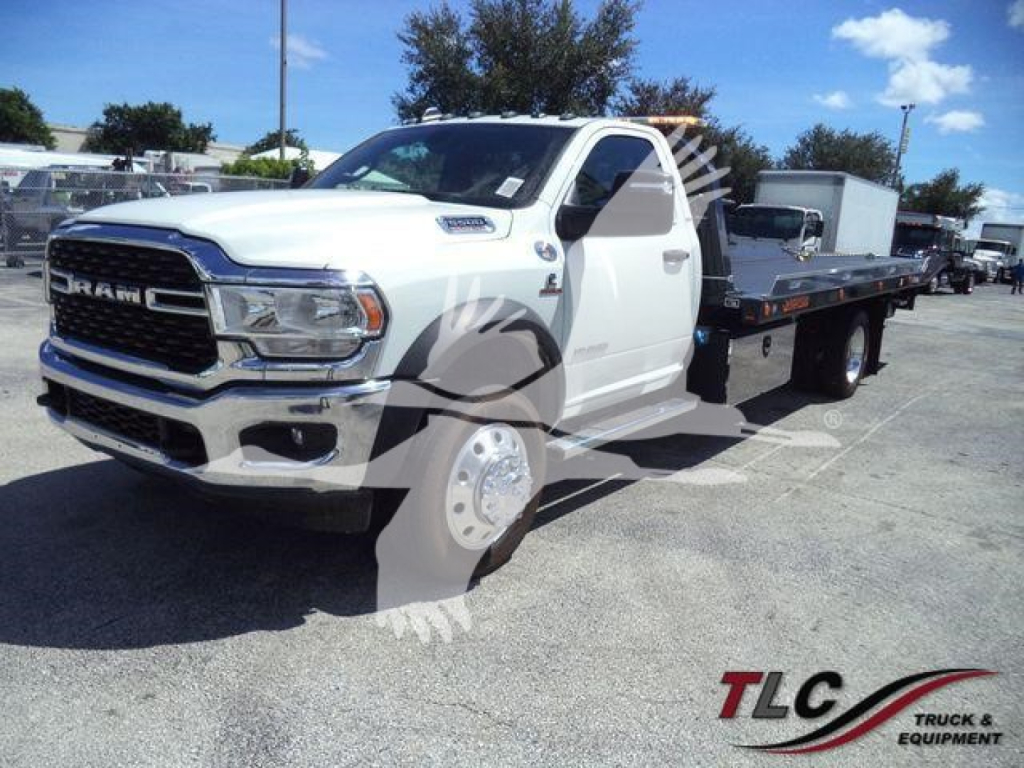
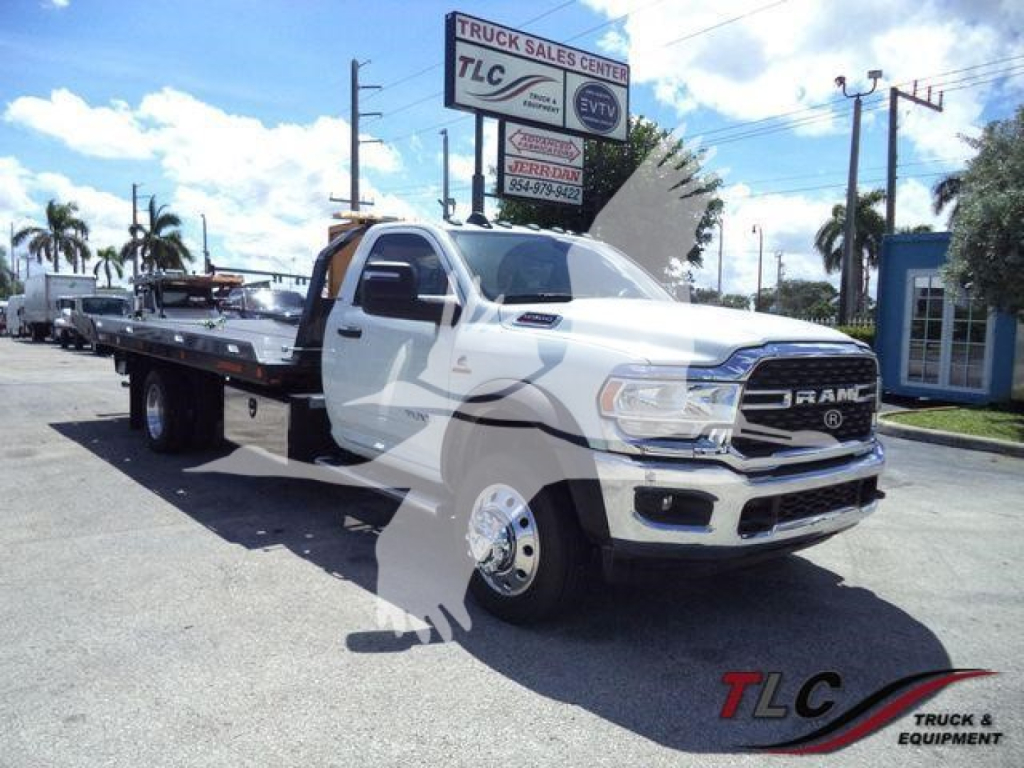
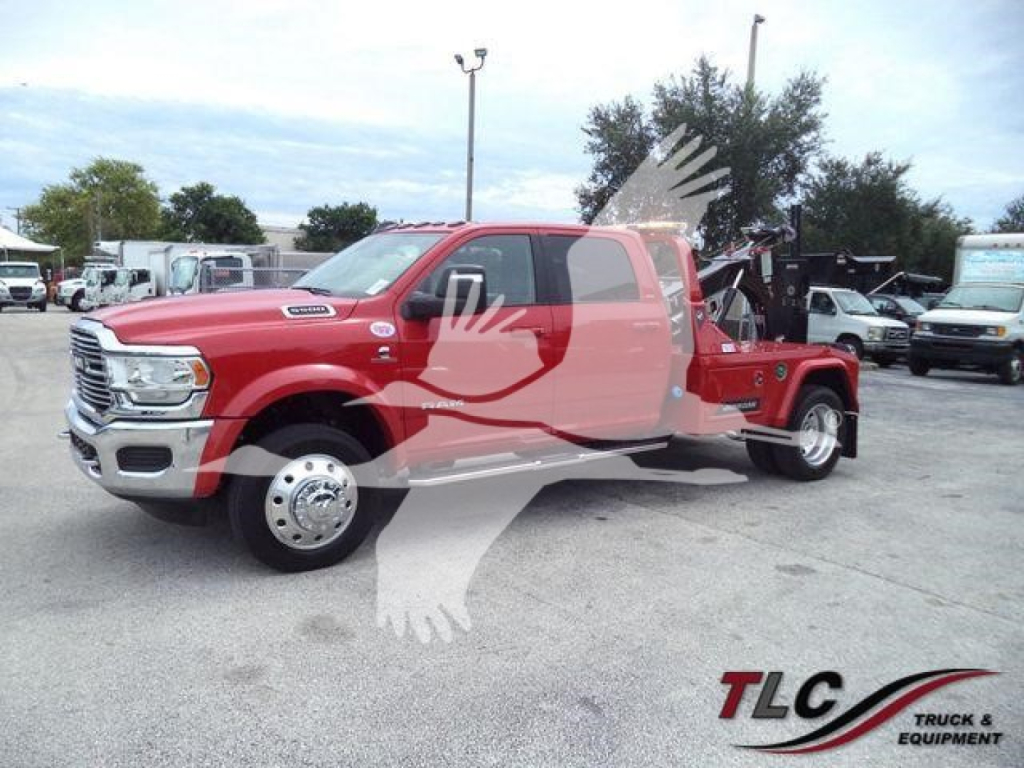
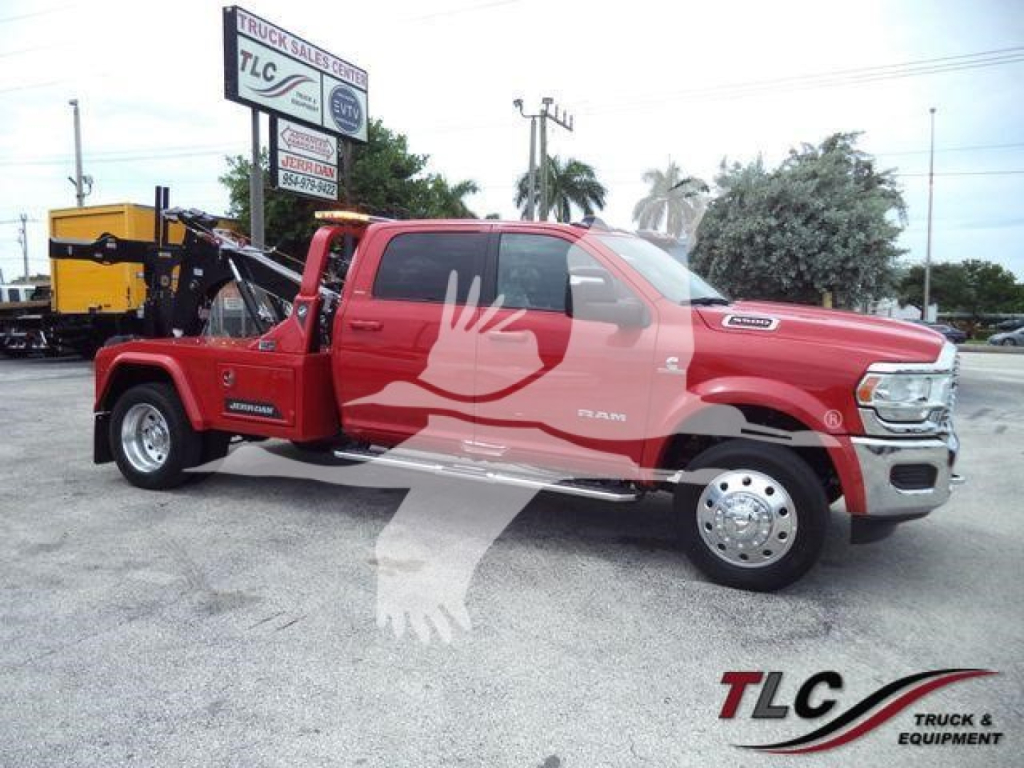
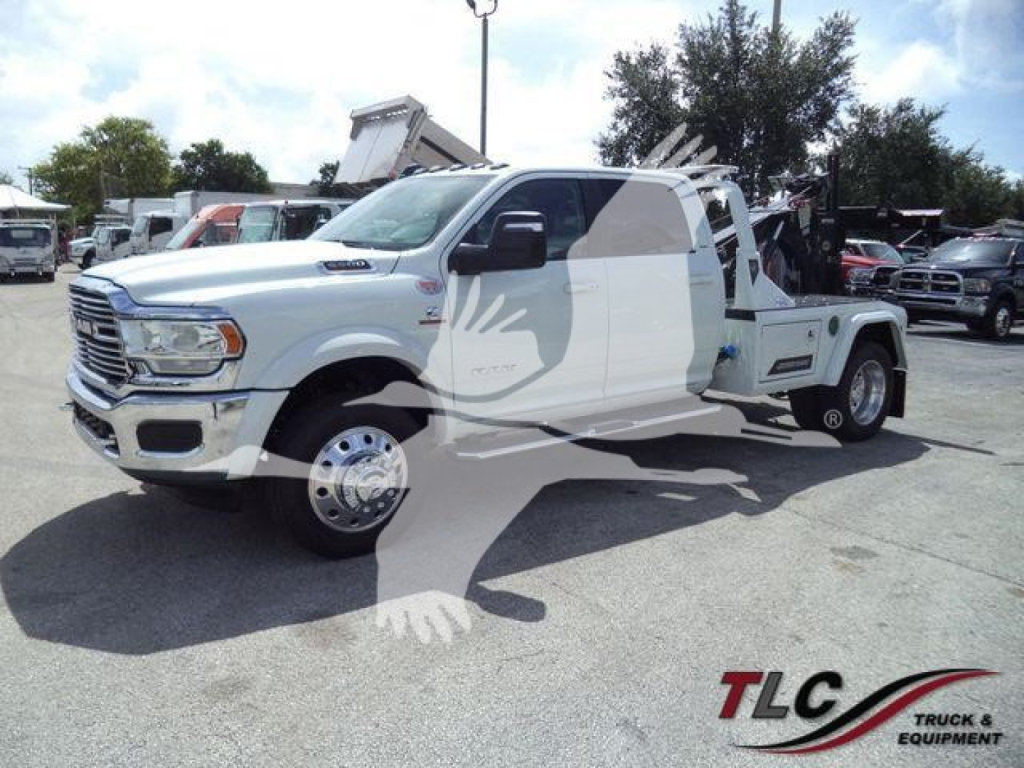
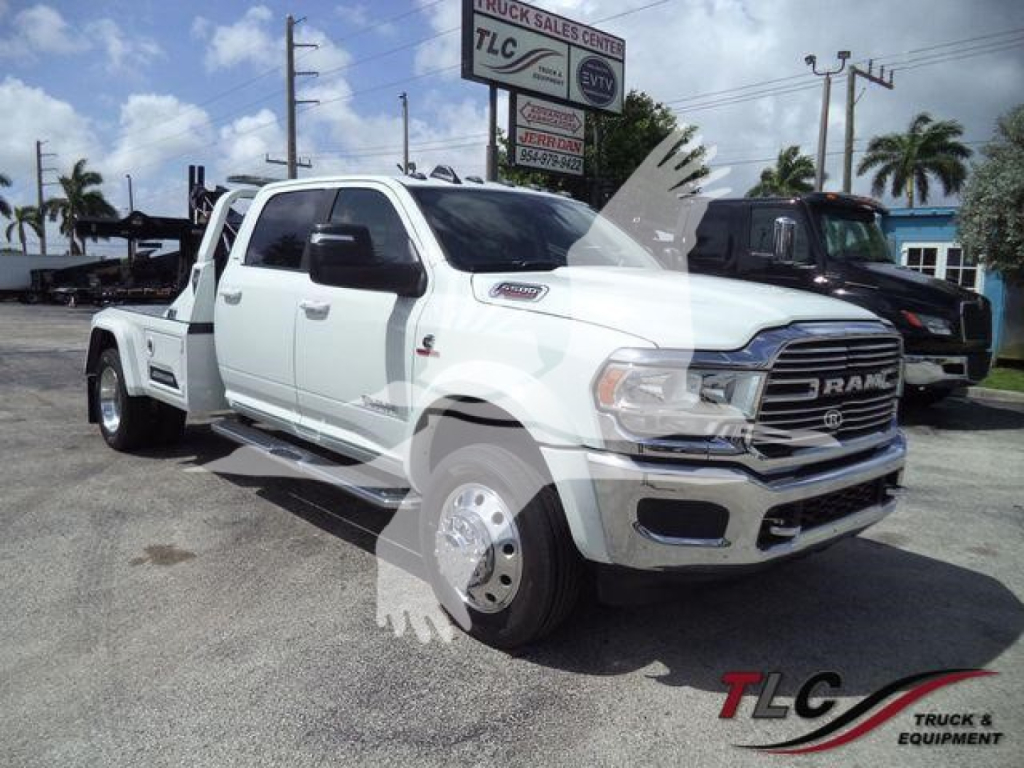
Chassis cab models expand capability for vocational work. Ram 3500, 4500 and 5500 chassis cabs use straight C-channel frames drilled for upfits and typically ride on 19.5 in commercial tires in 4500-5500 form. Common CA dimensions include 60, 84, 108 and 120 in to suit service bodies, dumps, flatbeds, box bodies and tow units. The 6.4L Hemi pairs with an 8-speed, while the 6.7L Cummins offers PTO-compatible transmissions on select trims. Dual alternators, upfitter switch banks, factory wiring pigtails and an upfitter interface module simplify electrical integration. Rear gearsets commonly span 4.10 to deeper ratios for low-speed work. Verify DEF tank and aftertreatment placement relative to body mounts to avoid interference.
Total cost of ownership depends on use case. Gas HD trucks cost less up front and are well suited to mixed city duty with lighter trailers. Cummins diesels deliver higher GCWR, stronger engine braking on grades and better efficiency under sustained load, with DEF and emissions components to maintain. In snow states, confirm front axle ratings for plow prep and consider 4x4 with limited slip or locker. High-altitude routes favor the turbo diesel. For fleets, Ram Telematics, tire inflation systems and maintenance records influence uptime and resale. Finalize specs around actual trailer weights, tongue or pin percentages, axle ratio for cruising RPM, and the cab-axle needed for the body you plan to run.
Frequently Asked Questions about Ram Commercial Trucks
Which Ram model is best for heavy towing?
For the heaviest conventional and gooseneck loads, a Ram 3500 dual rear wheel with the 6.7L Cummins and the appropriate transmission and axle ratio is the typical choice. The diesel’s exhaust brake improves control on long grades, and deeper rear gears enhance startability. Confirm the specific truck’s GCWR, hitch rating, and tire load indexes, and consider rear air-assist for load leveling.
Should I choose a gas Hemi or the Cummins diesel in a Ram HD?
Pick based on duty cycle. The 6.4L Hemi is less expensive to buy, has simpler emissions hardware and works well for moderate towing, city routes and lower annual miles. The 6.7L Cummins shines with frequent heavy towing, higher annual miles and mountain routes thanks to higher GCWR and an integrated exhaust brake. Factor in DEF usage, diesel maintenance costs and the transmission options you need, including PTO capability on certain diesel pairings.
What is the difference between Ram 2500 and 3500 for work use?
Ram 2500 emphasizes ride comfort with rear coils or optional rear air, making it a solid pick for mixed-use fleets and medium trailers. Ram 3500 uses rear leaf springs with available air-assist and offers higher payload and towing, plus dual rear wheel configurations for stability with large fifth-wheel or gooseneck trailers. Front axle ratings, rear gear choices and tire packages also differ, so compare the door-sticker ratings on specific trucks.
What should I look for in a Ram chassis cab for upfitting?
Match cab-to-axle length to your body, verify frame width and rear overhang needs, and confirm placement of DEF and aftertreatment components. For power take-off equipment, ensure the transmission and engine combination supports the PTO you intend to run. Many units offer dual alternators, upfitter switches and body builder wiring to simplify installs. Gear ratio selection should reflect loaded startability and cruising RPM for your route mix, and 19.5 in tire availability affects load capacity and tire replacement cost.
Does 4x4 reduce payload or towing on Ram trucks?
Yes, 4x4 typically adds weight, which can slightly reduce payload and in some cases towing on paper. The trade-off is traction and startability on jobsites, snow and boat ramps. In snowbelt applications, also check front axle weight ratings for plow use, and consider limited slip or a locking rear differential for additional traction.