
Plow Trucks For Sale in New Mexico
Browse plow trucks for sale, including common chassis, blade setups, spreader options, GVWR ranges, and snow-and-ice equipment features.
No exact matches found for your search
Showing Plow Trucks instead.
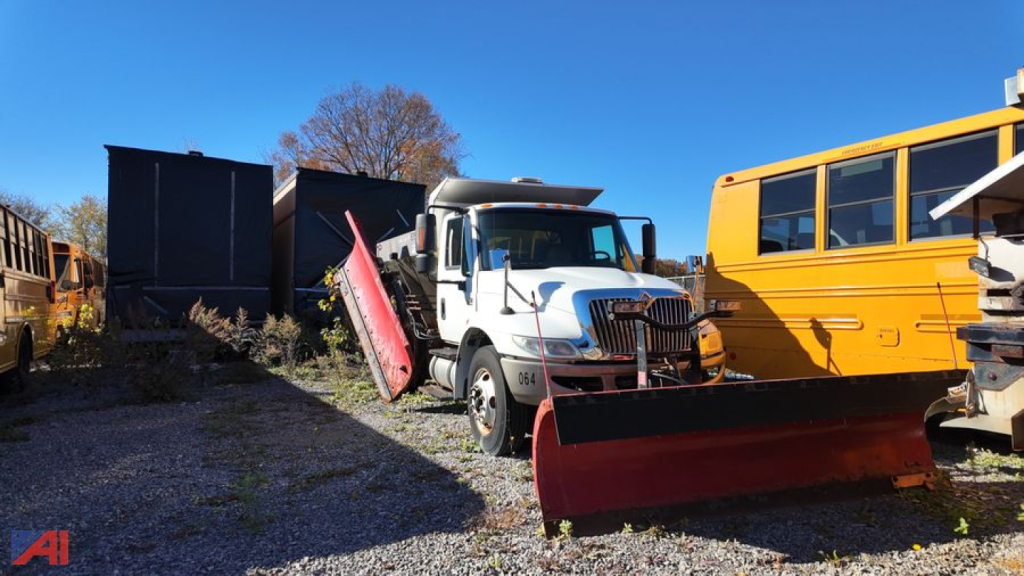
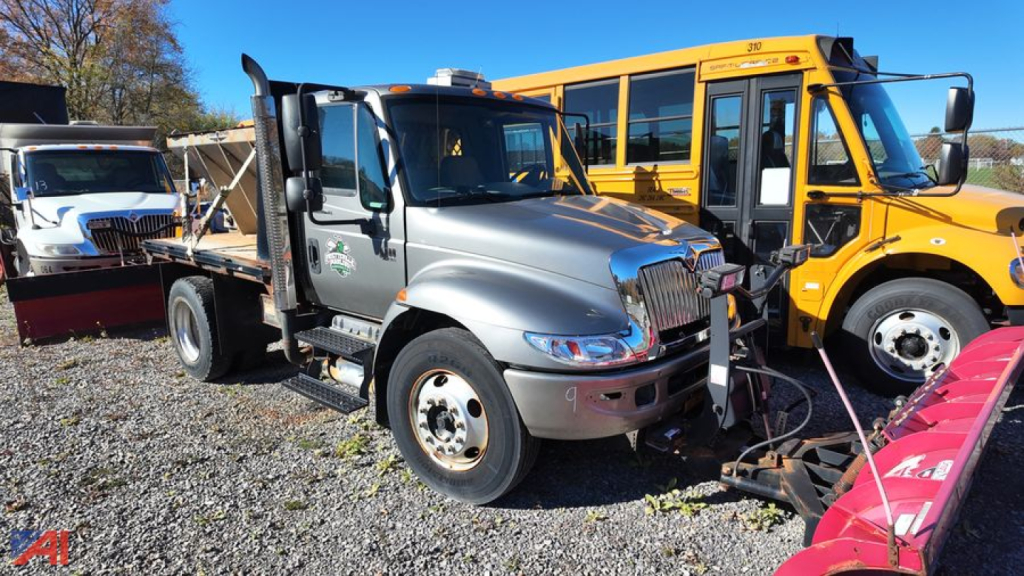

Selling a plow truck? List your plow truck for sale and reach thousands of commercial buyers.
Plow Trucks in New Mexico
A plow truck setup is more than just the blade. Front frames, hydraulic packages, PTO or electric-over-hydraulic systems, lighting, controls, and upfitter integration all affect service life and operator productivity. Straight blades are common for general route plowing, while reversible plows, wing plows, and underbody scrapers are used when wider clearing paths or hardpack removal are part of the job. Buyers should also pay close attention to front GAWR, spring or suspension ratings, transmission calibration for low-speed pushing, cooling capacity, and corrosion protection. In snow service, frame-mounted equipment, wiring protection, stainless or poly components, and easy access to wear items can make a real difference in uptime.
For buyers in New Mexico, plow truck specs often lean toward multipurpose use rather than dedicated high-snow fleet work. That usually means a truck capable of handling periodic winter events while remaining useful the rest of the year for municipal maintenance, road service, or property operations. A dump body with a tailgate spreader or insert hopper can add flexibility, especially for mixed-duty fleets. If the truck will see mountain routes or northern elevations, drivetrain choice becomes more important. Four-wheel drive, aggressive axle ratios, traction control, and tire selection all have a direct effect on pushing performance and winter safety, especially on grades and in variable road conditions.
When comparing plow trucks for sale, focus on the complete snow package rather than just the base truck. Confirm blade width relative to track width, check remaining capacity after the plow and body are installed, and review how the electrical and hydraulic systems were integrated. Cab visibility, switch layout, heated mirrors, backup camera systems, and operator comfort matter on long winter shifts. A well-matched plow truck is one that clears efficiently, carries its material safely, and holds up to repeated low-speed impact loads without creating constant in-season maintenance issues.
Frequently Asked Questions about Plow Trucks in New Mexico
What should I look at first when buying a plow truck?
Start with front axle capacity, GVWR, and the truck's intended plow and spreader combination. A plow truck needs enough front-end rating to carry the blade and mounting gear without overloading the axle, and enough rear capacity to handle ballast or de-icing material. After that, review wheelbase, hydraulic setup, transmission, cooling system, and how the body equipment was installed. The best buying decision usually comes from matching the truck to the route, not from choosing the biggest blade available.
Are medium-duty plow trucks a good fit for municipal and commercial snow work?
Yes, medium-duty plow trucks are a common choice for city streets, county roads, parking lots, campuses, and contractor fleets. They typically offer a strong balance of maneuverability, payload, and serviceability. They are especially effective when equipped with the right front frame, axle rating, and spreader body. For longer highway routes or heavier material loads, a larger truck may be the better fit, but medium-duty chassis often cover the broadest range of snow and ice applications.
What types of plows are commonly used on plow trucks?
Common options include straight blades, reversible plows, wing plows, and underbody scrapers. Straight blades are widely used for general snow clearing and are often the simplest to maintain. Reversible plows are popular for road departments that need efficient directional control and back-drag capability. Wing plows increase clearing width for road work, and underbody scrapers help remove packed snow or ice. The right choice depends on road type, route speed, snowfall conditions, and how much carry capacity the truck can support.
Does a plow truck in New Mexico need the same setup as one in a heavy snow state?
Not always. In New Mexico, many fleets prefer a multipurpose configuration that can handle winter weather without being dedicated only to snow season. That can mean a dump body, removable spreader, or a chassis that supports year-round municipal or contractor work. Trucks used in higher elevations or mountain corridors may still need robust snow equipment, including four-wheel drive, traction-focused tires, and corrosion-resistant components, but the overall spec is often more flexible than in regions with continuous winter operations.
Why does upfitter quality matter so much on a plow truck?
Plow trucks operate under high electrical, hydraulic, and structural stress. A poor upfit can lead to wiring failures, hydraulic leaks, front frame issues, lighting problems, and difficult in-season repairs. Clean hydraulic routing, protected harnesses, proper switch integration, and correctly matched mounting hardware all contribute to reliability. Buyers should look for an upfit that appears engineered as a system, not added as separate components with minimal attention to service access or long-term durability.