
Used 2020 Peterbilt Trucks For Sale
Shop used 2020 Peterbilt trucks with specs that matter, including engine, sleeper, axle, wheelbase, and vocational setup details.
Learn more
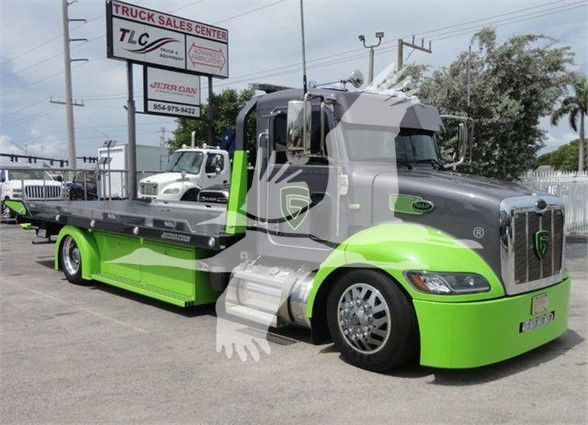
Showing 13 to 14 of 14 results
Have used 2020 peterbilt truck to sell? List it here to reach thousands of buyers.
About Used 2020 Peterbilt Trucks
The first things to compare are engine, transmission, axle rating, and rear ratio. Many 2020 Peterbilt trucks were spec'd with PACCAR MX or Cummins X15 engines, often paired with automated manuals, though some buyers still prefer manual transmissions in certain applications. Horsepower can vary widely based on intended use, from fuel-economy oriented over-the-road specs to higher-output setups for heavy haul, tanker, or mountain service. Tandem rear axles in the 40,000 lb range are common on road tractors, and wheelbase, fifth wheel position, and kingpin setting all affect trailer compatibility, bridge law flexibility, and ride quality. On sleeper units, bunk length, roof profile, and fairing package matter just as much as drivetrain numbers if the truck will stay out for extended runs.
Condition on a used 2020 Peterbilt should be evaluated beyond mileage. Buyers should look closely at maintenance history, aftertreatment service records, idle hours, clutch or transmission calibration history, suspension wear, and any signs of emissions derate events. For highway tractors, pay attention to DPF and SCR performance, coolant and oil service intervals, steer tire wear patterns, and whether the truck has adaptive cruise, collision mitigation, or lane departure systems that may affect repair cost. On vocational setups, frame condition, PTO operation, hydraulic plumbing, and evidence of body or upfit modifications can matter more than cab cosmetics. Peterbilt interiors generally hold up well, but seat wear, switchgear condition, and HVAC performance still tell you a lot about how a truck was used.
A 2020 Peterbilt remains a strong candidate for fleets, leased operators, and owner-operators who want newer styling and driver comfort without stepping into new-truck pricing. The key is matching the truck’s original application to your freight and lanes. A lightweight aero spec can be a poor fit for severe duty work, while a heavy long-wheelbase truck may give up payload and maneuverability in regional service. Compare suspension type, fuel capacity, tire size, brake configuration, and cab layout against the job first. When the spec is right, a used 2020 Peterbilt can deliver a solid combination of uptime, parts support, and long-term value.
Frequently Asked Questions
What are the most common 2020 Peterbilt truck models buyers look for?
The most commonly searched 2020 Peterbilt trucks are usually highway tractors such as the Peterbilt 579, along with day cab and sleeper configurations built for linehaul, regional, and dedicated freight. Buyers may also see vocational Peterbilt models from the same year configured for dump, tanker, heavy haul, or specialty body applications. The right choice depends less on the model name and more on the truck’s engine, axle, suspension, wheelbase, and cab spec.
What engine options are common in a used 2020 Peterbilt truck?
Many used 2020 Peterbilt trucks are equipped with either a PACCAR MX-series engine or a Cummins X15, depending on how the truck was ordered. The PACCAR MX is common in fuel-conscious fleet specs, while the Cummins X15 is often favored for broader service familiarity and a wide range of horsepower ratings. Buyers should verify horsepower, torque rating, emissions system history, and any available engine warranty information before making a decision.
Is a used 2020 Peterbilt a good choice for an owner-operator?
A used 2020 Peterbilt can be a strong owner-operator truck if the spec matches the freight. Peterbilt has long been valued for driver comfort, brand recognition, and resale strength, but those advantages only pay off when the truck’s wheelbase, gearing, sleeper size, and engine rating suit the intended lanes and trailer type. An owner-operator should pay close attention to maintenance records, aftertreatment health, tire condition, and any signs of excessive idle time or deferred repairs.
What should I inspect first on a used 2020 Peterbilt truck?
Start with the maintenance records, engine hours, idle hours, and emissions system service history. Then inspect the DPF and SCR system, transmission operation, suspension components, brakes, tires, and any fault code history. On sleeper tractors, check bunk HVAC, inverter setup, seals, and fairing condition. On vocational trucks, inspect the frame, PTO controls, hydraulics, and body mounting points. A 2020 model is new enough that electronics and emissions diagnostics are just as important as the basic mechanical inspection.
How do I choose between a day cab and a sleeper in a 2020 Peterbilt?
The decision comes down to route length, payload needs, and operating style. A day cab generally saves weight, shortens wheelbase, and improves maneuverability for local or regional work. A sleeper adds driver comfort and longer-range flexibility, but it also increases tare weight and overall length. For many buyers, the better question is not just day cab versus sleeper, but how the truck’s fuel capacity, frame length, and axle placement fit the trailer and freight being hauled.