
Used 2020 Peterbilt Tow Trucks For Sale
Shop used 2020 Peterbilt tow trucks, including rollback and carrier setups, with key specs on GVWR, wheel-lift capacity, winches, and chassis options.
Learn more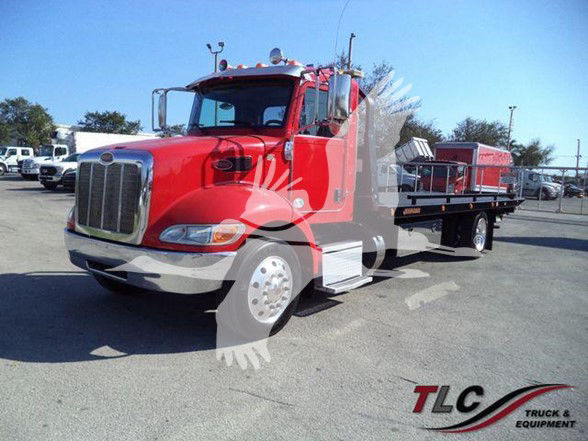
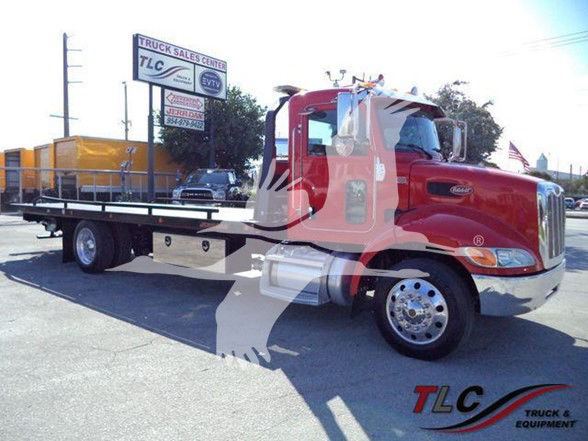
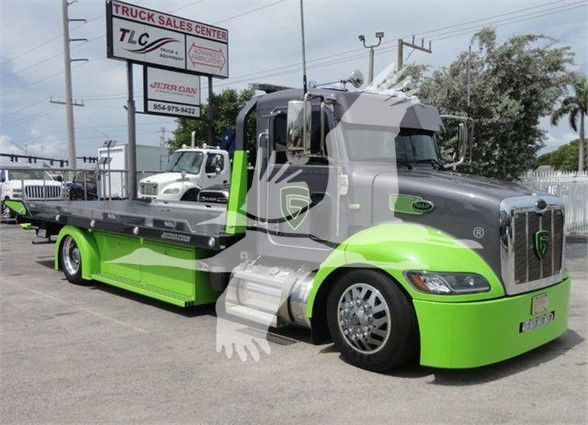
Have used 2020 peterbilt tow truck to sell? List it here to reach thousands of buyers.
About Used 2020 Peterbilt Tow Trucks
On the chassis side, many 2020 Peterbilt tow trucks in this class use a Cummins PX-7 or similar medium-duty diesel backed by an Allison automatic. That combination is popular for urban towing because it is straightforward to operate, well suited to stop-and-go routing, and predictable when backing or loading. A common GVWR is around 26,000 lb on non-CDL configurations, though buyers should verify registered weight, axle ratings, and actual body installation because toolboxes, accessories, dollies, and wheel-lift hardware all affect payload and legal operating capacity. Air brakes, air ride suspension, differential locks, and 22.5-inch low-pro rubber are all worth prioritizing on a 2020 unit that will see daily dispatch work.
The body and accessory package often separates an average tow truck from one that is ready for revenue. Look closely at bed manufacturer, winch brand, wheel-lift design, wireless remote setup, lighting package, storage layout, and tie-down equipment. Jerr-Dan and Century are common names in this segment, and both are widely recognized in the towing industry. Tool box placement, headboard protection, side rail design, hose reel location, and the condition of the deck surface all matter because they affect loading speed, operator safety, and long-term wear. On used 2020 Peterbilt tow trucks, buyers should also inspect PTO engagement, hydraulic response, cable condition, L-arms, crossbars, and any signs of frame stress around body mounts.
A 2020 model year also means emissions and electronics deserve attention during inspection. Confirm DEF system history, fault codes, engine hours, idle time if available, and service records for the transmission and hydraulics. Cab condition matters more than many buyers admit because a tow truck spends its life in and out of traffic, often idling, backing, and loading in rough weather. Power windows, heated mirrors, air ride seating, camera systems, and upgraded warning lights are not cosmetic extras on a tow unit. They directly affect visibility, operator fatigue, and jobsite control. If the work is mainly municipal impounds, insurance recovery, and local transport, a clean 2020 Peterbilt carrier with the right bed, wheelbase, and maintenance history can be a very efficient fit.
Frequently Asked Questions
What is the most common configuration for a used 2020 Peterbilt tow truck?
The most common setup is a Peterbilt 337 carrier or rollback with a 21 to 22 foot bed, about 102 inches wide, an 8,000 lb class winch, and a hydraulic wheel-lift rated around 3,500 lb. Many are spec'd at 26,000 lb GVWR to stay in the non-CDL range, although exact licensing requirements depend on state rules, registered weight, and how the truck is equipped. This configuration is popular because it handles everyday vehicle transport and light recovery without moving into a heavier wrecker chassis.
Is a 2020 Peterbilt tow truck better suited for local towing or recovery work?
Most 2020 Peterbilt tow trucks on the medium-duty chassis are best suited for local and regional towing, dealer transfers, impounds, accident pickups, and disabled vehicle transport. They can perform light recovery, but buyers should not confuse a carrier or rollback with a heavy wrecker. The bed design, winch rating, wheel-lift capacity, wheelbase, and hydraulic package determine how far the truck can go beyond standard transport duty. For routine city and highway service calls, this class is usually a strong fit.
What should I inspect first on a used 2020 Peterbilt rollback tow truck?
Start with the body and hydraulic system because those components drive towing productivity and repair cost. Check PTO engagement, bed slide function, tilt operation, wheel-lift movement, remote control response, winch operation, cable or synthetic line condition, and deck wear. Then inspect frame rails, body mounts, crossmembers, and signs of stress or poor installation. After that, review engine fault codes, DEF system history, transmission service records, brake condition, suspension, and tire wear to confirm the chassis has been maintained to match the body hours.
Do used 2020 Peterbilt tow trucks usually have automatic transmissions?
Yes. Many 2020 Peterbilt tow trucks in the medium-duty segment are equipped with Allison automatic transmissions. That is a common towing spec because it simplifies driver training, improves low-speed control during loading, and performs well in repeated stop-and-go dispatch work. Buyers who run multiple operators often prefer an automatic because it reduces clutch wear, shortens the learning curve, and helps maintain consistent loading performance across the fleet.
Why does bed style matter on a 2020 Peterbilt tow truck?
Bed style affects loading angle, ground clearance, durability, and the type of vehicles the truck can safely move. Low center of gravity carrier beds are useful for sports cars, lowered vehicles, and many newer passenger vehicles because they reduce approach angle problems. Steel beds tend to be durable in hard-use towing environments, while aluminum can save weight and improve corrosion resistance. Buyers should match bed material, deck length, rail setup, and wheel-lift design to the mix of vehicles they expect to tow every day.