
Peterbilt Trucks For Sale in South Carolina
Browse Peterbilt trucks for sale in South Carolina, including highway, vocational, and cab and chassis models with proven diesel performance.
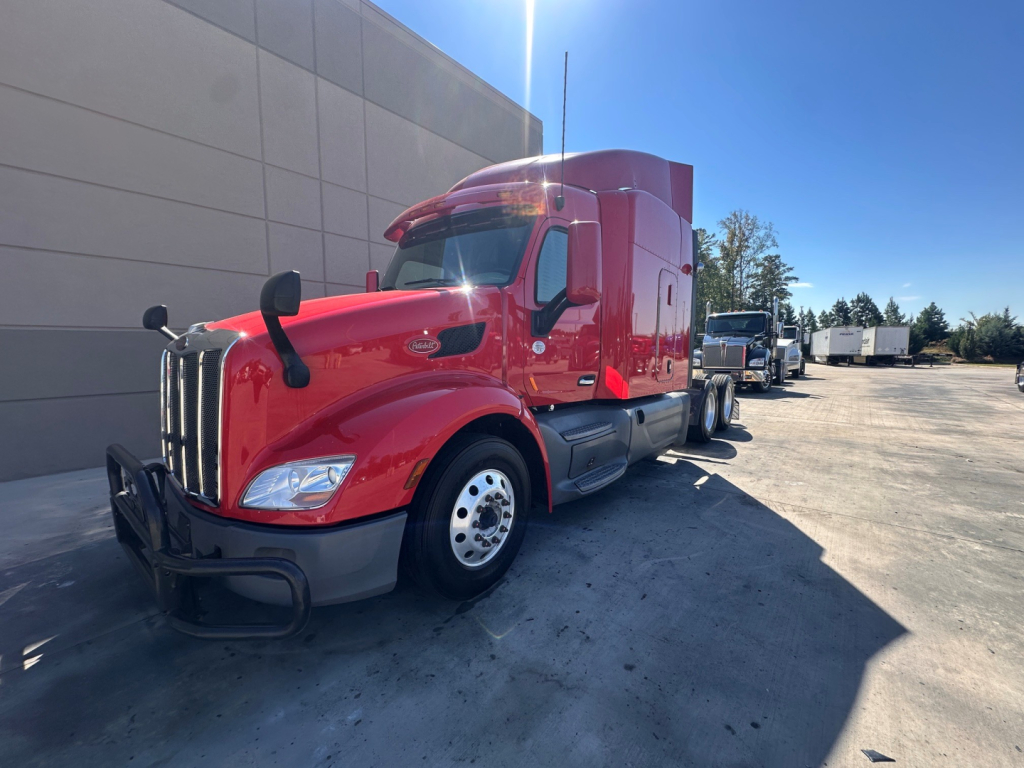
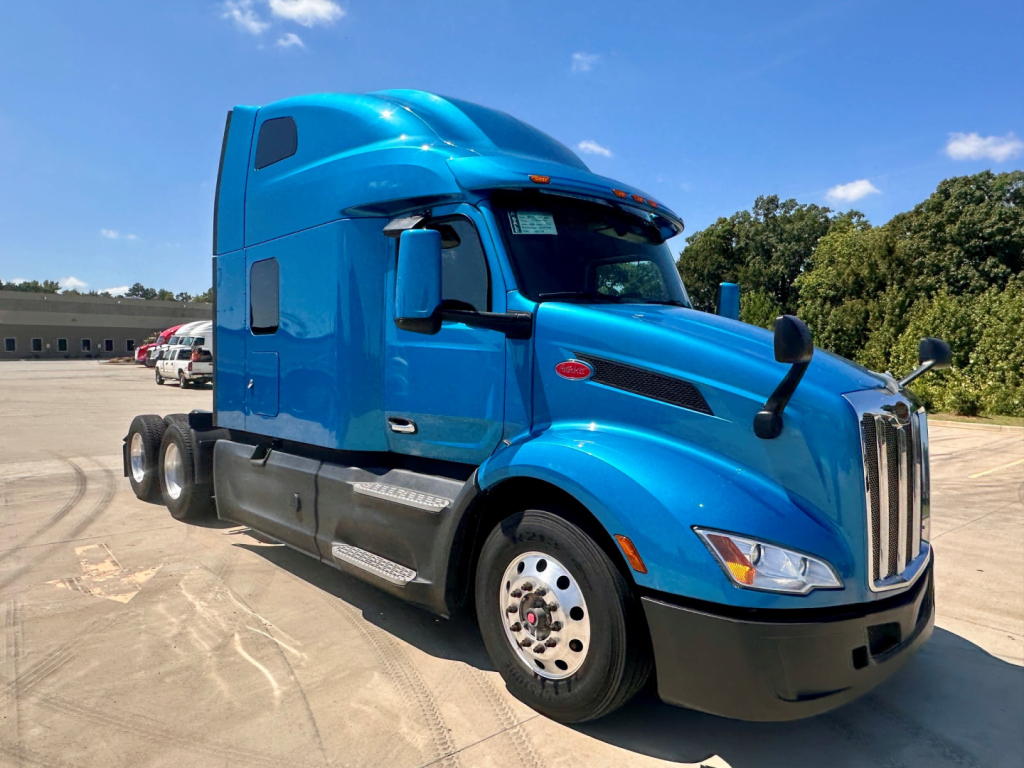
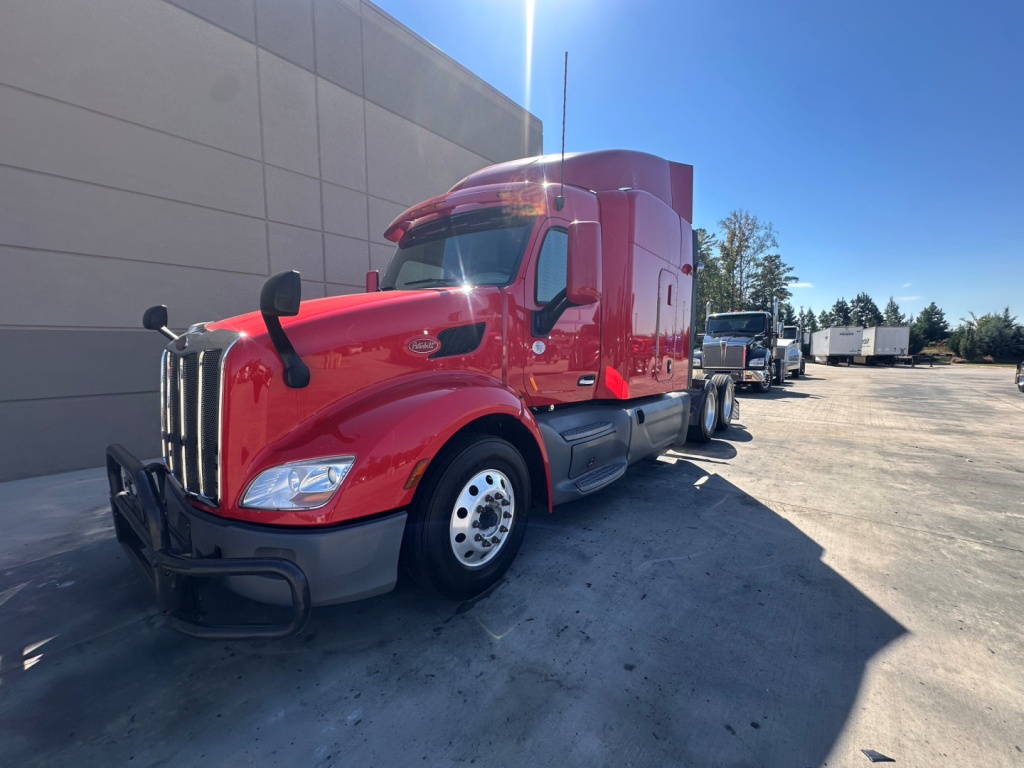
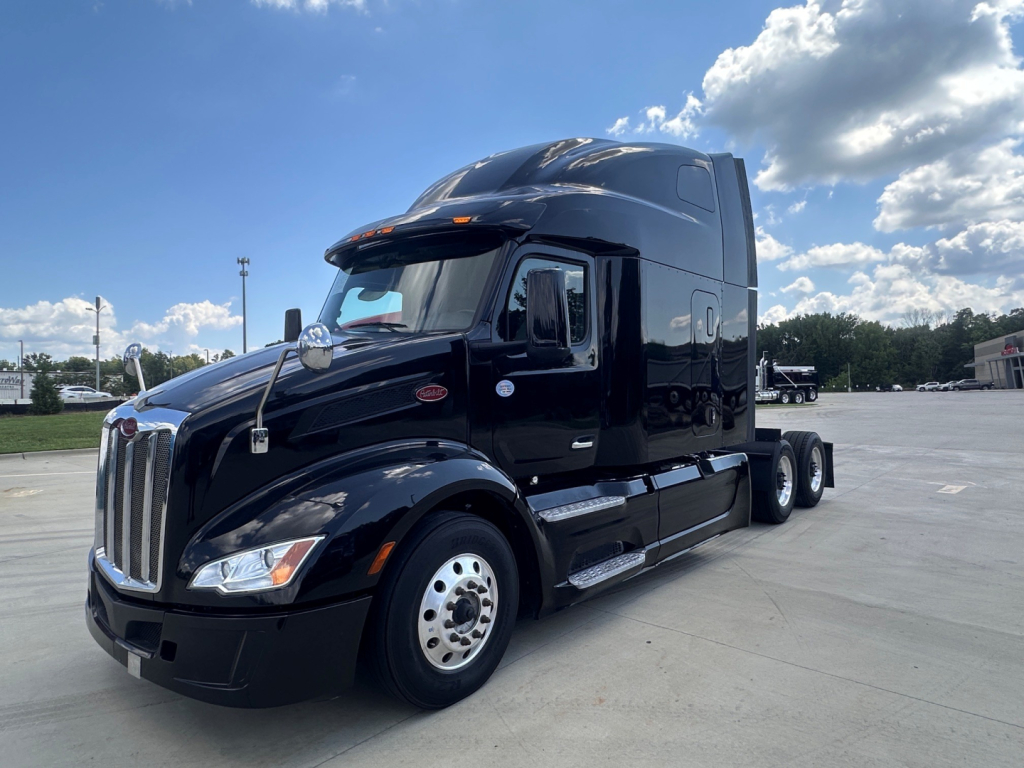

Selling a peterbilt truck? List your peterbilt truck for sale and reach thousands of commercial buyers.
Peterbilt Trucks in South Carolina
Engine and drivetrain spec matter more than the badge on the hood. Peterbilt trucks are commonly paired with PACCAR MX engines, Cummins ISX or X15 platforms, and in older units, Cat or Detroit power depending on model year and original build. Transmission choices often include Eaton Fuller manuals, Ultrashift automated manuals, and Allison automatics in vocational applications. Buyers should confirm horsepower and torque ratings, rear axle ratio, wheelbase, suspension type, and gross vehicle weight rating before narrowing down listings. On cab and chassis units especially, frame rail condition, remaining clear frame space, PTO provisions, and axle placement can determine whether the truck will accept the body or equipment package you need.
A used Peterbilt should be evaluated with an eye toward both appearance and serviceability. These trucks are known for driver appeal, but practical checks matter more: engine hours versus odometer miles, maintenance records, DPF and SCR emissions history, clutch or transmission condition, and signs of frame corrosion or prior damage. South Carolina buyers should also think about climate and duty cycle. Coastal exposure can accelerate corrosion on chassis components, electrical connections, and body mounts, while stop-and-go municipal or regional work may put more wear on suspensions, brakes, and aftertreatment systems than highway miles alone would suggest. If the truck is intended for a dump body, rollback, service body, or other vocational conversion, verify front axle capacity, bridge compliance, and turning radius before purchase.
Peterbilt remains a strong choice for fleets and owner-operators who want a truck that is widely recognized, easy to spec for specific work, and supported by a broad parts and service network. The used market covers everything from basic day cabs to premium long-hood conventionals and versatile cab and chassis platforms. The best buy is usually the truck with the right drivetrain, axle package, and maintenance history for the job, not simply the newest model year. A careful review of emissions equipment, chassis layout, and intended body application will tell you more about long-term value than cosmetics alone.
Frequently Asked Questions about Peterbilt Trucks in South Carolina
What should I look for when buying a used Peterbilt truck?
Start with the truck’s intended job, then match that to the drivetrain, axle ratings, wheelbase, and suspension. Review engine hours, mileage, maintenance records, and emissions system history. On Peterbilt cab and chassis trucks, confirm frame dimensions, PTO setup, and available clear frame for body installation. Cosmetic condition matters less than service history, chassis integrity, and whether the truck is correctly spec’d for the work.
Are Peterbilt trucks good for vocational applications in South Carolina?
Yes. Peterbilt builds many configurations that work well for dump, utility, municipal, rollback, and service applications. In South Carolina, buyers often need a truck that can handle regional routes, port-related work, construction sites, or local government service. For vocational use, pay close attention to front axle capacity, rear suspension, transmission type, PTO compatibility, and corrosion on frame and electrical components, especially on trucks that have seen coastal exposure.
Which engines are commonly found in used Peterbilt trucks?
Used Peterbilt trucks are often equipped with PACCAR MX engines, Cummins ISX or X15 engines, and in older model years, Cat or Detroit diesel engines depending on the original spec. The best engine choice depends on your application, service network preference, and emissions tolerance. Buyers should compare horsepower, torque, aftertreatment history, and documented maintenance instead of relying on make alone.
What is the difference between a Peterbilt highway truck and a Peterbilt cab and chassis?
A highway truck is typically spec’d as a road tractor or sleeper with an emphasis on fuel economy, ride quality, and over-the-road comfort. A cab and chassis truck is built to accept a body such as a dump body, box, rollback, crane, or service body. Cab and chassis buyers need to focus on wheelbase, frame rail spacing, axle placement, and PTO provisions because those details determine upfit compatibility.
Do Peterbilt trucks hold their value well?
Peterbilt trucks generally retain value better than many competing brands because of strong brand recognition, broad parts support, and consistent demand in both owner-operator and fleet markets. Resale value still depends heavily on engine spec, emissions history, maintenance quality, mileage, and overall chassis condition. A well-maintained truck with the right axle and drivetrain configuration usually performs better in the resale market than a newer truck with a poor spec.