
2021 Peterbilt Trucks For Sale in South Carolina
Compare 2021 Peterbilt trucks for sale in South Carolina by drivetrain, emissions history, and axle ratings for port, highway, or vocational work.
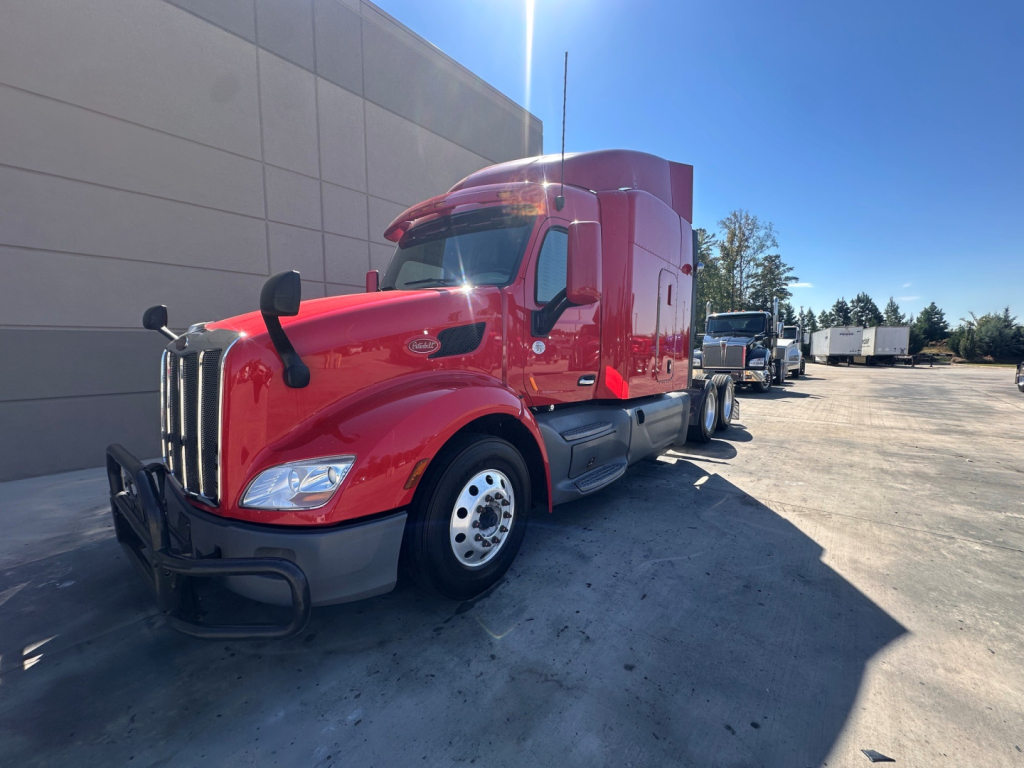
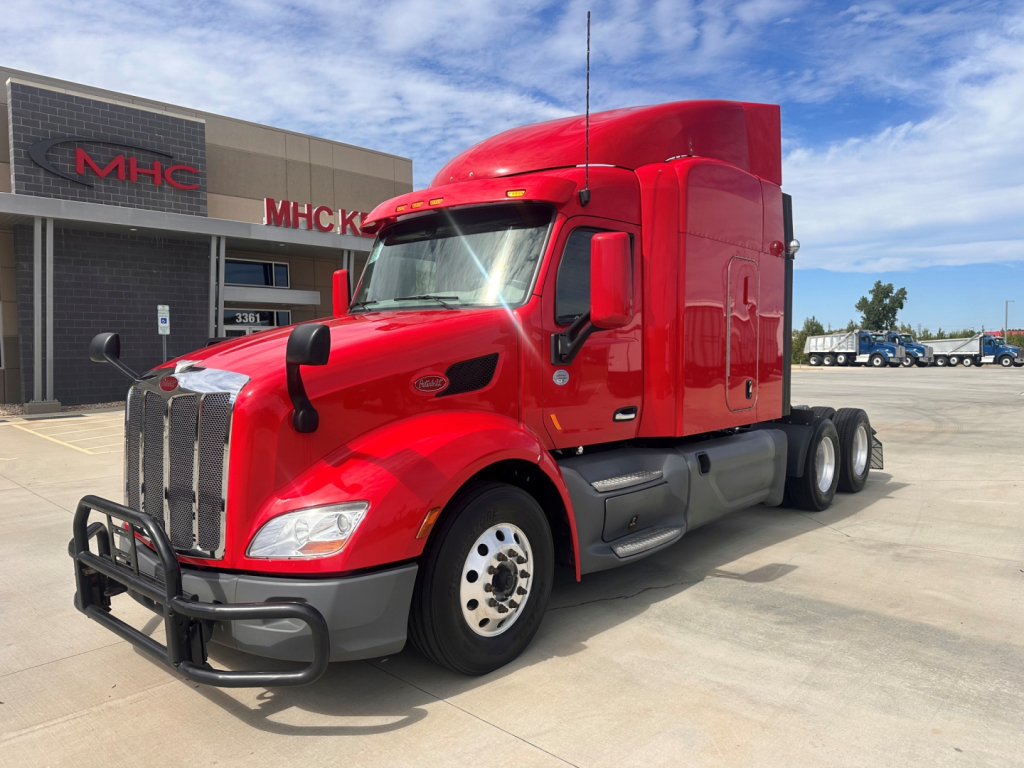

Selling a 2021 peterbilt truck? List your 2021 peterbilt truck for sale and reach thousands of commercial buyers.
2021 Peterbilt Trucks in South Carolina
Powertrain choices on heavy-duty Peterbilts of this year include the PACCAR MX-13 and Cummins X15, depending on model and configuration. Highway combinations commonly pair these engines with automated transmissions, while vocational specifications require closer attention to transmission type, PTO provisions, and low-speed control. A numerically low rear ratio can suit interstate cruising but needs evaluation against transmission gearing, tire size, loaded weight, and starts on grades. Confirm fifth-wheel travel, kingpin clearance, and suspension ratings on tractors; verify usable cab-to-axle dimensions and completed-vehicle payload on straight trucks.
The 2021 model year places these diesel trucks firmly in the DPF, SCR, and DEF era, not the pre-emissions category. A 2021 579 also precedes the redesigned 2022 model, so do not assume later cab electronics or exterior components interchange. For used trucks, obtain an ECM report showing engine hours, idle time, fault history, and mileage consistency with service records. Review DPF cleaning, SCR repairs, cooling-system work, and transmission service. Inspect fifth-wheel jaws, suspension bushings, steering components, brake wear, and evidence of frame repairs rather than treating a clean cab as proof of sound mechanical condition.
Coastal South Carolina warrants careful inspection for salt-air corrosion and flood exposure, particularly at electrical connectors, cab floors, frame cavities, and battery boxes. A South Carolina location does not establish where a used truck spent its working life, so check service locations for prior road-salt exposure. Test air conditioning and cooling performance under load for hot-weather operation. Logging and construction configurations also deserve checks for frame twisting, damaged crossmembers, and driveline wear from repeated off-road starts.
For a truck represented as new, evaluate the existing 2021 build specification rather than assuming current factory-order options apply. Confirm prior use, warranty start dates, remaining engine and chassis coverage, and storage-related battery, tire, seal, and fluid condition. Qualifying new heavy trucks generally carry a 12% federal excise tax on the first retail sale, while ordinary used resales do not. South Carolina weight compliance still requires checking actual axle loads, bridge limits, and any applicable oversize or overweight permit requirements.
Frequently Asked Questions about 2021 Peterbilt Trucks in South Carolina
Is a 2.79 rear axle ratio suitable for a 2021 Peterbilt hauling in South Carolina?
A 2.79 rear ratio can suit a 2021 Peterbilt highway tractor, but transmission top gear and tire size determine whether the complete gearing fits the job. Compare calculated cruise RPM with the engine manufacturer's recommended operating range. Frequent loaded starts, Upstate grades, and off-road approaches require checking startability and clutch demands, not just highway fuel economy. An overdrive transmission and a direct-drive transmission can behave very differently with the same axle ratio.
How do I check the DPF condition on a used 2021 Peterbilt?
DPF differential-pressure readings and documented cleaning history are more useful than a warning-free dashboard when inspecting a used 2021 Peterbilt. Have a qualified shop read regeneration history, soot estimates, and relevant fault counters, then evaluate pressure readings under the manufacturer's prescribed test conditions. A successful regeneration burns soot but does not remove accumulated ash. Investigate frequent regenerations for upstream causes such as injector problems, oil consumption, or exhaust leaks.
How much weight can a 2021 Peterbilt legally haul on South Carolina interstates?
Normal Interstate limits are 80,000 pounds gross, 20,000 pounds on a single axle, and 34,000 pounds on a tandem, subject to the federal bridge formula. A 2021 Peterbilt's axle ratings do not authorize exceeding those limits. Legal payload also depends on truck and trailer tare weight, axle spacing, registration, and posted restrictions. Loads requiring an overweight permit must meet South Carolina's permit conditions and approved routing.
Should I convert a 2021 Peterbilt 579 tractor into a dump truck?
A factory vocational Peterbilt 567 is usually a better dump-truck starting point than a converted 2021 Peterbilt 579 highway tractor. A conversion requires evaluating frame strength, wheelbase, cab-to-axle space, suspension, steering-axle capacity, PTO compatibility, and hydraulic installation. The finished truck also needs suitable weight distribution and proper certification for the modification. A highway tractor's horsepower alone does not establish that the chassis can safely carry a loaded dump body.
Do 2021 Peterbilt 579 and 389 trucks use the same replacement parts?
A 2021 Peterbilt 579 and 389 may share some engine-service components, but replacement parts cannot be matched reliably by model year alone. Cab, hood, lighting, steering, and chassis components can differ substantially. Order engine parts by engine serial number and chassis parts by VIN and build specification. Axle, brake, and transmission identification tags also matter because trucks within the same model line can have different suppliers and ratings.