
New Peterbilt Trucks For Sale in Florida
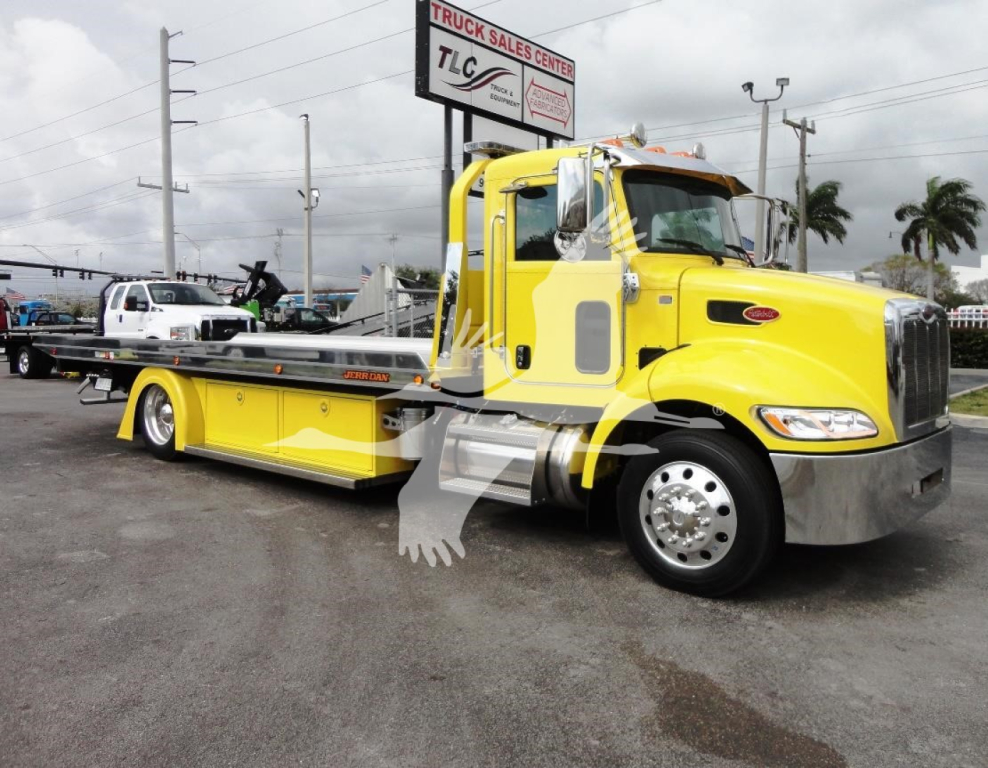
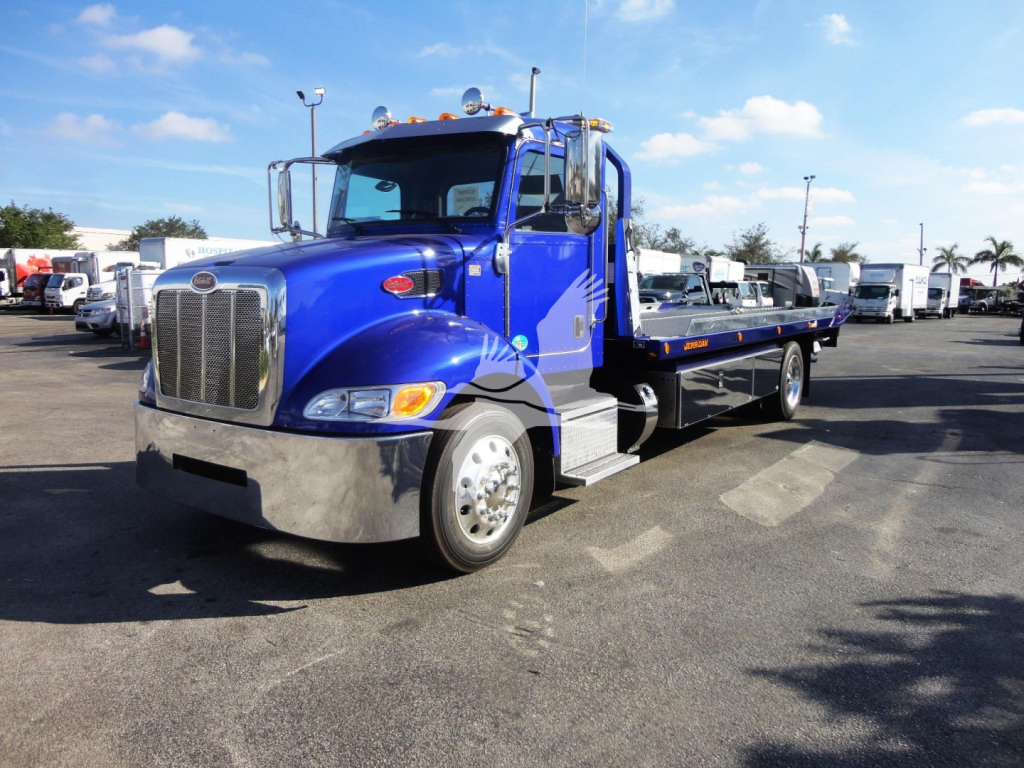
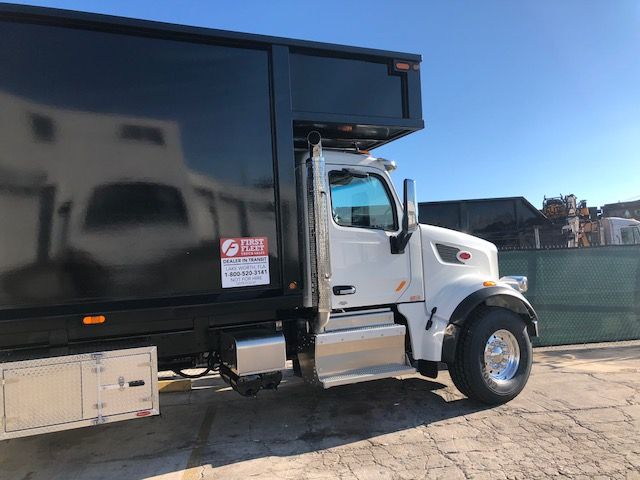
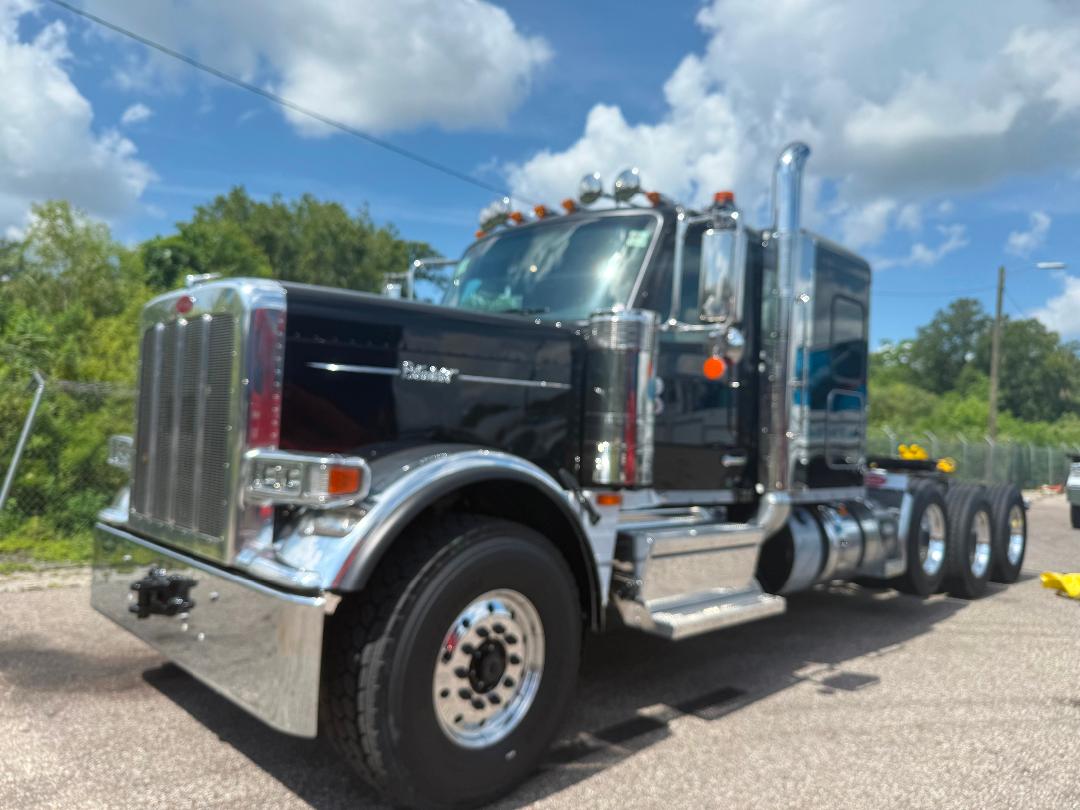

Showing 25 to 30 of 30 results
Have new peterbilt truck to sell? List it here to reach thousands of buyers.
New Peterbilt Trucks in Florida
For Florida buyers, application and duty cycle should drive the spec. Tow and carrier builds often center on a 26,000 lb GVWR non-CDL target, with common axle ratings around 10,000 lbs up front and 19,000 to 20,000 lbs in the rear. Cummins diesel power in the 260 to 300 hp range is typical in this class, paired with Allison automatic or PACCAR automated transmissions depending on the body and operator preference. Air brakes, air ride suspension, locking differentials, aluminum wheels, and low-profile 22.5 tires are all common on Peterbilt medium-duty trucks built for recovery or urban service. If the truck is being used for rollback towing, details such as wheel lift rating, winch capacity, deck length, deck material, and wireless remote functions matter just as much as the chassis itself.
A new Peterbilt truck also tends to appeal to buyers who care about long-term serviceability and resale. The 337 is a proven medium-duty platform for rollback tow trucks, flatbeds, van bodies, and service bodies. The 536 moves into a newer cab design with updated ergonomics and a more modern interior while still fitting a wide range of vocational upfits. Body-ready specs often include power windows and locks, heated mirrors, air ride seating, engine brake, and PTO-friendly driveline setups. For towing applications, buyers should pay attention to frame reinforcement, rear suspension match, crossmember layout, and how cleanly the truck is integrated with a Jerr-Dan or similar carrier body.
The biggest mistake in this category is buying a sharp-looking truck with the wrong chassis numbers for the work. A truck that spends its life on city streets handling passenger vehicles needs a different spec than one moving heavier pickups, vans, or equipment in a hot, high-idle environment. In Florida, cooling performance, corrosion resistance, lighting package durability, and operator comfort in stop-and-go conditions all deserve attention. New Peterbilt trucks stand out when the chassis, powertrain, and body are matched correctly to the job, because that is what affects uptime, payload, ease of operation, and the truck's value years down the road.
Frequently Asked Questions about New Peterbilt Trucks in Florida
What are the most common new Peterbilt truck models in the medium-duty market?
The Peterbilt 337 and 536 are two of the most common new medium-duty Peterbilt models. The 337 has long been a staple for rollback tow trucks, flatbeds, utility bodies, and box truck applications because it offers strong body-builder flexibility in a Class 7 platform. The 536 is a newer medium-duty model with updated cab design and interior features, and it is often chosen for operators who want a more modern vocational chassis without moving into a heavier truck than necessary.
What engine and transmission specs are typical on new Peterbilt medium-duty trucks?
Many new Peterbilt medium-duty trucks are powered by Cummins diesel engines in the 260 to 300 horsepower range, depending on the application and GVWR target. Allison automatic transmissions are common for towing, municipal, and stop-and-go vocational work because they are easy to operate and well-suited for frequent starts and stops. Some builds also use PACCAR or ZF automated transmissions, especially when fuel economy and integrated controls are priorities. The right choice depends on load, terrain, idle time, and how the truck will be driven every day.
What should I look for in a new Peterbilt rollback or tow truck spec?
Start with GVWR, axle ratings, wheelbase, and the actual carrier body specifications. On rollback builds, deck length is often around 22 feet, with a 102-inch-wide bed, a wheel lift in the 3,500 lb range, and a winch commonly around 8,000 lbs. Buyers should also check whether the bed is steel or aluminum, whether the truck has air brakes and air ride suspension, and how the lighting, toolbox, remote, and rear recovery equipment are configured. A good tow truck spec is not just about chrome or appearance. It is about chassis balance, durability, and safe body integration.
Is a 26,000 lb GVWR Peterbilt a good choice for Florida vocational work?
A 26,000 lb GVWR Peterbilt is a strong fit for many Florida applications because it can support substantial medium-duty capability while often staying in a non-CDL category, depending on use and regulations. That makes it especially attractive for rollback towing, local delivery, landscaping, equipment hauling, and municipal work. Buyers still need to verify payload, body weight, and axle ratings carefully, because a non-CDL target does not automatically mean the truck is correctly spec'd for the intended load. In Florida's heat and traffic, cooling capacity, transmission choice, and cab comfort can also have a major effect on day-to-day usability.
Why do buyers choose Peterbilt for vocational trucks instead of other makes?
Peterbilt has a strong reputation for driver appeal, clean styling, aluminum cab construction, and solid resale value. In vocational use, buyers also like the straightforward switch layout, premium interior feel, and the brand's long-standing acceptance among body builders and fleet operators. On medium-duty trucks, that translates into a chassis that is often easier to live with over time, especially when paired with common drivetrains like Cummins and Allison. For many operators, the value is not just in the badge. It is in the combination of spec flexibility, serviceability, and long-term market demand.