
Used Passenger Van Trucks For Sale in California
Used passenger van trucks for sale in California: compare seating, loaded axle weights, emissions eligibility, and electric conversion support before buying.
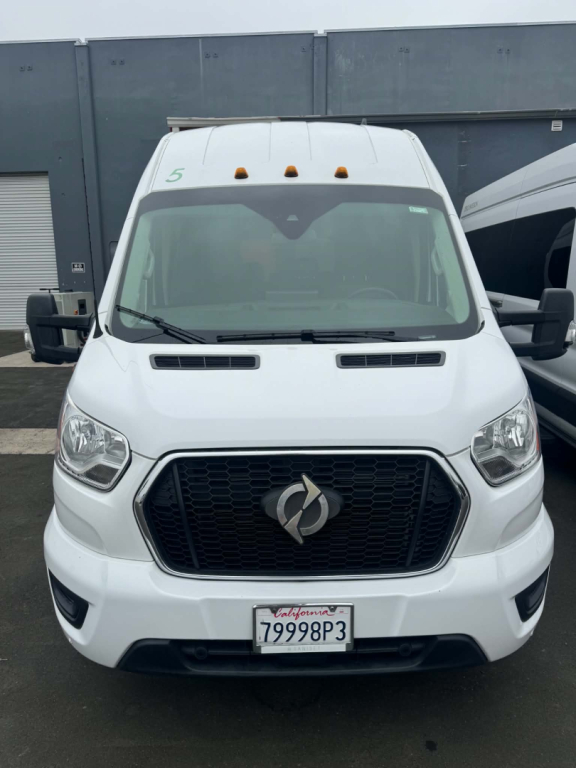
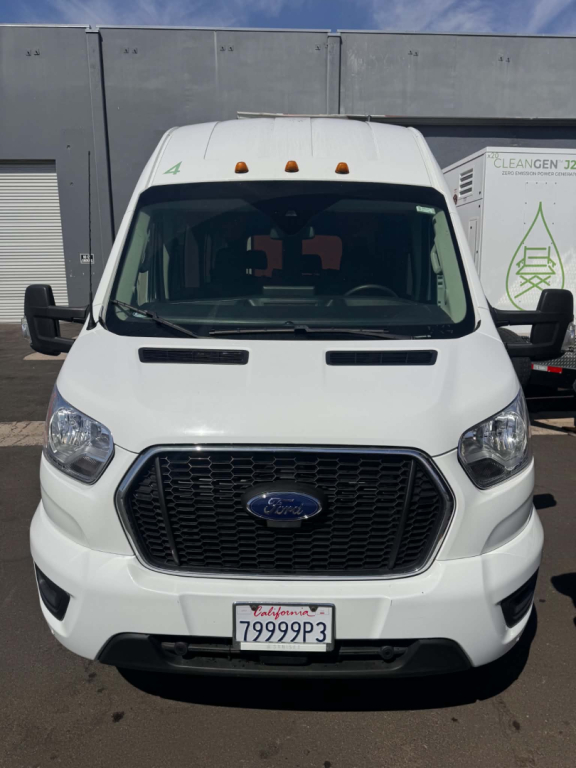
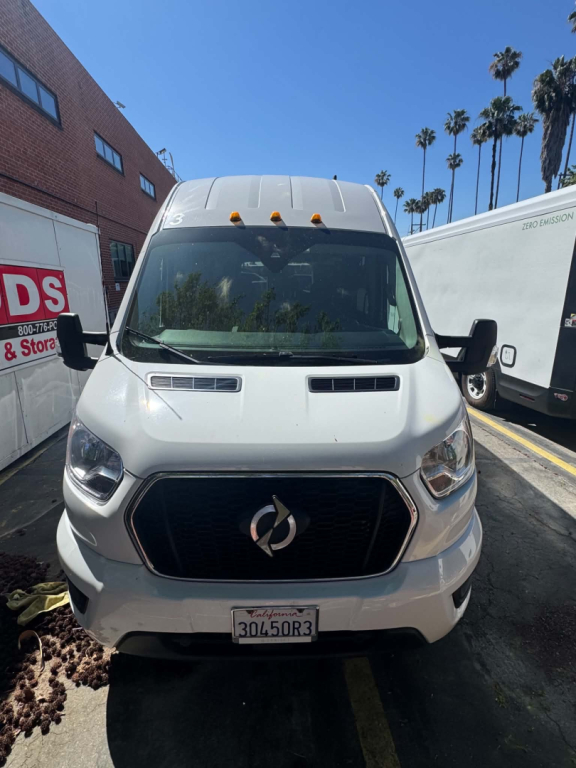
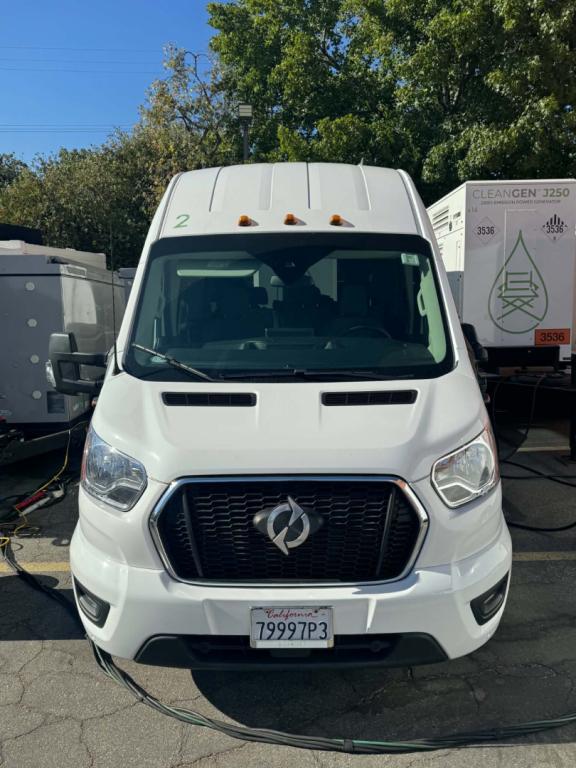
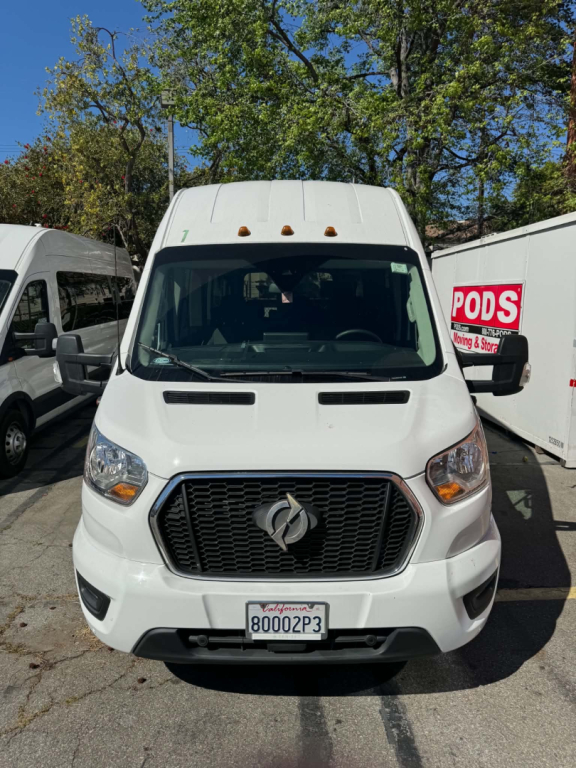
Selling a used passenger van truck? List your used passenger van truck for sale and reach thousands of commercial buyers.
Used Passenger Van Trucks in California
Ford Transit passenger wagons offer multiple roof heights and, on certain model years, all-wheel drive; Chevrolet Express and GMC Savana retain a traditional full-size van layout. Mercedes-Benz Sprinter passenger vans offer tall-cabin configurations and diesel power in many years, while older Ford E-Series wagons call for closer attention to age-related rubber, wiring, cooling-system, and body-mount deterioration.
Stop-and-go shuttle duty wears doors, steps, seat mounts, brakes, and rear air-conditioning systems even when odometer mileage is modest. Inspect belt retractors, floor anchorage, wheelchair-lift service records where fitted, and evidence of seats added after manufacture. Scan all control modules and compare engine hours, idle time, fault history, and maintenance records where the vehicle supports those data. Check tire dates and load ratings, uneven wear, steering play, and braking stability during a road test with a representative load. Central Valley heat makes cooling-system and rear A/C testing essential; coastal exposure and previous mountain or out-of-state service justify a close corrosion inspection.
Battery-electric conversions need a separate inspection from factory-built electric vans. A converted Transit may retain Ford body and chassis components while using another manufacturer's battery, inverter, drive motor, and charging controls. Obtain conversion and certification paperwork, identify who can supply proprietary parts and diagnostic access, and verify any remaining warranty by component. Test charging and cabin HVAC under load; California freeway speeds, steep grades, and summer air-conditioning demand can reduce usable range compared with an advertised maximum.
Before committing to an internal-combustion van, confirm California registration eligibility and the applicable Smog Check requirements for its fuel, model year, and weight. Heavier diesel passenger vehicles can also fall under CARB requirements, so passenger registration alone is not proof of exemption. For electric shuttles, establish depot electrical capacity and a charging window before selecting battery size. Airport access rules and commercial passenger-carrier requirements are separate checks from vehicle registration, particularly for paid transportation around Los Angeles, the Bay Area, and San Diego.
Frequently Asked Questions about Used Passenger Van Trucks in California
Do I need a commercial license to drive a passenger van in California?
A California passenger van designed, used, or maintained to carry more than 10 people, including the driver, generally requires a commercial license with a passenger endorsement. Removing seats does not automatically change the vehicle's classification. Specific vanpool exemptions exist, and school transportation can trigger additional requirements. Confirm the required license class and endorsements with California DMV using the van's certification, seating design, GVWR, and intended operation.
How do I know whether a passenger van will fit in hotel or airport parking garages?
Use the passenger van's measured overall height, including rooftop A/C, antennas, and vents, to judge garage access. A roof-height name such as low, medium, or high is not a clearance specification. Measure the van in its normal operating condition and check the entire hotel or airport route, including ramps, loading areas, and any clearance restrictions imposed by the operator.
What battery information should I request before buying a used electric passenger van?
Usable battery capacity and cell balance matter more than the dashboard range estimate when inspecting a used electric passenger van. Ask for usable energy estimates, cell-voltage spread, thermal-management faults, isolation faults, and charge-cycle records where supported. Conduct a loaded route test at highway speed with climate control running, then compare measured energy consumption with the planned route and an operating reserve. A dashboard range estimate alone does not establish remaining battery capacity.
Is a diesel passenger van cheaper to operate than a gasoline van for shuttle work?
A gasoline passenger van avoids the DPF, SCR, and DEF maintenance associated with many later-model diesel vans. Short, low-speed shuttle loops can be a poor match for a diesel that needs sustained operating temperature for regeneration. Compare fuel consumption, duty cycle, service records, and local shop capability rather than assuming diesel means lower ownership costs. A diesel van with documented emissions-system health may suit longer, loaded highway routes.