
Used Packer Trucks For Sale in New York
Browse used packer trucks in New York, including rear loader and dual hopper refuse trucks built for municipal and sanitation routes.
Selling a used packer truck? List your used packer truck for sale and reach thousands of commercial buyers.
Used Packer Trucks in New York
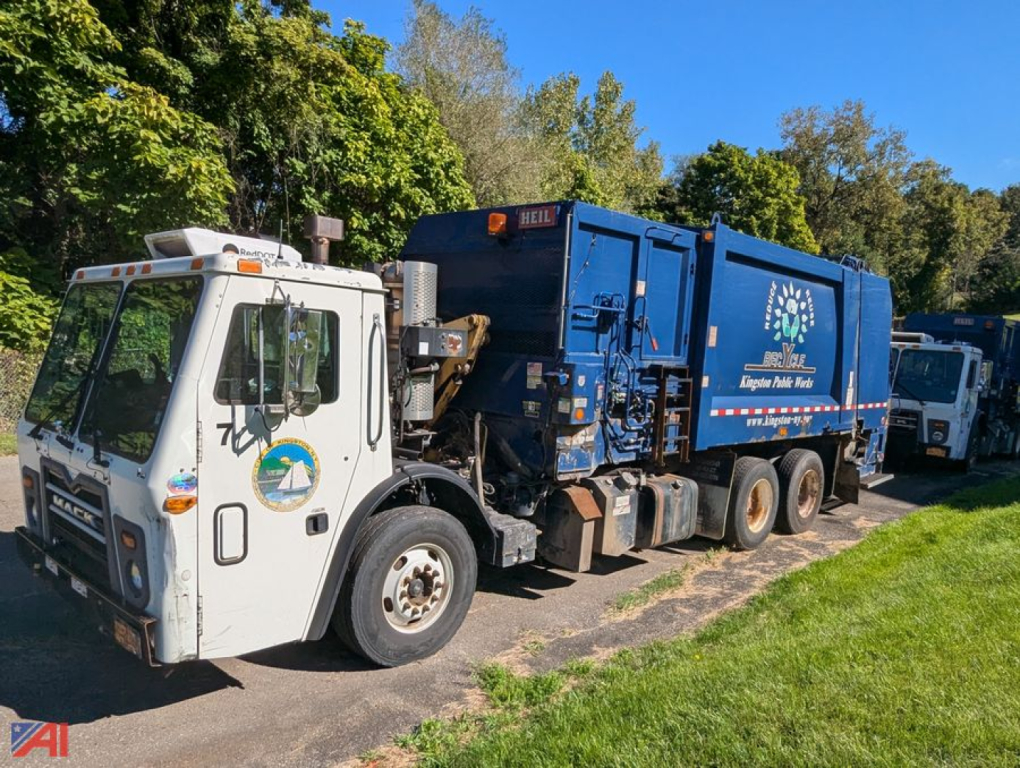
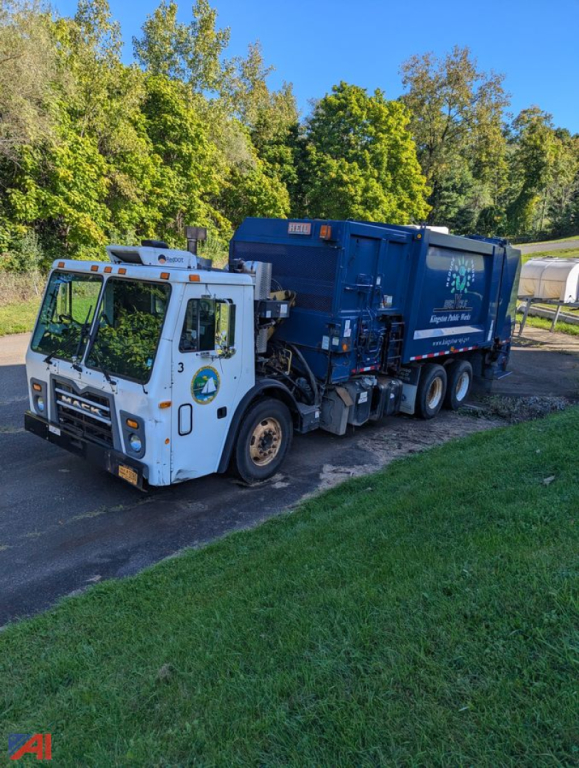
The key buying decision is the body and compaction system, not just the truck badge. Hopper size, packer blade design, cycle time, compaction ratio, and tailgate seal condition directly affect route efficiency and cleanup time. Rear loader packer trucks are common for residential and municipal trash collection because they are simple to operate and easier to service than more specialized automated units. Dual hopper packer trucks add flexibility for split-route collection, allowing separation of waste streams such as trash and recyclables on the same run. Buyers should also check body manufacturer support, since names like Heil and New Way often matter as much as the chassis when sourcing cylinders, control valves, wear shoes, and tailgate components.
On a used unit, condition assessment should center on the hydraulic system, body floor, hopper, tailgate, and frame. Look for signs of floor rot, cracked welds, leaking packer cylinders, excessive blade wear, and corrosion around the tailgate opening and body mounts. In New York, road salt and year-round municipal use can accelerate rust on crossmembers, electrical connections, and hoist-related hardware. Chassis inspection still matters. Pay close attention to PTO engagement, transmission behavior under load, brake condition, front axle wear from repeated curbside stops, and engine idle hours if available. A truck that looks clean externally can still need significant hydraulic or refuse body work.
Spec matching should reflect the route. Smaller packer trucks are easier to maneuver in borough streets, alleys, transfer station queues, and institutional properties, while Class 7 and Class 8 packer trucks offer better payload capacity and route endurance for municipal fleets. Front axle rating, wheelbase, turning radius, body capacity measured in cubic yards, and legal operating weight all need to line up with the intended collection area. For many buyers, the best used packer truck is the one with a solid body, predictable hydraulic performance, and a chassis with a documented maintenance history, even if the odometer is not especially low.
Frequently Asked Questions about Used Packer Trucks in New York
What should I inspect first on a used packer truck?
Start with the refuse body and hydraulic system. Inspect the hopper floor, packer blade, tailgate seals, cylinders, hoses, control valves, and body mounts for leaks, cracks, corrosion, and excessive wear. On many used packer trucks, body repairs can be more expensive and harder to schedule than standard chassis work, so the compaction system and structural condition should be evaluated before focusing on mileage alone.
What is the difference between a rear loader packer truck and a dual hopper packer truck?
A rear loader packer truck uses a single hopper and is commonly used for general refuse collection, especially on residential and municipal routes. A dual hopper packer truck has separate compartments or hoppers so operators can collect two waste streams on one route, such as trash and recyclables. Dual hopper units improve route flexibility, but they add body complexity and can require more attention to divider, hydraulic, and control system condition.
Are smaller packer trucks a good fit for New York routes?
Smaller packer trucks can be a strong fit for tight urban streets, municipal properties, parks departments, universities, and light-duty collection work. Units built on chassis like the Ford F-550 are easier to maneuver and may avoid some of the access issues that larger trucks face. The tradeoff is lower payload and body capacity, so buyers need to balance maneuverability against route length, tonnage, and dump frequency.
How important is the chassis brand on a used packer truck?
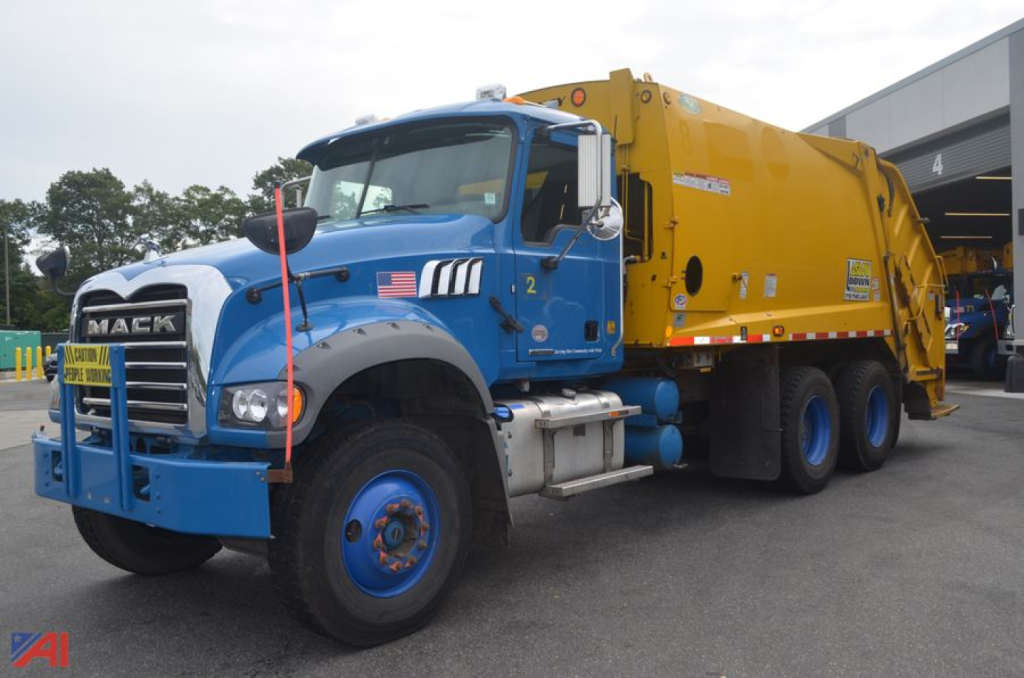
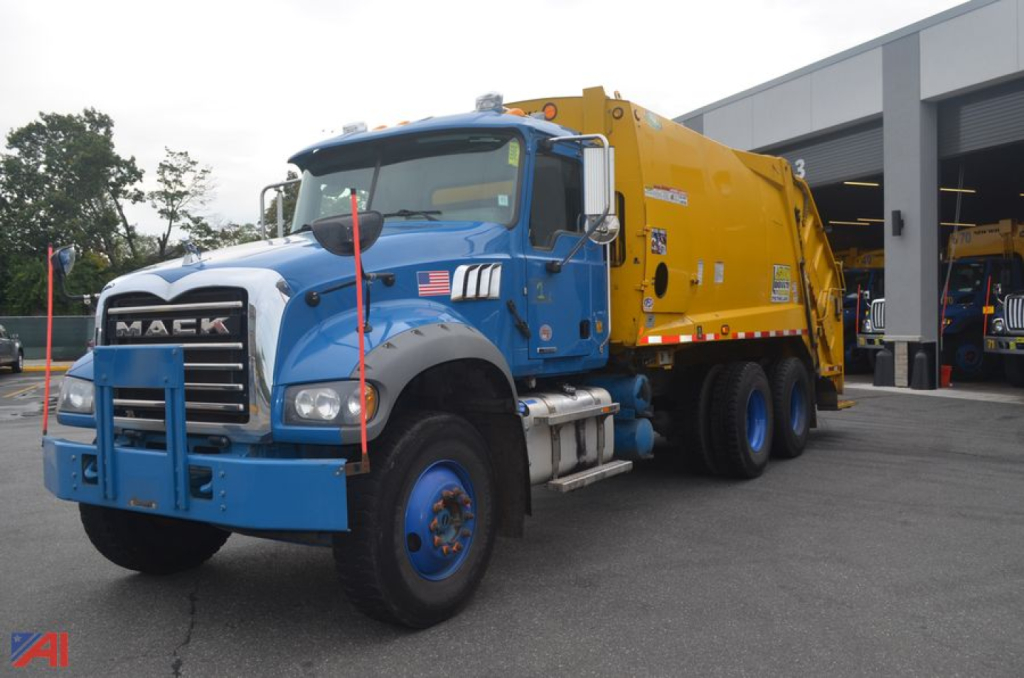
The chassis brand matters, but the refuse body manufacturer is equally important. International and Mack chassis are common in municipal packer applications because they are built for severe-duty service and parts support is generally strong. At the same time, the body builder, such as Heil or New Way, affects parts availability, service familiarity, and the long-term cost of maintaining packer cylinders, controls, and structural components.
What causes the most wear on a packer truck in municipal service?
Frequent stop-and-go operation, constant PTO use, repeated compaction cycles, exposure to moisture and corrosive waste, and winter salt all accelerate wear. Front suspension and brakes take abuse from repetitive starts and stops, while the body floor, tailgate, hopper, and hydraulic components absorb the harshest refuse-related wear. In cold-weather markets like New York, corrosion at crossmembers, electrical connectors, and body seams is a common issue that deserves close inspection.