
Used Packer Trucks For Sale
Browse used packer trucks built for refuse collection, municipal routes, and waste hauling with key specs on body type, capacity, and drivetrain.
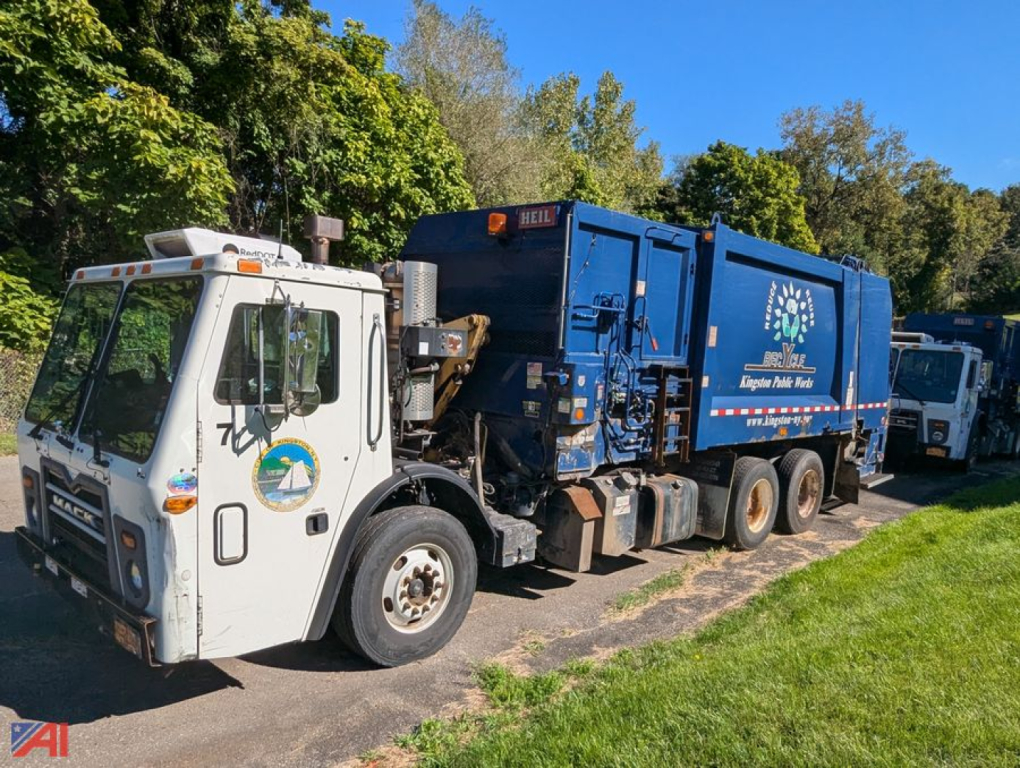
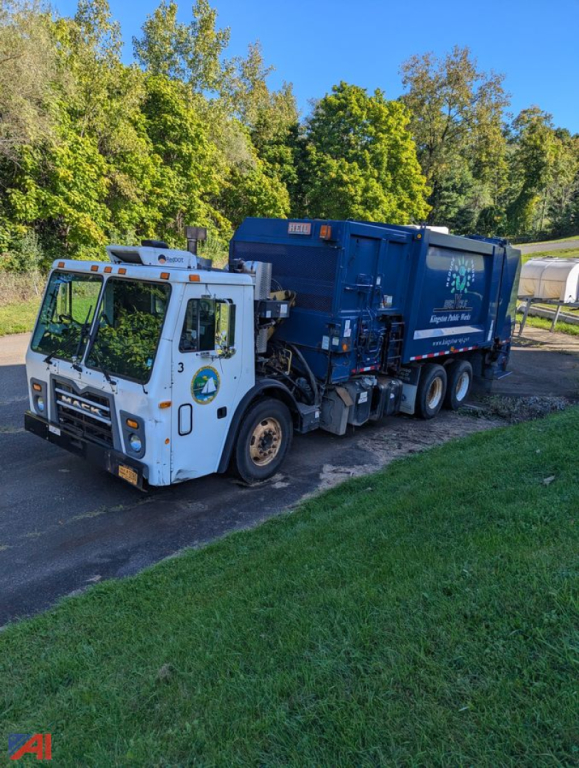
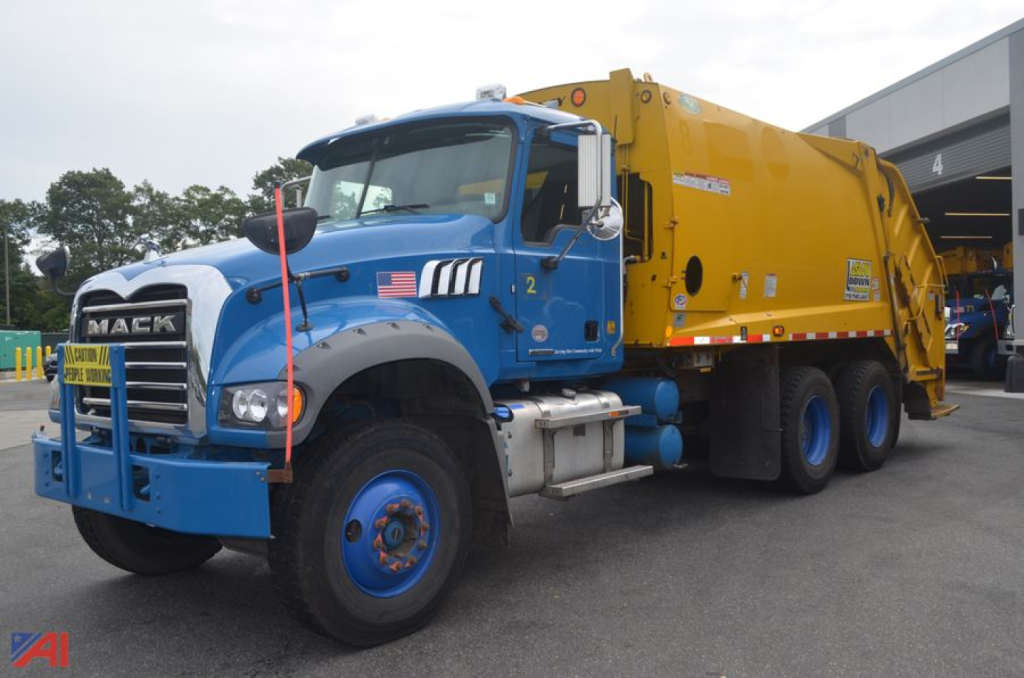
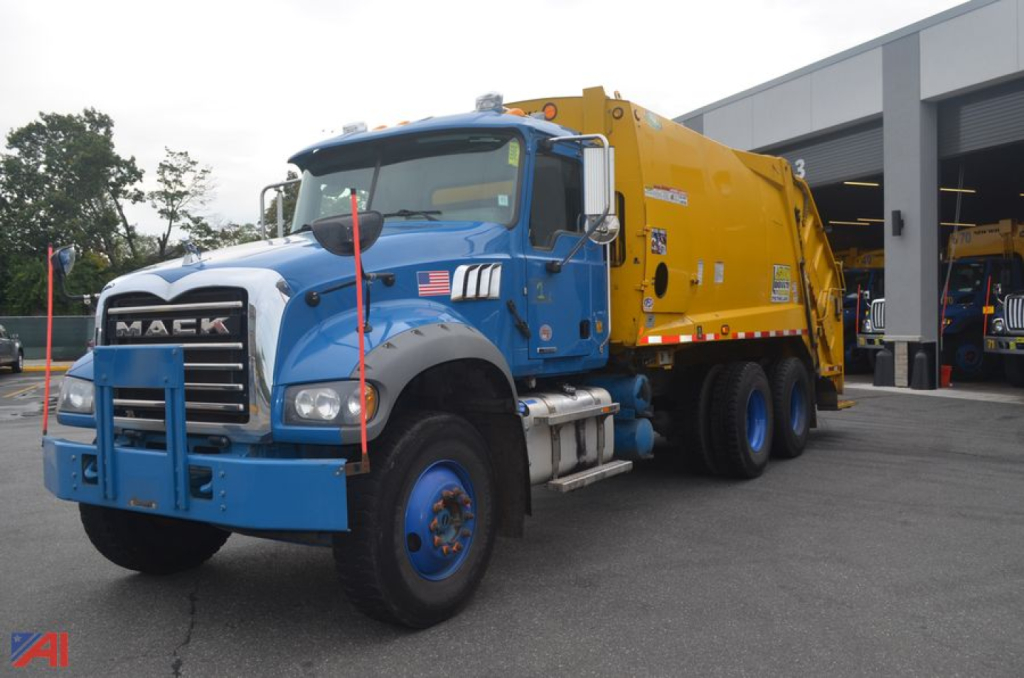
Selling a used packer truck? List your used packer truck for sale and reach thousands of commercial buyers.
Used Packer Trucks
Body style matters as much as chassis spec. Rear loaders remain common for municipal and mixed collection routes because they are simple, versatile, and crew-friendly. Front loaders are better suited to commercial dumpster service where reach, lift capacity, and frame strength are critical. Side loaders, including automated side loaders, are often chosen for residential routes focused on labor efficiency and standardized carts. Buyers comparing used packer trucks should look closely at rated body capacity in cubic yards, pack ratio, hopper size, tailgate seal condition, and the overall health of the hydraulic system. Cylinder leaks, slow pack cycles, body floor wear, and cracking around high-stress points can all turn into expensive downtime.
A good used packer truck also needs the right chassis for dense, repetitive duty cycles. Diesel engines in this class are usually paired with automatic transmissions, heavy front axles, tandem or single rear axle configurations, and PTO-driven hydraulic systems. Wheelbase, turning radius, and axle spread affect how well the truck performs in alleys, urban streets, transfer station traffic, and tight commercial lots. Suspension type, brake spec, and frame condition deserve close attention, especially on former municipal units that may have seen hard service but followed strict maintenance intervals. Cab corrosion, electrical issues, hour meter readings, and idle time can be just as important as odometer miles on a refuse truck.
For buyers evaluating used packer trucks for sale, the best value often comes from matching the body, compaction system, and chassis to the actual route instead of buying strictly by model year. A lower-mile truck with poor body condition can cost more to own than an older unit with documented hydraulic, engine, and transmission service. Look for service records on PTO operation, packer blades, pins and bushings, tailgate latches, cart tippers or can lifters, and any emissions-related repairs. Refuse applications are among the toughest jobs in trucking, so durability, parts support, and ease of service should rank ahead of cosmetic condition.
Frequently Asked Questions about Used Packer Trucks
What should I inspect first on a used packer truck?
Start with the body and hydraulic system, because those components usually determine the biggest repair costs. Check for floor wear, sidewall damage, cracked welds, leaking cylinders, slow or uneven pack cycles, and tailgate sealing issues. After that, inspect the chassis for frame corrosion, suspension wear, brake condition, PTO operation, and signs of excessive idle-heavy service that may not show up in mileage alone.
What is the difference between a rear loader, front loader, and side loader packer truck?
A rear loader is typically used for municipal or mixed refuse routes where crews load material at the back of the truck. A front loader is designed for commercial waste collection and uses front-mounted forks to lift dumpsters over the cab into the body. A side loader loads from the curb side of the truck, and automated side loaders are common on residential cart routes because they reduce labor and improve route consistency.
How many cubic yards does a packer truck usually hold?
Used packer trucks commonly range from about 15 to more than 30 cubic yards depending on body style and route application. Smaller bodies are often used in tighter urban work or lighter residential service, while larger capacities are common in municipal and commercial collection. Capacity alone does not tell the full story, because pack ratio, hopper volume, and legal axle loading all affect how much material the truck can carry on a route.
Are municipal fleet packer trucks a good used buy?
They can be, especially when the unit comes with documented preventive maintenance and regular inspections. Municipal trucks often work hard in severe stop-and-go conditions, so body wear, hydraulic fatigue, and corrosion need careful review. The advantage is that many public fleet units follow scheduled service programs, which can make them a better long-term buy than a truck with limited records.
Why are engine hours important on a used refuse truck?
Engine hours matter because packer trucks spend a large portion of their life idling, running PTO-driven hydraulics, and operating at low speeds. A refuse truck can show moderate mileage but still have heavy engine and aftertreatment use from route work. Comparing engine hours, idle time, and maintenance history gives a more accurate picture of wear than mileage alone.