
Used Mack Packer Trucks For Sale in New York
Used Mack packer trucks for sale in New York: compare LEU, TerraPro, LR, and Granite chassis, hydraulic wear, salt corrosion, and emissions history.
Selling a used mack packer truck? List your used mack packer truck for sale and reach thousands of commercial buyers.
Used Mack Packer Trucks in New York
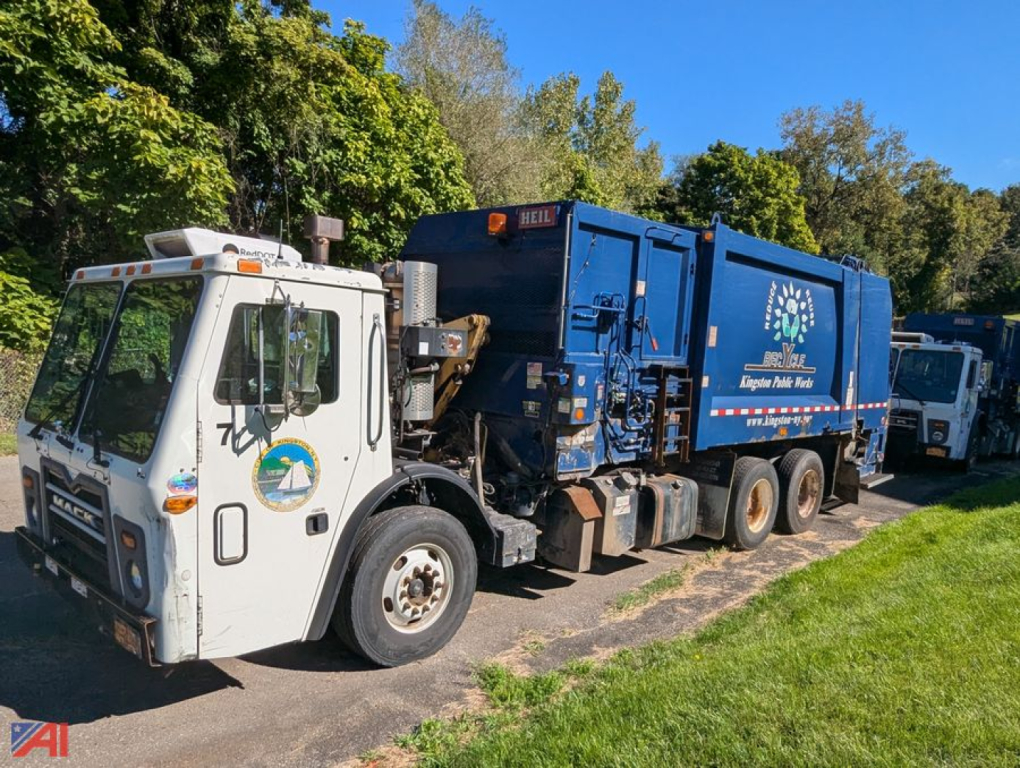
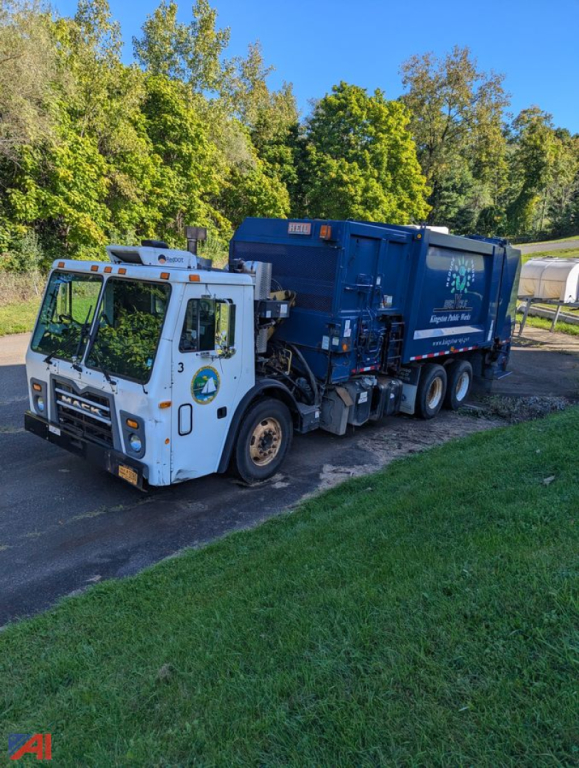
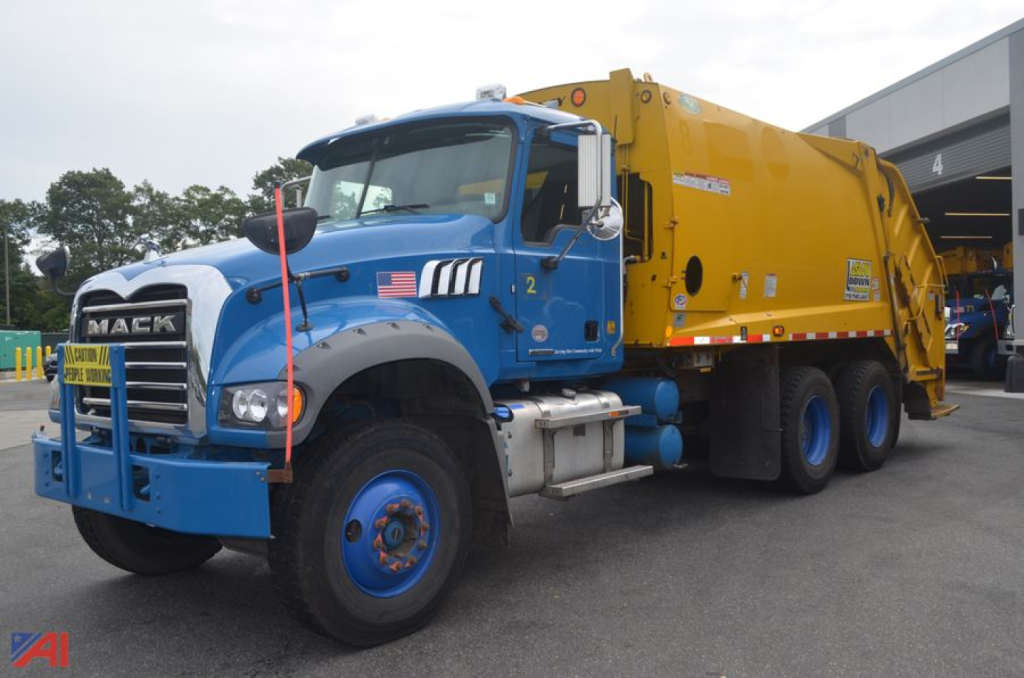
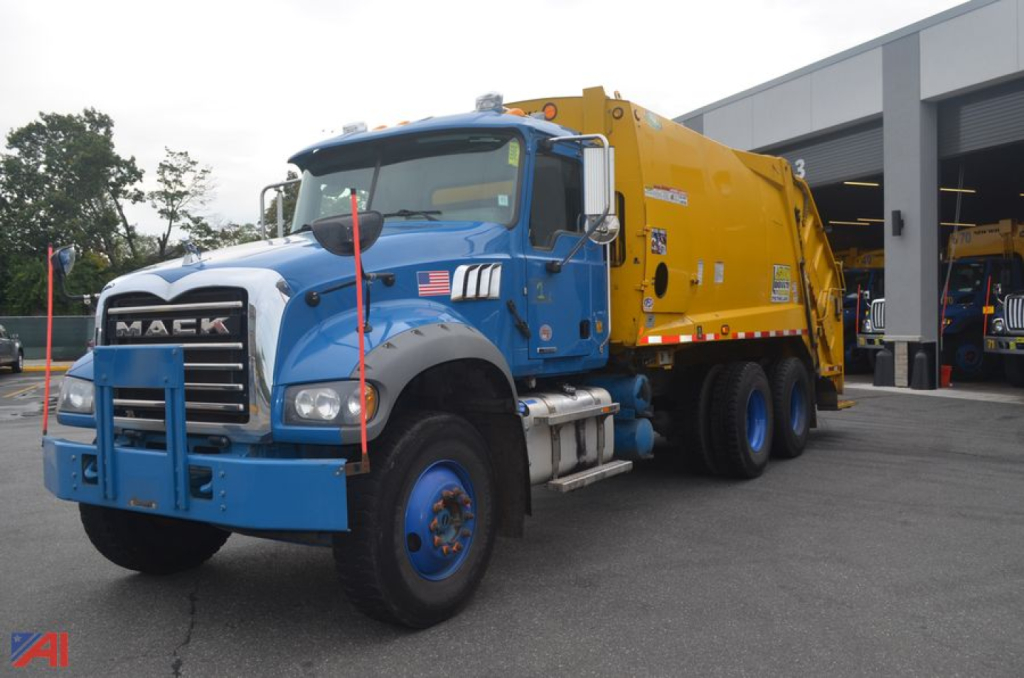
Low-entry LE and LEU models, TerraPro cabovers, later LR chassis, and conventional-cab Granite trucks offer different access and visibility arrangements. A low-entry cab can reduce climbing during stop-intensive collection; a Granite's conventional layout may suit routes with more travel between stops. Mack MP7 diesels are common in low-entry and cabover refuse chassis, while Granite configurations can have MP7 or MP8 power. Allison automatic transmissions are common in refuse service, but combinations vary by chassis and year. Confirm the engine data plate, transmission model, PTO arrangement, and body-builder documentation instead of relying on seller-entered specifications.
A used compactor truck needs a working-body inspection, not just a road test. Operate the packer, ejector, tailgate, and any cart lifters through complete cycles with the hydraulic oil warm. Inspect hopper floors, packer blades, cylinder mounts, hinge pins, wear rails, and tailgate seals for thinning metal, looseness, leakage, or poor alignment. Compare ECM engine hours and idle hours with mileage and service records because collection work can accumulate substantial engine and hydraulic wear over short distances. Check automatic-transmission service history, PTO engagement, brake condition, steering play, and suspension bushings.
Model year changes the emissions checklist: many pre-2007 diesel configurations lack factory DPF systems, 2007-era Mack diesels introduced particulate filtration, and 2010-era MP engines added SCR using DEF. Verify the engine's emissions label rather than assuming the chassis year identifies the installed system. On equipped trucks, review regeneration history, ash-cleaning records, fault codes, and SCR repairs because short collection cycles can complicate aftertreatment operation.
New York road salt makes frame rails, crossmembers, body subframes, air tanks, brake plumbing, wiring connectors, and cab steps priority inspection points. Coastal exposure adds corrosion concerns on Long Island and other downstate routes. Examine repaired rust areas from underneath rather than accepting fresh paint as evidence of sound metal. Calculate payload from actual empty weight and allowable gross and axle weights; a large packer body can overload an axle before reaching its volume limit. Account for posted bridges and local truck restrictions on the intended route.
Frequently Asked Questions about Used Mack Packer Trucks in New York
Is a Mack LEU the same truck as a TerraPro or an LR?
The Mack LEU is a low-entry refuse chassis, while the LR is a separate, newer low-entry platform. TerraPro naming can refer to different cab configurations, so confirm the chassis model from the identification plate. Cab access, seating, visibility, body controls, and parts compatibility should be evaluated on the actual chassis; a similar appearance or shared refuse application does not establish interchangeability.
How do I test the hydraulics on a used Mack packer truck?
A warm-oil pressure and cycle-time test against the body manufacturer's specifications is the best way to assess a used Mack packer's hydraulic performance. Have a qualified technician check pump output, relief settings, cylinder leakage, and operation under a representative load. An empty hopper demonstration can conceal weak compaction, slow cycles, or heat-related performance loss. Never enter the body or work beneath an unsupported raised tailgate.
What CDL do I need to drive a Mack garbage truck in New York?
A single Mack packer truck with a GVWR or actual gross weight of 26,001 pounds or more generally requires a Class B CDL in New York. The driver's license must not carry a restriction that prohibits operation of the truck's air brakes or transmission. Towing a trailer rated over 10,000 pounds can move a qualifying combination into Class A requirements; confirm the complete vehicle combination before assigning a driver.
Do used Mack garbage trucks need a New York diesel emissions inspection?
Most diesel Mack refuse trucks over 8,500 pounds GVWR registered in New York's metropolitan emissions area require an annual diesel emissions inspection. That area includes New York City, Nassau, Suffolk, Westchester, and Rockland counties. The requirement follows registration location rather than where the truck was purchased, and exemptions can apply. Trucks registered elsewhere in the state still have applicable safety-inspection requirements, so verify the registration class and intended operating jurisdiction.
Will a front-loading Mack packer work on tight New York collection routes?
Overhead clearance during the complete container-lifting arc is the critical limit for a front-loading Mack packer on tight New York routes. Measure the body builder's required operating clearance, not just travel height, and include wires, tree branches, canopies, and loading-area structures. Check container pocket compatibility and space to approach dumpsters squarely; a truck that fits the street may still be unable to service the customer's enclosure.