
Mack Packer Trucks For Sale
Browse Mack packer trucks for refuse collection, featuring Granite chassis, PTO-driven bodies, route-ready specs, and municipal fleet durability.
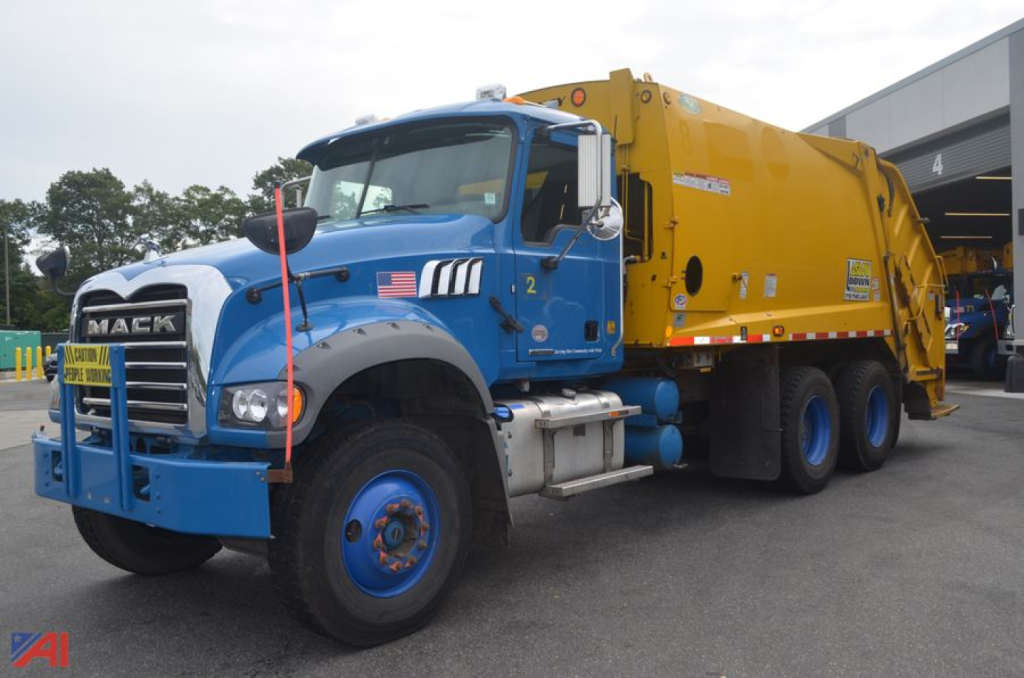
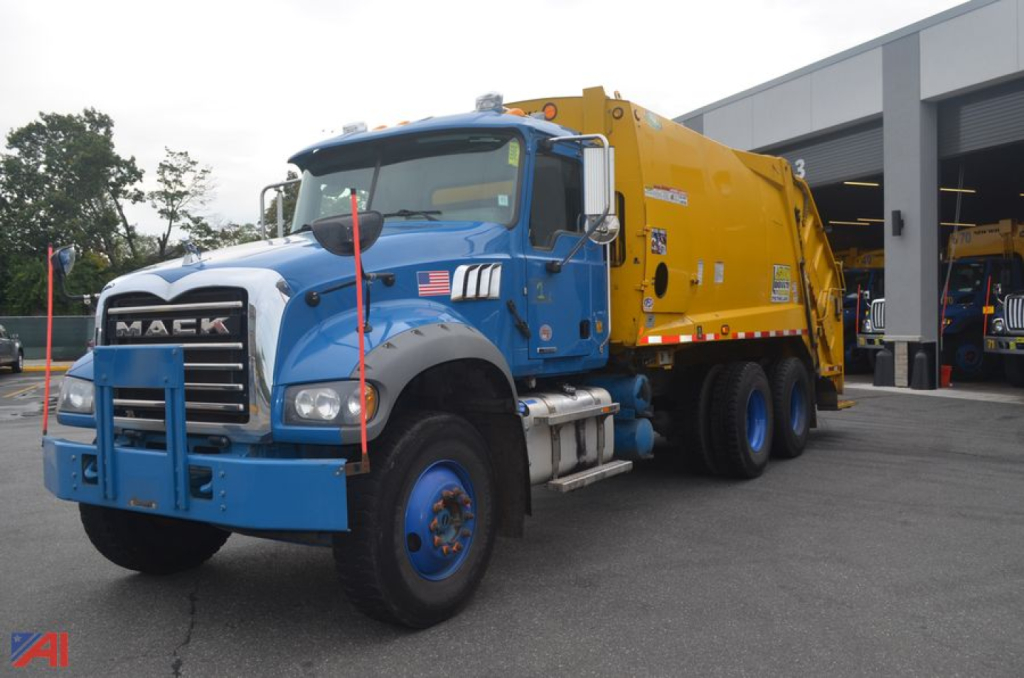
Looking for the easiest place to sell your mack packer truck? List it here to reach thousands of buyers.
Mack Packer Trucks
The chassis matters as much as the body on a packer truck. A Mack Granite commonly shows up with axle ratings and suspension specs suited to high payloads and repetitive loading, along with PTO compatibility for hydraulic packer operation. Buyers should pay close attention to GVWR, front axle capacity, rear axle ratio, wheelbase, and bridge spacing because those specs affect legal payload, turning radius, and body fit. Engine horsepower is important, but low-end torque, transmission calibration, and cooling performance often matter more on a refuse route than peak power. Automatic and automated manual transmissions are common in this class because they reduce driver fatigue and improve consistency in severe stop-and-start service.
Body configuration is where application fit gets decided. Rear loaders are common for manual and semi-automated residential or commercial pickup, while automated side loaders can improve route efficiency and reduce labor on residential accounts. Key body details include hopper size, packer panel design, body cubic yard capacity, tailgate seal condition, cart tipper setup, and hydraulic system performance. On used units, inspect the body floor, packer rails, tailgate hinges, cylinder mounts, and frame areas around the hoist and body saddles. Refuse trucks live in corrosive, high-abuse environments, so rust, cracking, and hydraulic leaks can matter more than the odometer alone.
A good Mack packer truck should be evaluated as a complete refuse system, not just a truck with a body attached. Review engine hours, idle hours, PTO engagement history, maintenance records, suspension wear, brake condition, and evidence of body repairs. Municipal fleet units can be attractive because they are often maintained on schedule, but route severity still varies widely. If the truck will run tight city streets, prioritize wheelbase, visibility, and automation setup. If it will handle heavier commercial dumpsters, focus on axle ratings, frame strength, and body integrity. Mack packer trucks remain a strong choice for buyers who need a vocational chassis that can absorb punishing sanitation duty and stay productive over long route cycles.
Frequently Asked Questions about Mack Packer Trucks
What makes a Mack packer truck a good fit for refuse collection?
Mack packer trucks are widely used in sanitation fleets because the chassis is built for severe-duty work. Mack Granite models are especially common due to their rugged frame design, vocational suspension options, strong front axle ratings, and compatibility with PTO-driven hydraulic systems. In refuse service, that translates to better durability under constant stopping, loading, compacting, and turning than a lighter on-highway platform.
What should I inspect first on a used Mack packer truck?
Start with the body and hydraulic system, then move to the chassis. Inspect the packer mechanism, hopper, body floor, tailgate, cylinders, hydraulic lines, and signs of structural cracking or corrosion. After that, review frame condition, suspension wear, brake life, axle ratings, transmission operation, engine hours, and PTO function. On refuse trucks, body condition and maintenance history often tell more than mileage by itself.
Are Mack Granite packer trucks typically automatic?
Many Mack packer trucks are equipped with automatic or automated manual transmissions because refuse routes involve constant stop-and-go driving. These transmissions help reduce driver fatigue, improve low-speed control, and support more consistent operation over a full route. Transmission choice should still be matched to terrain, payload, and route density, especially if the truck will run steep grades or heavy commercial stops.
How do I choose the right packer body size on a Mack chassis?
Body size should match the route type, waste stream, and legal weight limits in the operating area. A larger cubic yard body may improve route efficiency, but payload is still controlled by axle capacity, chassis spec, and the density of the material being hauled. Residential trash, recycling, and commercial waste all load differently, so buyers should look at both body volume and the truck’s actual weight-carrying capacity rather than choosing by cubic yards alone.
Are municipal Mack packer trucks a smart used buy?
Municipal units can be strong used candidates because they are often serviced on regular fleet schedules and may have documented maintenance histories. The tradeoff is that municipal refuse trucks usually see intense duty cycles, high idle time, and heavy body use. A municipal Mack packer truck can be a very good buy if the frame, hydraulics, packer body, and drivetrain show consistent maintenance and no major structural issues.