
Freightliner Other Trucks For Sale in Texas
Browse Freightliner other trucks for sale in Texas, including specialty and vocational models built for custom bodies, utility work, and niche applications.
No exact matches found for your search
Showing Other Trucks in Texas instead.
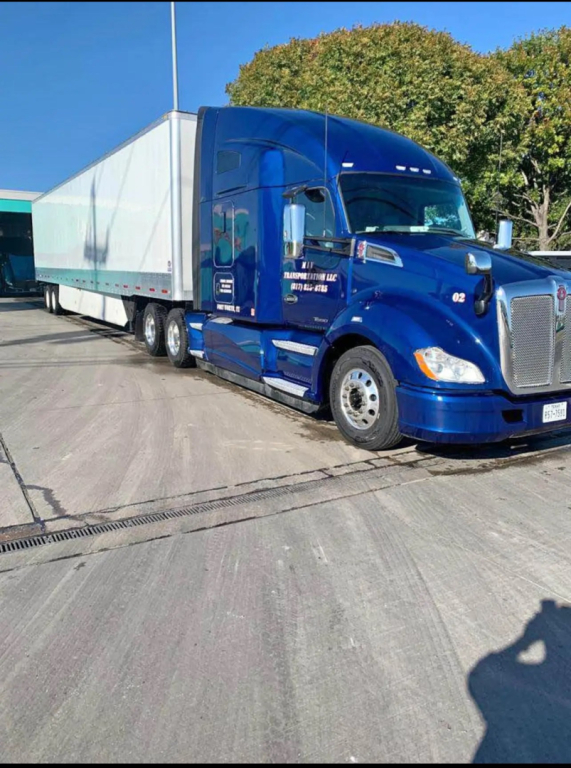
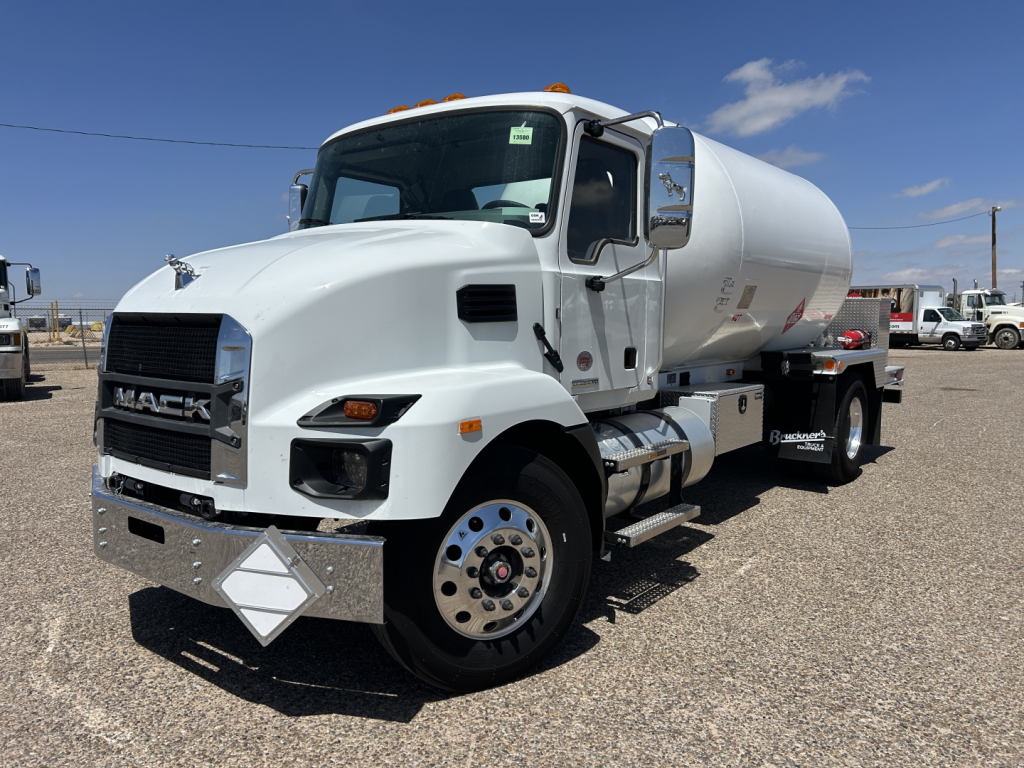
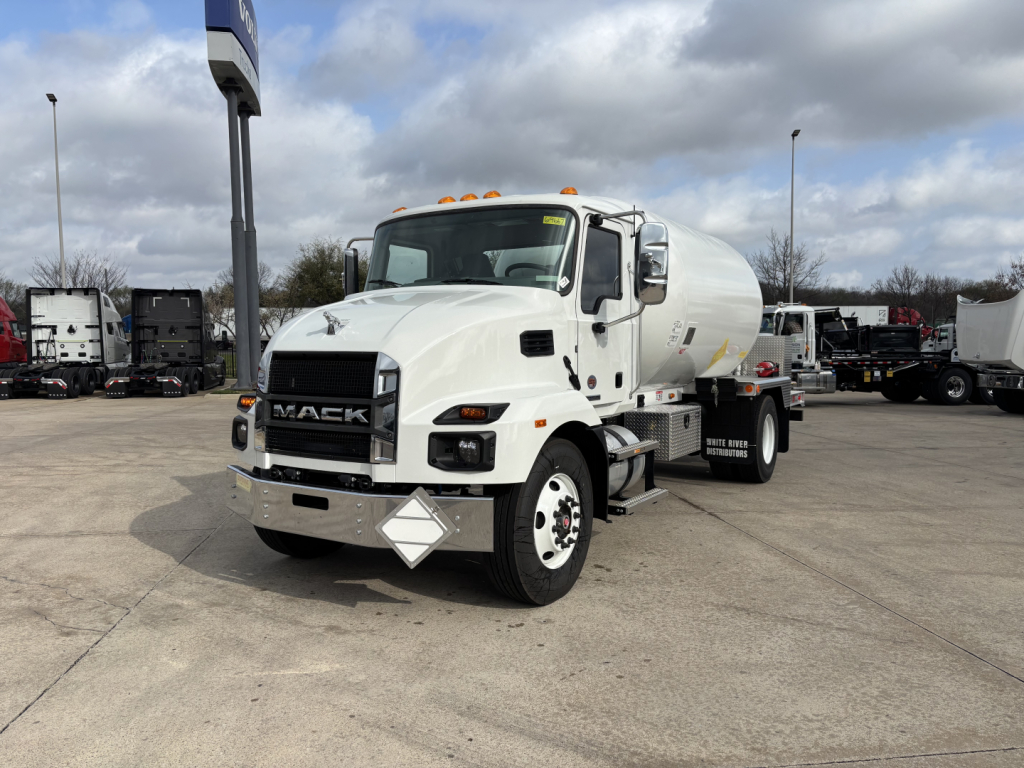

Selling a freightliner other truck? List your freightliner other truck for sale and reach thousands of commercial buyers.
Freightliner Other Trucks in Texas
Start with the chassis fundamentals because specialty trucks are expensive to repurpose. Engine make, transmission type, wheelbase, suspension, and front and rear axle capacities matter more here than badge alone. Freightliner trucks in this class are commonly found with Cummins, Detroit, or Caterpillar power depending on year and original spec, along with manual or Allison automatic transmissions. Buyers should also look closely at frame modifications, hydraulic systems, wet kits, pump drives, electrical add-ons, and any vocational equipment mounted behind the cab. If the truck carries a transplanting machine, digger, compressor, service body, vacuum system, or another dedicated apparatus, the condition and supportability of that equipment are just as important as the truck itself.
Texas buyers usually need to think about operating environment and service access. Heat, dust, idle time, and PTO hours can age a specialty truck differently than highway miles suggest. A low-mile unit may still have significant wear in the clutch, hydraulics, cooling system, or front-end components if it spent years in utility, municipal, agricultural, or jobsite service. Cab condition also matters on older Freightliner specialty trucks, especially HVAC performance, wiring integrity, and parts availability for cab-specific items. On set-back axle or cabover-style units, visibility, turning radius, and front tire wear should be evaluated in relation to the truck's work history.
The best Freightliner other truck is usually the one with the clearest mission. Buyers comparing listings should focus on what the truck was built to do, how complete the upfit is, and whether the chassis can still be serviced with readily available parts. A well-matched specialty Freightliner can be a practical solution for tree operations, municipalities, oilfield support, equipment handling, and custom vocational work, but only if the specs align with payload, duty cycle, and road conditions. Clear maintenance records, PTO functionality, body condition, and evidence of sound wiring and hydraulic upkeep usually tell more about value than model name alone.
Frequently Asked Questions about Freightliner Other Trucks in Texas
What is considered a Freightliner other truck?
A Freightliner other truck is generally a specialty or non-standard unit that falls outside common retail categories such as semi tractors, dump trucks, or dry van box trucks. This can include custom vocational chassis, municipal trucks, utility units, equipment carriers, and trucks fitted with dedicated machinery like transplanting, pumping, or service equipment. The truck may be based on a known Freightliner platform, but the body and installed equipment define its real use and value.
What should I inspect first on a Freightliner specialty truck?
Start with the chassis, then move to the mounted equipment. Confirm the engine, transmission, axle ratings, wheelbase, suspension, brake type, and any PTO or hydraulic provisions. After that, inspect the specialty apparatus for leaks, structural cracks, worn hoses, pump performance, electrical issues, and signs of improvised repairs. On many specialty trucks, the upfit can cost more to repair or replace than the base truck itself.
Are older Freightliner other trucks still practical to own?
They can be practical if the chassis uses common driveline components and the application-specific equipment is still serviceable. Many older Freightliner models share engines, transmissions, and brake components that remain familiar to commercial truck shops. The bigger concern is often the supportability of the installed specialty equipment, cab parts, and custom wiring. A buyer should verify parts sources before committing to a unit with unique attachments or discontinued systems.
How do PTO hours and idle time affect value on a specialty truck?
PTO hours and extended idle time can be as important as road miles because many vocational trucks spend much of their life powering equipment while stationary or moving slowly on jobsites. That kind of duty cycle adds wear to the cooling system, engine accessories, hydraulics, and driveline components. A truck with modest mileage can still have heavy vocational wear, so maintenance history and operational testing matter more than odometer reading alone.
Why does the original application matter so much when buying a Freightliner other truck?
The original application tells you how the truck was loaded, how often the PTO was used, what kind of environment it worked in, and whether the existing spec fits your operation. A truck built for tree work, municipal service, oilfield support, or utility maintenance may have very different gearing, suspension, frame reinforcements, and hydraulic setups. Buying a truck that already matches the intended task is usually far more cost-effective than trying to re-engineer a specialty unit later.