
New Ford Other Trucks For Sale
Shop new Ford other trucks, including versatile medium-duty and specialty chassis built for upfits, towing, service work, and commercial use.
No exact matches found for your search
Showing New Other Trucks instead.
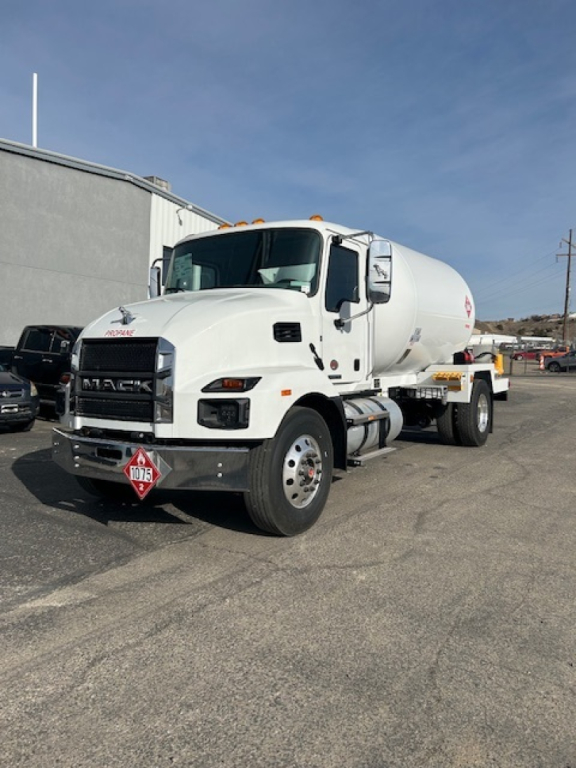
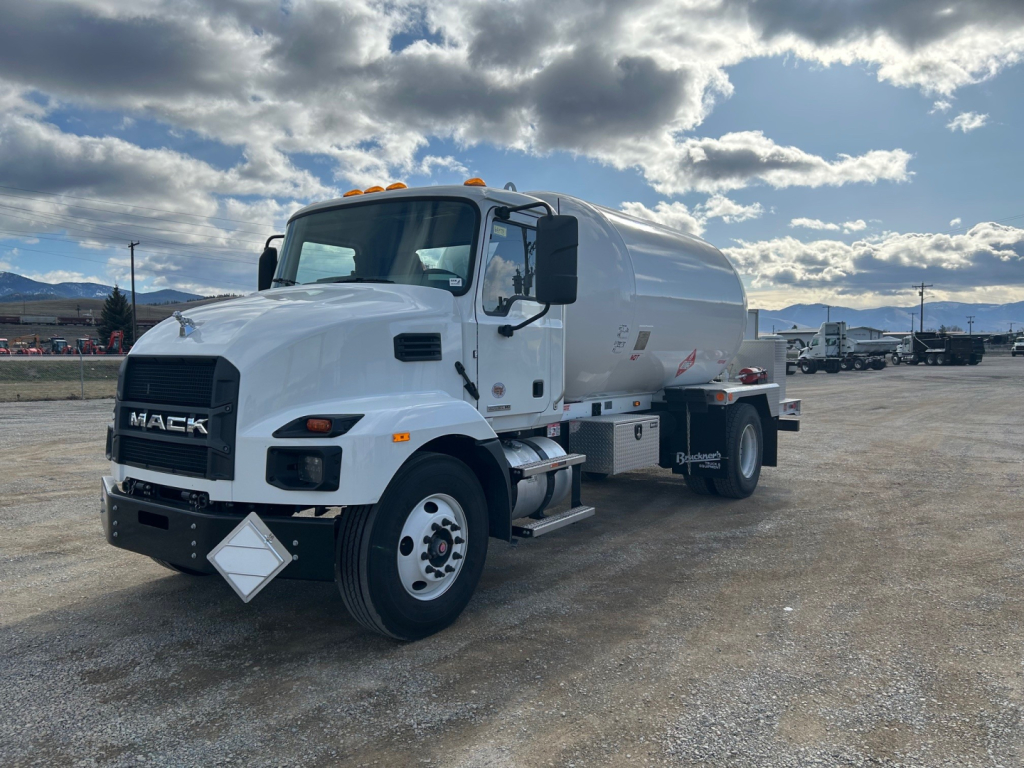
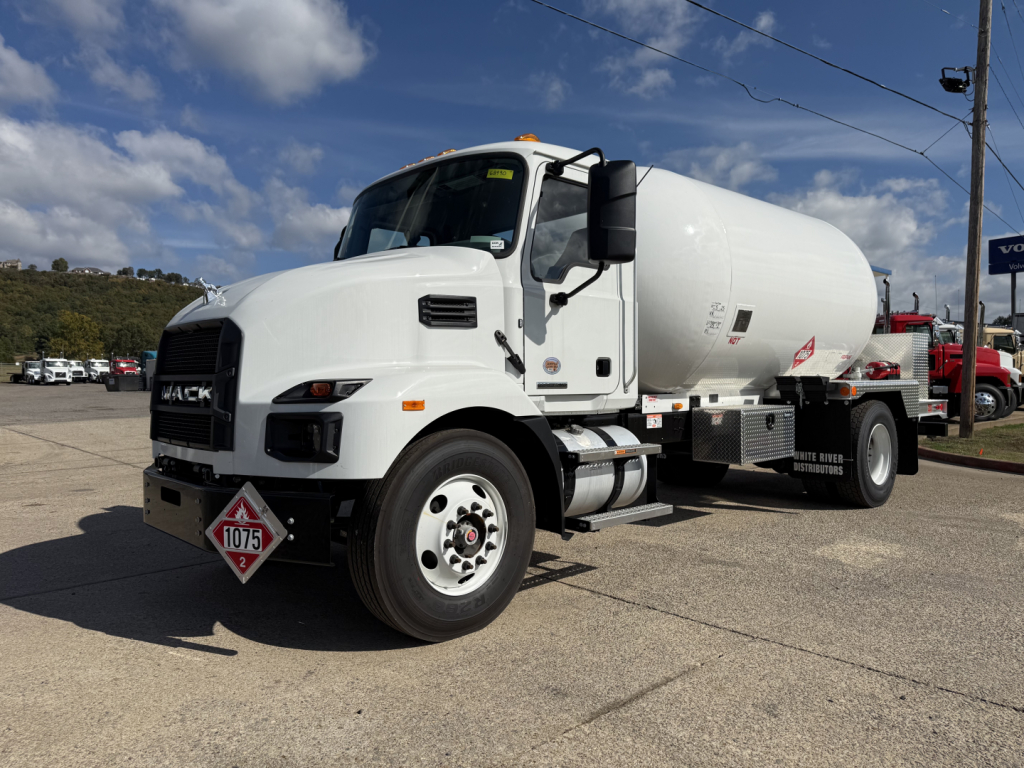
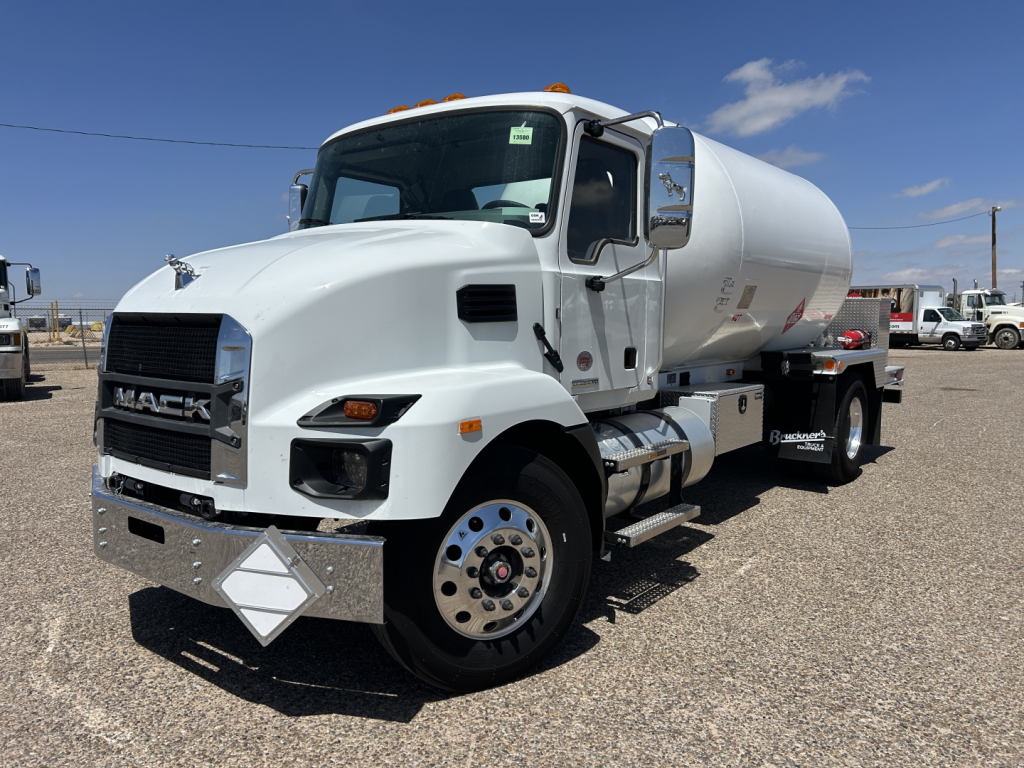

Selling a new ford other truck? List your new ford other truck for sale and reach thousands of commercial buyers.
New Ford Other Trucks
For most buyers, the first decision is chassis capability. Key specs include GVWR, rear axle rating, wheelbase, cab style, drivetrain, and powertrain. In this segment, diesel engines are common for higher torque output and better performance under load, especially in towing or service body applications. Automatic transmissions dominate because they simplify operation in mixed-route and stop-and-go work. Single-rear-axle and dual-rear-wheel setups both appear in Ford commercial trucks, and 4x4 can be a major advantage for utility crews, oilfield support, rural contractors, and fleets that work on unpaved sites. Crew cab layouts add passenger capacity, but they also affect body length and usable frame space, so buyers should measure for body and equipment fit before ordering.
A new Ford truck in this category is often purchased with a very specific job in mind, so frame and upfit details deserve close attention. Buyers should confirm cab-to-axle dimensions, frame height, PTO provisions if needed, suspension type, and any factory prep packages that support service bodies, flatbeds, mechanics bodies, hauler beds, or emergency equipment. Towing buyers should compare GCWR, hitching setup, trailer brake integration, and cooling capacity. If the truck will carry mounted equipment such as compressors, cranes, welders, or storage systems, available payload after the body is installed is more important than the base curb weight on paper.
Ford remains a strong choice in this class because parts support, dealer reach, and familiarity with fleet maintenance programs are all practical advantages. For a buyer comparing listings, the real difference usually comes down to spec alignment rather than badge alone. Look closely at wheelbase, drive configuration, fuel type, cab size, and intended body application. A properly matched new Ford other truck can deliver better uptime, safer load handling, and lower operating friction over the life of the unit than a truck that is simply heavier or more expensive.
Frequently Asked Questions about New Ford Other Trucks
What types of trucks fall into the new Ford other trucks category?
This category usually includes Ford commercial trucks that do not fit neatly into standard pickup, box truck, dump truck, or tractor classifications. It often covers chassis cabs, specialty vocational builds, custom upfit platforms, and trucks configured for towing, utility, municipal, or contractor work. The exact application depends on the frame, axle ratings, cab configuration, and the body or equipment installed on the chassis.
Is a Ford F-450 considered a good choice for commercial towing and upfit work?
A Ford F-450 can be a strong option for commercial towing and vocational use when the truck is matched correctly to the job. Buyers should verify GVWR, GCWR, axle ratings, wheelbase, drivetrain, and available frame space for the intended body. For towing applications, torque output, hitch setup, brake controller integration, and cooling package matter as much as the model badge. For upfits, cab-to-axle measurement and remaining payload after installation are critical.
What specs matter most when comparing new Ford other trucks for sale?
The most important specs are usually GVWR, wheelbase, axle configuration, cab style, drivetrain, engine, transmission, and fuel type. Buyers should also review frame dimensions, suspension, rear axle ratio, and any factory upfit or towing prep. If the truck will carry a body or mounted equipment, the useful payload after the upfit is installed is one of the most important numbers to confirm.
Should I choose 4x4 on a new Ford commercial truck?
A 4x4 setup is valuable when the truck regularly works on soft ground, gravel, snow, unimproved access roads, or active construction sites. It adds traction and can reduce downtime in field conditions. The tradeoff is typically higher acquisition cost, more weight, and potentially slightly lower payload or fuel efficiency compared with a 4x2 configuration. For paved-route delivery or highway-focused work, 4x2 may be the more efficient choice.
Why do many buyers choose a new Ford truck for specialty commercial applications?
Many commercial buyers choose Ford because the platform is familiar to fleets, widely serviceable, and commonly supported by body builders and upfitters. That makes it easier to source parts, standardize maintenance, and integrate specialty bodies or equipment. For buyers managing uptime and operating cost, that support network can be just as important as the engine or chassis rating.