
New 2025 Commercial Trucks For Sale in Texas
New 2025 trucks in Texas from day cabs to box and vocational units, with efficient powertrains, low tare weight, floors, and OEM corrosion protection.
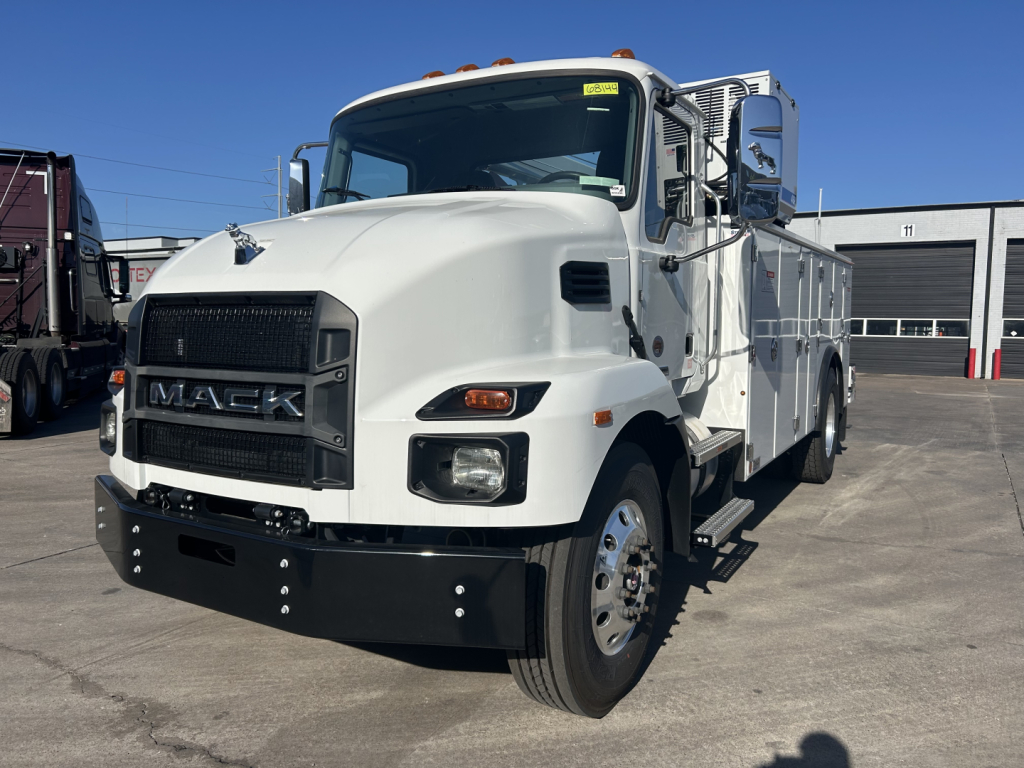
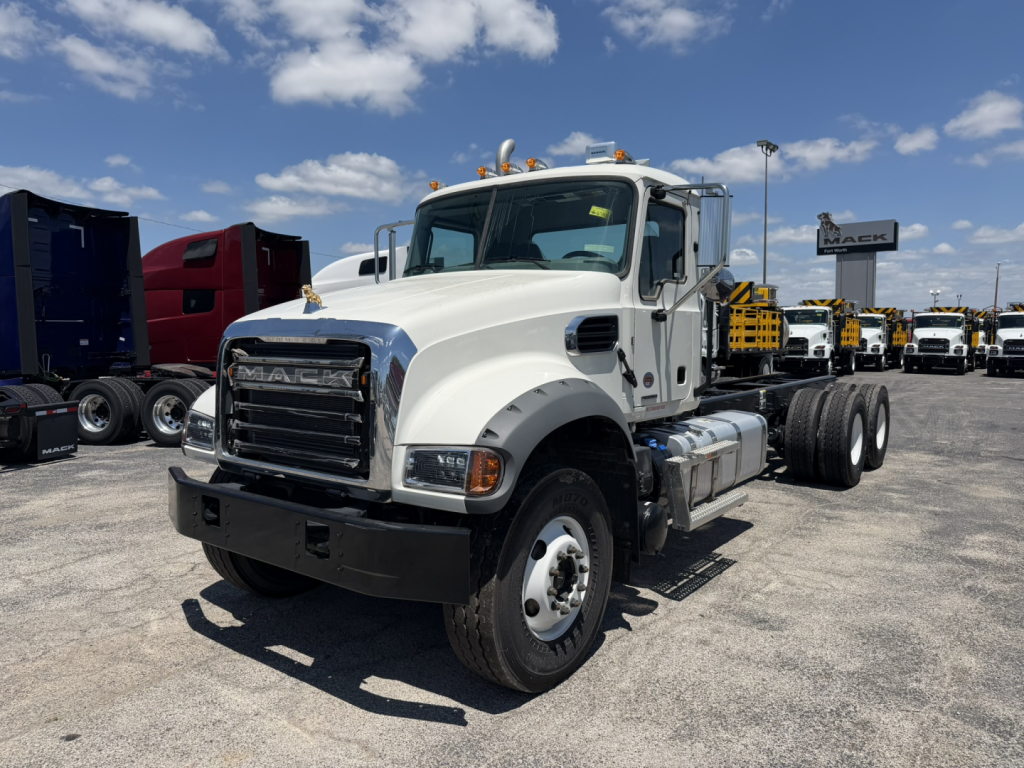
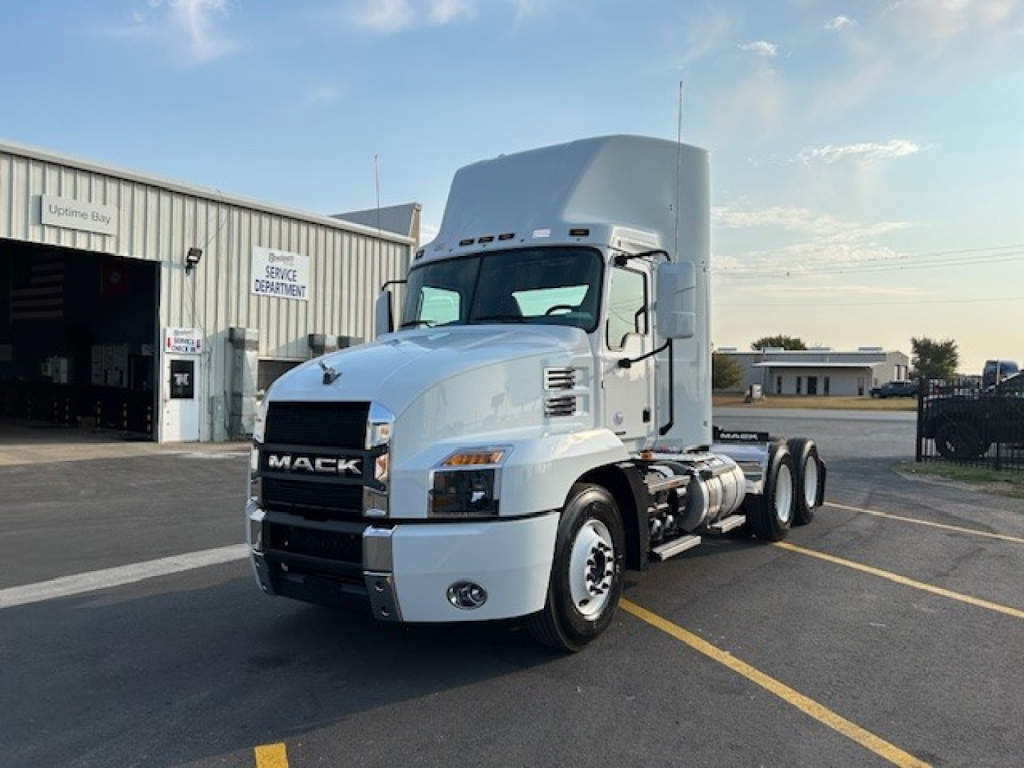
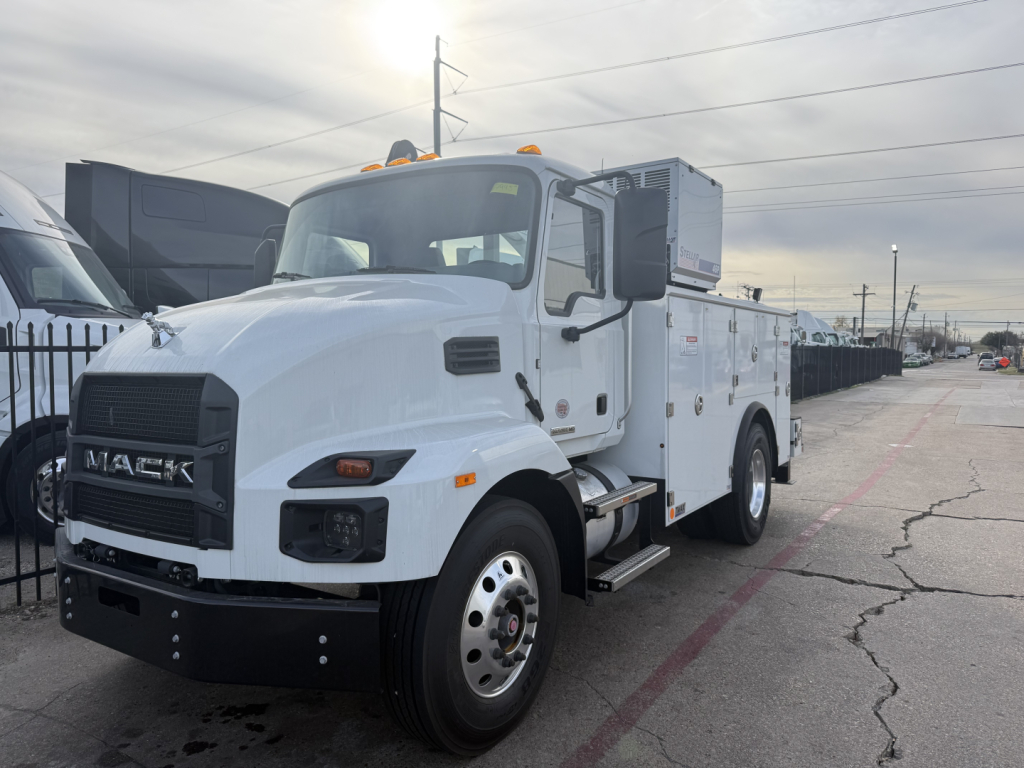
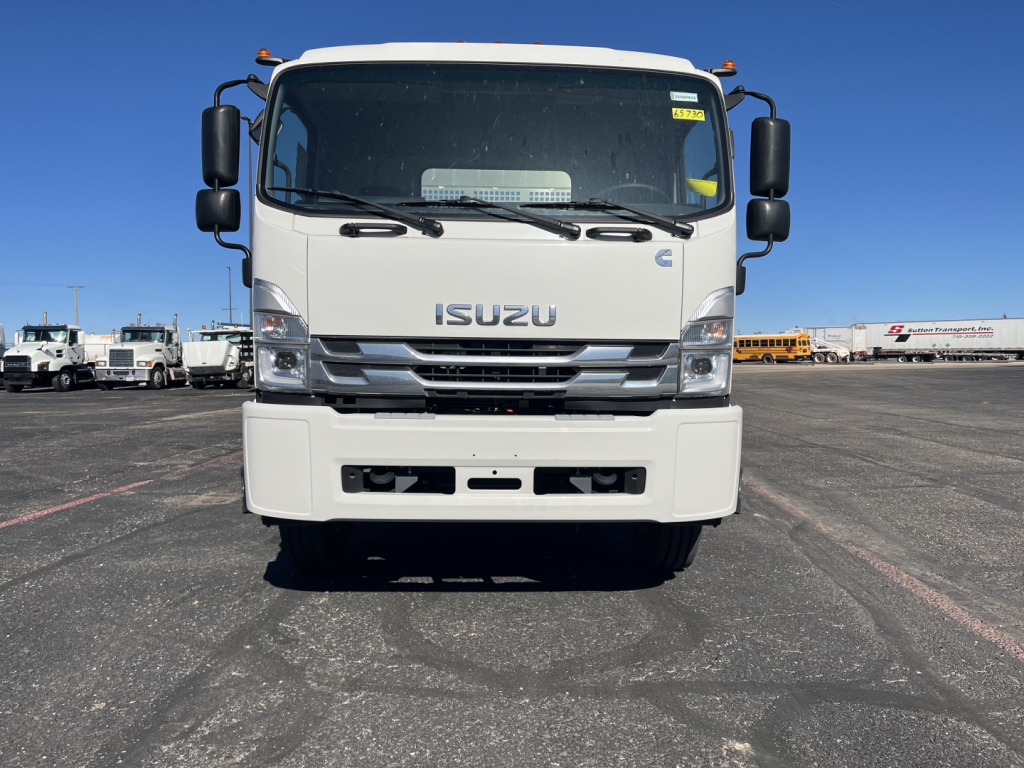
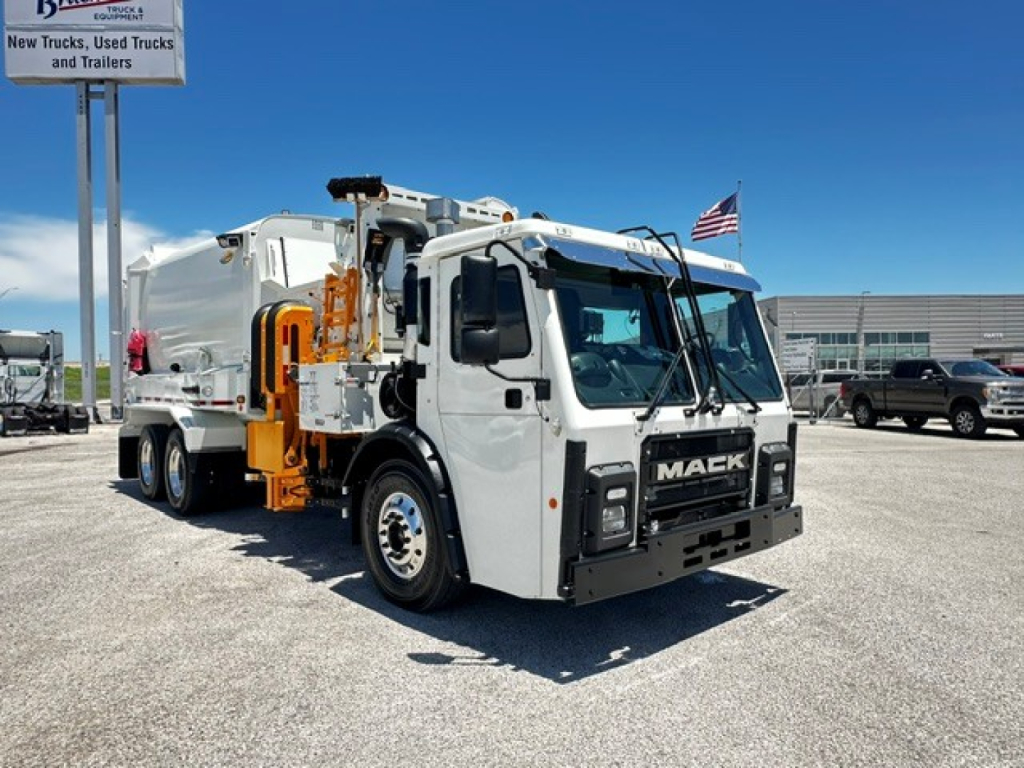
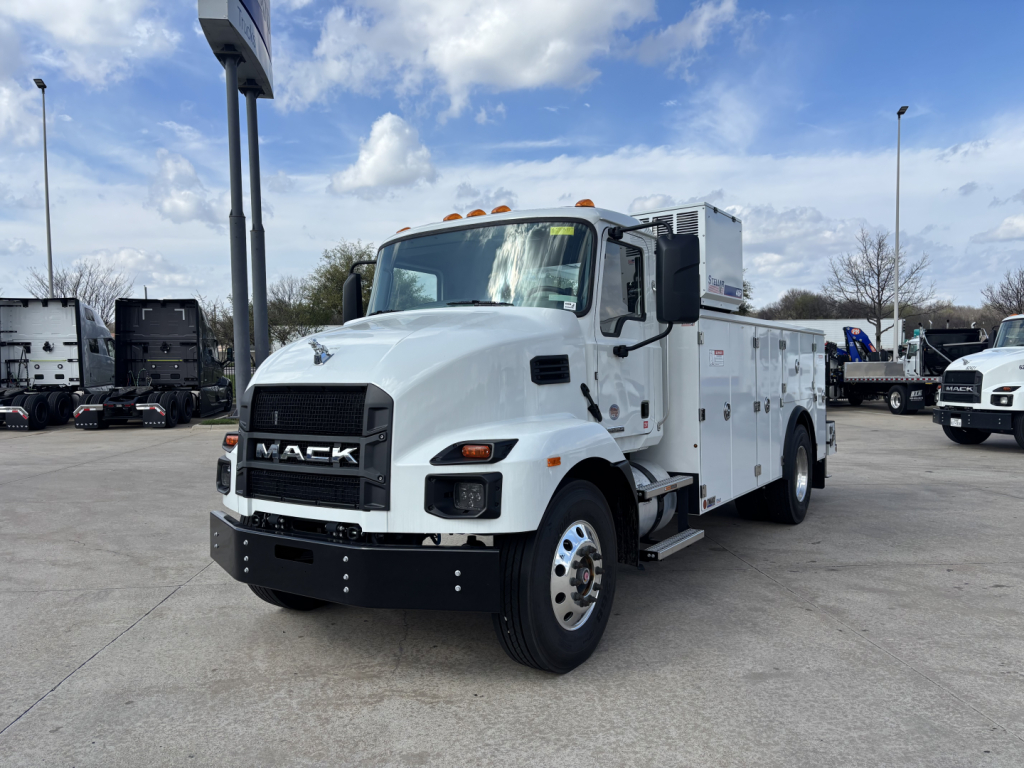
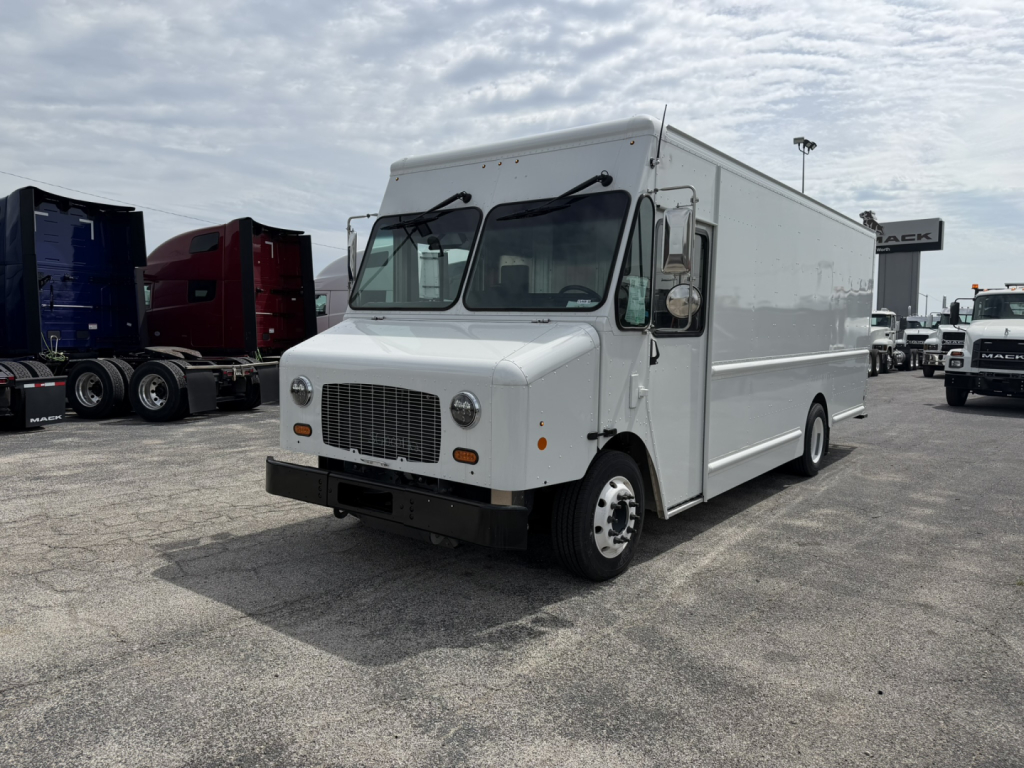
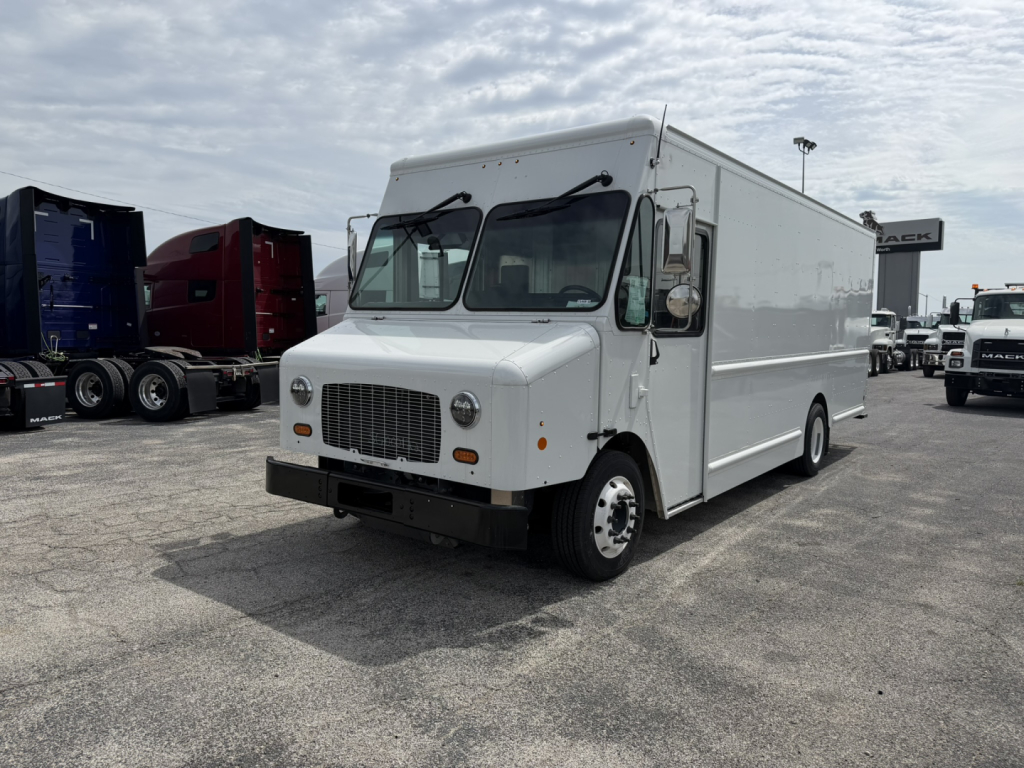
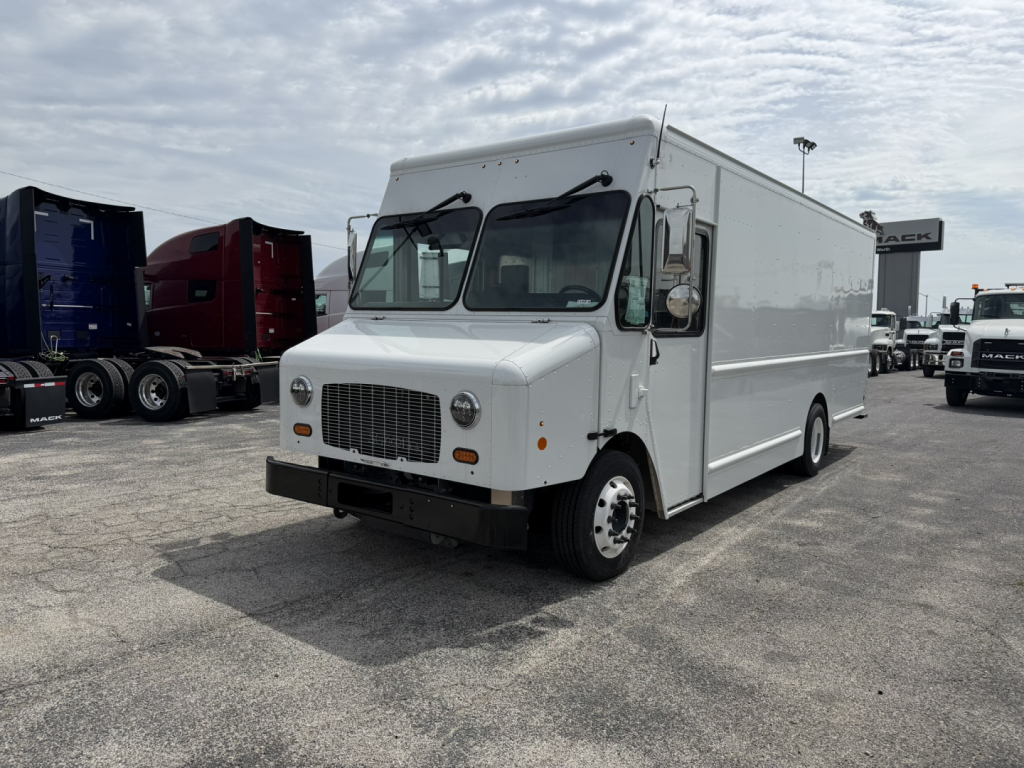
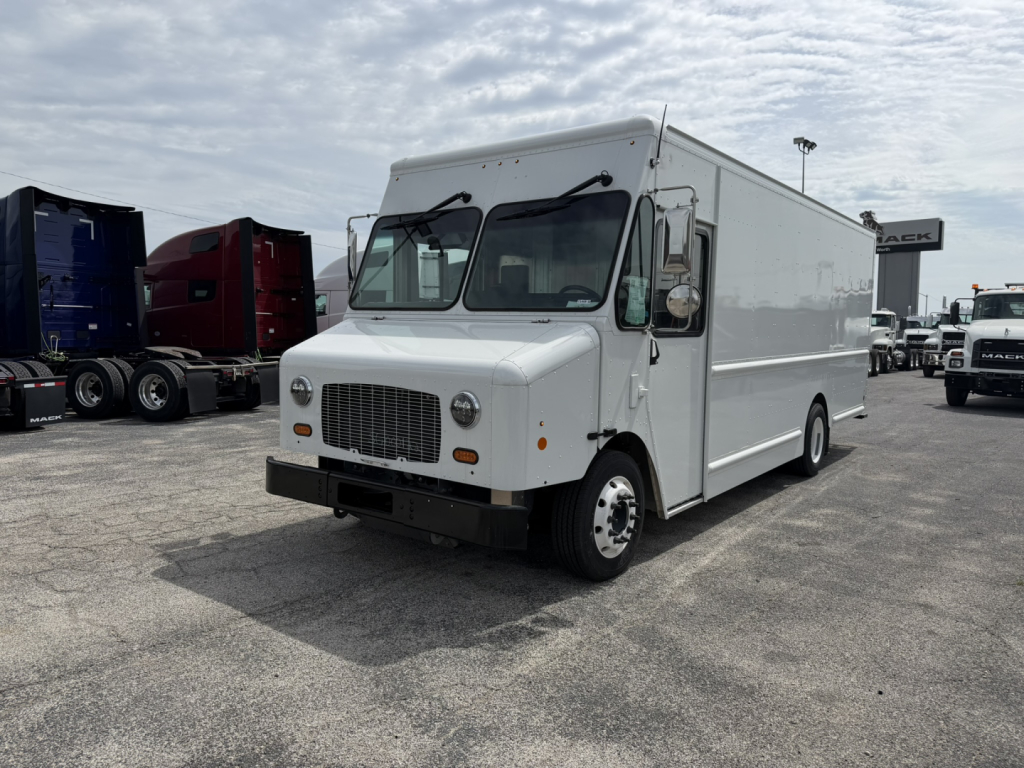
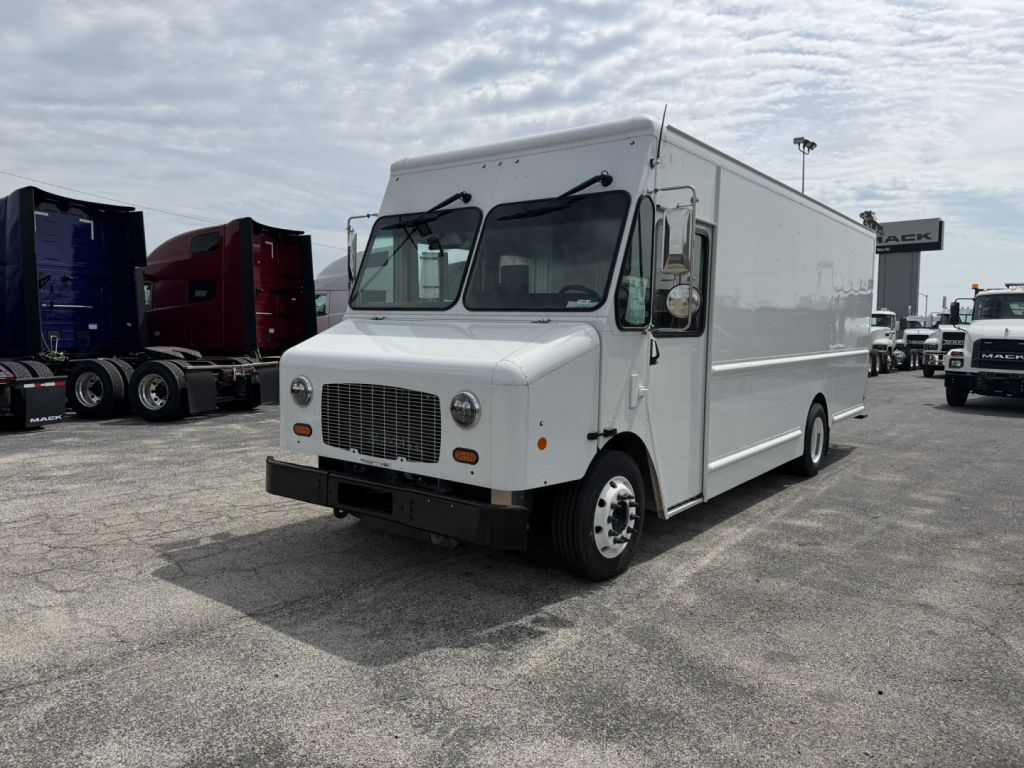
Selling a new 2025 commercial truck? List your new 2025 commercial truck for sale and reach thousands of commercial buyers.
New 2025 Commercial Trucks in Texas
Tare weight and durability are a constant trade; aluminum cabs, hubs, and wheels cut weight, while high strength steel frames maintain torsional performance. Air disc brakes improve stopping and fade resistance, they may add weight compared with drums, although they often reduce lifecycle cost through longer pad life and quicker service. A 6x2 or liftable pusher can trim rolling resistance and weight on highway tractors, while 6x4 remains the vocational staple for traction. Wide base singles can remove 200 to 300 pounds per axle group, consider tire availability and traction needs on caliche and oilfield roads. Wheelbase and axle spacing should be matched to Texas bridge and intrastate weight requirements, as well as trailer swing clearance and turning radius in tight distribution yards.
Floor strength matters on straight trucks and vocational bodies, especially with forklift or pallet jack loading. For dry van bodies, look for 1.25 to 1.5 inch laminated hardwood or heavy extruded aluminum floors with 12 inch crossmember spacing as standard, 8 to 10 inch spacing for high cycle dock work, and forklift ratings of 6,000 to 8,000 pounds at a 24 inch load center. Add 12 to 24 inch scuff liners, outboard floor sills, and dock plates to protect edges from repeated impact, and specify bonded or sealed floors to minimize moisture ingress. Flatbeds benefit from apitong hardwood or extruded aluminum decks with well distributed crossmembers to prevent point load deflection under steel coil and machinery. Dump and refuse floors typically use AR400 or AR450 wear plate in 3/16 to 1/4 inch thickness, heavier sections increase longevity but add significant weight, so match thickness to material density and cycle count.
Thermal integrity is critical in Texas heat; insulated cabs, tight door and sleeper seals, high capacity HVAC, and infrared reflective glass reduce heat soak and driver fatigue. Sleeper tractors can be spec’d with battery HVAC or diesel APUs for no idle cooling, protecting aftertreatment and saving fuel during 34 hour resets. Underhood and aftertreatment thermal management, including improved DEF dosing and better sensor shielding, stabilizes regeneration performance under high load and high ambient conditions. Corrosion resistance should include e coated or powder coated frame components, aluminum or e coated cabs, stainless or zinc nickel hardware in high splash zones, sealed wiring with heat shrink connectors, and isolation pads between dissimilar metals. Along the Gulf, consider additional frame wax, underbody coatings, and frequent wash programs to counter salt air, protecting residual value over the first ownership cycle.
Frequently Asked Questions about New 2025 Commercial Trucks in Texas
What powertrain choices are typical on new 2025 trucks in Texas?
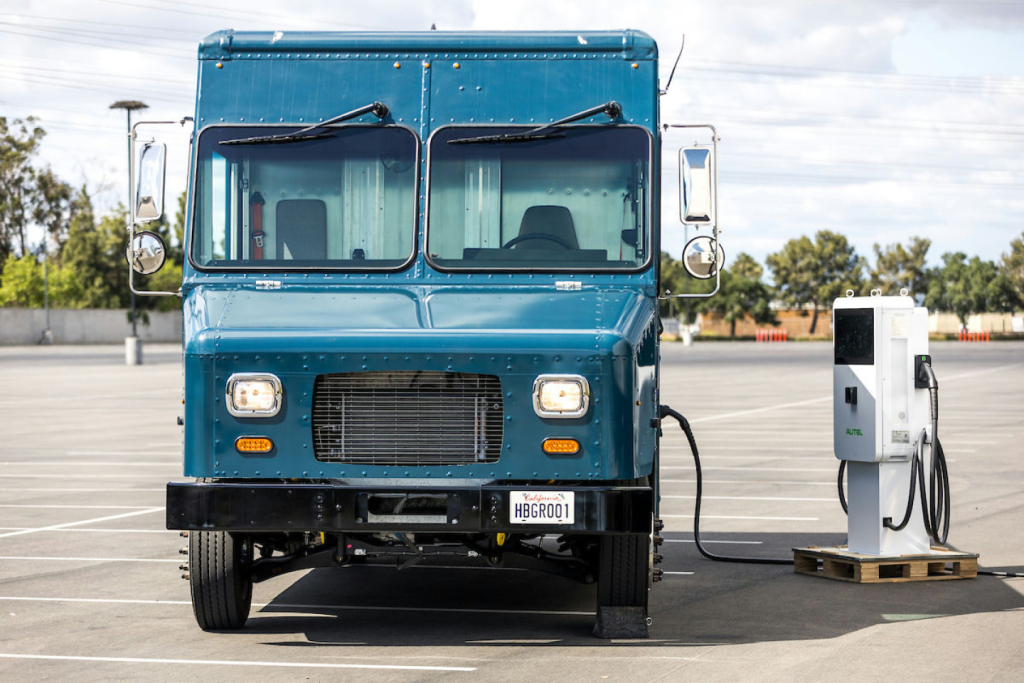
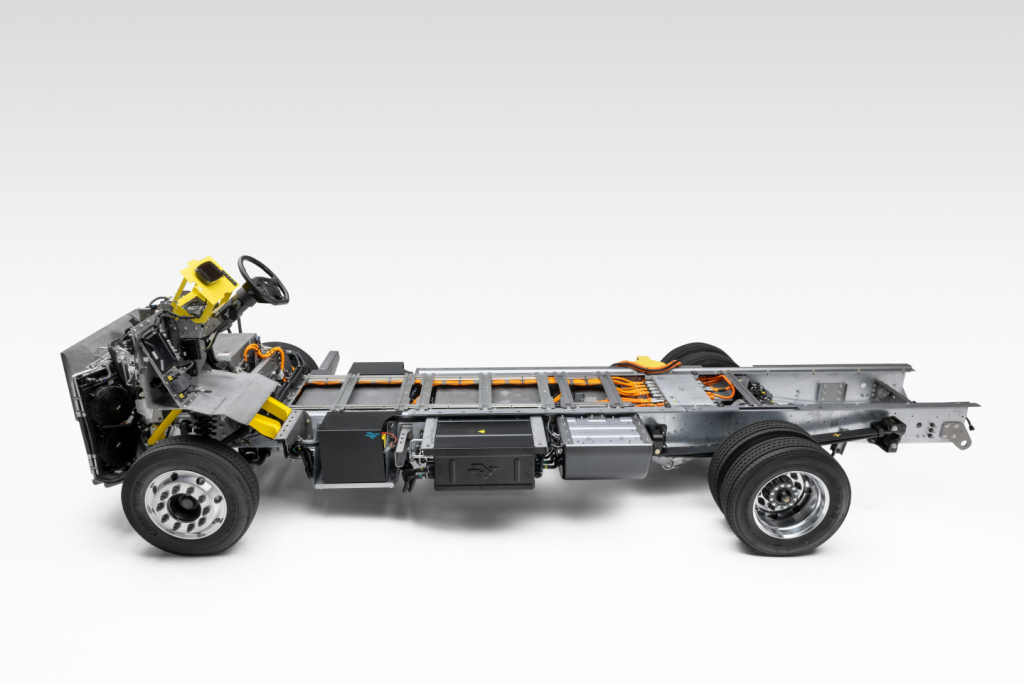
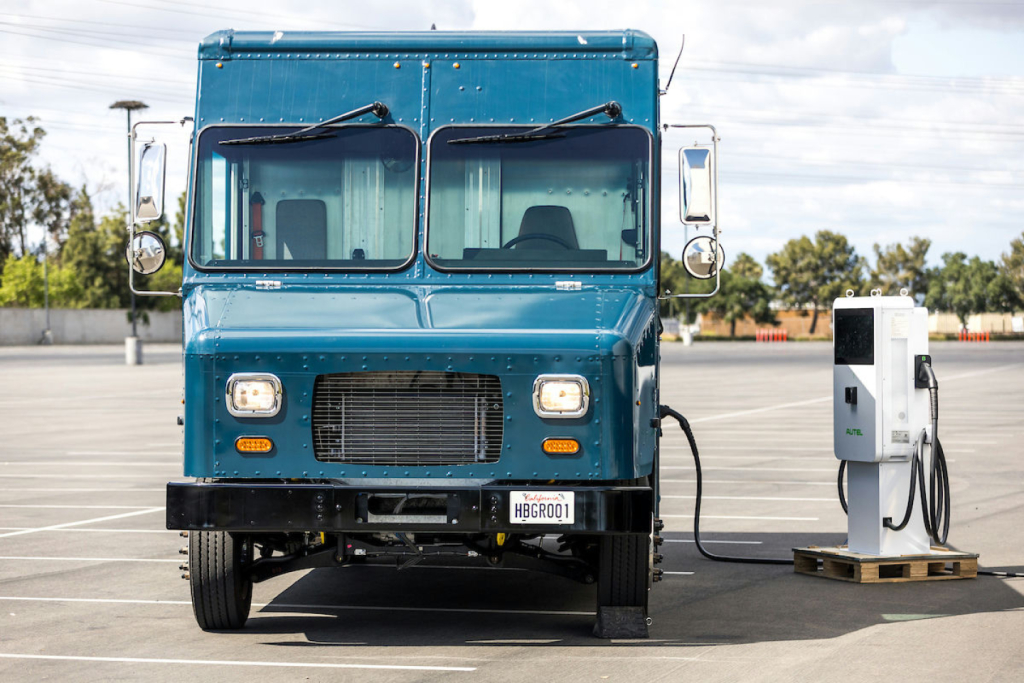
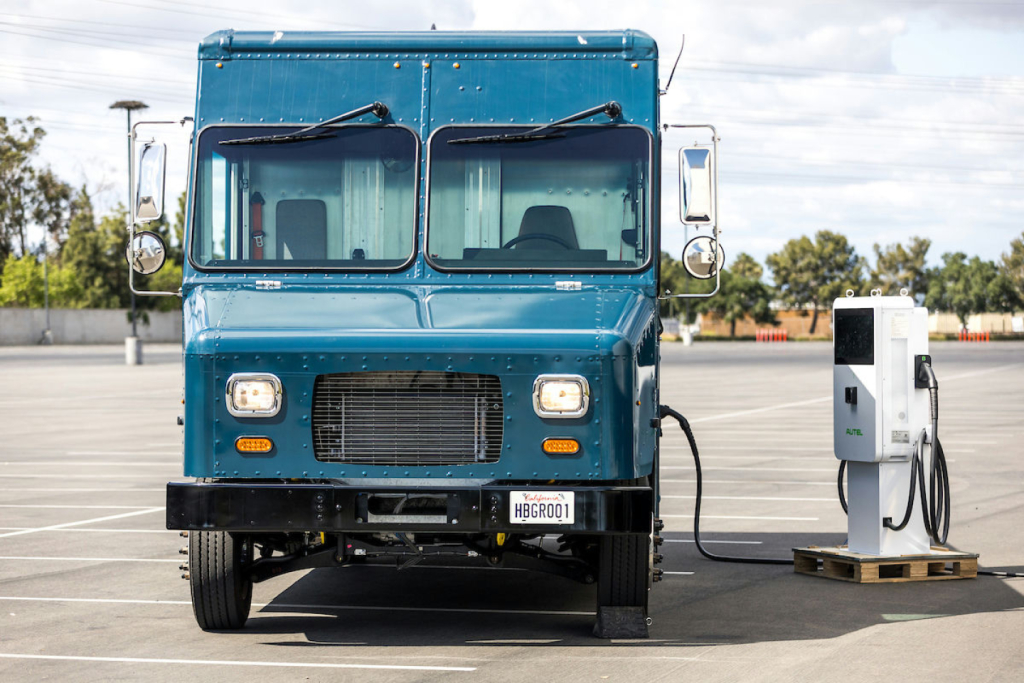
Most buyers choose modern diesel with 10 to 13 liter engines paired to 12 speed automated manual transmissions for fuel efficiency and low driver workload. Regional routes may opt for natural gas where fueling is reliable, and urban delivery can consider battery electric for short daily ranges, keeping in mind charger access and payload impact. Engine brackets include downsped ratios, predictive cruise, and turbo compounding on some models to maintain torque at low rpm while holding temperatures in Texas heat.
How should I evaluate floor strength on a new box or vocational truck?
Start with floor material and crossmember spacing, then verify a forklift rating that matches your busiest dock. Laminated hardwood at 1.25 to 1.5 inches or heavy extruded aluminum with 8 to 12 inch crossmember spacing carries repetitive dock loads without rutting. Add scuff liners, pallet jack plates, and sealed seams to limit edge damage and moisture intrusion, and on dumps or refuse bodies choose AR rated plate thickness that aligns with material type and daily cycles.
What thermal integrity features matter for Texas operations?
High capacity HVAC, robust cab insulation, tight door and sleeper seals, and UV reflective glass preserve cab temperatures during long idle free periods. For sleepers, battery HVAC or a diesel APU maintains comfort without engine idle, which protects aftertreatment and reduces soot loading. Spec larger condensers and higher output alternators for accessory loads, and ensure underhood heat shielding protects sensors and wiring near the turbo and aftertreatment.
How do 2025 models reduce tare weight without sacrificing durability?
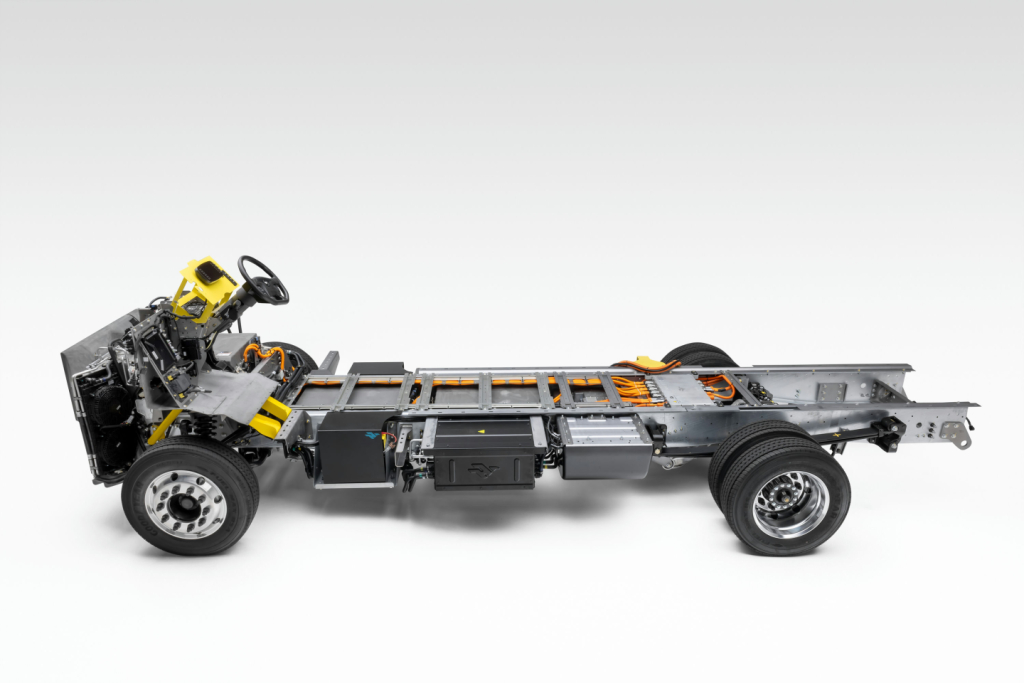
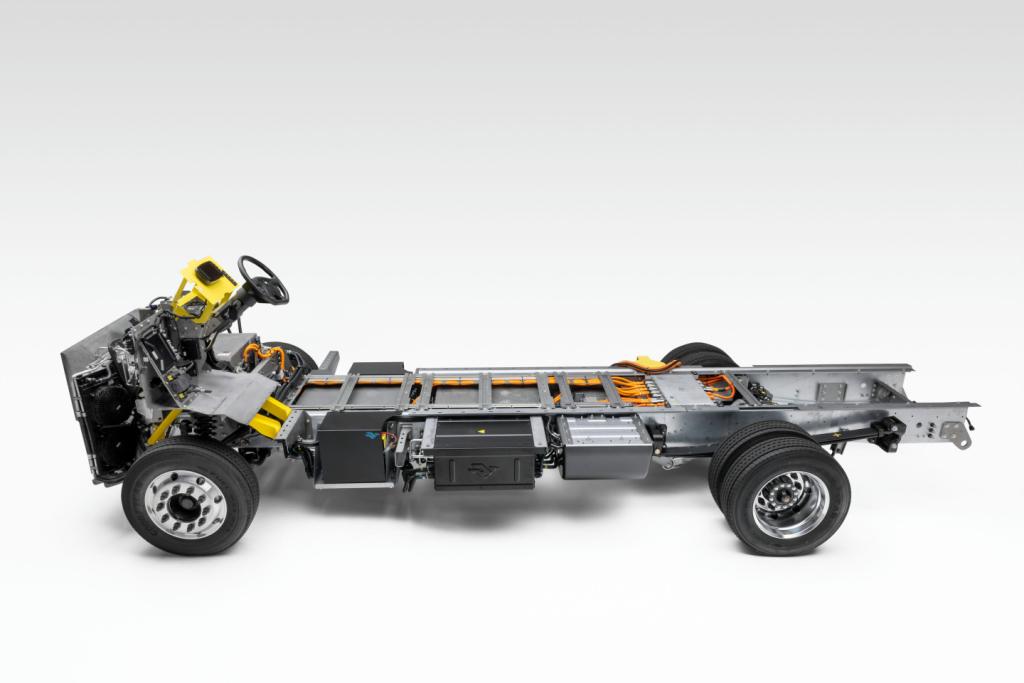
Strategic aluminum and composite components reduce mass while high strength steel maintains chassis stiffness. Common choices include aluminum cabs, hubs, and wheels, compact aftertreatment packaging, and optimized crossmembers. On tractors, a 6x2 or liftable axle, wide base singles, and right sized fuel tanks trim hundreds of pounds, balance this against traction, tire availability, and route fuel stops to avoid range constraints.
What corrosion protection should I look for if the truck will run near the Gulf or in oilfield service?
An e coated or powder coated frame, aluminum or e coated cab structure, stainless or zinc nickel fasteners in spray zones, and sealed wiring with quality heat shrink connectors form the foundation. Add frame wax or underbody coatings, specify isolated mounts between dissimilar metals to avoid galvanic activity, and choose coated brake components and hub caps. A wash schedule that addresses salt air or chlorides used on lease roads preserves paint and hardware, supporting higher resale values.