
New 2025 Commercial Trucks For Sale in Florida
Shop new 2025 trucks for sale in Florida, including medium-duty and vocational chassis with diesel power, PTO options, and upfit-ready specs.
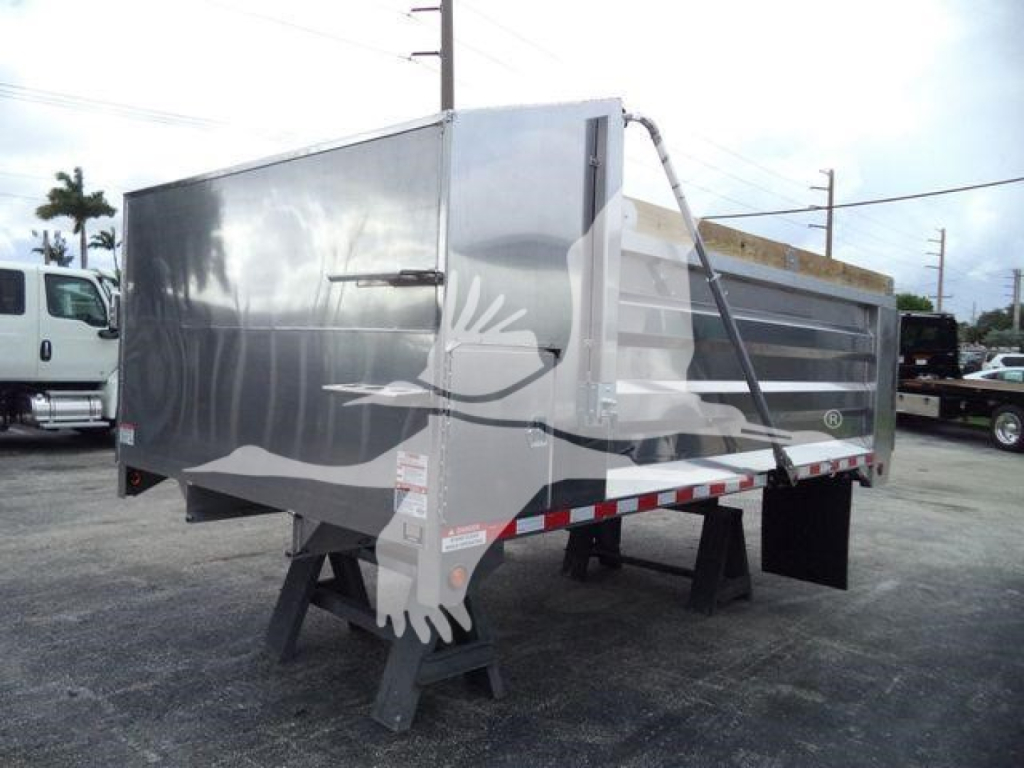
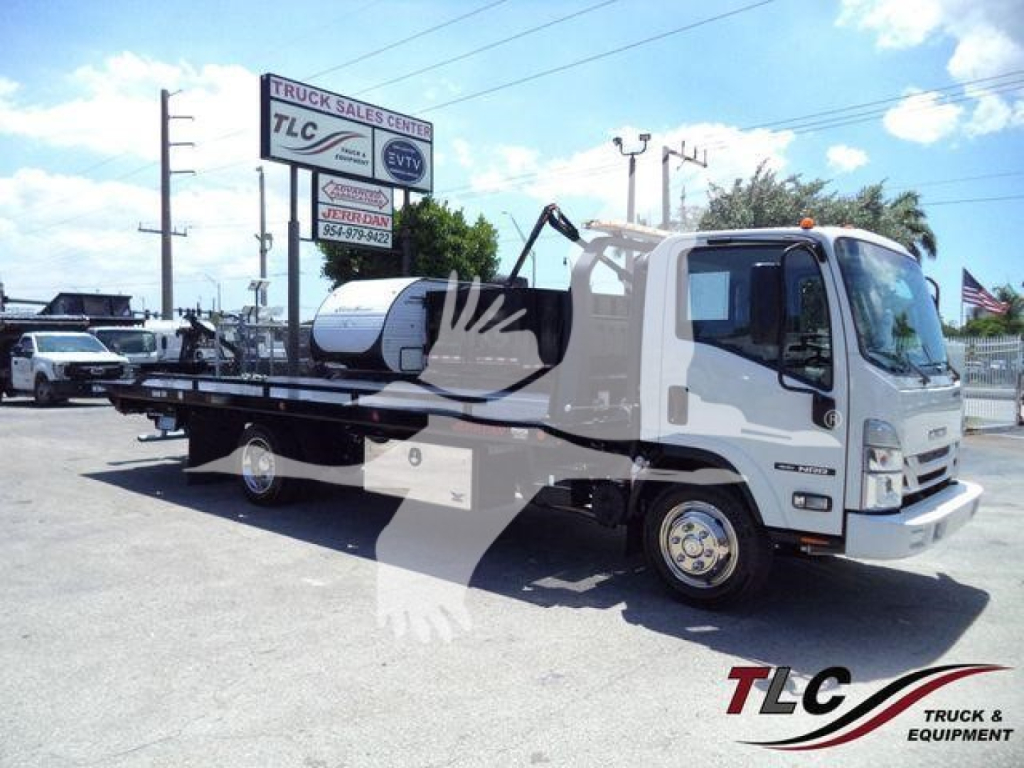
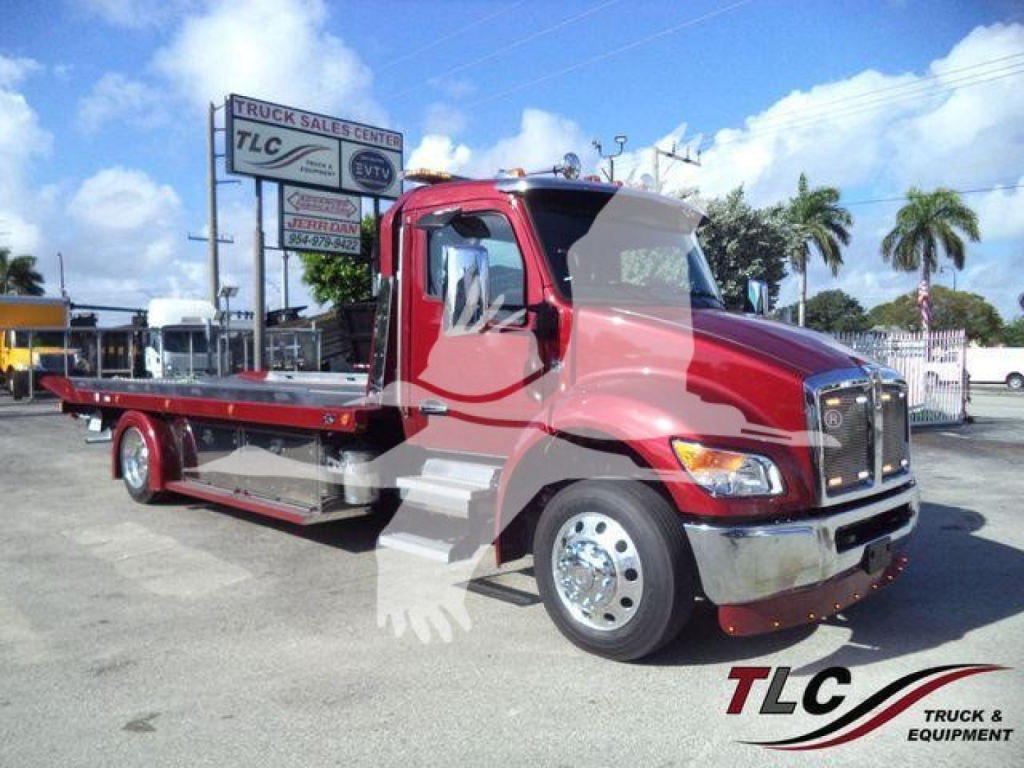
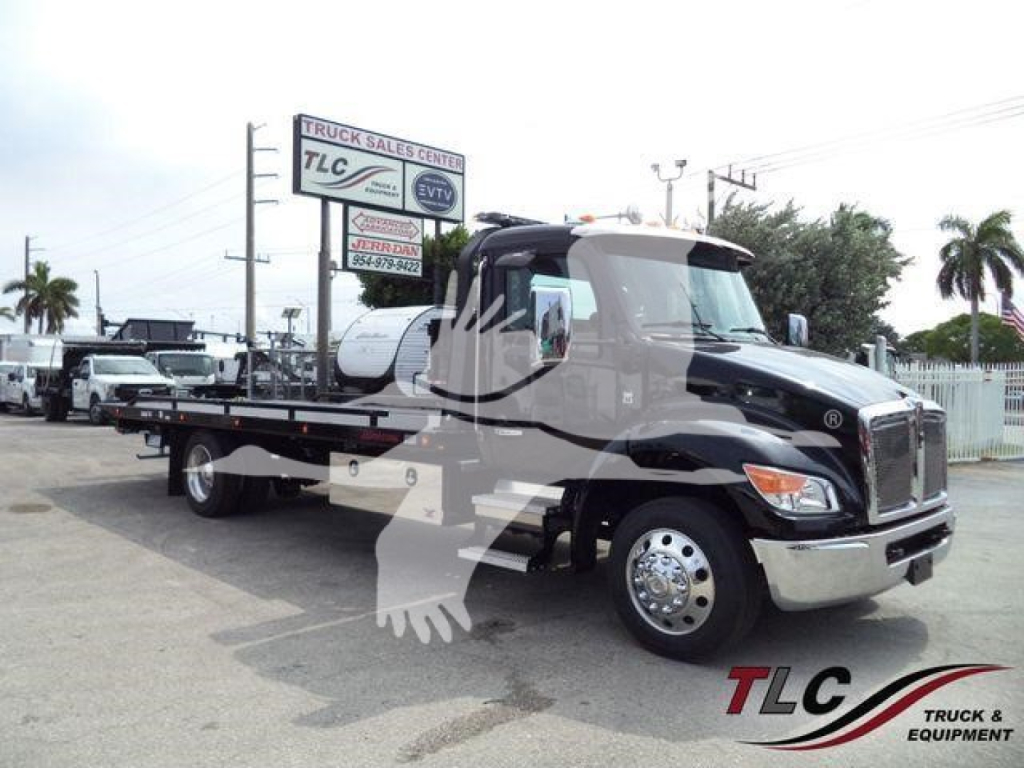
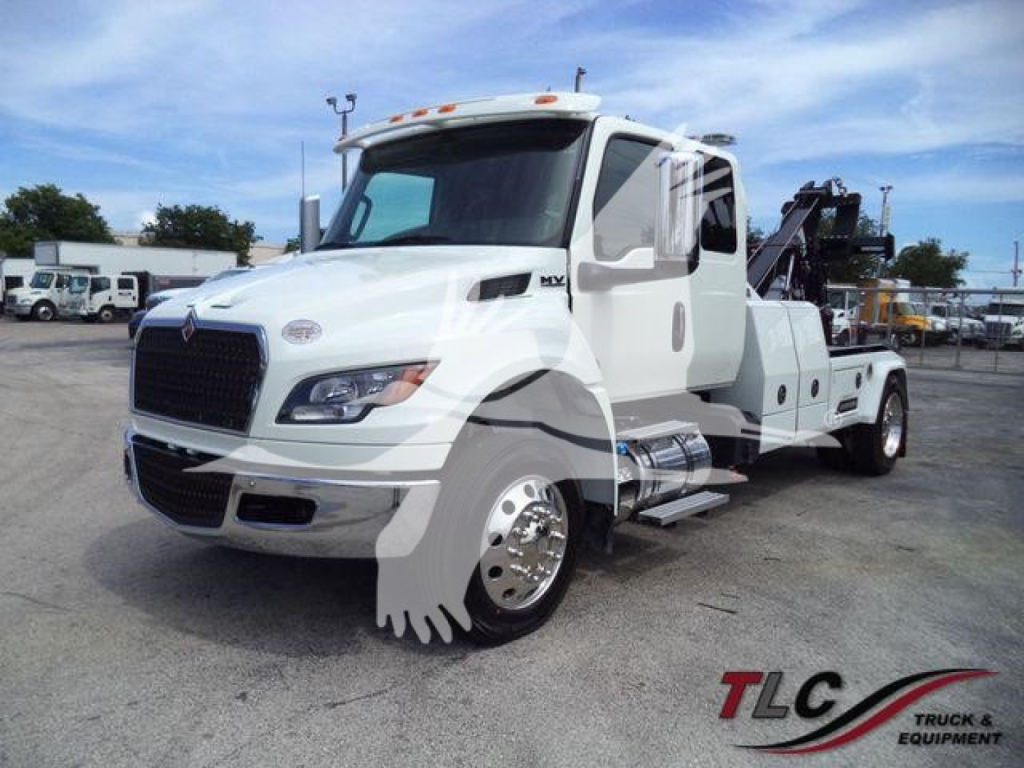
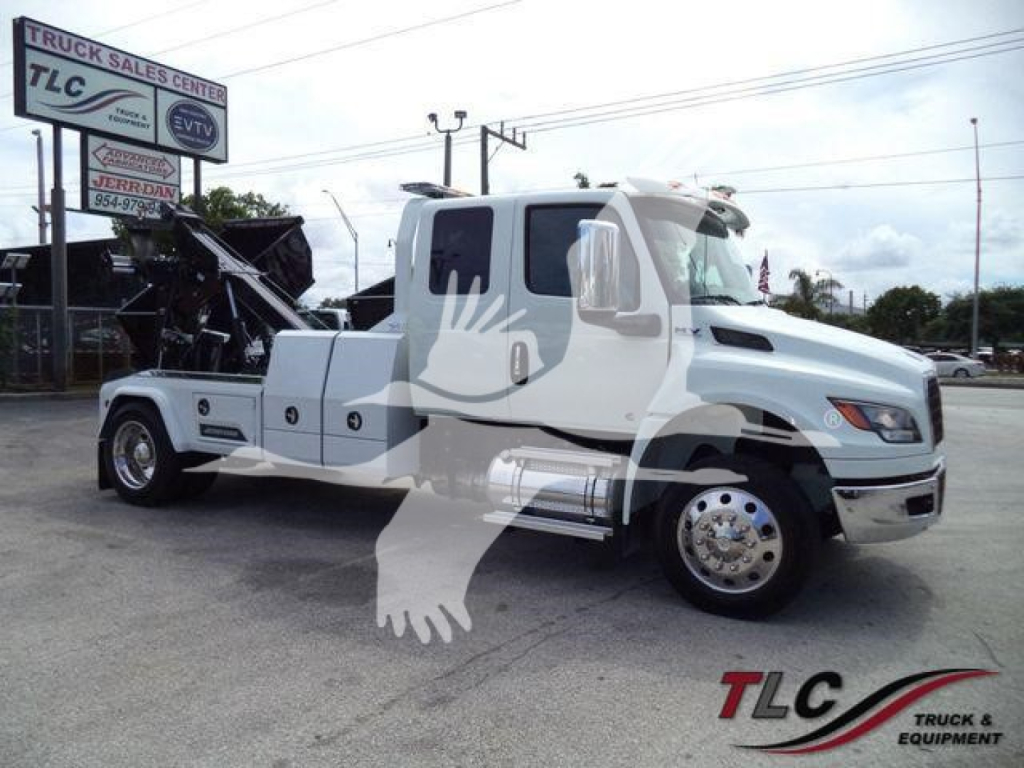
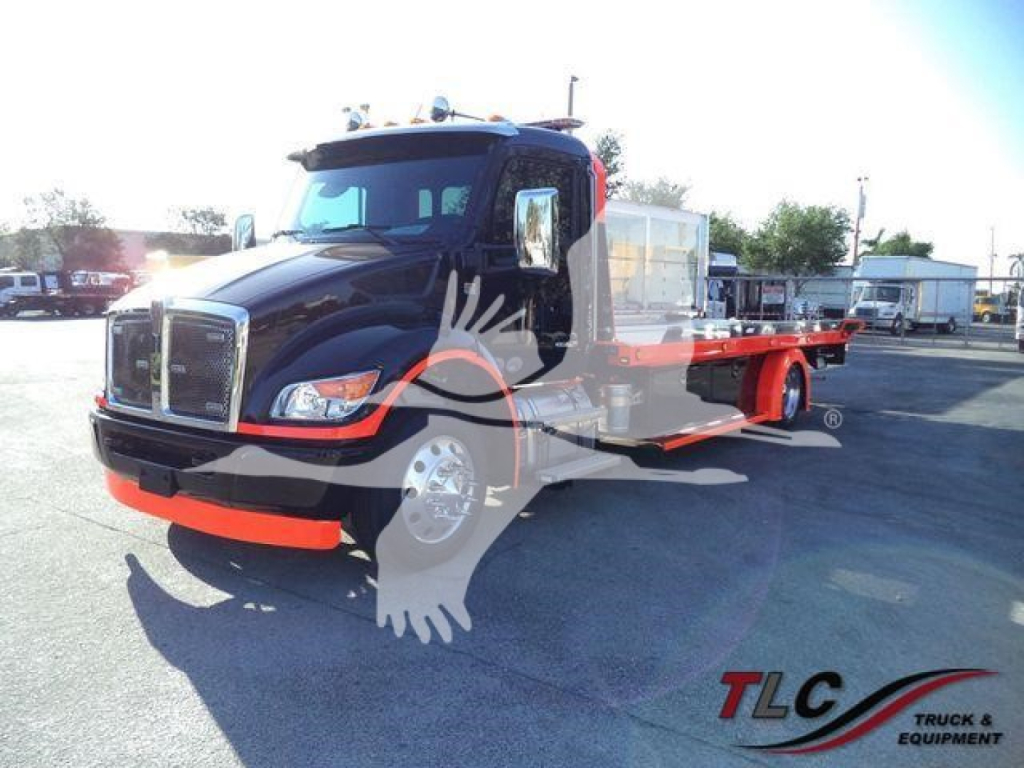
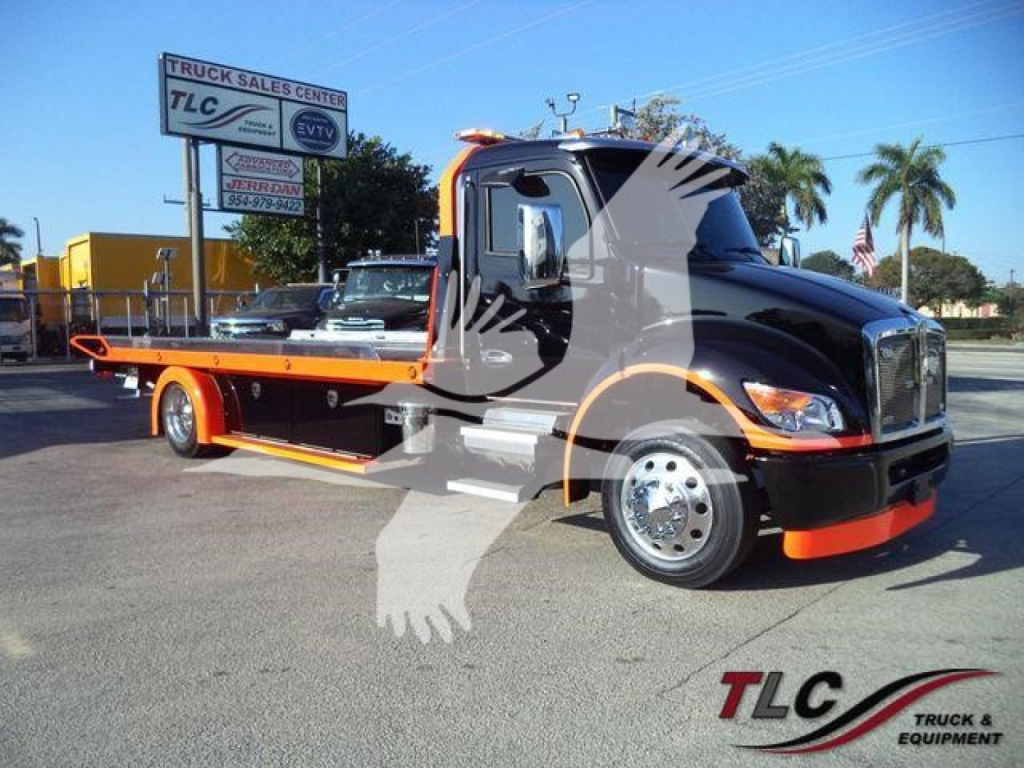
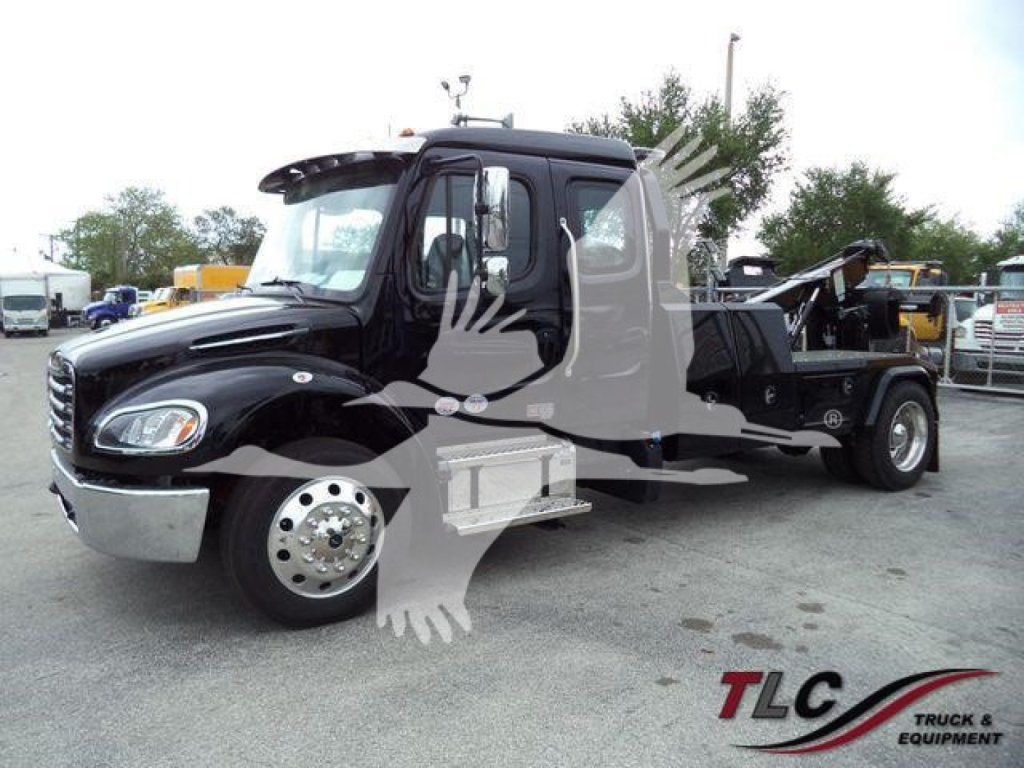
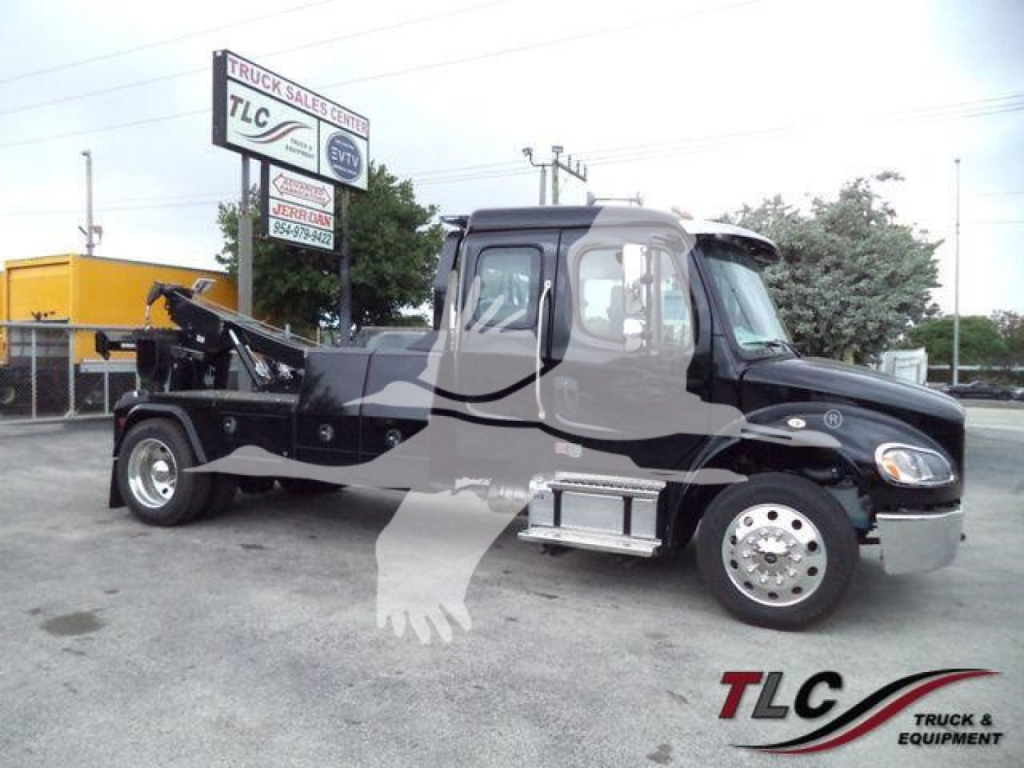
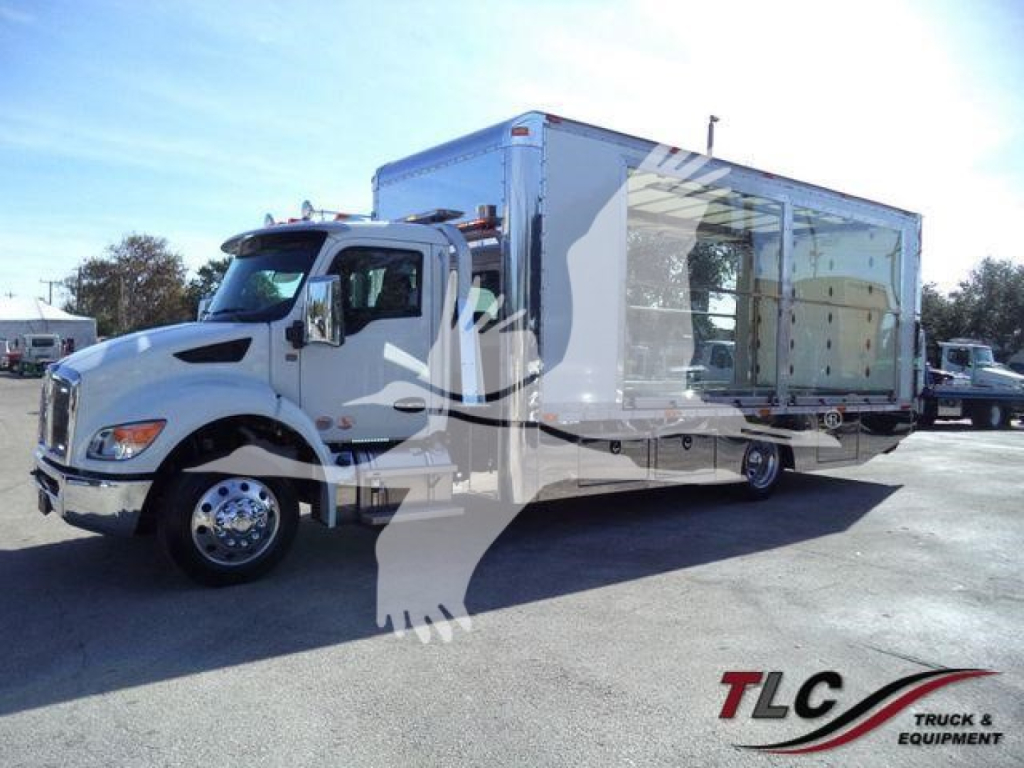
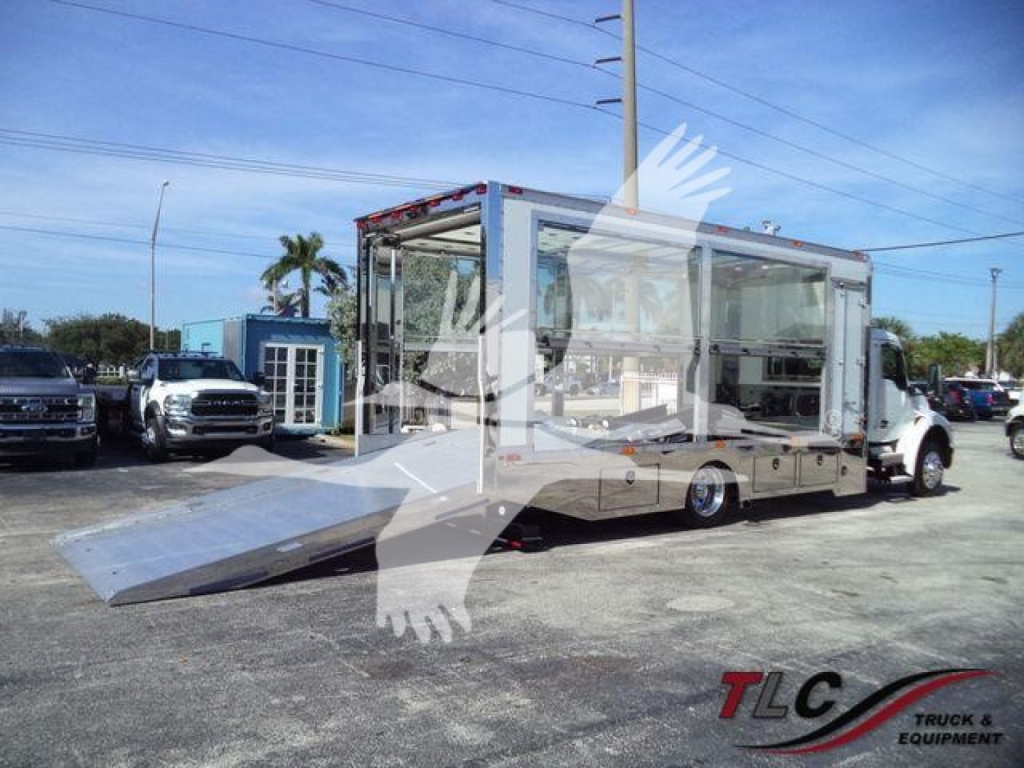
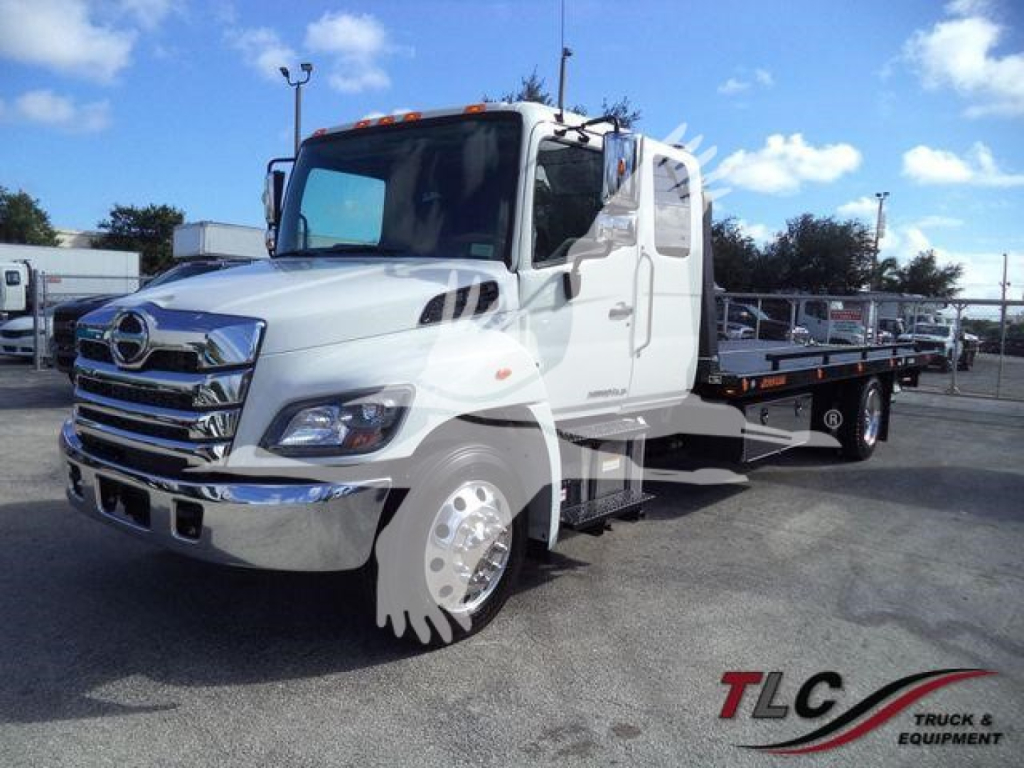
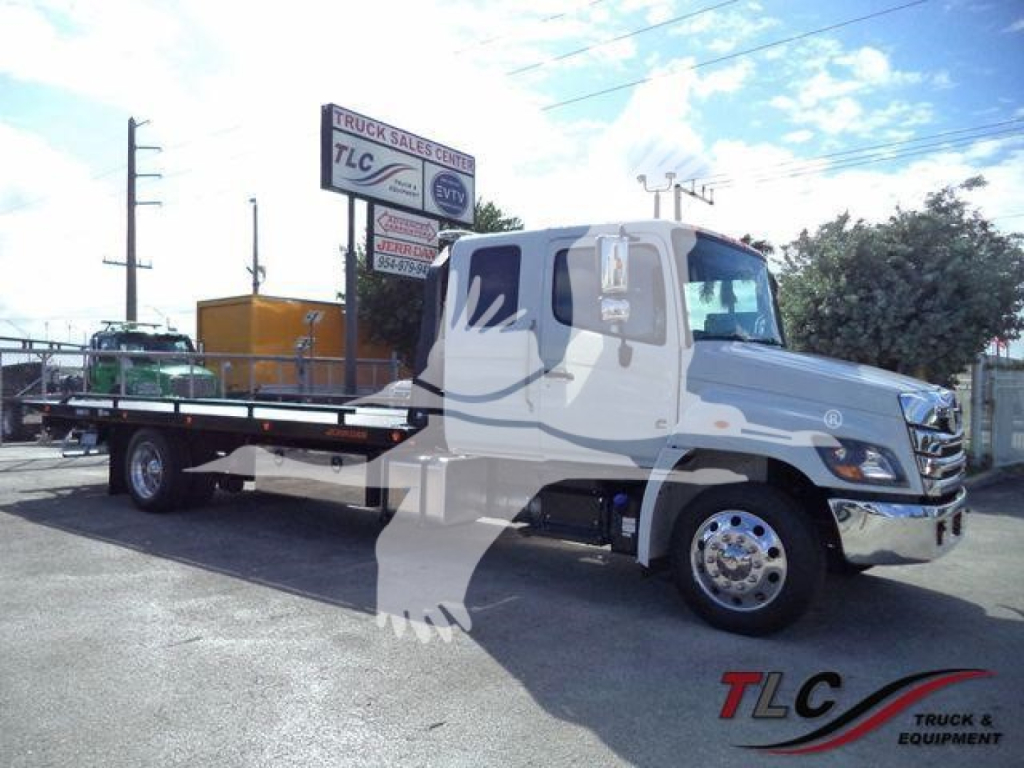
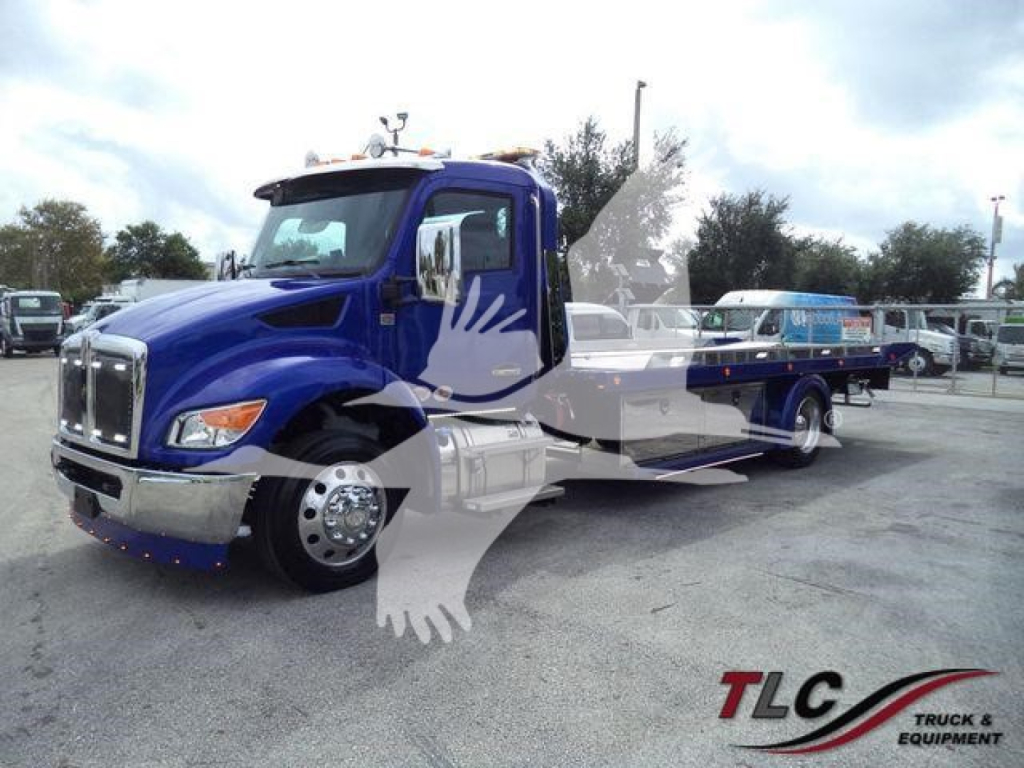
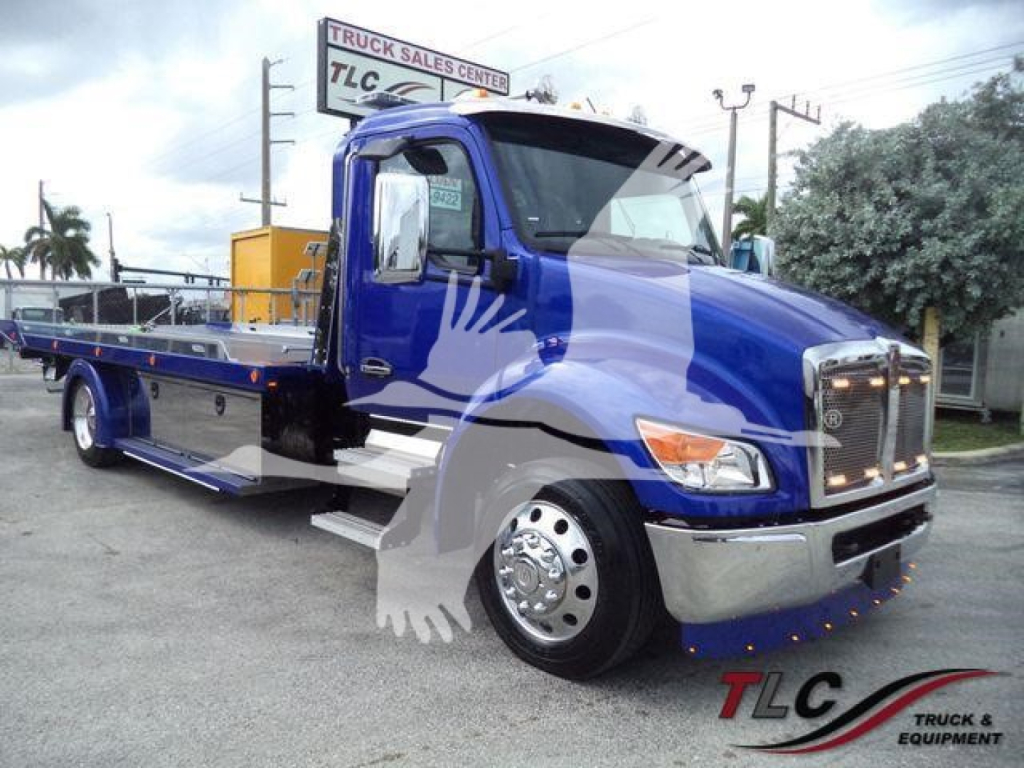
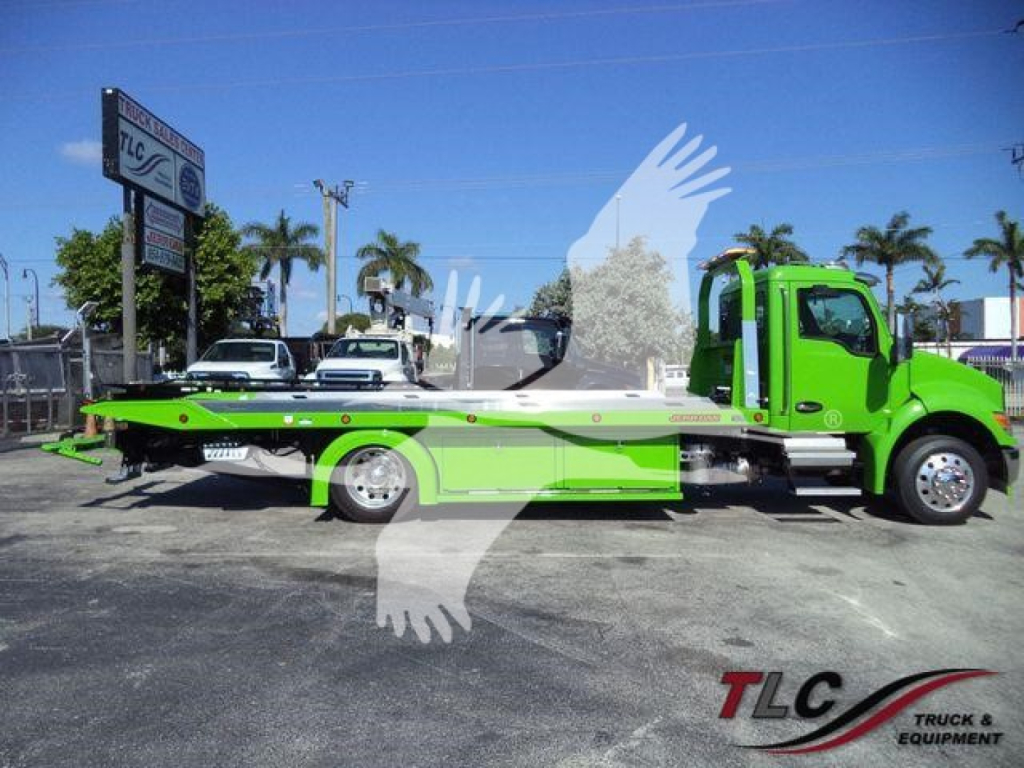
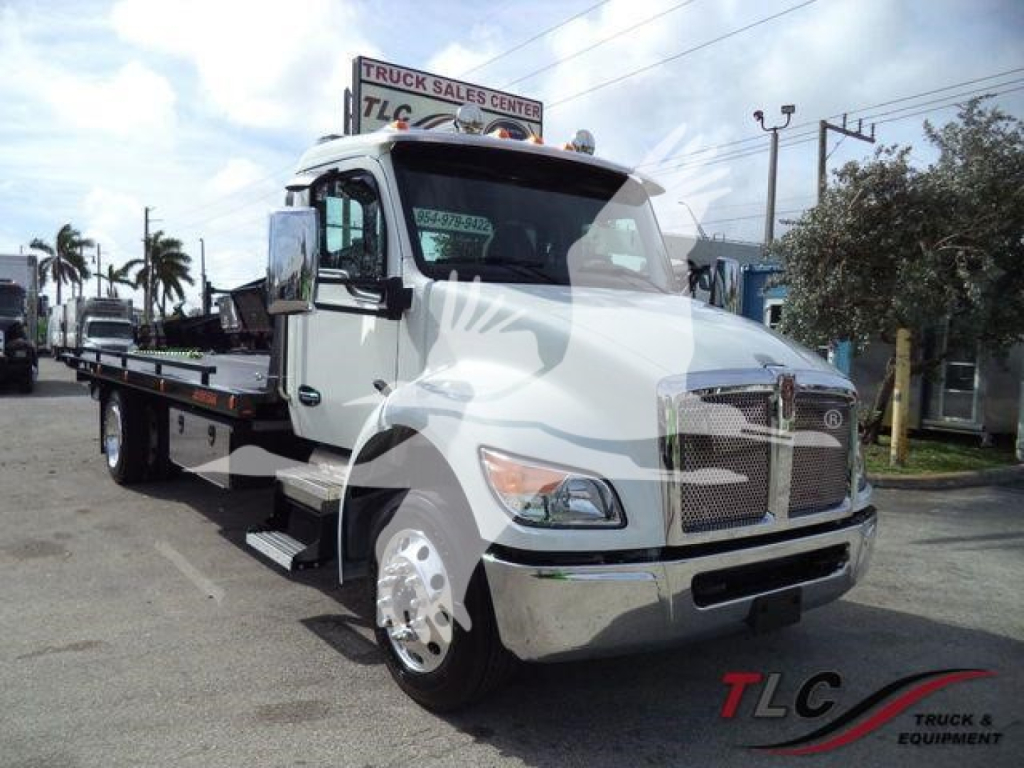
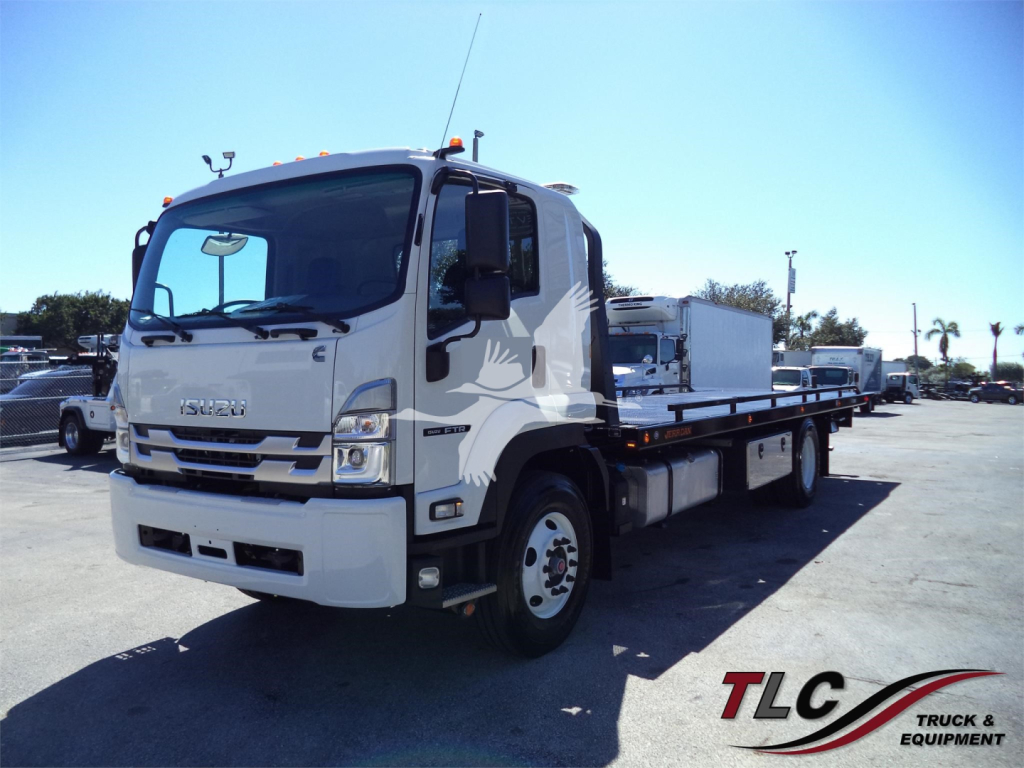
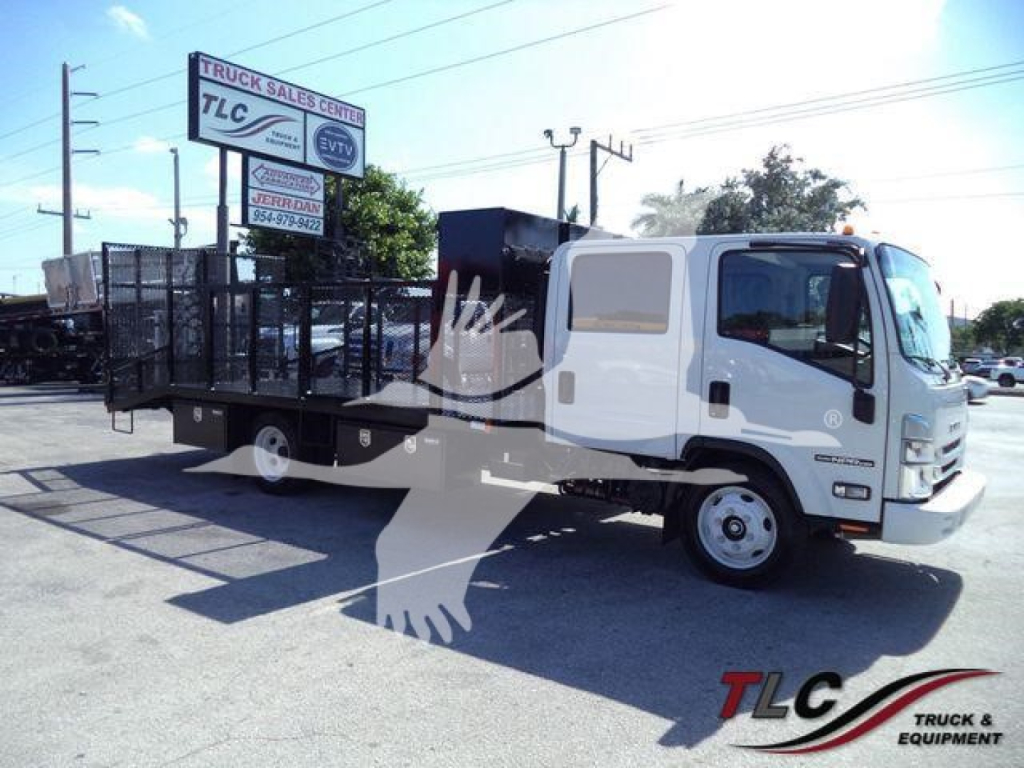
Showing 1 to 28 of 30 results
Selling a new 2025 commercial truck? List your new 2025 commercial truck for sale and reach thousands of commercial buyers.
New 2025 Commercial Trucks in Florida
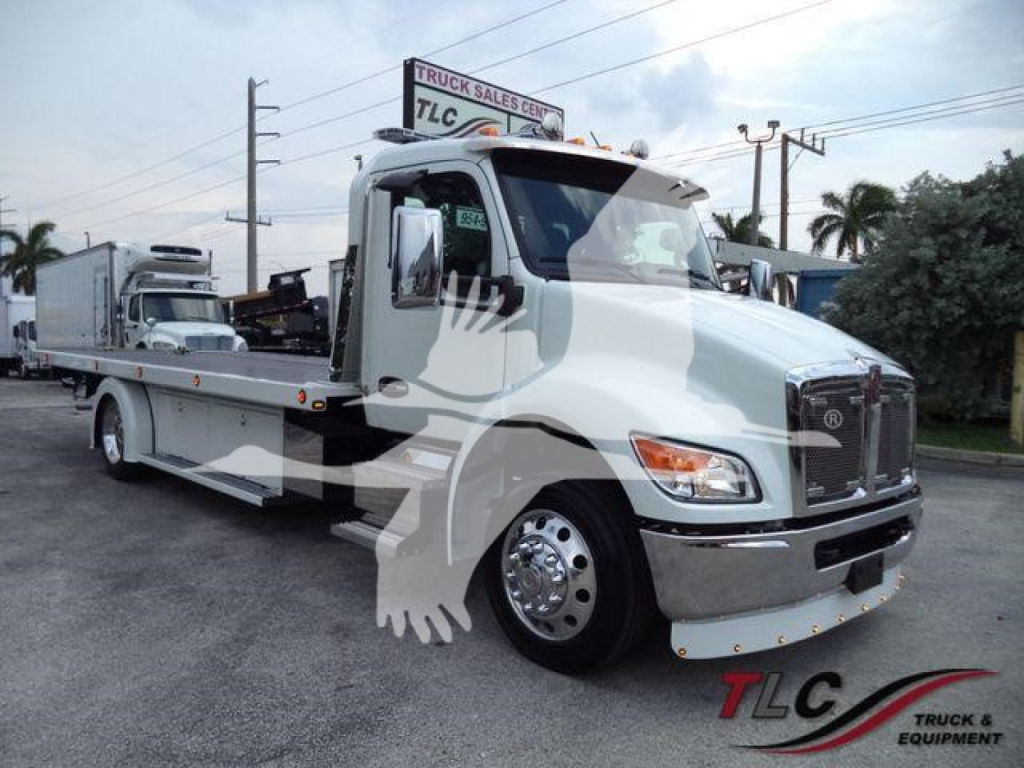
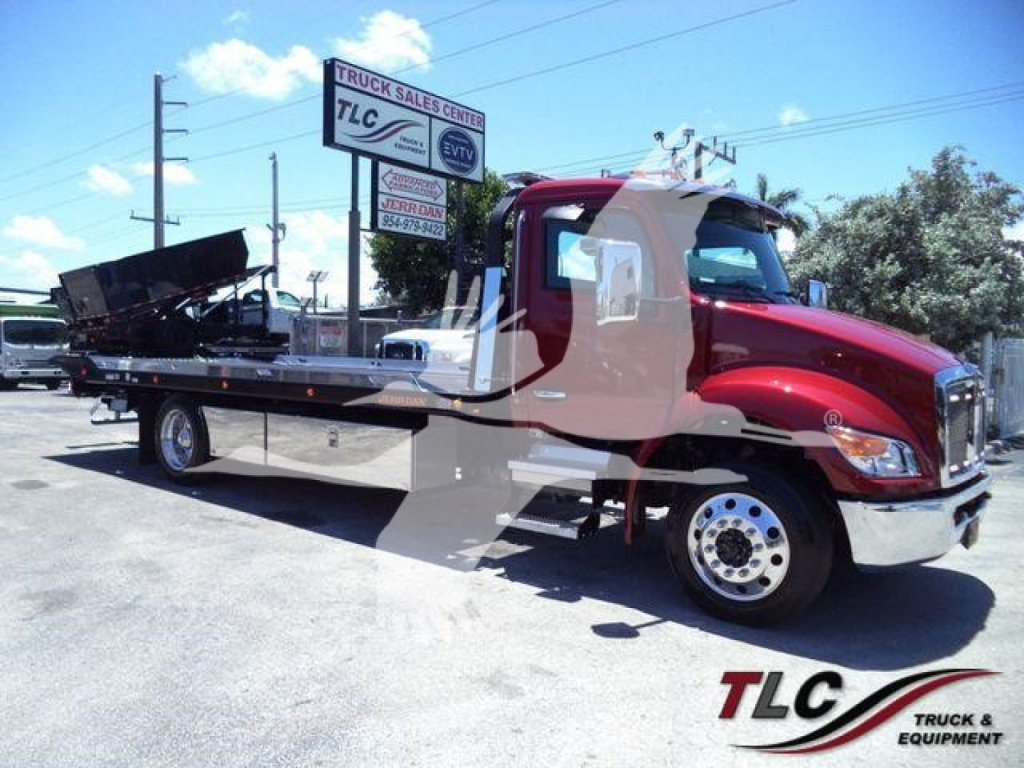
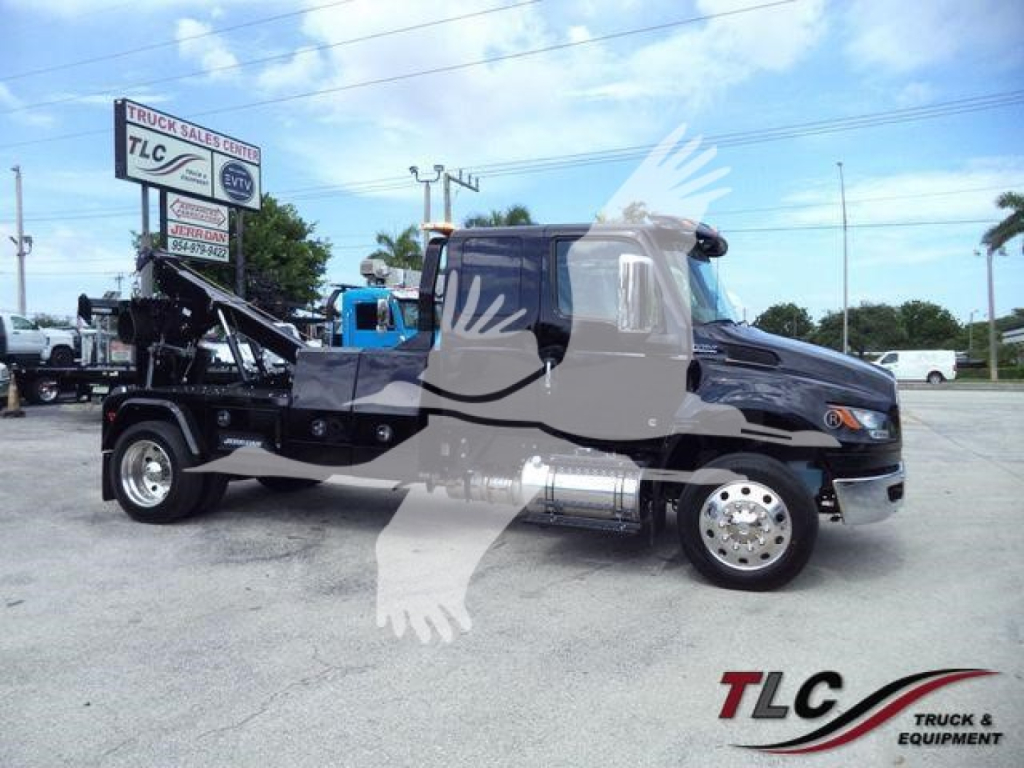
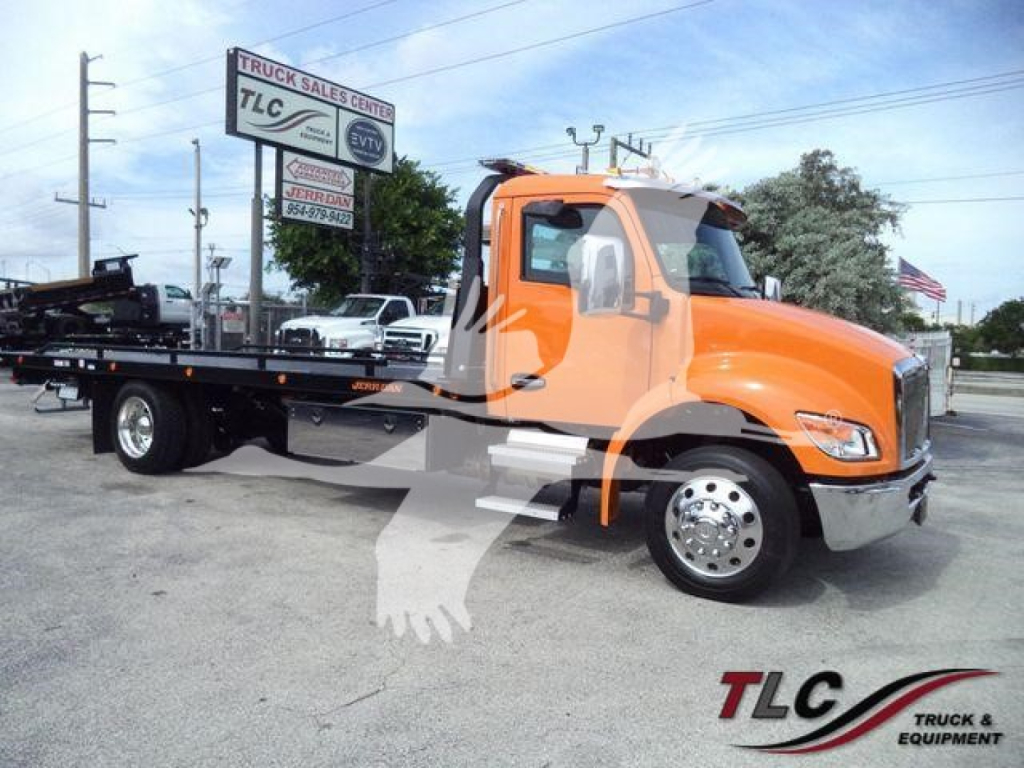
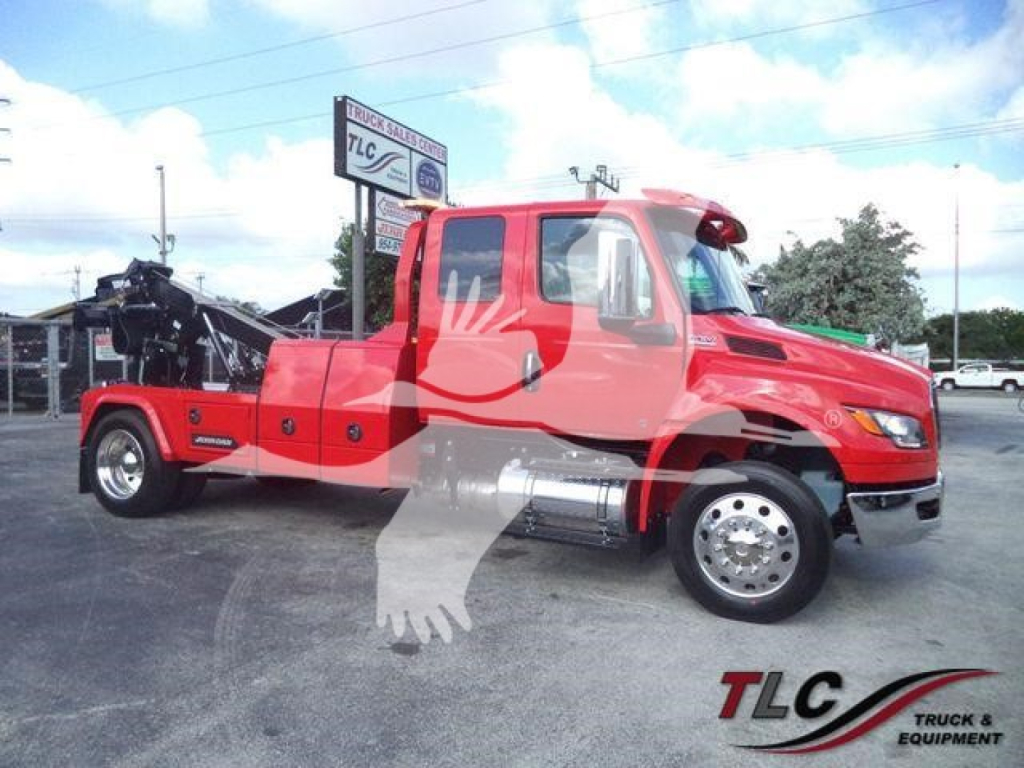
For 2025 model year trucks, the core spec range typically centers on diesel powerplants in the 260 to 300 horsepower class, paired with Allison automatic transmissions, hydraulic or air brake setups, and either spring or air ride suspension depending on the job. Single-axle 4x2 chassis remain common for rollback and delivery applications, while 4x4 configurations show up where traction matters, such as municipal, utility, or off-pavement work. Buyers should pay close attention to front and rear axle capacity, wheelbase, and cab style because those details directly affect payload, turning radius, body fitment, and weight distribution. A longer cab-to-axle can make a major difference on carrier and roll-off builds where bridge law, deck length, or rear overhang have to be managed carefully.
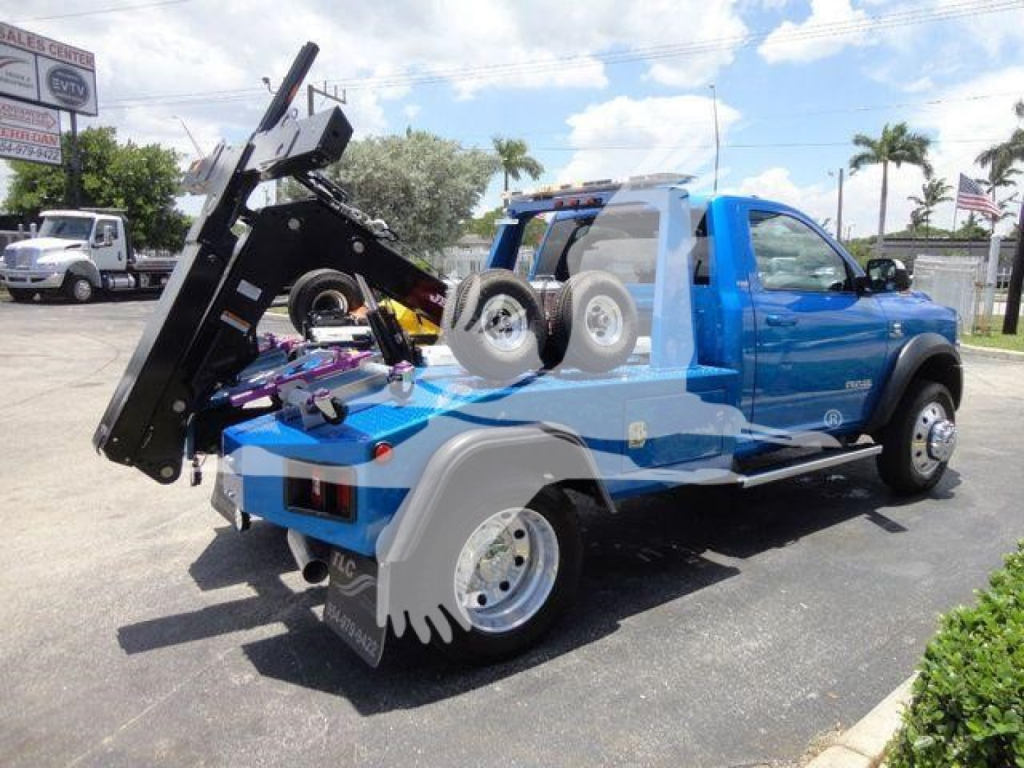
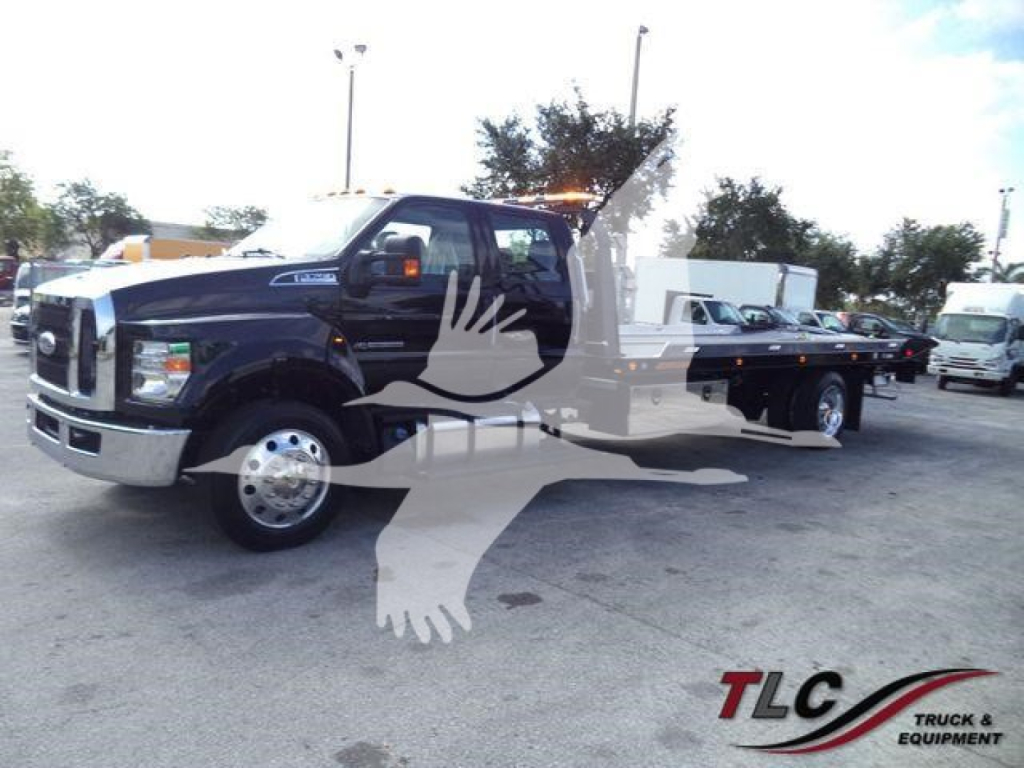
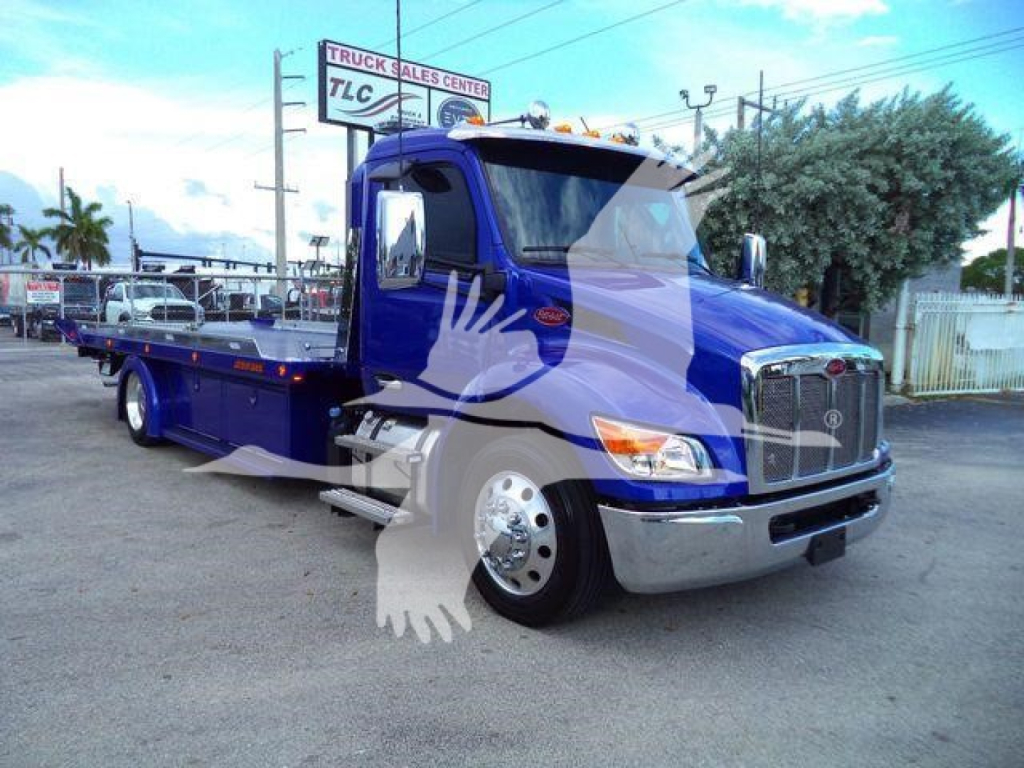
Florida buyers also tend to focus on ease of operation and uptime. New trucks in this category often include air ride driver seats, power windows and locks, aluminum fuel tanks, 19.5-inch or 22.5-inch wheel packages, and factory or body-builder warranties that reduce early ownership risk. For towing and carrier work, typical specs include low-profile rollback bodies, 20- to 22-foot decks, 6-ton bed ratings, 3,500-pound wheel lifts, and 8,000-pound winches. For refuse, landscape, and roll-off applications, buyers should evaluate hoist capacity, hydraulic flow, container compatibility, tarp systems, receiver hitches, and electrical trailer connections. If the truck is intended for urban or multi-stop work, visibility, ingress and egress, and service network support can be just as important as rated capacity.
The strongest 2025 truck choice is the one that matches the body, route, and duty cycle without leaving the chassis underspecified or overpriced. A rollback operating daily on busy Florida roads needs different suspension, brake, and cooling priorities than a hooklift or refuse truck working short local routes. Reviewing engine rating, transmission series, GVWR, axle split, tire size, brake type, and body-builder details will usually tell more than the badge on the hood. Buyers comparing new trucks in this category should look closely at how the chassis was ordered from the factory, because items such as wheelbase, frame layout, PTO readiness, and fuel tank placement have a direct impact on long-term usefulness and resale value.
Frequently Asked Questions about New 2025 Commercial Trucks in Florida
What should I look for first when buying a new 2025 truck in Florida?
Start with the truck’s intended application, then match the chassis to the body and duty cycle. GVWR, axle ratings, cab-to-axle length, wheelbase, and PTO capability should be verified before comparing comfort features or appearance. In Florida, cooling system performance, air conditioning strength, corrosion-resistant components, and suitability for stop-and-go heat are especially important. A truck that is correctly spec'd for the body and route will usually deliver better uptime and resale than one chosen mainly by brand or horsepower.
Are most new 2025 vocational trucks diesel and automatic?
Yes. In this segment, diesel engines and Allison automatic transmissions are common because they suit towing, refuse, roll-off, and delivery work well. Diesel engines in the medium-duty range often fall around 260 to 300 horsepower with torque curves designed for frequent starts, PTO use, and loaded operation. Automatic transmissions reduce driver fatigue and simplify operation in city traffic, which is a major advantage for vocational fleets and owner-operators alike.
How important is cab-to-axle length on a new truck chassis?
Cab-to-axle length is one of the most important measurements on any upfit-oriented truck. It determines whether a rollback, dump body, service body, hooklift, or refuse body will fit correctly and maintain proper weight distribution. A chassis with the wrong CA dimension can create rear overhang issues, poor steering axle loading, or costly body installation compromises. Buyers should confirm body-builder requirements before committing to a wheelbase or cab configuration.
What are common specs on new rollback and carrier trucks?
Many new rollback trucks are built on medium-duty single-axle chassis with diesel engines, automatic transmissions, air brakes, and either spring or air ride suspension. Common body specs include 20- to 22-foot low-carrier decks, 96- to 102-inch widths, 6-ton bed ratings, 3,500-pound wheel lifts, and 8,000-pound winches. Toolboxes, blade rails, work lights, and towing kits are also common. The right setup depends on the vehicle mix being transported, local road conditions, and how often the truck will be used for recovery versus standard transport.
Is air ride suspension worth it on a new vocational truck?
Air ride suspension can be worth the added cost when ride quality, cargo protection, or driver comfort matter. On rollback and carrier applications, air ride may improve handling and reduce harshness during long service days. On other vocational trucks, spring suspension may still be the better choice for simplicity, lower cost, and rugged use. The decision should be based on route conditions, load sensitivity, maintenance preferences, and how important operator retention is to the business.