
Used Moving Vans For Sale
Compare used moving vans for sale by usable payload, body condition, ramp access, and liftgate capacity for furniture moves across the US and Canada.
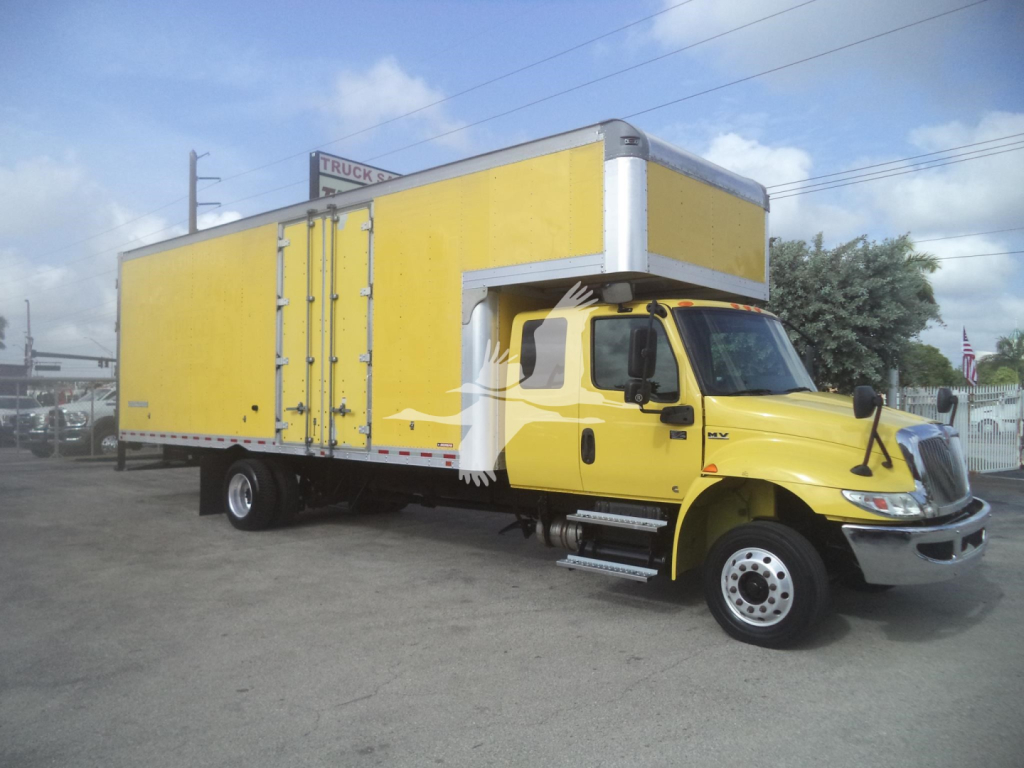
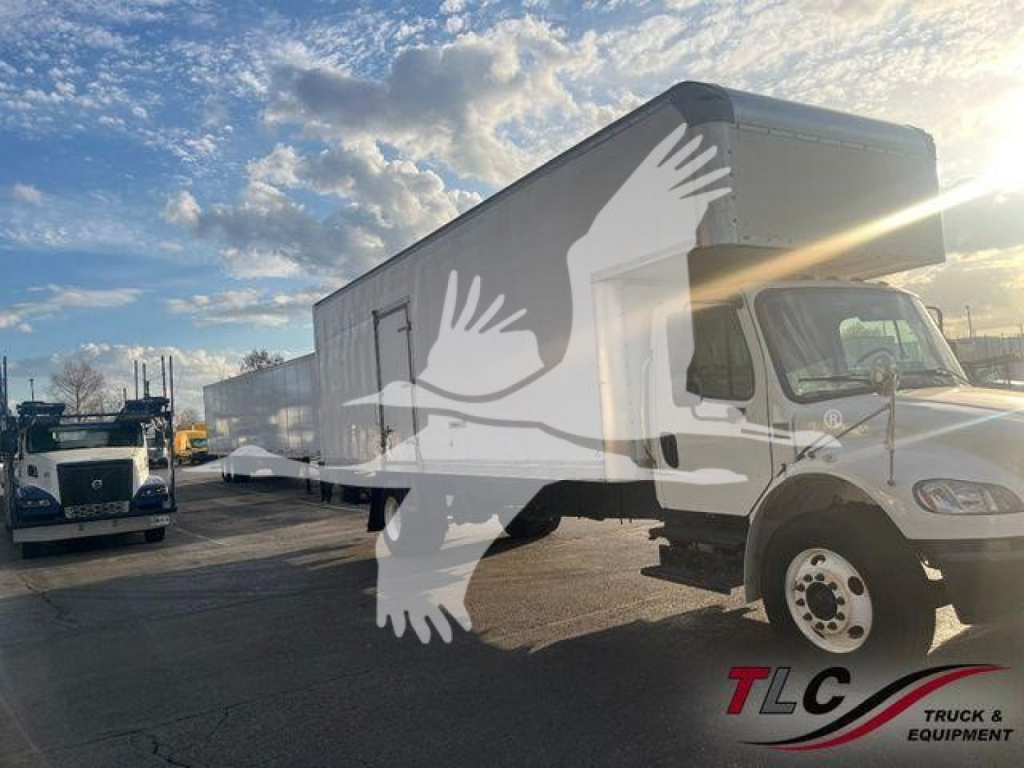
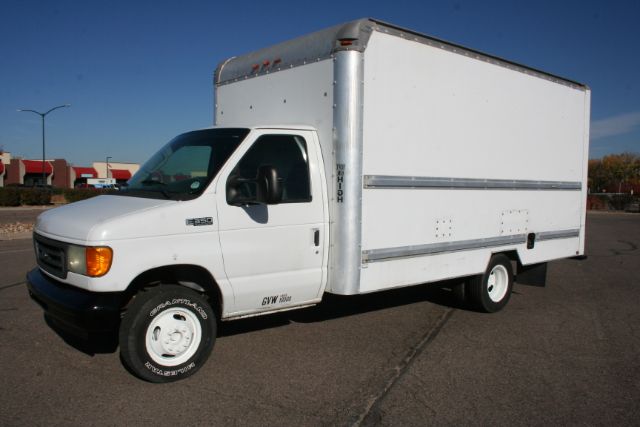
Selling a used moving van? List your used moving van for sale and reach thousands of commercial buyers.
Used Moving Vans
On a used moving truck, inspect roof seams, translucent roof panels where fitted, floor supports, wall fasteners, and rear door hardware for leaks or movement. Operate the ramp or liftgate under a representative load within its rating. Match maintenance records to engine hours and ECM data where available, and review DPF and DEF-system service on equipped diesels. Snow Belt and Canadian road salt warrants close inspection of chassis rails, brake lines, body mounts, and liftgate structure; verify local licensing and emissions requirements before purchase.
Frequently Asked Questions about Used Moving Vans
Do I need a CDL to drive a used moving van?
A single moving truck with a GVWR or actual gross weight of 26,001 pounds or more generally requires a Class B CDL in the United States. Towing can change the required license class. Air brakes alone do not make a lower-weight truck CDL-required under federal rules. Canadian licensing thresholds vary by province, and an air-brake endorsement may be required separately.
How do I calculate the payload of a used moving truck?
Subtract the moving truck's scale weight, including fuel, crew, pads, dollies, and ramps, from its GVWR to estimate remaining payload. A separate liftgate adds empty weight and reduces that allowance. Check individual axle weights against axle and tire ratings because a truck can overload its rear axle before reaching GVWR. Cargo volume alone cannot establish a safe furniture load.
Is air-ride suspension worth having on a used furniture van?
Air-ride rear suspension can reduce road shock transmitted to furniture, particularly on rough pavement, but proper padding and load securement remain essential. On a used furniture van, inspect air springs, height-control valves, shocks, and supply lines for leaks or damage. Confirm that the suspension reaches its specified ride height and holds pressure; sagging or uneven height can indicate faults rather than normal operation.
Is a gas or diesel engine better for a used moving truck doing local moves?
Gas power often suits smaller moving trucks doing short local trips, while diesel power is better matched to heavier loads and sustained operation. Repeated short trips and extended idling can complicate DPF regeneration on equipped diesels. Compare documented fuel use, engine hours, maintenance requirements, and loaded performance rather than mileage alone. Older diesels without modern aftertreatment still require careful mechanical and emissions-compliance checks.