
Moving Vans For Sale
Moving vans for sale: compare cargo cube, legal payload, loading ramps, liftgates, and chassis choices for household moves and furniture delivery.
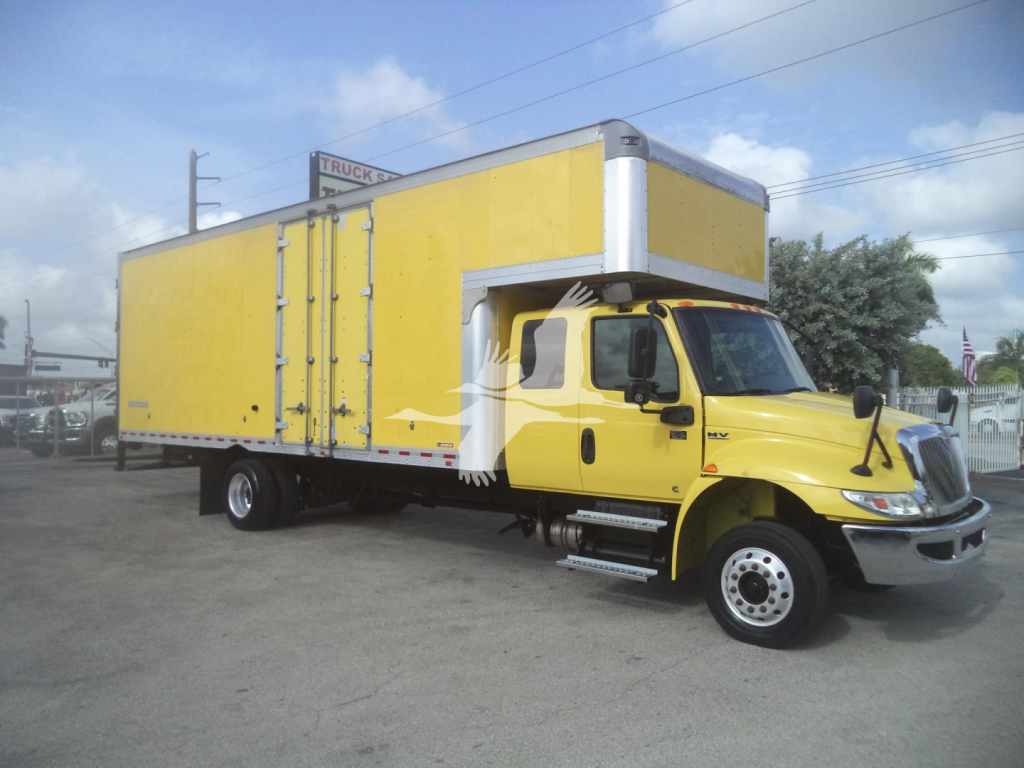
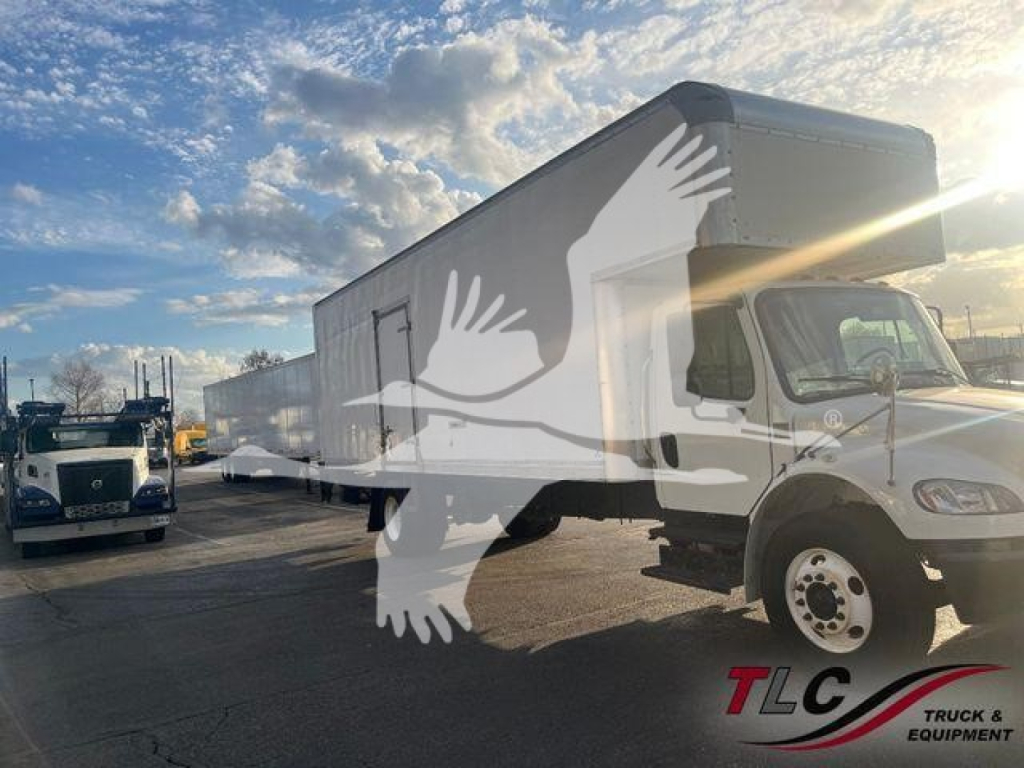
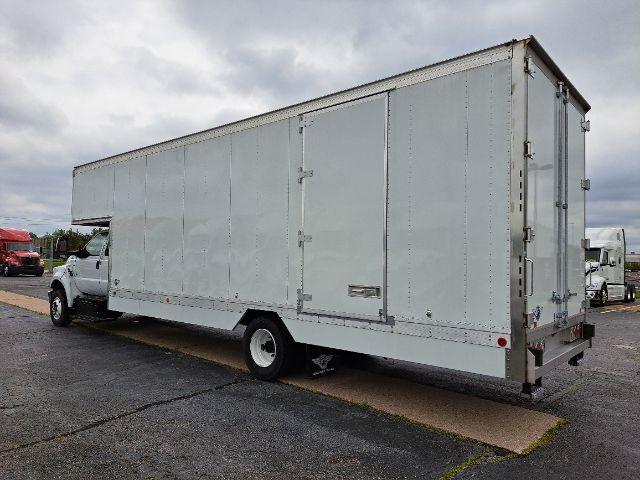
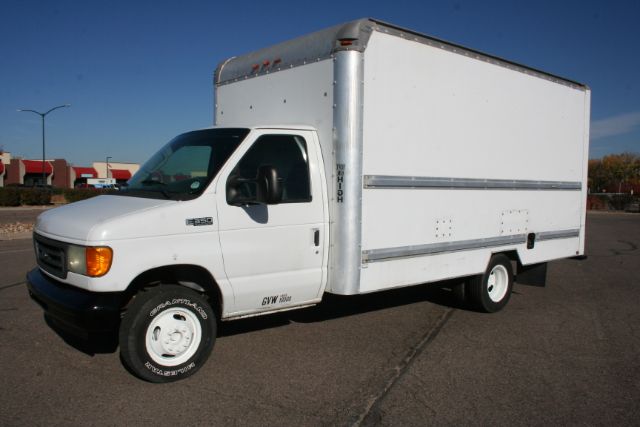
Selling a moving van? List your moving van for sale and reach thousands of commercial buyers.
Moving Vans
Used moving trucks need roof-leak, floor, door, body-mount, and ramp inspections plus service records and an ECM scan where supported. Check frame rails and brake lines for road-salt corrosion in northern US and Canadian service. Older and newer diesels have different emissions systems; verify the engine's equipment and local operating eligibility. For new builds, match wheelbase and axle capacity to the body, confirm separate chassis and body warranties, and determine whether the 12% US federal excise tax applies to the completed truck.
Also known as: Moving Truck, Furniture Van
Frequently Asked Questions about Moving Vans
How do I calculate the actual payload of a moving van?
A moving van's available payload starts with its GVWR minus its ready-to-work scale weight, but individual axle ratings can reduce that allowance. Weigh the truck with fuel, crew, pads, dollies, and other equipment aboard. Obtain separate axle weights because furniture placement and attic loading can overload an axle before the truck reaches its total weight rating.
Do I need a CDL to drive a moving truck?
A single moving truck with a GVWR or actual gross weight of 26,001 pounds or more generally requires a Class B CDL in the United States. Towing can change the required class. Air brakes alone do not trigger a US CDL requirement, although brake equipment affects CDL testing and restrictions. Canadian provinces establish their own licence classes and air-brake qualifications, so confirm the rules where the moving truck will operate.
Should a furniture moving truck have a ramp or a liftgate?
A ramp suits hand-carried furniture and dollies, while a liftgate is better for heavy appliances, palletized goods, and loads that cannot safely climb a slope. Compare ramp length, surface traction, and rated capacity. For a moving van liftgate, verify platform dimensions, load-center limits, and whether the platform accommodates both the load and handling equipment without exceeding its rating.
Is gasoline or diesel better for a moving van?
Gasoline often fits lower-mileage local moving routes; diesel typically fits heavier loads and sustained highway mileage. Compare rated torque, axle gearing, expected idle time, fuel use, and service intervals rather than fuel type alone. Diesel moving trucks with aftertreatment require attention to regeneration and DEF where equipped; extended idling can add maintenance burden even when odometer mileage is low.
Which diesel moving truck model years have DPF and DEF systems?
Most 2007-era highway diesel moving trucks introduced DPF systems, while 2010-era engines commonly added SCR and DEF. The engine emissions label, not just the chassis model year, identifies the applicable standard. Check for emissions tampering, stored faults, regeneration history, and documented DPF service. California operating eligibility needs separate verification under applicable CARB rules; Canadian inspection and operating requirements vary by province.