
Mixer Trucks For Sale in Texas
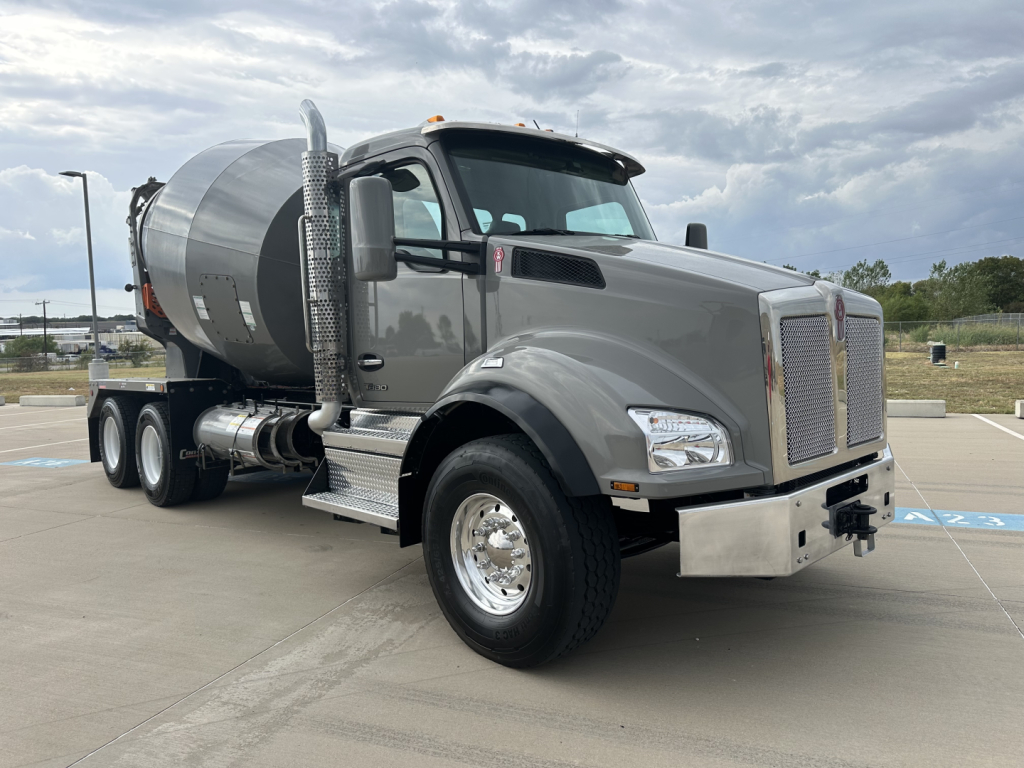
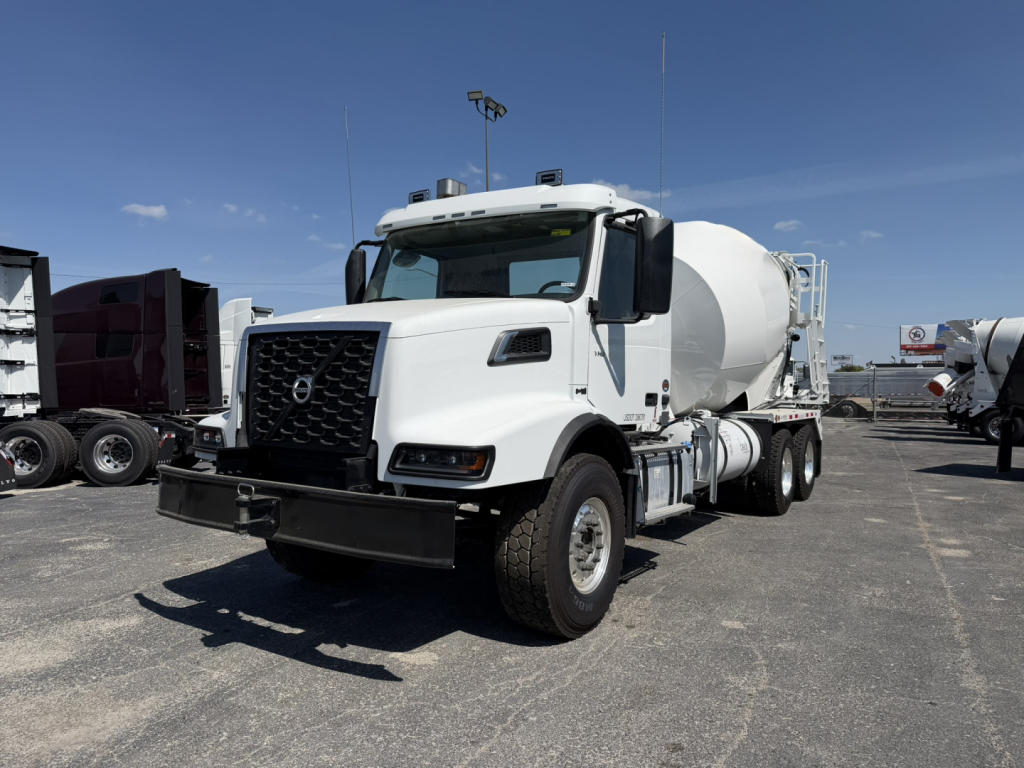
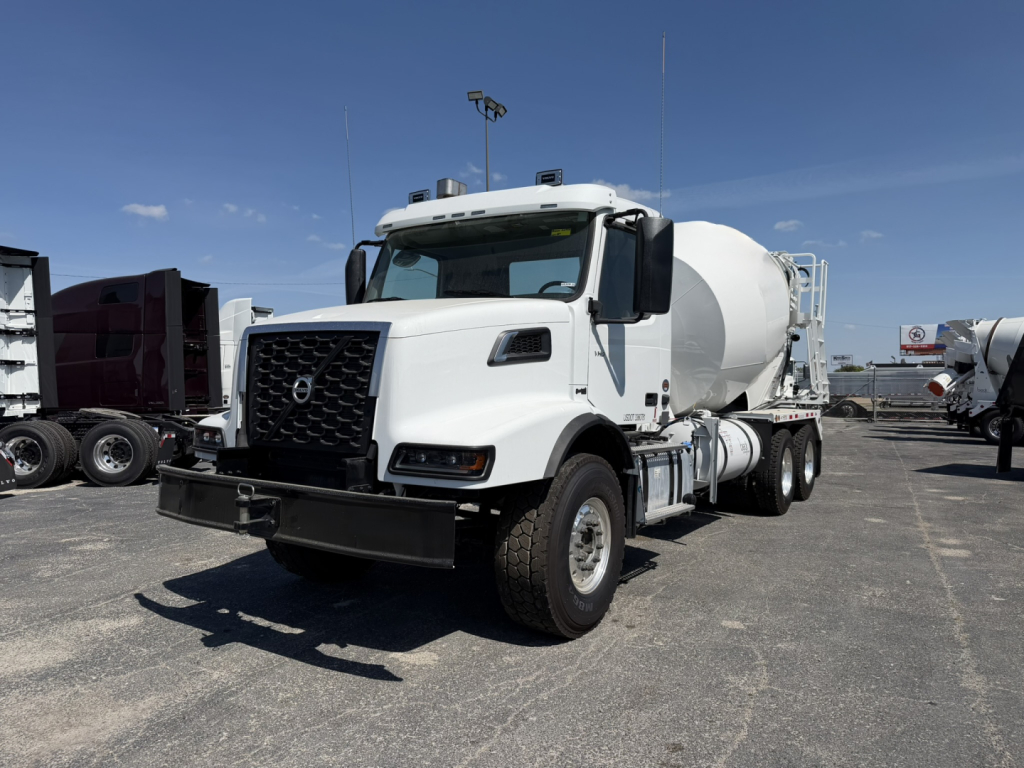
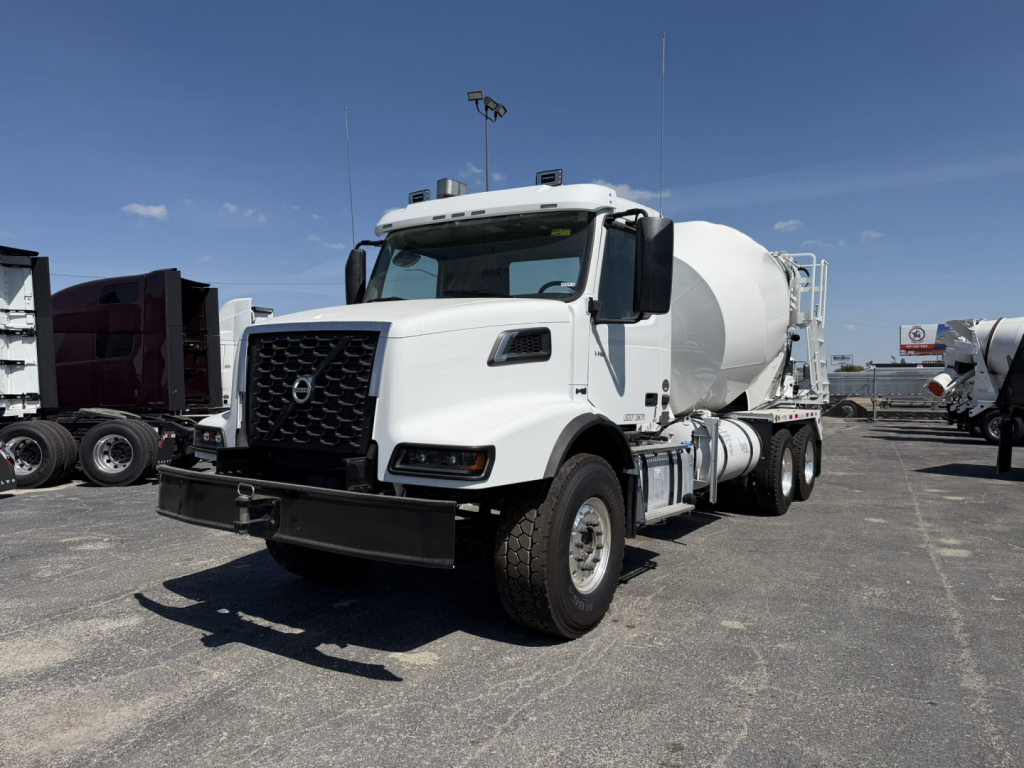
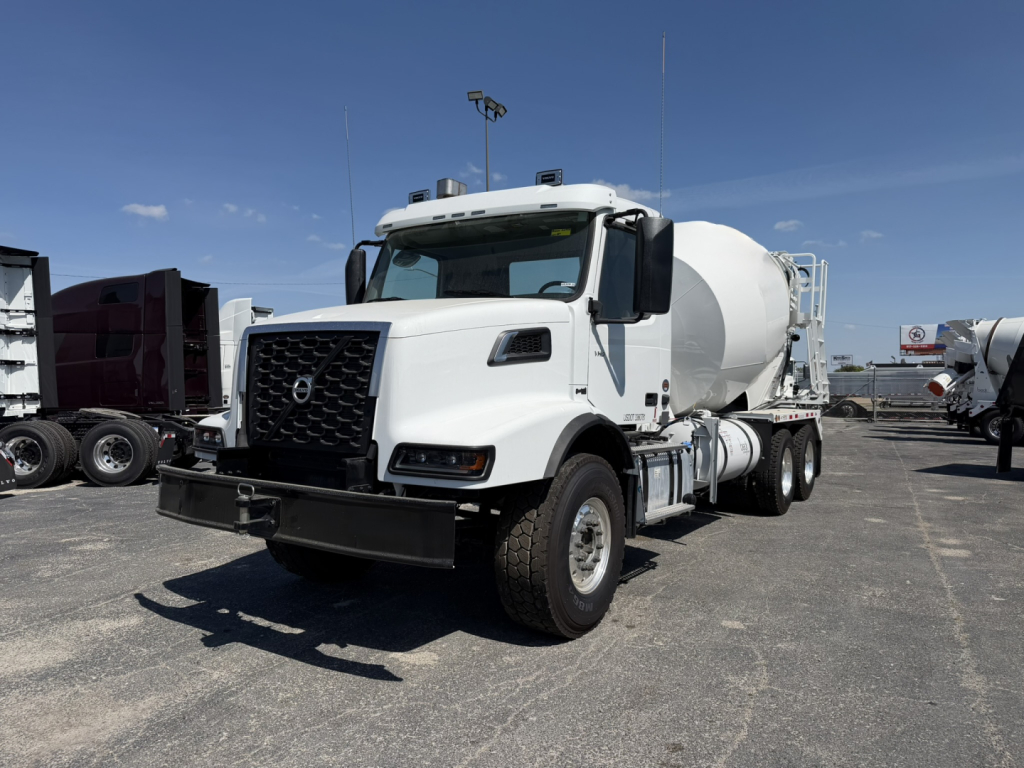
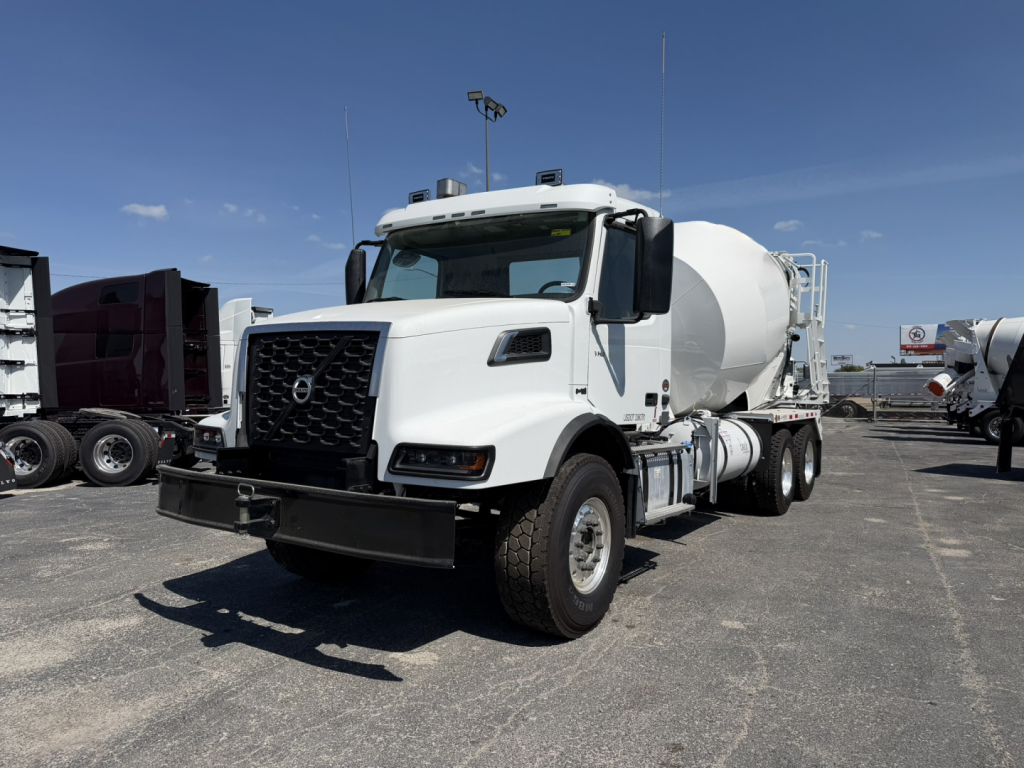
Browse mixer trucks for sale in Texas, including concrete mixers built for batch haul, jobsite maneuverability, payload capacity, and PTO performance.
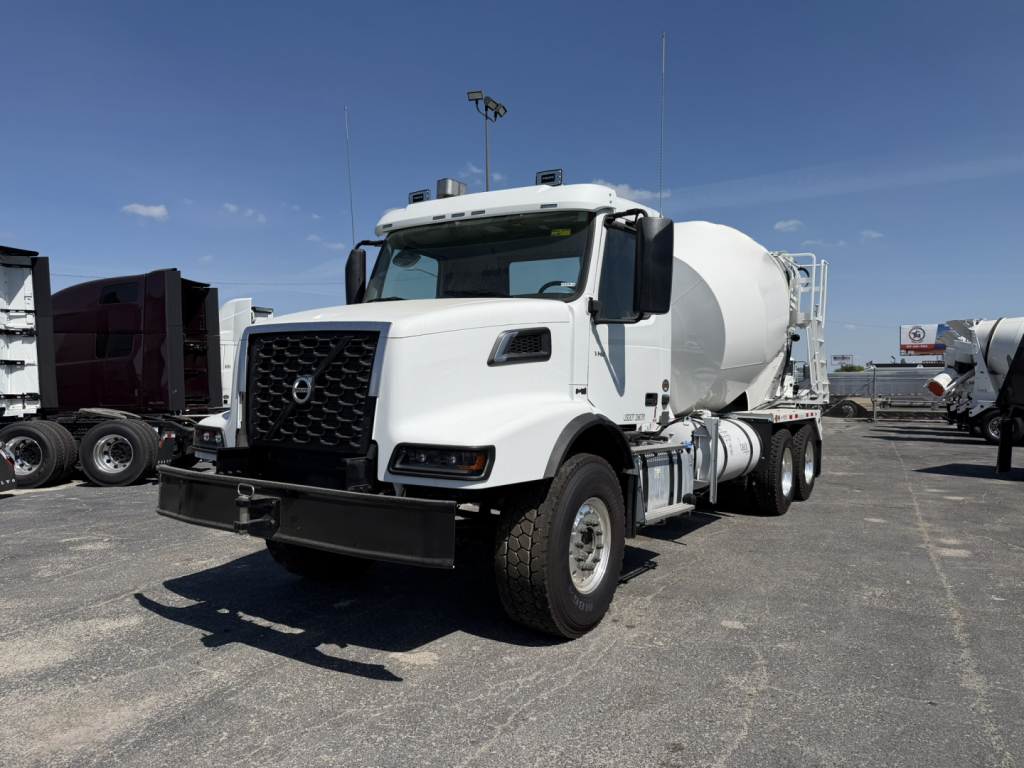
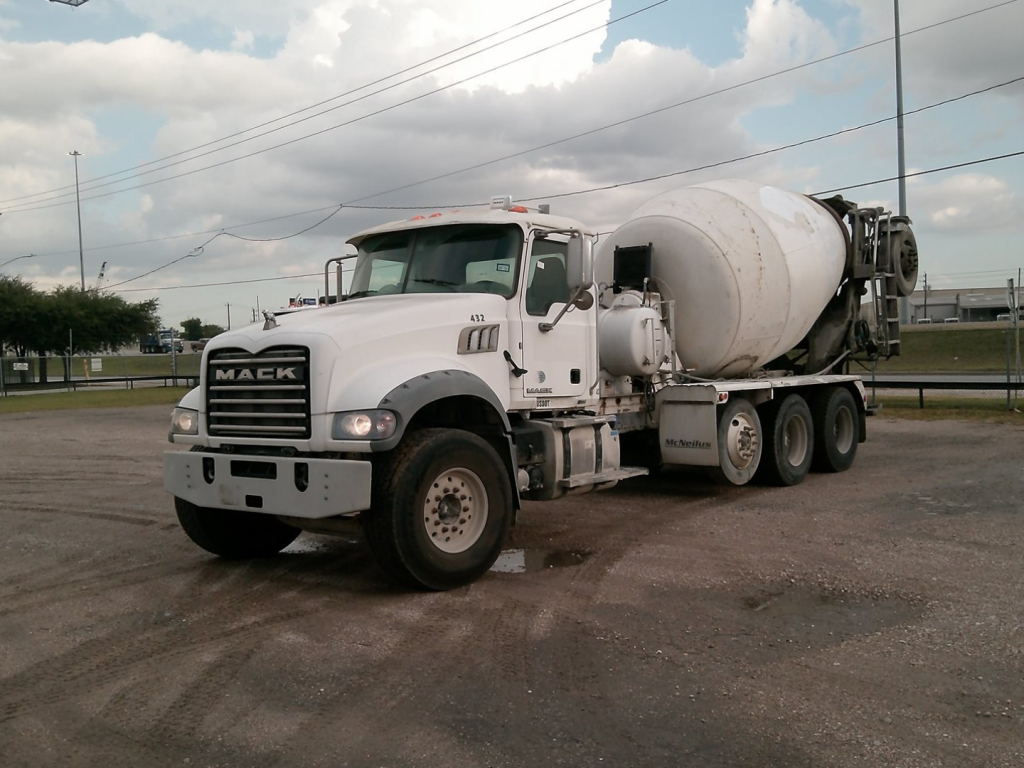
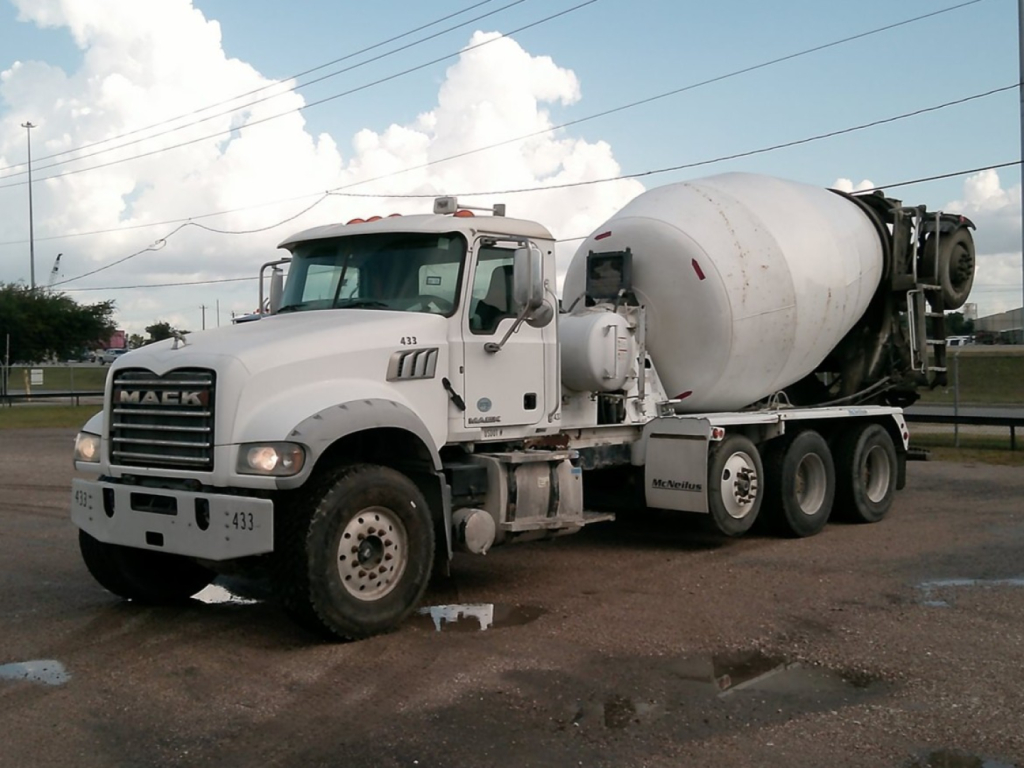
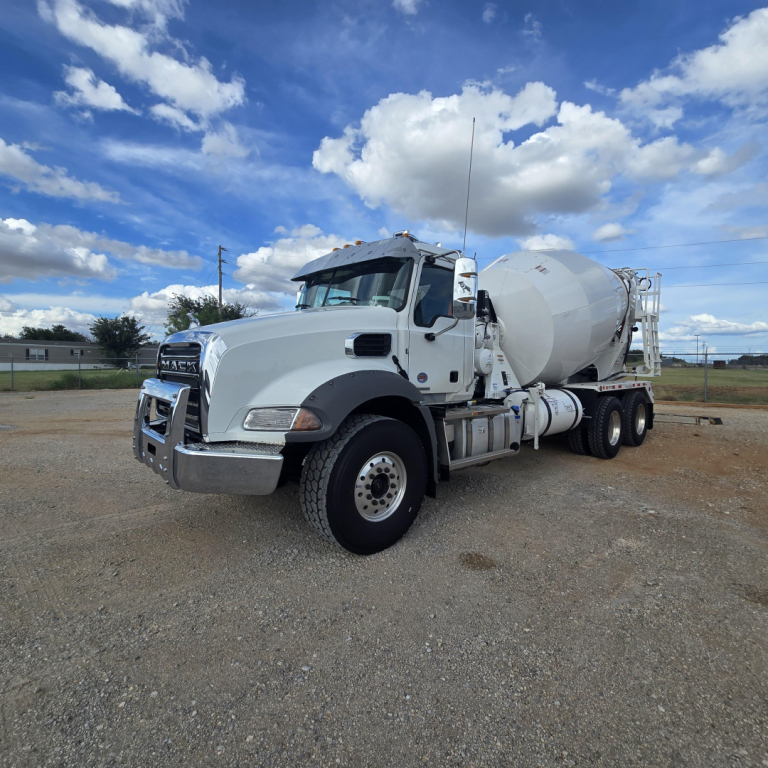
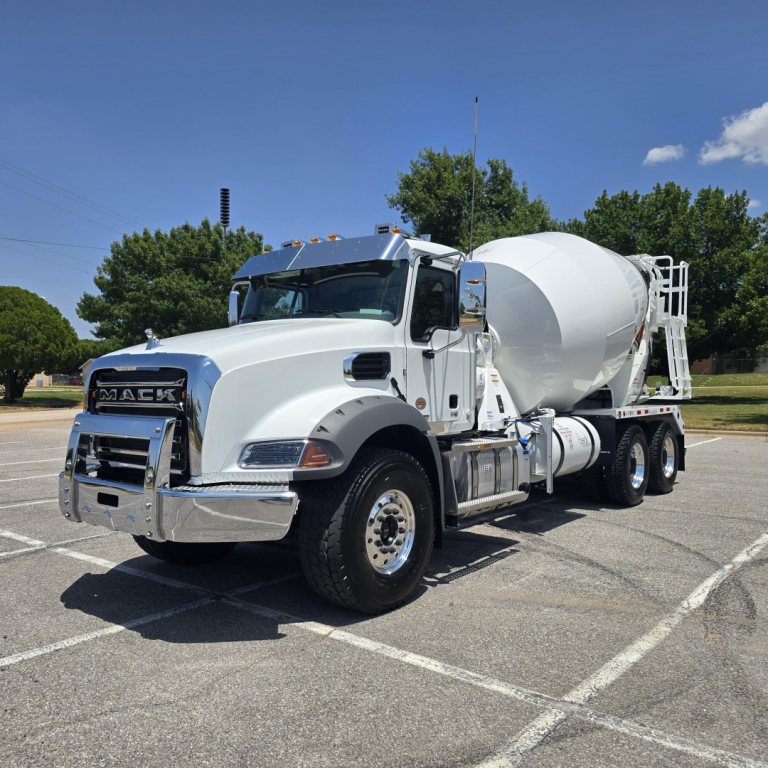
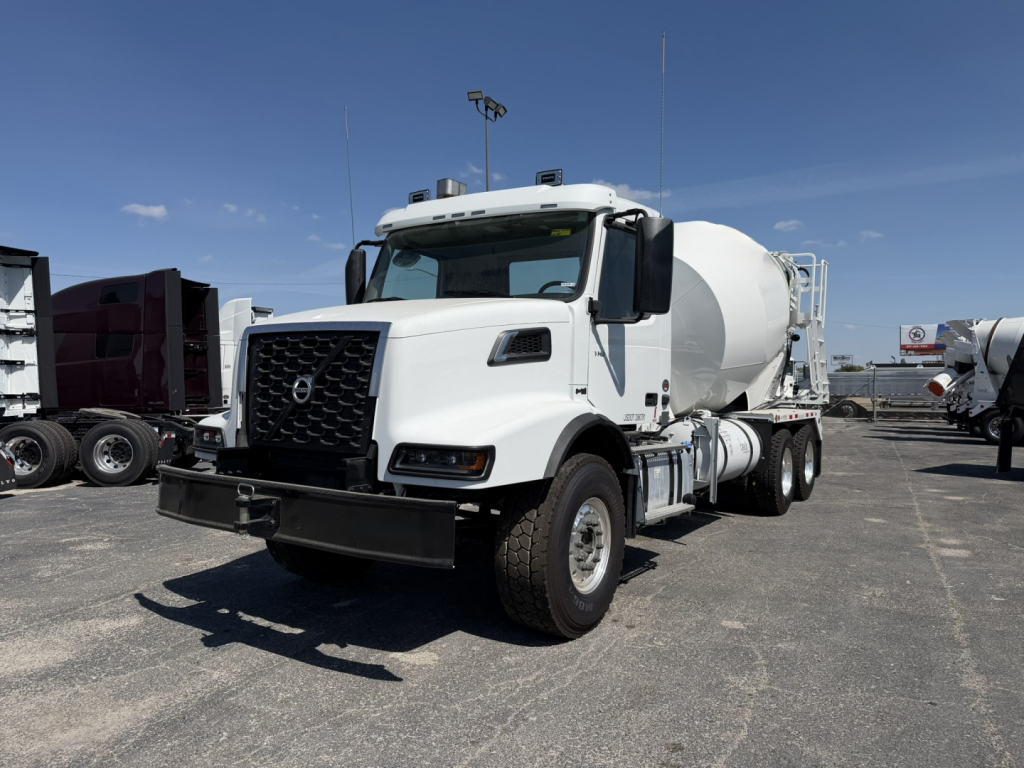
Selling a mixer truck? List your mixer truck for sale and reach thousands of commercial buyers.
Mixer Trucks in Texas
The chassis matters as much as the mixer package. Buyers should pay close attention to front axle rating, rear suspension capacity, wheelbase, frame reinforcement, and turning radius. In concrete service, a truck spends its life carrying concentrated weight, cycling through uneven jobsites, and operating in heat, dust, and traffic. Texas fleets often look for 20,000 to 23,000 lb front axles, 40,000 to 46,000 lb rears, and GVWRs that support the intended barrel size without giving away payload. Rear ratios and transmission gearing are also important because mixer trucks need controlled low-speed movement at pours, not just highway speed between plants and sites.
Mixer body specs deserve a close look because they directly affect production and maintenance cost. Drum size, water tank capacity, material of construction, chute configuration, and hydraulic system layout all influence how the truck performs in daily ready-mix work. Lightweight drums can improve legal payload, while heavier-duty builds may hold up better in severe service. Contractors running urban deliveries may prioritize visibility, tighter wheelbases, and easier chute handling. Operations serving highway, energy, or large commercial pours may focus more on barrel capacity, stability, and durability over long haul cycles. It is also smart to compare access for washout, grease points, and roller maintenance, since concrete residue and downtime can get expensive fast.
Cab configuration, emissions package, and vocational controls should be matched to the route and labor environment. Air ride seating, camera systems, and clear dash-mounted PTO and hydraulic controls can make a real difference for driver retention and jobsite safety. In Texas heat, cooling system capacity and engine bay service access are worth extra attention, especially for trucks that idle heavily at plants and on pours. A well-specced mixer truck should balance legal payload, drum performance, jobsite mobility, and ease of maintenance. Buyers comparing mixer trucks for sale should look past model year alone and focus on how the chassis, drivetrain, and mixer body were built to work together in concrete service.
Frequently Asked Questions about Mixer Trucks in Texas
What should I look for first when buying a mixer truck?
Start with the chassis ratings and the mixer body capacity. Front axle weight rating, rear axle rating, suspension capacity, wheelbase, and GVWR determine how much concrete the truck can legally and safely carry. After that, review the drum size, hydraulic drive system, water capacity, and chute setup. A mixer truck is only productive when the chassis and barrel are properly matched for payload, route conditions, and jobsite access.
What engine and transmission specs are common on concrete mixer trucks?
Most mixer trucks use heavy-duty diesel engines in the upper-300 to low-400 horsepower range with strong low-rpm torque. Transmissions are commonly automated manuals or heavy-duty automatics designed for repeated starts, slow-speed control, and vocational durability. Low creeper gearing, multi-speed reverse capability, and PTO compatibility are especially useful in ready-mix work because drivers often need precise movement at the pour site.
How important is wheelbase on a mixer truck?
Wheelbase is a major buying factor because it affects bridge compliance, weight distribution, turning radius, and barrel placement. A shorter wheelbase can improve maneuverability in tight urban jobsites, but it must still support the drum and axle loading correctly. A longer wheelbase may help with balance and component packaging, but it can be harder to place on congested sites. The right wheelbase depends on the barrel size, axle configuration, and the type of work the truck will do most often.
Are mixer trucks in Texas typically spec'd differently than in other states?
Texas buyers often pay closer attention to heat management, legal weight distribution, and mixed-use operation between city streets, highways, and rough jobsites. Cooling system performance, durable vocational suspensions, and axle ratings that support local route requirements are especially important. In some regions, fleets also prioritize heavier front axles and robust frame specs to handle frequent loading cycles and demanding site conditions.
What maintenance areas matter most on a used or new mixer truck?
The highest-priority maintenance items are the drum rollers, hydraulic system, PTO operation, chute hardware, water system, frame condition, and suspension components. Concrete trucks also need close inspection of washout areas, subframe condition, and any buildup that may hide cracks or wear. On the chassis side, look at clutch or transmission performance, steering components, brake life, and cooling system condition. Easy service access can reduce downtime significantly in mixer applications.