
2020 Mixer Trucks For Sale in Texas
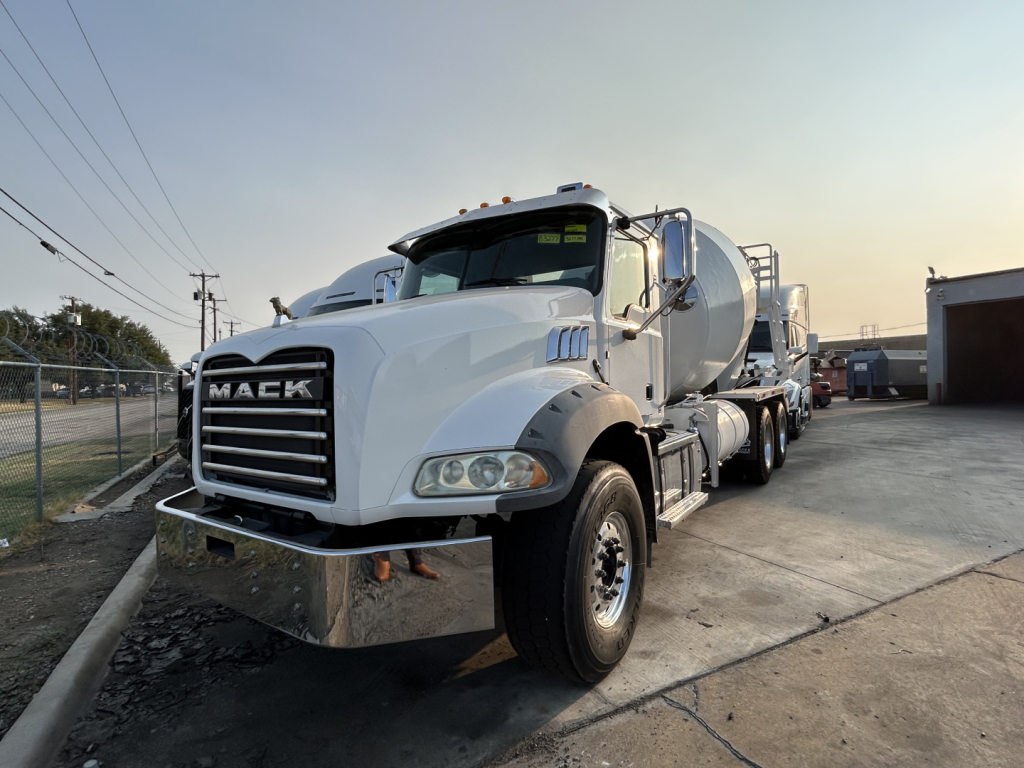
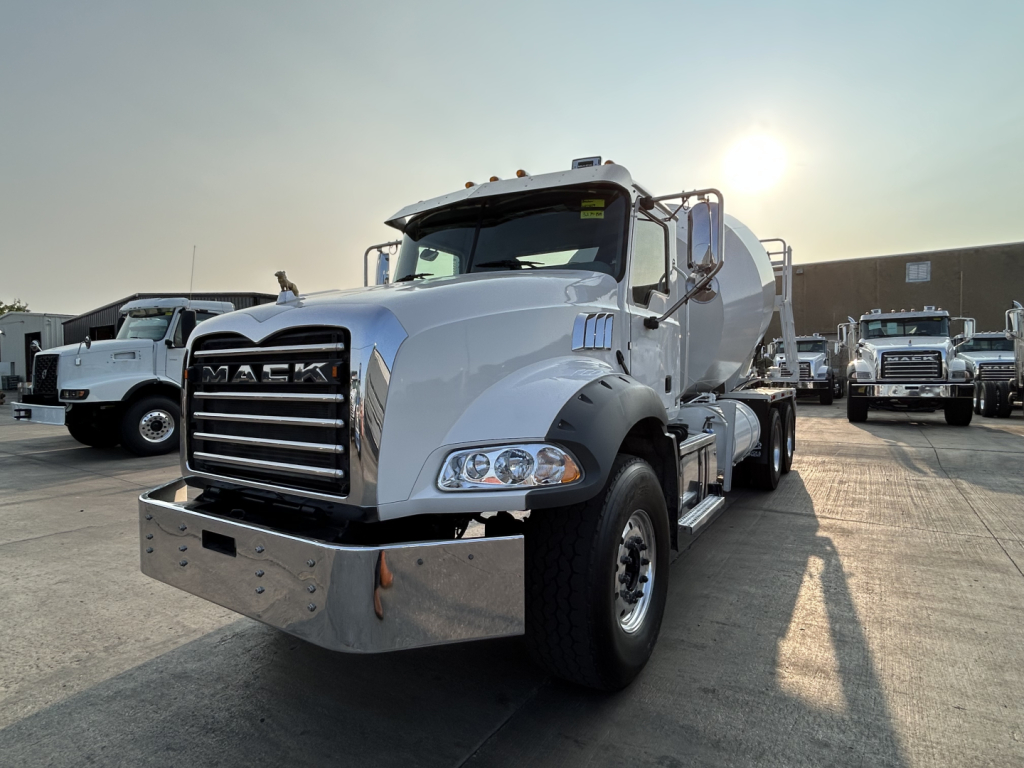
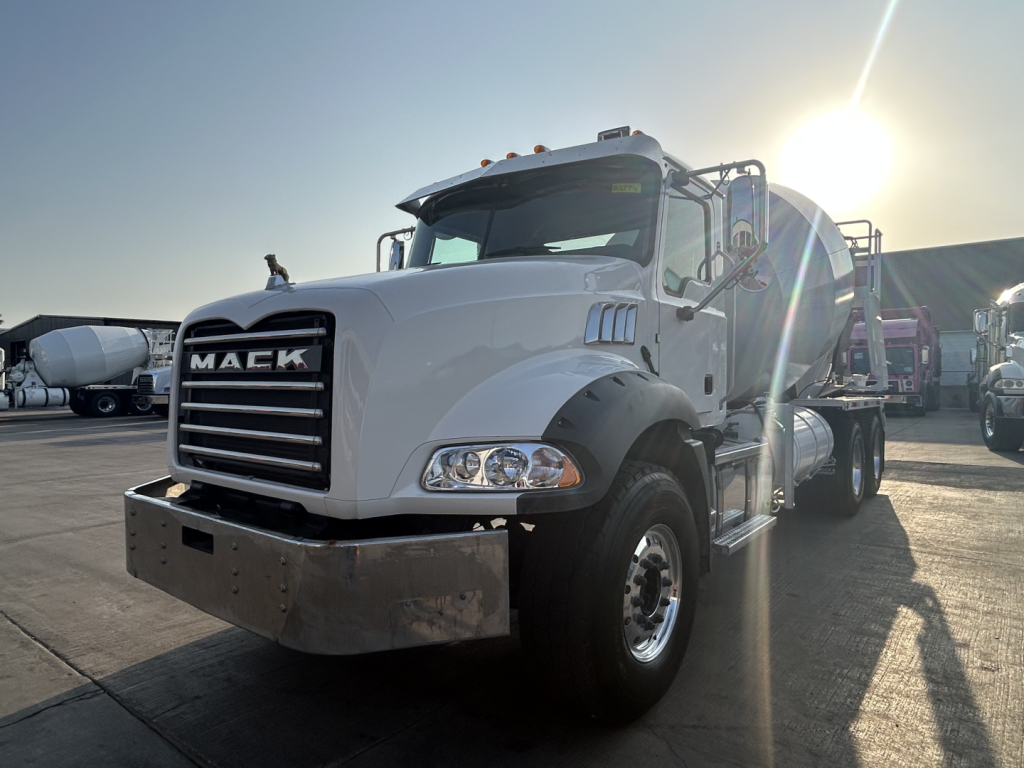
Have 2020 mixer truck to sell? List it here to reach thousands of buyers.
2020 Mixer Trucks in Texas
The most important buying decisions usually start with the chassis and driveline. A 2020 mixer truck may be powered by engines in the 350 to 450 horsepower range, with torque and low-speed drivability mattering more than top-end speed. Mack MP7, Volvo D11, Cummins X12, and similar vocational engines are common in this class. Transmissions often include Allison automatics or automated manuals such as Mack mDRIVE HD, especially in fleets that want a strong launch, controlled backing, and reduced driver fatigue in urban work. Look closely at the transmission ratio, creeper provision, rear axle ratings, locking differentials, and suspension design, because those details affect launch on soft ground, chute work on grades, and durability under constant load shifts.
The mixer package itself deserves as much attention as the truck. Buyers should check drum material thickness, drum manufacturer, hydraulic drive components, water tank capacity, control layout, ladder and platform condition, chute configuration, and wear points around rollers, fins, and hopper areas. Features such as in-cab drum rotation controls, digital rev counters, remote roller greasing, boot wash systems, and night-pour lighting can make a real difference in daily production. On a used 2020 unit, inspection should focus on drum shell wear, hydraulic leaks, subframe condition, PTO performance, frame rail cracking, and signs of heavy washout buildup. A truck that looks clean but has neglected roller assemblies or weak hydraulic response can turn into downtime quickly.
Texas buyers should also consider how the truck is routed and where it works most often. Tight metro deliveries in Houston, Dallas-Fort Worth, Austin, or San Antonio favor shorter wheelbases and predictable low-speed control, while rural or fast-growth market work may put more value on heavier suspension specs, traction aids, and longer haul comfort. Climate matters too. High ambient temperatures put pressure on cooling systems, hydraulic performance, and water capacity, especially during long queue times at plants and pours. A well-matched 2020 mixer truck should be judged by payload compliance, mixer body condition, driveline spec, and service history more than by brand alone.
Frequently Asked Questions about 2020 Mixer Trucks in Texas
What should I look for first on a used 2020 mixer truck?
Start with the mixer body and hydraulic system, then move to the chassis. Drum wear, roller condition, PTO engagement, hydraulic leaks, chute structure, and washout buildup tell you how the truck was maintained. After that, review engine hours, transmission operation, axle ratings, suspension condition, frame integrity, and service records. A sound severe-duty chassis is important, but a worn mixer package can be just as expensive to correct.
Is an automatic transmission better than an automated manual in a 2020 mixer truck?
It depends on the route and driver environment. Allison automatics are popular in mixer service because they deliver smooth starts, easy low-speed control, and less driver fatigue in stop-and-go city work. Automated manuals such as Mack mDRIVE HD can also perform well, especially when spec'd with vocational software and crawler ratios, and they may offer efficiency advantages. The better choice is the one that matches your jobsite access, driver preference, and maintenance program.
What drum size is most common on a 2020 concrete mixer truck?
Many 2020 mixer trucks are equipped with 10 to 11-yard drums, but the right capacity depends on legal weight limits, axle configuration, and the density of the material being hauled. Larger nominal capacity does not always mean more legal payload on the road. Buyers should compare drum size with bridge compliance, front and rear axle ratings, and the actual delivery patterns in their operating area.
Are 2020 mixer trucks in Texas spec'd differently than trucks in other states?
They often are. Texas applications commonly place extra emphasis on cooling capacity, vocational suspension durability, and low-speed drivability because of heat, traffic, and fast-paced construction work. Depending on the region, buyers may also prioritize heavier front axle ratings, differential locks, water capacity, and mixer controls that support night pours or long plant wait times. The best spec is shaped by local roads, legal weights, and the distance between the batch plant and the pour.
How important is service history on a 2020 mixer truck?
Service history is critical because mixer trucks live a hard vocational life even when mileage looks moderate. Regular hydraulic maintenance, drum roller service, lubrication records, PTO repairs, cooling system work, and suspension upkeep can tell you far more than odometer readings alone. A documented maintenance file reduces guesswork and helps confirm that the truck was cared for in the areas that most affect uptime.