
Mack Mixer Trucks For Sale in Texas
Shop Mack mixer trucks for concrete hauling in Texas. Compare Granite specs, axle ratings, drum capacities, transmissions, and jobsite-ready options.
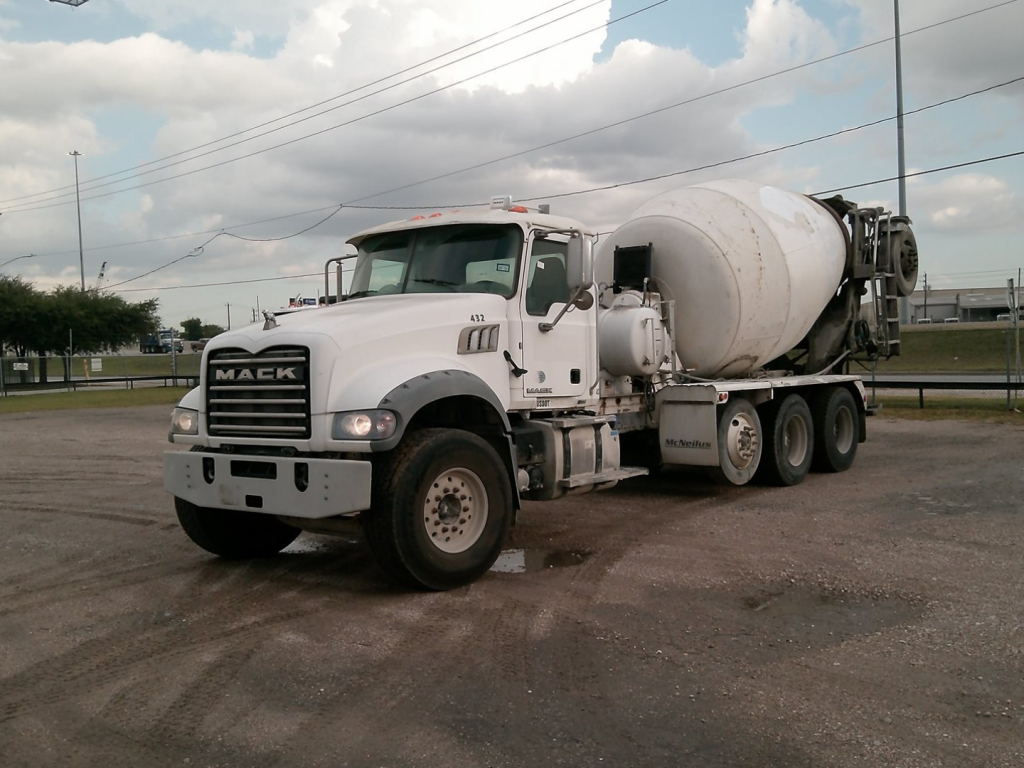
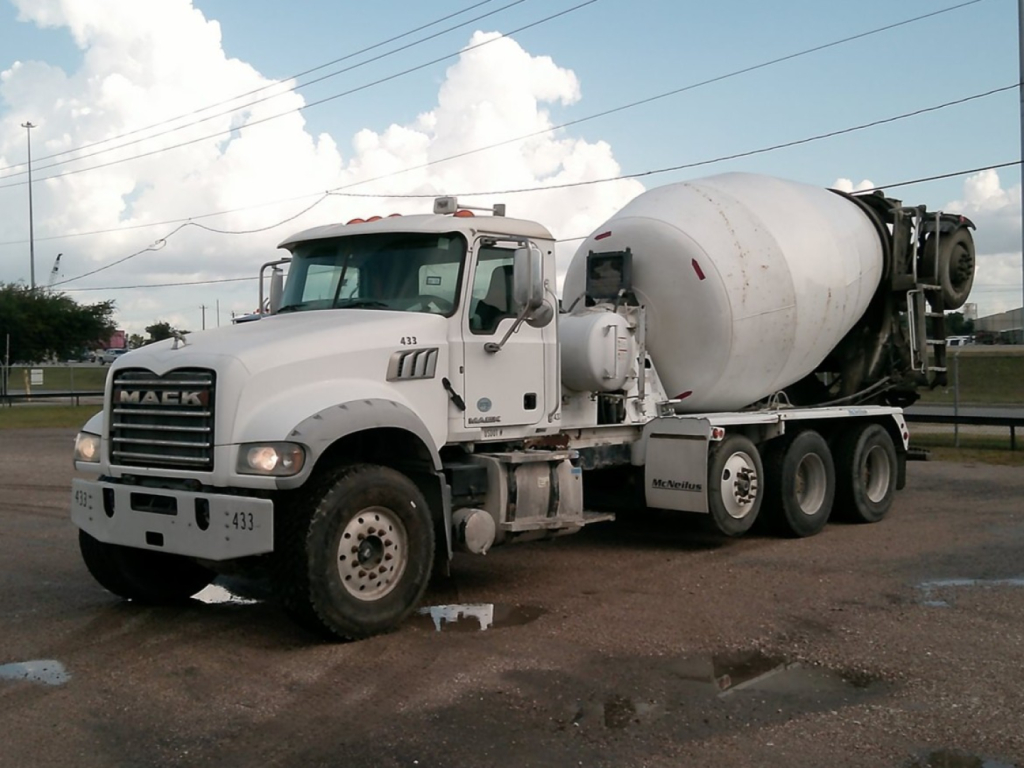
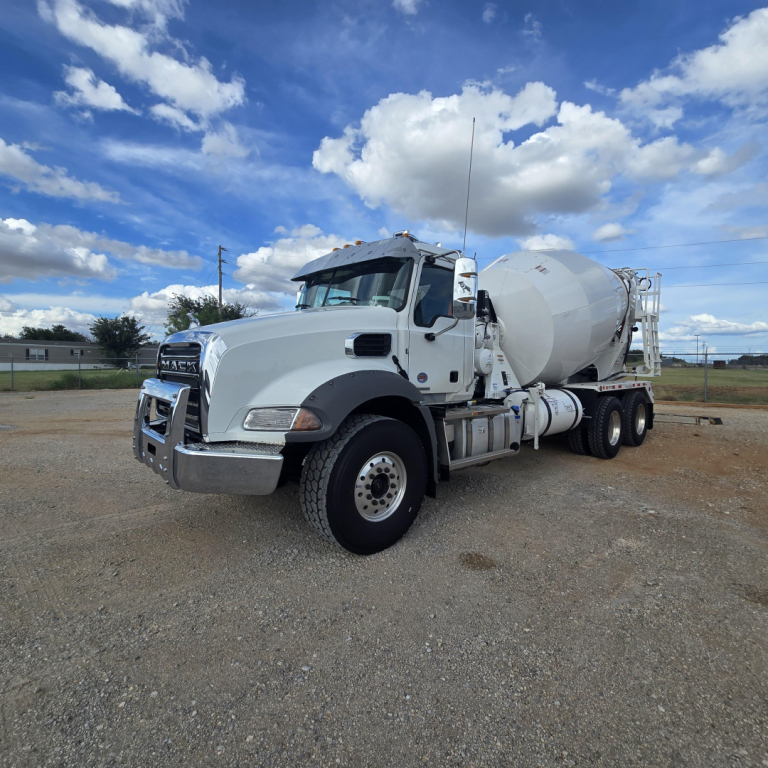
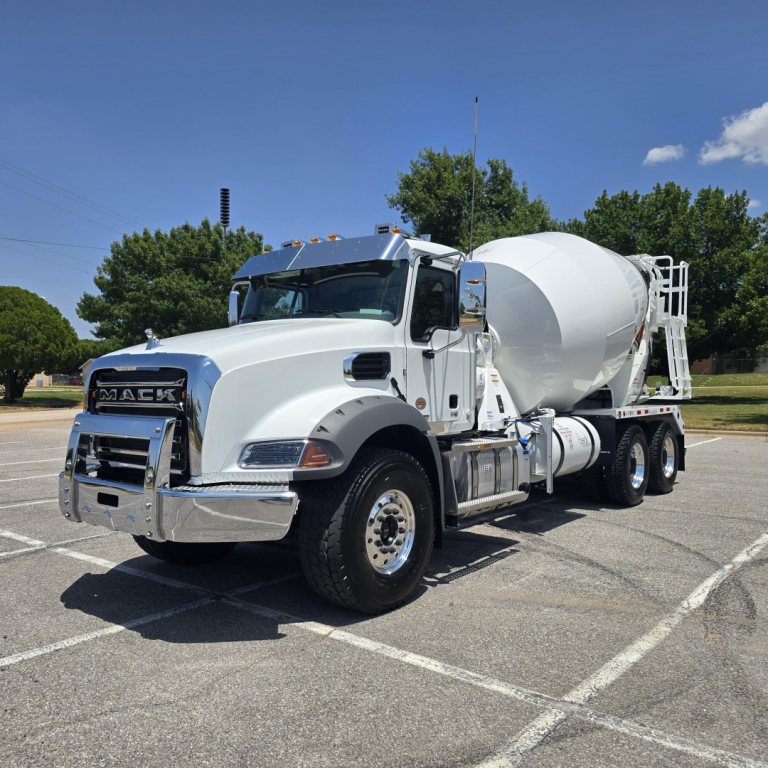
Selling a mack mixer truck? List your mack mixer truck for sale and reach thousands of commercial buyers.
Mack Mixer Trucks in Texas
One of the first decisions is drivetrain spec. Mack MP7 engines in the mid-300 to near-400 horsepower range are typical for mixer applications, giving enough torque for loaded starts, drum operation, and jobsite maneuvering without overbuilding the truck. Buyers will often compare Allison automatic transmissions against Mack mDrive automated manuals. Allison automatics are popular for concrete work because they are smooth in traffic, easy for mixed driver fleets, and well suited to constant starts and backing. mDrive setups can appeal to fleets focused on fuel efficiency and tighter ratio control, especially when paired with an ultra-low creeper gear for precise movement around forms and pavers. Rear axle ratios in mixer service often fall in the high-3s to mid-4s depending on terrain, payload strategy, and how much low-speed jobsite work the truck sees.
The mixer body matters just as much as the chassis. Many trucks in this class carry 11-yard drums, often with 1/4-inch drum shells, heavy-duty fins or blades, steel water tanks around 150 gallons, and discharge openings in the mid-40-inch range. Buyers should look closely at drum material thickness, blade design, charge and discharge performance, hopper layout, and washout practicality. Features like air tilt hoppers, driver boot wash stations, digital drum counters, and paver or bridge-deck style configurations can make a real difference in daily productivity. Front disc brakes, differential locks, multileaf front suspensions, and severe-service rear suspensions such as Hendrickson Haulmaax-style setups are also worth attention because they affect control, uptime, and durability under repeated full-load operation.
A good Mack mixer truck spec balances payload, maneuverability, and body durability with the type of concrete work being done. Short wheelbase trucks can help in tighter urban pours, while longer wheelbase configurations may offer better body integration and weight distribution depending on drum size and axle placement. Check front axle capacity carefully, since mixer trucks can become front-heavy depending on barrel position and bridge formula requirements. For Texas buyers, cooling performance, cab comfort, fuel capacity, and local service support also deserve a close look, especially on trucks that spend long hours idling, crawling through traffic, and cycling between batch plant and jobsite.
Frequently Asked Questions about Mack Mixer Trucks in Texas
What engine and transmission specs are common on Mack mixer trucks?
Mack mixer trucks are commonly equipped with Mack MP7 engines in the 365 to 395 horsepower range, paired with either an Allison automatic or a Mack mDrive automated transmission. That combination fits concrete service well because it provides strong low-speed torque, good launch performance under load, and dependable operation in stop-and-go routes. Allison automatics are often favored for ease of use and smooth backing, while mDrive transmissions can be attractive for fleets that want more gearing control and potential fuel-efficiency gains.
What drum size is typical for a Mack mixer truck?
An 11-yard drum is a very common spec on Mack mixer trucks, especially on tandem axle Granite chassis. Many are built with 1/4-inch steel drum shells, heavy-duty blades or fins, and side-mounted water tanks around 150 gallons. Actual legal payload depends on axle ratings, wheelbase, local bridge rules, and concrete density, so drum size should always be evaluated alongside the complete chassis spec rather than by barrel capacity alone.
Why are Mack Granite chassis popular for mixer applications?
Mack Granite chassis are popular in mixer service because they are designed for severe-duty vocational work and can be ordered with the axle ratings, suspensions, frame strength, and brake options concrete fleets need. They are well suited to repeated loaded starts, rough site access, and constant PTO-driven operation. Buyers also tend to value the Granite cab layout, serviceability, and the availability of heavy front axles and durable rear suspensions for mixer body integration.
What should I look at besides horsepower when comparing Mack mixer trucks?
Horsepower matters, but axle ratings, wheelbase, transmission type, rear axle ratio, suspension, and brake configuration often matter more in daily mixer performance. A truck with the right front axle capacity, proper weight distribution, differential locks, and a mixer body matched to the chassis will usually perform better than a truck chosen on horsepower alone. Drum construction, discharge opening size, water capacity, and washout features also directly affect how productive and practical the truck will be on concrete jobs.
Are Mack mixer trucks a good fit for Texas concrete work?
Mack mixer trucks are a strong fit for Texas operations because they can be spec'd for hot weather, heavy urban traffic, suburban growth corridors, and demanding jobsite access. Texas fleets often need a balance of cooling capacity, reliable automatic or automated transmissions, durable suspensions, and enough fuel and water capacity to support long days. Buyers should still confirm axle legality, local road limits, and the specific mixer body setup for the type of ready-mix, paving, or municipal work they plan to run.