
Mack Trucks For Sale in Kansas
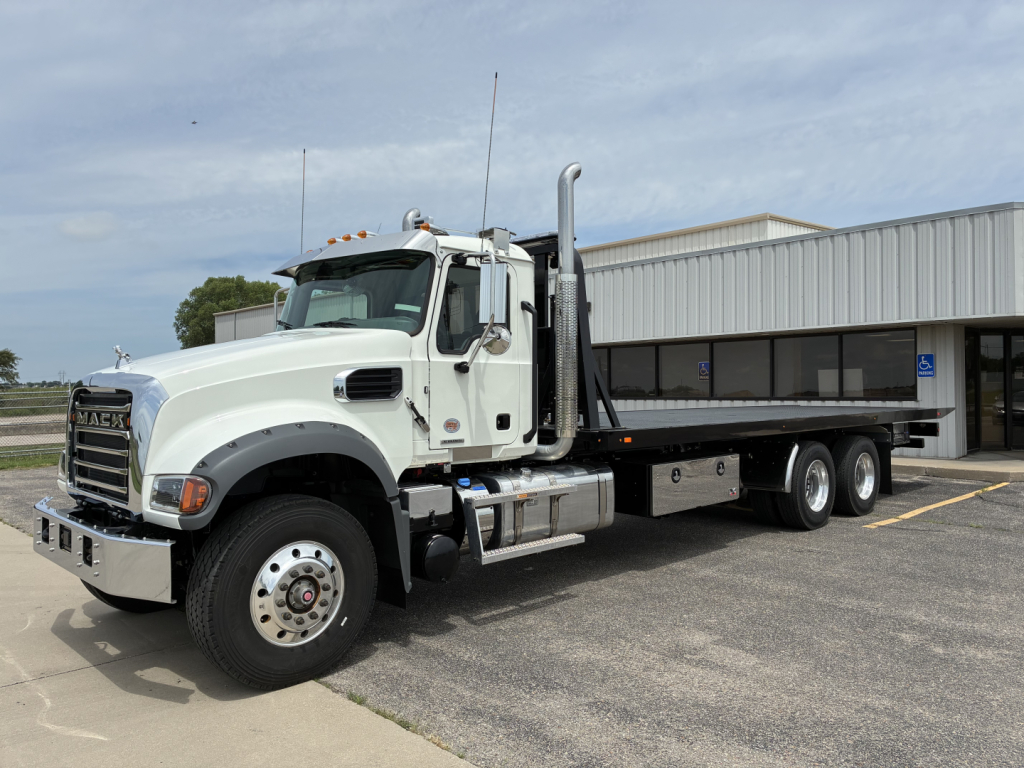
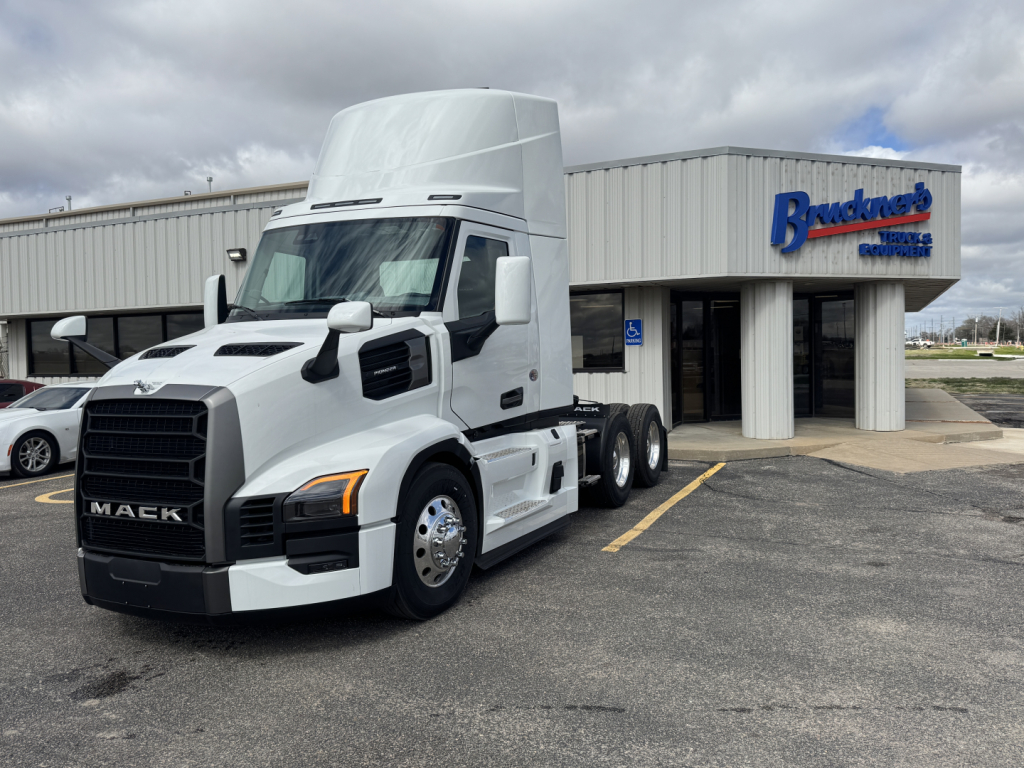
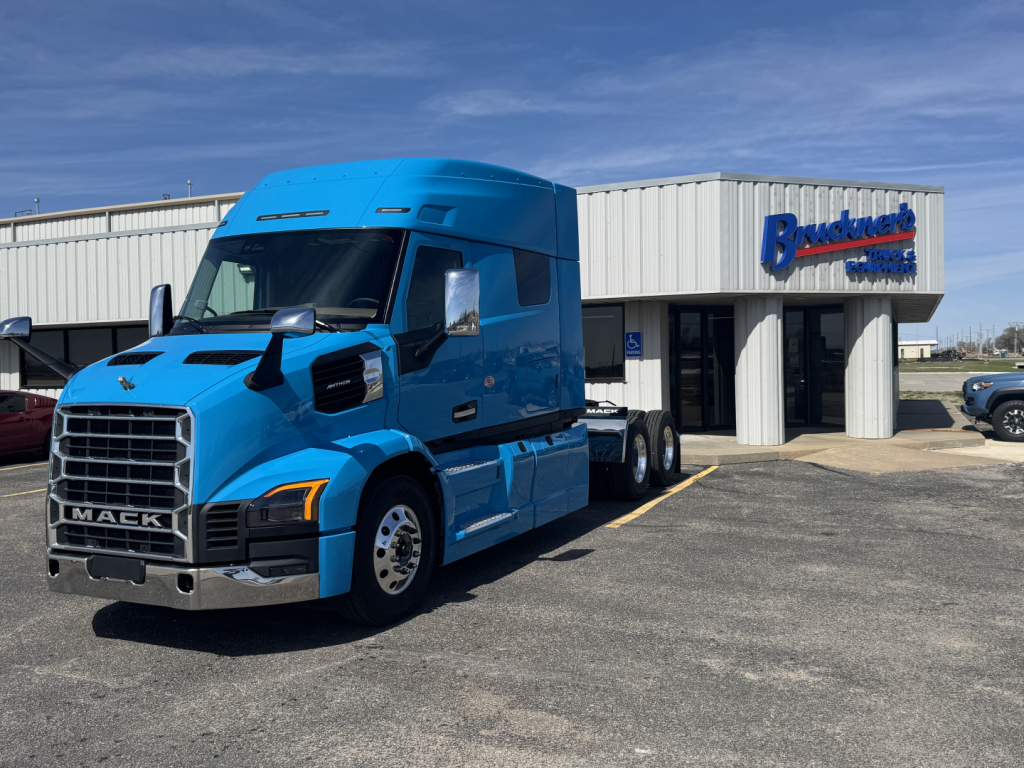
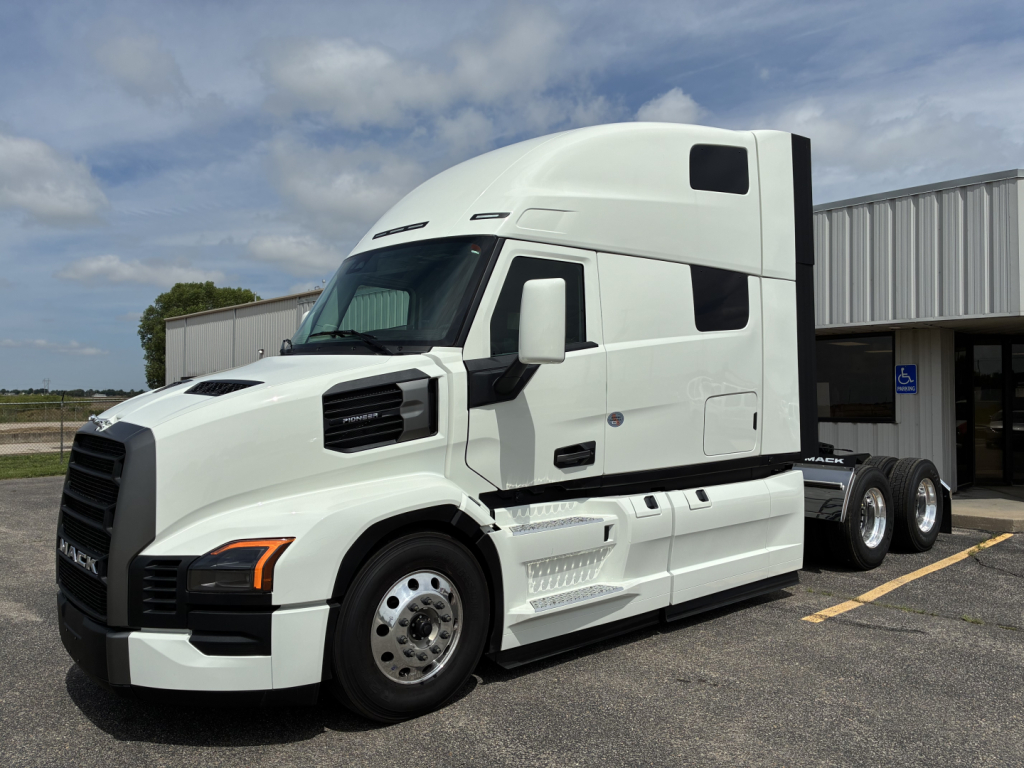
Browse Mack trucks for sale in Kansas, including Anthem, Pioneer and Granite models built for highway, vocational and heavy-spec work.
Learn more
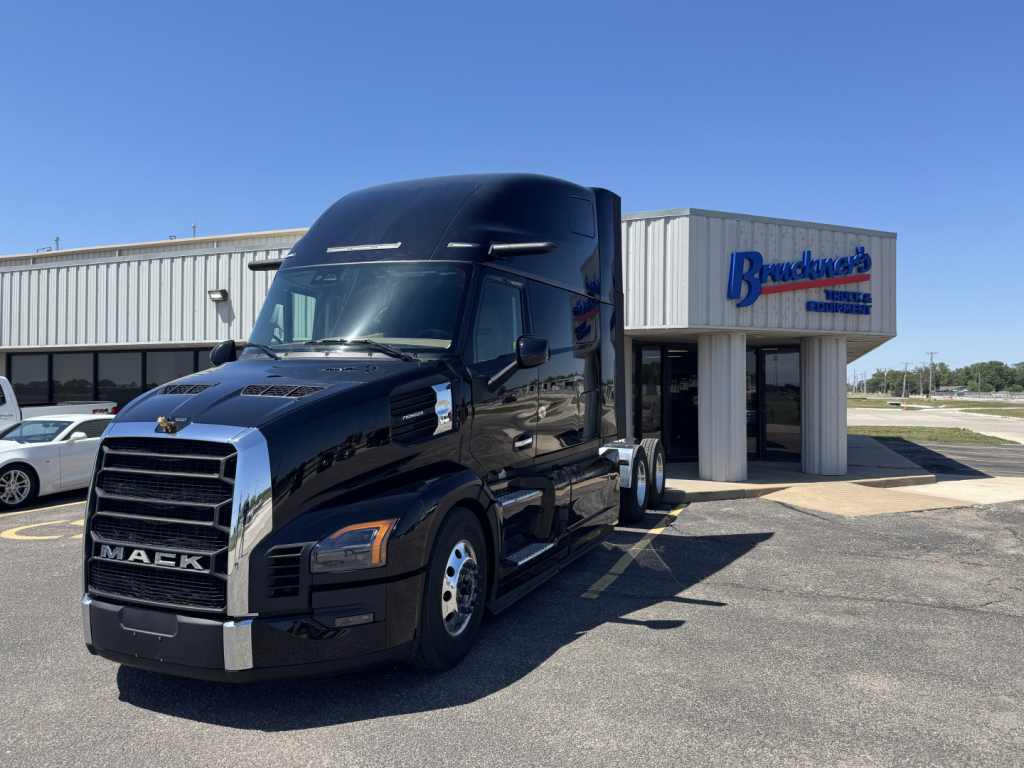
Showing 1 to 12 of 21 results
Have mack truck to sell? List it here to reach thousands of buyers.
About Mack Trucks in Kansas
For over-the-road and regional hauling, Mack conventional day cabs and sleepers are commonly spec'd with MP8 or MP13 diesel engines and the Mack mDRIVE automated manual transmission in 12-speed overdrive configurations. Horsepower in this class often falls from the low 400s into the 500-plus range, with tandem rear axles rated around 40,000 to 46,000 pounds and front axles commonly in the 12,000 to 14,600 pound range. A 2.85 or 3.08 rear ratio generally favors fuel-efficient highway cruising, while a 3.55 or 3.73 ratio is better suited for heavier loads, hill country, or more start-stop work. Wheelbase also matters. Around 180 inches is common for maneuverable day cabs, while 230-inch-plus wheelbases are more typical on sleeper tractors with larger fuel capacity and a better ride on long runs.
For construction, aggregate, and municipal work, Mack vocational trucks are often selected specifically for chassis strength, suspension type, and transmission setup. Granite dump trucks are a common example, frequently spec'd with MP8 power, heavier front axles, Camelback or other severe-duty suspensions, and high-capacity tandem rears. Buyers in this segment should pay close attention to body compatibility, pusher axle configuration, frame rating, and transmission details such as low-creeper gearing if the truck will spend time off-road or launching heavy loads. A vocational Mack that looks similar on paper to a highway tractor can behave very differently in the field once tire size, suspension, locking differentials, and body installation are factored in.
Used Mack trucks are often evaluated on drivetrain history, emissions system condition, suspension wear, and how the original spec aligns with the next job. A fleet-maintained highway Mack may be a strong fit for regional van or hopper work, but not for heavy dump or equipment hauling if the axle and suspension package are too light. In Kansas, many buyers also consider route profile and operating radius. Flat interstate running rewards efficient gearing and aero specs, while oilfield, feed, grain, and construction work often call for heavier suspensions, higher rear ratios, and more robust axle packages. The best Mack truck is the one with a chassis spec that matches the work, not simply the newest model or the highest horsepower rating.
Frequently Asked Questions
What are the most common Mack truck models buyers compare in Kansas?
Highway buyers often compare Mack Anthem and Pioneer conventional tractors, while vocational buyers focus on the Mack Granite. Anthem and Pioneer models are typically considered for regional and over-the-road freight, with day cab and sleeper configurations available. Granite models are better known for dump, construction, and severe-duty applications where frame strength, axle ratings, and vocational suspension options matter more than aerodynamic efficiency.
Is a Mack MP8 or MP13 engine better for my operation?
The MP8 is a common choice for regional haul, vocational work, and many highway applications because it offers strong horsepower and torque in a versatile package. The MP13 is generally aimed at heavier long-haul or high-GCWR applications where more displacement and sustained pulling power are important. The better choice depends on payload, terrain, and duty cycle. If the truck will run mostly interstate at standard weights, an MP8 may be all the engine needed. If the operation involves heavier combinations, steeper grades, or a premium on torque reserve, the MP13 deserves a close look.
What rear axle ratio should I look for on a Mack truck?
Rear axle ratio should match the truck’s primary job. Ratios such as 2.85 or 3.08 are commonly used for fuel-conscious highway service because they keep engine rpm lower at cruise speed. Ratios like 3.56 or 3.73 are more appropriate for heavy hauling, mixed terrain, vocational service, or applications with frequent starts and stops. A ratio that is too fast can hurt launch performance and gradeability, while a ratio that is too slow can give up fuel economy on long interstate runs.
Are Mack mDRIVE transmissions a good fit for both highway and vocational trucks?
Yes. Mack mDRIVE automated manual transmissions are widely used in both highway and vocational applications, but the programming and hardware spec matter. A 12-speed overdrive setup is common in highway tractors focused on fuel economy and driver ease. Heavy-duty or vocational versions may include different gearing, stronger components, and low-creeper ratios for dump, construction, or severe-service work. Buyers should look beyond the transmission name and confirm the exact model, speed count, and intended duty cycle.
What should I inspect first on a used Mack truck?
Start with the drivetrain and chassis spec, then confirm maintenance history. Engine performance, fault codes, emissions system health, transmission operation, suspension wear, and axle condition should all be reviewed early. It is also important to verify that the truck’s original configuration matches the work ahead. A clean used Mack can still be the wrong truck if the wheelbase, axle ratings, suspension, or rear ratio do not fit the intended application. On vocational units, body condition, frame integrity, and PTO-related components deserve extra attention.